REVIEW · MUANG CHIANG MAI
Chiang Mai: Thai Cooking and Market Tour with Lanna Smile
Book on GetYourGuide →Operated by Lanna Smile Thai cooking · Bookable on GetYourGuide
Thai cooking starts with a market stop, and at Lanna Smile you’ll hit the market before cooking and then work at your own station with an English-speaking teacher. It’s hands-on, not sit-and-watch, and the style of teaching makes you feel comfortable fast, even if Thai cooking is new to you.
In your 5-hour slot, you’ll also spend time in a cozy Lanna-style kitchen and eat what you cook, typically lunch or dinner. The one thing to watch: the free hotel transfer is limited (within about 3 km of Chiang Mai Old Town), so if you’re farther out, you’ll meet at a designated spot in town instead.
In This Review
- Key things I’d highlight before you book
- Six Dishes in Five Hours: How This Class Actually Feels
- Pickup and Timing: What to Plan in Chiang Mai
- Market Shopping for Curry Paste, Herbs, and Noodles Basics
- The Cooking Studio Setup: Individual Stations and a Hands-On Flow
- Your Six-Dish Menu: What Each Category Teaches You
- 1) Curry Pastes: Flavor Architects
- 2) Curries: The Sauce Logic
- 3) Noodles: Wok Time and Texture
- 4) Soups: Sour, Spicy, and Comfort
- 5) Dessert: Thai Sweet Isn’t One-Note
- 6) Appetizers: Crunch and Freshness
- Lunch or Dinner: Eating What You Made
- Spice Level, Vegetarian Friendly, and Ingredient Standards
- Who This Experience Fits Best (and Who Might Want Something Else)
- Value Check: Is $31 Worth It?
- House Rules You Should Know Up Front
- Should You Book Lanna Smile?
- FAQ
- How long is the Chiang Mai Thai cooking and market tour?
- What size is the class?
- What language is the class taught in?
- What dishes will I cook?
- Is the class vegetarian friendly?
- Can I adjust the spice level?
- Is hotel pickup included?
- What should I bring or wear?
- If I want to watch but not cook, how much is it?
- Is there free cancellation?
Key things I’d highlight before you book
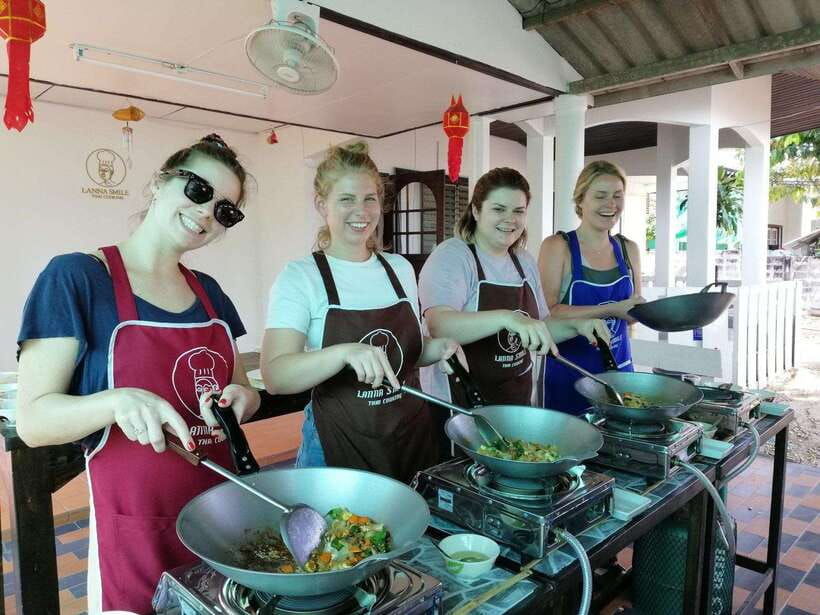
- A capped small group (up to 8) means you’re not stuck waiting while someone else gets instructions.
- Market shopping for fresh ingredients is part of the lesson, not a separate add-on.
- You choose one dish from each category and end up making six items: paste, curry, noodles, soup, dessert, and an appetizer.
- English instruction with individualized cooking stations keeps the class practical.
- Vegetarian options are available, plus you can adjust spice levels if you’re sensitive to heat.
Six Dishes in Five Hours: How This Class Actually Feels
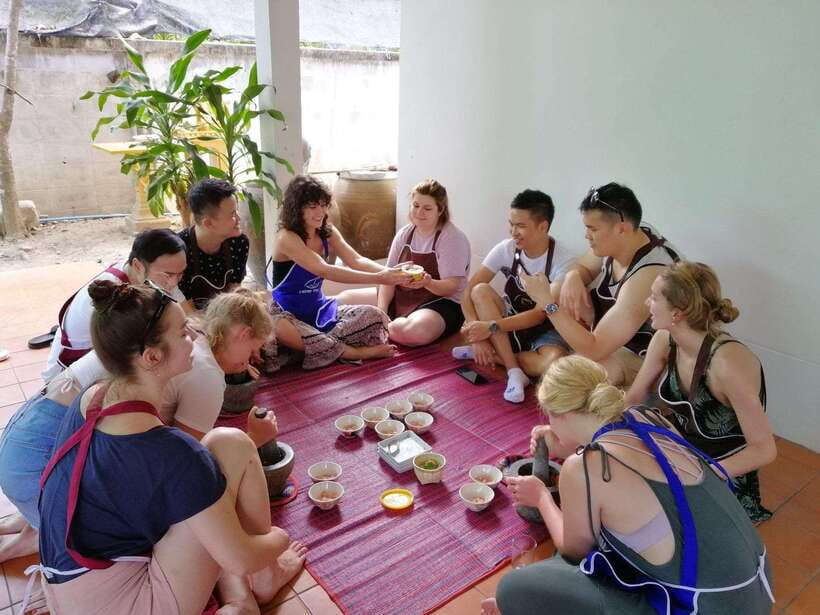
This is the kind of Chiang Mai food experience that gives you something to bring home: real dishes, real techniques, and a recipe booklet you can use later. The pace is brisk enough to stay fun, but not so rushed that you only half-learn. You start with pickup in/near Old Town, get going toward the market and cooking studio, then spend most of the time cooking at your own station under guidance.
At Lanna Smile, the vibe is traditional and friendly. Several people mention hosts like Pim and Nim (and on pickup days you may also meet family members involved in the operation, like Lim). That matters because Thai cooking isn’t just chopping and stirring. It’s about timing, texture, and balancing flavors, and a calm teacher helps you do it without panic-tasting everything like a cooking show contestant.
A small group (limited to 8) also changes the feel. You’re more likely to get quick corrections on your curry paste, your noodle stir-fry timing, or how to handle herbs and aromatics. If you enjoy learning by doing, this format is a strong match.
You can also read our reviews of more tours and experiences in Muang Chiang Mai.
Pickup and Timing: What to Plan in Chiang Mai
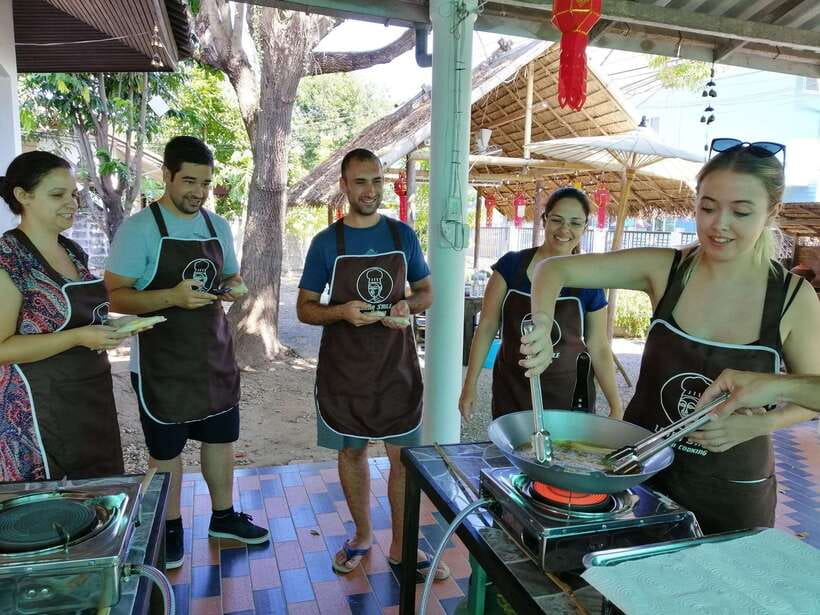
Your class runs about 5 hours, with hotel pickup that usually happens 15–30 minutes before the session start. The pickup is offered within the city area (listed as within about 3 km of Chiang Mai Old Town). If you’re staying farther out, you’ll be asked to meet at a designated meeting point in town.
That’s practical advice for your day: plan to arrive at your hotel lobby ready to go, and build in a buffer for traffic. You’ll also want to be prepared about 15 minutes early for pickup. It’s not complicated, but it prevents that last-minute scramble that kills the calm part of any food tour.
If you’re trying to stack activities in Chiang Mai, this one works well as a midday-ish anchor. You get a meal included at the end, so you can eat well afterward without hunting for food or making decisions when you’re already tired.
Market Shopping for Curry Paste, Herbs, and Noodles Basics
Before you cook, you do a fresh market tour. This isn’t only about browsing—it’s where you start learning why Thai dishes taste the way they do. You pick ingredients fresh (fresh ingredients are specifically part of the class approach), and you understand what goes into the flavor foundation of Thai cooking.
What I like about this market step is that it reframes the lesson. Instead of thinking, I’ll follow a recipe, you start thinking, I’ll recognize ingredients and know what they do. That helps you later when you’re recreating dishes at home and your supermarket has substitutes.
You’ll shop with your teacher, and you get the practical explanation behind choices. For example, Thai cooking relies heavily on balance: sour, salty, sweet, and heat. Market ingredients are the raw material for that balance. Also, the class emphasizes cleanliness and ingredient standards, including using fresh rice bran oil that isn’t reused and no MSG. That’s not just a health claim; it signals that they’re trying to teach cooking with the real behavior of food, not shortcuts.
The Cooking Studio Setup: Individual Stations and a Hands-On Flow
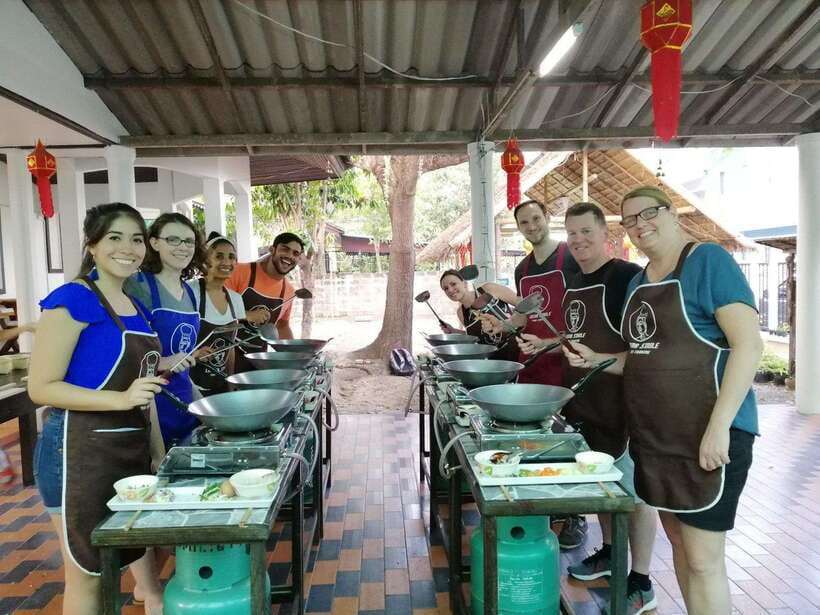
After the market, you head to the cooking studio, described as a cozy kitchen in a Lanna-style setting. You’re cooking at an individual station, which is a big deal for learning. It means you’re not sharing one cutting board with seven strangers. You’re doing the work: chopping, grinding (where relevant), stirring, tasting, and adjusting.
The teacher guides in English, so the steps don’t depend on gestures alone. And because the group is small, you’re more likely to get direct help when something feels off—too thick, not fragrant enough, not balanced, or just not quite right.
Also, the class includes a welcome drink (coffee, tea, or an herbal drink), which keeps the energy friendly from the start. It’s a small thing, but it helps if you’re traveling in warm weather and you want a smooth transition from walking around outside to cooking indoors.
Your Six-Dish Menu: What Each Category Teaches You
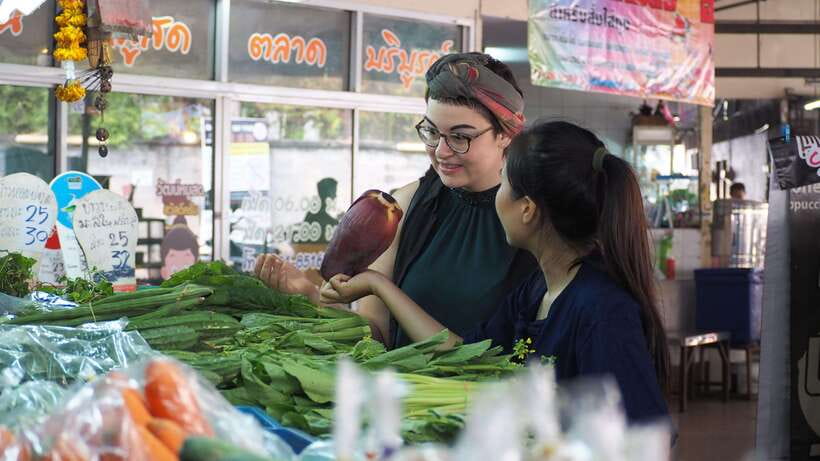
You’ll make six delicious dishes, chosen by selecting one dish from each category. The categories are built like a skill ladder: paste and curry structure first, then noodles and soups, then sweet and savory finishers.
Here’s how the categories translate into real cooking skills:
1) Curry Pastes: Flavor Architects
You choose one:
- Green curry paste (Nam Prik Gang Kheaw Wan)
- Panang curry paste (Nam Prik Gang Pa Naeng)
- Massaman curry paste (Nam Prik Gang Massaman)
Curry paste is where Thai food becomes Thai food. Even before you add coconut milk or simmering liquids, the paste carries aromatics and spice identity. Learning paste-making (or how to build it properly) helps you understand what changes the dish from one curry style to another. It’s also the part you’re most likely to reproduce later, because it’s closer to the “flavor formula” than some finished dish steps.
2) Curries: The Sauce Logic
You choose one:
- Green curry (Gang Kheaw Wan)
- Panang curry (Gang Pa Naeng)
- Massaman curry (Gang Massaman)
Curries teach you how Thai sauce behaves. Coconut milk timing matters. Heat management matters. And salt/sour/sweet balance matters. If you’ve ever had a curry taste flat at home, it’s usually because the seasoning and simmer timing weren’t treated like part of the recipe. This class structure makes that clear.
3) Noodles: Wok Time and Texture
You choose one:
- Pad Thai
- Drunken Noodle (Pad Khee Moa)
- Fried thick noodle with soy sauce (Pad See Ew)
Noodles are where you learn that Thai cooking isn’t just about sauces—it’s about texture. Pad Thai is often about balance and coating. Drunken noodles feel more herb-and-heat-forward and depend on stir-fry rhythm. Pad See Ew leans into thick noodles and the skill of getting them glossy and cooked through without turning them mushy.
4) Soups: Sour, Spicy, and Comfort
You choose one:
- Hot and sour prawn soup (Tom Yum Kung)
- Coconut milk soup with chicken (Tom Kha Kai)
- Hot and sour soup with chicken (Tom Sab Kai)
Soups teach restraint and timing. Tom Yum and Tom Sab sit on the edge between sharp and balanced. Tom Kha is a different mood—coconut milk softens and rounds flavors while you still keep the bright side. If you like Thai food because it’s not heavy, soups are where that character really shows.
5) Dessert: Thai Sweet Isn’t One-Note
You choose one:
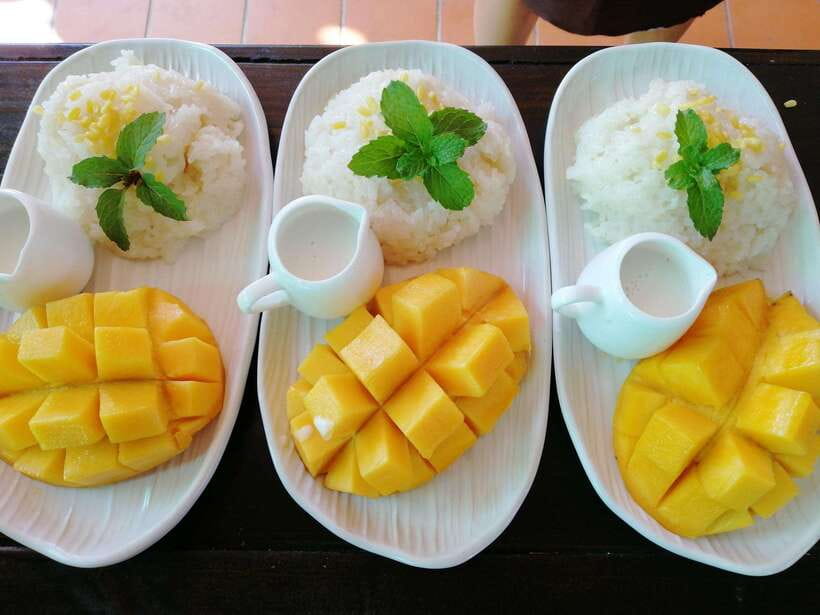
- Sweet sticky rice with mango (Khao Niaow Ma Muang)
- Banana in coconut milk (Kluay Buad Chee)
- Sago balls in coconut milk (Sa Koo Bua Loi)
Dessert in this class matters because Thai desserts rely on coconut milk richness and specific starch textures. If you’ve only tried mango sticky rice that tasted like it came from a syrup bottle, you’ll probably learn why it behaves differently when done carefully.
6) Appetizers: Crunch and Freshness
You choose one:
- Fried spring roll (Pow Pia Tod)
- Papaya Salad (Som Tam)
This is a clever mix: spring rolls give you frying discipline, and papaya salad gives you the balancing act of sour, salty, sweet, and heat. Papaya salad in particular is a great “Thai flavor test”—if you can balance it, you’ll understand Thai cuisine’s logic in a way that goes beyond one recipe.
Lunch or Dinner: Eating What You Made
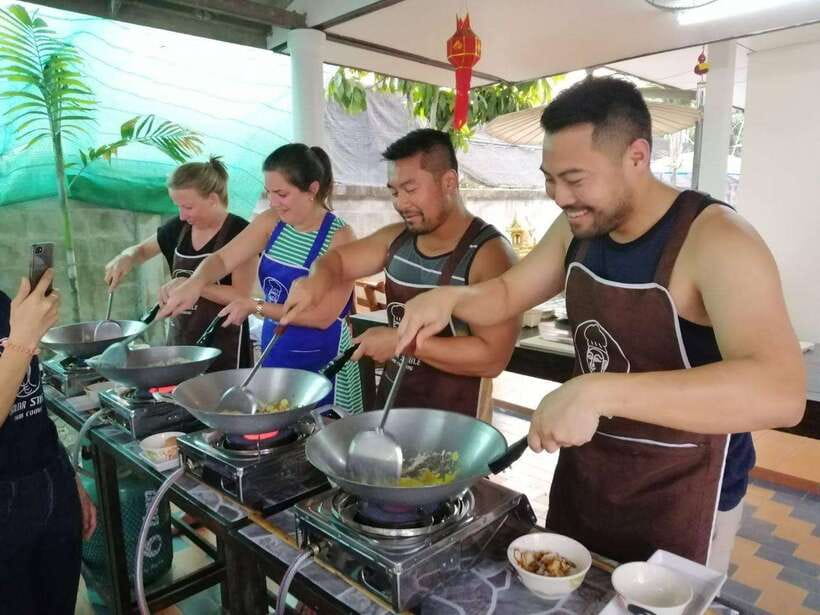
At the end, you’ll enjoy lunch or dinner consisting of the dishes you prepared. This is one of those features that sounds obvious, but it’s worth calling out: eating your own food confirms whether the techniques you used actually worked.
It also makes the session feel complete. After you stir, taste, and adjust for hours, you’re not stuck wondering if your curry turned out right—you find out immediately. And since the class includes a recipe booklet to take home, you can compare your result to the written guide while it’s still fresh in your memory.
Spice Level, Vegetarian Friendly, and Ingredient Standards
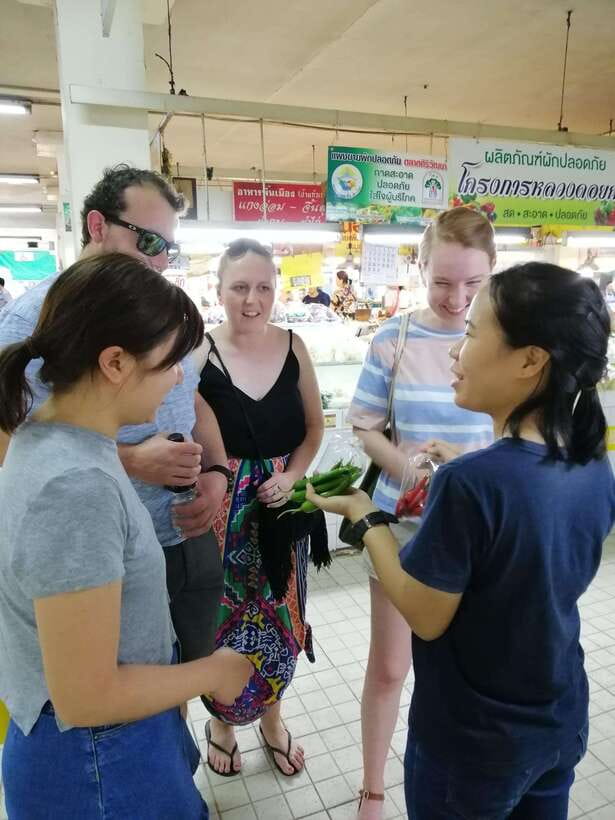
If you’re worried about heat, you shouldn’t be. The class specifically notes that guests who aren’t familiar with spicy food can adjust the spice level to suit their own taste. That means you can still learn the dishes without turning the day into a fire drill.
Vegetarian options are also supported. The class is marked vegetarian friendly, and you can notify them in advance if you want vegetarian dishes. This is important because Thai menus often rely on fish sauce and shrimp paste. When an operator is prepared for vegetarian eaters, you’ll get a smoother cooking experience and less last-minute improvising.
The ingredient approach is also part of the value: they emphasize fresh ingredients from the market every day, use no MSG, and maintain cleanliness with equipment. You might not care about those details until you taste the difference, but it’s reassuring, especially if you’re sensitive to flavor additives or just want food that tastes clean and balanced.
Who This Experience Fits Best (and Who Might Want Something Else)
This class is ideal if you want:
- a practical skill you can repeat at home,
- an English-speaking food lesson,
- a friendly small group setup (limited to 8),
- and a market stop that actually feeds into your cooking.
It’s also a solid choice if you’re in Chiang Mai for a short time. Five hours gives you a full meal and a full learning experience without stealing an entire day.
Who might consider a different option: if you want a purely sightseeing tour, this won’t scratch that itch. This is about cooking and eating. You’ll walk around the market, but you’re there for ingredients and explanations, not for a long wander with photos at every corner.
Value Check: Is $31 Worth It?
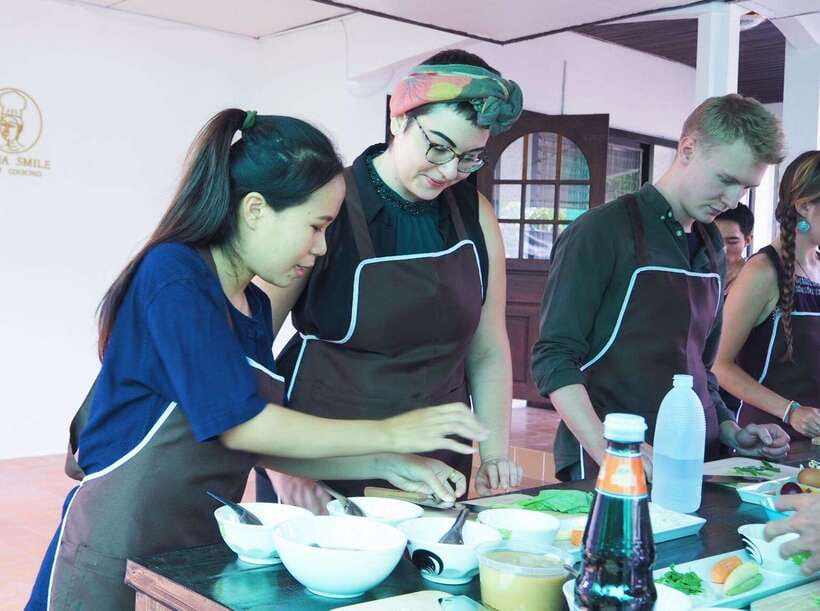
At around $31 per person for a 5-hour class, the value is strong because the included items are the real cost drivers:
- cooking class with a skilled instructor,
- all ingredients and equipment,
- a recipe booklet you take home,
- lunch or dinner of what you cook,
- fresh market tour,
- hotel pickup/drop-off within the city limits,
- welcome drink,
- and even free Wi‑Fi plus a photo gallery on a Facebook page and a limited souvenir.
Food tours often charge extra just for “the meal.” Here, the meal is tied to the cooking you did, and you leave with materials that help you repeat it. If you enjoy Thai food and want a cooking lesson that’s more than a quick taste test, this is priced like a bargain rather than a splurge.
House Rules You Should Know Up Front
To keep the class safe and enjoyable, there are clear guidelines. Pets aren’t allowed, and alcohol, drugs, intoxication, and party-group behavior aren’t permitted. Alcoholic drinks in the vehicle are also not allowed. If you’re the type who likes to celebrate with drinks all day, you’ll want to adjust your plans.
What to bring is simple: comfortable clothes. You’ll be cooking, standing, and moving around a bit.
Should You Book Lanna Smile?
If you like the idea of learning Thai cooking in a friendly, small-group setting with an English-speaking teacher, this is an easy yes. The market component gives you context, the cooking at your own station keeps it hands-on, and the dish lineup covers the big categories of Thai comfort food and sweets.
I’d book it especially if you’re the type who wants to eat in Chiang Mai, but also wants a skill to take home. Even if you only cook one curry or one noodle dish again later, you’ll still feel like the day mattered.
If you’re staying outside the pickup radius, double-check how you’ll get to the meeting point. Otherwise, plan to show up ready to cook, trust the spice adjustments, and lean into the lesson. That’s when this tour goes from a nice meal to a memorable day.
FAQ
How long is the Chiang Mai Thai cooking and market tour?
It lasts about 5 hours.
What size is the class?
The group is small, limited to 8 participants.
What language is the class taught in?
The instructor teaches in English.
What dishes will I cook?
You choose one dish from each category, for a total of six dishes. Categories include curry pastes, curries, noodles, soups, dessert, and appetizers (with options listed such as green curry paste, Pad Thai, Tom Yum Kung, mango sticky rice, and more).
Is the class vegetarian friendly?
Yes. Vegetarian options are available, and you should notify them in advance if you want vegetarian dishes.
Can I adjust the spice level?
Yes. The class notes that guests unfamiliar with spicy food can adjust the spice level to suit their taste.
Is hotel pickup included?
Pickup and drop-off are included within the city. Free transfer is offered within about 3 km of Chiang Mai Old Town; if you stay outside town, you’ll meet at a designated meeting point in town.
What should I bring or wear?
Wear comfortable clothes.
If I want to watch but not cook, how much is it?
A non-cooking visitor costs 400 Baht per person.
Is there free cancellation?
Yes. You can cancel up to 24 hours in advance for a full refund. The booking also supports reserve now & pay later.