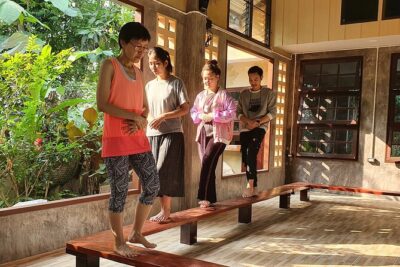
REVIEW · MUANG CHIANG MAI
Chiang Mai: Evening Chanting & Meditation
Book on GetYourGuide →Operated by Journey D Travel · Bookable on GetYourGuide
Chants at dusk change your pace, and this one is more than watching. At Wat Chai Sri Phoom, you take part in the monks’ evening ritual, then settle into meditation with help from an English-speaking guide.
I love how the Metta practice is taught in a practical, heartfelt way, with good-wish phrases directed to loved ones, those who have passed, and all beings. I also like that the guide may have real lived Buddhist experience, including ex-monks such as Son, who explain what it means for everyday life. One drawback to keep in mind: you may not get a line-by-line English translation of the chants, so if you want the words fully spelled out, you might feel a little on the outside.
In This Review
- Key points to know before you go
- Wat Chai Sri Phoom at Dusk: The Setting That Helps You Pay Attention
- How the 3-Hour Evening Really Flows (And Why Timing Matters)
- Chanting With the Monks: What You’re Actually Doing During Those 40–50 Minutes
- Metta Practice: Turning Compassion Into Something You Say (and Mean)
- Fifteen Minutes of Guided Silent Meditation: Short Enough to Start, Long Enough to Notice
- After the Ritual: Senior Monks, Lay Practice, and the Q&A That Makes It Stick
- Price and Value: Why $20 Can Be a Solid Deal Here
- Who This Is For (And Who Should Skip It)
- Practical Tips So You Don’t Spend the Evening Trying to Figure It Out
- Should You Book Chiang Mai Evening Chanting & Meditation?
- FAQ
- How long is the Chiang Mai Evening Chanting & Meditation experience?
- What is the price per person?
- Where do I meet the guide?
- What’s included in the price?
- What should I bring?
- What is not allowed during the experience?
- What languages are available with the live guide?
- Who should not book this?
- Is there free cancellation and pay later?
Key points to know before you go
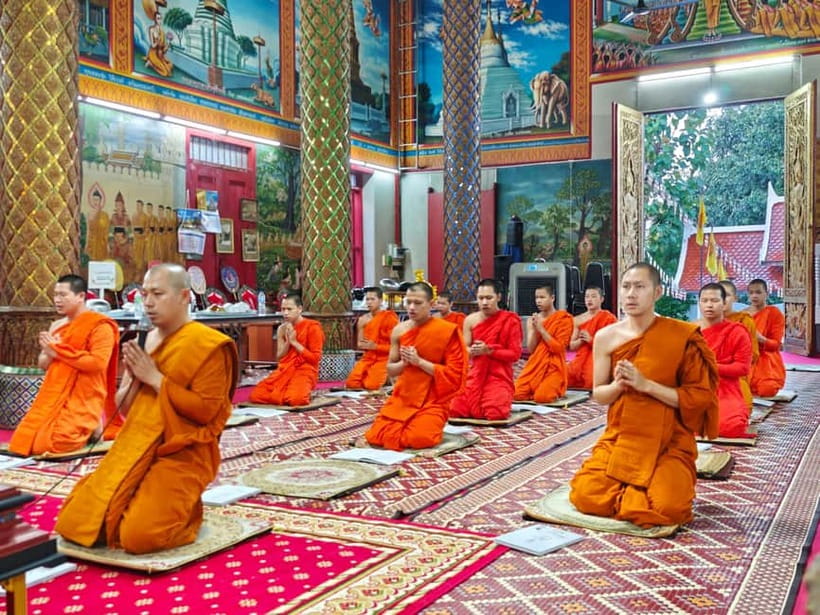
- Wat Chai Sri Phoom at night: temple grounds quiet down fast when the chanting starts
- Monks’ chanting is participatory: you’re meant to sit with the rhythm, not just observe
- Metta is the main lesson: extend compassion intentionally, not vaguely
- A 15-minute guided silent sit: short enough to be doable, structured enough to be helpful
- Ask-questions time: guidance often continues after the ritual ends
- Bring simple basics: water and comfortable, modest clothing matter more than you think
Wat Chai Sri Phoom at Dusk: The Setting That Helps You Pay Attention
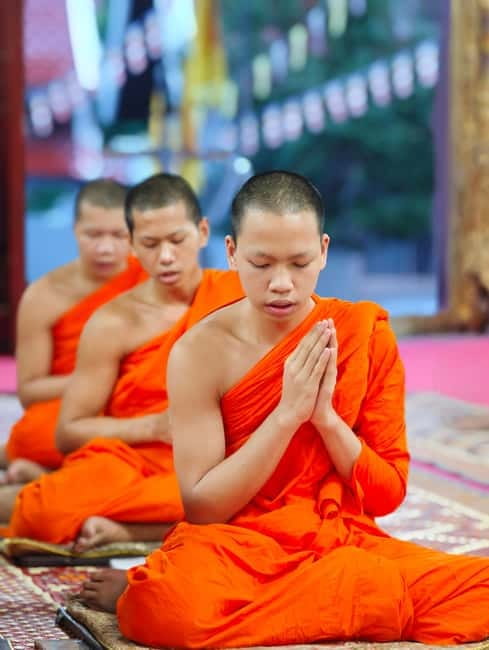
This experience lives and dies by timing. When Chiang Mai cools down and the day’s noise fades, Wat Chai Sri Phoom feels built for one thing: slowing your mind down.
You’ll start at a temple meeting point where your guide waits (often in front of Wat Lok Moli), though the exact location can change. Plan to arrive at least 15 minutes early. That extra buffer is worth it. It gives you time to settle your body, adjust your clothing, and get your head out of travel mode.
Dress matters here. Think modest and comfortable. No smoking. No flash photography. And keep your phone silent before the session begins. Small rules, big payoff: the whole room stays focused on the ritual instead of someone’s ringtone ruining the mood.
You can also read our reviews of more tours and experiences in Muang Chiang Mai.

How the 3-Hour Evening Really Flows (And Why Timing Matters)
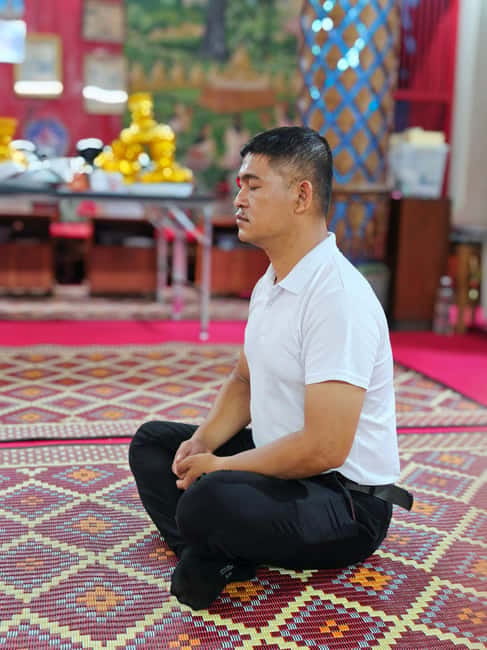
The total duration is about 3 hours, but the meaningful moments are concentrated. In plain terms, you’re looking at a longer chanting segment, then a shorter, very quiet meditation.
You’ll meet up through the experience’s starting point linked to A Chef’s Tour Chiang Mai Food Tours, then do the guided part of the evening and return there afterward. One important note: transportation to and from Wat Chai Sri Phoom isn’t included. So you’ll want to handle getting to the meeting point (and back) on your own, or be ready for whatever meeting logistics your guide confirms.
A typical rhythm looks like this:
- arrive, settle, and follow the guide’s lead
- join the monks for chanting (often described as 40–50 minutes)
- shift into a 15-minute silent meditation with gentle guidance at the start
- listen to teaching and Q&A afterward
Why this matters: you’re not stuck doing one thing for too long. The chanting gives your brain a rhythm to latch onto. Then the short silent sit teaches you how to let that rhythm fade without getting lost in thoughts.
Chanting With the Monks: What You’re Actually Doing During Those 40–50 Minutes
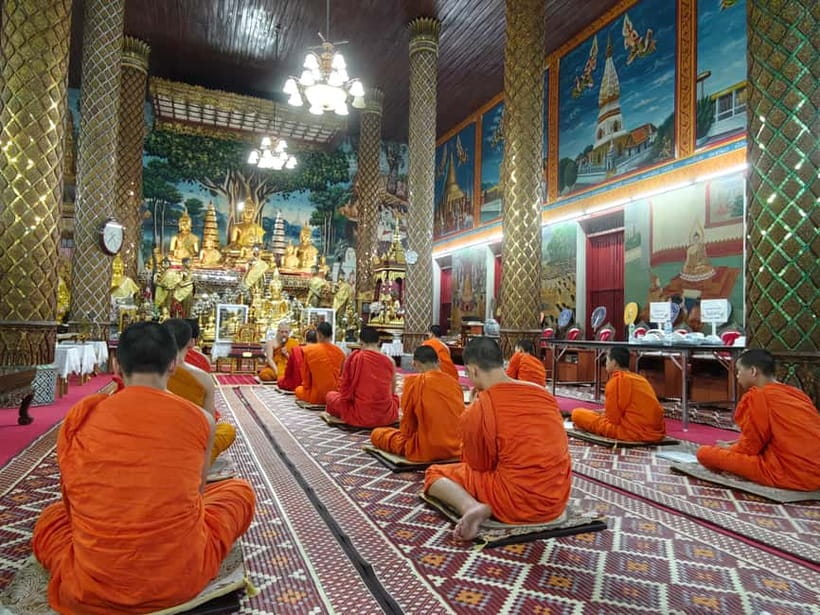
The heart of the evening is the monk chanting ritual at Wat Chai Sri Phoom. This is not a lecture from a distance. You’re expected to participate with the community, follow the pace, and let your attention match theirs.
You may be guided to close your eyes during chanting and feel the vibration of the voices and chanting tones. That might sound dramatic, but it’s easy to understand: your body notices rhythm faster than your mind can translate it. Even if you don’t know the words, the structure is what helps you focus.
What makes this part special is the way the guide ties the ritual to meaning. The best sessions are led by someone who can explain the basics of Buddhist philosophy and practice in straightforward language. From the sessions you can book, you might be guided by people like Son, and you can also run into other knowledgeable ex-monk guides mentioned by past participants (names like Paponsonkl, Big, and Earth show up). That matters because chanting can feel “mysterious” if you’re only taking it as sound. A good guide gives you handles to hold onto: why the chanting is done, what it’s for, and how it connects to practice.
Also, you should be aware of attention expectations. People can’t use phones freely here. You’ll get the best result if you treat this like a ceremony you’re part of, not a photo-op.
Metta Practice: Turning Compassion Into Something You Say (and Mean)
After chanting, you’ll move into Metta, often described as loving-kindness—wishes for well-being that you direct outward.
Your guide will walk you through how to extend heartfelt wishes. In past sessions, the focus has included:
- loved ones
- people who have passed
- all beings
This part can feel surprisingly personal. Metta isn’t just a concept you nod at. You’re practicing a mental habit: repeating good-wish intentions until they feel less like a performance and more like a calm, human response.
Here’s how I think about the value for you: Metta gives your mind a job. Instead of trying to force silence, you’re doing compassion work. That’s often easier for people who struggle with meditation’s “empty mind” goal.
One practical tip: let the phrases land in your body. If your mind races, gently return to the intention rather than trying to silence your thoughts by force. The guide’s role is to keep you oriented, not to make you feel like you’re failing.
Fifteen Minutes of Guided Silent Meditation: Short Enough to Start, Long Enough to Notice
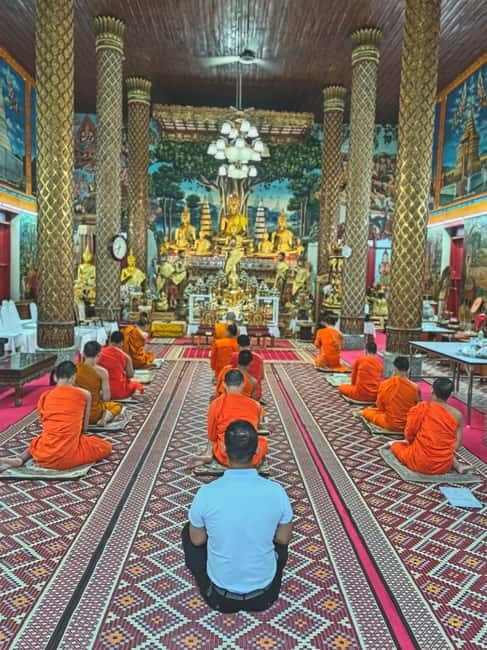
Then comes the quiet part: a 15-minute guided meditation with a gradual move toward silence. The guide gives you enough direction to get going, then helps you quiet the inner chatter.
This is where expectations matter. If you think meditation is supposed to feel magical on demand, you might get disappointed. If you expect it to be practical training—notice thoughts, return attention, repeat—it usually feels rewarding.
You’ll want to go into the silent sit with realistic goals:
- notice breath or sensations if the guide suggests that
- soften your focus instead of gripping your mind
- don’t judge when thoughts show up
And please pay attention to the body requirements. People with back problems aren’t listed as suitable for this experience. If you have mobility issues or pain, you’ll need to think carefully about sitting for the ritual duration and staying still during the meditation. This isn’t a “sit whenever you can” class.
After the Ritual: Senior Monks, Lay Practice, and the Q&A That Makes It Stick
One reason this outing earns such strong feedback is what happens after the main chanting and meditation. You’re not hurried out. There’s often time for guidance from senior monks and lay practitioners, plus Q&A.
In some sessions, the monks stay afterward to answer questions. Guides who are ex-monks—again, names like Son come up—tend to be strong at translating Buddhist ideas into living choices. It can sound abstract until someone shows you how it works during daily life: handling emotion, practicing patience, and understanding mindfulness as more than just a calm moment.
For you, the value is simple: questions turn ideas into something you can use. If you’ve ever wondered what mindfulness means when you’re stressed, this is the right kind of setting to ask. The tone is usually gentle, focused, and respectful of the tradition.
And yes, there may also be a brief blessing in some sessions, but don’t rely on that as a guarantee. Treat it as a possible extra, not the reason to go.
Price and Value: Why $20 Can Be a Solid Deal Here
The price is $20 per person for about 3 hours. On paper, that might sound modest. In practice, the value comes from what’s included.
You get:
- the chanting experience with monks
- a guided meditation session
- explanations and insights into Buddhist philosophy and practices
That combination is the key. Many tours either focus on sightseeing or offer a generic meditation without context. Here, the philosophy and practice are braided into the ritual itself, and you get real human guidance while you’re doing it.
What’s not included: transportation and meals/beverages. So budget for getting yourself to the meeting point and for what you’ll eat before or after. I’d also bring water even if you’re not a heavy water drinker. A quiet, seated practice can still make you dry out.
Bottom line on value: for the time, access to the monks’ ritual, and chance to learn Metta in context, $20 feels fair. Just don’t treat it as a bargain substitute for self-study. It’s a guided cultural-spiritual experience meant for participation.
Who This Is For (And Who Should Skip It)
This is best for you if:
- you’re curious about Buddhism and want more than surface-level facts
- you want a calm evening that teaches a practice you can reuse
- you like learning from someone who can explain meaning, not just events
- you enjoy quieter cultural moments more than busy nightlife
It’s not a match if:
- you’re traveling with kids under 10
- you have significant back problems (sitting requirements may be tough)
- you use a wheelchair (it’s listed as not suitable for wheelchair users)
- you’re hoping to take lots of flash photos or use your phone during the ritual
Also, go in with the right mindset: you won’t get “entertainment” style chanting. You’re joining a religious practice. The room’s respect level is the point.
Practical Tips So You Don’t Spend the Evening Trying to Figure It Out
If you want the experience to feel smooth, do these:
- Arrive early to settle in without stress
- Bring water and wear comfortable, modest clothes
- Keep your phone silent and out of the way
- Don’t plan your evening around photo moments; plan it around attention
- If you want more English detail on the chants, be ready for that to be limited, since the focus is participation and practice
One more small suggestion: since you may meet at Wat Lok Moli and the location can shift, double-check your guide’s confirmed meeting point before you head out. That’s the easiest way to avoid feeling rushed right before the ritual begins.
Should You Book Chiang Mai Evening Chanting & Meditation?
I’d book it if you want an evening that slows you down and gives you something actionable—Metta you can practice, plus a guided way to handle quiet meditation without guessing. The strongest part here is the human guidance: guides with real-world Buddhist experience (like Son, when he’s leading) tend to make the philosophy feel usable, not just poetic.
Skip it if you need a full English chant translation on screen, you have trouble sitting still due to back pain, or you need wheelchair-friendly logistics. Also, if you’re hoping for a high-energy show, this is the opposite vibe. It’s calm by design.
If you match the intent, this is the kind of Chiang Mai evening you’ll remember: not because it was loud, but because it taught your mind a new pace.
FAQ
How long is the Chiang Mai Evening Chanting & Meditation experience?
It lasts about 3 hours.
What is the price per person?
The price is $20 per person.
Where do I meet the guide?
The guide typically waits in front of Wat Lok Moli. The location may be subject to change.
What’s included in the price?
Included are the guided meditation session, the chanting experience with monks, and insights into Buddhist philosophy and practices.
What should I bring?
Bring water and wear comfortable clothes.
What is not allowed during the experience?
Smoking and flash photography are not allowed. You should also silence mobile devices before the session begins.
What languages are available with the live guide?
The live tour guide is available in English and Thai.
Who should not book this?
It’s not suitable for children under 10, people with back problems, or wheelchair users.
Is there free cancellation and pay later?
Yes. You can cancel up to 24 hours in advance for a full refund. You can also reserve now and pay later.