REVIEW · CHIANG MAI
Chiang Mai: Kayak the Jungle River of Chiang Dao Valley!
Book on GetYourGuide →Operated by CHIANG MAI MOUNTAIN BIKING & KAYAKS · Bookable on GetYourGuide
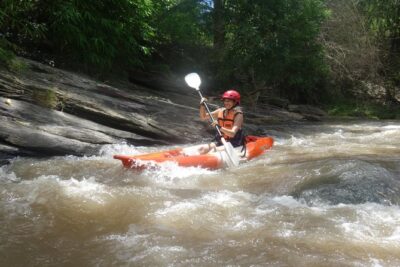
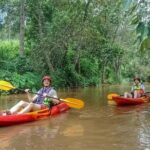
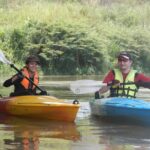
Kayaking under Chiang Dao is a head-turner. I love the first-timer coaching from Aidan and the close-up jungle feel as you paddle creeks and flooded forest along the Ping River. Do note the route includes short muddy exits around weirs, so bring footwear you don’t mind getting scuffed.
This is built for comfort and control: a small group (up to 10), hard-shell single and double kayaks, and guides watching your form with first aid and CPR-trained staff on hand. There’s also a support truck that follows along with secure storage for your valuables, so you can focus on the river instead of your stuff.
In This Review
- Key Things You’ll Remember
- Why Chiang Dao Jungle Kayaking Feels More Real Than a Set Tour
- Price and What You’re Really Buying for $64
- Pickup, Road Time, and the Start of Your Day
- Pro-Shop Orientation: How You Get Ready in 20 Minutes
- The Chiang Dao Valley Drive: What to Expect on the Way In
- Getting Into the Kayaks: Technique Before the Jungle Turns Tight
- The Main Event on the Ping: Flooded Forests and Bamboo Close to Your Paddle
- Weirs, Mud, and the Moments You Need to Stay Calm
- Riding the River Like a Captain (and Why That’s a Plus)
- Lunch Break at Mango Plantation Restaurant
- Storage, Water, and Small Details That Save Your Day
- Difficulty Level: Thrill Without the Fear of Getting Stuck
- Who This Tour Fits Best
- Should You Book Chiang Dao Jungle Kayaking?
- FAQ
- Do I need kayaking experience?
- What’s the group size?
- What language are the instructors?
- What kind of kayak will I use?
- Is lunch included, and is it vegetarian?
- Is the river fee included in the price?
- What should I bring?
Key Things You’ll Remember
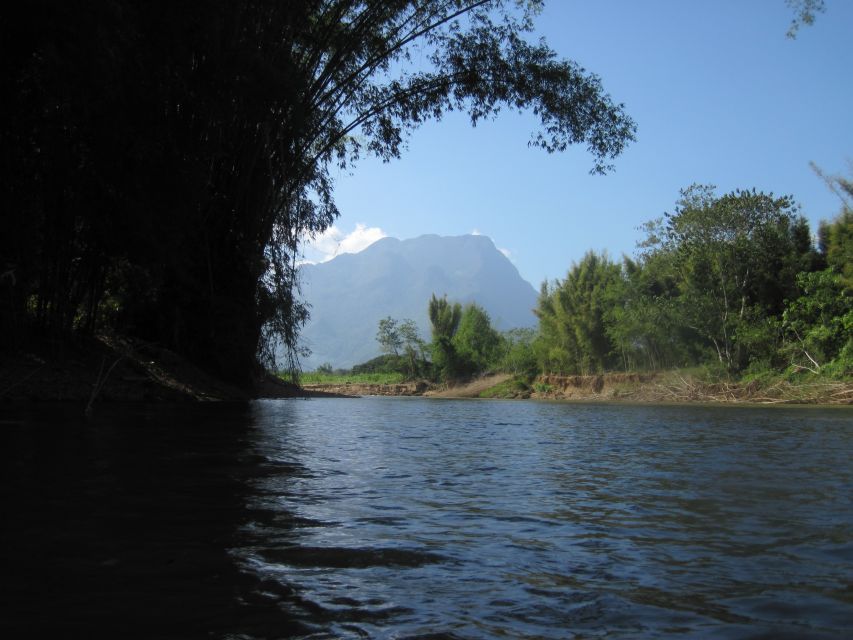
- Shadow of Chiang Dao: You paddle with the mountain range towering above you and the jungle tightening around your kayak.
- Beginner coaching that actually sticks: You get an orientation and then real-time correction on the water.
- Flooded-forest style paddling: Trees and plants grow close over the water, so you learn to duck and glide.
- The Ping River, not a show route: You pass through a mix of jungle scenery and working farm land.
- Two weirs mean two chances to practice getting out: It’s manageable, but expect some mud and sharp rocks in spots.
- Lunch is part of the day plan: Vegetarian and vegan options are served at Mango Plantation Restaurant.
Why Chiang Dao Jungle Kayaking Feels More Real Than a Set Tour
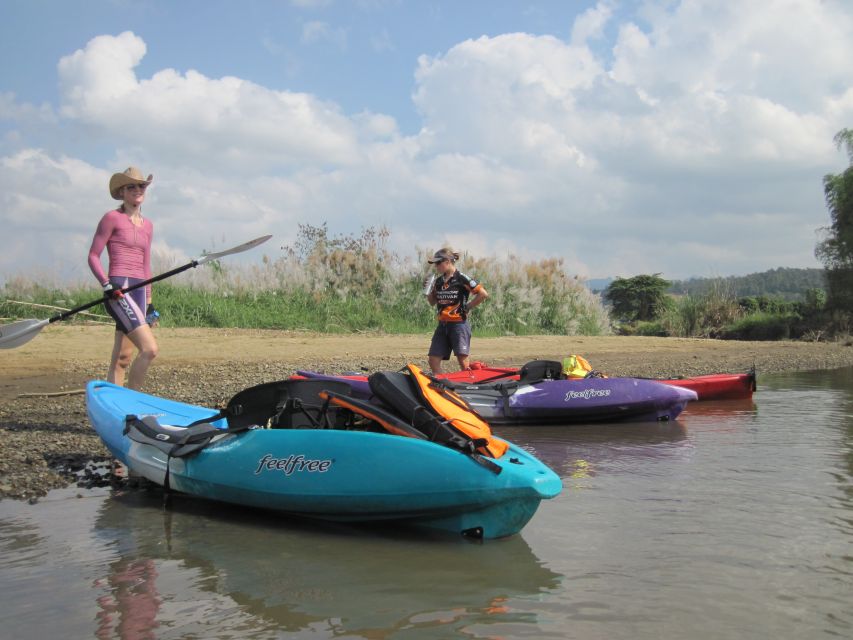
The Chiang Dao Valley has that Northern Thailand vibe: close to nature, still lived-in, and not trying to entertain you. Out on the water, you get a rare angle—trees that lean over the channel, bamboo rising beside you, and water that feels like it belongs to the jungle.
I also like how this tour treats the river like a place, not a photo prop. You’re not just drifting. You’re paddling the Ping River through narrow creeks, flooded forest sections, and stretches that feel more like local daily life than a curated attraction.
The other big win is the coaching. This is one of those rare activities where you can start with little experience and still feel capable by the end of the first stretch. In multiple cases, the guiding style is described as patient and tailored, and that matters when you’re learning strokes, balance, and how to handle branches without panic.
You can also read our reviews of more tours and experiences in Chiang Mai
Price and What You’re Really Buying for $64
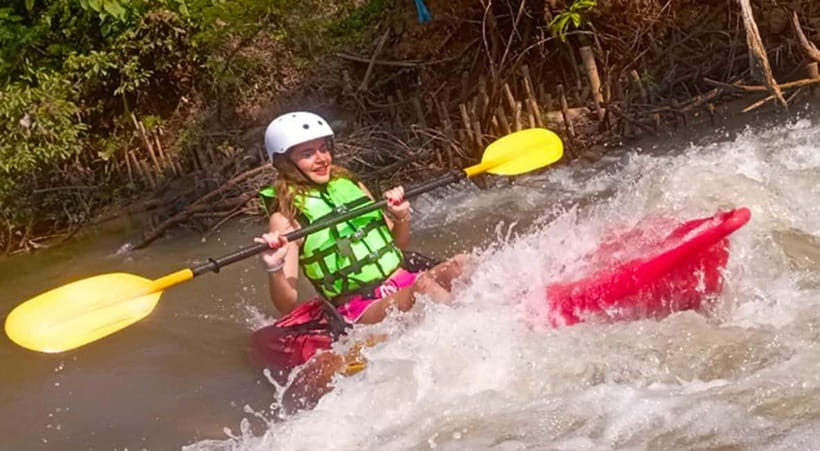
At $64 per person, the price makes sense if you think about what’s included: kayak instruction, professional escort, transportation, lunch, equipment, and safety support.
Here’s what you get without needing to add extras:
- Hard-shell single or double kayaks
- A guided day with instructors watching you at the water
- Safety backup, including certified first aid and CPR
- Air-conditioned transport (and 4×4 SUVs for smaller group setups)
- Water for hydration packs plus bottled water
- Mango Plantation Restaurant lunch with vegetarian and vegan options
- Google Earth orientation and a kayak briefing before you hit the river
- A support truck that follows and can help with storage and support
- You’re the captain of your own boat (guides coach you, not tow you the whole time)
Two items are not included:
- The river fee (150 THB), paid at check-in
- Insurance (not listed as included)
If you’re weighing value, the key is the full-day structure: you get the teaching first, then real paddling. That’s why a single day can feel like much more than a quick half-hour activity.
Pickup, Road Time, and the Start of Your Day
Your day begins with pickup from either the Chiang Dao area or Chiang Mai, depending on where you’re staying. If you’re in the Chiang Dao area, pickup time is estimated between 10:30 and 11:15—so plan to be ready a little early, especially if your hotel is out of the main road network.
Transportation is described as an air-conditioned van as the primary plan, with 4×4 SUVs for smaller groups. One past participant also noted a faster road segment from Chiang Mai that felt intense in their specific ride setup. That doesn’t mean it’s your experience, but it’s a good reminder: if you’re sensitive to motion, ask what vehicle you’ll be in when you confirm.
The practical side: bring something for the car time. You’ll likely want a hat and sunscreen even before you’re wet, because Northern Thailand sun doesn’t wait.
Pro-Shop Orientation: How You Get Ready in 20 Minutes
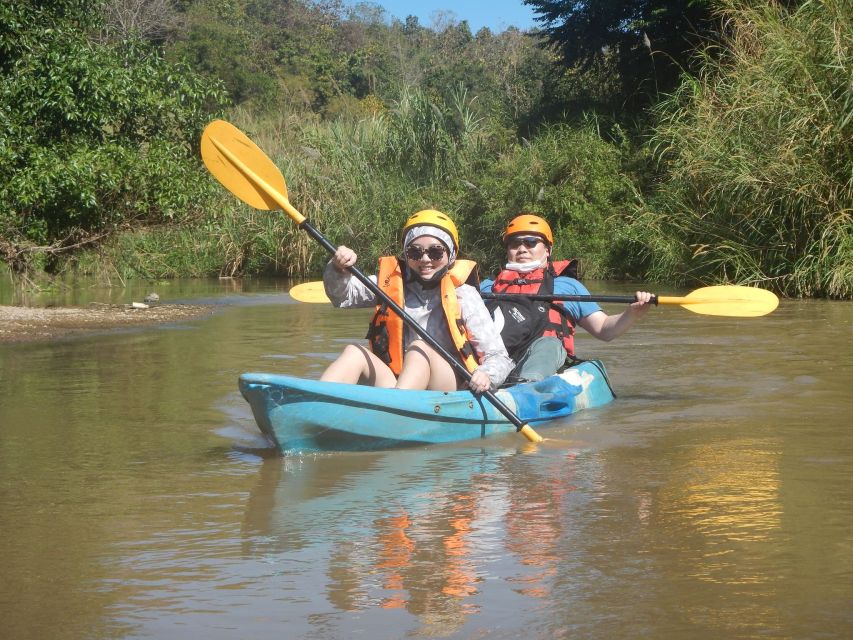
Before you even touch the river, you get a safety briefing and a kayak briefing. This includes a Google Earth orientation, which sounds techy but actually helps you picture the route and the rhythm of what’s coming.
This matters because the kayaking here isn’t just open-water paddling. You’ll be dealing with:
- narrow creeks
- branches and plants close to the surface
- tighter maneuvering around river features
When the briefing is clear, you stop wasting energy guessing and start paddling with purpose. The best part is the “captain of your own boat” feeling: the guide is there, but you still control your kayak and learn how to steer and balance.
Tip for you: wear clothes that you can get damp without fuss, and keep your hat and sunscreen accessible. You’ll want them fast.
The Chiang Dao Valley Drive: What to Expect on the Way In
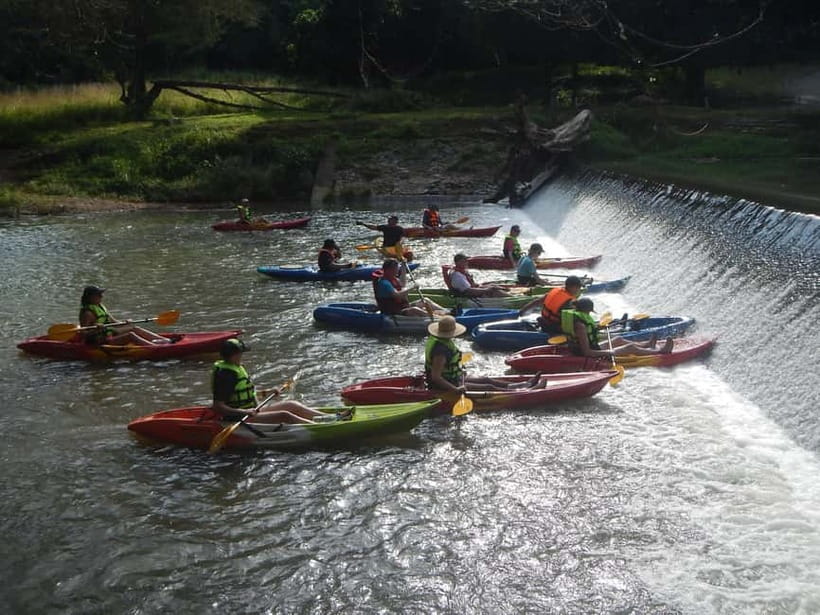
Once you’re underway, you’re moving from Chiang Mai toward the Chiang Dao area, with a longer stretch of driving that keeps the day moving smoothly. The schedule includes multiple transport legs, including a chunk of time on the road after the initial check-in and safety briefing.
What I like about this setup is that you don’t have to piece together logistics yourself. You show up, they run the transport, and you focus on the activity.
What you should consider: road time plus humidity means you’ll want to manage comfort. A hat helps. Insect repellent helps too, since you’ll be near vegetation when you stop and transition.






Getting Into the Kayaks: Technique Before the Jungle Turns Tight
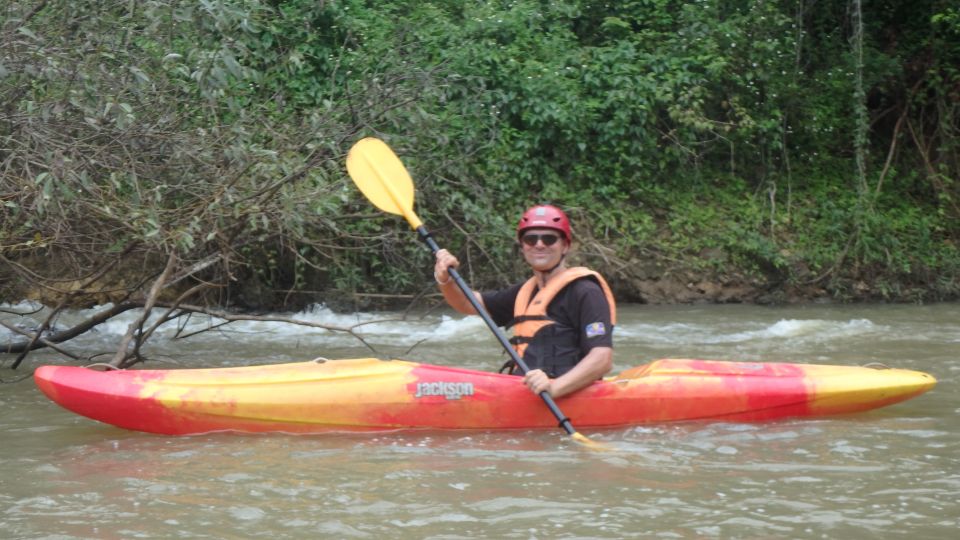
When you finally reach Chiang Dao, the fun starts. You’ll get a safety briefing, then you head into the river system for the main paddling period.
This kind of river rewards small technique improvements. You’ll learn:
- how to sit balanced in a hard-shell kayak
- how to paddle efficiently without fighting the water
- how to react when branches come into your space
- how to duck and glide instead of stopping hard
The guides are a big part of why this works for beginners. More than one review mentions that the instruction is patient and that mistakes are corrected on the water. That’s exactly what you want if you’re nervous about looking clumsy.
Also, because you’re in a small group, you’re not stuck in a line where you can’t get help. You can actually adjust your technique.
The Main Event on the Ping: Flooded Forests and Bamboo Close to Your Paddle
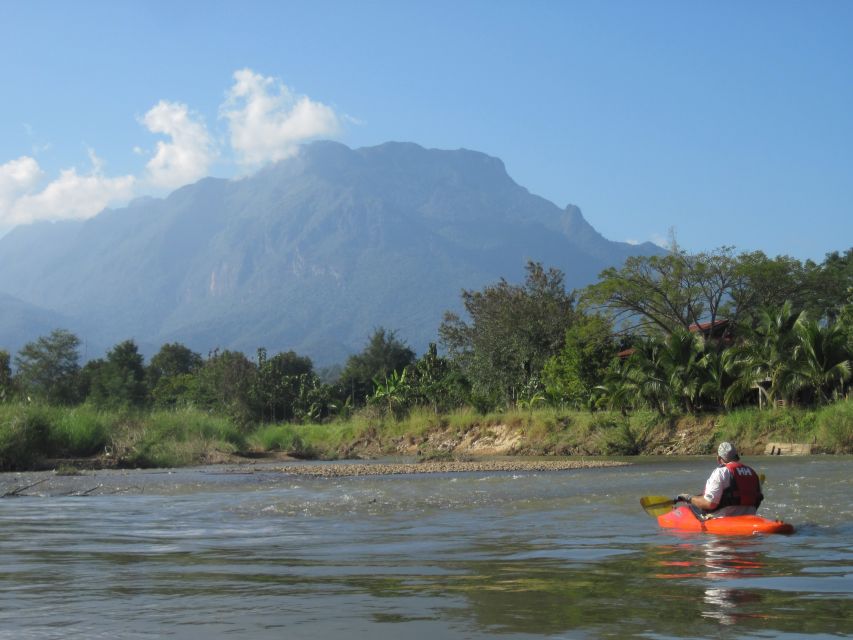
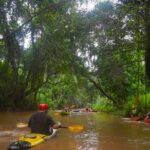
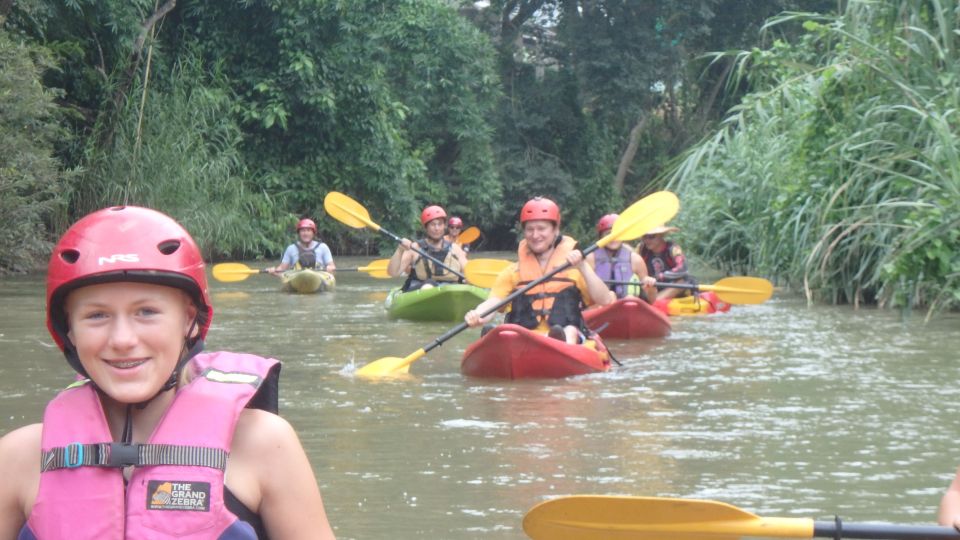
Now for the part you came for. You paddle the Ping River through a mix of jungle scenery and farm land, with sections that feel almost enclosed.
The signature feel here is the “overhang” effect:
- flooded forest where thick trees and plants grow right over the water
- bamboo rising near your kayak path
- narrow areas where you duck under branches and keep moving
You’ll also want your eyes up for birds. The experience description emphasizes wildlife hidden in the trees, and that’s the kind of detail that changes the paddle from exercise to watching.
And here’s another layer: you get stories from the guide about local hunters and fishermen who know this wild land. Even if you’re the quiet type, those explanations help you understand why the river looks the way it does and what it means to the people who live nearby.
Weirs, Mud, and the Moments You Need to Stay Calm
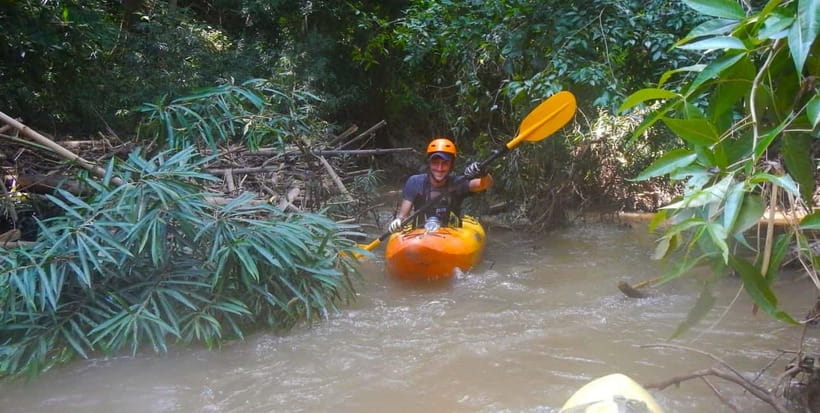
One of the most useful bits of real-world feedback is the mention of getting out of the river around weirs. The route may require exiting the water twice to get kayaks past two weirs. That’s normal for many river systems, but it’s still the part where you feel the ground under your feet again.
In the past, guides have done boat dragging to help with the awkward parts, which is a big relief if you’re newer. Still, getting out is not always graceful. One person reported a muddy, rocky second exit and ended up hurting a foot.
So for your planning:
- wear water-friendly footwear with grip
- expect some mud
- use your energy wisely when stepping out (don’t rush)
If you know you have sensitive feet or you hate wet, gritty surfaces, this is the main reason to think twice. Everything else is guided and structured.
Riding the River Like a Captain (and Why That’s a Plus)
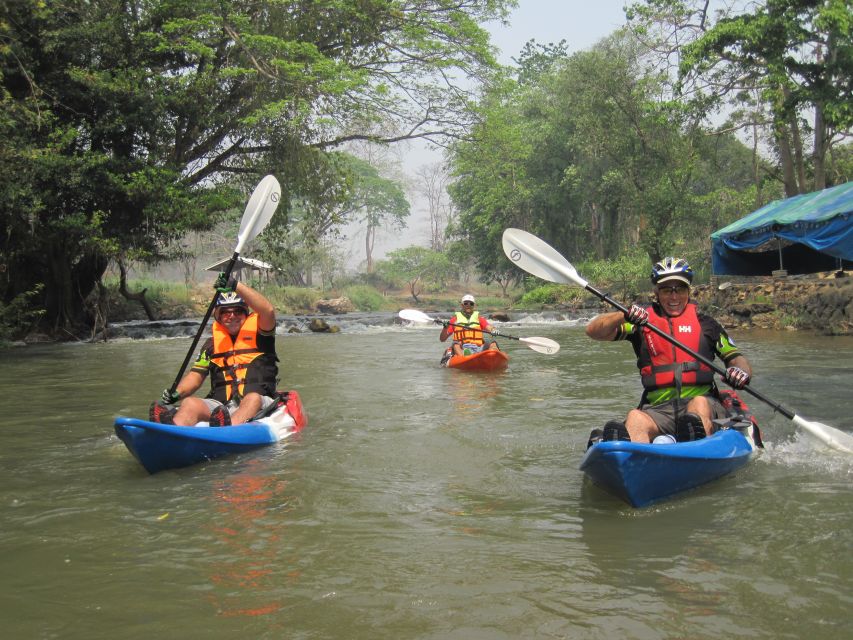
A lot of guided activities make you feel like a passenger. This one tries hard not to.
You’re the captain of your own boat. In practice, that means you’re doing the paddling while the instructor supports your line, timing, and basic technique.
For beginners, that’s a psychological win. You stop thinking about survival and start thinking about how you want the kayak to move.
For experienced paddlers, it keeps you from feeling bored. You can focus on control through tight sections, and the coaching helps you stay confident when the river narrows and the vegetation closes in.
Lunch Break at Mango Plantation Restaurant
After the big paddling stretch, you take a lunch break at Mango Plantation Restaurant.
What I like here is the simplicity. It’s not a long, fancy dining detour. It’s a reset so you can dry off a bit, eat something warm, and let your shoulders recover.
Lunch includes vegetarian and vegan options, which makes this a safer choice if you don’t eat meat. The menu details aren’t listed here, but the dietary support is clearly built into the day.
Storage, Water, and Small Details That Save Your Day
The tour includes a support truck following along. That’s not just for show. It includes secure storage for valuables, which is exactly what you want if you’re carrying a phone, small electronics, or extra clothes.
You’ll also have hydration support: water for hydration packs and bottled water are available throughout the event. On a jungle river day, dehydration is the boring enemy. Having water handled for you keeps the day fun.
You still should bring a change of clothes. The experience information specifically calls for it, and honestly, you’ll be glad you packed it. Even if you don’t mind being wet, dry clothes make the drive back feel like an entirely different day.
Difficulty Level: Thrill Without the Fear of Getting Stuck
The paddling is described as suitable for beginners with coaching. That said, it’s not a flat lake cruise.
You’ll deal with:
- narrow channels
- tight vegetation and branch ducking
- weir carry/past-weir exits with muddy, rocky footing at spots
So I’d describe the overall feel as moderate: thrilling and hands-on, with occasional moments where you step out of the kayak and rely on the guides.
If you’re comfortable with basic kayaking posture and can follow directions quickly, you’ll likely have a great time. If you have mobility limitations with stepping onto uneven stones, you might want to choose a different activity.
Who This Tour Fits Best
This is a strong match if:
- you’re a beginner or intermediate kayaker who wants real coaching
- you want nature and fewer crowds
- you like authentic river scenery with jungle and farm areas
- you want a day that feels like you’re learning something, not just taking a ride
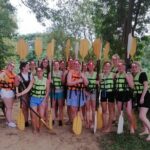
It’s also a good fit for couples and small groups because of the limit of up to 10 participants. You’re not packed in, and the guides can actually help you one-on-one.
I’d think twice if:
- muddy rocky steps are a problem for you
- you hate getting out of the water during a tour
- you’re extremely motion-sensitive during transport (ask what vehicle you’ll use)
Should You Book Chiang Dao Jungle Kayaking?
I’d book it if you want a real jungle river day with instruction that keeps you confident. The best reasons are simple: you get guided kayaking that works for beginners, plus the scenery is genuinely close-up—trees leaning over the water, bamboo beside your paddle, and that Ping River rhythm.
Skip it if you have serious foot sensitivity or you’re not comfortable with the idea of exiting the water around weirs. That’s the main physical drawback, and it’s the one detail that can turn an otherwise great day into a painful one.
If you do book, prepare smart: bring a change of clothes, water-friendly footwear, a hat, sunscreen, and insect repellent. Then show up with the right attitude—follow the guide, paddle your own kayak, and you’ll come away with more than photos. You’ll come away with skills.
FAQ
Do I need kayaking experience?
No experience is required. You’ll get a safety briefing and kayak briefing, plus an instructor by your side while you paddle.
What’s the group size?
It’s a small group with a limit of 10 participants.
What language are the instructors?
The instructors speak Thai and English.
What kind of kayak will I use?
You’ll use top-quality hard-shell single or double kayaks.
Is lunch included, and is it vegetarian?
Yes. Lunch is included, and vegetarian and vegan options are available at Mango Plantation Restaurant.
Is the river fee included in the price?
No. A river fee of 150 THB is not included, and you need to provide your passport number at check-in.
What should I bring?
Bring a change of clothes, plus a hat, sunscreen, and insect repellent.