REVIEW · CHIANG MAI
Lost in Chiang Mai – Secret Village, Hot Spring & Waterfall – A Cultural Therapy
Book on Viator →Operated by Sightseeing Chiang Mai · Bookable on Viator
Waterfalls, coffee, and hot springs in one loop. This experience blends village life with a soak that feels like a reset button. I love the way the day stays simple and human: you’re guided through mountain scenery, then you relax your body in San Kamphaeng’s hot water.
You’ll also get hands-on fun that doesn’t feel staged—like learning about the water system you can hear all around you, and trying eggs boiled on hot spring heat. A possible drawback to plan for: the day works best if you’re comfortable with some walking on uneven trails and steep, winding roads.
In This Review
- Key Highlights You Should Know
- From Duangtawan Hotel to Mae Kampong: A Morning That Slows You Down
- Mae Kampong’s Waterfall Village Walk: Following the Sound and Finding the Clues
- The Mountain-Home Water Theme: Why the Water Feels Like Part of the Culture
- San Kamphaeng Hot Springs: Boiling Eggs and Actually Relaxing
- The Road to the Hidden Places: Transport, Timing, and What to Expect
- English-Speaking Guidance: Learning Without Turning It Into a Lecture
- Price and Value: Is $136.72 Worth It?
- What You Should Plan for: Food and Comfort Items
- Who This Tour Is Best For (and Who Might Want Something Else)
- Should You Book Lost in Chiang Mai? My Practical Take
- FAQ
- How long is the tour?
- Is pickup and transportation included?
- What stops are included in the day?
- What activities are included at the hot springs?
- What’s included in the price and what isn’t?
- What’s the group size?
- What happens if weather is bad?
Key Highlights You Should Know
- Small group size (max 8) keeps the pace friendly and the guide able to answer questions
- Mae Kampong waterfall walking lets you follow the sound and spot how the water shows up everywhere
- Coffee on viewpoints is a laid-back cultural moment that fits the mountain setting
- San Kamphaeng hot springs are genuinely practical fun, especially the boiled-egg challenge
- English-speaking guide + round-trip transfer reduces the stress of figuring out routes and timing
From Duangtawan Hotel to Mae Kampong: A Morning That Slows You Down
Most Chiang Mai days are packed—temples, markets, tours, repeat. This one starts by doing the opposite. You meet at Duangtawan Hotel Chiang Mai (132 Loi Kroh Rd) and head out with round-trip transfer, so you can focus on the scenery instead of logistics.
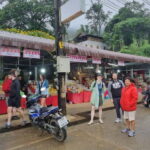
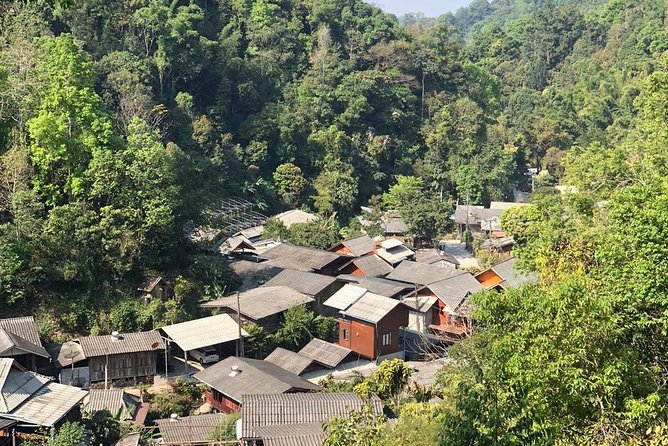
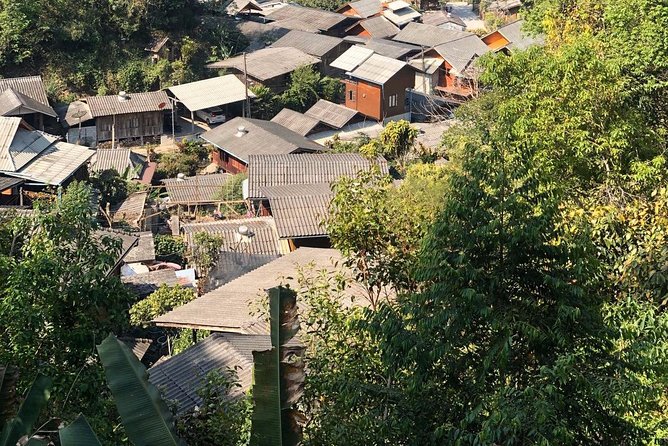
Mae Kampong Village is where the “commercial world” starts to fade. Roads thin out. The pace eases. And the setting matters: you’re in a bowl of natural mountains, so sounds carry differently, especially the constant water you’ll hear around the village. Even before you learn the details, the atmosphere does half the work for you.
This stop is about one hour, which is just enough to get your bearings and soak in the mountain vibe without feeling rushed. The key is to go in curious. Look for where the water might come from. Then when your guide points out clues, it all clicks.
You can also read our reviews of more tours and experiences in Chiang Mai
Mae Kampong’s Waterfall Village Walk: Following the Sound and Finding the Clues
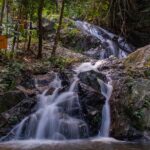
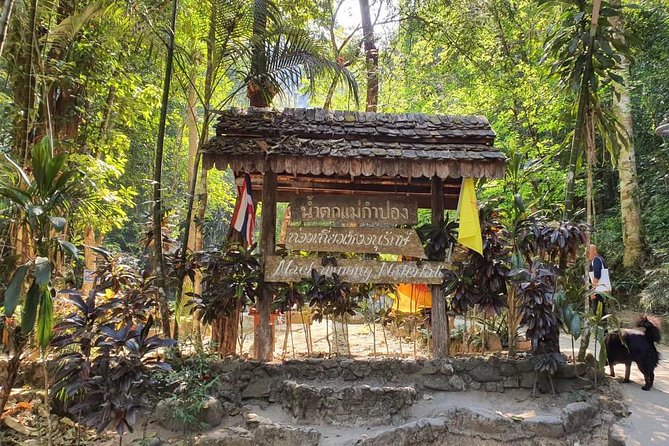
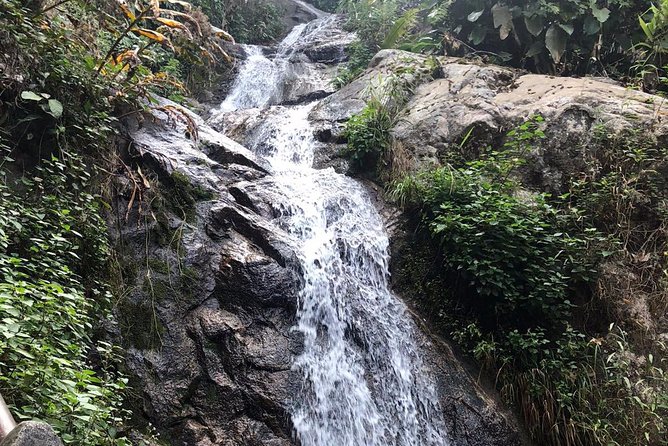
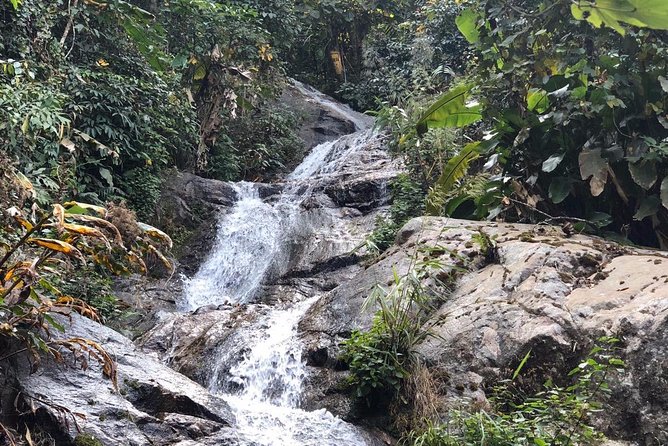
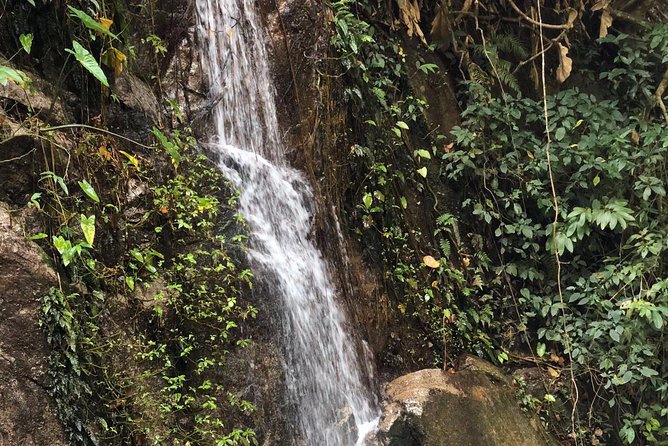
Here’s the fun part: you’re not just “watching a waterfall.” You’re walking in a way that makes you notice the village’s relationship with water. Expect trails that bring you up close enough to hear the flow and to start asking simple questions like, where is this water coming from?
Along the way, you’ll also pick up cultural details you can feel rather than just read. Coffee shows up in a practical, local way. At viewpoints, locals greet you with a cup of coffee, and the drink is a neat match for the setting—warm, earthy, and calming after time in the open air.
You may also see features that are more than scenery. The village setting includes a tree said to be hundreds of years old and small wildlife you might notice (birds and other friendly creatures). It’s the kind of place where your brain shifts from ticking off sights to watching how people and nature share the same space.
One more thing: the walking trails are described as a strong highlight, so don’t treat this as a sit-and-look stop. Wear shoes you trust. If you’re the type who hates slippery footing or steep steps, you’ll want to take extra care here and move at an easy pace.
The Mountain-Home Water Theme: Why the Water Feels Like Part of the Culture
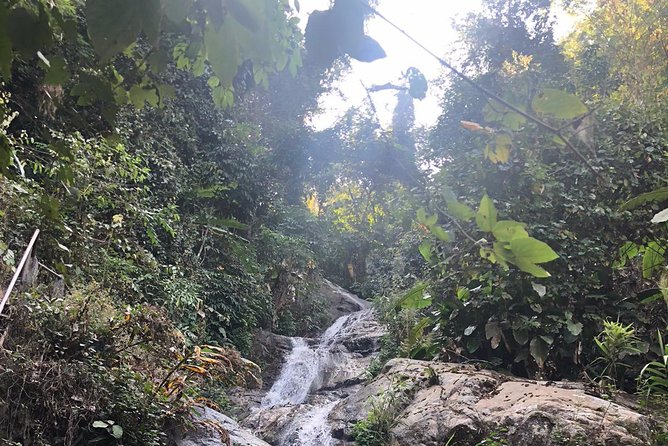
This trip sells the idea of culture as lived daily—not something locked behind a gate. The water angle is what makes that feel real.
In the village setting, the water doesn’t feel like a single attraction. It feels like background life. You’ll hear it as a constant presence, then you’ll look around and notice how it’s integrated into the environment—so your experience becomes less about one photo moment and more about understanding a place’s rhythm.
That’s why the day gets described as cultural therapy. It’s not “therapy” in a clinical sense; it’s the mental effect of slowing down, listening, and letting nature do the heavy lifting. When you’re in the middle of it, your attention softens. You stop rushing. You start noticing.
If you like travel days that balance meaning with comfort, this is a good fit. You get movement, explanations from your guide, and then a clear payoff later at the hot springs.
San Kamphaeng Hot Springs: Boiling Eggs and Actually Relaxing
After the village time, the energy shifts—almost instantly. San Kamphaeng Hot Springs is where the day turns playful.
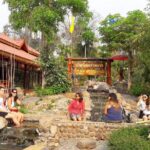
The standout activity is egg boiling in the hot spring water. The heat is strong enough that an egg can cook to a half-done state in about five minutes using the hot water. It’s simple, slightly silly, and very memorable. You’re not just told about local practices—you get to try them in your hands.
Then there’s the best part if you’ve done a lot of walking lately: you can relax your feet and swim in the hot spring. This is where your body notices the difference. It’s not an air-conditioned pause. It’s warmth from the source, and it changes your mood fast.
You’ll spend about one hour here, with time to explore around the village atmosphere as well. This is also where your guide’s pacing helps. If you let it, this stop can turn into “hours of soaking,” but the tour keeps it moving so you still get the full day experience without feeling trapped.
The Road to the Hidden Places: Transport, Timing, and What to Expect
Chiang Mai’s countryside roads can be steep and winding. The trip includes private transportation, and the whole point of that is to keep the day comfortable even when the roads aren’t.
You’re also in a small group—max 8 travelers—so the ride doesn’t feel like cattle herding. You’ll move as one unit, with a plan that keeps stops efficient: short enough to stay enjoyable, long enough to feel like you actually went somewhere.
Start time is 8:30 am, and the total experience runs about 5 hours. That timing is useful if you want something more than a quick half-day but not a full day that eats the rest of your trip. It’s also a good match for travelers who want a nature-focused experience without losing the whole day to travel.
A practical note: moderate physical fitness is required. That doesn’t mean you need to be an athlete. It means you should be ready for walking trails at least sometimes and for careful footing. If your legs get easily tired on stairs or uneven ground, plan to slow down and take breaks when you need them.



English-Speaking Guidance: Learning Without Turning It Into a Lecture
A lot of tours can turn into long explanations that feel like class. This one aims for the opposite: useful, guided, and friendly.
Your guide is English-speaking, and you’ll get pointed guidance about what to see and where to eat, plus advice on where to look while you’re moving through the village paths. On some departures, you might work with a guide named Olme, described as warm and humorous. Even if your guide is someone else, the structure tends to be the same: clarity, not chaos.
The driver also matters more than people expect, especially in areas with steep roads. Drivers like Sam are mentioned for handling the route smoothly, which helps you arrive calmer and ready to enjoy the stops instead of bracing for a bumpy ride.
This matters for authenticity. When you understand what you’re seeing—water sources, coffee moments, village cues—you’re more likely to experience the place rather than just pass through it.
Price and Value: Is $136.72 Worth It?
At $136.72 per person for about 5 hours, the value comes from what’s included, not just the sightseeing.
Here’s what you’re paying for that’s concrete:
- Private transportation with round-trip transfer
- An English-speaking guide
- Stops where entry/tickets are covered where listed (Mae Kampong ticket is listed as free; hot spring ticket is included)
- Core activities like hot spring egg boiling and time to relax in the water
What you’re not paying for:
- Food and drinks
If you tried to DIY this, you’d still need transport, a guide (or at least a lot of local knowledge), and you’d have to coordinate village time plus hot spring access. This tour handles the sequencing for you and keeps the group small, so you spend more time doing and less time troubleshooting.
Also, the included guide makes a difference. If you enjoy understanding places, the explanations add value beyond convenience.
What You Should Plan for: Food and Comfort Items
Food isn’t included. That’s not a deal-breaker—it just means you’ll want a plan so you don’t get hungry at the wrong moment.
You’ll have opportunities to get local food suggestions from the guide, and you’ll likely stop around times when eating fits naturally. Keep the flexible mindset: arrive with light expectations and let your guide steer you toward what locals eat.
Bring comfort gear for a day that mixes walking and soaking:
- Comfortable walking shoes (the trail part is a highlight)
- Something to make the hot spring time pleasant (if you plan to swim, you’ll want appropriate swimwear)
- Basic sun protection, since you’ll be outside in a mountain setting
If you’re sensitive to cold after soaking, bring a light layer. The tour doesn’t mention provided towels or changing areas, so treat it as a do-it-yourself situation for comfort.
Who This Tour Is Best For (and Who Might Want Something Else)
This is a strong match for you if:
- You want a nature-first Chiang Mai day with cultural context
- You like small groups and an English-speaking guide who explains what you’re seeing
- You enjoy walking trails at an easy-to-moderate level
- You want hot springs time that includes a fun activity (the egg boiling) rather than just “sit in water”
You might consider a different option if:
- You dislike any uneven walking or steep, winding-road days
- You expect food to be handled for you (it isn’t included)
- You only want major temple stops and don’t care about village life and water-driven scenery
Should You Book Lost in Chiang Mai? My Practical Take
Book it if you want a day that feels calmer than most Chiang Mai tours and more hands-on than a quick sightseeing loop. The best ingredients are the waterfall walking experience—where you follow the sound and learn why the water matters—and then the hot springs, where you can relax and do something playful like egg boiling.
One final note before you commit: the experience depends on good weather. If conditions are poor, you’ll be offered a different date or a full refund, so it’s not a “lose your money” situation.
FAQ
How long is the tour?
The tour runs for about 5 hours.
Is pickup and transportation included?
Yes. Round-trip transfer is included, and private transportation is provided.
What stops are included in the day?
You’ll visit Mae Kampong Village and then San Kamphaeng Hot Springs.
What activities are included at the hot springs?
You can enjoy boiling eggs using the hot spring water, relax your feet, and swim in the hot spring area.
What’s included in the price and what isn’t?
Included: private transportation, an English-speaking guide, round-trip transfer, and admission for San Kamphaeng Hot Springs. Not included: food and drink.
What’s the group size?
This experience has a maximum of 8 travelers.
What happens if weather is bad?
If the experience is canceled due to poor weather, you’ll be offered a different date or a full refund.