
REVIEW · CHIANG MAI
Chiangmai : Muay Thai Training academy
Book on GetYourGuide →Operated by ChiangMai Muay Thai Training academy (StingClub) · Bookable on GetYourGuide
Muay Thai with real coaching, not just a show. I like the patient instruction that keeps the basics clear, and I also appreciate that wraps and gloves are provided so you can arrive ready. The one thing to watch: this is intensity first, so if you’re looking for a light, sightseeing-only activity, this won’t feel that way.
The camp’s vibe centers on discipline and growth, and you’ll feel it in how drills build from technique to partner work. A small heads-up: the training session itself is short (30 minutes per booking ticket), so you may want a second class if you want a bigger workout.
In This Review
- Chiang Mai Muay Thai Training Academy at StingClub: The Big Picture
- Key Points Worth Knowing Before You Go
- Finding the Camp Near Buak Hard Park (and Planning Your Time)
- Your 1.5-Hour Window vs the Actual 30-Minute Class
- What the Session Feels Like: Warm-up, Pads, Drills, and Pressure
- Coaching Style That Actually Helps: English/Thai Feedback for Your Level
- Gear and Fitness Reality Check: What You Bring, What They Provide
- Price and Value: Why $32 Works Here (If You Want Technique, Not Just Activity)
- Chiang Mai Beyond the Pads: Food, Nightlife, and Local Hangouts
- Discipline and Confidence: The Mental Side of Hard Training
- Who Should Book This Class (and Who Might Want to Skip)
- Quick FAQ
- FAQ
- How long is the Muay Thai training class?
- Where is the meeting point?
- What languages do the instructors speak?
- Is hand wrapping and boxing gear included?
- What should I bring with me?
- What does the price include?
- Is food or snacks included?
- Is the class suitable for children?
- Is it wheelchair accessible?
- Should You Book Chiang Mai Muay Thai Training Academy?
Chiang Mai Muay Thai Training Academy at StingClub: The Big Picture
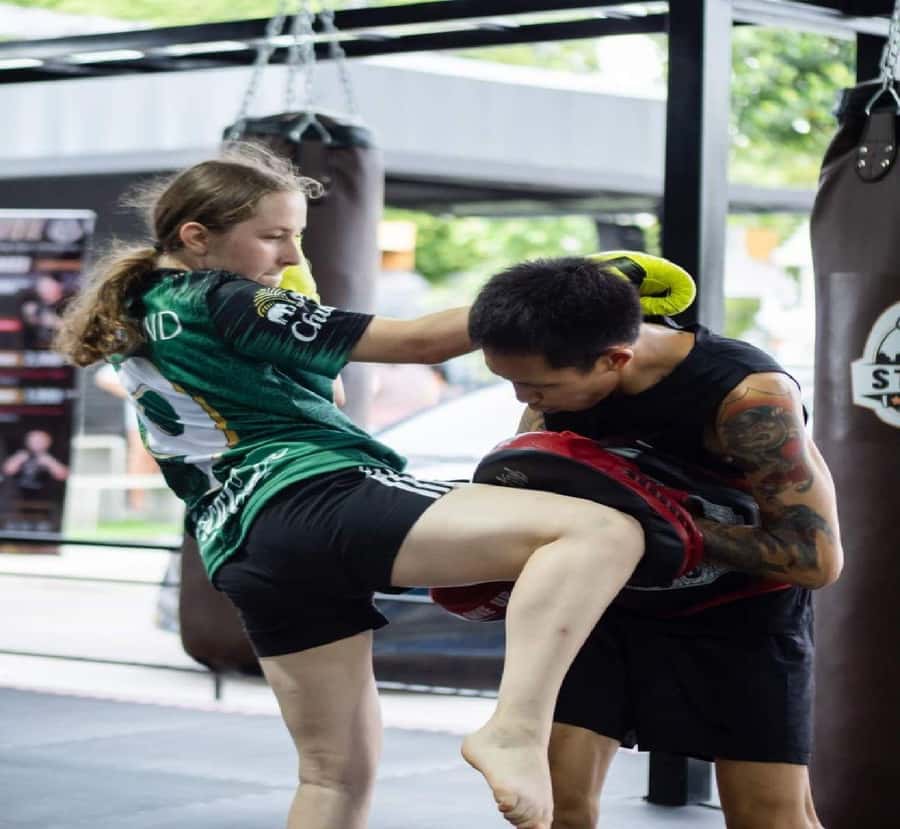
If you’ve ever wondered what makes Muay Thai training different from a generic gym class, this is the kind of place that answers it quickly. You’re guided through traditional techniques with experienced instructors, with enough structure that beginners don’t feel lost and enough pressure that more committed fighters feel challenged.
I also like that the experience doesn’t treat you like a spectator. From warm-ups to technique breakdowns to partner drills, the session nudges you to push your limits while still staying safe and supported. And afterward, you’re not just leaving sore—you’re leaving with a clearer sense of focus, resilience, and confidence that shows up beyond the gym.
Key Points Worth Knowing Before You Go
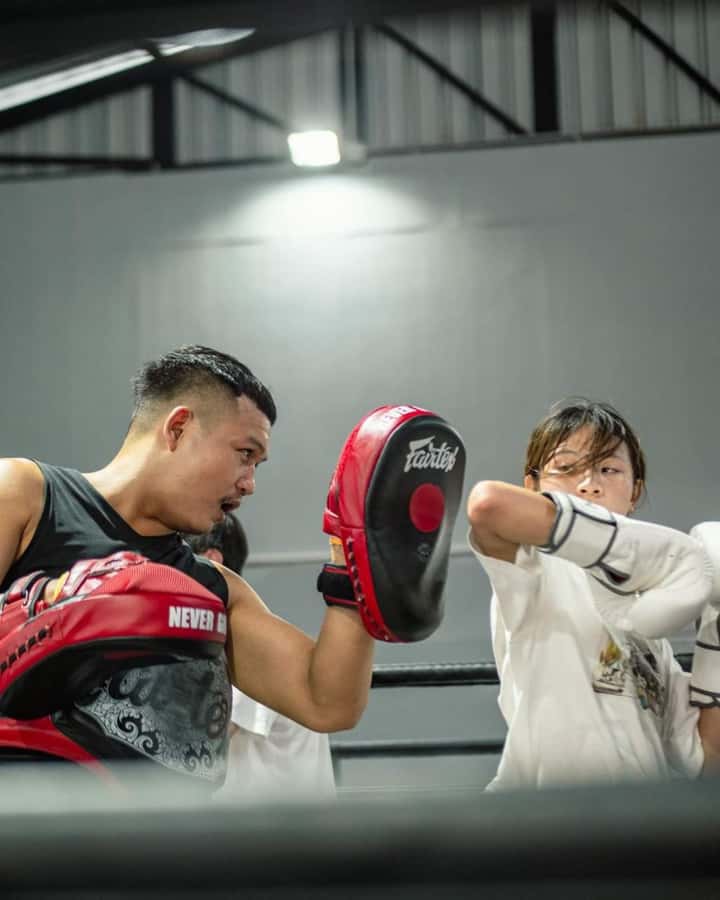
- English and Thai instruction so you’re not stuck guessing what to do
- 30-minute class per booking ticket, inside a 1.5-hour activity window
- Hand wraps and boxing gloves provided, plus you bring only a towel and drinks
- Basics-focused coaching with slow explanations and direct feedback
- Cardio, technique, and core work built into the session
- Ask about the older gym setup if you want more personal 1-on-1 attention
You can also read our reviews of more tours and experiences in Chiang Mai.



Finding the Camp Near Buak Hard Park (and Planning Your Time)
The academy meets opposite Buak Hard public park, and the activity ends back at the same spot. That matters because you can build your day around it without complicated transfers or long “where do we meet?” confusion.
In a Chiang Mai half-day plan, this is the kind of activity that fits well right before dinner or right after a morning temple loop. You’ll already be moving around town, and then you can let the training session reset your focus. If you like staying close to your base, the meet point is a simple anchor.
A practical tip: bring your towel and drinks like the info says, and treat them as non-negotiables. In Muay Thai, you’ll sweat. A towel helps you stay comfortable between drills, and having drinks ready means you don’t have to hunt for hydration right at the end of the hard part.
Your 1.5-Hour Window vs the Actual 30-Minute Class
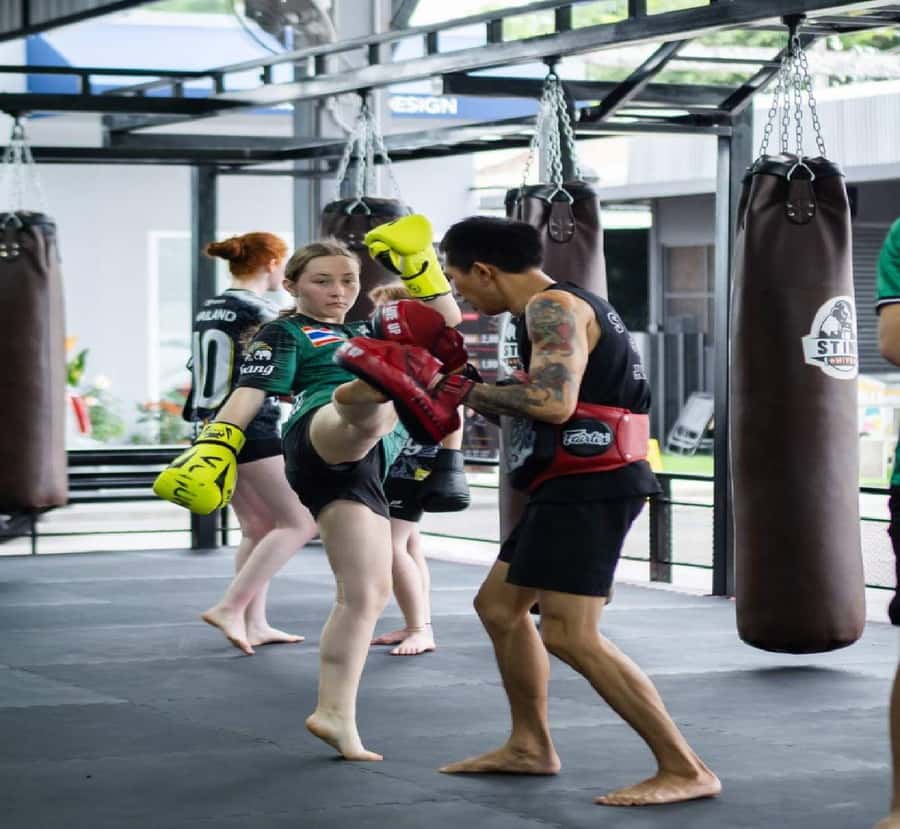
The booking is described as valid 1.5 hours, but the training class itself runs 1 half hour per booking ticket. That’s a key difference.
Here’s how to think about it: you’re reserving time to arrive, get geared up, and take part in the full class flow. The actual instruction and conditioning are concentrated into about 30 minutes of training. If you like long workouts where you lose track of time, you may want to book again the same day (if available) or plan to do something else afterward—because you won’t be “training for hours.”
This short format can also be a win. It’s easier to fit into travel days, and it keeps the session focused. You won’t walk out thinking you did chores at the gym. You’ll walk out with a specific set of skills you practiced—and sore legs or arms to prove it.
What the Session Feels Like: Warm-up, Pads, Drills, and Pressure
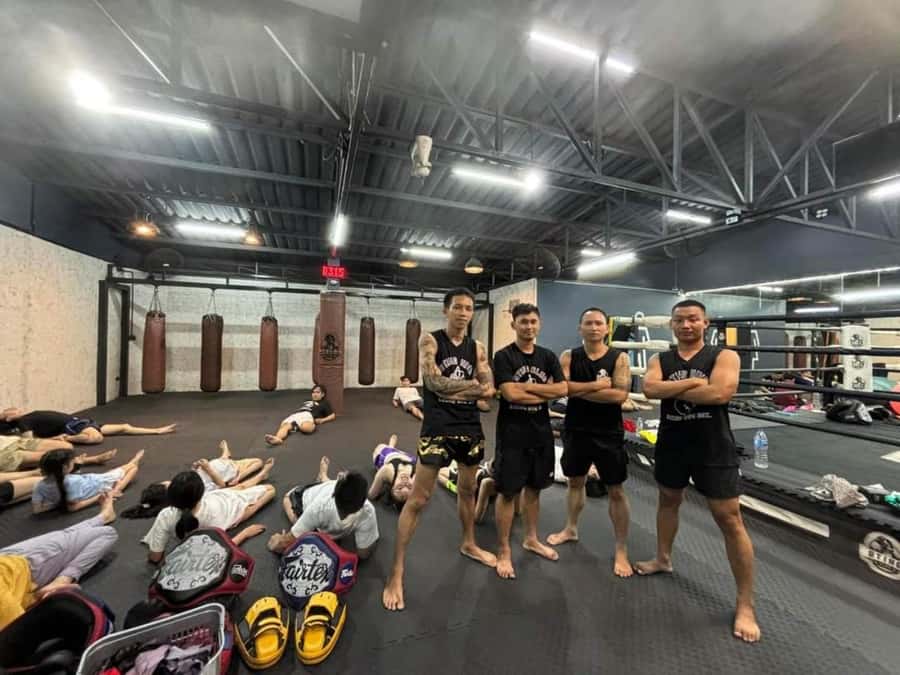
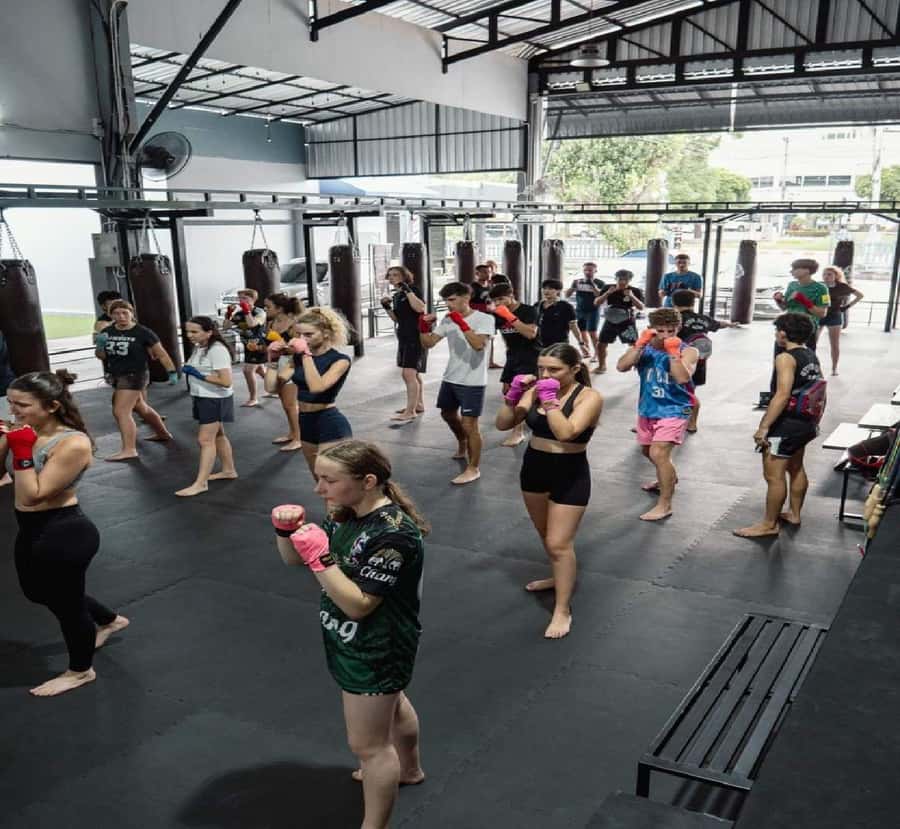
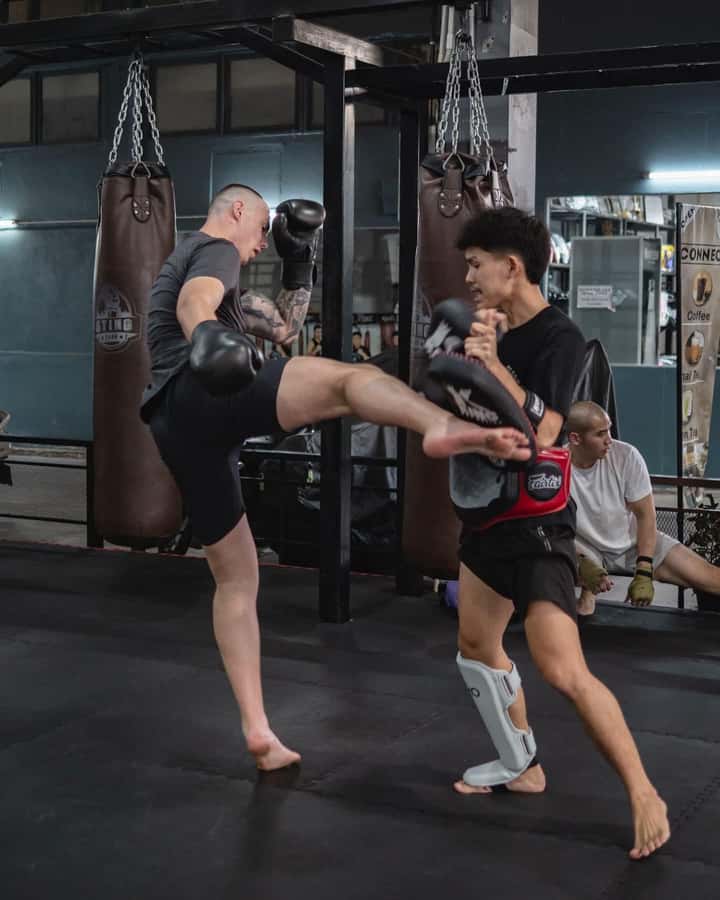
From the moment you step into the camp, the energy is all about getting to work. You’ll see practitioners training in gear, and the sound of pads and kicks sets the tone fast. The structure generally runs like this:
First comes a thorough warm-up. This isn’t just body activation—it’s how the session gets your brain into the right rhythm. Then instructors guide you through technique with precision and patience, focusing on how strikes and movement should feel, not just how hard they land.
After that, you’ll move into partner drills and sparring sessions as part of the training flow. The goal is to apply what you learned, under controlled pressure. Even if you don’t spar hard, you still get the benefit of timing, distance awareness, and reacting to a partner rather than hitting an object in isolation.
The coaching style is what turns this from a random workout into a skill-building class. Instructors offer personalized feedback so you understand the “why” behind the movement. That’s where progress happens—when someone corrects your form before your bad habits calcify.
Coaching Style That Actually Helps: English/Thai Feedback for Your Level
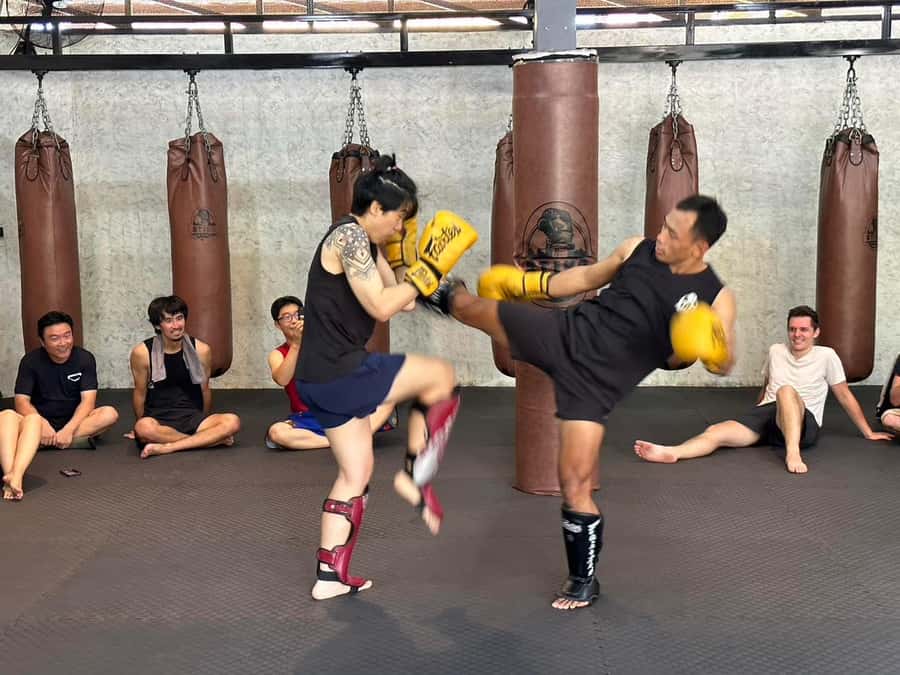
This is one of the better-organized training experiences I’ve seen described in general terms because the coaches don’t just shout. The instructors are experienced, and the teaching approach is built around matching your ability level.
A strong theme is how coaches explain slowly and clearly. That matters when you’re learning basic Muay Thai mechanics—stance, guard position, footwork, and how to load your hips for power. When instructions are paced for understanding, you can actually improve in one session instead of just sweating through it.
You’ll also get feedback tailored to your progress, and that’s why the session can work for different types of visitors. If you’re brand new, you’re still in the right place. If you’ve trained before, you can push harder while staying technically grounded.
One extra detail I’d keep in mind: if you want more personal attention, check what setup you’ll be training in. Some training descriptions suggest the older gym setup can feel more personal, with the trainer working closer to you (rather than spreading focus across a bigger group). If that matters to you, it’s worth asking in advance or right when you arrive which area you’ll use.



Gear and Fitness Reality Check: What You Bring, What They Provide
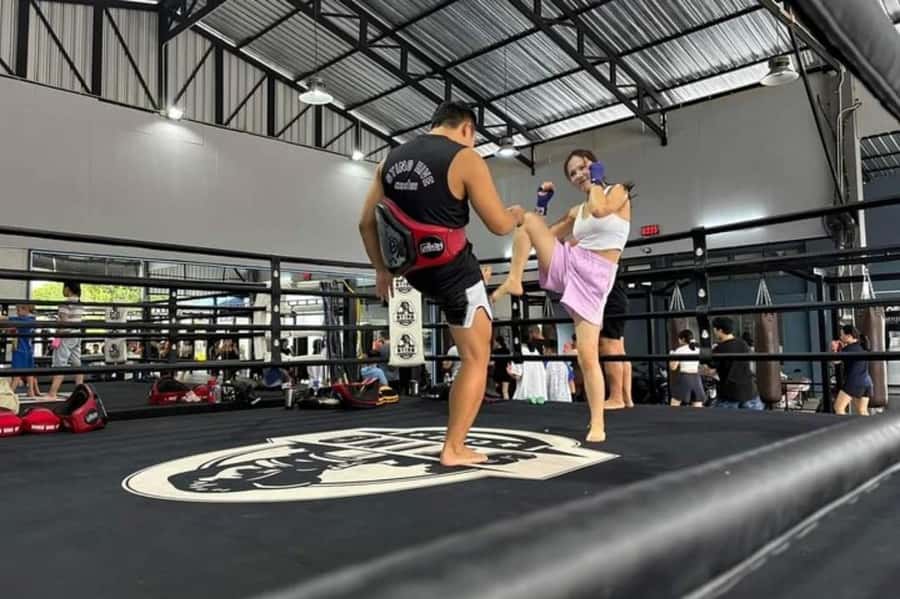
Good news here: the academy provides hand wraps and boxing gloves for students. That’s a big value add in Chiang Mai, where you don’t want to spend time and money buying gear just for one class.
You bring:
- Towel
- Drinks
That’s it. Keep it simple. A towel helps you manage sweat and stay focused during breaks. Drinks help you recover and avoid feeling wiped out early.
In terms of fitness expectations, this won’t be a yoga flow. The session is built for intensity, with cardio and core exercises included as part of training. So if you’re coming straight from a long travel day, plan to hydrate well the night before and eat something light beforehand.
Also note the constraints: it’s not suitable for wheelchair users, and it’s not suitable for children under 18. One review notes kids availability, but the official rule is what matters—so double-check eligibility for anyone under the age limit.
Price and Value: Why $32 Works Here (If You Want Technique, Not Just Activity)
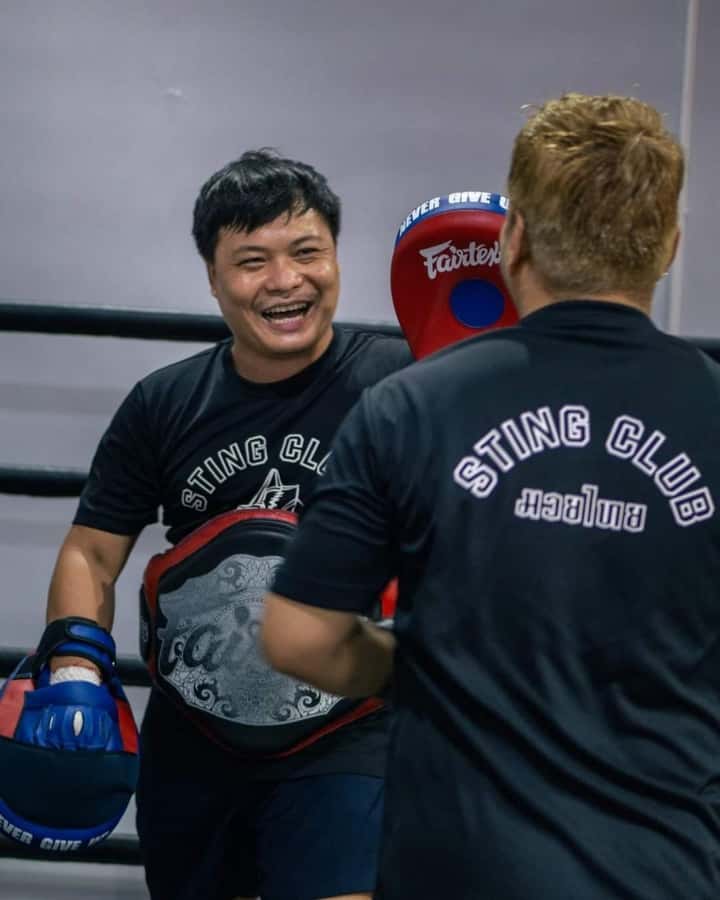
At $32 per person, this class sits in the “try it without overthinking it” range. But the value isn’t only the price. It’s what you get for that money:
- Experienced senior Muay Thai trainers
- Instruction matched to your ability level
- Hand wraps and gloves provided
- A structured session that works basics, technique, cardio, and core
If you’ve ever paid for a “tour-style” activity that mostly feels like watching, this is different. You’re actively training, and the coaching focus is on making your movement better—rather than just keeping you busy.
Also, the class includes more than just gym time in the way it’s described: you’ll get daily recommendations for street and Thai cuisine, plus pointers for nightlife and local hotspots with like-minded groups. That doesn’t replace eating plans in town, but it helps you spend your evening like you came to Chiang Mai for culture and food, not just a workout photo.
If your goal is serious skill-building, $32 feels like a bargain for the amount of coach attention and equipment provided. If your goal is casual exercise, it may feel intense for what you wanted. Match the session to your expectations and it becomes great value.
Chiang Mai Beyond the Pads: Food, Nightlife, and Local Hangouts
One reason I like this kind of training experience is how it connects you to the rest of the trip. The academy includes daily recommendations for the best street and Thai cuisine, and it also recommends nightlife with like-minded groups.
That means you don’t have to rely only on generic “top 10” lists. You can ask what to eat, what to skip, and where to go after you’ve finished training. And because these suggestions come from people connected to the local scene, they’re often more practical than you’d expect.
You’ll also likely meet other trainees who enjoy the same thing you do. The session has a community feel—supportive, intense, and built on shared effort. It’s the kind of environment where you can trade tips, compare how the basics feel on your body, and ask what’s worth practicing next.
Discipline and Confidence: The Mental Side of Hard Training
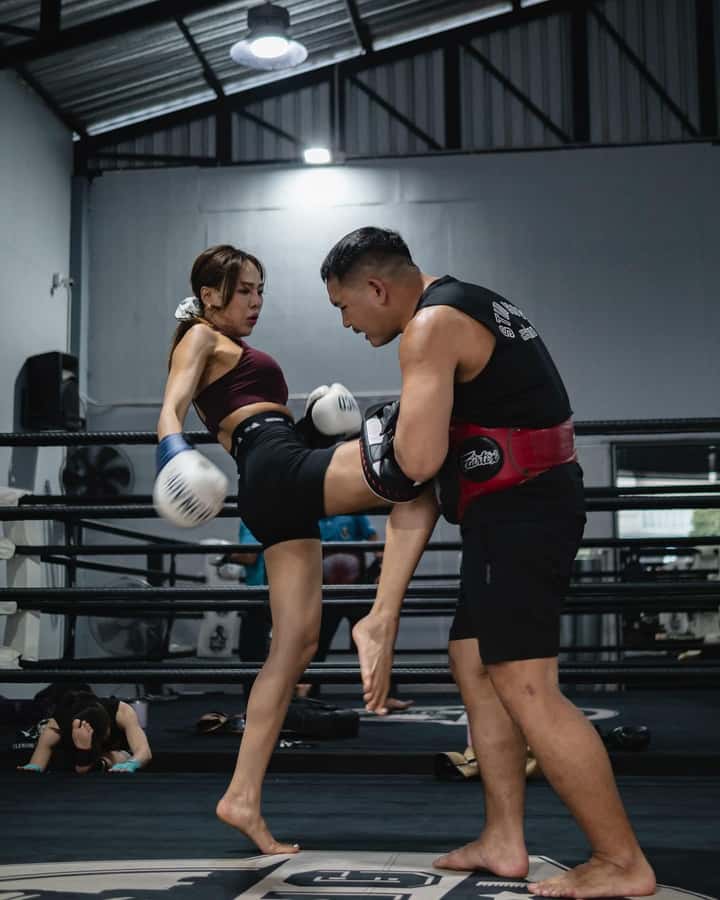
Muay Thai training isn’t only about fitness. It’s also a discipline workout. The way the session is described—push limits, improve technique, build resilience—means you’ll probably feel a mental shift while you’re there.
When coaching focuses on basics and correction, it trains patience. When partner work demands timing and control, it trains awareness. When cardio and core show up, it trains follow-through: you do the work even when your body protests.
That mental training is why people talk about confidence after a good session. You’re not just leaving with sore muscles—you’re leaving with proof you can handle pressure and still learn something new.
And if you like your travel to have a personal challenge component, this checks that box fast. It’s not about ticking a cultural landmark. It’s about joining a tradition and learning how it’s practiced by real people.
Who Should Book This Class (and Who Might Want to Skip)
Book it if:
- You want real Muay Thai coaching and structured practice
- You’re okay with intensity and short-session intensity
- You want provided gear so you can travel light
- You like meeting people who are also serious about training
- You’d appreciate local food and nightlife pointers built into the experience
Consider skipping if:
- You want a long workout. The class time per booking ticket is 30 minutes.
- You’re looking for a fully relaxed, sightseeing-style activity.
- You need wheelchair access, since it’s not suitable for wheelchair users.
- You’re traveling with someone under 18, because it’s not suitable for children under that age.
If you do book and you’re hungry for more, the structure makes it easy to add another session. One review-style note in the information suggests that training more than once can build a whole new respect for the sport and keep your progress moving.
Quick FAQ
FAQ
How long is the Muay Thai training class?
The activity is listed with a 1.5-hour validity window, and the training class itself runs 1 half hour per booking ticket.
Where is the meeting point?
Meet at the location opposite Buak Hard public park, and the activity ends back at the same meeting point.
What languages do the instructors speak?
Instructors teach in English and Thai.
Is hand wrapping and boxing gear included?
Yes. Hand wraps and boxing gloves are provided for students.
What should I bring with me?
Bring a towel and drinks.
What does the price include?
The experience includes personalized training led by senior Muay Thai trainers tailored to your level, plus daily recommendations for street and Thai cuisine and suggestions for nightlife and local hotspots.
Is food or snacks included?
No. Food and snacks are not included, and drinks are not included either (you’re expected to bring drinks).
Is the class suitable for children?
It’s not suitable for children under 18.
Is it wheelchair accessible?
No. The experience is not suitable for wheelchair users.
Should You Book Chiang Mai Muay Thai Training Academy?
If you want a straightforward, coach-led Muay Thai session in Chiang Mai with provided gloves, clear instruction in English/Thai, and a group atmosphere that pushes you without leaving you confused, I think it’s an excellent booking. The short class format is also a plus if your trip is packed and you don’t want a half-day to disappear.
Book it if you’re ready for cardio, technique drills, and core work in a disciplined setting. If you want something gentle or long, or if mobility access is an issue, you’ll be happier choosing a different activity.