REVIEW · CHIANG MAI
Discover Wiang Kum Kam Ancient City with Wat Chiang Man Visit
Book on Viator →Operated by I Asia Thailand · Bookable on Viator
There’s something satisfying about seeing Chiang Mai twice. This half-day tour pairs the Wiang Kum Kam ruins with temple stops and then slows things down at the Chiang Mai City Arts and Cultural Centre, so you leave with a clearer sense of how the city evolved.
What I like most is the live guide commentary that helps the ruins make sense instead of feeling like scattered stones. I also like that the itinerary is built around places many standard “quick temples” tours skip, including the Ping River archaeological site founded under King Mangrai the Great.
One thing to consider: the tour includes a carriage ride and walking on uneven historic ground, and there’s no food or drinks provided—so plan for comfortable shoes and bring water.
In This Review
- Key takeaways before you go
- How This Half-Day Works With Your Chiang Mai Schedule
- First Stop: Wat Kuu Kham (Wat Chedi Liam) and the Temple Map of Wiang Kum Kam
- Wiang Kum Kam Ruins: King Mangrai’s Ping River Capital, Explained
- Chiang Mai City Arts and Cultural Centre: Turn Ruins Into Context
- Wat Chiang Man: Temple Time Built Into the Route
- The Horse-Drawn Carriage Ride: Slower Travel, Better Sightlines
- Price and Value: What $43.93 Buys You (and What It Doesn’t)
- Who Should Book This Tour (and Who Might Skip It)
- Practical Tips for a Smoother Day
- Should You Book This Wiang Kum Kam and Wat Chiang Man Tour?
- FAQ
- How long is the tour?
- Do I get hotel pickup and drop-off?
- Is admission included for the sites?
- What happens if I’m traveling on a Monday?
- Does the tour include food or drinks?
- Is the horse-drawn carriage ride included?
Key takeaways before you go
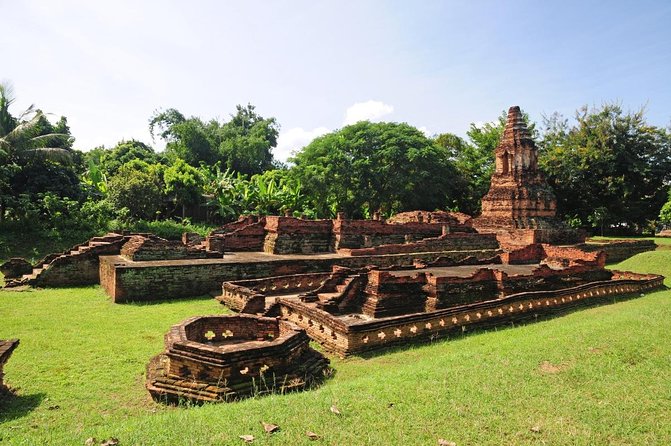
- Wiang Kum Kam gives you Chiang Mai’s earlier capital story, tied to King Mangrai the Great and the Ping River
- The City Arts and Cultural Centre helps you connect what you saw outdoors with maps, photos, artifacts, and audio-visual displays
- You get hotel pickup and drop-off, saving you time (and tuk-tuk decisions) in the Old City
- A horse-drawn carriage ride adds a classic pace and a different view of the area
- On Mondays, the arts centre is closed, so the tour can still run with alternate stops (often local crafts)
How This Half-Day Works With Your Chiang Mai Schedule
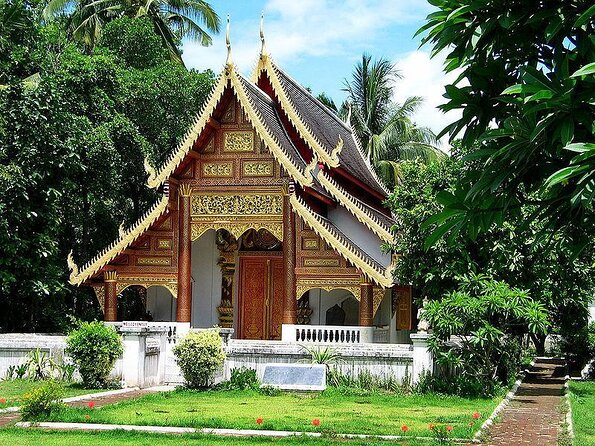
This is a 3 hours 30 minutes-style outing that’s designed to fit neatly into a busy Chiang Mai day. Pickup and drop-off are included, which matters here because you’ll be moving between the Old City area and the Wiang Kum Kam side of town without having to coordinate rides.
The group size stays reasonable (maximum 30 people), and the pacing is long enough to feel like you’re doing more than just photo stops. You’ll also get mobile ticket support, which is handy if you prefer going paperless.
At $43.93 per person, you’re paying for the mix of transportation, a guided experience, and included admissions (the City Arts and Cultural Centre is included; the key temple entry noted here is free). If you already know you’ll want a guide to translate what you’re seeing, this is a decent value—especially compared to trying to stitch together ruins + Old City history on your own.
You can also read our reviews of more city tours in Chiang Mai
First Stop: Wat Kuu Kham (Wat Chedi Liam) and the Temple Map of Wiang Kum Kam
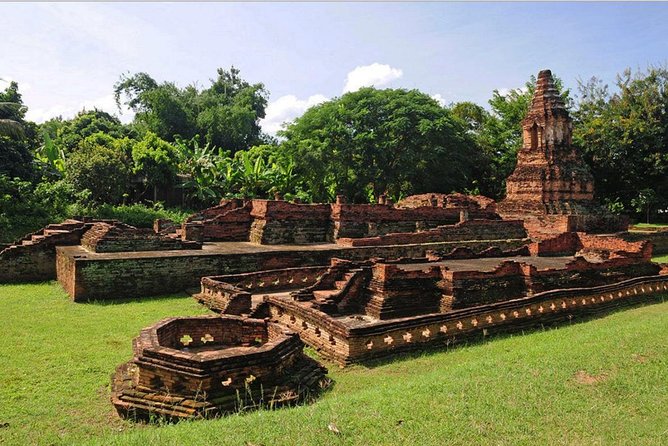
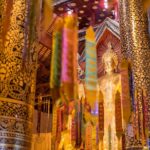
You start at Wat Kuu Kham, also known as Wat Chedi Liam, with about 30 minutes on site. It’s one of the temples within the Wiang Kum Kam ancient city area that still connects the past to present-day Chiang Mai. The entry noted for this stop is free, so you can focus on the place itself without feeling like you’re juggling another ticket.
This first stop is useful for something practical: it’s your warm-up. Before you hit the bigger archaeological spread, you get a sense of temple layout and atmosphere in the Wiang Kum Kam context—so later, when the ground turns more “ruins,” your brain already has a framework.
Quick drawback: temples like this are often photogenic but not always dramatic in the way tourists expect. If you’re only looking for big-photo moments, this may feel small at first. But it sets the stage, and the guide commentary helps a lot.
Wiang Kum Kam Ruins: King Mangrai’s Ping River Capital, Explained
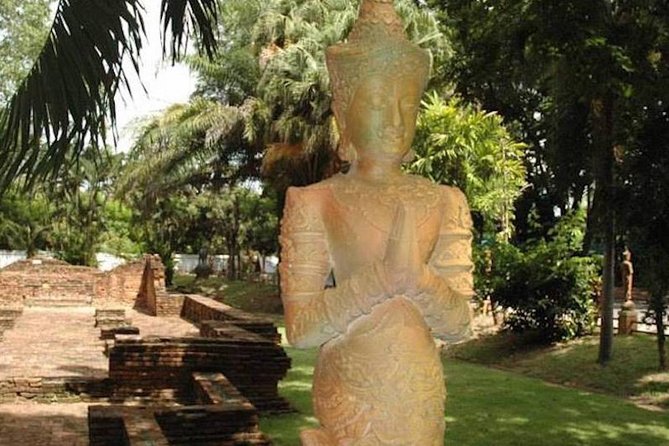
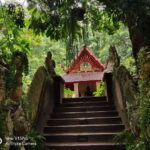
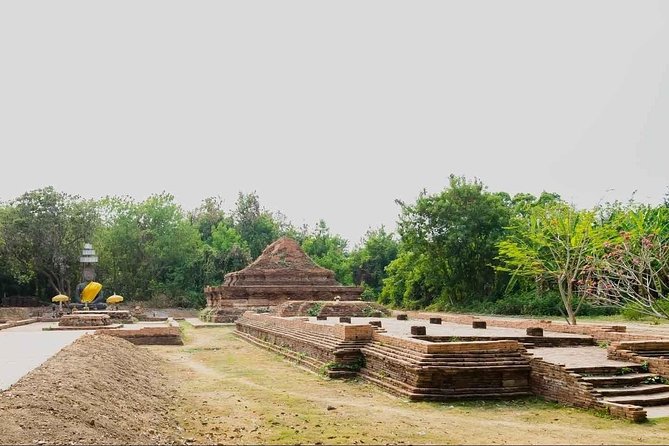
The main event is Wiang Kum Kam, where you’ll spend about an hour. This historic settlement and archaeological site lies along the Ping River, and it was built by King Mangrai the Great as a capital before he moved the seat of power to Chiang Mai.
What makes this stop worth your time is how much better it gets with a guide. Ruins can look like scattered remnants if you don’t know what to look for. With live commentary, you start noticing patterns—how the site was organized, why certain temple areas matter, and how the story connects to the Chiang Mai you see today.
The fact that the admission for Wiang Kum Kam is listed as free is also a nice bonus. It keeps the tour from feeling like you’re constantly paying “micro-tickets” while you’re still trying to understand the bigger picture.
A practical consideration: archaeological areas tend to have uneven surfaces. Bring shoes that handle roots, dirt, and occasional rough stone. You don’t need hiking boots, but sandals are a gamble.
Also keep in mind this is a half-day. You’ll likely be happy with the hour at Wiang Kum Kam if you want the key highlights and the narrative. If you want to study every corner like a professional archaeologist, you’d probably need more time.
Chiang Mai City Arts and Cultural Centre: Turn Ruins Into Context
After the ruins, you head back into the Old City area to the Chiang Mai City Arts and Cultural Centre. It’s located right behind the Three Kings Monument, inside the old provincial government hall in a restored building dating back to the 1920s.
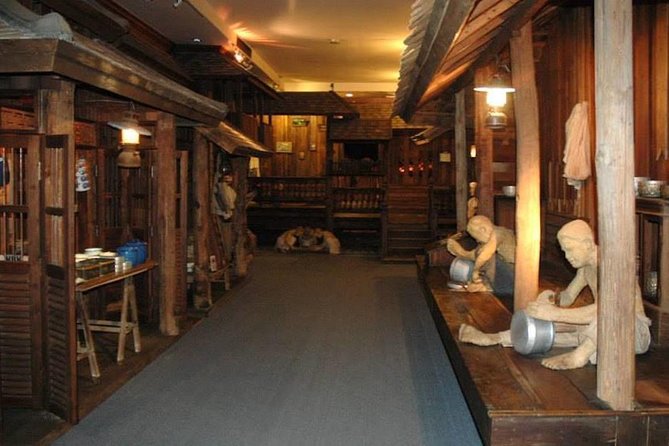
This stop is included (admission included) and runs about an hour. Here’s why it’s so valuable: it takes what you saw outside and gives you anchors—photos, old artifacts, maps, and an audio-visual presentation that traces Chiang Mai’s history from early settlers to the modern city. There’s also a small-scale replica of a traditional wooden village, which helps you picture what “everyday life” looked like compared with what survives as ruins.
Even if you’re not a museum person, this is the part that helps your trip feel coherent. Outdoors, you’re reading stones. Indoors, you’re reading the timeline—what came first, how power and settlement shifted, and how Chiang Mai grew into its current form.
One important heads-up: the centre is closed on Mondays, but the tour can still operate. In that case, your guide may swap in alternate activities. One guide named Pong was noted for handling this smoothly and leading a detour to local craft businesses, including an umbrella business—so you don’t lose the day, you just switch from indoor history to local skills.
Wat Chiang Man: Temple Time Built Into the Route
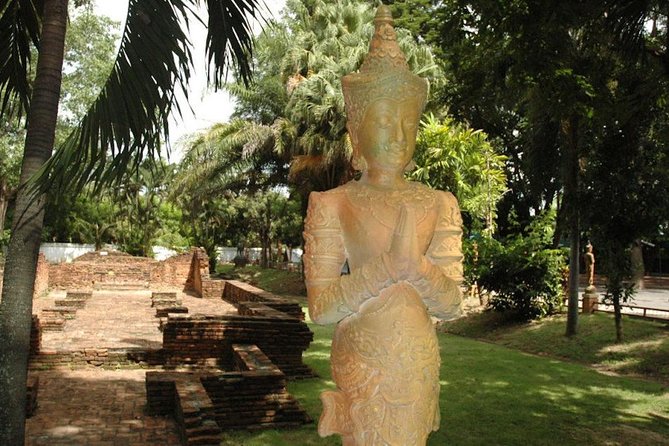
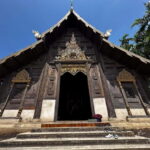
The tour is marketed as including a Wat Chiang Man visit alongside Wiang Kum Kam. While your exact temple sequence can vary depending on timing, this is a good sign if you want your day to include both an archaeological focus and a living temple stop in the broader Old City area.
I like this mix because it keeps the trip from becoming purely “ancient only.” You see what remains, and you also get at least some sense of how temple life continues in Chiang Mai.
If you care specifically about seeing Wat Chiang Man itself, confirm the stop details when you book (or ask the guide during pickup). The tour name includes it, but your best bet is to get clarity on what’s scheduled for your day.




The Horse-Drawn Carriage Ride: Slower Travel, Better Sightlines
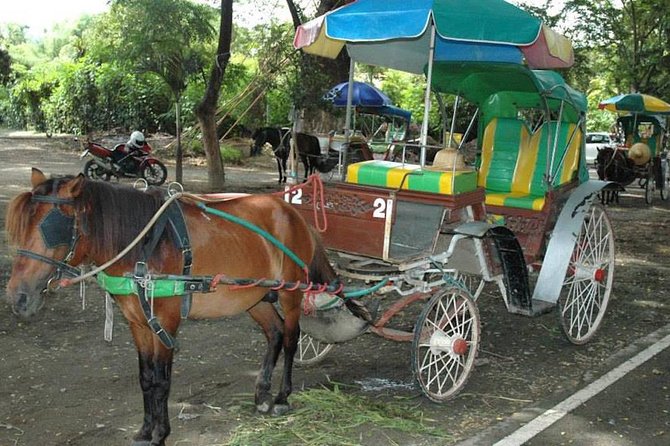
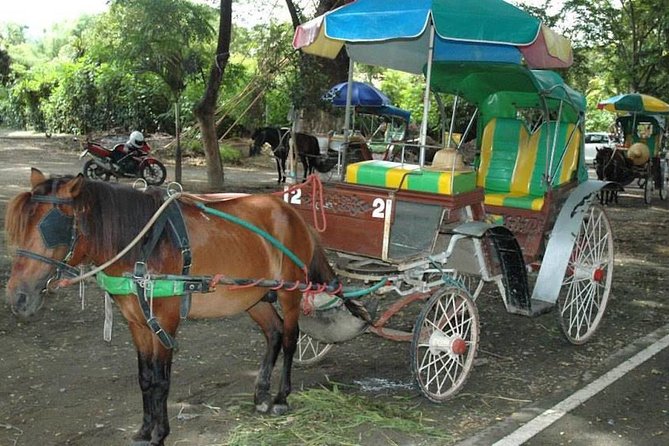
You also get a scenic ride by horse-drawn carriage, included in the tour. This isn’t just a cute add-on. It changes the pace and the viewing angles. Instead of rushing past streets and turning points, you get a more patient rhythm that fits well with a day focused on history and older city textures.
The best part is simple: it helps you feel like you’re moving through the area rather than checking a box. It’s also a nice break after walking on uneven historic ground.
Small caution: if you’re prone to motion discomfort, mention it beforehand. Carriages aren’t the smoothest ride in town, and you’ll probably be sitting for a short stretch rather than getting constant movement.
Price and Value: What $43.93 Buys You (and What It Doesn’t)
For $43.93 per person, you’re paying for a guided half-day that combines:
- hotel pickup and drop-off
- live commentary through multiple stops
- included admissions for the City Arts and Cultural Centre
- horse-drawn carriage ride
- transport between the Old City area and the Wiang Kum Kam site
What’s not included is food, drinks, or snacks. This is the main mismatch for some people: it’s a longer outing, and you’ll be out during the hours when you might normally want a meal break. Plan ahead. If you’ll be near Old City later, you can treat this as a history-and-walking morning/afternoon and then eat after.
Is it good value? Yes—if you want guidance and you like the idea of connecting outdoor ruins with indoor context. If you’re the type who prefers solo wandering and doesn’t care about guided interpretation, you could possibly do Wiang Kum Kam and a museum on your own. But for most people, the guide + transport + included entry makes this a fair deal.
Who Should Book This Tour (and Who Might Skip It)
This tour is a strong match for:
- first-time visitors who want a fuller sense of Chiang Mai beyond the usual temple circuit
- history-minded travelers who don’t want the ruins to feel like “random rocks”
- people who like a balanced day: outdoor heritage plus an indoor interpretive stop
- travelers who appreciate included transport, especially when they’re not renting a car
You might consider skipping or doing something else if:
- you want a very relaxed day with minimal walking
- you’re purely in “eat and shop” mode and don’t care much about historical interpretation
- you need guaranteed access to the City Arts and Cultural Centre specifically on a Monday (since it’s closed that day, even though the tour still runs)
Practical Tips for a Smoother Day
I’d plan this trip like a short archaeology walk plus a museum visit.
Wear: comfortable shoes. You’ll be on historic ground and you don’t want slippery risk.
Bring: water. No food or drinks are included, and hydration matters in Chiang Mai heat.
Time your expectations: you’ll get an excellent highlight version, not an all-day, every-corner study.
On Monday: don’t panic. The arts centre is closed, and the tour can still operate. Guides may substitute with local craft visits, and one example is the umbrella business stop led by Pong.
If you like photos, bring your patience. Temples and ruins offer good angles, but you’ll also need to pause for the guide’s storytelling to really get the meaning.
And if you’re traveling solo, note that at least 2 people are required for the activity to run. Single bookings can still happen, but availability depends on the minimum.
Should You Book This Wiang Kum Kam and Wat Chiang Man Tour?
Book this if you want your Chiang Mai day to feel connected, not chopped into random stops. The combination of Wiang Kum Kam ruins, temple time, and the City Arts and Cultural Centre makes it easier to understand how Chiang Mai became what it is today. Add the horse-drawn carriage ride and the included transport, and you get a smooth, value-focused half-day.
Skip it if you hate guided walking or if you’re looking only for big “wow” monuments with minimal explanation. This tour works best when you’re willing to slow down, listen, and let the story build.
If you’re choosing between “ruins only” and “ruins plus context,” this one leans into context—and that’s where the day really pays off.
FAQ
How long is the tour?
It runs for approximately 3 hours 30 minutes.
Do I get hotel pickup and drop-off?
Yes. Roundtrip transportation from/to Chiang Mai hotels is included.
Is admission included for the sites?
The City Arts and Cultural Centre admission is included. Wat Kuu Kham and Wiang Kum Kam are listed as free admission in the provided details.
What happens if I’m traveling on a Monday?
The Chiang Mai City Arts and Cultural Centre is closed on Mondays, but the tour can still operate.
Does the tour include food or drinks?
No. Food, drinks, and snacks are not included.
Is the horse-drawn carriage ride included?
Yes, the horse-drawn carriage ride is included in the tour.