REVIEW · CHIANG MAI
Chiang Mai: Cooking Class, Market & Thai Herbs Garden Tour
Book on GetYourGuide →Operated by Thai Cottage Home Cookery School · Bookable on GetYourGuide
Curry paste starts with a mortar, not a shortcut. This cooking class in Chiang Mai Province keeps things practical and delicious: I love the market walk for learning real Thai ingredients, and I love the hands-on curry paste lesson where you grind spices yourself. One thing to plan for is the active pace and time on your feet—this is a do-the-work class, not a sit-and-watch show.
I also like how the day ends where Thai food is supposed to live: in an organic kitchen garden. English-speaking hosts such as Wave, Tu, Kat, Flook, Balloon, and Toey are part of the experience style here, and the tone is upbeat and funny while you cook.
You get to shape the meal too. You’ll choose starters and mains from several options, set the spice level to your comfort, and they say they accommodate vegan, vegetarian, gluten-free, halal, and allergies with alternative ingredients.
In This Review
- Key things to know before you go
- How the market sets up your Thai cooking
- Thai herb garden: smell, use, and flavor memory
- Pick your menu: starters, mains, and mango sticky rice
- Starters you can choose from
- Main dishes you can choose from
- Curry paste and finishing dessert
- The mortar-and-pestle curry paste moment
- Organic garden cooking and Thai-style dining
- Price and timing: is $31 good value?
- Spice level, dietary needs, and what to wear
- Should you book this Chiang Mai cooking class?
- FAQ
- How long is the cooking class?
- Is hotel pickup and drop-off included?
- Do I visit a local market and a Thai herb garden?
- Will I make curry paste myself?
- Can I choose what dishes to cook?
- Is the instructor English-speaking?
- Are dietary restrictions accommodated?
- Is alcohol included in the price?
Key things to know before you go
- Market shopping with purpose: you pick herbs and ingredients that directly match the dishes you’ll cook.
- Hands-on curry paste with a mortar and pestle: you choose from red, green, Phanaeng, Massaman, or Khao Soi styles.
- Vegetarian and gluten-free options: the kitchen offers alternatives and can adjust dishes.
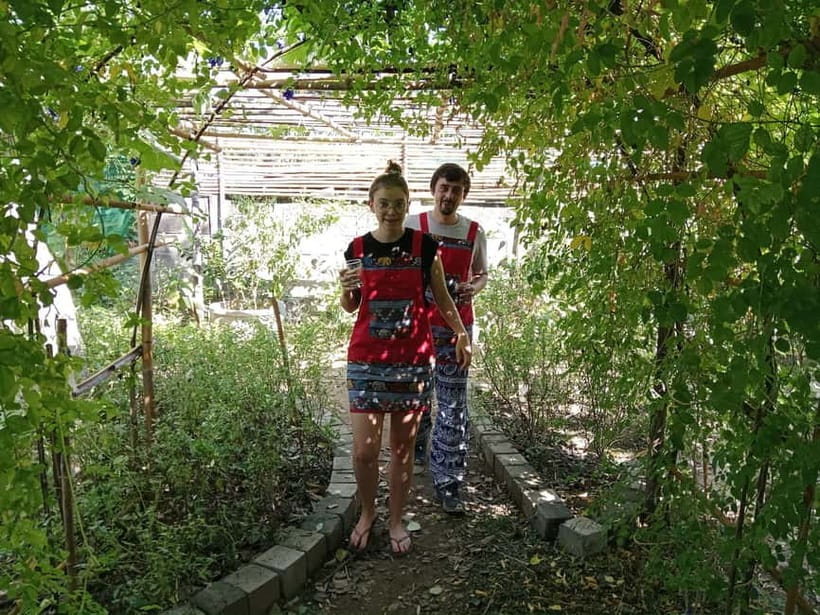
- Thai herb garden stop: you connect plants to flavor instead of just memorizing recipes.
- Eat in the organic kitchen garden: your meal follows the same theme as the cooking.
How the market sets up your Thai cooking
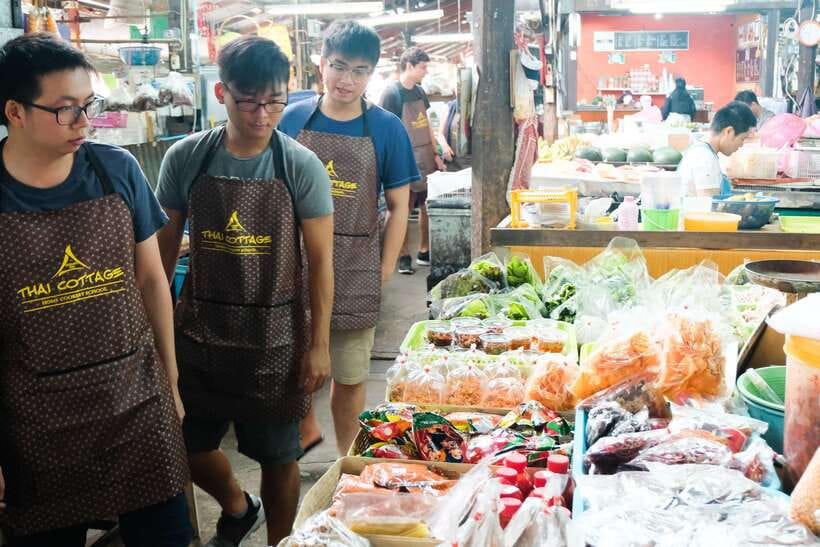
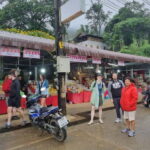
The day starts with hotel pickup and a trip to a local market where you’ll learn what Thai cooks actually use. Your guide helps you pick herbs and ingredients that match your chosen dishes, so the market feels like the start of your meal—not a random sightseeing stop.
I like that the market part is guided and ingredient-focused. It’s the fastest way to understand why Thai food tastes the way it does: one citrus leaf, one aromatic root, one dried spice can completely change a curry or stir-fry.
In practical terms, pickup is included if your hotel is within 3 km of Chiang Mai Old Town. They ask you to wait in the lobby 15–30 minutes before class, and they’ll pick you up with the usual traffic reality in Chiang Mai. If your hotel is farther away, you’ll meet at the meeting point so the group doesn’t get delayed.
You can also read our reviews of more shopping tours in Chiang Mai
Thai herb garden: smell, use, and flavor memory
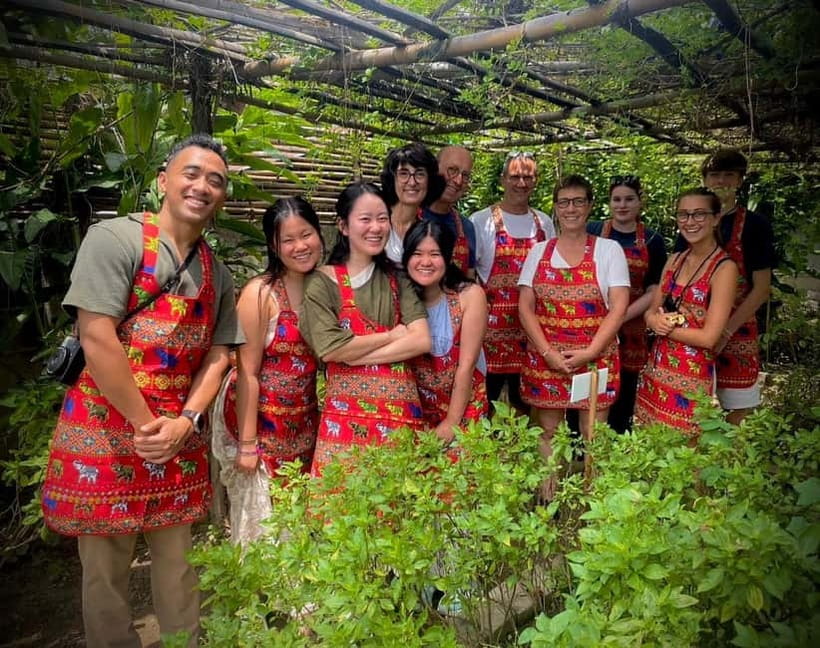
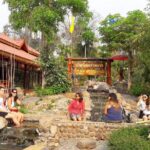
After the market, you head to the Thai herb garden. This is where the experience becomes more than cooking—you start building flavor memory using plants you can identify with your hands and nose.
The class approach is straightforward: you learn herbs and ingredients, then you see how those same elements show up later when you make dishes. Many people get excited here because it makes Thai cooking feel less mysterious. Instead of memorizing a list, you can understand roles—fresh herbs for lift, aromatics for depth, and spices for structure.
This matters for you if you’ve ever cooked Thai food at home and found it tasted almost right. The herb and ingredient connection is what helps you repeat the results without guessing every time.
Pick your menu: starters, mains, and mango sticky rice
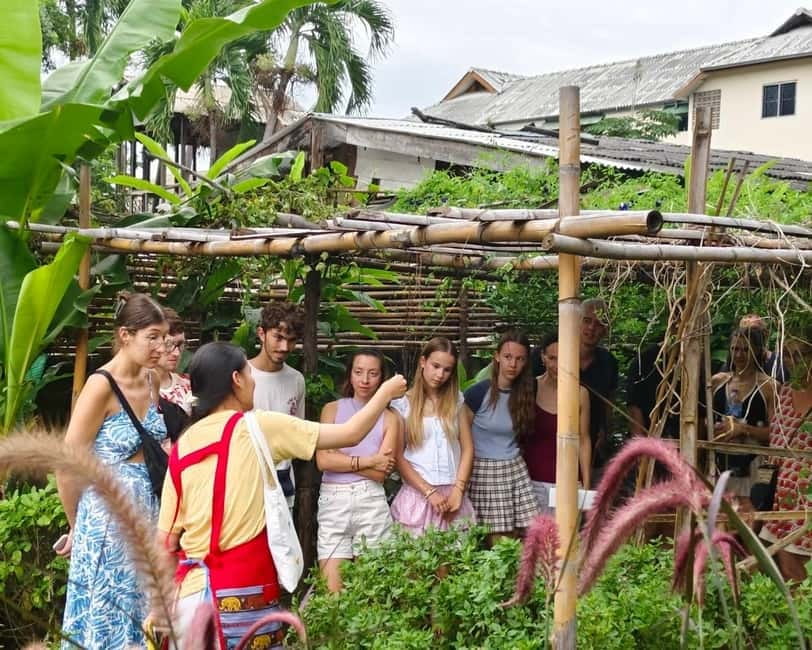
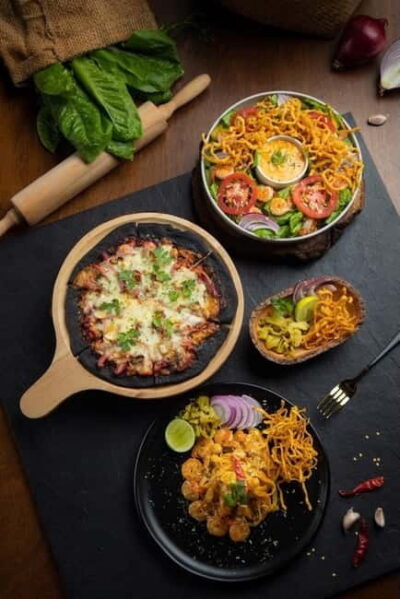
Once you’re back in the cooking flow, you choose what you’ll make. The format is built around choice, and that’s a big part of the value. You can select a starter, pick a main dish, then go into curry paste and finishing desserts based on your preferences.
Starters you can choose from
You’ll have options like hot and sour prawn, local chicken soup, chicken in coconut milk, or turmeric chicken soup. This is a nice range: sour and spicy up front, then warming soups and coconut-based comfort.
Main dishes you can choose from
Popular mains include Pad Thai or chicken fried rice, plus fried chicken with cashew nuts, or Pad Kra Pao. If you like your food with a punch of aroma, Pad Kra Pao tends to be a crowd favorite because of the basil-and-chili character.
You can also read our reviews of more tours and experiences in Chiang Mai


Curry paste and finishing dessert
After your mains, you craft curry paste from scratch and use it to make chicken and coconut milk curry. Then you finish with sweet sticky rice with mango—simple, classic Thai, and a satisfying end to a cooking-focused afternoon.
Dietary needs are part of the plan. The information you get ahead of time says they can accommodate vegan, vegetarian, gluten-free, halal, and allergies, with alternative ingredients available. The English-speaking instructor will also guide you on spice level, and you can make it spicy or non-spicy.
The mortar-and-pestle curry paste moment
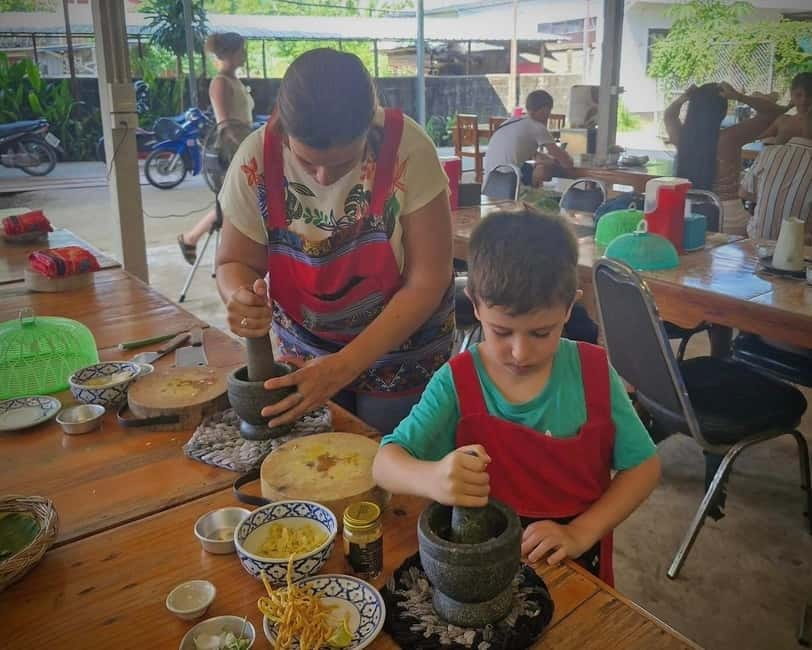
If you’re only looking for the food, you’ll still enjoy this. But the real reason this class gets strong results is the curry paste work.
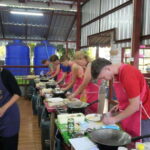
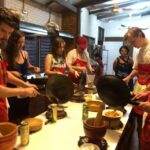
You’ll make curry paste from scratch using a mortar and pestle. Then you choose from red, green, Phanaeng, Massaman, or Khao Soi curry paste styles, depending on what fits your taste. This part is hands-on and tactile—you feel the texture change as you grind, and that matters because curry paste isn’t just flavor. It’s also body.
Once your paste is ready, you use it to prepare chicken and coconut milk curry. This is where your earlier decisions pay off: your paste style influences the final character, and the class structure helps you connect cause and effect without needing a chemistry degree.
Organic garden cooking and Thai-style dining
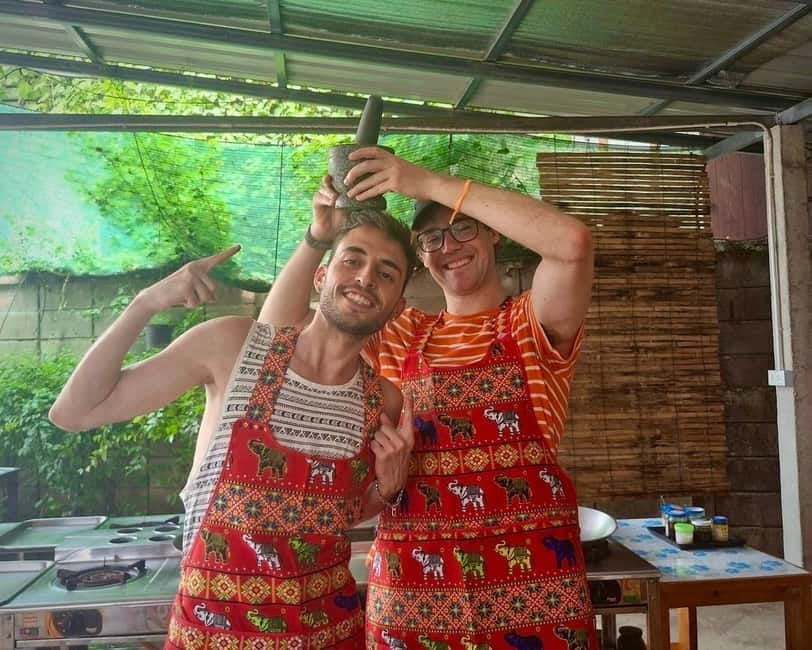
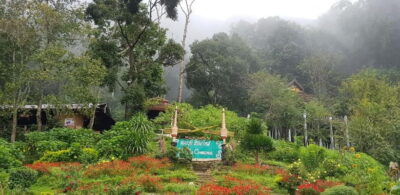
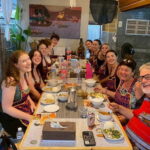
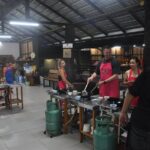
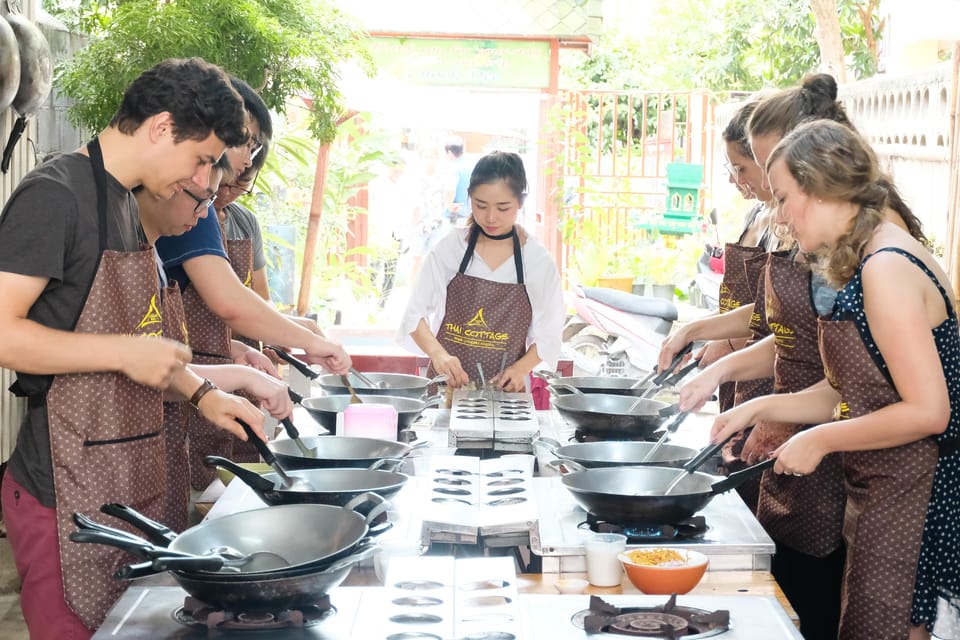
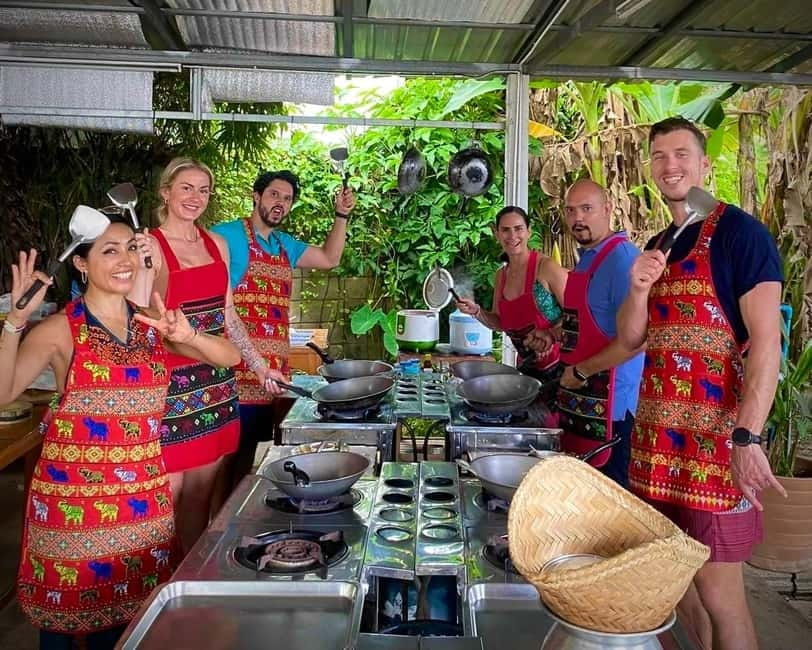
The cooking and the eating happen together. You cook and dine in true Thai tradition in an organic kitchen garden, so the whole setting matches the theme of fresh herbs and real ingredients.
Practically, this means you’re not just learning recipes—you’re experiencing the full rhythm of cooking in a Thai home-kitchen setting. You’ll get all ingredients included, which removes one of the biggest barriers for cooking classes: the guesswork of what’s missing or what costs extra.
Alcohol isn’t included, but it can be purchased. Also, the class has rules: alcohol and drugs aren’t allowed. The rest is a calm, focused meal-building session.
To help you repeat it later, you receive a digital PDF recipe book online. If you’ve ever forgotten what you did differently the first time, this is useful. You can recreate the dish without starting from memory.
Price and timing: is $31 good value?
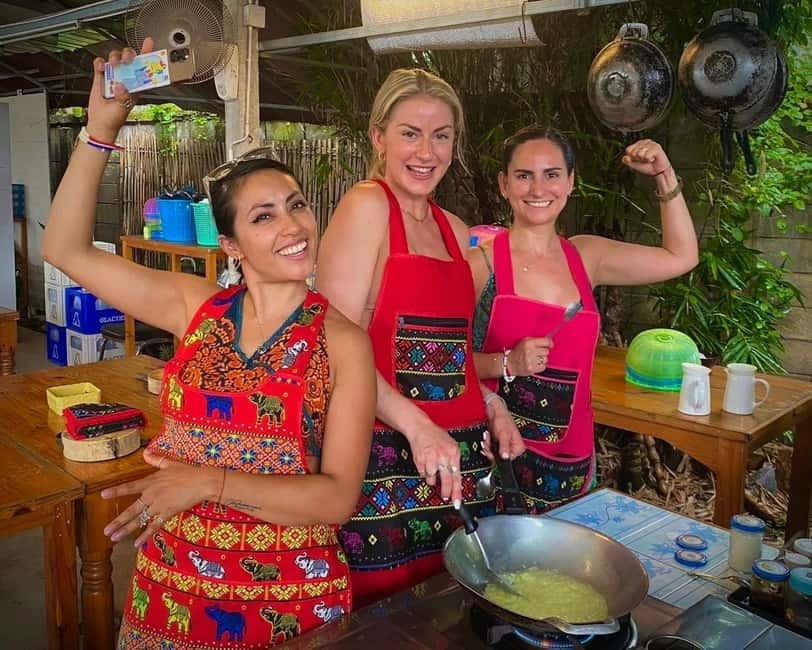
For $31 per person, you’re not just buying a cooking lesson. You’re getting hotel pickup and drop-off, a local market visit, a Thai herb garden stop, hands-on cooking, all ingredients, an English-speaking local instructor, and a digital recipe book.
The duration is about 210 minutes, which is roughly three and a half hours. That’s a sweet spot for most people: long enough to shop, cook, and eat, but not so long that it eats your whole day. It also means the class stays active—you’ll be doing the work, not just watching.
This fits best if you want skills, not only samples. Curry paste from scratch is the anchor here, and the market-herb-garden sequence supports why it tastes the way it does.
Spice level, dietary needs, and what to wear
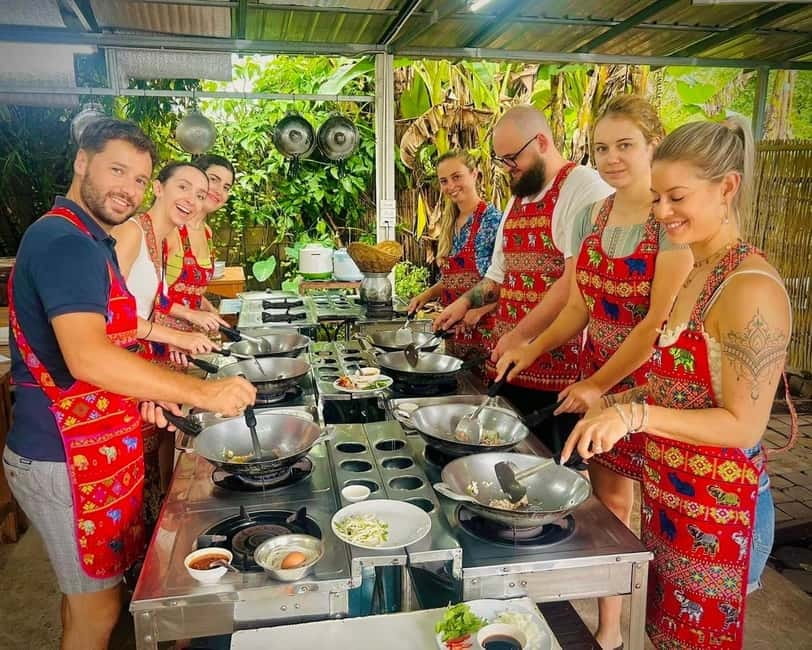
This class is designed so you can control the heat. You can make your food spicy or non-spicy, and the instructor can adjust for preferences.
You can also bring dietary needs into the plan: vegan, vegetarian, gluten-free, halal, and allergies are all welcome, with alternative ingredients available. That’s a big deal for your comfort—because when you can eat what you cook, the whole class feels fair.
What to bring is simple: comfortable clothes. Since the experience includes cooking and time in an outdoor organic setting, wear something you can move in, and plan on a hands-on day.
Should you book this Chiang Mai cooking class?
Book it if you want the best version of a Thai cooking class format: market ingredients that connect to flavor, a herb garden stop that makes the food make sense, and curry paste you grind yourself with clear choices like red, green, Massaman, and Khao Soi.
Skip it if you prefer a mostly passive experience, or if you’re expecting a gentle, low-energy walk-through. This is an active cooking workshop with an instructor guiding you as you cook, and you’ll be standing and working through the time.
Also think about where you’re staying. Pickup is easiest within 3 km of Chiang Mai Old Town, and if you’re farther out, you’ll likely meet at the meeting point to keep everything on time.
If you’re hungry for real Thai technique you can repeat at home, this is one of the more practical options in Chiang Mai.
FAQ
How long is the cooking class?
The total duration is 210 minutes.
Is hotel pickup and drop-off included?
Yes. Pickup and drop-off are included, with free transfer within 3 km of Chiang Mai Old Town. If your hotel is farther away, you may need to meet at the meeting point.
Do I visit a local market and a Thai herb garden?
Yes. The experience includes a visit to a local market and a Thai Herb Garden.
Will I make curry paste myself?
Yes. You prepare curry paste from scratch using a mortar and pestle, and you can choose a style such as red, green, Phanaeng, Massaman, or Khao Soi.
Can I choose what dishes to cook?
Yes. You select from options in categories like starters, main courses, and curry paste styles, then you’ll cook dishes such as chicken and coconut milk curry and sweet sticky rice with mango.
Is the instructor English-speaking?
Yes. The instructor is English.
Are dietary restrictions accommodated?
Yes. Vegan, vegetarian, gluten-free, halal, and allergies are welcome, and alternative ingredients are available.
Is alcohol included in the price?
No. Alcoholic beverages are not included, but they are available for purchase.