REVIEW · CHIANG MAI
6-Hour Akha Tribe Culture and Cooking Class in Chiang Mai
Book on Viator →Operated by Oh-Hoo · Bookable on Viator
Food is the best passport here.
This 6-hour Akha tribe cooking class in Chiang Mai pairs a hands-on meal with culture, starting with ingredient shopping and ending with a big sit-down feast. What I like most is the way it turns a market stop into something practical, with you getting the same produce locals buy and using it right away in the kitchen—less sightseeing, more do-and-eat.
The second thing I love: you get real cooking direction, and it’s built for results. You’ll make and then eat 10 dishes, including Thai staples like pad thai and curries, plus Akha dishes such as Akha Soup and Akha Salad. The main drawback to consider is that it’s a long, food-focused session, and the kitchen setup can be outdoors, so wear comfy shoes and plan to be on your feet for portions of the day.
In This Review
- Key highlights I’d plan around
- Six hours of Akha culture through real cooking
- Morning vs evening: choosing the right flow for your day
- Getting there: Wat Pan Whean as your easy anchor point
- The local market stop: how the ingredient sourcing teaches you
- Cooking the feast: what you’ll make and taste
- The kitchen setup: outdoor cooking, AC dinner comfort
- Price and value: why $48.83 can actually make sense
- Tips to get the most from your class
- Who should book (and who might not)
- Should you book this Akha tribe cooking class in Chiang Mai?
- FAQ
- How long is the Akha tribe culture and cooking class?
- Does the tour include pickup?
- Do I get to choose morning or evening?
- What will I cook and eat during the class?
- What’s included in the meal?
- Are dietary restrictions accommodated?
- Where does the experience start and end?
- Is there an air-conditioned dining area?
- What if the weather is bad?
Key highlights I’d plan around
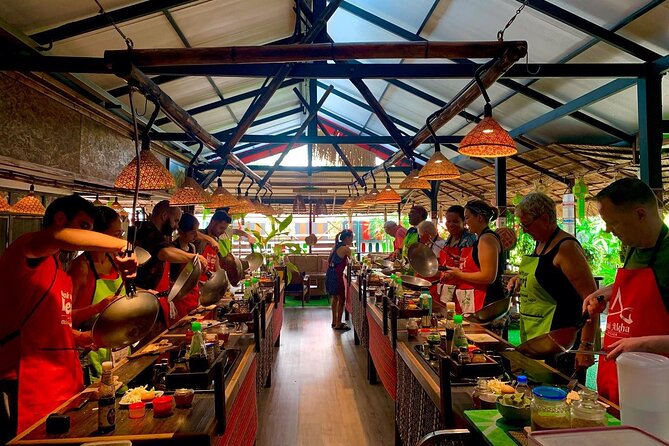
- Akha + Thai cooking together: you learn techniques while tasting the Akha influence in the dishes
- Market-first ingredient sourcing: especially useful if you want to understand Thai flavors without guessing
- A teacher who makes it fun: On is singled out for keeping the class upbeat and easy to follow
- Come hungry energy: you’re set up to eat a lot, including soups, spring rolls, stir-fries, and curries
- Small group size (max 15): enough attention to stay on track without feeling rushed
Six hours of Akha culture through real cooking
In Chiang Mai, you can book a dozen “culture experiences.” This one is different because it uses food as the teaching tool. You’re not just hearing about the Akha people and their traditions—you’re cooking dishes that reflect how Thai and Akha flavors overlap.
Expect a schedule that feels like: ingredient hunt → cooking station → shared meal. It’s practical travel. You learn how flavors are built (sour, salty, spicy, herbal) and then you eat your way through it. The class includes both Thai and Akha dishes, and it’s designed so you leave with dishes you can recognize later when you’re street-food searching.
It also helps that the group stays small, capped at 15. That matters in a cooking class. When you have more personal space, it’s easier to ask questions and actually follow the steps.
You can also read our reviews of more cooking classes in Chiang Mai
Morning vs evening: choosing the right flow for your day
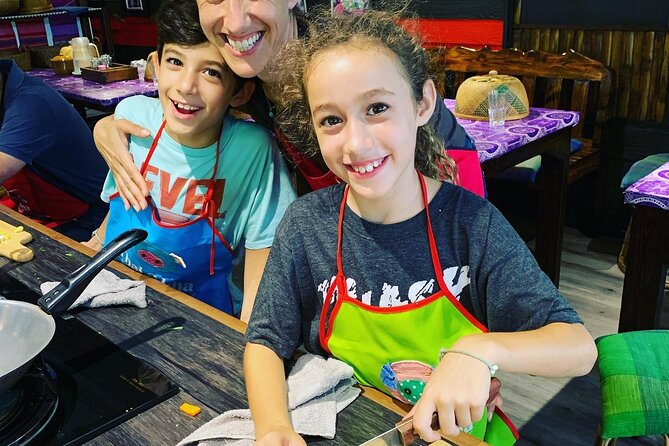
You can pick either a morning or evening course, and the choice changes the feel of your day more than you might expect.
For the morning option, the big draw is the local market time. You’ll see how people shop in real life and compare prices and produce choices without the big western-tourist shortcuts. The idea of same same but different comes through fast: you recognize ingredients you know, but they’re sold, cut, and paired differently.
For the evening option, the pitch is simple: it fits a busy day and it’s cooler for cooking. You’re also set up to finish with dinner in a calmer rhythm. One detail that really matters for comfort: the dining room is air-conditioned. The cooking itself uses an outdoor kitchen setup with a Thai-Akha atmosphere, but once you’re ready to eat, you get a proper break.
If you hate early starts, go evening. If you like morning markets and want to understand the ingredients before the cooking starts, choose morning.
Getting there: Wat Pan Whean as your easy anchor point
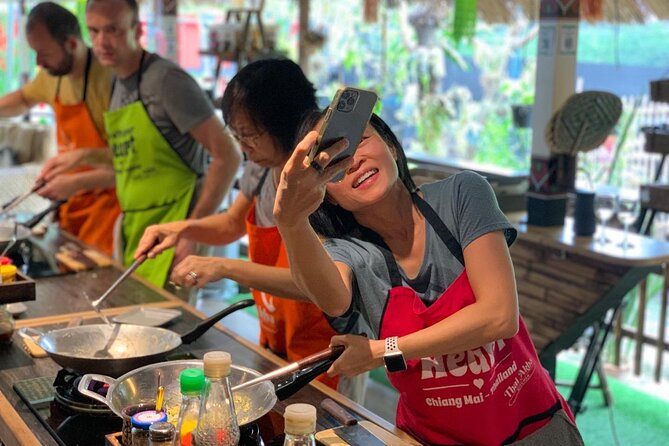
The meeting point is Wat Pan Whean (50 Phra Pok Klao Rd Soi 4, Tambon Phra Sing, Amphoe Mueang Chiang Mai). The tour ends back there, so you’re not stuck figuring out transport afterward.
Pickup is offered, which is a big plus in Chiang Mai traffic. If you’re planning to walk or take local transit, the activity is noted as being near public transportation. Either way, you’ll be able to arrive without too much stress, and you’ll return to the same area.
For me, the practical win is that you can build your day around this class without guessing how you’ll get back.
The local market stop: how the ingredient sourcing teaches you
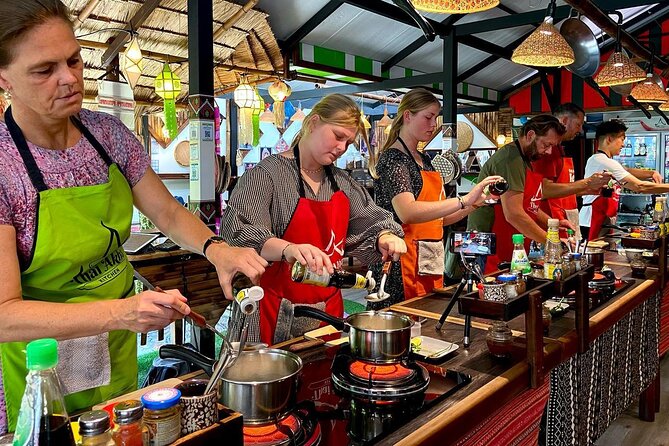
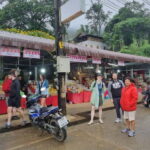
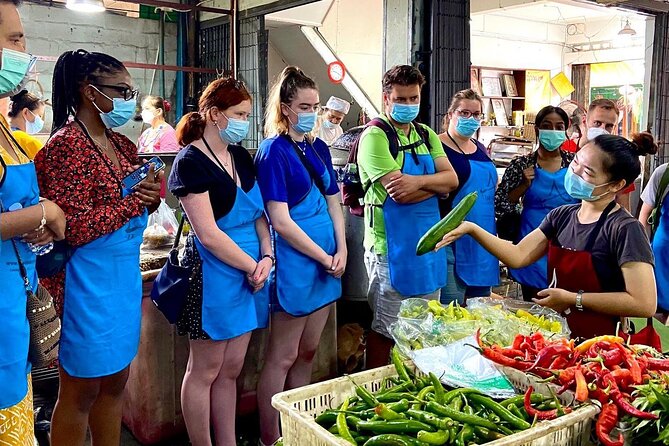
Even if you’ve eaten Thai food before, the market is where Thailand’s flavor logic clicks. You’re seeing what’s available, what looks fresh, and how everyday cooks shop. You’re not just window-shopping. You’re choosing ingredients that will show up in your own cooking later.
You’ll also get a feel for the market pace and pricing reality. Thai markets can be very different from what you might expect from a western shopping experience, so go in with open eyes. It’s normal to feel a little out of your element at first—then suddenly you start recognizing herbs, vegetables, and the different cuts used for different dishes.
This stop is especially valuable if you want to cook again later. You’ll understand why certain ingredients are used and when the cooking method matters more than the exact brand of sauce.
Cooking the feast: what you’ll make and taste
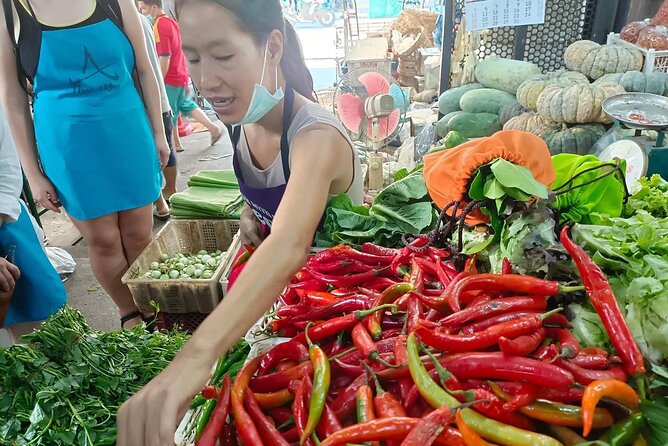
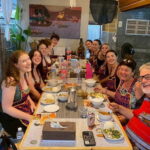
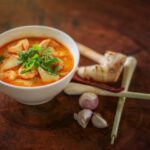
This is the heart of the experience: you’ll create and eat 10 dishes. The menu covers multiple parts of Thai cuisine, plus Akha dishes with their own flavor identity.
Here are the dish types and examples included in the class plan:
Appetizers and starters
You can expect options like papaya salad and spring rolls. These start your meal with sour, crunchy, and fresh flavors—useful because they reset your palate for the richer dishes.
Akha dishes on the menu
Akha dishes listed include Sapi Thong (tomato dipping sauce), Akha Salad, and Akha Soup. This is where the Akha influence becomes more than a story. Dishes like dipping sauce and soup-style meals help you taste how balance works in a different context, not just the familiar Thai curry lane.
Stir-fries and noodle comfort food
Stir-fry examples include sweet & sour vegetables, cashew nut with chicken, chicken with hot basil, and pad thai. These are the dishes that usually teach technique quickly: aromatics first, then protein, then the sauce built for the final flavor punch.
Soups for the long Thai meal
Soup options include chicken in coconut milk, hot & sour prawn soup, and clear soup with egg tofu. Soups are a smart choice in a cooking class because they show you texture and seasoning without demanding perfect presentation like some fancy plating styles.
Curries (the flavor-heavy finale)
Curries in the class include chicken green curry, chicken red curry, panaeng curry, and massaman curry. Even if you’ve had curry before, cooking curry paste and watching how the curry comes together helps you understand why one curry tastes different from another.
One small detail from feedback that matters: the recipes are described as easy, and you’ll also receive a recipe book. That’s a huge value-add. You’re not leaving with only memories—you have a practical way to recreate the flavors at home.
And yes, the food amount is a real deal. If you show up underfed, you’ll feel it fast. Plan to eat.
You can also read our reviews of more tours and experiences in Chiang Mai

The kitchen setup: outdoor cooking, AC dinner comfort
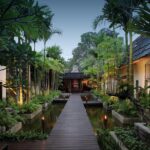
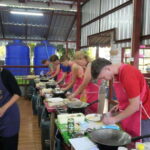
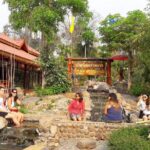
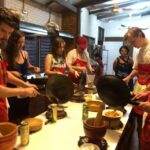
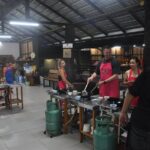
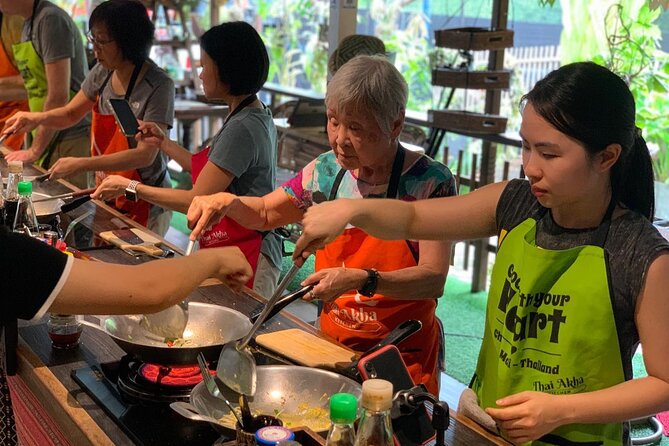
The class uses an outdoor kitchen setup with a mix of Thai-Akha culture atmosphere. Outdoor cooking is part of the charm, but it also means you should dress for real conditions—comfortable shoes and breathable layers go a long way.
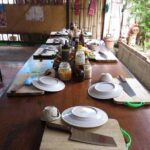
For the evening course, the dining room with air-conditioning is called out as a chill-out place. That balance is ideal: you get the outdoor energy for cooking, then the comfort of a cooled room when it’s time to sit and eat.
Price and value: why $48.83 can actually make sense
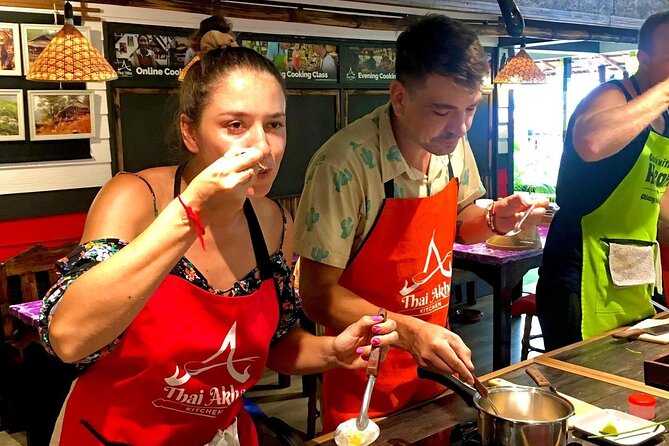
At $48.83 per person, this isn’t a bargain-style street-food-only experience. It’s a structured cooking class that feeds you. The value comes from the combo: market learning + hands-on cooking + a full meal built around many dishes.
You’re also not dealing with a giant busload. With a maximum of 15 travelers, you’re more likely to get real help during prep and cooking. That’s important in a class where technique matters—especially when you’re cooking curries, soups, and stir-fries that rely on timing.
If your travel budget allows only one cooking class in Chiang Mai, I’d put this one on your shortlist because it includes both Thai and Akha elements, not just one cuisine stream.
Tips to get the most from your class
- Come hungry. You’ll be eating a lot, and it’s easier to enjoy the cooking process when you’re not already rushing to the next meal.
- Bring a light layer. Outdoor kitchen time can feel cooler in the evening but still requires comfort.
- Ask questions about sauces and balance. The Akha + Thai mix is where you learn what makes a dish taste right.
- Use the recipe book after. One of the best outcomes here is taking the easy recipes home and trying them once you’re back from your trip.
Who should book (and who might not)
This class is a strong fit if you:
- like food-focused tours more than museum-style visits
- want a hands-on introduction to Akha and Thai cuisine
- prefer small groups and clear instruction
- enjoy markets and want to understand ingredients, not just pictures
It may feel like too much if you:
- want a short, light activity with minimal standing
- don’t want to eat a big meal
- dislike outdoor cooking environments (even though the evening dining room has AC)
Also note the experience needs good weather. If weather turns, you’ll be offered another date or a full refund.
Should you book this Akha tribe cooking class in Chiang Mai?
If you’re choosing between a culture show and a cooking class, I’d pick this kind of experience. It uses food as the language, and it’s built around practical learning: market ingredients, clear recipes, and a meal that actually shows off the Thai-Akha blend.
Book it if you want the most value out of your time in Chiang Mai: learn, cook, and eat together, guided by a teacher who keeps things fun and easy to follow (On is specifically praised for that). Skip it only if you’re trying to keep your day short or you really don’t want an outdoor kitchen portion.
FAQ
How long is the Akha tribe culture and cooking class?
It runs for about 6 hours.
Does the tour include pickup?
Pickup is offered.
Do I get to choose morning or evening?
Yes. You can book either a morning or an evening course.
What will I cook and eat during the class?
You’ll create and eat 10 dishes. The course includes items such as papaya salad and spring rolls, Akha dishes like Akha Soup and Akha Salad, stir-fries like pad thai and chicken with hot basil, soups, desserts like mango with sticky rice and pumpkin in coconut milk, and multiple curry options.
What’s included in the meal?
The meal includes a spread of appetizers, soups, stir-fries, curries, and desserts, and you’ll eat the dishes you prepare at your kitchen stations.
Are dietary restrictions accommodated?
Yes. The activity can accommodate special dietary requirements like allergies, gluten intolerance, vegetarian diets, or other dietary needs.
Where does the experience start and end?
It starts at Wat Pan Whean and ends back at the same meeting point.
Is there an air-conditioned dining area?
For the evening course, the dining room has air-conditioning.
What if the weather is bad?
The experience requires good weather. If it’s canceled due to poor weather, you’ll be offered a different date or a full refund.