REVIEW · CHIANG MAI
Chiang Mai: Chiang Rai Temples, Karen Tribe and Hot Springs
Book on GetYourGuide →Operated by MONKEY TRAVEL ASIA by Ask Discovery · Bookable on GetYourGuide
Chiang Rai hits different, and this one-day route is packed. You start with Mae Kachan Hot Springs, then roll into the White Temple and Blue Temple, plus a hill-tribe village and Huay Pla Kang’s famous multi-tier pagoda. I especially like how the day mixes big-name sights with smaller stops, and how the guide keeps things moving without turning it into a blur. The main trade-off is simple: it’s a long day, with lots of riding and temple stairs, so it helps to be ready for fatigue.
If you want variety, this tour delivers it in one sweep: warm-mineral relaxation first, bold contemporary Buddhist art second, and a cultural stop that lets you see real daily life beyond Chiang Mai. You’ll also get practical support from guides who stay on time, help with questions, and keep the group organized. The only real consideration is timing at the end—Huay Pla Kang involves climbing—and the hill-tribe long-neck village has an entrance fee not included in the tour price.
In This Review
- Key highlights
- Chiang Rai in One Long Day: Why This Temples-and-tribes Route Works
- Mae Kachan Hot Springs: Foot-Soak Calm Without the Swim
- Karen Long-Neck Mae Kachan Village: Culture, Crafts, and a Harder Reality
- Wat Rong Khun White Temple: All-White Modern Buddhist Art
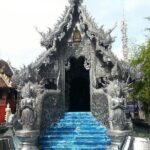
- Wat Rong Suea Ten Blue Temple: Deep Blue Interiors and Dragon Guards
- Huay Pla Kang Temple: Guan Yin, a Nine-Tier Pagoda, and Stairs with Views
- Price and Value from Chiang Mai: What About $35 Really Buys
- Timing, Comfort, and Small Practical Tips That Save Your Day
- Guides, Language, and the Audio Guide Setup
- Who Should Book This Tour—and Who Should Skip It
- Should You Book This Chiang Rai Day Trip?
- FAQ
- How long is the Chiang Rai temples and hot springs tour?
- What does the tour cost, and what’s included in that price?
- Is lunch included?
- Can I swim at Mae Kachan Hot Springs?
- What extra fee should I expect for the long-neck village?
- What should I bring for the audio guide?
Key highlights
- Mae Kachan Hot Springs: a calm start with a guided stop; swimming isn’t allowed, but soaking your feet is part of the vibe
- Wat Rong Khun (White Temple): all-white modern temple design with glass details tied to Buddhist ideas
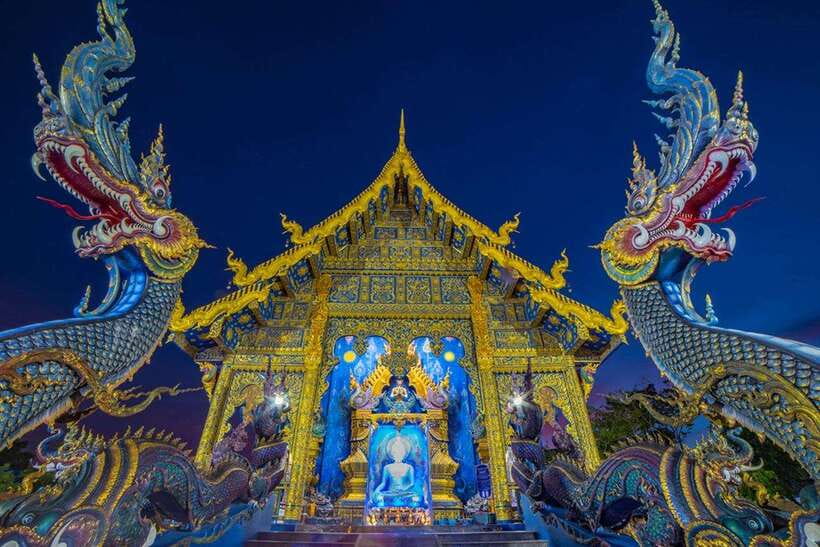
- Wat Rong Suea Ten (Blue Temple): deep blue interiors, gold accents, dragon guardians, and a bright central Buddha
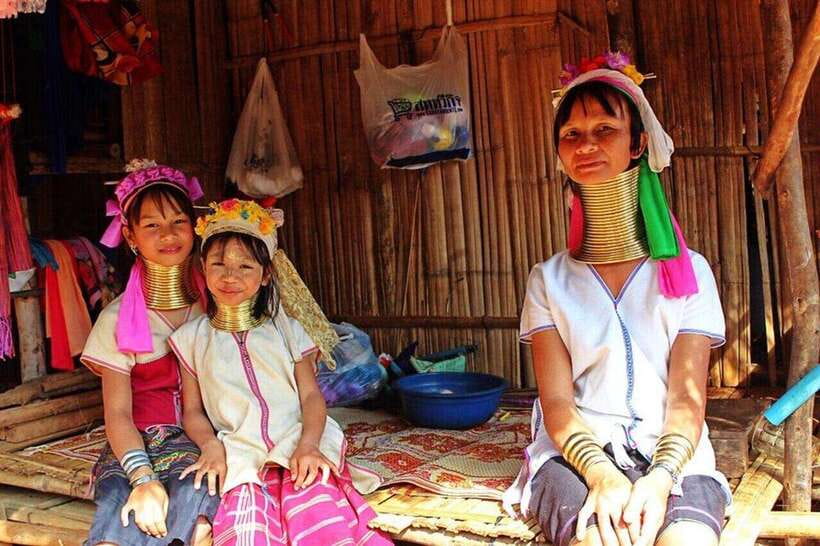
- Karen long-neck Mae Kachan village: brass neck-ring tradition plus handmade craft shopping
- Huay Pla Kang Temple: large Guan Yin statue and an impressive nine-tier pagoda with viewpoint climbs
- Guides that keep it lively: many tours stand or fall on the guide, and this route is praised for energy, care, and clear explanations
Chiang Rai in One Long Day: Why This Temples-and-tribes Route Works
This is a classic “big day” out of Chiang Mai: about 11 hours with multiple stops and guided time built in. The payoff is that Chiang Rai’s signature sights are spread across the day in a way that feels logical—start relaxed, then shift into art and architecture, then finish with a temple that rewards stamina with views.
I like that the itinerary doesn’t only chase the obvious photos. You also get a Karen Mae Kachan long-neck village visit and time at Huay Pla Kang, which is known more for its structure and statuary than for being a simple landmark stop. It’s still sightseeing, but it has enough rhythm to keep your brain from switching off.
The drawback is the obvious one: traffic and road conditions can stretch the day. Some sections are described as bumpy or affected by roadworks, and you’ll want comfortable shoes plus a plan for fatigue.
You can also read our reviews of more tours and experiences in Chiang Mai
Mae Kachan Hot Springs: Foot-Soak Calm Without the Swim
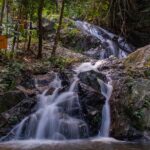
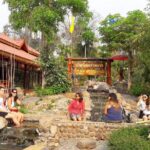
Your day begins with a stop at Mae Kachan Hot Springs. The experience is set up as a photo stop plus guided visit, and it’s meant as a reset before the temples. You’ll get warm-mineral relaxation in a natural setting, and in practice that means it’s a great time to breathe, cool down a bit, and let the bus ride fade from your legs.
One important rule: swimming isn’t allowed here. That matters because you should treat it as a soak-and-rest stop, not an all-out water activity. If you’re expecting a beach-style break, you’ll feel slightly misaligned—if you want a gentle warm restart, it’s a good fit.
Food and drink can also be part of this first stop. Some guides recommend local snacks and drinks available on site, which is useful because lunch is later and not included in the price.
Karen Long-Neck Mae Kachan Village: Culture, Crafts, and a Harder Reality
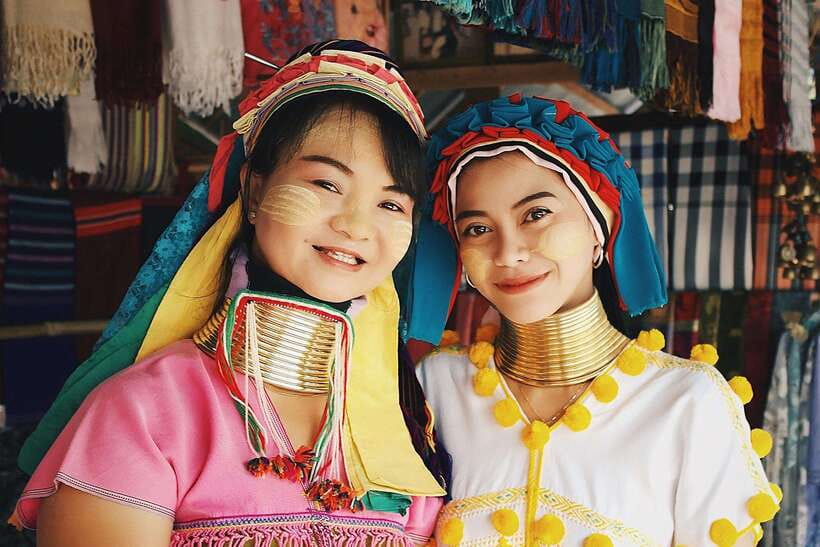
Next comes the Mae Kachan hill-tribe village associated with the Karen long-neck tradition. The point of the stop is to see the brass neck-ring practice and learn how it’s passed down across generations. You’ll also have time to browse handmade crafts, which is often where the experience feels most tangible—textures, weaving work, and small items you can actually take home.
There’s one practical detail you should plan for: the long-neck village entrance fee is 300 THB and not included. If you only budget for the $35 tour price, you’ll want to add this so it doesn’t feel like a surprise at the gate.
Another consideration is emotional comfort. This is a tradition with complex history and today-day meaning, and it can feel unsettling for some people to witness. I’d encourage you to go with respectful curiosity: ask questions when it’s appropriate, buy crafts if you want to support the local economy, and keep the tone human, not staged.
Wat Rong Khun White Temple: All-White Modern Buddhist Art
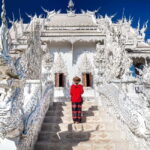
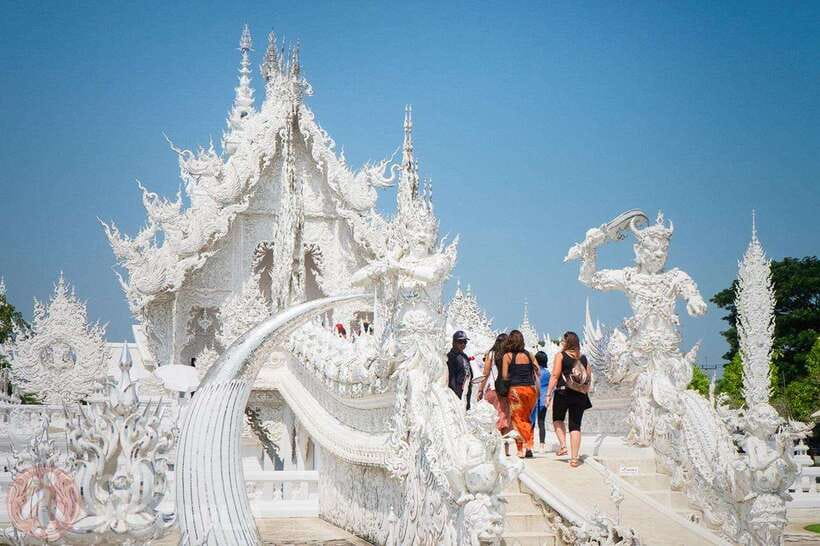
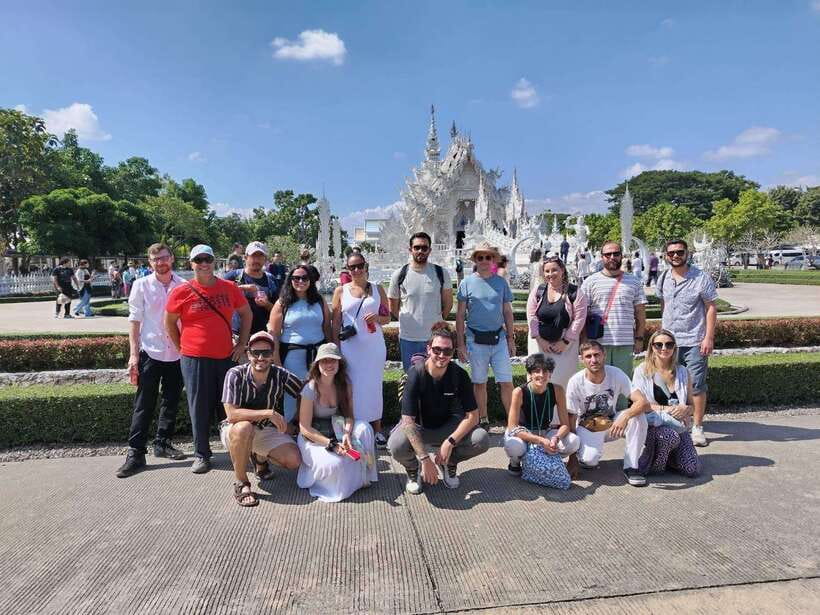
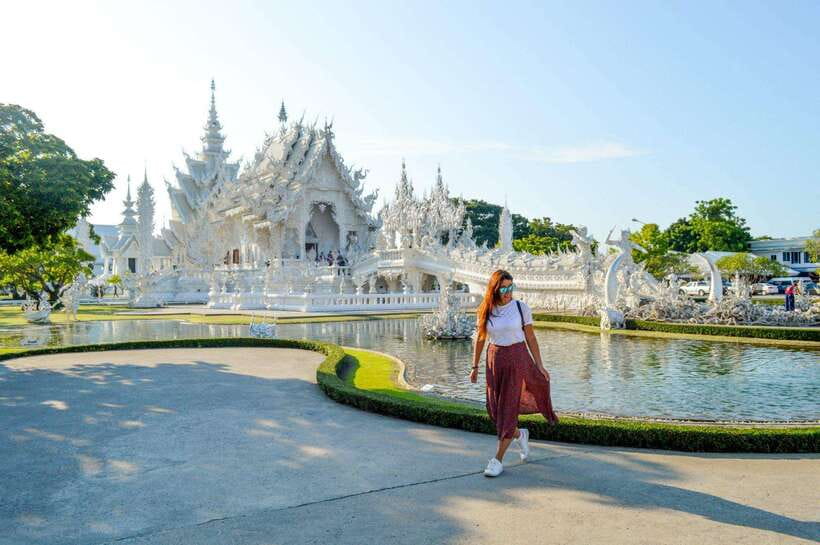
Then the day shifts gears with Wat Rong Khun, the famous White Temple. This isn’t a plain temple with classic gold details. It’s a contemporary masterpiece created by artist Chalermchai Kositpipat, built around an all-white design that represents purity.
What really grabs attention is the mix of tradition and surprise. You get intricate glass details that connect to Buddhist ideas of wisdom, plus classic religious imagery paired with modern-looking touches. The effect is surreal in the best way: it looks like a work of modern art that happens to be sacred.
Timing-wise, expect a photo stop and guided visit. You’ll want to pace yourself. The White Temple is photogenic, so it’s easy to rush your own viewing to keep up with the group. If you tend to take your time at big art stops, you’ll likely feel happier if you use the guide’s explanations as your anchor, then wander slowly.
Wat Rong Suea Ten Blue Temple: Deep Blue Interiors and Dragon Guards
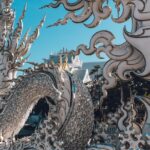
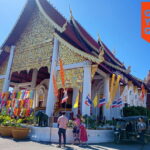
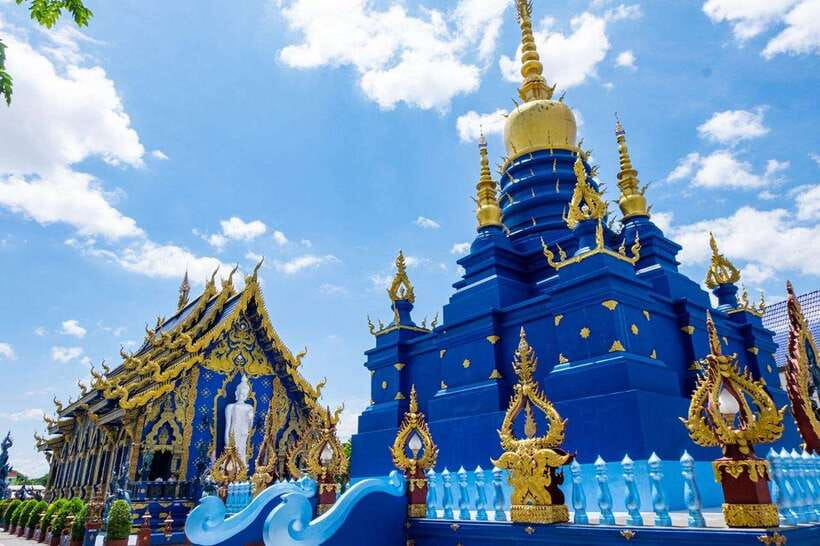
After lunch in the Chiang Rai area, you head to Wat Rong Suea Ten, also called the Blue Temple. The look is instantly different from Wat Rong Khun: deep blue interiors with gold details, and dragon statues that guard the entrance. It’s one of those places where the color isn’t just decoration—it shapes the mood inside.
Inside, you’ll find a calm, bright Buddha statue at the center. The design blends modern and traditional elements, so your eye keeps catching new details instead of settling into a single style.
A small but fun benefit: food stops can appear here too. One well-loved touch is blue coconut ice cream, which some guides recommend as a light treat between temple time and the next stop. If you’re trying to manage energy on a long day, that kind of snack can be more useful than another sugar-drink cycle.



Huay Pla Kang Temple: Guan Yin, a Nine-Tier Pagoda, and Stairs with Views
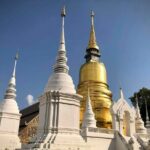
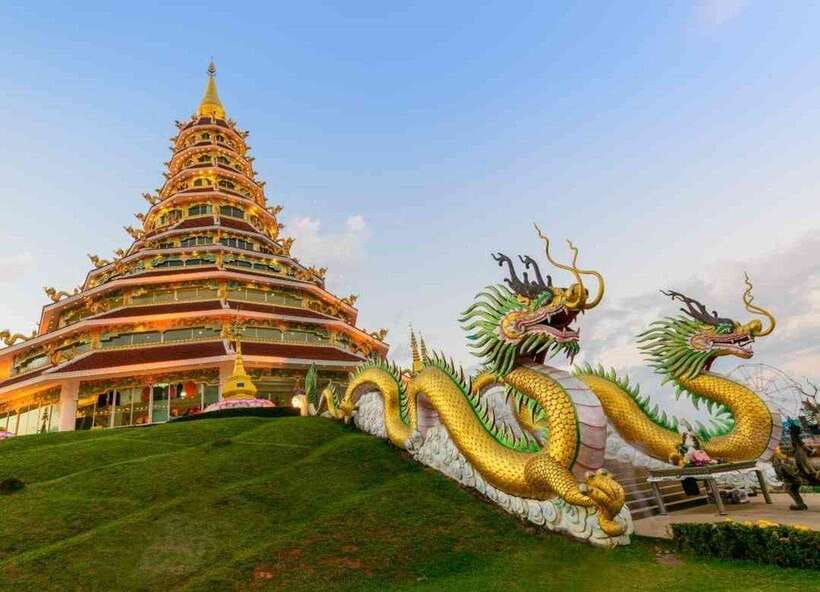
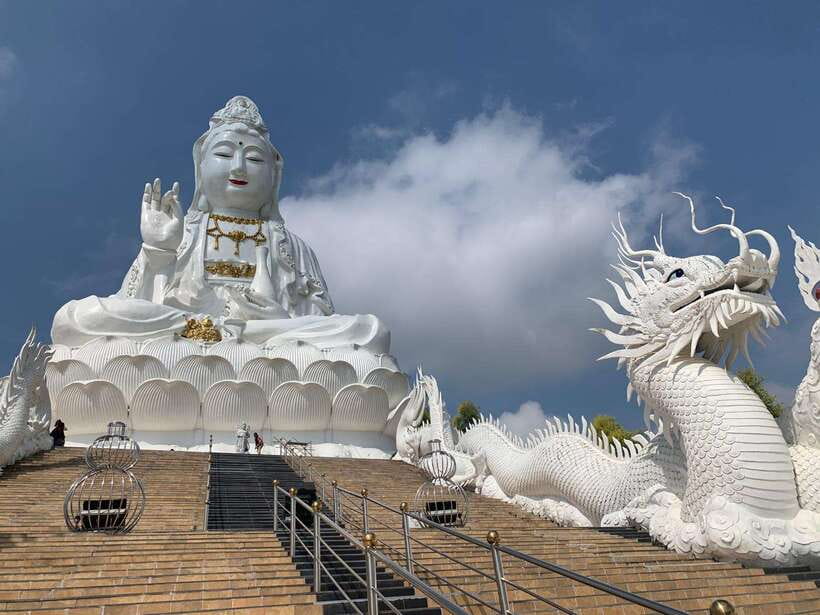
Finish up at Huay Pla Kang Temple, known for the large statue of Guan Yin, Goddess of Mercy, and a striking nine-tiered pagoda. This stop feels like the temple version of a viewpoint challenge: you’ll have photo stop, guided visit, and time to climb and see the carvings and decorations across the grounds.
The nine levels matter because they change how you experience the place. At the bottom it’s impressive, but once you climb, the temple starts to feel layered and almost architectural—each tier gives you a new angle, plus you get wider views.
The trade-off is effort. There are lots of steps, and on a day like this, stairs can be the moment fatigue shows up. If you’re sensitive to mobility limits, you should take seriously that this tour is not suitable for people with mobility impairments. Also, at the very end of a long day, you may feel like you want a little more time for slow exploring, especially if you’re taking photos.
Price and Value from Chiang Mai: What About $35 Really Buys
At around $35 per person, this tour is priced to be accessible while still including several key temple entrance fees. You get:
- Round-trip transport from Chiang Mai in air-conditioned comfort
- An official guide on the route
- Entrance fees for the White Temple, Blue Temple, and Huay Pla Kang Temple
- Mandatory insurance
- Optional audio guidance via QR in many languages
What’s not included is also clear, and you should budget for it:
- Lunch
- The long-neck village entrance fee (300 THB)
- Earphones (required for the audio guide option)
For value, the best argument is the balance of inclusions. Many cheaper tours either skip entrance fees or cut corners on guide time. Here, the structure includes guided visits at the major temple stops, plus guided time at Mae Kachan Hot Springs and the hill-tribe village.
Still, don’t confuse “cheap” with “light.” It’s affordable for the distance and ticket coverage, but you’re paying with your time and energy. Plan snacks, hydration, and comfortable shoes, and this will feel like a solid day rather than a hustle.
Timing, Comfort, and Small Practical Tips That Save Your Day
This tour is organized around bus transfers that add up:
- You’ll spend about 1.5 hours getting to Mae Kachan Hot Springs
- After that, there’s a short transfer to the village stop
- Then you’re back on the road again (one major leg is about 2.25 hours) toward the White Temple
- After lunch, it’s shorter hops to the Blue Temple and then Huay Pla Kang
That long ride time is why comfort matters. Some buses have been described as comfortable, and a few travelers noted newer features like USB ports, so if you shoot photos (and most people do), bring your charging cable too.
You’ll also want to plan money like a local. Some stops have vendors, and it’s smart to carry small bills because change can be limited.
What to bring is straightforward and listed for a reason:
- Comfortable shoes (you’ll climb stairs at temples)
- Sun hat, sunglasses, sunscreen
- Insect repellent
- Passport or ID
Also note the rules: large luggage isn’t allowed, and alcohol/drugs are not allowed. Temple dress should stay modest, which you’ll appreciate in the heat.
Guides, Language, and the Audio Guide Setup
The guide on the tour is English only. The good news is that there’s an audio guide via QR in many languages (41 languages listed), but you must bring your own earphones.
In a day packed with symbolism, architecture, and local context, audio can help you follow along without relying only on English explanations. I’d treat the guide as your live narrative and use the QR audio to catch what you missed—especially at the White and Blue Temples, where meaning is part of the design.
Another thing I like about this kind of group tour is that the guide typically helps with timing so you’re not stuck waiting or confused at gates. The guides named in recent write-ups are repeatedly praised for keeping the group together, staying patient, and handling unexpected moments calmly.
Who Should Book This Tour—and Who Should Skip It
This one is best for:
- First-timers to Chiang Rai who want the main temple hits in a single day
- People who enjoy guided explanations more than wandering solo all day
- Travelers who want culture and architecture, with hot springs as a real break in the morning
It’s not a great match for:
- Anyone with mobility impairments, since temple stairs and climbing are part of the experience
- Travelers with very tight schedules in Chiang Mai, since the long road time makes this hard to turn into a quick morning/afternoon
If you’re sensitive to bumpy roads, bring that into your planning too. Some parts of the drive are described as rough due to roadworks, so motion sickness prevention can be wise.
Should You Book This Chiang Rai Day Trip?
Book it if you want an efficient, well-structured day that covers the big visual rewards of Chiang Rai: White Temple, Blue Temple, and Huay Pla Kang—plus a hill-tribe village stop and a relaxing start at hot springs. The price feels fair for the entrances included and for the guide time built into multiple stops.
Skip or rethink if you hate long days, stairs, or sudden emotional complexity around cultural traditions you may find hard to watch. In that case, you might prefer a lighter Chiang Rai plan with fewer transfers and more time per site.
FAQ
How long is the Chiang Rai temples and hot springs tour?
The duration is listed as 11 hours.
What does the tour cost, and what’s included in that price?
The price is listed as $35 per person. Included are round-trip transportation from Chiang Mai, an official guide, entrance fees for the White Temple, Blue Temple, and Huay Pla Kang Temple, mandatory insurance, and an audio guide option via QR. Lunch and the long-neck village entrance fee are not included.
Is lunch included?
No. Lunch is not included in the tour price.
Can I swim at Mae Kachan Hot Springs?
No. Swimming is not allowed at Mae Kachan Hot Springs.
What extra fee should I expect for the long-neck village?
The long-neck village entrance fee is 300 THB and is not included.
What should I bring for the audio guide?
You’ll need your own earphones for the audio guide via QR. Comfortable shoes, sun protection, and insect repellent are also recommended for temple and outdoor time.