REVIEW · CHIANG MAI
Half-Day Thai Cooking Class at Organic Farm in Chiang Mai
Book on Viator →Operated by Smile Organic Farm Cooking School · Bookable on Viator
Thai cooking gets real fast when you cook it yourself. This half-day class pairs a countryside organic farm visit with hands-on teaching, so you’re not just eating Thai food, you’re building it. I like how the round-trip transfers take the stress out of getting there, and you can match the menu to your tastes, including vegan or vegetarian options.
What I like most is the flow from ingredients to technique. You start with a brief market visit, then move to herb and vegetable knowledge in the farm garden, and finally you cook across multiple categories. You also get to choose your own menu, so the class feels personal instead of one-size-fits-all.
One drawback to plan for: you’ll likely eat a lot. Multiple reviews point out that the portions are generous across the courses, and a common wish is for a dessert option instead of finishing with soup.
In This Review
- Key things I’d plan around
- From Chiang Mai City to an Organic Farm Kitchen
- Hotel Pickup, Market Stop, and the Pace of the Morning
- What You Learn at the Organic Garden (and Why It Matters)
- The Cooking Lesson: Curry Paste, Curry, Stir-Fry, Soup, Spring Rolls
- Curry paste
- Curry
- Stir-fry
- Soup
- Spring rolls
- Choosing Your Menu and Controlling the Heat
- Vegetarian and vegan reality check
- The Group Size, Setup, and Your Cooking Station
- Guides Who Teach Clearly (Lilli, Luna, Love, K, and More)
- What You Actually Eat at the End
- Consideration: the ending may feel heavy
- Price and Value: What $29.35 Buys You
- Who This Half-Day Class Suits Best
- Kids and Family Notes (Age Split Matters)
- Should You Book This Organic Farm Thai Cooking Class?
- FAQ
- How long is the half-day Thai cooking class in Chiang Mai?
- Is hotel pickup and drop-off included?
- Do we stop at a market before going to the farm?
- What dishes will I learn to make?
- Can the class be made vegetarian or vegan?
- Can I choose what I cook and how spicy it is?
- How many people are in a group?
- Is there a mobile ticket?
- What are the age rules for kids?
- Is free cancellation available?
Key things I’d plan around
- Market stop first: you see spices and produce before you touch the wok
- Organic garden lesson: herbs and vegetables aren’t just decoration
- Choose your menu: pick what you want to make in each category
- Spice control: decide mild or spicy as you cook
- Small group size: capped at 12 travelers, which helps you stay on track
- You cook the work: chopping, grinding, and stir-frying are hands-on, not watch-only
From Chiang Mai City to an Organic Farm Kitchen
This experience is built for people who want more than a restaurant meal. You’re driven out from Chiang Mai city into the countryside, then you spend your time learning where Thai flavor starts: herbs, vegetables, and spice blends.
At Smile Organic Farm Cooking School, the day feels practical. You’re not trying to decode a menu from a cookbook. You learn the steps, you handle the ingredients, and you take that knowledge home with you.
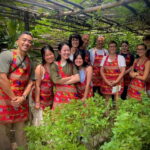
And yes, it’s fun. Many guides described as energetic and focused show up again and again in the reviews. Names like Lilli, Luna, Love, and K come through for clear instruction and a good group vibe, which matters when you’re learning new techniques under time pressure.
You can also read our reviews of more cooking classes in Chiang Mai
Hotel Pickup, Market Stop, and the Pace of the Morning
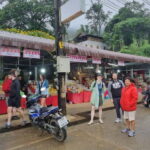
Pickup is included, so you won’t spend your morning wrestling with taxis or guessing routes. You go from your hotel/accommodation in Chiang Mai city to a local market first, then continue by car to the farm.
The market part is brief, but it has a purpose. You get a fast orientation to ingredients and spices you’ll later cook with. If your main goal is cutting and cooking rather than browsing, the market visit might feel like a small detour—yet it often helps you recognize flavors once you’re back at the stove.
You’ll also feel the day’s pacing philosophy: it’s designed to move. The schedule keeps you from waiting around for long stretches, and it helps with the “half-day” promise even if the overall duration is around 6 hours.
What You Learn at the Organic Garden (and Why It Matters)
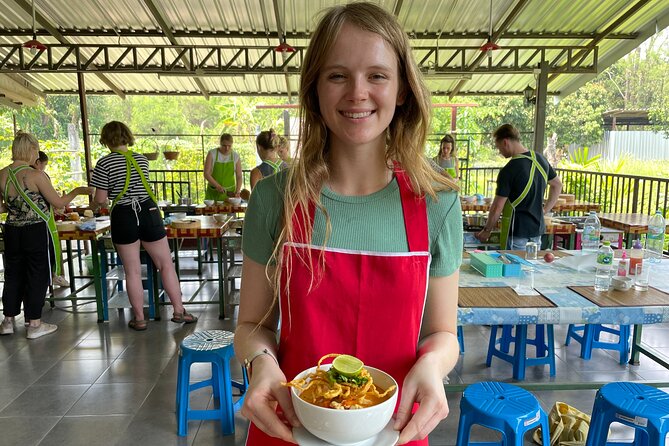
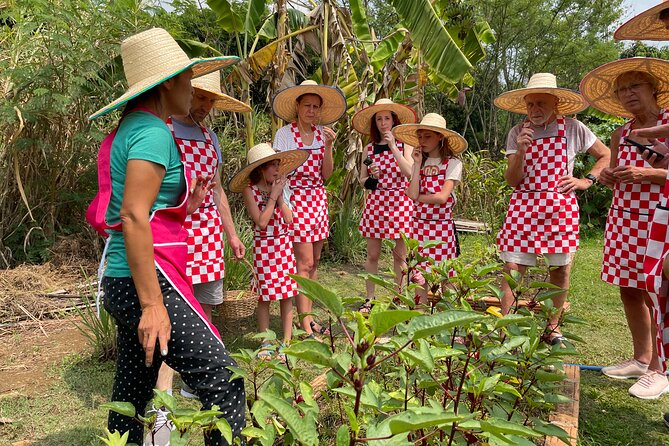
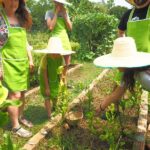
The farm visit isn’t only about photos. The class includes time to learn about Thai herbs and vegetables in the organic garden, and that knowledge shows up immediately when you start cooking.
This is the part you’ll remember later when you try to recreate flavors at home. Thai cooking is not just heat. It’s scent—fresh herbs, crushed aromatics, and the way vegetables hold flavor in stir-fry and soups.
Some reviews mention extra farm life moments too, like animals and a relaxed outdoor setting. One reviewer even noted the chance to feed a tortoise and seeing French bulldogs on site. That’s not the main point of the class, but it adds character to the day and makes the farm feel alive.
The Cooking Lesson: Curry Paste, Curry, Stir-Fry, Soup, Spring Rolls
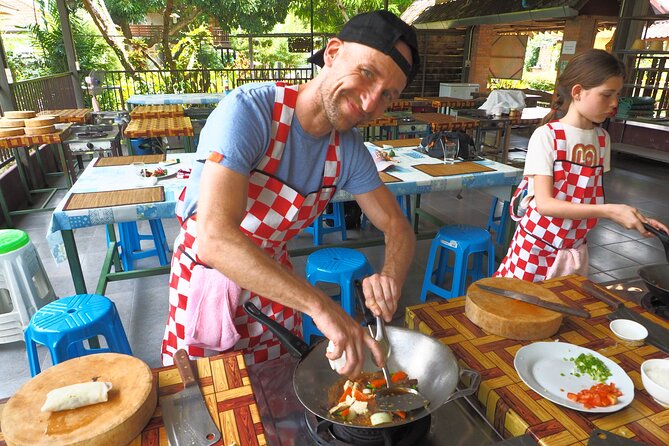
Here’s the core structure: you get basic Thai cooking instruction across five categories. The categories listed are curry paste, curry, stir-fried dishes, soup, and spring rolls.
What you should expect is hands-on work for each category you choose. Reviews repeatedly mention chopping, grinding, and stir-frying yourself, with directions that are clear and efficient. You’re not just standing in a circle watching someone else do the technique.
Curry paste
Curry paste is where Thai flavor gets its foundation. Even if you don’t remember every step, you’ll learn how aromatics and spices transform when crushed and mixed. The class is the “from scratch” part people talk about most.
You can also read our reviews of more tours and experiences in Chiang Mai

Curry
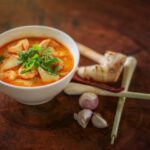
From paste to curry, you’ll learn how the base flavor carries through. You also get to see the balance of richness and freshness—something that’s hard to grasp from a single takeaway dish.
Stir-fry
Stir-fry training usually teaches speed and balance: heat, timing, and how to keep ingredients from overcooking. It’s a practical section if you want to cook more Thai food after you go home.
Soup
Soup is a good “cool down” in the cooking flow. It also helps you understand how flavors round out, especially when herbs and vegetables are used rather than just rely on paste.
Spring rolls
Spring rolls close the loop on technique and texture. Expect rolling and assembly as part of the hands-on learning, not just a brief demonstration.
Choosing Your Menu and Controlling the Heat
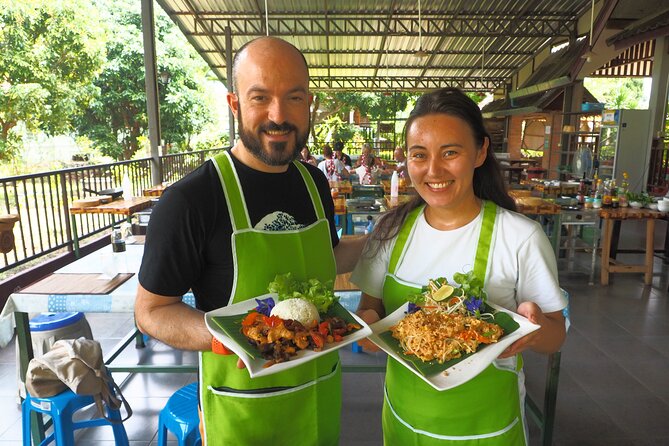
A standout feature is flexibility. You choose your own menu for cooking in each category, and every menu can be made vegetarian or vegan. That’s a big deal if you travel with dietary needs.
Even better, you can decide spice level. You’ll be able to cook your dishes mild or spicy. That gives you a realistic way to enjoy the food even if you’re not used to Thai heat.
Many reviews also describe the half-day setup as producing a multi-course meal you cook yourself. People mention combinations like stir-fry, curry, and soup, plus spring rolls and curry paste depending on what they selected. So think of this as a menu-driven class: the menu choices shape what you end up eating and taking photos of.
Vegetarian and vegan reality check
The tour states that each menu is able to cook as vegetarian or vegan. In practice, that means your dishes can still be built around Thai flavor, not just “modified” food. It’s one of the reasons this class gets repeated high ratings.
The Group Size, Setup, and Your Cooking Station
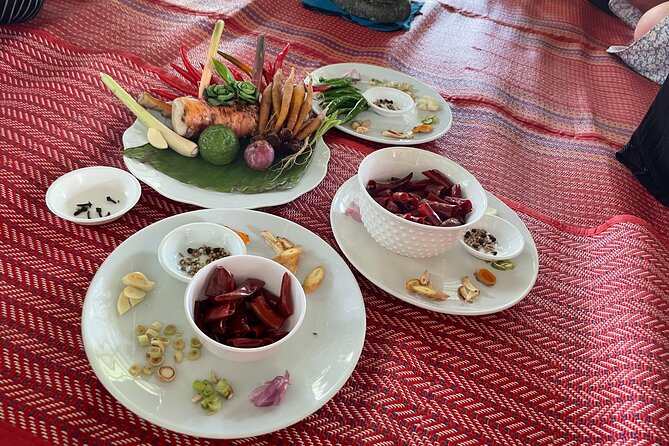
This class caps at 12 travelers, which is small enough to matter. Smaller groups tend to mean less time waiting, and in the reviews you’ll see mentions of efficient setup and personal attention.
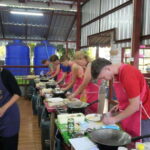
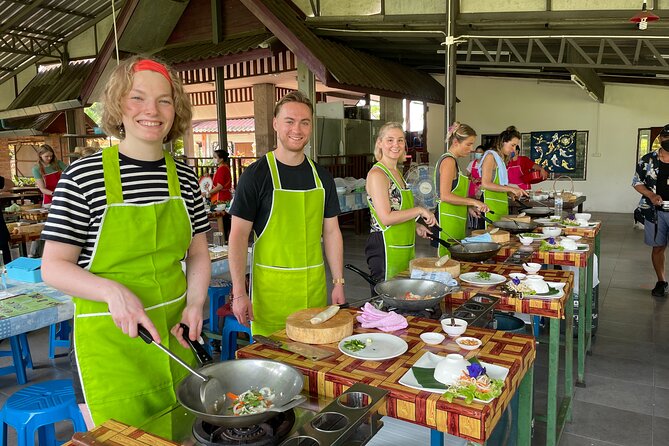
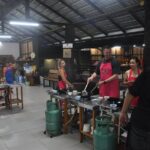
Many reviews specifically call out that each student had a personal cooking station. That makes a difference. If you’re paying to learn, you want to actually chop and stir, not “take turns” while everyone else watches.
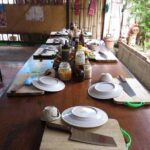
There’s also a relaxed atmosphere. Some reviews mention an outdoor cooking area, which adds comfort if you don’t want to spend hours indoors. The cooking school setup seems designed to handle multiple groups at once, while still keeping instruction focused for each class group.
Guides Who Teach Clearly (Lilli, Luna, Love, K, and More)
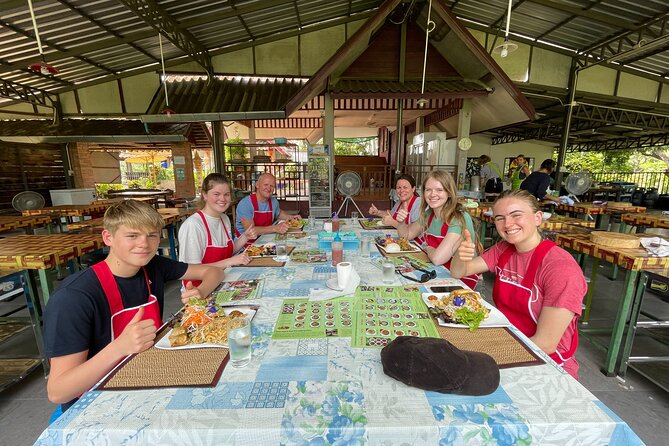
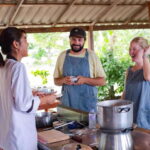
A cooking class lives or dies on instruction. The good news is the reviews repeatedly highlight guides who are energetic, funny, and genuinely helpful.
Common names you’ll see include:
- Lilli: energetic, committed teaching style
- Luna (and Luna’s team): clear instruction and great pacing
- Love: engaging guide who explains what matters
- K: calm, organized instruction and strong teaching
- Lizzy, Natalie/Natty, Cici, Piano: each described as helpful and guiding participants step-by-step
If you’re wondering what “good instruction” means in real life: you’ll likely notice clear directions, quick corrections while you cook, and enough structure that even tricky tasks like curry paste grinding feel manageable.
What You Actually Eat at the End
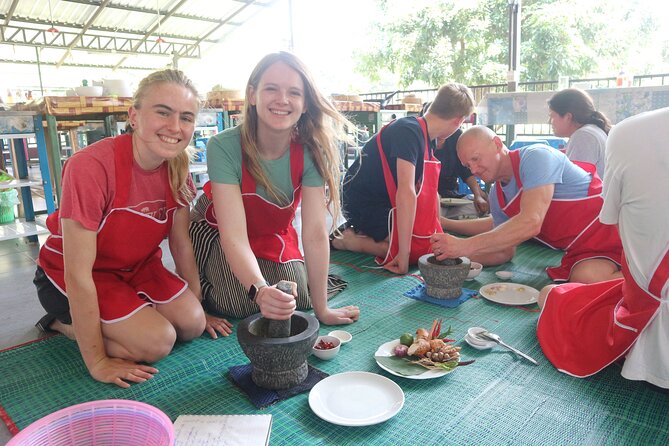
This is a meal you cook, not a snack. Reviews describe three-course enjoyment as a typical outcome in the half-day format, along with generous portions overall. One key tip shows up more than once: don’t eat a huge breakfast first.
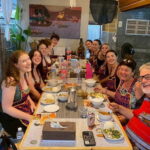
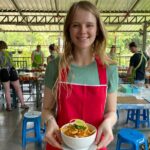
You’ll finish your class enjoying what you made in a communal, relaxing setting. The food you cook is presented as the real payoff, and people repeatedly describe it as delicious and authentic in flavor.
Consideration: the ending may feel heavy
Because the class is hands-on across multiple categories, you may end up with enough food to feel full quickly. A couple reviews also mention a wish for dessert. So if you love a sweet finish, plan for that outside the class.
Most cooks-in-training pass through the capital on the way north, and its market mornings are their own education: the train market and floating market day with a boat ride shows where the ingredients you will chop up here actually come from.
Price and Value: What $29.35 Buys You
At $29.35 per person, this is priced like an affordable activity for the amount of work you do. You’re not paying only for ingredients or a meal. You’re paying for:
- hotel pickup and round-trip transfers
- a market visit introduction
- farm garden instruction
- hands-on teaching across major Thai categories
- a full meal (often multiple courses) you cook yourself
The “value math” here is simple. Cooking classes can get expensive when you include transport and instruction. Here, transfers are included, the group size stays small, and you’re actively cooking instead of passively watching.
Also, you get flexibility for vegan or vegetarian preferences and spice level control. That reduces the usual problem of paying for a class and then not enjoying the food.
Who This Half-Day Class Suits Best
This is ideal if you want Thai cooking skills you can repeat later. It’s especially good for:
- couples and friends who want a shared activity
- solo travelers who want structure and conversation
- families with kids who are old enough to cook (more on that below)
- anyone who wants to understand Thai flavor through herbs, vegetables, and curry paste
It may be less ideal if:
- you dislike chopping or cooking steps
- you’re only looking for a quick bite and zero time at a market
- you hate eating large portions during a single sitting
Kids and Family Notes (Age Split Matters)
The class includes specific age guidance. Children above 9 can have their own cooking stations as participants. There’s a separate category for children 4–8 years as visitors, and 0–3 years are free of charge.
So if you’re traveling with kids, don’t assume “family friendly” automatically means “everyone cooks.” Plan around the age cutoffs, and you’ll avoid disappointment.
Should You Book This Organic Farm Thai Cooking Class?
If you want the kind of Thai cooking lesson where you leave with practical skills, this is a strong pick. The combo of market orientation, farm herb and vegetable learning, and hands-on cooking across curry paste, curry, stir-fry, soup, and spring rolls makes it feel like a real education—without getting overly technical.
Book it if you’ll enjoy:
- cooking with your hands
- choosing what you eat and dialing in spice
- a small-group setup that stays organized
Skip it if you’re looking for a light, watch-only experience or you don’t want a market stop included. Also go in with a clear stomach, because the meal can be filling.
FAQ
How long is the half-day Thai cooking class in Chiang Mai?
The experience is listed as about 6 hours.
Is hotel pickup and drop-off included?
Yes. Round-trip transfers are included, and pickup is offered from your hotel/accommodation in Chiang Mai city.
Do we stop at a market before going to the farm?
Yes. You’ll visit a local market for a brief stop before continuing to Smile Organic Farm Cooking School.
What dishes will I learn to make?
You learn basic Thai cooking in five categories: curry paste, curry, stir-fried dishes, soup, and spring rolls.
Can the class be made vegetarian or vegan?
Yes. The tour says every menu can be cooked as vegetarian or vegan.
Can I choose what I cook and how spicy it is?
Yes. On arrival, you can choose your menu for each category, and you can decide whether you want dishes spicy or mild.
How many people are in a group?
The experience has a maximum of 12 travelers.
Is there a mobile ticket?
Yes. A mobile ticket is included.
What are the age rules for kids?
Children above 9 can participate with their own cooking station. Children 0–3 are free of charge, and children 4–8 have a separate child price as visitors.
Is free cancellation available?
Yes. You can cancel for a full refund up to 24 hours in advance of the experience start time.