REVIEW · CHIANG MAI
Chiang Mai: Elephant Sanctuary & Waterfall Group Tour
Book on GetYourGuide →Operated by PON ELEPHANT (THAILAND) CO., LTD. · Bookable on GetYourGuide
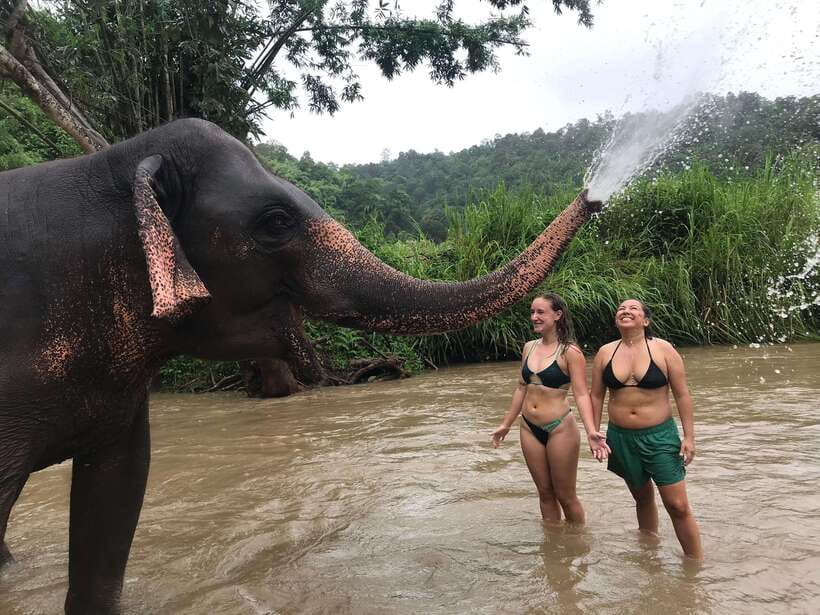
That first river splash is the day’s real magic. You’ll spend hours with rescued elephants at Pon Elephant Thailand, then cool off at Mae Wang Waterfall.
What I love most is the hands-on, rule-based elephant interaction (walk, feed, touch, learn) that avoids forced tricks, plus the fact that the guides pace everything so you’re not just waiting in a van. Guides like Beer and Yaya are especially good at keeping the group calm and informed.
One thing to consider: this is a warm, outdoor day with wet and muddy moments, so you’ll want the right footwear and a change of clothes.
If you’re the type who cares about animal welfare, this combo tour makes that part easier to feel confident about. The elephants aren’t made to perform, and you’re encouraged to let them guide the experience.
The second big plus for me is the waterfall hike right after the sanctuary time, so the day doesn’t feel like two unrelated activities stuck together. The only drawback is weather can change the water conditions at the falls, so swimming may be limited on heavier rain days.
In This Review
- Key highlights I’d plan around
- Ethical Elephant Care at Pon Elephant Thailand: What It Feels Like
- Getting There from Chiang Mai: The Drive Is Part of the Day
- Meet the Elephants: Feeding, Walking, Touch, and Foraging Time
- River Time and Elephant Bathing: The Cool-Down You Earn
- Mae Wang Waterfall Hike: Jungle Footsteps and Water That May Vary
- Lunch Break: Thai Food, Seasonal Fruit, and Desserts After the Sweat
- Price and Value: What $50 Really Gets You
- Who Should Book (and Who Should Skip)
- Packing List That Actually Works for This Day
- Quick Reality Check on Group Days and Guide Styles
- Should You Book This Elephant Sanctuary and Waterfall Tour?
- FAQ
- Do I get hotel pickup in Chiang Mai?
- How long is the tour?
- Is elephant riding included?
- What should I bring for the river and waterfall parts?
- What’s included in the price?
- Is the tour refundable if plans change?
Key highlights I’d plan around
- Ethical, non-riding elephant time with careful interaction rules like NO FOOD NO FRIEND
- Up to 2–3 hours around the rescued elephant families in their natural surroundings
- River bathing that helps you cool down while the elephants do what they do
- A real jungle hike to Mae Wang Waterfall, not just a quick photo stop
- Lunch included with seasonal fruit and Thai desserts after work in the heat
- Strong guide energy, with standout guides including Beer, Yaya, and Aamm in past groups
Ethical Elephant Care at Pon Elephant Thailand: What It Feels Like
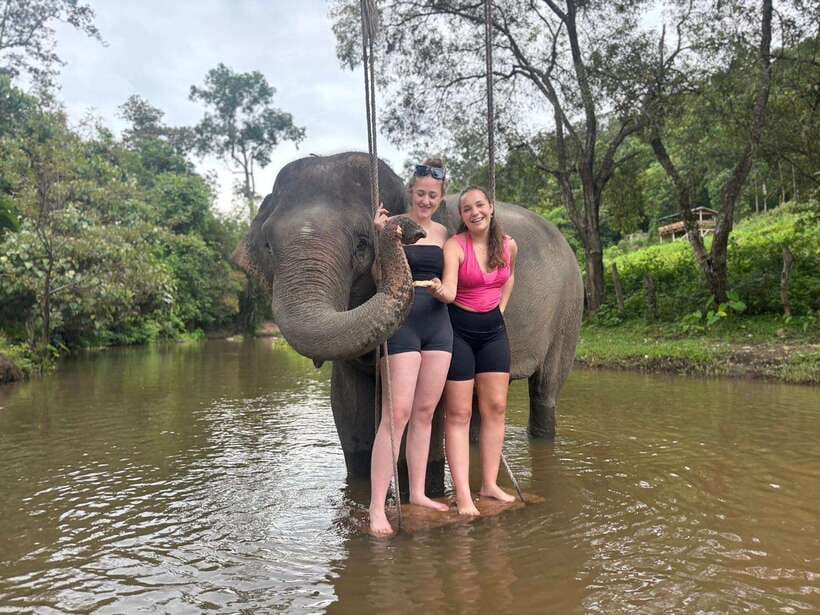
This tour is built around one idea: kind interaction that doesn’t treat elephants like a prop. At Pon Elephant Thailand, you’re introduced to how their sanctuary works and what you can (and can’t) do. Elephant riding is prohibited, and the guides keep things focused on welfare instead of showy behavior.
Here’s what I think makes this experience worth your time. You don’t jump straight into touching. You learn how to be calm and respectful first. You also get the rules behind the moments, including the simple message NO FOOD NO FRIEND. That matters because it sets expectations: elephants are living animals with space and boundaries, not entertainment.
You’ll also get context from the guide about different elephants and the sanctuary’s history. The briefing includes Asian elephants and African elephants, and then shifts into how Pon supports rescued elephants. Guides often speak about elephant behavior and how the team treats them like family. In past groups, people have especially praised guides such as Beer and Yaya for explaining what they’re doing and why.
You can also read our reviews of more tours and experiences in Chiang Mai.



Getting There from Chiang Mai: The Drive Is Part of the Day
The day starts either with hotel pickup in Chiang Mai city center or a meeting at Pon Elephant Thailand’s office in town. Then you head southwest toward the Maewang district, a drive that’s about 80 minutes each way. It’s not a boring transfer. The route passes villages, farms, and rice fields, with Buddhist temples along the way, so you get a quick sense of how everyday life looks outside the city.
Once you arrive, you’re greeted and briefed before meeting the elephants. This helps you arrive mentally ready instead of rushing. It also spreads out the experience. You’re not stuck waiting for one big “elephant moment.” You get a rhythm: meet the staff, learn the basics, then start interacting when it’s time.
Meet the Elephants: Feeding, Walking, Touch, and Foraging Time
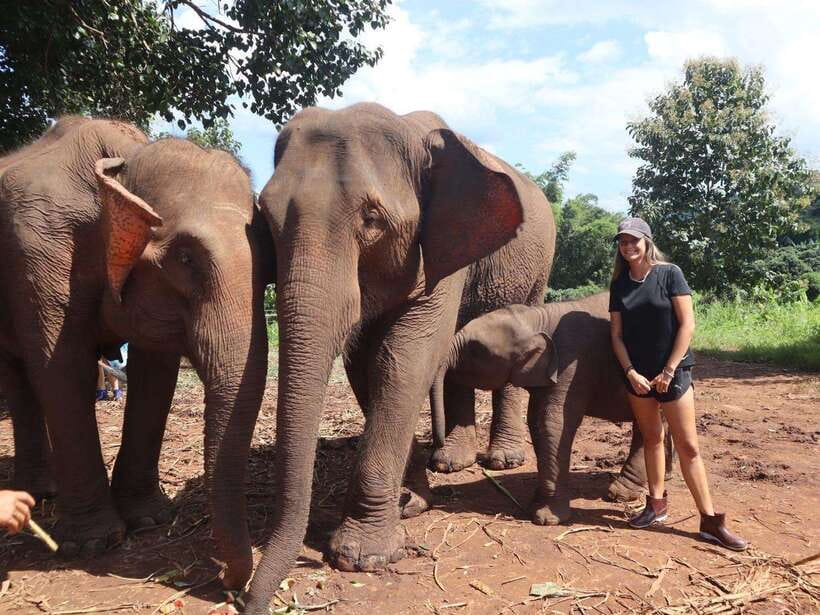
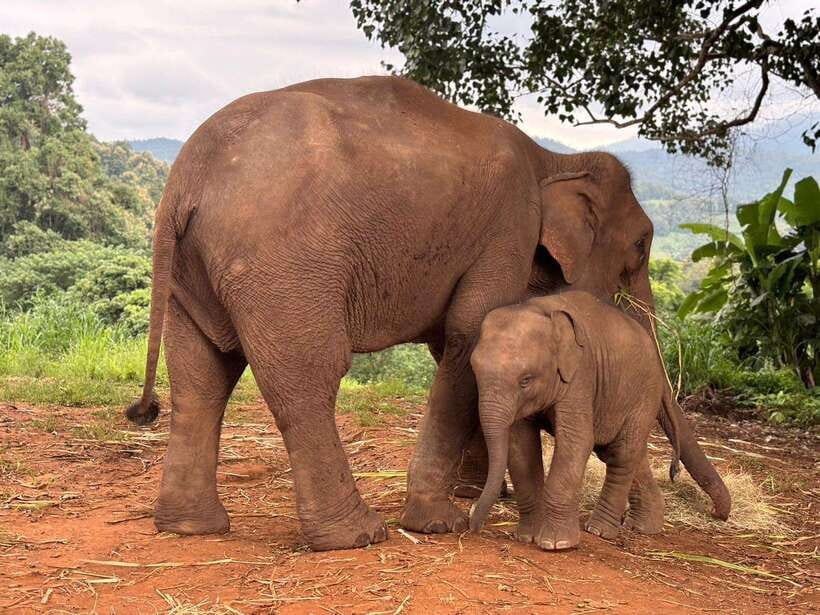
After the briefing, you meet the rescued elephants and spend the next couple of hours learning how to interact safely. The goal isn’t to “win” attention from elephants. It’s to be a polite presence while they forage and move at their own pace.
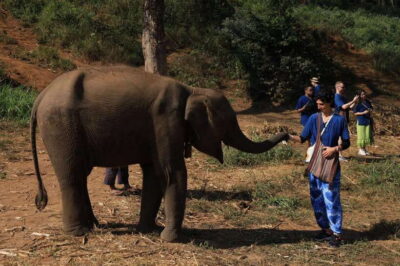
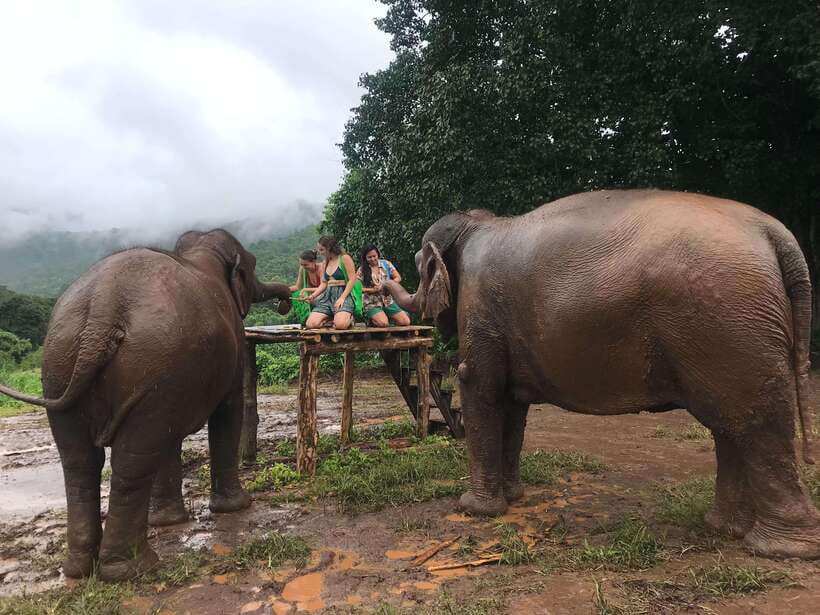
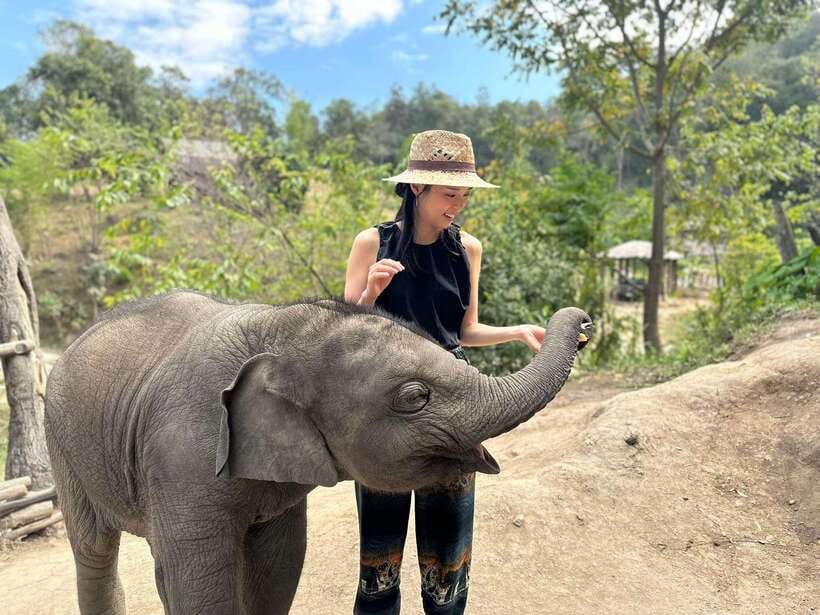
This is where the tour tends to score big. You can feed the elephants, walk with them, touch them if they’re comfortable, and watch how they forage. You’ll also see elephant families interacting. It’s that combination—food, movement, and social behavior—that makes the interaction feel real instead of staged.
You’ll also be taught how to make healthy elephant snacks. That detail is small but meaningful. It turns feeding from a simple transaction into something you understand. Plus, you get the practical lesson that the sanctuary doesn’t just hand out treats and hope for the best. There’s a process.
One important note: elephants are not forced to perform activities. The staff lets the animals lead as much as possible. That’s also why timing can feel a little organic. If an elephant wanders, you follow the flow. In a good way, it breaks the rigid “line up, pose, leave” mindset.
River Time and Elephant Bathing: The Cool-Down You Earn
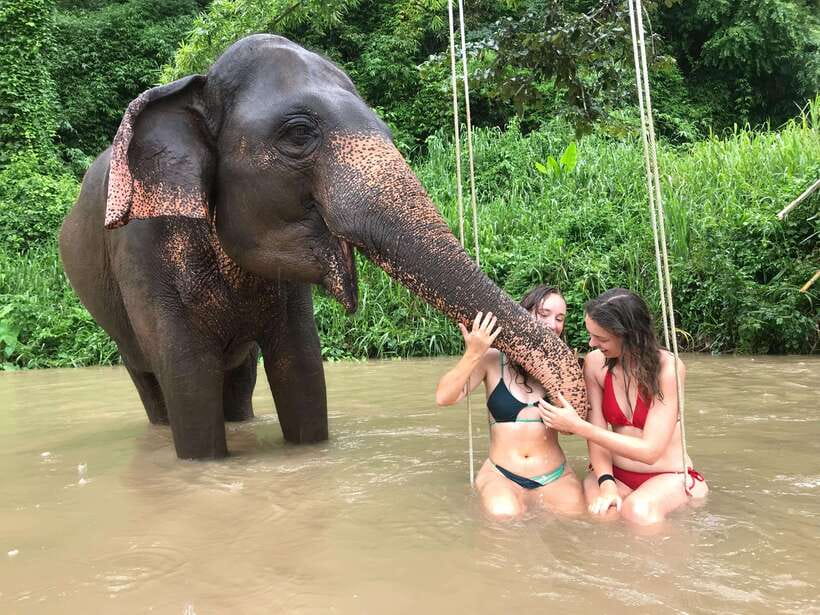
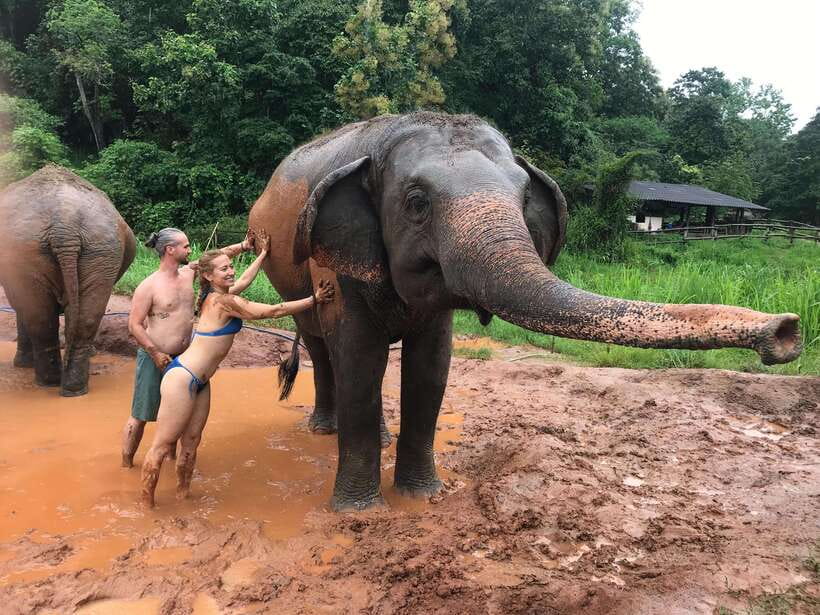
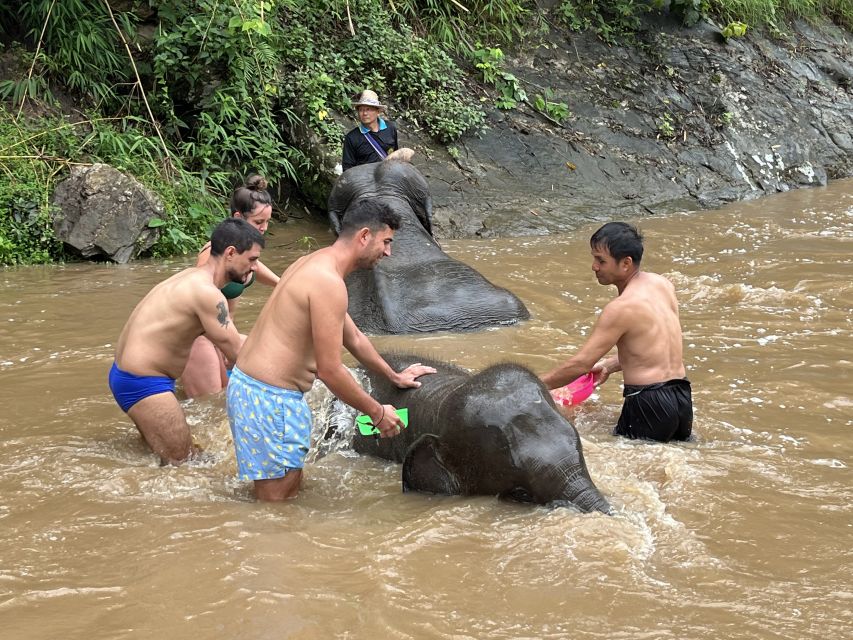
Midday turns wet, and that’s the part many people remember longest. After your sanctuary time, you go to the river area where the elephants bathe and cool down. Watching it up close is surprisingly calming. You’ll feel the heat leave your body during the splash zone.
It’s also hands-on, in the sense that you’re part of the experience rather than just watching from a distance. Guides help you navigate the water safely and keep your gear handled. You’ll likely get wet and dirty here, so this is not the moment for fragile shoes or anything you can’t rinse.
What makes river bathing valuable is how it fits into elephant behavior. You’re not pulling them into a performance. You’re joining the activity they’d do anyway, and cooling off at the same time. Some guides have even helped people with photos during the river stops, which is nice, since you’ll probably want proof that your day wasn’t just hot and loud.
Safety comes first. The tour specifically notes that heavy rain can affect what’s possible at Mae Wang Waterfall later, and the same common-sense approach applies to water conditions in general.
Mae Wang Waterfall Hike: Jungle Footsteps and Water That May Vary
Then comes the hike to Mae Wang Waterfall. You go on foot through a nature forest, with time to explore before reaching the falls. It’s described as coming from Doi Inthanon Mountain, and the jungle route makes it feel like you’re leaving the sanctuary behind and stepping into a different kind of Chiang Mai day.
The hike itself isn’t marketed as a hardcore trek, but it is outdoors and you’re moving on uneven ground. You’ll want sports shoes or hiking-leaning footwear. One of the best practical tips people repeat is to wear trainers and bring sandals or flip-flops for water sections. Even if you think you’ll stay dry, nature has opinions.
Swimming at the waterfall may depend on conditions. The tour notes that when it’s heavy rain, you might not be able to swim everything safely, and that choices are made with safety first. Translation: plan for a refreshing dip, not a guaranteed swim.

Lunch Break: Thai Food, Seasonal Fruit, and Desserts After the Sweat
By the time you finish the waterfall time (and your legs are pleasantly tired), lunch is included. It’s described as a traditional meal with seasonal fruits and Thai desserts. There’s even a playful idea behind it: no sweet without sweat.
What I like about bundling lunch this way is timing. You’re hungry for real, not just snack-curious. The day is warm, you’re moving, and then food shows up as a payoff instead of a filler.
Also, the lunch is included in the tour price, so you don’t end up doing the classic Chiang Mai math where the sanctuary tour looks cheap until you add meal costs, water, and transportation.
Price and Value: What $50 Really Gets You
At about $50 per person for a 7-hour day, this is priced like a solid mid-range activity in Chiang Mai. The big question is whether you get enough elephant time and enough value beyond the novelty.
Here’s what your money covers:
- English guide
- Hotel transfers to and from Chiang Mai city center only
- Drinking water
- Lunch (with seasonal fruit and Thai desserts)
- Food used for feeding the elephants
What’s not included is simpler gear stuff like a towel and a change of clothes. The reason that matters is because you’ll want both for river bathing and possibly wet conditions at the falls. If you show up prepared, you’ll feel like the cost makes sense. If you don’t, you’ll spend extra or deal with misery.
I also think the drive time helps justify the pricing. You’re not only paying for the sanctuary. You’re paying for a full day that connects sanctuary + waterfall in one schedule, with an organized guide system.
Who Should Book (and Who Should Skip)
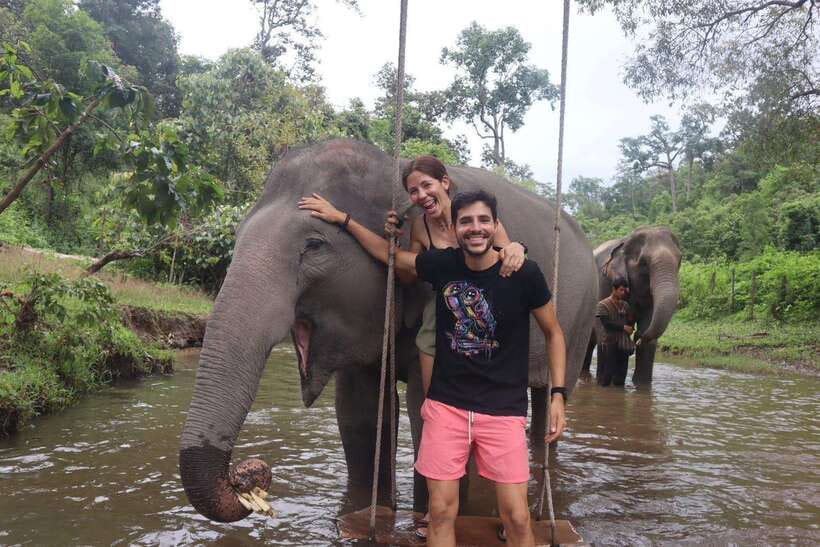
This tour is best for people who want hands-on nature and animal interaction without doing animal riding or forced performances. If you enjoy learning about elephant behavior, you’ll likely appreciate the briefing and how the staff guides you through safe touching and feeding.
It’s also a good match if you want a full day outdoors rather than a half-day and a late-night plan.
On the other hand, it’s not suitable for:
- Children under 2 years
- Pregnant women
- People with back problems, heart problems, high blood pressure, recent surgeries, motion sickness, vertigo, epilepsy
- People with mobility impairments, wheelchair users, hearing-impaired people
- People with respiratory issues or animal allergies
- People over 70 years, or people with low level of fitness
That list is long for a reason: you’ll be outdoors, you may be in uneven terrain, and you’ll be around water. If any of those categories apply, it’s worth choosing a different style of tour.
Packing List That Actually Works for This Day
If you’re going to do this, pack like you expect to get wet and warm. The tour’s own suggested items cover the essentials, and they line up with what people tend to need once the day starts.
Bring:
- Swimwear
- Change of clothes
- Towel
- Sandals (for water stations)
- Sports shoes (for the hike and muddy patches)
- Sunscreen and insect repellent
- Camera
- Hiking pants
- Cash (handy, just in case)
- Personal medicine if you use any
Also check yourself before you go: this day mixes heat, movement, and water. If you’re sensitive to insects, bring repellent. If you hate wet socks, plan for it. If you need something secure for your phone and camera, use a dry bag.
Quick Reality Check on Group Days and Guide Styles
This is a group tour, so your experience includes other people in the mix. The good news is that guides are a huge part of making it feel smooth. Past groups have praised multiple guides, including Beer, Aamm, Sunny, Nop, Nana, Oum, Lek, Mimi, Air, Dew, Ronnie, and Yaya. The common thread is how they keep people organized and explain what’s happening while respecting elephant boundaries.
You should also expect the day to move with nature, not against it. Elephants lead. The river and waterfall conditions can shift. That doesn’t make the day less structured; it makes it more authentic.
Should You Book This Elephant Sanctuary and Waterfall Tour?
Yes, if you want a day that pairs ethical elephant care with real outdoor scenery, and you’re comfortable getting a little wet. It’s also a strong value for what’s included: transfers from Chiang Mai city center, an English guide, elephant feeding food, lunch, and the waterfall hike.
Skip it if you’re looking for a totally dry, low-movement day, or if any health/mobility items apply from the tour’s not-suitable list. Also, if your perfect day means zero uncertainty, keep in mind water conditions at the falls can change with rain, and swimming might not be available.
If you’re ready for a warm jungle day with elephants that behave like elephants, not like attractions, this is the kind of Chiang Mai outing that sticks with you.
FAQ
Do I get hotel pickup in Chiang Mai?
Yes. Hotel transfers are included to and from Chiang Mai city center only. If you choose not to be picked up, you meet your guide at Pon Elephant Thailand’s office in town.
How long is the tour?
The total duration is about 7 hours.
Is elephant riding included?
No. Elephant riding is prohibited.
What should I bring for the river and waterfall parts?
Bring swimwear, a change of clothes, a towel, sandals, sports shoes, sunscreen, insect repellent, and ideally hiking pants.
What’s included in the price?
Included are the English guide, drinking water, lunch, hotel transfers within Chiang Mai city center, and food used for feeding the elephants.
Is the tour refundable if plans change?
The tour offers free cancellation up to 24 hours in advance for a full refund. Reserve now and pay later is also available.