REVIEW · CHIANG MAI
11 Day Tuk Tuk Adventure in Northern Thailand
Book on Viator →Operated by The Tuk Tuk Club · Bookable on Viator
Some trips feel packaged. This one feels personal—three wheels at a time.
You get real freedom to stop for views and explore at your own pace, plus a small group capped at 15 so the days don’t feel rushed. I also like that the trip builds in real driver time, starting with a tuk-tuk training session before the mountain roads.
One thing to consider: you need the right paperwork to drive (a valid driving license and an International Driving Permit), and the experience isn’t built for people who want zero time on the road.
This is Northern Thailand as a moving story—temple blessings, forest waterfalls, elephant encounters, and river time—done with real local guides and a support vehicle tagging along.
In This Review
- Key things I’d plan around
- Tuk-tuk driving in Northern Thailand is the whole point
- Day 1: Meet in Chiang Mai, train at Mae Wang, and get a temple blessing
- Day 2: Elephants at a forward-thinking home, then bamboo rafting
- Days 3 to 4: Doi Inthanon foothills, village nights, and waterfalls
- Day 5: Mae Sariang—switch gears to river-town time
- Day 6: Over the mountains to Mae Hong Son, with plenty of local-life stops
- Day 7: A free day in Mae Hong Son
- Days 8 and 9: Pai—mountain roads, then two days in your own rhythm
- Day 10: Back to Mae Wang through rural back roads and a farewell dinner
- Day 11: Minivan transfer back to Chiang Mai
- Price and value: what you’re really paying for
- The guide team: the difference you’ll feel on the road
- Practicalities that matter before you sign up
- Who this tour suits best—and who should think twice
- Should you book the 11-day tuk-tuk adventure?
- FAQ
- Where do we meet and what time does the tour start?
- How long is the trip and how many nights are included?
- What is the group size limit?
- How old do you have to be to drive the tuk-tuk?
- How old do you have to be to join the tour?
- Do I need an IDP to drive?
- What meals are included?
- Is there a vegetarian meal option?
- Is bottled water included?
- Can I get a refund if I cancel?
Key things I’d plan around
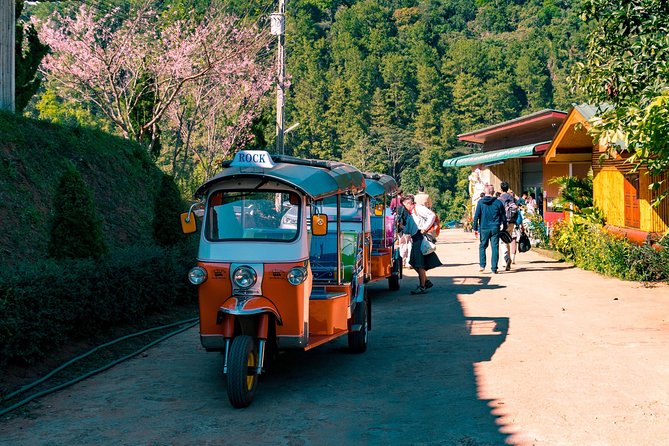
- You drive (if you meet the requirements): start with training, then take the wheel on most days
- Small-group pace: maximum 15 travelers means more flexibility and less waiting
- Driver-first structure: each day includes road time, plus breaks built around towns and nature
- Mountain highlights without guesswork: Doi Inthanon area, Mae Hong Son, and Pai are all on the route
- More than temples: elephants and bamboo rafting keep the trip from becoming all sightseeing
Tuk-tuk driving in Northern Thailand is the whole point
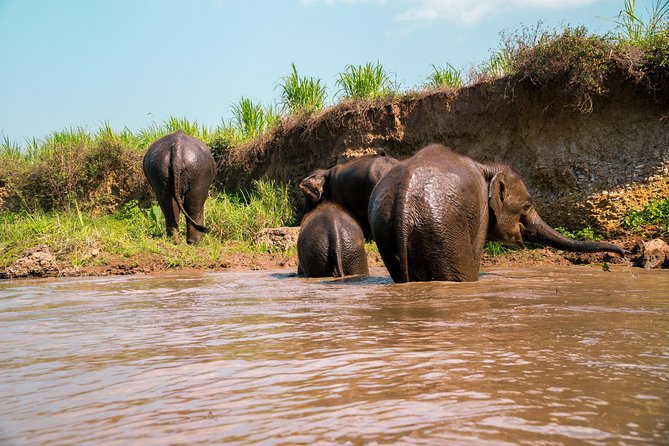
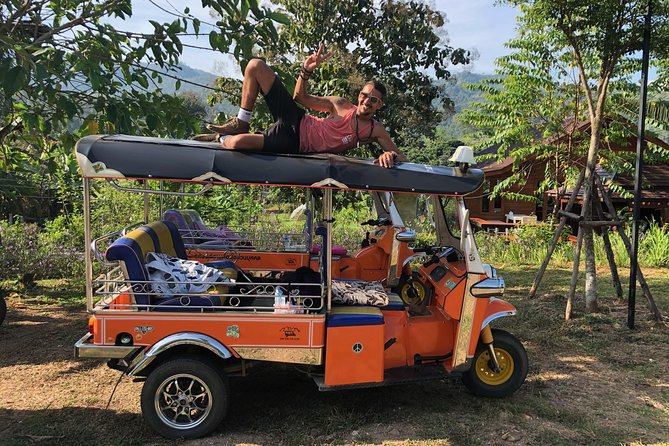
If you’re the type who likes getting off the main roads, the tuk-tuk changes everything. Instead of lining up with buses and crowds, you travel like you belong out there—winding up through foothills, rolling through small towns, and pausing whenever the scenery earns it. The tour is designed around that feeling: you’re not just watching Northern Thailand. You’re moving through it.
The second big win is how the trip is paced for real people. It’s limited to a maximum of 15 travelers, and you travel with local guides plus a support vehicle that stays with you. That support matters most on long driving days—if something needs attention, you’re not doing it alone on the side of a road.
There’s a third practical detail I like: the tour starts and ends in Chiang Mai, so you’re not stitching together multiple cities before you even get rolling. You do the big touring loop from one home base, then you’re back when you’re done.
You can also read our reviews of more tours and experiences in Chiang Mai.



Day 1: Meet in Chiang Mai, train at Mae Wang, and get a temple blessing
Day 1 starts with a pickup meeting point in Chiang Mai (Chiang Mai Gate Hotel area) at 10:00 am. You’ll transfer about an hour to the tuk-tuk training base in Mae Wang, and this is where the trip earns its driving-your-own promise.
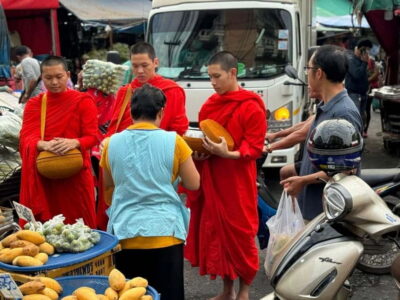
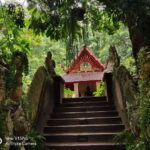
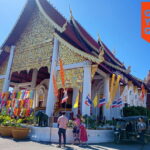
Training is not a quick demo. It’s described as a detailed session, and you’ll also visit a remote hillside temple that includes a blessing for the adventure ahead. That temple stop is more than a photo stop—it sets the tone for the whole tour. You’re starting with respect and local context before you start handling the vehicle.
What to expect on the road: your first driving time tends to feel like practice for the later mountain stretches. Give yourself a calm mindset—today is for getting comfortable, not for chasing speed.
Day 2: Elephants at a forward-thinking home, then bamboo rafting
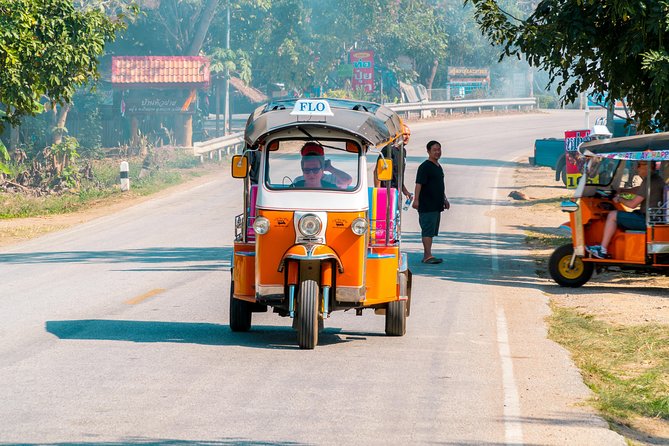
Day 2 is a good mix of human-scale experiences and low-key nature time. You get more time to practise driving, which is smart. By the time you’re heading out for bigger scenery, you’re not totally new to the basics.
Then you’ll meet elephants at a forward-thinking elephant home. The value here is that it’s not a drive-by encounter; it’s an actual visit where the group learns and spends time with the animals.
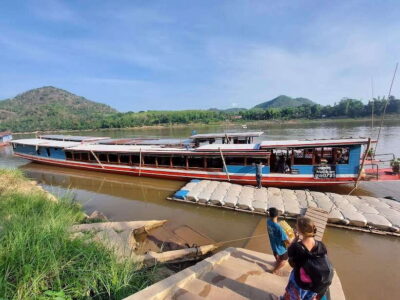
Later, you end the day by relaxing on a bamboo raft down the local river. This is the kind of day balance I appreciate on tours like this. After hills, temples, and steering, you get slow time on the water.
How to think about it: you’re building a rhythm. Drive → learn → rest. That rhythm matters because the next days involve more mountain driving and walking.
Days 3 to 4: Doi Inthanon foothills, village nights, and waterfalls
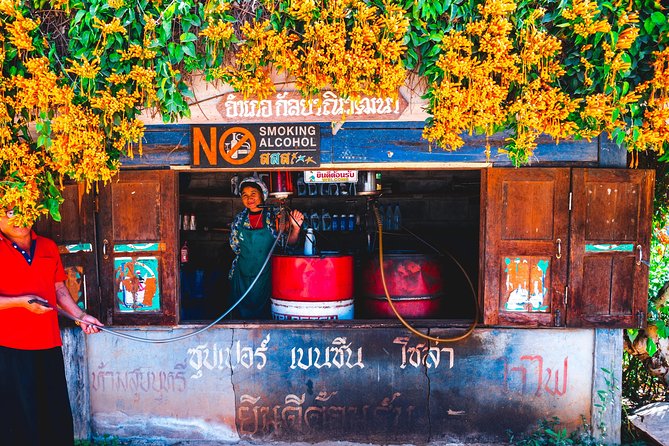
The tour starts stacking the mountains on Day 3. You head up into the foothills toward Doi Inthanon, with an overnight in a small hill-tribe village. This is where you start to feel the change from Chiang Mai city energy to northern highland life.
Day 4 is trekking and waterfalls around the Doi Inthanon area, with an opportunity to explore a hill-tribe village as part of the day. Trekking in this region can mean uneven ground and lots of walking between viewpoints, so go in expecting a proper day outside rather than a casual stroll.
Why this matters: a lot of Northern Thailand trips hit a waterfall once, then move on. This one keeps the focus on the mountains as a place you spend time in—by mixing forest, walking, and village visits.
A heads-up for your planning mindset: you’ll likely want comfortable walking shoes and a way to handle basic weather changes. Even with a support vehicle, your comfort during trekking is on you.
Day 5: Mae Sariang—switch gears to river-town time
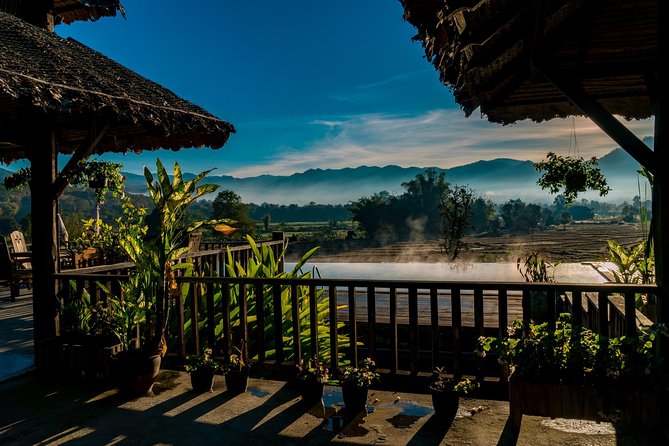
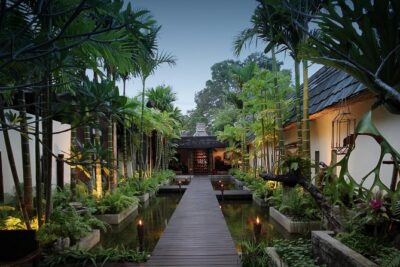
On Day 5 you travel west and arrive in Mae Sariang, a smaller town where you can truly slow down. The day ends with downtime, including the chance to relax by the pool next to the river.
This stop is valuable because it prevents the tour from becoming one long blur of movement. You get a proper decompression day after the higher-altitude feel of Doi Inthanon.
What to do with your time: if you want quiet, you’ll have it. If you want light exploring, you’ll have a calmer base to do it from.

Day 6: Over the mountains to Mae Hong Son, with plenty of local-life stops
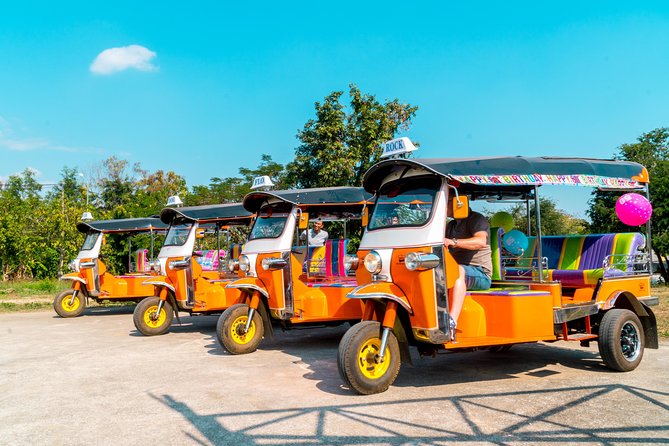
Day 6 is another driving day, heading from Mae Sariang toward Mae Hong Son. Expect stunning views and lots of stops to experience local life. The final destination is a rural resort setting around rice paddies and forest—an obvious change of tempo from city hotels.
This is one of the days where driving yourself actually earns its keep. You don’t just pass through the scenery. You go at a pace that lets you appreciate it, even if that means stopping more often than you would on a bus schedule.
One practical consideration: mountain roads can mean unpredictable timing. Build in patience. The point isn’t to race from one checkmark to the next.
Day 7: A free day in Mae Hong Son
Day 7 is free time. You can rest, relax, or explore Mae Hong Son on your own. This is a smart inclusion because the route earlier has a lot of movement and structured activities.
How to choose your plan: if you feel your legs, take the rest. If you’ve got energy, this is your window to explore at your own tempo without worrying about the next driving segment.
Days 8 and 9: Pai—mountain roads, then two days in your own rhythm
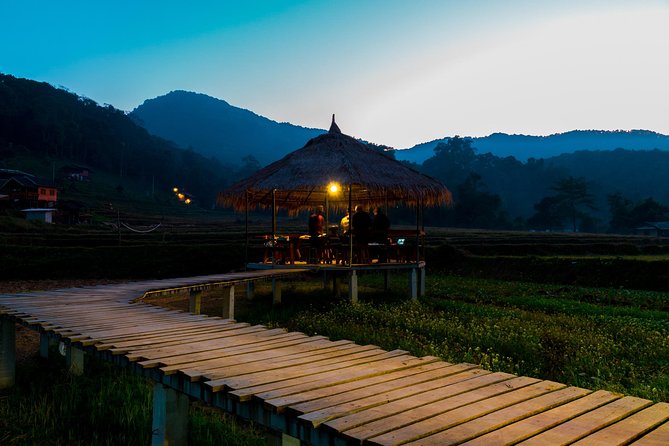
Day 8 drives you back onto mountain roads to Pai. Expect more stunning views and a chance to relax in the hotel pool at day’s end.
Then Day 9 is another explore-or-rest day. You’re out of the tuk-tuks and time shifts toward your pace: enjoy the views, or get around and explore Pai.
If you like combining active sightseeing with downtime, this is a good structure. You get at least one day where the vehicle does the hard work, then you get a day where you choose what kind of walking or lounging fits you.
Day 10: Back to Mae Wang through rural back roads and a farewell dinner
Day 10 brings you back toward the training base in Mae Wang through rural back roads. The day ends with a farewell dinner.
This is one of those “quietly important” segments. Getting back through rural roads tends to feel different than the earlier driving days—less about reaching a distant point, more about enjoying the final stretch with the knowledge that you’re almost done.
Day 11: Minivan transfer back to Chiang Mai
On Day 11 you transfer by minivan to Chiang Mai city, arriving around late morning to midday.
This is a relief day for logistics. You’re not driving, you’re not packing in a hurry for another overnight—just completing the loop and heading back to where you can continue your own travel plans.
Price and value: what you’re really paying for
At $2,148.21 per person for 11 days (with 10 nights twin share), you’re not paying for a bare-bones tour. You’re paying for a setup that includes:
- 10 breakfasts, 5 dinners, and 3 lunches
- National park fees
- Bottled water
- Tuk-tuk training
- Local guides
- A support vehicle throughout
- Accommodation across Chiang Mai and Mae Hong Son provinces
So the real value question is: does this cost replace time, effort, and coordination you’d otherwise handle yourself? For many people, the answer is yes—because driving in remote northern areas isn’t something you want to improvise after a single day in Chiang Mai.
The other value angle is the “you drive” design. That’s not just a gimmick. When you’re allowed to take breaks whenever you want and travel in a small-group setting, you get a much more personal version of Northern Thailand.
Could it cost more than standard tours? Sure. But standard tours often don’t include the training, guiding coverage, and the driving setup that makes this route possible in the first place.
The guide team: the difference you’ll feel on the road
One consistent theme from the experience is the guide team’s presence. You’ll get local context and practical help day after day, and the small-group limit helps guides manage attention.
You may meet guides such as Boyz, Yuth, Ou, Worn, and other named guides including OA, Nahm, Yaya, Bigg, Win, and Bruce. Even when the day’s plan includes driving, trekking, and temple time, the guides are there to keep things moving and keep the experience grounded in local life rather than just ticking sights.
That “nothing is too much trouble” vibe matters on tours like this. On mountain roads, good guidance can turn a stressful moment into a manageable one.
Practicalities that matter before you sign up
This is where you should read carefully, because the trip’s biggest feature comes with responsibilities.
Driving requirements: You must have a driving license and an International Driving Permit (IDP) to drive. The minimum age to drive a tuk-tuk is 18, and the minimum age to travel on the tour is 7.
What you’re responsible for: the tour includes bottled water and listed meals, but snacks/drinks not listed are not included—so you’ll want a budget for extra small purchases.
Training first: the first day includes tuk-tuk training before the adventure expands. That structure helps you feel ready for mountain roads later.
Weather and rerouting: the experience may adjust if conditions are challenging. Plan your mindset around flexibility, especially on driving-heavy days.
Group size: maximum 15 travelers is small, but it still means you should expect shared schedules and group timing during activities like rafting and trekking.
Who this tour suits best—and who should think twice
This is a strong fit if you:
- want real driving freedom, not just guided bus sightseeing
- enjoy mixing culture with active days (elephants, rafting, trekking)
- like small groups and having guides who stay involved
It may not be ideal if you:
- strongly prefer zero driving time and a fully relaxed passenger-only itinerary
- are not comfortable with uneven walking days around waterfalls and trekking areas
- don’t have an IDP and driving license ready
If you want Northern Thailand with structure and comfort, but also want to feel the road in your bones, this strikes a balance.
Should you book the 11-day tuk-tuk adventure?
If you’re on the fence, here’s the quick decision rule I’d use: book it if driving a tuk-tuk sounds fun and you’re okay with a few long days of road time. The tour’s value isn’t only the sights—it’s the fact that the tour is designed around a small group, driver training, guided local stops, and meals that remove daily planning stress.
Book it soon if you love this style of travel. The experience has a strong track record and a tight traveler cap, so availability tends to go fast.
If you want, tell me your travel month and whether you plan to drive or ride. I can suggest how to pack and how to pace your days so you don’t feel worn out halfway through the mountains.
FAQ
Where do we meet and what time does the tour start?
You meet at Chiang Mai Gate Hotel (Wua Lai Walking Street), 11, 10 Suriyawong Alley, Tambon Hai Ya, Amphoe Mueang Chiang Mai, Chang Wat Chiang Mai 50100, Thailand. Start time is 10:00 am.
How long is the trip and how many nights are included?
The tour runs for 11 days (approx.) and includes 10 nights of accommodation.
What is the group size limit?
The tour has a maximum of 15 travelers.
How old do you have to be to drive the tuk-tuk?
Minimum age to drive a tuk-tuk is 18.
How old do you have to be to join the tour?
Minimum age to travel on the tour is 7.
Do I need an IDP to drive?
Yes. A valid driving license and an International Driving Permit (IDP) are required if you will drive.
What meals are included?
Included meals are 10 breakfasts, 5 dinners, and 3 lunches.
Is there a vegetarian meal option?
Yes. A vegetarian option is available—tell the provider when booking.
Is bottled water included?
Yes. Bottled water is included.
Can I get a refund if I cancel?
You can cancel up to 6 days in advance for a full refund. Refund percentages reduce if you cancel closer to the start time, with no refund if you cancel less than 2 days before the experience start time.