REVIEW · CHIANG MAI
Evening Cooking Class in Traditional Pavilion with Beautiful Garden – Chiang Mai
Book on Viator →Operated by Oh-Hoo · Bookable on Viator
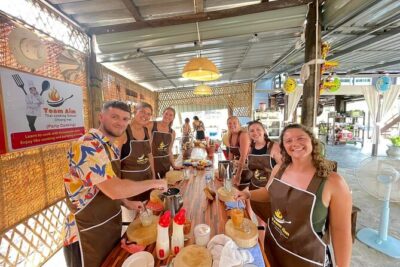
Thai cooking gets real when you make it. This evening class at Grandma’s Home Cooking School takes place in an open pavilion inside an organic farm just outside Chiang Mai, so you’re learning food basics and Thai flavors in the same place. You’ll start with a short walk to spot herbs and ingredients, then cook under an English-speaking instructor in small groups of 8.
I especially like the hands-on format: you get your own individual cooking station, and you actually learn how curry is built by making curry paste with guidance. The other big win is the meal at the end, where you sit down with your group and share what you made, not just snack-and-run.
One consideration: the class runs in the afternoon and depends on decent weather, so if skies are bad the operator may adjust or cancel for safety and comfort.
In This Review
- Key highlights
- A 4 p.m. Chiang Mai plan that ends with your own dinner
- Getting there: Tha Phae Gate meetup and hotel pickup that keeps it easy
- Organic farm walk: where Thai herbs and ingredients start making sense
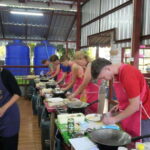
- The open pavilion kitchen: small groups, real stations, and calm instruction
- Curry paste from scratch: the skill that changes everything
- What you’ll actually cook: soups, stir-fry, curry, and mango sticky rice
- Soup: hot-and-sour and coconut balance
- Stir-fry noodles: timing and wok sense
- Curry: the paste + the pour
- Dessert: mango sticky rice as a finish line
- Eating together: why sharing your food is part of the lesson
- Price and value: what $51.46 buys you in real cooking skills
- Who this cooking class fits best
- Should you book it? My call
- FAQ
- FAQ
- What time does the evening cooking class start?
- How long is the cooking class?
- How many people are in the group?
- What dishes will I cook?
- Is hotel pickup included?
- Will I make curry paste?
- What if I need to cancel or the weather is poor?
Key highlights
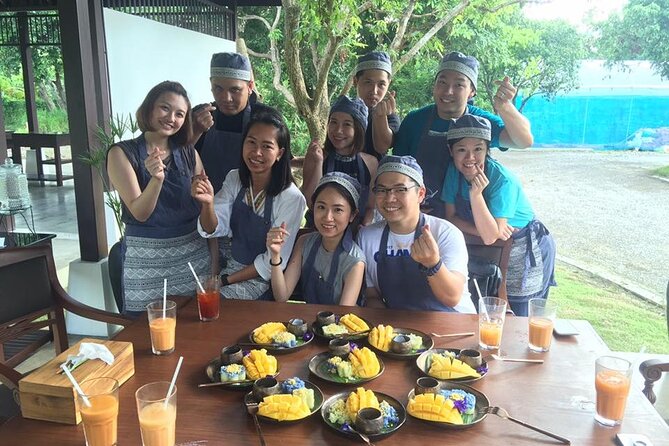
- Organic farm ingredient walk with herbs and produce you can actually recognize later.
- Small-group pacing (max 8) with individual cooking setups.
- Curry paste from scratch, guided step-by-step so you’re not guessing.
- Four dish categories built around soup, stir-fry, curry, and dessert.
- Eat what you cook together, then swap notes before heading back.
A 4 p.m. Chiang Mai plan that ends with your own dinner
This is an evening class that starts at 4:00 pm, which is a smart time for Chiang Mai. You avoid the midday heat, and you still get enough daylight to enjoy the farm setting and ingredient walk. Then you transition right into cooking, with the main goal being dinner that tastes like Thailand because you followed the process, not because you bought the prettiest takeout.
For $51.46 per person and about 4 hours, you’re paying for three things that add up quickly if you try to recreate them yourself: instruction from an English-speaking guide, a full set of ingredients for the dishes you’ll cook, and a meal you get to eat with your group. If you like food tours that don’t feel like museum stops, this is the kind where the value hits at the end of the night—when you’re eating what you made.
You can also read our reviews of more cooking classes in Chiang Mai
Getting there: Tha Phae Gate meetup and hotel pickup that keeps it easy
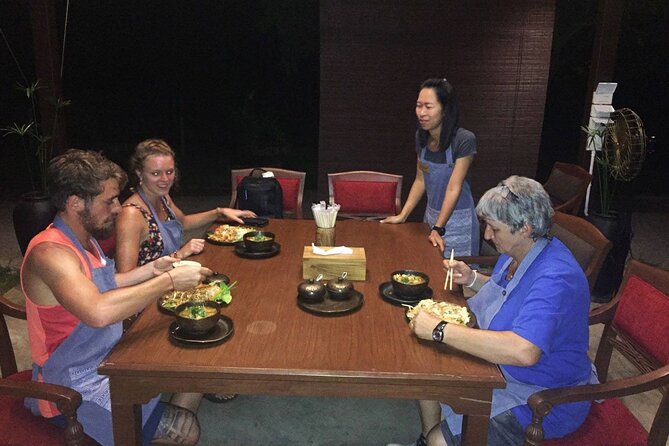
The activity begins near Tha Phae Gate at Tha Phae Road, Chiang Mai. The good news is you don’t have to figure everything out on your own: pickup is offered from your hotel in Chiang Mai. That matters because cooking classes can be time sensitive. If you show up stressed, your knife work will show it.
You’ll use a mobile ticket, and the start point is also described as being near public transportation, which can be helpful if your hotel is far from where the pickup van wants to collect you. In plain terms: you’ll spend less time navigating and more time learning how Thai kitchens actually work.
Organic farm walk: where Thai herbs and ingredients start making sense
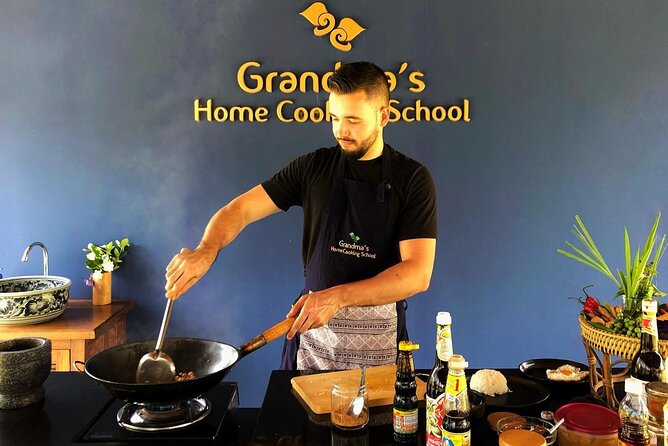
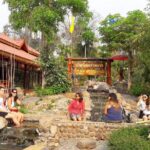
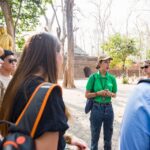
Before you touch the stove, you’ll walk the organic farm. This part is more than a scenic warm-up. It gives context that makes everything you cook later feel logical. You’ll see fresh fruits and vegetables and learn how Thai herbs and ingredients get used, not just what they taste like.
You’ll also do something fun and very practical: collect eggs and gather fresh ingredients. That creates a connection you don’t get from a market tour that ends with photos. When you later measure and slice, you already have the mental map of what those ingredients look like in real life.
Here’s the quiet benefit: once you’ve seen how herbs smell and how vegetables look at harvest stage, your Thai cooking at home tends to improve. You stop treating curry paste as a mysterious sauce and start treating it like a mix of recognizable flavors—garlic, aromatics, herbs, and chilies balanced in a way that’s very specific.
The open pavilion kitchen: small groups, real stations, and calm instruction
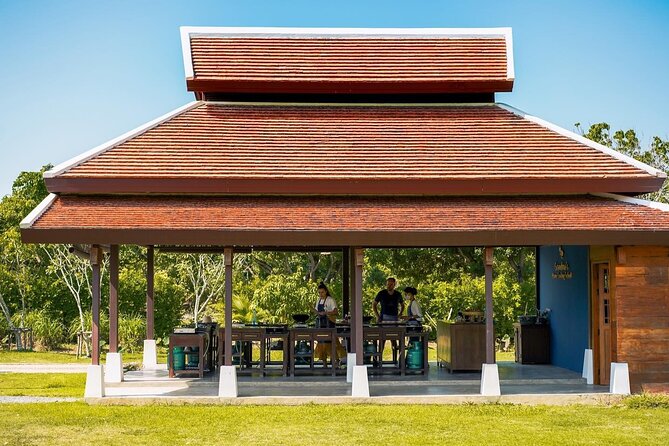
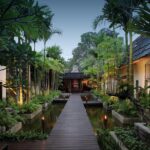
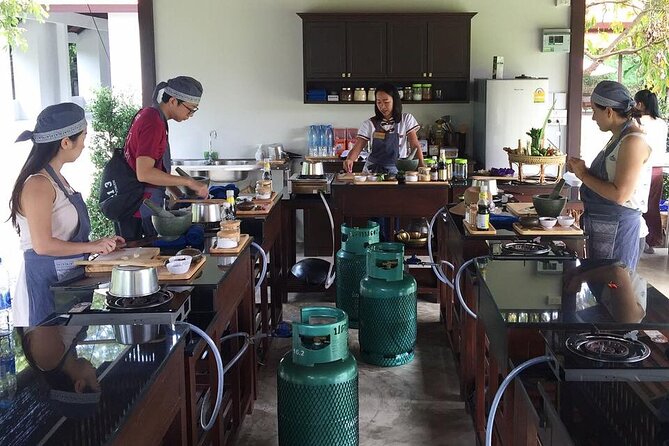
Your cooking happens in an open pavilion set in the garden of the organic farm. That setup can be breezy and comfortable, which helps in Chiang Mai evenings when humidity decides to play games.
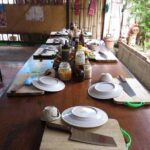
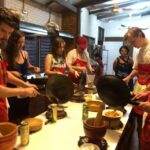
With a maximum of 8 participants, you’re not in a class where half the time is waiting your turn. You’ll work with an instructor guiding you, and you’ll have an individual cooking station. That means you can follow the steps without leaning over someone else’s shoulder or constantly asking where the ingredients are.
The instructor is English-speaking, and the format is designed for learning. If you’ve never made curry paste before, expect real guidance on technique, not just a list of ingredients. One student highlighted how much they learned and how it led them to take notes so they could buy the correct ingredients later. That’s the kind of outcome this class is built for: you leave with decisions you can repeat.
Curry paste from scratch: the skill that changes everything
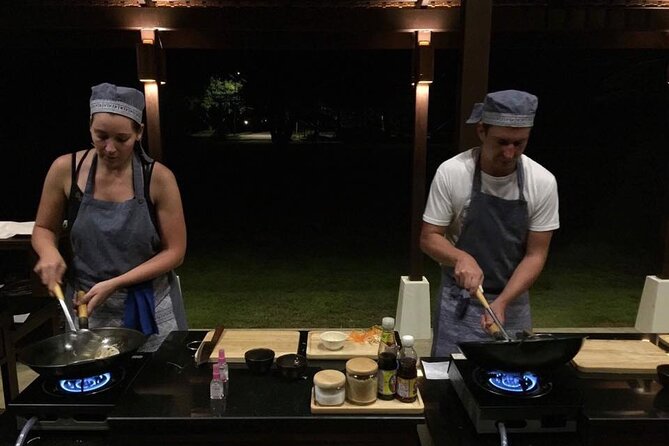
The centerpiece skill here is making your own curry paste with help and guidance. This matters more than people expect. In Thai cooking, curry isn’t only about the sauce. The paste is where the flavor structure comes from—spice level, aromatics, and that distinctive Thai fragrance.
You’ll also cook curry options as part of the class, including Green Curry and Red Curry. Menu details can shift depending on season and ingredient availability, so don’t be surprised if your curry slot reflects what’s freshest.
One small practical tip: curry paste can be textural. If it looks too coarse or too dry, your final curry will feel different. In a guided class, you get a chance to correct that while it’s still easy to fix.
If you have a favorite curry style like Panang, keep an eye on how your curry session is framed. At least one past participant said they learned Panang Curry from scratch, which suggests the curry portion can land in styles you might not expect when you only think in terms of red or green.
You can also read our reviews of more evening experiences in Chiang Mai



What you’ll actually cook: soups, stir-fry, curry, and mango sticky rice
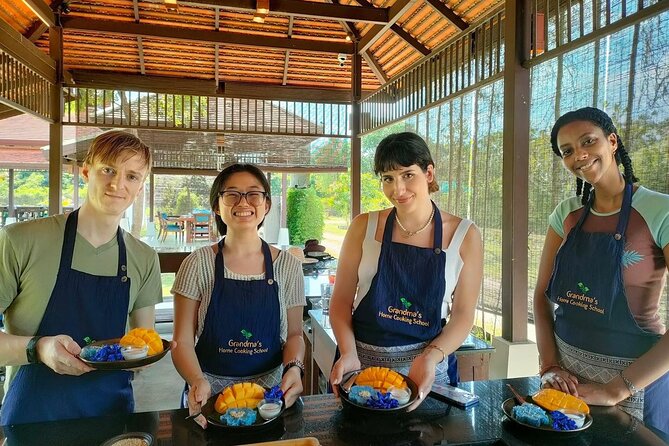
The class is described as cooking four dishes that fit the classic Thai flow: soup, a stir-fried dish, a curry, and a dessert. The menu includes these options, and the exact selection can depend on what’s available:
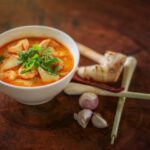
- Hot and Sour Soup (Tom Yam) or Coconut Soup (Tom Kha)
- Pad Thai (Thai Stir-Fried Rice Noodles)
- Green Curry and/or Red Curry
- Mango Sticky Rice (Khao Niao Mamuang)
Here’s how to think about the value of each dish category.
Soup: hot-and-sour and coconut balance
Whether your soup is Tom Yam style (hot and sour) or Tom Kha style (coconut), you’ll understand the base idea: Thai soups are built to hit multiple notes at once. That’s hard to replicate from a packet. In class, the guide’s step-by-step approach helps you see the order of flavors, so the soup doesn’t end up tasting one-dimensional.
Stir-fry noodles: timing and wok sense
For Pad Thai, the lesson isn’t just about taste. It’s about timing—how long noodles need, how quickly ingredients release flavor, and when to stop cooking so the noodles aren’t soggy. Even if you don’t master wok technique overnight, you’ll leave with a clearer idea of what “just right” looks like.
Curry: the paste + the pour
For curry, you’re getting the two-part lesson: first build curry paste, then cook it into a curry. This is where you’ll notice Thai curries aren’t simply spicy. They’re aromatic and layered. You should walk away knowing how to adjust balance with the ingredients you used in the paste.
Dessert: mango sticky rice as a finish line
Mango Sticky Rice is the payoff course. It’s sweet, yes, but the more important part is technique: texture matters. You’ll learn how the components come together so it’s creamy and satisfying, not watery.
Eating together: why sharing your food is part of the lesson
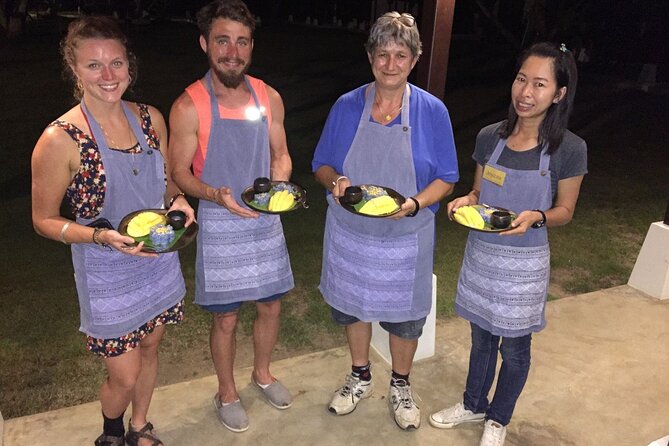
After cooking, you’ll enjoy the meal with your group. There’s also time to share and sample each other’s cooking, swapping stories and comparing what worked.
This is more useful than it sounds. When you taste someone else’s version, you notice the difference between technique-based variation and ingredient-based variation. If someone’s curry tastes more aromatic, you can often trace it back to paste texture or timing. If noodles taste better, it usually means the cook handled the heat and stirring better.
And the social piece matters too. A small group makes it easier to talk during the meal without feeling like you’re in a noisy tour bus. It’s a simple way to make the evening feel like a shared experience rather than a scheduled stop.
Price and value: what $51.46 buys you in real cooking skills
Let’s do a quick value check. At $51.46 per person, you’re paying for:
- hotel pickup offered
- an English-speaking instructor
- access to an organic farm ingredient walk
- cooking gear and individual station setup
- ingredients to make four dish categories
- the meal you eat at the end
If you try to do this later on your own, the cost usually shows up in ingredients and trial-and-error. Curry paste ingredients, Thai herbs, and the right noodle pantry items can add up fast. Here, you’re paying mainly for the guided process that teaches you what to buy and how to use it.
It’s not a deal if you’re just hungry and want to watch. But if you want a practical skill—like building curry paste and cooking a proper Thai dinner—this is fair value.
Who this cooking class fits best
This evening class is a great fit if you:
- want a hands-on food experience, not just tasting
- like the idea of learning through a small-group setup
- care about using fresh ingredients you can identify later
- want a Thai cooking win you can repeat at home
It may be less ideal if you dislike guided group activities or you want a long, wandering itinerary. This is a structured cooking session with a clear start at 4:00 pm and a return back to the meeting point.
Should you book it? My call
Book it if you want real cooking skills, especially the part where you make curry paste from scratch. The small group size (max 8) and the individual cooking stations are the kind of details that make instruction actually stick, not just happen “at some point during the class.” Add the organic farm walk and the fact that you eat your own cooking, and it’s one of those experiences that turns into practical home memories.
Hold off only if your schedule is tight enough that a weather-sensitive afternoon matters, or if you’re hoping for a broad sightseeing day instead of an intensive cooking-focused one.
FAQ
FAQ
What time does the evening cooking class start?
It starts at 4:00 pm.
How long is the cooking class?
It runs for about 4 hours.
How many people are in the group?
The experience has a maximum of 8 travelers.
What dishes will I cook?
You’ll cook four dish categories such as soup, a stir-fried dish, a curry, and a dessert. The listed menu includes Hot and Sour Soup (Tom Yam), Coconut Soup (Tom Kha), Pad Thai, Green Curry, Red Curry, and Mango Sticky Rice, depending on seasonal availability.
Is hotel pickup included?
Pickup is offered in Chiang Mai.
Will I make curry paste?
Yes. The class includes help and guidance so you can create your own curry paste.
What if I need to cancel or the weather is poor?
You can cancel for a full refund if you cancel at least 24 hours before the experience’s start time. If the tour is canceled due to poor weather, you’ll be offered a different date or a full refund.