REVIEW · CHIANG MAI
Workshop Making Herbal ball & herbal inhaler
Book on GetYourGuide →Operated by Hang Tueng farm · Bookable on GetYourGuide
Scent and rolling, Chiang Mai style. In a 3-hour session at Hang Tueng Farm, I love that you don’t just watch herbal wellness—you roll the herbal balls and craft them with your own hands. I also like that you build a herbal inhaler you can carry afterward, with expert guidance in English and Thai.
One thing to consider: this is aromatherapy, using herbs like lavender, eucalyptus, and peppermint, so if strong scents make you sneeze or feel off, you’ll want to be aware before you go.
In This Review
- Key things that make this workshop worth your time
- Hang Tueng Farm location: what your 3 hours really start with
- Rolling herbal balls: your hands-on moment, step by step
- Crafting your herbal inhaler: aromatherapy you can actually take with you
- Expert herbalists: what guidance can change in a hands-on class
- Included materials and take-home instructions: the value beyond the crafts
- Timing and pacing: how 3 hours should feel
- Price and value: is $38 fair for Chiang Mai?
- Who should book this (and who might skip)
- Booking flexibility and what to know before you go
- Should you book this workshop?
- FAQ
- What is the workshop about?
- Where does the workshop take place?
- How do I find the meeting point?
- How long is the workshop?
- What does it cost?
- What languages are used during the workshop?
- Are materials included?
- What do I take home?
- Is it a private group experience?
- Is it suitable for young children?
- What’s the cancellation and payment flexibility?
Key things that make this workshop worth your time
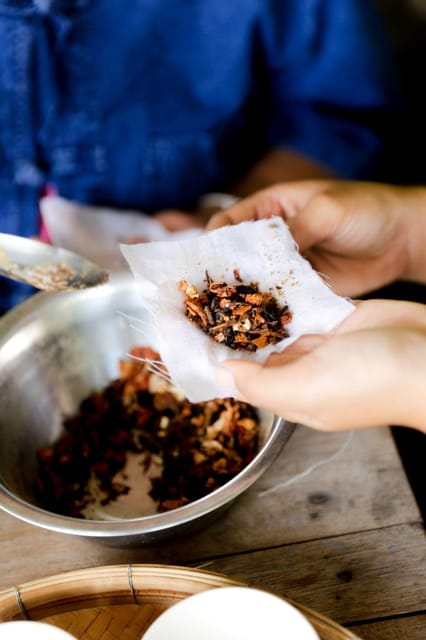
- Hands-on herbal balls: You learn the rolling technique and take home a personalized ball.
- Portable herbal inhaler build: You create a pocket-friendly aromatherapy tool, not just a display item.
- Expert herbalist guidance: The process includes direction on herb properties and how to put them together.
- Materials are provided: You won’t spend your trip hunting supplies first.
- You leave with instructions: You get guidance to replicate the process at home.
- Private-group pacing: The class format keeps things focused for your group rather than a big crowd.
Hang Tueng Farm location: what your 3 hours really start with
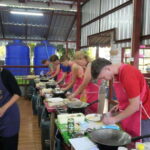
This workshop is based at Hang Tueng Farm in Chiang Mai Province, and your best clue is simple: look for the sign for the farm, with Hang Tueng Farm posted in front of the entrance area. That matters more than it sounds. When you’re in a new area, a clear meeting point turns a stressful start into a calm one, and you can spend your energy on the herbs instead of paperwork-level confusion.
The setting is also part of the experience. You’re not doing this in a sterile studio. The workshop’s wellness theme is tied to nature and connection, so expect an atmosphere that feels more like a farm day than a classroom. It’s a good change of pace if your Chiang Mai trip already has temples and night markets on repeat.
Language is another practical win. Your instructor works in English and Thai, so you’re not stuck translating everything with your own imagination. And since this is a private group, the pace tends to be more adaptable to questions and comfort levels.
You can also read our reviews of more tours and experiences in Chiang Mai


Rolling herbal balls: your hands-on moment, step by step
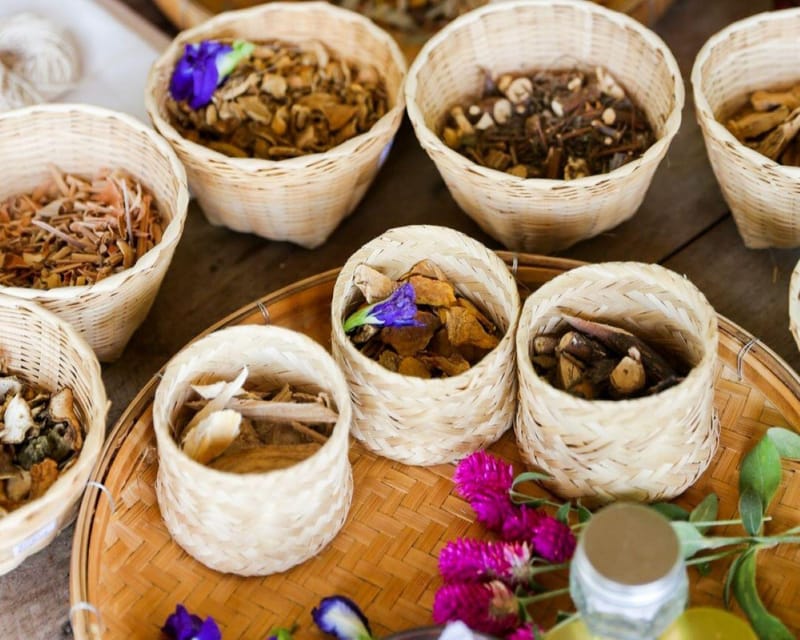
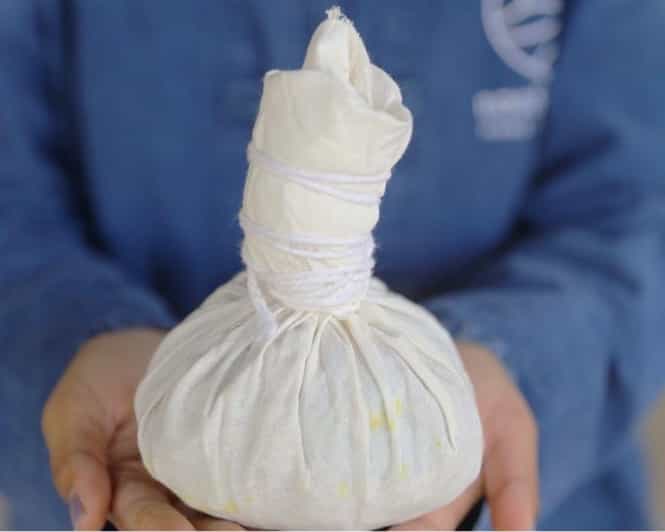
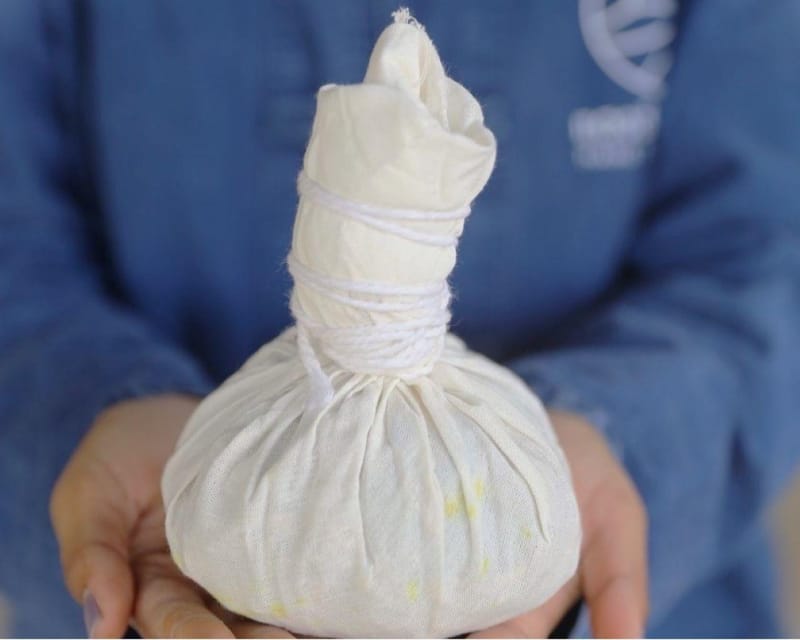
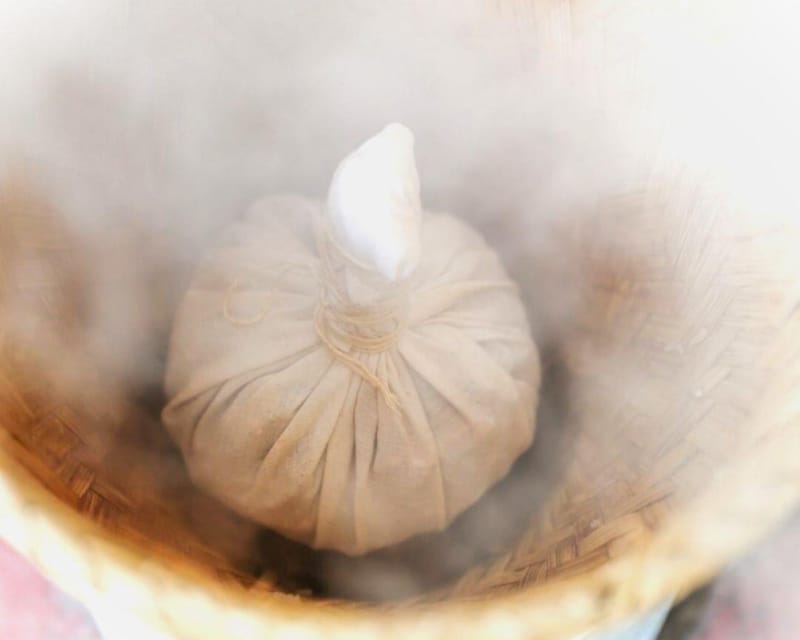
The core craft is the herbal ball. You’ll learn how to make compact bundles infused with a mix of aromatic herbs known for soothing and wellness support. The workshop specifically focuses on two skills: picking the right herbs (with help) and getting the rolling technique right.
Here’s why I think this part is so satisfying for visitors: herbal wellness can feel vague when it’s only described in words. But rolling something into a usable form turns it into a tangible souvenir. You don’t leave with a brochure. You leave with something you shaped.
During the session, you’ll get guidance from herbal experts on how different herbs are used and what people commonly associate with their properties. Even if you’re not a “herb nerd,” you’ll still come away with practical context: how the herbs work together, and how to handle the making process without turning it into a sticky mess.
A useful tip to keep in mind: watch the instructor’s hand movements before you start your own rolling. The workshop emphasizes technique, and the technique is what makes the final herbal balls neat enough to store or carry. If you rush that part, it’s easy for the mixture to feel uneven.
Crafting your herbal inhaler: aromatherapy you can actually take with you
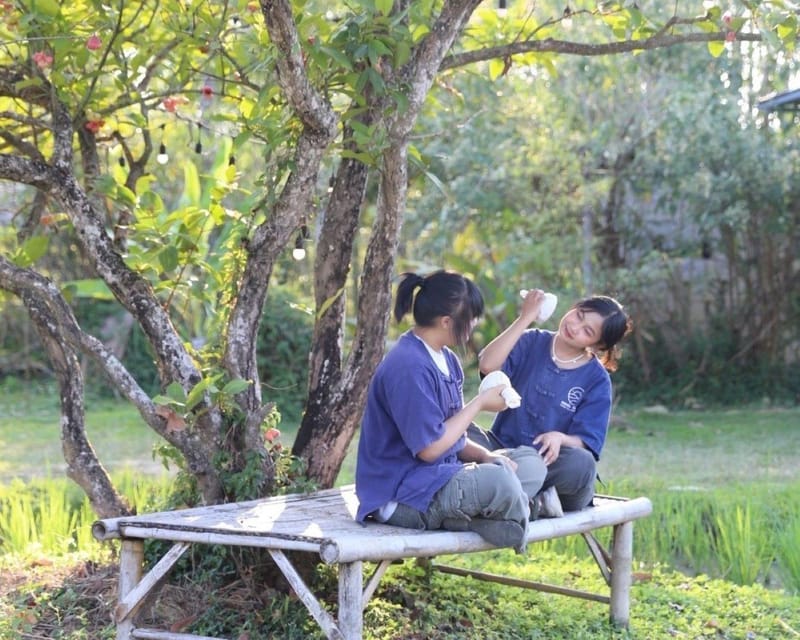
The second craft is the herbal inhaler, described as a portable aromatherapy tool. Instead of a jar on a shelf, you’re making something you can bring into daily life. That portability is the difference between a novelty souvenir and a wellness item you might actually use.
Your inhaler is built with herbs such as lavender, eucalyptus, and peppermint. The workshop frames these as helpful for respiratory comfort and stress-relieving benefits. I like that the class doesn’t just name the herbs. It teaches the idea that there’s a reason behind choosing certain herbs for certain moments—like needing a quick calming sensation or a refreshing breath when you’re out and about.
In practice, expect a hands-on build that connects scent and structure. You’ll assemble your personalized inhaler and adjust it according to the workshop’s approach, guided by the herbalist. It’s the kind of activity where you’ll feel your confidence grow as the components start coming together.
If you’re the kind of traveler who likes tools, not just photos, this is the part you’ll likely remember. The inhaler is the “use it on day two” souvenir, not only “look at it on day ten.”
Expert herbalists: what guidance can change in a hands-on class
This workshop is led by herbal experts, and that shows up in the way the session is explained. You’re taught about the properties of various herbs and how they contribute to wellness. That matters because herbs aren’t one-size-fits-all. Different herbs are used for different goals, and the workshop gives you a framework for understanding those choices.
Also, expert guidance helps you avoid the two biggest workshop problems: making something that doesn’t work how you expect, and leaving with questions you never get to ask. Here, the class is designed to be comprehensive enough that you can follow along and still get clarification.
And because the instructor offers English and Thai, you’re more likely to grasp the “why” behind the craft, not only the “how.” That’s what turns a 3-hour activity into a skill you can repeat at home.
Included materials and take-home instructions: the value beyond the crafts
A big practical point: all necessary materials are included. That lowers the friction of doing a workshop while traveling. You don’t need to budget time or energy for extra shopping. You show up, make the crafts, and walk away with your personalized items.
You’ll take home:
- your crafted herbal ball
- your crafted herbal inhaler
- detailed instructions to replicate the process at home
That last part is quietly important. Many classes hand you a product and hope you figure out the rest. Here, you’re explicitly given instructions so you can recreate the process later. That’s ideal if you like repeating experiences at home for a while—especially because herbs are tied to habits.




Timing and pacing: how 3 hours should feel
The workshop runs for 3 hours. For most people, that’s a sweet spot: long enough to learn both crafts, short enough that you’re not stuck in “craft fatigue” for the entire day.
Private-group format also affects pacing. You’re not squeezed around a schedule designed for a larger crowd. Instead, you can ask questions and get feedback as you work. If your group likes to talk, this format tends to make it easier to keep the conversation relevant to what you’re making.
The lesson here is simple: plan your day so you’re not rushing right afterward. You’ll likely leave with small items and a sensory memory (scent sticks with you), so give yourself a comfortable buffer before your next stop.
Price and value: is $38 fair for Chiang Mai?
At $38 per person for a 3-hour hands-on workshop that includes materials, expert guidance, and two take-home wellness items, the value feels fairly solid—especially if you’d otherwise spend money on a “souvenir shop” purchase.
The price isn’t only for the crafts themselves. You’re paying for:
- instruction in making herbal balls and a herbal inhaler
- guidance on herb properties and how they’re used
- the included supplies so you don’t waste travel time sourcing anything
- take-home items plus instructions to repeat later
If you’re the type who likes practical memories, this is a strong buy. If you’re hoping for a long cultural lecture or a big show, this may feel more hands-on than sightseeing. But for a traveler who wants to come away with something usable, it’s an efficient way to spend a few hours in Chiang Mai Province.
Who should book this (and who might skip)
This workshop fits best if you:
- want a hands-on wellness craft rather than just watching
- like the idea of personalized aromatherapy tools
- enjoy learning about herbs in a practical way
- prefer a private group format for more focused attention
It may not be the best fit if:
- you’re sensitive to strong herb aromas (lavender/eucalyptus/peppermint are part of the plan)
- you’re traveling with very young kids. The workshop isn’t suitable for children under 2 years and babies under 1 year.
Language-wise, you can expect instruction in English and Thai, which is helpful if you want to understand the “why,” not just copy the steps.
Booking flexibility and what to know before you go
The experience offers reserve now & pay later, and there’s free cancellation up to 24 hours in advance for a full refund. That kind of flexibility is useful when Chiang Mai weather, transport timing, or your daily itinerary shifts.
Also note the workshop is described as a private group experience. That typically means the schedule is tied to your booking window rather than a walk-in option. If you’re tight on time, double-check availability for starting times before you plan your day around it.
Should you book this workshop?
I’d book it if you want a genuinely practical Chiang Mai activity: you’ll leave with two personalized items—a herbal ball and a herbal inhaler—and you’ll get instructions to repeat the process later. The combination of hands-on crafting plus expert herbal guidance is exactly the kind of “small time investment, real payoff” experience that travels well as a memory.
I’d think twice if strong scents are a problem for you, because aromatics are central to how the inhaler is made and how the herbs are used. If you’re fine with that, this is a great way to spend 3 hours learning something you can actually keep.
FAQ
What is the workshop about?
It’s a hands-on workshop where you make herbal balls and a herbal inhaler. You’re guided by herbal experts and leave with your personalized items and instructions.
Where does the workshop take place?
It takes place in Chiang Mai Province at Hang Tueng Farm.
How do I find the meeting point?
Look for a sign for the farm. The instructions say there will be signage written or posted that it is Hang Tueng Farm at the entrance area.
How long is the workshop?
The workshop duration is 3 hours.
What does it cost?
The price is $38 per person.
What languages are used during the workshop?
The instructor provides instruction in English and Thai.
Are materials included?
Yes. The workshop includes all necessary materials for crafting the herbal ball and herbal inhaler.
What do I take home?
You take home your crafted herbal ball and herbal inhaler, plus detailed instructions to replicate the process at home.
Is it a private group experience?
Yes. It is listed as a private group experience.
Is it suitable for young children?
No. It’s not suitable for children under 2 years, and it’s also not suitable for babies under 1 year.
What’s the cancellation and payment flexibility?
You can cancel up to 24 hours in advance for a full refund. It also offers reserve now & pay later, so you can book without paying immediately.