REVIEW · CHIANG MAI
3D2NTrek Adventure at Chiang Mai Mea Wang Including Overnight at Karen Hilltribe
Book on Viator →Operated by Sightseeing Chiang Mai · Bookable on Viator
Jungle days, elephant nights, and a Karen village stop. This 3D2N Mae Wang–area trek strings together bamboo rafting and multiple waterfall moments, then ends with close elephant time, including feeding and bath/play. I especially like the mix of real hiking (not just photo stops) with the overnight in a Karen hill-tribe village, which makes Chiang Mai feel more off-the-grid. The main caution: this experience is basic and photos can set wrong expectations about seeing a long-neck Karen group, and the sleeping setup is not for everyone.
You’ll go in a small group (max 10), with a licensed English-speaking guide. I found that matters because jungle routes are easy to get wrong without local know-how, and you’ll be walking several hours each day. Pickup starts at 9:00 from Duangtawan Hotel Chiang Mai, with truck transfers and frequent breaks, but expect a day that gets muddy and sweaty, so moderate fitness is the right benchmark.
In This Review
- Key highlights worth knowing
- Price and logistics: why $162.76 can still make sense
- Day 1 in the Mae Wang area: rafting first, then waterfall lunch, then the jungle night
- Karen hill-tribe overnight: what’s authentic, and what not to assume
- Day 2: two walking blocks, lunch in the jungle, and the waterfall swim payoff
- Elephant camp finale on Day 3: feeding time and how to get the most out of it
- Your guide experience: small group attention and the Witoon factor
- Bamboo rafting at Mae Wang: fun on the water, short enough to feel unfinished
- Packing tips that actually help on this trek
- Who this tour fits best (and who should skip it)
- Should you book this 3D2NTrek with Karen Hill-tribe overnight?
- FAQ
- What is the tour starting point in Chiang Mai?
- What time does the experience start?
- How physically demanding is the trek?
- Is bamboo rafting included?
- Does the tour include elephant feeding and bathing?
- Will I see a long-neck Karen tribe on this tour?
- What happens if weather is bad?
Key highlights worth knowing
- Mae Wang jungle trekking with multiple waterfall breaks for swims and lunch in nature
- Overnight at a Karen hill-tribe village, with simple hut-style accommodation
- Bamboo rafting on a camp stretch of river, about 40 minutes on the water
- Elephant camp access with elephant food included for feeding time
- Small group size (up to 10) and a licensed English-speaking guide
- Meals and gear included, including a trekking backpack and accident insurance
Price and logistics: why $162.76 can still make sense
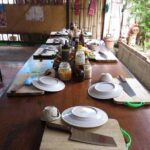
At $162.76 per person for roughly three days, this trek is priced like a package because it bundles the big-ticket stuff: transportation by truck, meals (breakfasts and lunches plus dinner), accommodation, guide support, and paid activities like bamboo rafting and elephant feeding (elephant food is included). It’s also built around time in the Mae Wang jungle, where day trips can feel short and rushed.
The value angle here is simple: you’re not just paying for one attraction. You’re paying for a sequence—walk, raft, waterfall, village overnight, then elephant time—where someone else handles the route and timing. That matters if you want the experience without constantly checking local transport schedules.
One word of realism: because this runs in nature and includes an overnight, you’re buying convenience and access, not hotel comfort. If you want plush bedding and long waits for perfect views, you might end up annoyed. If you’re okay with basic, and you like being outside, it can feel like a very fair trade.
You can also read our reviews of more tours and experiences in Chiang Mai.



Day 1 in the Mae Wang area: rafting first, then waterfall lunch, then the jungle night
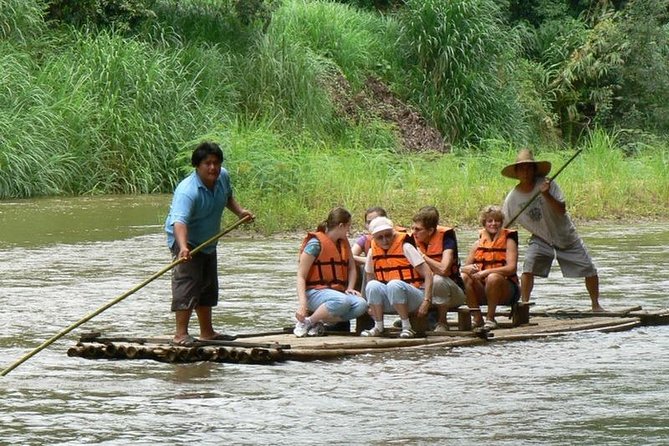
Day 1 kicks off with pickup from Duangtawan Hotel Chiang Mai at 9:00. You ride in a truck, and there’s a planned stop for food about an hour into the drive, before continuing to the bamboo rafting camp. Expect the day to feel active from the start, not like a slow morning with coffee and journaling.
Once you arrive at the camp, you’ll do bamboo rafting for about 40 minutes. This is fun, even if it’s not the length-of-a-sunset cruise some people might hope for. You get on the water, you feel the river, and you get to watch the jungle close up. After rafting, another truck transfer (about 20 minutes) brings you to the hiking start.
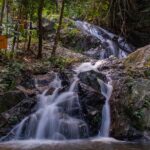
Then comes lunch at a waterfall area. The trek to the waterfall is your first real taste of the jungle route, and lunch is timed to keep you fueled for what follows. After lunch, you start the main jungle walk toward the Karen village for the overnight. The hiking portion is long enough that you’ll feel it later, but it’s structured so you’re not just walking until you disappear into the trees.
This is where you’ll also notice the style of the tour: it balances action with breaks, and it uses truck transfers to reset you before the next leg. If you’re prone to motion sickness, the back-and-forth between walking and truck rides is something to consider.
Karen hill-tribe overnight: what’s authentic, and what not to assume
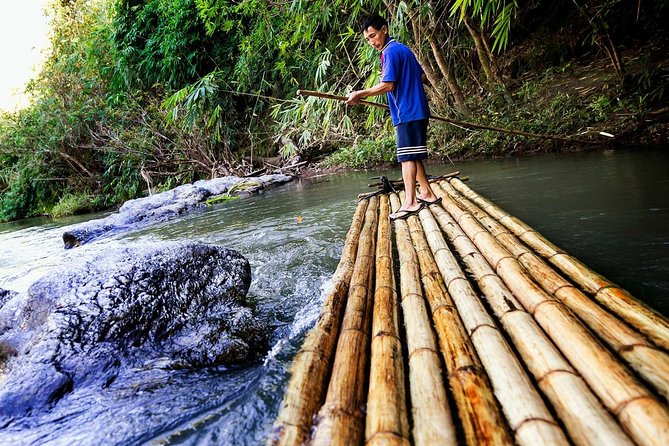
The overnight at a Karen hill-tribe village is one of the most memorable parts of this trek. You’re not just passing through on a quick visit. You get a real evening and a night in a hut-style setup that feels different from mainstream Chiang Mai tours.
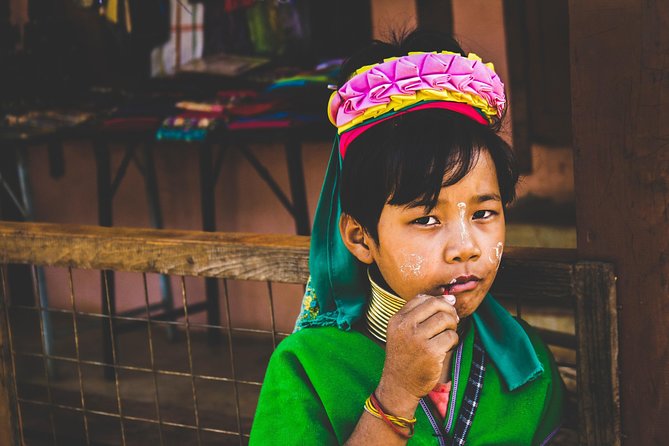
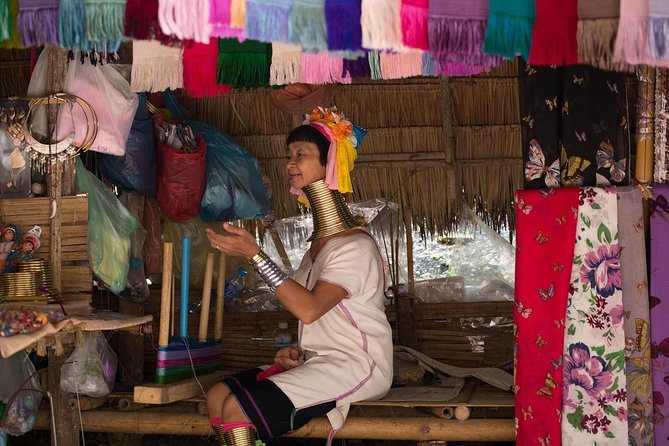
That said, I’d manage expectations around appearances and special groups. One important piece of feedback is that you should not count on seeing a long-neck Karen tribe focus as part of this experience. If you’re going in expecting that exact look from promotional photos, you may feel misled when you arrive and it’s more of a general Karen village visit.
Accommodation comfort is also the swing factor. Some people described it as a great experience staying in a hut with good food. Others had a tough time with dirty or smelly bedding and very thin mattresses, plus pests like spiders mentioned. If you’re sensitive to hygiene or you hate rough sleep, pack for it.
Practical take: treat the overnight as cultural and outdoors-focused, not a camping upgrade. Bring what you can to make the hut livable—especially for sleeping—because the tour doesn’t advertise any “hotel bed” standard.
Day 2: two walking blocks, lunch in the jungle, and the waterfall swim payoff
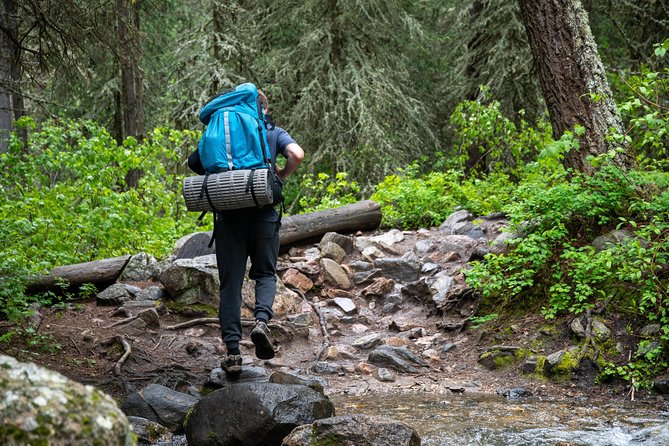
Day 2 starts with breakfast around 8:30. Then you’re back on foot. The morning walk is about 2.5 hours through the jungle, with time and pace set by your guide and group.
Lunch happens in the jungle. That detail matters because it changes how the day feels. Eating outside, while the route continues around you, beats waiting around for a restaurant meal and it keeps the rhythm of the trek.
After lunch, you hike about 2 more hours to another waterfall moment. Then you get time to relax and swim. This is the part many people remember most because it cools you down after hours of walking. Even if the water is chilly, it feels like a reward rather than an extra task.
Also, don’t underestimate what day 2 can feel like. With two separate hiking blocks, you’re going to notice your legs. The good news is the structure is consistent: walk, eat, walk, waterfall, rest, repeat. It’s harder than a city day, but it stays clear and predictable.
Elephant camp finale on Day 3: feeding time and how to get the most out of it
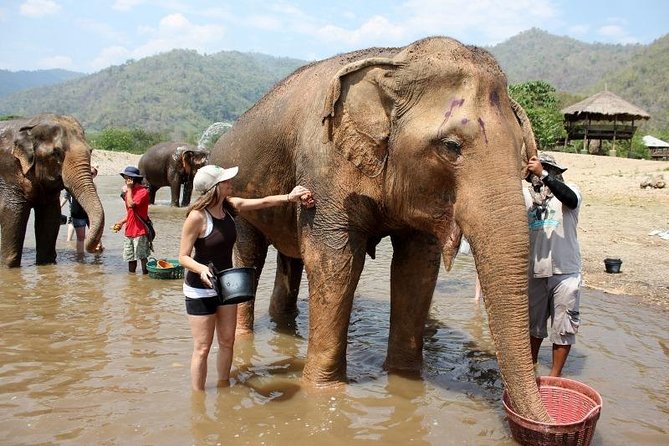
After breakfast (again around 8:30 to 9:00), Day 3 is your last major hiking push. You’ll trek for about 3 hours, then you’ll have more time near the waterfall to relax and swim again. After that, you continue walking to reach the meeting point, then take a truck to the elephant camp.
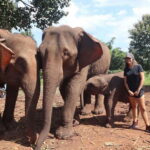
The elephant section is a real highlight. You’ll visit an elephant center where you can help feed elephants (elephant food is included) and have a chance to play and give elephants baths. That combination is what makes this tour feel like more than a quick “look and leave” stop. You’re interacting with the animals in a way that’s active and memorable.
One reviewer described spending the evening with the elephants at an elephant sanctuary and waking up to see elephants walking past their hut. Even if your schedule differs slightly, that kind of closeness is the goal of the program.
One caution: elephants are living animals with their own pace. Your experience depends on how the center runs that day and how safe protocols are handled. If you’re patient and follow your guide’s instructions, you’ll usually get a much smoother, more meaningful session.
Your guide experience: small group attention and the Witoon factor
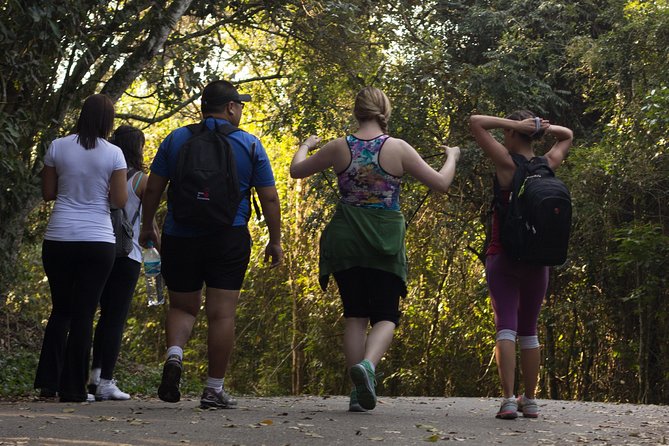
This tour caps at 10 people, which helps on a jungle trek. Fewer people also means you’re less likely to get lost in a crowd, and your guide can adjust pace when someone needs a breather.
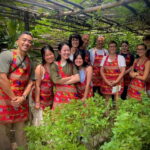
The guide experience seems to be a key part of what people loved. One standout example: a guide named Witoon was praised for being able to spot wildlife and plants and explain what was going on in the area. That kind of attention turns a walk from just exercise into learning and observation. You’ll notice more because someone is pointing things out you’d never see from a trail-eye view.
English support is included (licensed English-speaking guide), but one note from feedback is that English guidance wasn’t always present on every single walk segment. If you’re counting on constant translation, it’s smart to keep your expectations flexible and rely on clear nonverbal cues plus guide instructions when the English-speaking guide is off-walking or handling group logistics.
Bamboo rafting at Mae Wang: fun on the water, short enough to feel unfinished
Bamboo rafting is often the “easy win” activity in this kind of package, and it delivers. You get that local style boat feel, the slower float, and a jungle backdrop.
What to expect on timing is important. The plan includes about 40 minutes on the water, and at least one person felt the rafting was short and wanted more time. So if you’re going specifically for a long rafting session, don’t assume you’ll get a half-day river adventure. You’ll get a solid taste, then you’re back to trekking.
This is also where the tour’s structure matters: the rafting is scheduled early enough to keep energy from draining too much before the first hiking block. It’s a good way to warm up your body and shift your mindset from city to nature.
Packing tips that actually help on this trek
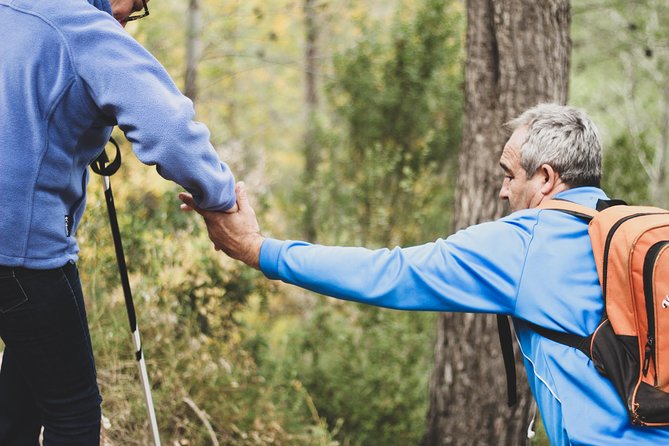
You’re in Thailand jungle terrain for multiple hours a day, with a waterfall swim and an overnight in basic lodging. Here’s what I’d pack based on the reality of a trek like this:
- Quick-dry clothes and a spare set for the end of day
- Water-friendly sandals or shoes you can get muddy without panic
- A small towel for the waterfall time
- Bug spray and basic first-aid items
- If you’re sensitive to sleeping conditions: a sleeping liner or extra layer for warmth
- A small dry bag for phone and essentials during raft and swim moments
Also, bring a mindset for Thailand weather. The tour info says the experience requires good weather. If conditions are poor, your tour can be rescheduled or refunded depending on the situation.
Who this tour fits best (and who should skip it)
This 3D2N jungle trek is ideal for you if you want a structured Chiang Mai nature day with real walking, not just a single attraction. It’s also great if you want a genuine hill-tribe overnight, even if it’s simple. The elephant camp access with feeding and bathing time is the other big draw.
It might not fit as well if you’re:
- chasing long, comfortable sleep and spotless bedding
- only interested in seeing a specific Karen long-neck presentation
- hoping bamboo rafting becomes the main event with lots of time on water
Fitness-wise, it’s rated for moderate physical fitness. That’s consistent with the multiple multi-hour treks. If you can handle hiking in heat and humidity, you’ll probably be fine.
Should you book this 3D2NTrek with Karen Hill-tribe overnight?
Yes, if your idea of a great Chiang Mai trip includes getting dirty, walking through jungle, swimming under waterfalls, and having meaningful elephant time. You’ll likely appreciate the small-group pacing, included meals, and the fact that the tour handles transport and gear like the trekking backpack.
Hold off or ask extra questions before booking if you care a lot about sleep comfort or you’re specifically hoping for long-neck Karen visuals. The most negative feedback is about lodging basics and bedding cleanliness, and the long-neck expectation didn’t match reality for at least one person.
If you book, go in prepared: bring sleep protection if you need it, pack for a waterfall, and treat the Karen village night as a cultural and nature immersion, not a resort stay.
FAQ
What is the tour starting point in Chiang Mai?
The start point is Duangtawan Hotel Chiang Mai, 132 Loi Kroh Rd, Tambon Chang Khlan, Amphoe Mueang Chiang Mai, Chang Wat Chiang Mai 50100, Thailand. The tour ends back at this meeting point.
What time does the experience start?
The start time is 9:00 am.
How physically demanding is the trek?
The experience is for people with moderate physical fitness. The walking includes multiple hours on jungle paths across the 3 days, plus you’ll have waterfall time for swimming.
Is bamboo rafting included?
Yes. Bamboo rafting is included, with about 40 minutes on the water.
Does the tour include elephant feeding and bathing?
Yes. The highlights say you’ll have a chance to help feed elephants, and there is also a chance to play and give elephants baths. Elephant food is included.
Will I see a long-neck Karen tribe on this tour?
Based on the information you should plan around, this tour focuses on a Karen hill-tribe village overnight, but feedback indicates you should not count on seeing a long-neck Karen tribe presentation as part of the experience.
What happens if weather is bad?
The tour requires good weather. If it’s canceled due to poor weather, you’ll be offered a different date or a full refund.