REVIEW · CHIANG MAI
Chiang Dao Cave & 5 Hill Tribe villages
Book on Viator →Operated by WanderSiam · Bookable on Viator
Lanterns guide you into a real underground temple. I love the lantern-lit Chiang Dao Cave walk, with real rock formations and sections that feel far from a typical show cave. I also like the five hill tribe village visits at Ban Huai I-Ko, where you can see daily life tied to beliefs and local plants. One heads-up: the cave route includes two narrow passages and a crawl section, so claustrophobia is a no.
This day trip runs with an English-speaking licensed guide and local cave/village guidance. I especially like the small-group feel (max 15 people) and the comfortable air-conditioned van, with pickup in Chiang Mai Old City so you’re not wasting the morning figuring out transport.
You’ll end on a nature break at the Bai Orchid and Butterfly Farm. The butterfly area is ticketed separately and, based on what I’ve seen from on-the-ground guidance, you’ll want Thai baht cash ready since the farm only accepts baht.
In This Review
- Key highlights at a glance
- Why Chiang Dao beats the usual Chiang Mai routine
- Ban Huai I-Ko: five hill tribe villages in one cultural stop
- Chiang Dao Cave by lantern: what to expect in the dark
- What to bring for the cave walk
- Tips, money, and cave culture
- Bai Orchid and Butterfly Farm: the calm, colorful reset
- How the day flows (and where time can feel tight)
- Price and value: is $52.18 a smart deal?
- Guides, group size, and how to get the most out of it
- Who should book this tour, and who should skip it
- Should you book Chiang Dao Cave & 5 Hill Tribe villages?
- FAQ
- What time does the tour start?
- Do I get pickup and drop-off?
- What’s included in the ticket price?
- Is lunch included?
- Do I need to pay extra for the orchid and butterfly farm?
- What should I wear for Chiang Dao Cave?
- Is the cave visit recommended if I’m claustrophobic?
- Does the tour run in the rain?
- Can I cancel for a full refund?
Key highlights at a glance
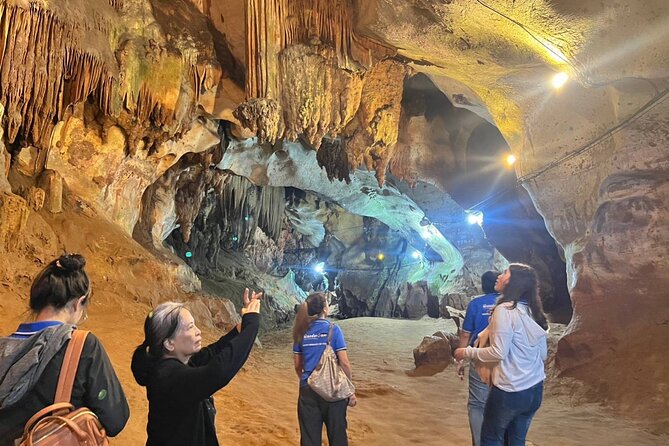
- Lantern-led Chiang Dao Cave with local guidance through dark passages and rock formations
- Ban Huai I-Ko introduces Akha, Meo, Lisu, Karen, and Palong village life in one stop
- Two narrow cave crawl points make this more adventure than stroll
- Bai Orchid and Butterfly Farm gives you a calmer break after the cave
- Pickup + air-conditioned vehicle makes an 8-hour cultural day trip feel manageable
Why Chiang Dao beats the usual Chiang Mai routine
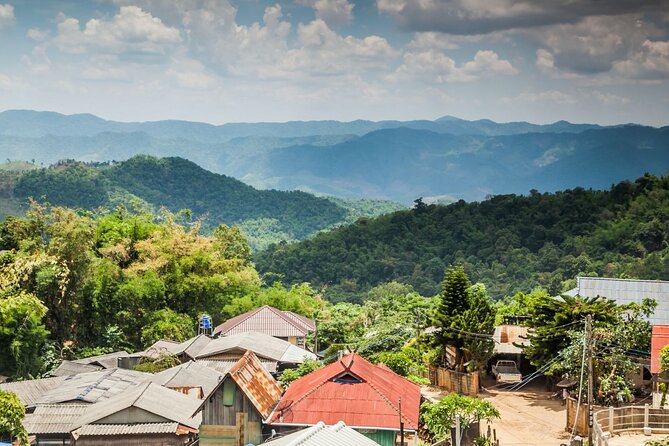
Chiang Mai is fun, but it can also feel same-y: temples, markets, repeat. This trip gives you a change of pace by heading out to the Chiang Dao area for countryside culture and a cave that’s known as one of the biggest around Chiang Mai.
The structure works because it mixes three different “modes”: village life (talk, craft, daily rhythms), cave exploration (physical, dark, guided), and a horticulture stop (quiet, bright, photo-friendly). You get variety without needing to plan multiple tickets or local rides yourself.
You can also read our reviews of more tours and experiences in Chiang Mai.



Ban Huai I-Ko: five hill tribe villages in one cultural stop
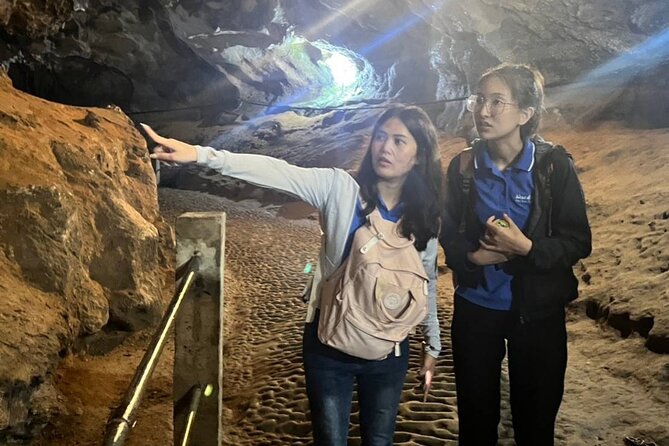
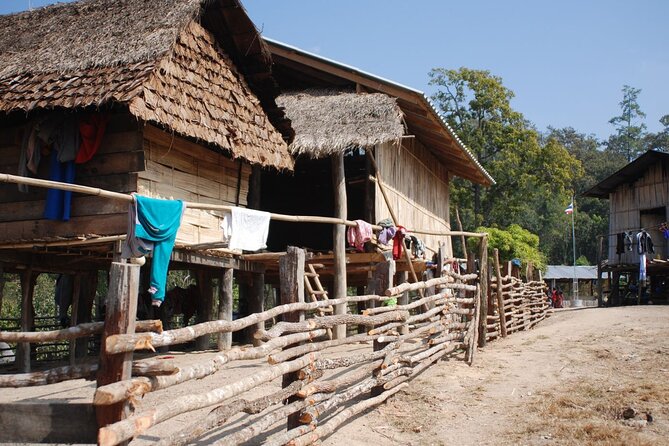
Your first real immersion moment happens at Ban Huai I-Ko, which acts like a doorway to the region’s hill tribe communities. Here you’ll visit areas tied to Akha, Meo, Lisu, Karen, and Palong. Expect a guided explanation of how each group lives—what matters to them, how belief shows up in everyday routines, and why land and plants are such a big deal up in the hills.
This is where the experience can be emotionally uneven in a useful way. On one hand, the guides behind the scenes often have real relationships with the communities, and you’ll be shown practical details like plant uses and customs. On the other hand, this type of village stop can come with some pressure to buy souvenirs—especially where goods are the main way visitors support families.
My advice: go with a “learn first, shop if you want” mindset. If you want a small purchase, do it with intention. If you don’t, it’s still a meaningful stop as long as you treat it like a meeting with people—not an attraction queue.
Chiang Dao Cave by lantern: what to expect in the dark
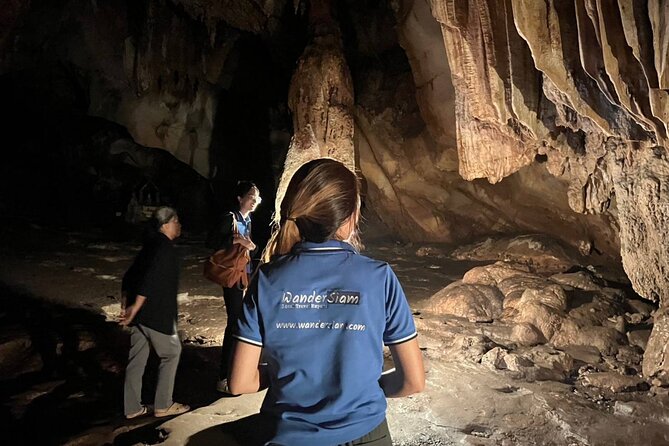
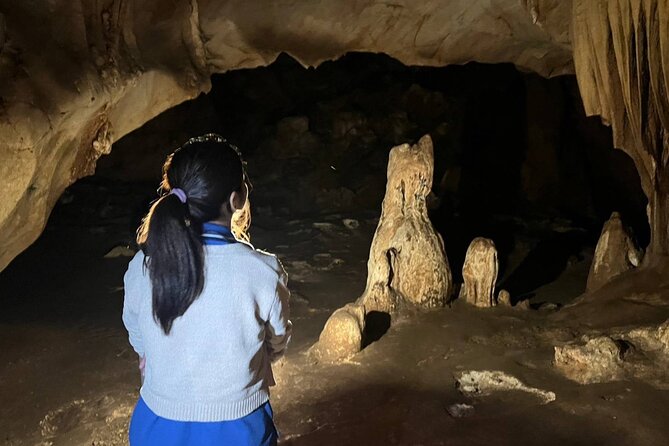
Chiang Dao Cave is the obvious star. It’s big, storied, and visually impressive once you’re inside: stalactites and stalagmites, plus the feeling that you’ve stepped into another world where sound and light behave differently.
The walk is guided and you use lanterns rather than head-to-toe electric lighting. That choice changes the experience. With light kept controlled, you’ll notice textures in the rock, see guide details more clearly, and feel the cave’s natural darkness. One review detail that matches what you should plan for: it can feel more like a careful crawl-and-walk route than a “walk through for photos” tour.
Two important cave reality checks:
- There are two narrow passages where you’ll need to crawl.
- The route includes spots that can feel physically awkward, so wear shoes you can trust.
If you’re prone to claustrophobia, this is not the tour for you. If you’re okay with enclosed spaces but hate slipping or scraping, you’ll still want decent footwear and a calm pace. I’d also pack your patience: this isn’t a short “hit and run” cave. It’s guided exploration.
What to bring for the cave walk
The operator specifically recommends comfortable walking shoes and avoiding flip-flops. Reviews also point out the cave can be muggy during the rainy season, and you’ll likely be fine in lighter clothing as long as you don’t mind getting a bit dirty. If you want an extra safety buffer for your head, consider something that helps you keep your balance and protect from bumps—especially since the route includes narrow squeezes.
Tips, money, and cave culture
Entrance to the cave is included, but you may still want small amounts of Thai baht on hand for tips and personal spending. Some guides and village stops involve transactions for crafts and local goods, and having cash makes the day easier.


Bai Orchid and Butterfly Farm: the calm, colorful reset
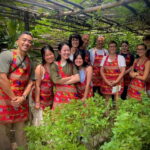
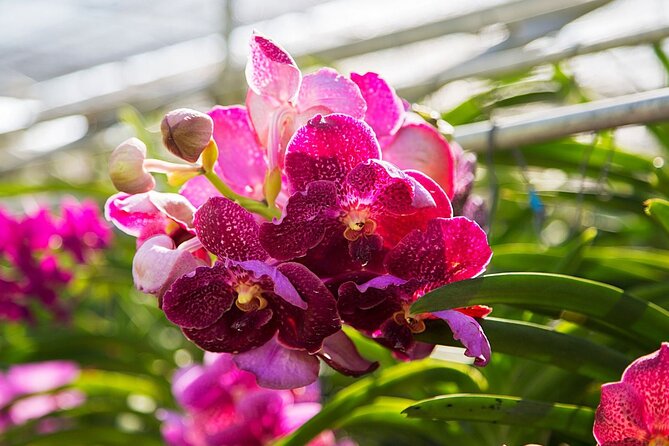
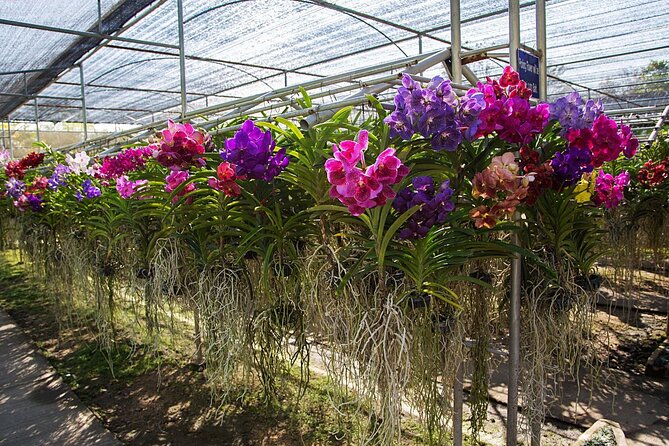
After the cave, Bai Orchid and Butterfly Farm is a nice tonal change. The setting is greenhouse-like, and you’ll see orchids plus butterflies moving around plants and flowers. This is one of those stops that works even if you’re not a hardcore nature person—because the visual payoff is instant and it’s a relatively low-pressure place to slow down.
One practical note: this stop is not included in the tour price (the ticket is separate). Also, based on feedback from past guests, the farm can be cash-only in Thai baht. If you don’t want your trip rhythm broken by ATM trips, just carry some baht.
This is also a good time to reset your energy for the ride back. You’ll likely appreciate the softer walking and the chance to take photos in brighter, easier conditions than the cave.
How the day flows (and where time can feel tight)
This is an 8-hour tour with a 9:00 am start, though your exact departure can be between 8:00–9:00 depending on group size. Pickup is offered from the Chiang Mai Old City area, and you return to the meeting point at the end.
The trip is paced for a group day, not a stay-all-afternoon countryside experience. That’s why the cave matters so much: it’s where you’ll spend your biggest effort, and it sets the tone for how tired you feel when you reach the orchid farm.
Some people also find the day benefits from bringing a plan for food. Meals aren’t included. In practice, you should expect some kind of lunch break, but you’ll need to cover it yourself.
If you dislike “rush energy,” do this:
- Eat a real breakfast before pickup.
- Bring a snack if you’re the type who gets cranky without one.
- Budget Thai baht for lunch and any snacks.
Price and value: is $52.18 a smart deal?
At about $52.18 per person, you’re paying for four big things bundled together:
1) transportation in an air-conditioned vehicle
2) pickup/drop-off in the Old City area
3) a licensed English-speaking guide plus local village and cave guidance
4) the Chiang Dao Cave entrance fee
That’s the core value. The cave itself is where admission is covered, and that can easily cost more than you’d expect once you’re standing there ready to go. Meanwhile, you still get cultural access to five hill tribe groups in the Chiang Dao area, which usually requires local knowledge and coordination.
The two “watch it” parts for value are:
- Bai Orchid and Butterfly Farm ticket isn’t included
- You’ll need to cover your own meal
So I’d treat the base price as the cost of the culture-and-cave engine, and then estimate extra spending for lunch and the orchid farm ticket. If you show up with a realistic cash plan, the $52.18 feels fair for what you get.
Guides, group size, and how to get the most out of it
This tour runs rain or shine, and it groups up to 15 travelers. A smaller group helps because you’re more likely to keep a good pace and actually hear the guide. It also helps in the cave, where crowding can make narrow sections feel worse.
Across different guide names shared in past experiences, one pattern shows up: the guides who have strong relationships locally tend to make explanations feel practical, not scripted. You’ll likely hear stories about local plants, village customs, and what daily life looks like beyond the “visitor viewpoint.”
My best advice for maximizing the day:
- Ask questions about daily life and plants, not just photos.
- Be patient during cave sections—speed here is not the goal.
- If you want crafts, ask what’s traditional and what’s just a product. That helps you buy thoughtfully.
Who should book this tour, and who should skip it
This is a good fit if you want:
- a day outside Chiang Mai city rhythm
- a real cave experience with lantern guidance
- culture stops that focus on hill tribe daily life at Ban Huai I-Ko
- a nature stop that isn’t just another market
It’s not a good fit if:
- you’re claustrophobic (the cave includes narrow crawl passages)
- you’re not comfortable walking on uneven cave terrain
- you hate tours where you might feel “sales pressure” at village stops (some places lean on purchases for support)
Moderate physical fitness is recommended. That doesn’t mean athletes-only. It means you should expect some effort—especially in the cave route.
Should you book Chiang Dao Cave & 5 Hill Tribe villages?
I’d book it if you want a one-day combo of cave adventure + hill tribe culture + orchid-and-butterfly calm. It’s one of those trips where the variety is the point: you won’t spend the whole day doing one thing, and you’ll get different types of memories.
Book it with a few smart expectations:
- Bring sturdy shoes and plan for tight cave sections.
- Carry Thai baht for the orchid farm ticket, tips, and small purchases.
- Budget for your own lunch.
If those boxes check out, this is a strong value way to see Chiang Dao beyond the main city lanes.
FAQ
What time does the tour start?
The tour starts at 9:00 am. The exact departure time can fall between 8:00–9:00 depending on how many people are booked on your date, and you’ll get the precise time by message the day before.
Do I get pickup and drop-off?
Yes. Pickup and drop-off are included for the Chiang Mai Old City area, and the tour ends back at the meeting point.
What’s included in the ticket price?
The price includes an English-speaking licensed guide, pickup/drop-off (Old City area), an air-conditioned vehicle, local guides at the villages, local guides at Chiang Dao Cave, and the Chiang Dao Cave entrance fee.
Is lunch included?
No. Meal costs are not included, so you’ll need to plan and pay for lunch yourself.
Do I need to pay extra for the orchid and butterfly farm?
Yes. The orchid and butterfly farm admission is not included, so you’ll need to buy that ticket separately.
What should I wear for Chiang Dao Cave?
Wear comfortable walking shoes and avoid flip-flops. The cave hike includes crawling and narrow passages, so wear clothes you’re okay getting a bit dirty.
Is the cave visit recommended if I’m claustrophobic?
No. The route includes two narrow passages where you need to crawl, and it’s not recommended for anyone who suffers from claustrophobia.
Does the tour run in the rain?
Yes, it operates rain or shine. Thailand showers often don’t last long, and the tour continues when weather improves. During rainy season, a raincoat or poncho is a good idea.
Can I cancel for a full refund?
You can cancel up to 24 hours before the start time for a full refund. Canceling less than 24 hours before the start time won’t be refunded.