REVIEW · CHIANG MAI
Chiang Mai: Elephant Sanctuary Local Hill Tribe Caretakers
Book on GetYourGuide →Operated by Johnny Boy Treks · Bookable on GetYourGuide
Elephants plus a waterfall hike means your day actually moves.
This Chiang Mai program pairs hands-on elephant care (feeding, walking, and bathing) with a calm, natural setting, then adds a 1-hour trek to Mae Wang Waterfall. You also get a look at day-to-day life in Karen and Hmong communities—more than a quick photo stop.
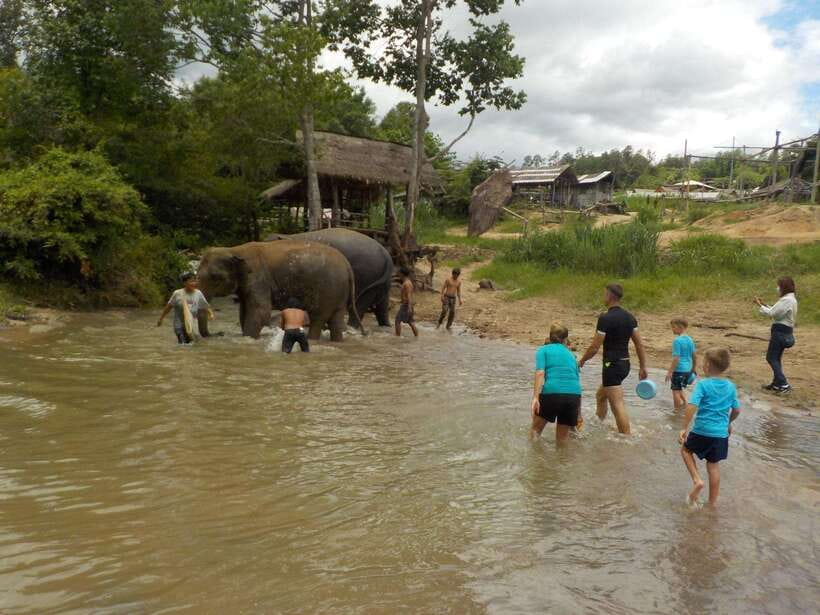
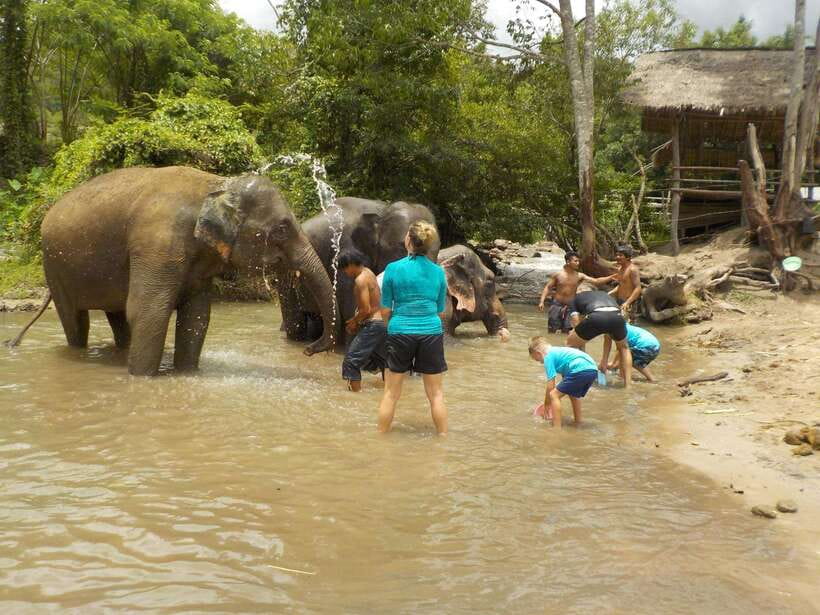
I especially love the focus on no rides and no shows. You’re meant to learn, help, and interact in ways that feel practical and respectful, including joining elephants in the river for a bath after a mud-bath moment. I also like that lunch is included, so you’re not scrambling for food right after getting wet and muddy.
One thing to keep in mind: timing can be a bit flexible. Pickup is scheduled from your hotel in the morning (8:00–8:30) or afternoon (11:30–11:45), and the return is listed around 2:00PM, but some groups may run longer than expected—so keep your evening plans loose.
In This Review
- Key reasons this Chiang Mai experience is worth your time
- Elephant care that feels built on respect, not tricks
- Getting to the camp: pickup windows and the reality of timing
- From meeting elephants to helping with care tasks
- The Mae Wang Waterfall hike: short, scenic, and good exercise
- Karen and Hmong community life: learning without turning it into a show
- Lunch in the sanctuary: a simple included win
- What to pack for elephant mud, river time, and a waterfall trail
- Who this suits best (and who should skip it)
- Price and value: what $51 buys you in real time
- Should you book Johnny Boy Treks for elephants and the Mae Wang hike?
- FAQ
- What is the duration of the Chiang Mai elephant sanctuary experience?
- What time does the pickup happen?
- How long is the drive to the elephant camp?
- Is lunch included?
- Is there a guide, and is it in English?
- What activities do you do with the elephants?
- What should I bring for the day?
- Who is this tour not suitable for?
- When do you return to Chiang Mai?
Key reasons this Chiang Mai experience is worth your time
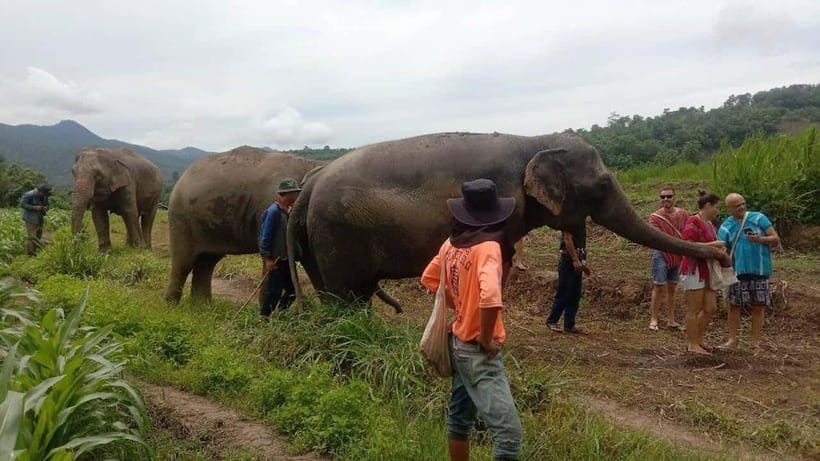
- Ethical, non-performative elephant time with feeding, walking, and bathing instead of rides
- River bath + mud play where elephants cool off naturally
- Mae Wang Waterfall hike that adds real movement beyond the elephant area
- Karen and Hmong community learning focused on how people live and work
- Transportation from Chiang Mai + lunch included, so it’s easy to fit in
- Plan for schedule wiggle and confirm your exact pickup spot
Elephant care that feels built on respect, not tricks
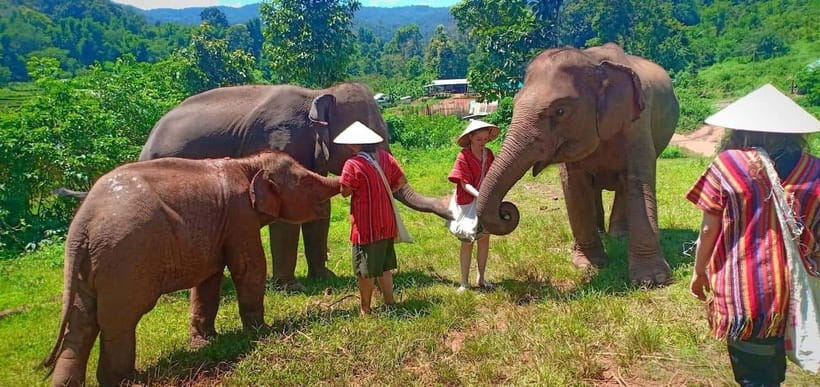
If you’ve seen the loud, ride-on-a-carousel style elephant tours, this kind of program feels like a different planet. The whole point here is a stress-free environment where you’re not treating elephants like an attraction. You help with care tasks, learn what to do, and spend time with elephants in a way that doesn’t rely on gimmicks.
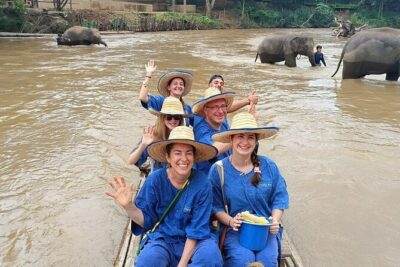
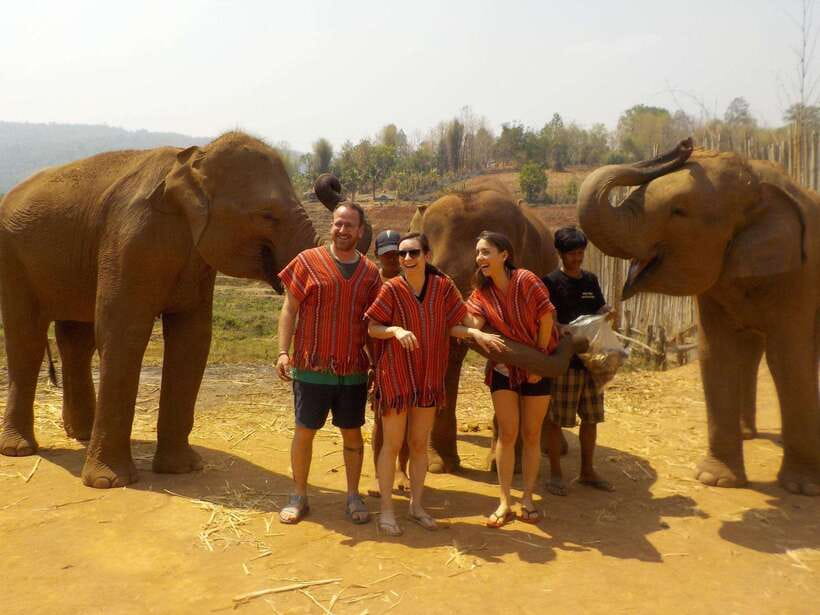
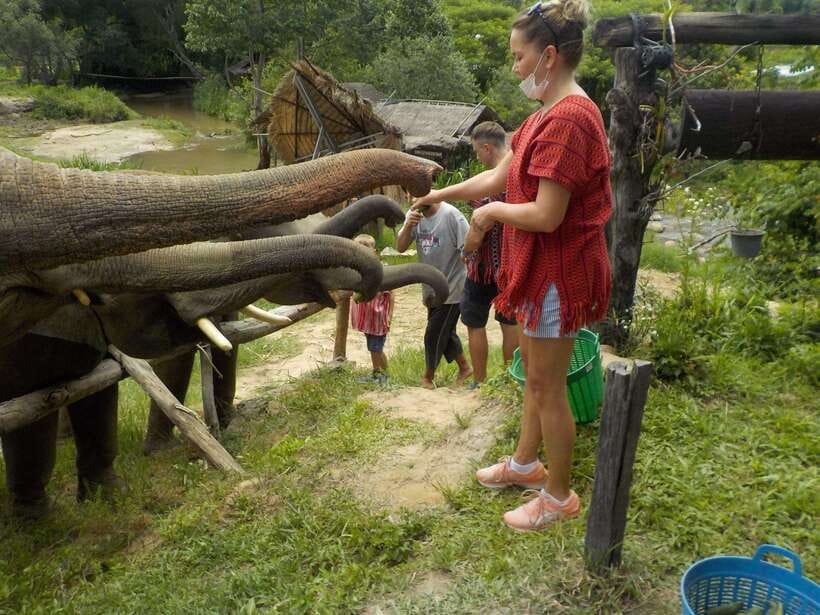
The activities are hands-on: feeding, walking alongside the elephants, and then getting into the picture for a bath in the river. There’s also a mud-bath moment where elephants cool off and protect their skin—one of those activities that looks simple, but actually matters. Elephants use mud to regulate comfort, and watching that behavior up close helps you understand why the setting is part of the experience, not an afterthought.
Also, pay attention to the rules you’re given. The experience includes guidance on how elephants behave and how to care for them. That’s important because “helping” can go wrong fast if you improvise. You want to follow instructions closely, not test what you think elephants want.
You can also read our reviews of more tours and experiences in Chiang Mai.



Getting to the camp: pickup windows and the reality of timing
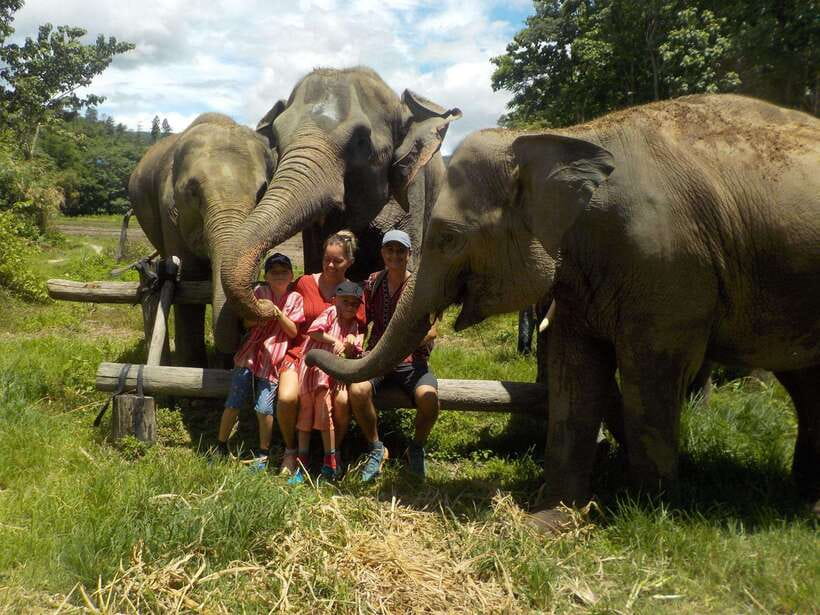
Your day starts with pickup from your hotel in Chiang Mai. Morning pickup runs between 8:00AM and 8:30AM, while an afternoon option runs between 11:30AM and 11:45AM. The ride to the elephant camp takes about 1 hour, so you’ll feel the travel time early.
The program is listed as 4 hours, and it typically returns to Chiang Mai around 2:00PM. Still, build in some slack. In practice, group pacing and activities can stretch the day, especially around the elephant time and the hike-to-waterfall portion. If you’ve booked a tight dinner reservation or a flight right after, you might want to rethink it.
One more practical tip: confirm your pickup details ahead of time. Pickup coverage depends on where your hotel is, and if your hotel address falls outside their pickup area, the experience may not go as smoothly as you expect. A quick message to confirm your meeting point can save a lot of stress.
From meeting elephants to helping with care tasks
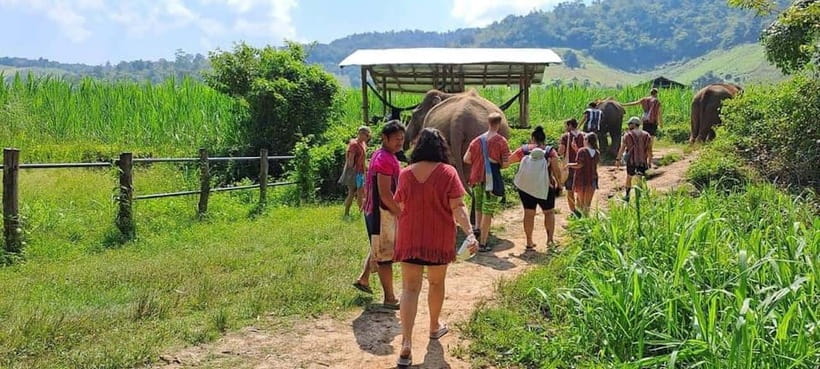
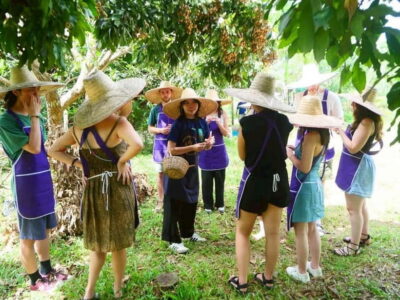
Once you arrive, you’ll meet the elephants and get oriented to the sanctuary’s mission. This isn’t just “stand over here, take photos.” You’re meant to learn how to take care of the elephants and understand behavior basics before you start helping.
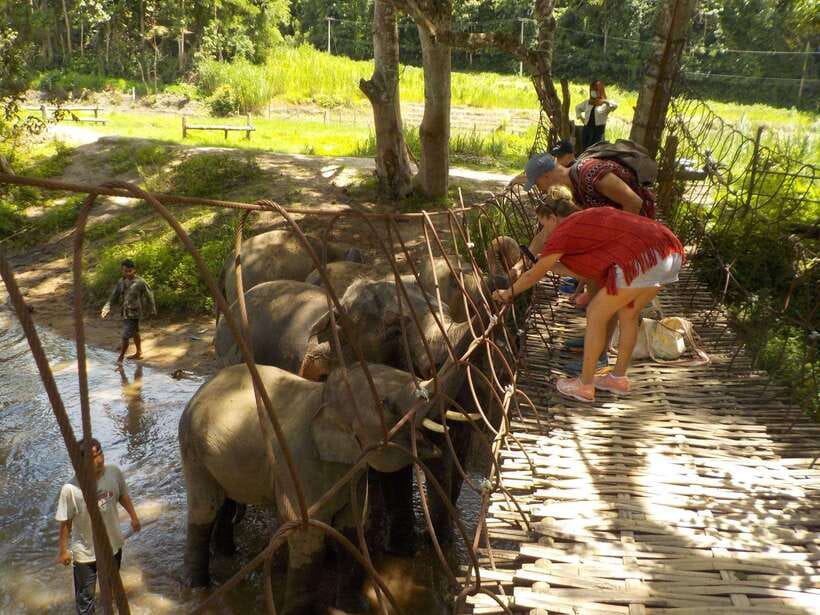
Feeding is one of the big moments. You’ll prepare and feed the elephants as part of the program, with guidance from your English-speaking tour guide. Walking comes next, which can be both calming and surprisingly active—because you’re moving with the group and keeping your attention on the elephants’ behavior and space.
Then comes the mud-bath section. You may help elephants enjoy a mud bath, which supports comfort and skin protection. It’s one of those activities that feels playful, but it’s also care work. After that, you head to the river and join elephants for a bath. This is where the “bring swimwear” part becomes real, not theoretical.
A helpful mindset: treat this like a guided care session, not a theme-park ride. If you come in calm and follow the guide’s lead, the day flows better for everyone.
The Mae Wang Waterfall hike: short, scenic, and good exercise
After the elephant time, you’ll get a 1-hour hike trek through lush forest to Mae Wang Waterfall. For many people, it’s the perfect contrast: you’ve spent the morning or late morning focused on animal care, and now you shift to moving through the countryside and working up a little appetite.
The hike is short enough to feel doable for a lot of adults, but it’s still a hike. Bring footwear that won’t turn annoying once you’re on uneven ground. If you only pack flip-flops, plan to keep them for after the water activities and carry something more stable for the trail.
The waterfall payoff is the whole point of this section. You’re not just walking for walking’s sake—you’re hiking to a specific destination. And because the trek is only about an hour, the hike stays focused rather than turning into an all-day endurance test.
Karen and Hmong community life: learning without turning it into a show
One standout feature is the cultural component. You’ll explore the way of life of local Karen and Hmong communities as part of the experience. This matters because it shifts the trip from a single-topic animal encounter into a broader view of the region.
Still, keep your expectations grounded. The only promise here is that you’ll learn and observe community life. There aren’t details provided about specific stops, performances, or markets, so don’t show up expecting a full cultural itinerary. What you can expect is a more grounded connection to the people linked to this landscape and sanctuary work.
I like trips that connect you to the human side of conservation. When you understand how local communities live and contribute, elephant care stops feeling like a standalone “animal day” and starts feeling like part of a bigger picture.

Lunch in the sanctuary: a simple included win
You’ll enjoy a traditional Thai meal during the program. Since lunch is included, you don’t have to hunt for food between stops while you’re still wet from the river and trying to dry off.
It’s also a welcome pause. The day includes elephant care, mud, a river bath, and a hike. Having a proper sit-down meal in a peaceful sanctuary setting helps you reset before heading back to Chiang Mai.
If you’re sensitive to spicy food, it can still be worth mentioning your preferences to the guide before ordering. You’ll be happier if lunch supports recovery instead of adding a surprise heat wave.
What to pack for elephant mud, river time, and a waterfall trail
This is one of those tours where your packing list directly affects comfort. Here’s what you should bring:
- Swimwear (you’ll join the elephants for a river bath)
- Change of clothes (you will get wet)
- Towel
- Camera
- Sunscreen
- Flip-flops (useful for water time and after)
- Insect repellent
Also, don’t bring anything that turns into a problem. Smoking isn’t allowed, and alcoholic drinks in the vehicle aren’t allowed. There’s also a “no feeding animals” rule listed—so stick to what the guide and staff instruct for the elephant feeding portion, and don’t start tossing snacks to other animals on your own.
If you’re the type who loves perfect photos, consider timing your camera use around the quieter care moments. The day moves, so you don’t want to miss the actual experience by constantly filming.
Who this suits best (and who should skip it)
This is not for everyone. It’s not suitable for:
- Children under 2 years
- Pregnant women
- People with back problems
Those limits make sense given the combination of a hike and the physical realities of getting into river bathing and mud play. Even if you’re comfortable in the water, the day still involves movement, time outdoors, and an active schedule.
This program is best for adults and older kids who:
- Want a non-commercial approach to elephants
- Don’t need rides or staged performances to enjoy the experience
- Are okay getting wet and muddy
- Want a nature component beyond the elephant area
If you’re looking for an easy, fully cushioned day with zero physical effort, this probably isn’t it.
Price and value: what $51 buys you in real time
At $51 per person for a 4-hour program, the value comes from the mix of included elements. You’re paying for:
- Round-trip transportation from Chiang Mai
- Elephant care time with guided instruction
- River bathing and mud-bath participation
- A 1-hour hike to Mae Wang Waterfall
- A traditional Thai lunch
- An English-speaking live tour guide
When those parts are bundled together, it becomes more than just a “cheap elephant experience.” The big value is that you’re not only there to watch—you’re there to help, learn, and participate in a guided setting. That matters if ethics and animal welfare are part of your decision.
The only price-related caveat is schedule variability. The program is listed as 4 hours, but the flow can run longer depending on the group and day. If you’re trying to optimize every minute of a packed itinerary, that’s worth factoring in.
Should you book Johnny Boy Treks for elephants and the Mae Wang hike?
I’d book this when you want an elephant encounter that’s built around care and natural behavior, not entertainment. The combination of elephant feeding, walking, and river bath time plus the Mae Wang Waterfall hike makes it feel like a full experience, not a rushed stop.
I’d pause and ask extra questions before booking if:
- Your hotel may fall outside the pickup area, or you can’t clearly confirm pickup details
- You have tight timing for the rest of your day
- You need an itinerary that avoids hiking and wet activities
If you’re flexible and you want a more meaningful day in Chiang Mai, this is a strong choice.
FAQ
What is the duration of the Chiang Mai elephant sanctuary experience?
The program is listed as 4 hours.
What time does the pickup happen?
Pickup from your hotel in Chiang Mai is in the morning between 8:00AM and 8:30AM, or in the afternoon between 11:30AM and 11:45AM.
How long is the drive to the elephant camp?
The journey to the elephant camp takes about 1 hour.
Is lunch included?
Yes. Lunch (a traditional Thai meal) is included in the price.
Is there a guide, and is it in English?
Yes. There is a live tour guide, and the tour is available in English.
What activities do you do with the elephants?
You can feed the elephants, walk with them, and join them in a river bath. You also help with a mud-bath moment.
What should I bring for the day?
Bring swimwear, a change of clothes, a towel, a camera, sunscreen, flip-flops, and insect repellent.
Who is this tour not suitable for?
It’s not suitable for children under 2 years, pregnant women, and people with back problems.
When do you return to Chiang Mai?
The tour returns to Chiang Mai around 2:00PM.