REVIEW · CHIANG MAI
CHIANG MAI ELEPHANT VILLAGE SANCTUARY JUNGLE ADVENTURE
Book on GetYourGuide →Operated by Elephant Village Sanctuary · Bookable on GetYourGuide
Elephants first, culture second, and you cool off later. This Chiang Mai Elephant Village Sanctuary outing mixes quiet jungle time with Karen village life, plus scenic stops that make the drive feel like part of the adventure. What I like most is getting to meet the elephants in their jungle home with mahout supervision, and then sharing a proper village lunch with Ken Palasu and his family. One thing to consider up front: elephant riding isn’t allowed, and the day has clear rules for keeping the experience safe and calm.
I also like that the day is paced for small groups, so you can actually watch behavior instead of rushing through a checklist. You’ll walk rice fields, change into traditional Karen outfits before your jungle time, and get a chance to cool off at a waterfall before the elephants move through the river area. If you’re coming for photo moments, you’ll get plenty—but flash photography is not allowed.
In This Review
- Key highlights you’ll actually remember
- A jungle day near Chiang Mai that feels more human than manufactured
- The morning drive: markets, coffee breaks, and scenery that builds slowly
- Dok Ko Ki Karen village: culture and calm before the elephant moment
- Walking into the elephant area: what gentle contact really looks like
- The “up-close” part, with built-in safety
- A detail worth noting from real experiences
- Waterfall cool-down and river time: the day’s most refreshing segment
- Lunch with Ken’s family: the best kind of ending
- Price and value: what you’re paying for at $48
- What to watch for: rules that shape your experience
- Who this is best for (and who should reconsider)
- Should you book the Chiang Mai Elephant Village Sanctuary Jungle Adventure?
- FAQ
- What time is pickup in Chiang Mai?
- How long is the tour?
- What does the price include?
- Will I be able to ride the elephants?
- Is there a chance to swim?
- What should I bring?
- Are there restrictions on photos or behavior?
- Is lunch provided?
Key highlights you’ll actually remember
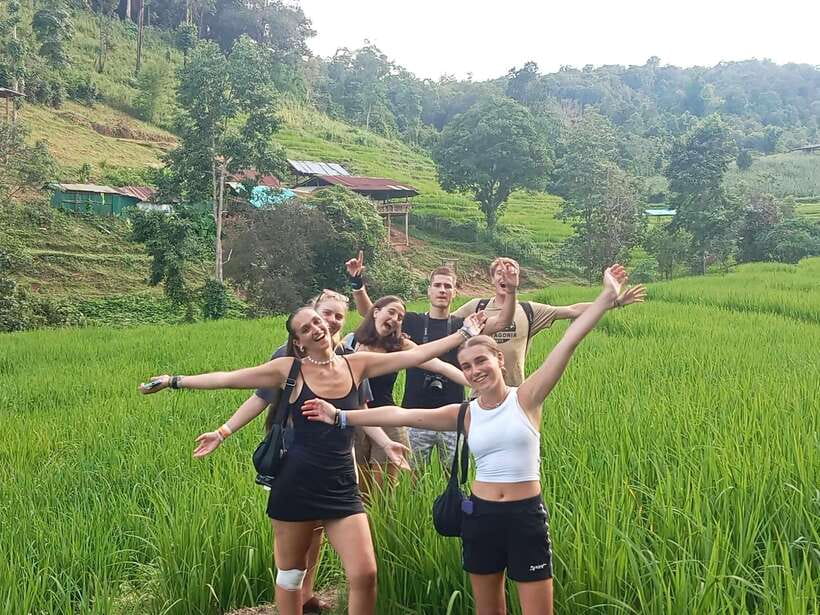
- Karen village first, elephants second: You start with Dok Ko Ki village life and rice-field walking before the elephant meeting.
- Small-group elephant time: Up-close observation happens under mahouts’ supervision, with limited crowd pressure on the animals.
- No riding, no tricks: You’re there for gentle contact and watching behavior, not sitting on elephants.
- Jungle views that start on the road: Rice fields, rivers, waterfalls, and mountain scenery show up throughout the day.
- Waterfall + river cool-down: You get a trek to a waterfall pool, then time around the elephants near the river.
A jungle day near Chiang Mai that feels more human than manufactured
If you’ve done the usual elephant stop where everything feels rushed, this one works differently. The day is built around a real family setting: you’re welcomed into Karen village life, then you spend your elephant time in the jungle area where the herd moves naturally. That structure matters because it changes your frame of mind. You’re not just arriving to take photos. You’re learning why the elephants are treated as living beings, with care and attention built into daily routines.
And yes, you’ll still get the moments you came for. You can watch elephants feeding on lush foliage, see how they interact, and observe how they cool down in the river area. You’ll also get traditional outfit time, which turns the village visit from a quick stop into something more respectful and practical—your regular clothes are less likely to get ruined by mud and brush during the walk.
You can also read our reviews of more tours and experiences in Chiang Mai.

The morning drive: markets, coffee breaks, and scenery that builds slowly
Your day starts with hotel pickup in Chiang Mai Province, with pickup at 7:30 am. You’ll ride out of the city toward the mountains, and the scenery does a nice job of easing you into the day rather than dropping you into “tour mode” immediately.
Along the way, you stop for a small-town coffee break, then you visit a fresh market where you can browse vegetables and meat. It’s a straightforward way to see how people in the outskirts live, and it’s also a good sensory reset from the city. A helpful detail: many locals speak a northern Thai dialect here, so you might hear patterns of speech that sound different from what you’re used to in central Thailand.
Then the road keeps changing the view—green rice fields, villages, and the start of the mountain range in the distance. For photography people, this section is where your camera actually earns its weight. You’ll see wide open fields and river-and-hill shapes long before you reach the jungle area.
Dok Ko Ki Karen village: culture and calm before the elephant moment
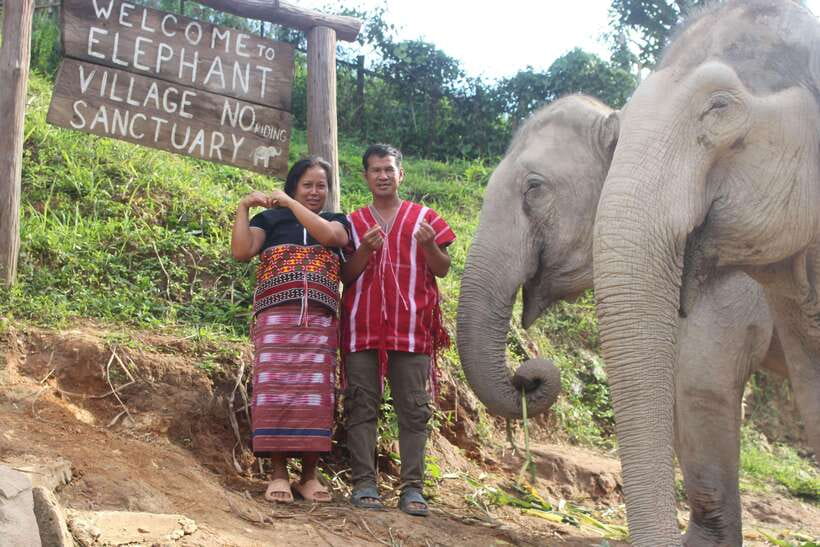
Once you drive off the beaten track, you arrive at the Karen village, Dok Ko Ki. This is where the day becomes more than an elephant encounter. You walk through rice fields to your meeting place and get to see everyday village life rather than just scenery.
There’s also a short but memorable briefing from the owner, Ken Palasu, about his family, village, and the elephants. The goal isn’t to drown you in facts. It’s to give you the mindset to watch and understand what you’re seeing. You’ll hear elephant facts that are surprising enough to stick in your head later, especially if your previous elephant experiences were mostly about performances or rides.
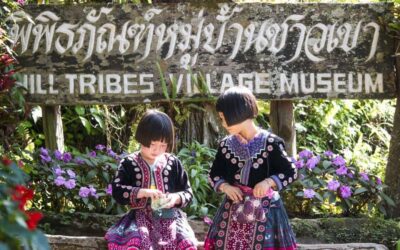
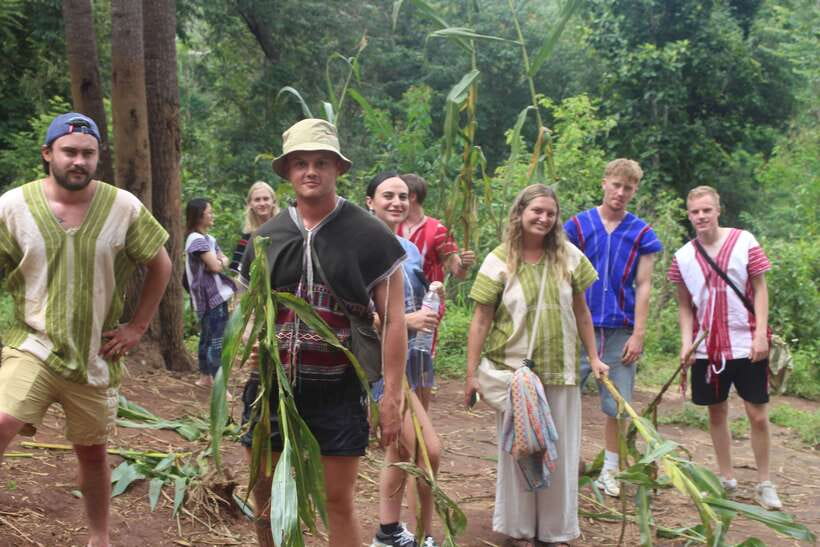
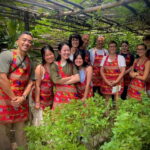
Then you’ll change into traditional Karen outfits before your walking jungle safari. Practical note: this isn’t just for photos. It helps keep your clothes clean during the walks. That matters if you hate the idea of returning to your hotel with a shirt that looks like it survived a minor mud war.
Walking into the elephant area: what gentle contact really looks like
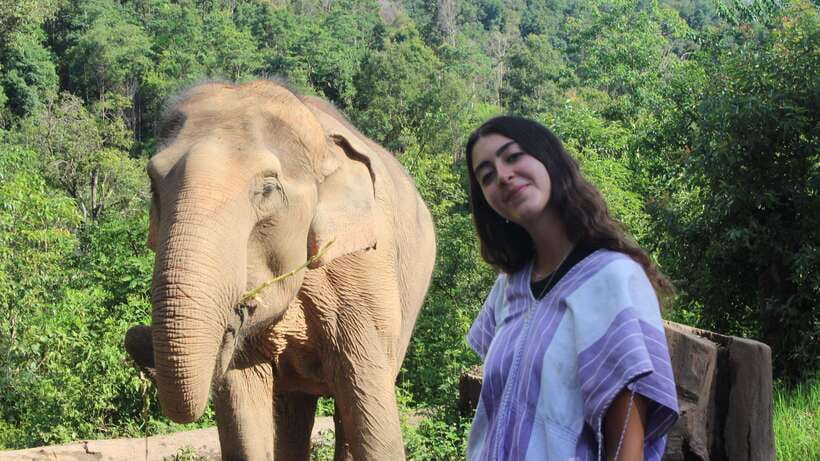
Here’s the key detail: you don’t meet the elephants immediately at the village. Their home is in the jungle, so there’s a short lead-in walk first. That works in your favor. It lowers the suddenness of the moment, and it gives you time to notice the environment—plants, paths, and the quiet rhythms of a place that isn’t built for constant crowds.
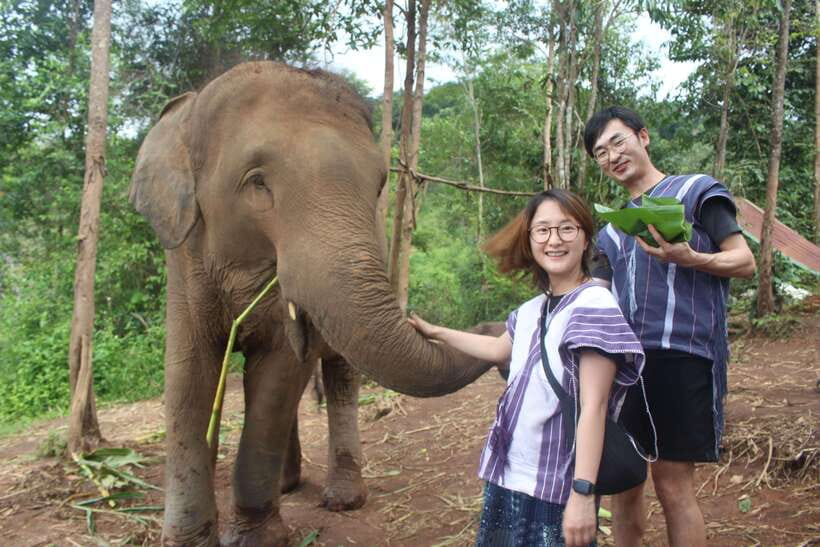
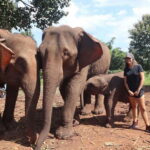
When the elephants arrive, you’ll see them feasting on lush foliage. Depending on timing, they may show playful behavior. The point is that you’re observing living routines, not staged entertainment.
The “up-close” part, with built-in safety
You’ll interact with the elephants under the mahouts’ supervision. The tour is designed for small groups so you can get direct contact without stressing the animals. That’s the difference between seeing elephants as props versus seeing elephants as guardians of their own space.
Also, elephant riding isn’t allowed. This is a meaningful boundary. It can disappoint anyone who wants that classic photo of themselves on an elephant. But if you care about being respectful and seeing elephants behave normally, you’ll probably appreciate the approach more than you expect.
A detail worth noting from real experiences
In at least one small group experience tied to this sanctuary, the herd was described as roaming freely in a jungle area around 25 hectares, without being kept in stalls and without wearing chains. That kind of setup usually supports calmer animal behavior, and it fits with what you’re told about keeping contact low-stress.
Waterfall cool-down and river time: the day’s most refreshing segment
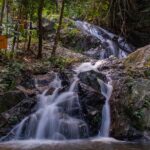
After your elephant time, you trek to a waterfall. This is your “cool off” break, with a pool where you can swim. Even if you don’t swim, it’s a welcome change of pace—shade, water sounds, and a chance to shake off the heat before the elephants move nearby again.
Then the elephants await you as they’re frolic in the river area. This is where you’ll see another side of their everyday life. Elephants spend a lot of time managing their skin and comfort, and watching them cool down naturally gives you a better appreciation for how gentle they can be when you’re calm and quiet.
You may also help them clean themselves when they voluntarily come close. That word—voluntarily—matters. You’re not forcing contact. You’re responding to what they choose.
Lunch with Ken’s family: the best kind of ending
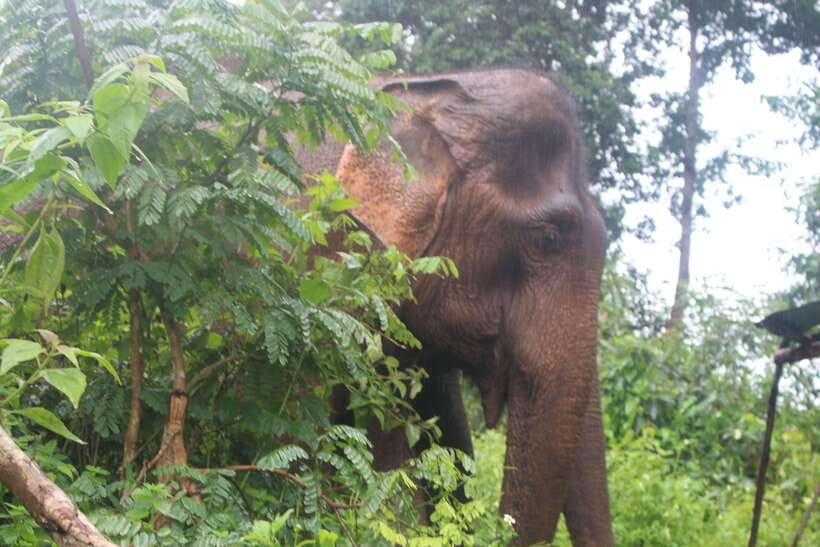
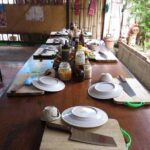
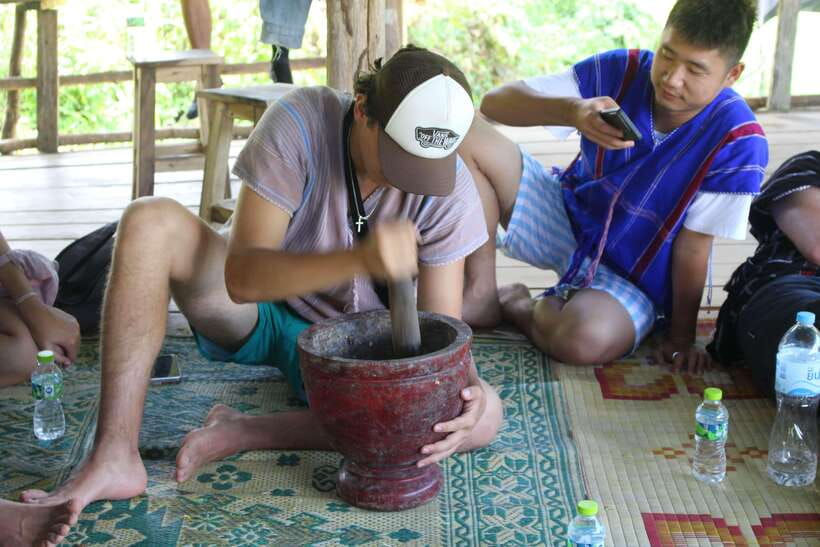
After the river segment, you get local lunch prepared by Ken’s family. This is one of those “small” parts that ends up being big, because it turns the day from sightseeing into hospitality. You’ll share stories and laughter with your group, and you’ll probably feel less like a visitor and more like you were invited.
The day also includes bottled water, shower facilities, and the transition back toward Chiang Mai afterward. That shower detail is underrated after a jungle day—especially if you’ve been near water and foliage.
Price and value: what you’re paying for at $48
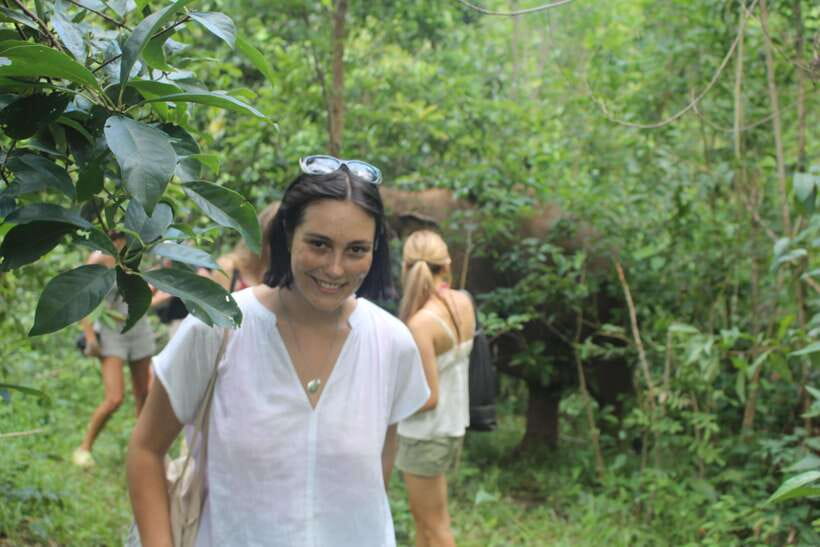
At $48 per person for a 6-hour day, you’re paying for more than transportation and lunch. The fee goes toward elephants’ upkeep after expenses, and that wording matters. It signals that your money isn’t just covering logistics—it’s supporting care.
You’re also getting:
- hotel pick-up and drop-off
- transportation out to the village and back
- an English-speaking guide (Owner: Ken Palasu)
- traditional Karen outfits
- elephant food and additional provisions
- insurance
- bottled water, local lunch, and shower facilities
If you compare this to elephant experiences where the animal’s role is more about entertainment, you can see where the value comes from: here, you’re mainly there for observation, safe contact, and education in a family-run sanctuary setting.
Still, it’s worth matching expectations. If you want a fast, “see-everything-in-30-minutes” day, this isn’t that. It’s a slower, more grounded day—better for people who like learning how and why animals are cared for.
What to watch for: rules that shape your experience
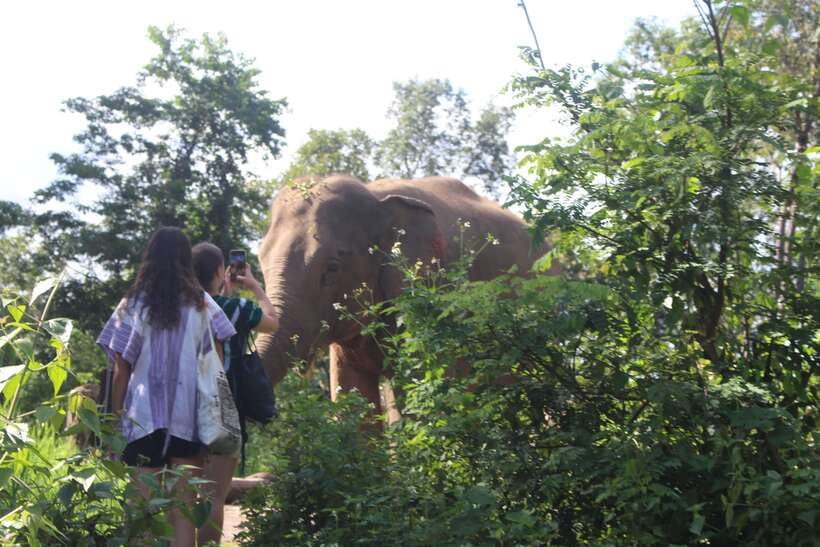
This tour comes with clear behavior limits, and they’re there for a reason. You’re expected to keep things calm and respectful.
Not allowed:
- intoxication
- flash photography
- alcohol and drugs
- making noise
- making fire
- nudity
- unaccompanied minors
- riding the animals
Practical translation: keep your voice low, avoid sudden movements, and plan your photos without flash. If you depend on nightlife-level lighting for pictures, you’ll want to adjust your expectations and rely on natural light.
What to bring:
- personal medication
That’s it in the basics, which suggests the tour handles the “comfort gear” side with water, lunch, and shower facilities.
One more practical tip: bring yourself in a state where you can be flexible. This is a jungle day with walking and water. Even if the schedule is steady, the order of how animals move can affect timing slightly. Staying calm makes the experience better for everyone.
Who this is best for (and who should reconsider)
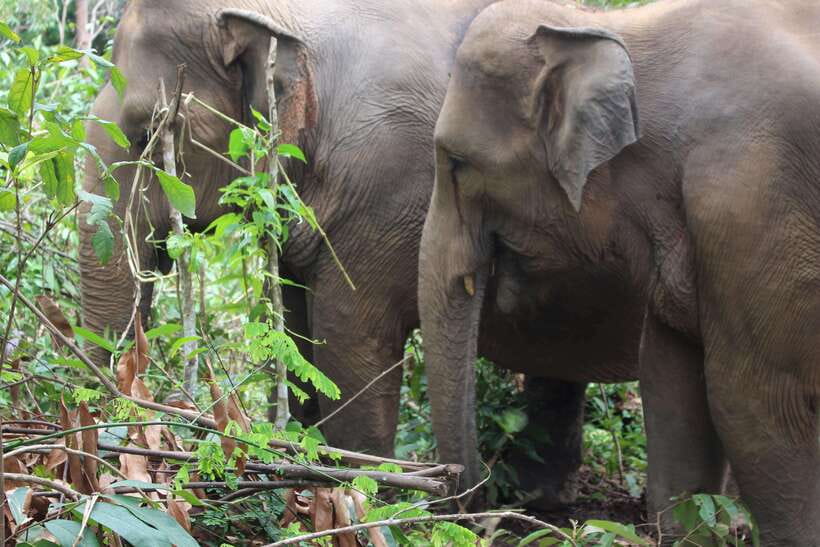
This works best if you:
- want a sanctuary-style elephant day that emphasizes gentle interaction and behavior
- like cultural stops that include real village life, not just a quick photo moment
- enjoy scenery and walking: rice fields, jungle paths, and a waterfall pool
- are okay with rules like no flash and no riding
It may not be the best fit if you:
- came specifically for elephant riding photos
- dislike early starts and a full morning-to-afternoon schedule
- need constant entertainment-style action rather than quiet observation
Also, if you’re sensitive to the idea of being around wild-nature environments, remember this is a jungle setting with natural surfaces and water sections. You’ll be outdoors the whole time.
Should you book the Chiang Mai Elephant Village Sanctuary Jungle Adventure?
I think it’s a solid choice if your goal is a more respectful elephant experience that includes real cultural context and actual time outdoors. The elephant care angle is central here, and the day is paced to keep you watching rather than rushing.
Book it if:
- you want Ken Palasu-led storytelling and a family-style welcome
- you’re excited for rice fields, village life in Dok Ko Ki, and a waterfall pool
- you’re happy to skip riding in exchange for calmer animal interaction
Skip it or ask extra questions first if:
- you’re expecting a ride-based, thrill-focused elephant activity
- you’re counting on specific photo styles that require flash
- you strongly prefer purely urban comfort the whole day
If you want your Chiang Mai elephant time to feel grounded, this is one of the better ways to spend a half-day in the hills.
FAQ
What time is pickup in Chiang Mai?
Pickup is at 7:30 am at your hotel reception. You should wait near the reception area so the driver can find you.
How long is the tour?
The experience lasts about 6 hours.
What does the price include?
The price includes pickup and drop-off, transportation to the village, an English-speaking guide (owner Ken Palasu), elephant food, bottled water, shower facilities, and local lunch, plus insurance. The fee also goes toward elephants’ upkeep after expenses.
Will I be able to ride the elephants?
No. Riding the animals is not allowed.
Is there a chance to swim?
Yes. After the elephant portion, you trek to a waterfall and can cool off and swim in the pool.
What should I bring?
Bring any personal medication you need.
Are there restrictions on photos or behavior?
Yes. Flash photography is not allowed, and you must avoid intoxication, alcohol and drugs, noise, making fire, and nudity.
Is lunch provided?
Yes. You’ll have a local lunch prepared by Ken’s family as part of the day.