REVIEW · CHIANG MAI
Chiang Rai, Golden Triangle and Long Neck Karen
Book on Viator →Operated by Bravo Indochina Tours · Bookable on Viator
Private Golden Triangle day. You get a focused northern Thailand loop with Long Neck Karen culture, hill-tribe stops, and the border atmosphere around Mae Sai, plus museum time and Chiang Saen’s riverside past.
What I like most is how the day is handled like a proper tour, not a hop-on hop-off scramble: private transport, a live English-speaking guide, and hotel pickup/drop-off in Chiang Rai. The best part is the human pace—guides like Sandy and Susie are described as giving constant narration and keeping everything organized, with the flexibility to adjust if your pickup location changes last minute.
One possible drawback: the Long Neck Karen visit can come with a heavy sales push. One experience called it a grueling gauntlet where you’re harangued to buy overpriced trinkets, so if shopping pressure makes you uncomfortable, go in with a plan to politely say no.
In This Review
- Key things you’ll notice on this Chiang Rai Golden Triangle tour
- Why the Golden Triangle loop works from Chiang Rai
- Pickup, timing, and how the day actually flows
- Mae Chan: easing into northern rhythm
- Akha Hill Tribe time: learning names and local identity
- Mae Sai border town: shopping, viewpoints, and Tachileik connections
- House of Opium museum: facts behind the Golden Triangle story
- Chiang Saen: Thailand’s oldest city by the river
- Long Neck Karen village visit: respect, expectations, and shopping pressure
- Guides make or break this kind of busy day
- Price and value: what $129-ish gets you (and what it doesn’t)
- Who this tour fits best in your Chiang Rai plan
- Should you book this Chiang Rai Golden Triangle and Long Neck Karen tour?
- FAQ
- How long is the tour?
- Is pickup included?
- Is this a private tour?
- What’s included in the price?
- What isn’t included?
- Do I get admission to the stops?
- Is there live commentary during the tour?
- Is mobile ticketing used?
- Is it refundable if I cancel?
- What happens if the weather is bad?
Key things you’ll notice on this Chiang Rai Golden Triangle tour

- Private transportation + hotel pickup makes the stops feel connected instead of stressful
- Live English narration helps you understand what you’re seeing in Mae Sai, the opium museum, and beyond
- Free entry on key visits lowers the “hidden costs” worry
- Hill-tribe encounters include Akha village time (and a Long Neck Karen stop)
- Golden Triangle education comes through via the House of Opium museum in Chiang Rai
- Chiang Saen river-town time rounds out the day with a historic setting
Why the Golden Triangle loop works from Chiang Rai
If you’re basing yourself in Chiang Rai, this kind of day tour makes sense. You’re not spending half the day figuring out logistics; you’re using that time to see the border region, the cultural villages, and a major historical site connected to the Golden Triangle story.
The itinerary also fits a common travel pattern in northern Thailand: you start with village life, then move toward border commerce, and end with context—Chiang Saen’s historic role and an opium-focused museum. Even if you only have a short window, you come away with a clearer map of how these places connect.
You can also read our reviews of more tours and experiences in Chiang Mai.



Pickup, timing, and how the day actually flows
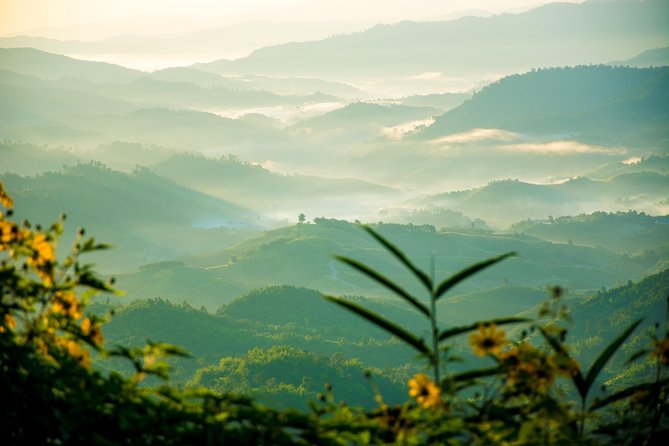
The tour runs about 8 hours (with the day naturally stretching if your pickup timing and traffic need extra room). It’s designed as a private tour for your group only, with private transportation and bottled water included, so you’re not stuck with long waits and awkward group regrouping.
In Chiang Rai, hotel pickup and drop-off are included. If you’re starting from Chiang Mai instead, plan on a $120 surcharge per booking—that extra cost matters, because it can erase some of the budget advantage.
A nice detail: each main stop is time-boxed (many are around 1 hour each), which helps you cover more ground without feeling like you’re trapped in one place too long. Still, treat the day as “packed,” not “relaxed”—you’ll want comfortable shoes and a low-friction attitude.
Mae Chan: easing into northern rhythm
Mae Chan is the opening stop, giving you a gentle first landing in the Chiang Rai province area. You’re there for about an hour, enough time to reset, get oriented, and transition from travel time into “this is where locals live and work.”
Because this is an early stop, it’s also where your guide’s narration tends to set the tone. If you ask a question early—about local life, agriculture, or the border region—you’ll get context that makes the later stops easier to understand.
Akha Hill Tribe time: learning names and local identity
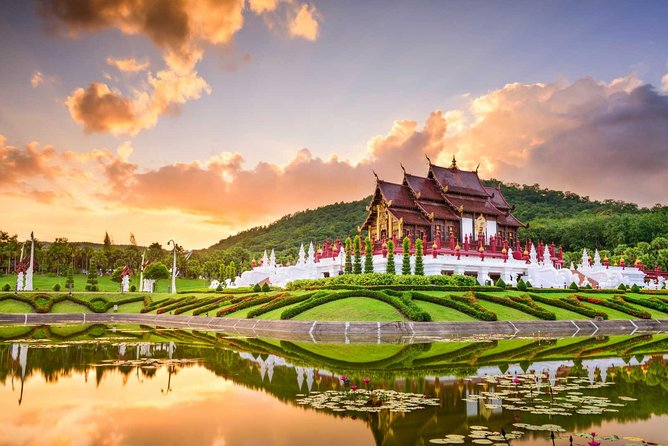
Next comes Akha Hill Tribe time, also described as the Akha Gaw or E-gaw. The important nuance here is that those are names the Akha don’t like, which tells you something: identity and labels matter, and the way people describe themselves isn’t always the way outsiders do.
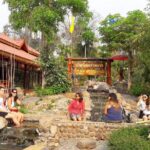
This stop lasts about an hour, so you’re not expecting a full academic course. But you will get the human side of northern Thailand—daily life, local culture, and the kinds of traditions that draw visitors while also shaping what’s shown to them.
Practical tip: keep your questions respectful and direct. If you want to photograph, ask first and follow the guide’s cues on what’s appropriate. That small move helps everyone—and it keeps the visit from turning into a one-way performance.
Mae Sai border town: shopping, viewpoints, and Tachileik connections
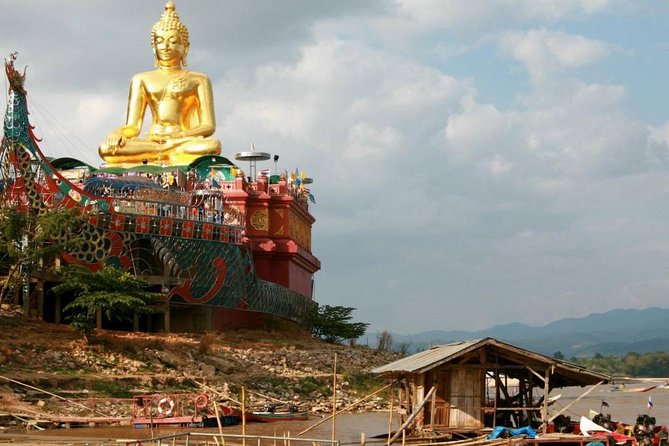
Mae Sai is the border-market moment. This is where you feel the pull of trade—Mae Sai is often described as the place connected to entering Burma and visiting the border town of Tachileik.
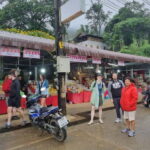
You’ll usually have about an hour here, and the market angle is a major part of the experience. The upside is variety and bargaining energy; the trade-off is that you need to stay sharp on quality and pricing. If you want “cheap” souvenirs, you can find them, but cheap doesn’t always mean durable.
If the day’s timing allows, you might also get time for a viewpoint experience in Mae Sai (one guide-led day included a Mae Sai skywalk). Ask your guide what’s feasible that day so you don’t burn your only hour spinning your wheels.

House of Opium museum: facts behind the Golden Triangle story
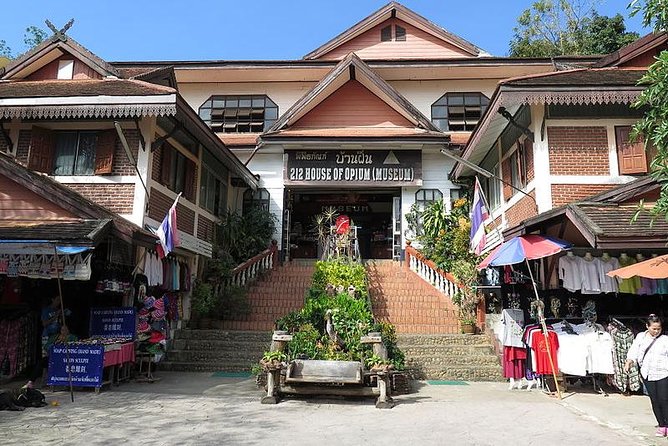
Then comes the House of Opium, set at the Golden Triangle Park area. It’s presented as a museum where exhibitions focus on opium—what the trade meant, how it shaped the region, and why the Golden Triangle became infamous.
This part is about education, and it’s also where you shift from “places I’m visiting” to “story I’m trying to understand.” A one-hour museum visit isn’t long, but it’s a solid starter package for making sense of the headlines people hear about this region.
Practical note: museums are easiest when you take your time with the labels and ask your guide to point out the most important themes. Don’t rush; this is the stop that helps the rest of the day feel less like a checklist.
Chiang Saen: Thailand’s oldest city by the river
Finally, you reach Chiang Saen, described as Thailand’s oldest city and a beautiful river town. This is a useful contrast to the border-and-trade energy earlier in the day. Even if you’re just walking around and soaking in the atmosphere, Chiang Saen gives the sense that this region isn’t only about conflict and commerce—it’s also about long-term settlement and river life.
Expect about an hour here. It’s enough time to see the vibe, take a few photos, and let your guide tie the history together—how the border area connects to older Thai cities and how the Golden Triangle story fits into the wider timeline.
If you like river towns, this stop can be one of the most calming. You’ll also have the “aha” feeling that comes when your day stops being random and starts being a narrative.
Long Neck Karen village visit: respect, expectations, and shopping pressure

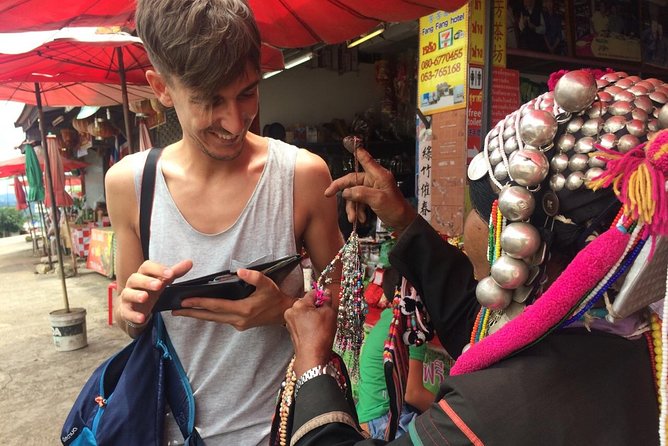
The Long Neck Karen stop is the most emotionally complicated part of this tour. The program includes a visit under the Golden Triangle and Long Neck Karen theme, and at least one experience described it as a grueling gauntlet—older villagers haranguing visitors to buy handmade trinkets.
Here’s the balanced way to handle it: treat it as a cultural encounter, but don’t confuse the encounter with a guaranteed charity situation. If shopping starts to feel pushy, you can be polite and firm. You’re allowed to decline purchases; you’re also allowed to step back when you’ve heard enough sales talk.
Practical approach:
- Keep your camera and attention focused on what you came for, not on repeated sales prompts.
- Ask your guide how to behave if visitors are approached; good guides will keep things smooth.
- If you’re traveling with kids or you dislike pressure sales, consider whether this is the right fit for you.
The tour’s structure means you don’t have to linger. Your guide should keep the day moving so you can get the cultural context without getting stuck in a sales loop.
Guides make or break this kind of busy day
A big reason this tour scores so high is the human handling. In multiple accounts, guides named Sandy and Susie were praised for nearly continuous narration and for keeping things comfortable and on schedule. Another guide mentioned was Mr. Kom, described as friendly and patient, with extra helpfulness that made the day feel well managed.
That matters because a day like this has moving parts: markets, villages, a museum, and a historic river town. You don’t want awkward pauses or vague explanations. With live English commentary, the stops connect—and you understand what you’re looking at instead of guessing.
One small caution: if you’re hoping for detailed history storytelling at a very high depth, you may wish the English presentation had been even stronger in one experience. Still, the overall feedback points to clear guidance and strong organization.
Price and value: what $129-ish gets you (and what it doesn’t)
At $129.06 per person, this isn’t a “bare bones” experience—and that’s the point. You’re paying for a private vehicle, an English-speaking guide, bottled water, and hotel pickup and drop-off in Chiang Rai. You also get admission entries included for the stops listed with ticket-free access and the opium museum where admission is included.
Alcohol isn’t included, so plan on soft drinks or purchase decisions on your own. If you start from Chiang Mai, the $120 pickup surcharge per booking is the big variable that changes the math.
Value tip: if you were to DIY this route, you’d spend money on transport (and probably more time than you want). Even if you only care about two or three “must sees,” the included transport and admissions make this feel like a cost-controlled way to cover more.
Also watch for the “packed day” effect. You’re buying efficiency, which can be great—just don’t book this when you’re already exhausted or planning to add heavy activities afterward.
Who this tour fits best in your Chiang Rai plan
This is a good match if you want a guided snapshot of northern Thailand in one day. It suits:
- First-timers who want the Golden Triangle area without sorting out border logistics themselves
- Culture-minded travelers who like hill-tribe visits and museum learning
- People who prefer private comfort over group schedules
It might not be ideal if:
- You strongly dislike markets or shopping pressure moments
- You want a slow, contemplative day with lots of downtime
- You’re sensitive to situations where you may feel prompted to buy
If you’re flexible, this tour’s structure is helpful. You’ll start with village culture (Mae Chan + Akha), hit the border-market energy (Mae Sai), learn through a museum (House of Opium), then close with Chiang Saen’s historic river setting.
Should you book this Chiang Rai Golden Triangle and Long Neck Karen tour?
I’d book it if you want a private, efficient way to see Chiang Rai’s Golden Triangle region with included admissions, a guide who provides live narration, and a route that balances markets, culture, and history.
I’d pause and read your comfort level carefully if you already know you dislike sales pressure or if the Long Neck Karen segment sounds like your least favorite kind of travel moment. You can still make it work—bring a polite “no,” rely on your guide to keep things moving, and focus on the learning side of the visit.
Bottom line: for the price, the combination of private transport, English narration, and included entry fees makes it good value—just go in with your expectations set for a busy day and a culturally complex visit.
FAQ
How long is the tour?
The tour runs about 8 hours (approx.), depending on timing and how the day moves.
Is pickup included?
Yes. Hotel pickup and drop-off in Chiang Rai are included. If you need pickup from Chiang Mai, there is a $120 surcharge per booking.
Is this a private tour?
Yes. It’s a private tour/activity, and only your group participates.
What’s included in the price?
Private transportation, bottled water, an English-speaking guide, admission tickets/entries, and hotel pickup and drop-off in Chiang Rai.
What isn’t included?
Alcoholic beverages are not included.
Do I get admission to the stops?
Yes. Admissions are included, including free entry for the stops listed as free and admission included for the House of Opium museum.
Is there live commentary during the tour?
Yes. You’ll listen to live commentary throughout the excursion.
Is mobile ticketing used?
Yes. A mobile ticket is included.
Is it refundable if I cancel?
No. The experience is non-refundable and cannot be changed for any reason.
What happens if the weather is bad?
The tour requires good weather. If canceled due to poor weather, you’ll be offered a different date or a full refund.