REVIEW · CHIANG MAI
Full Day Experience at Ran-Tong Save & Rescue Elephant Centre
Book on Viator →Operated by Ran-Tong Save & Rescue Elephant Centre · Bookable on Viator
Elephants, without the showy tricks. At Ran-Tong Save & Rescue Elephant Centre in Mae Taeng, I like the hands-off feeding and walking, and I also like the chance to help make vitamins for elephants who are pregnant, injured, or older. The only real downside is you should expect to get sweaty, wet, and a bit dirty during the care and habitat time.
The day runs about 8 hours, with a hotel pickup from Chiang Mai city and a drive of roughly an hour to the centre. This is run for a small group of up to 15 people, so the schedule feels calmer than the big bus-style elephant tours.
You’re not here for a circus performance. You’re here for real elephant observation and respectful care, with plenty of time to watch how these animals move and interact on their own terms.
In This Review
- Key things that make this elephant day work
- From Chiang Mai to Mae Taeng: the ride that sets the tone
- Mahout-Style Karen clothing and your elephant-school orientation
- Making vitamins for pregnant, injured, and older elephants
- Meet and observe: the pace is set by the elephants
- Lunch break near elephants: Thai food, fruit, and vegan options
- The elephant walk in their natural habitat
- What to pack: clothes you won’t stress about
- Price and value: what you’re really paying for
- Who should book this Ran-Tong elephant observation day
- Should you book it?
- FAQ
- How long is the Ran-Tong elephant observation experience?
- Do you get pickup from Chiang Mai city?
- How far is the centre from Chiang Mai?
- Is elephant riding included?
- What do you do when you arrive at the centre?
- Is lunch included, and what’s it like?
- Can vegan diets be accommodated for lunch?
- What should I bring with me?
- What is the cancellation policy?
Key things that make this elephant day work
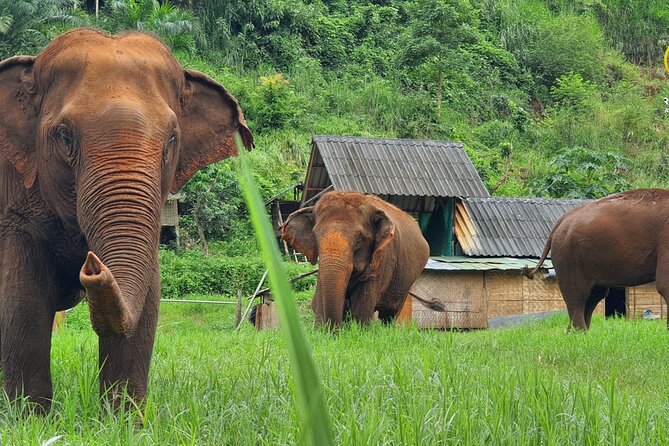
- Hands-off elephant observation focused on watching and respectful care, not riding
- Vitamin prep for elephants in need, including pregnant, injured, and older elephants
- Mahout-style Karen clothes for a more hands-on understanding of daily care routines
- Thai lunch with seasonal fruit plus drinking water, with options like vegan meals handled well
- Natural habitat walking where the pace is set by the elephants, not a stage schedule
From Chiang Mai to Mae Taeng: the ride that sets the tone
Your day starts with pickup from your hotel or accommodation in Chiang Mai city. From there, you’ll head toward Mae Taeng District, and the drive takes about an hour. It’s long enough to reset your brain from city traffic, short enough that you don’t feel like you’ve been “in transit” all day.
What I like about this setup is that it gives you time to arrive with the right mindset: you’re going to be outdoors, moving around, and focusing on the elephants rather than cramming in quick photo stops. Also, a smaller group matters. When you’re only up to 15 people, it’s easier for staff to keep the day paced calmly.
One practical thing: you’ll likely start wearing the practical mindset early. Even before the centre, plan for humidity and changing light. A camera is great, but also remember that the best elephant moments often happen when you stop trying to frame the perfect shot.
You can also read our reviews of more tours and experiences in Chiang Mai


Mahout-Style Karen clothing and your elephant-school orientation
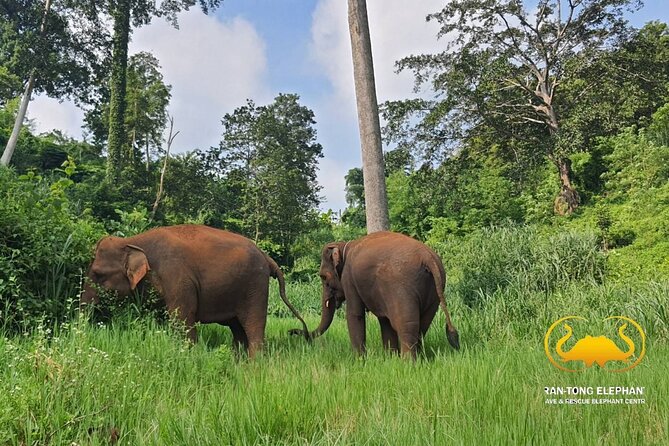
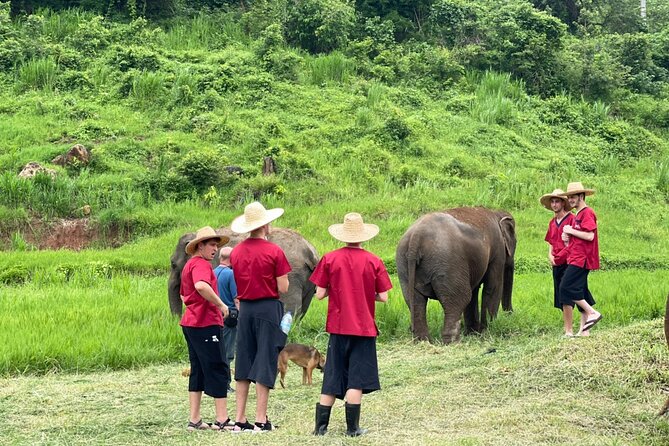
When you arrive at Ran-Tong, you change into Mahout-style Karen clothes. This is more than a costume step. It’s part of the daily rhythm of how caretakers present themselves around the elephants and how the centre explains their work.
Next comes the elephant school portion. This is where you learn about the centre itself and the elephants you’ll spend time with later. That context matters because it helps you understand what you’re seeing—like why some elephants may need extra care, why routines look different for different animals, and why “hands-off” isn’t just a slogan.
You’re also being trained to behave appropriately around elephants. That means you’re not just standing at a fence with a group holding up phones. Instead, you’re learning how to participate respectfully, then following the flow of the caretakers.
The small group size again helps here. You’re more likely to get questions answered and explanations that actually land, rather than a fast talk-through while everyone shuffles toward the next photo moment.
Making vitamins for pregnant, injured, and older elephants
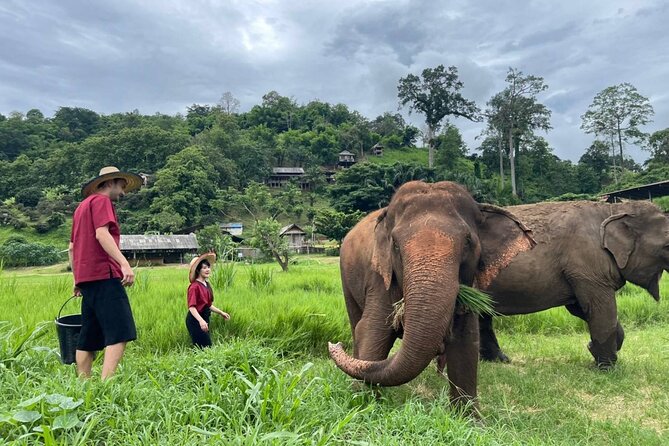
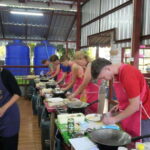
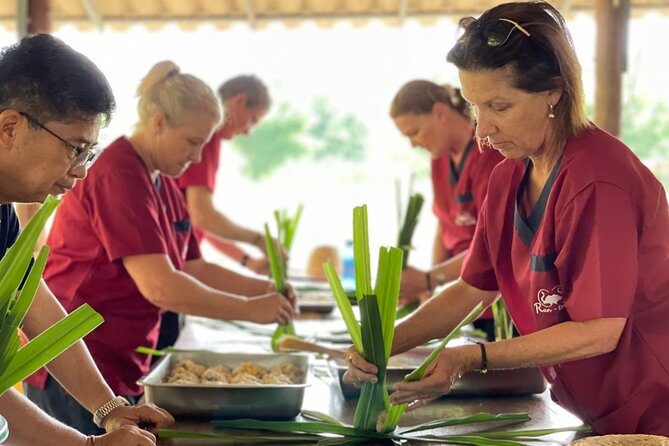
One of the most meaningful parts of the day is helping make vitamins for the elephants—specifically including elephants who are pregnant, injured, or older. This is the kind of task that turns your interest in elephants into something practical.
Here’s why it’s valuable for you: it shifts your focus away from entertainment and toward care. Instead of asking, What tricks will I see? you’re thinking, What do these elephants need today? That change makes the whole experience feel more respectful and more grounded.
Also, it’s not just “feeding time.” You’re part of a preparation process. Even if you’re not doing it perfectly, you’re participating in the work that supports long-term welfare.
One thing to keep in mind: hands-on care tasks can be messy. The centre encourages you to bring spare clothes and things to wash up afterward, which is a clue that this isn’t a dry, tidy photo session. If you hate dealing with laundry after tours, pack smart and you’ll be fine.
Meet and observe: the pace is set by the elephants
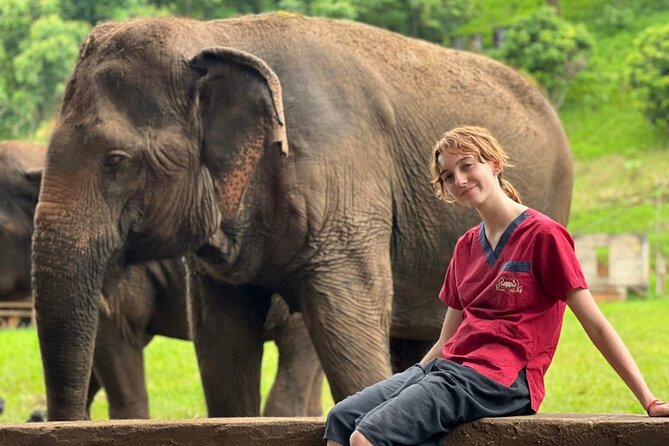
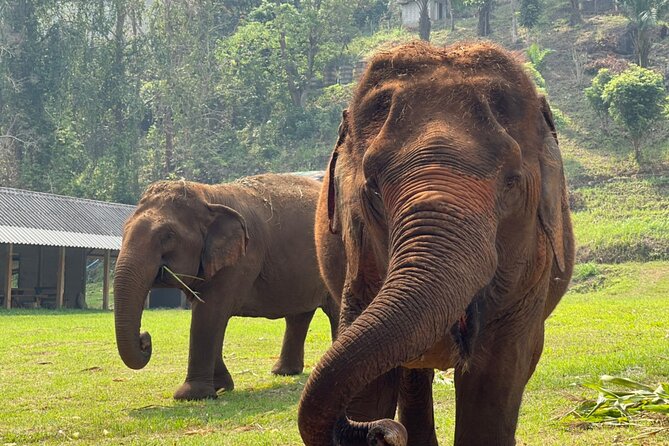
After your orientation, you meet the elephants and start observing their behavior. This is where you slow down. You watch how elephants move, how they respond to people, and how they settle into their routines. The experience is built around being near them while still keeping the interaction ethical and controlled.
The day includes feeding as well, but the key is that it’s framed as respectful care—not an activity where you dominate the moment. I like that this program is explicit about staying away from riding or exploitation. You get to see the elephants as animals with personalities and needs, not props.
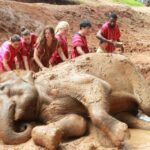
Some participants also describe additional care interactions during the day, like giving gentle massage, and even helping with medicine tasks. That fits the overall idea of caretaking rather than performance. Still, don’t expect the exact same activities to feel identical every day. The centre’s workflow depends on the elephants’ needs that day.
For your own comfort, keep your expectations simple: give yourself time to notice details. Elephants can be subtle. A calm moment might be more interesting than the one big splash-photo.
Lunch break near elephants: Thai food, fruit, and vegan options
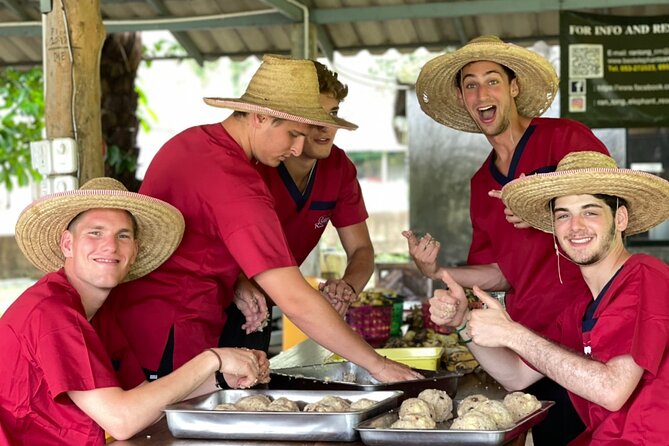
At some point during the day, you’ll get lunch. It’s Thai food, served with seasonal fruits and drinking water. In my opinion, that’s a good balance after hours of outdoor time, especially because it’s not just bread-and-snacks style.
One real value point from the experience accounts: the team can accommodate vegan diets for lunch. That’s not something every elephant tour manages well, and it helps you feel cared for instead of quietly worrying about what you’re allowed to eat.
There’s also mention of a snack along with lunch. After moving around and doing care tasks, a little extra fuel helps. You’ll likely want the energy for the next part of the day: walking and observation time.
A practical note: if you’re sensitive to spicy food, it’s worth going with a cautious approach and letting staff know what you prefer. The lunch is part of the schedule, so you’ll want to feel good enough to keep going.



The elephant walk in their natural habitat
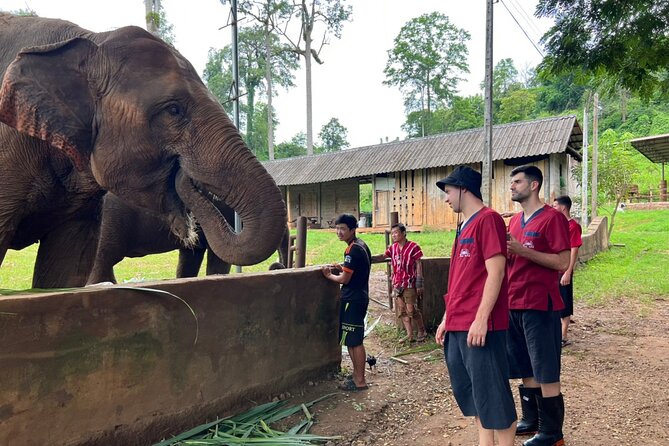
Then comes the walk time. You’ll walk with the elephants and observe them in their natural habitat. This is the part most people picture when they think of a sanctuary day, and it’s also where your body needs to be ready.
The walking isn’t a theme-park stroll. Expect uneven ground, time spent outdoors, and the real possibility of getting your shoes dirty—based on what the centre recommends you bring. If you wear brand-new sneakers that you baby, you’ll regret it.
What I like about this section is that it stays aligned with the ethical purpose. The goal isn’t to pose on a schedule. The goal is to experience how elephants live, move, and react in their environment—while following the caretakers’ lead.
For best results, try not to rush to filming. Look with your eyes first. Wait for the elephants to decide what pace they want. When you give them that space, the moment usually becomes more interesting.
What to pack: clothes you won’t stress about
The centre gives you clear guidance on what to bring, and I agree with it. You should bring spare clothes, comfortable shoes, and sandals that you don’t mind getting wet and dirty. Also pack shampoo and soap, plus a camera.
Don’t forget bug protection. Bring mosquito spray or insect repellent. You’ll be outside for a full day, so a small bottle is worth it.
Here’s a simple packing strategy:
- Pack one “good outfit” you only wear for travel to and from the centre
- Pack one set you’re fine getting messy
- Wear shoes you can walk in for a few hours
And yes, bring a towel if you’re the type who likes to feel human again. The day is designed to be hands-on, so plan for cleanup.
Price and value: what you’re really paying for
The price is $90.86 per person for a full day of ethical elephant observation. That’s not cheap, but it’s also not trying to undercut the real costs of animal welfare work.
You’re paying for a full structured experience: pickup, the drive out to Mae Taeng, changing into Mahout-style Karen clothes, elephant school time, help with vitamin preparation, lunch with fruits and water, plus the walk and observation time. You’re also paying for a small group setup—maximum 15 travelers—so the day isn’t frantic.
You’ll also likely see booking demand. The average booking window is about 42 days in advance, which suggests this isn’t a last-minute impulse plan. If you want a specific date, start earlier rather than later.
In plain terms: this is value if you want a respectful, meaningful elephant day. It’s less value if you mainly want a fast photo stop with the biggest “wow” visuals. This program is about care and observation, not spectacle.
Who should book this Ran-Tong elephant observation day
This experience is a good fit if you want an ethical elephant sanctuary style day in the Chiang Mai area and you’re okay with being active outdoors. You’ll enjoy it most if you like learning how animal care works and you’re interested in elephants as individuals with different needs.
It’s also a strong choice for people who don’t want the usual circus-style elephant interaction. If you’re sensitive to that kind of thing, you’ll appreciate that this program focuses on respectful, hands-off behavior and care tasks.
I’d think twice if you have very limited mobility or you’re uncomfortable walking on uneven ground. Also, if you hate getting dirty, pack for mess or choose a different kind of tour.
A practical bonus: a small group makes it easier to ask questions and stay focused on the elephants, which is exactly what you want when you’re paying for an animal welfare experience.
Should you book it?
If your priority is a meaningful, ethical day with elephants—plus actual care tasks like making vitamins, a real orientation, and time to observe in their natural setting—then I think this is a solid choice. The small group size, the hands-off approach, and the structured day give it more substance than “stand and pose” tours.
Book it if you’re excited to learn, watch closely, and accept that the day will involve getting wet, dirty, and outside for hours. Skip it if you only care about riding-style experiences or quick photos and you’re not interested in the care side of conservation.
FAQ
How long is the Ran-Tong elephant observation experience?
It runs for approximately 8 hours.
Do you get pickup from Chiang Mai city?
Yes. Pickup from your hotel or accommodation in Chiang Mai city is offered.
How far is the centre from Chiang Mai?
The drive to Ran-Tong Save & Rescue Elephant Centre in Mae Taeng District is about 1 hour.
Is elephant riding included?
No. The program is described as hands-off and not involving riding or exploitation.
What do you do when you arrive at the centre?
You change into Mahout Style Karen clothes, then start an elephant school where you learn about the centre and the elephants.
Is lunch included, and what’s it like?
Lunch is included. It includes Thai food, seasonal fruits, and drinking water.
Can vegan diets be accommodated for lunch?
Yes. One of the experiences mentioned that vegan diets could be accommodated for lunch.
What should I bring with me?
Bring spare clothes, comfortable shoes, sandals you do not mind getting wet and dirty, shampoo and soap, a camera, and mosquito spray or insect repellent.
What is the cancellation policy?
Free cancellation is available up to 24 hours in advance of the experience start time for a full refund.