REVIEW · CHIANG MAI
4-Hour Doi Suthep & Hmong Hill Tribe Village from Chiang Mai
Book on GetYourGuide →Operated by Touring Center · Bookable on GetYourGuide
Half-day, mountain-stupa, and Hmong village in one loop. This tour strings together Wat Phra That Doi Suthep and the Doi Pui Hmong Hill Tribe Village, plus Chiang Mai viewpoints that feel like a world above the city. You’ll also get a guide who helps you read what you’re seeing, not just where to walk.
Two things I really like: you get the sacred Doi Suthep experience with a guided temple walkthrough and a huge panorama from the terrace, and you get context from a museum stop at Doi Pui before you wander through the village. In a small group capped at 9, guides like Pae and Kai can actually answer your questions, point out details, and help with photos.
One drawback to weigh: the temple visit includes 309 steps (though there’s a cable car option), and the overall outing isn’t a good match if you have mobility or back issues, or if you prefer minimal walking. Dress code matters too: shoulders and knees need to be covered for temple areas.
In This Review
- Key points I’d put first
- Why Doi Suthep Belongs on Your Chiang Mai Checklist
- Morning vs Afternoon Pickup and How the Timing Works
- Doi Pui Hmong Hill Tribe Village: Museum, Walks, and Market Reality
- Wat Phra That Doi Suthep: 309 Steps, Cable Car, and the Best Photo Moments
- What the Guide and Driver Change in Real Life
- Price and Value: Is $36 a Good Deal?
- What’s Included vs What You’ll Need to Bring or Pay
- Practical Packing for Chiang Mai Heat and Temple Rules
- Who This Tour Fits Best (and Who Should Skip It)
- Should You Book This Doi Suthep and Hmong Village Tour?
- FAQ
- How long is the tour?
- What time is pickup in Chiang Mai?
- Do I have to climb the 309 steps at Wat Phra That Doi Suthep?
- What’s included in the price?
- What should I wear for this tour?
- Is this tour suitable for people with mobility issues?
Key points I’d put first
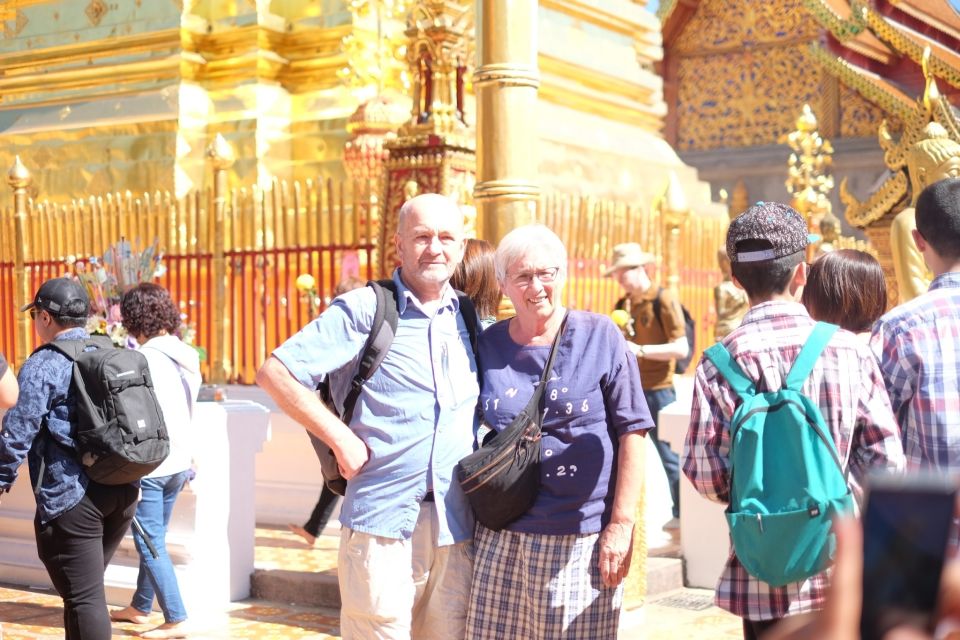
- Wat Phra That Doi Suthep: stupa visit plus panoramic views over Chiang Mai
- 309 steps or cable car: choose the effort level that fits you
- Doi Pui Hmong village museum first: better understanding before you browse the market
- Small group size (max 9): more attention from the guide and easier pacing
- Air-conditioned 9-seat minivan plus cold water and a refreshing towel
Why Doi Suthep Belongs on Your Chiang Mai Checklist
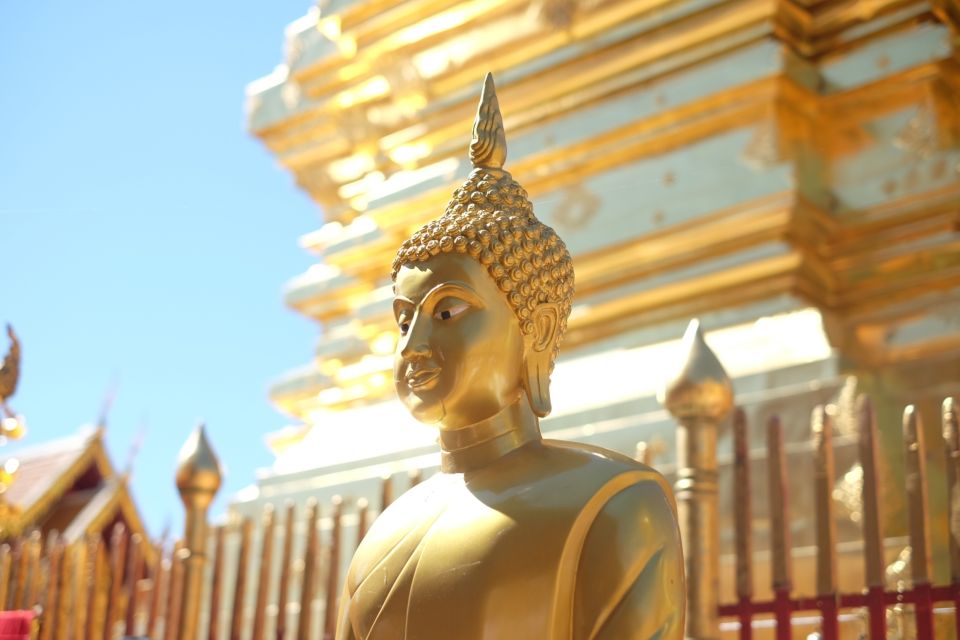
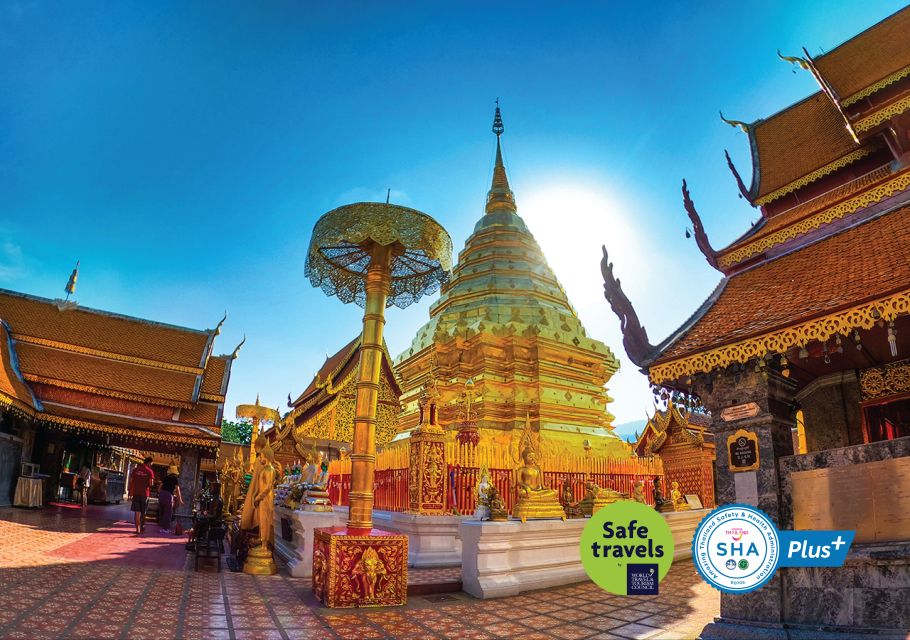
Doi Suthep is one of those places that doesn’t feel like a “quick stop.” Wat Phra That sits high in the Doi Suthep–Pui National Park area, and once you reach the terrace, Chiang Mai spreads out below like a map you can finally interpret.
The tour also gives you the symbols and meaning behind what you’re looking at—especially around the stupa area, where a Buddha relic is honored. It’s not just pretty temple architecture. It’s a living religious site, and the guide helps you spot what matters: how people move through the space, what details mean, and why Doi Suthep is a pilgrimage destination.
You can also read our reviews of more tours and experiences in Chiang Mai.



Morning vs Afternoon Pickup and How the Timing Works
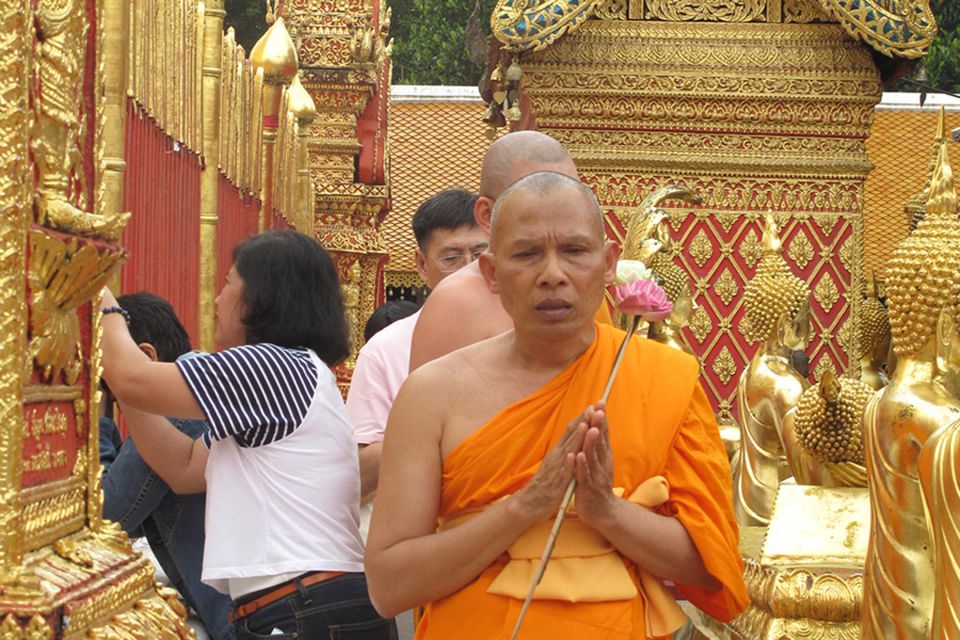
You’ll be picked up from your hotel lobby in Chiang Mai (within 6 km of the 3 Kings Monument). There are two departures: a morning pickup from 08:00–08:30 and an afternoon pickup from 13:00–13:30.
Morning typically means you return around noon. Afternoon typically means you return around 5:00 p.m. Either way, the day feels like a focused loop: you start with a cultural orientation at the village, then you head to the temple before the trip winds back down to the city. For many people, that’s the sweet spot—enough time for meaningful walking, but not so much you lose your whole day.
Doi Pui Hmong Hill Tribe Village: Museum, Walks, and Market Reality
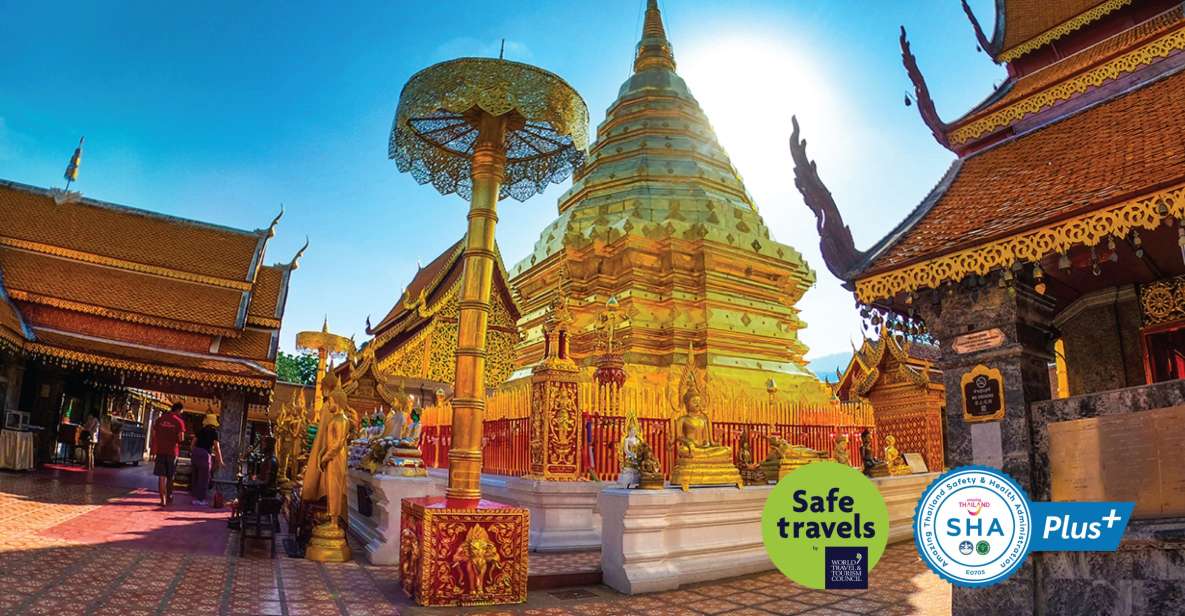
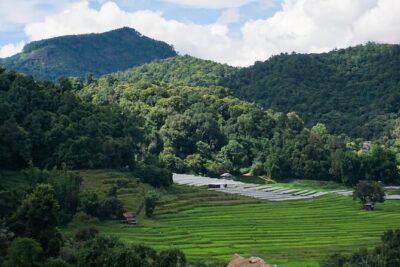
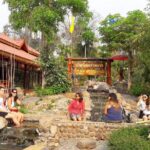
The first mountain stop is Doi Pui Hmong Hill Tribe Village (Doi Pui). You don’t just arrive and wander. You start with the hill tribe museum, which helps you understand daily life, traditions, and the reasons behind what you’ll see next.
Then you can explore the village, including areas where you’ll find crafts, textiles, and small-market browsing. This is also where the experience can feel most “real” and personal—homes, shop fronts, and everyday routines all sit side by side. One practical tip: expect sales and souvenir shopping, including jewelry and silver ring pitches. If you’re not shopping, you can still enjoy the walk, but it helps to keep your wallet attitude calm and not feel pressured.
One review highlight that matches what the route suggests: the village stops often include a chance to taste local snacks and treats. Expect the usual tourist-friendly options (like dried mango), and you may run into sweet fruit options with a surprise chili kick.
Wat Phra That Doi Suthep: 309 Steps, Cable Car, and the Best Photo Moments
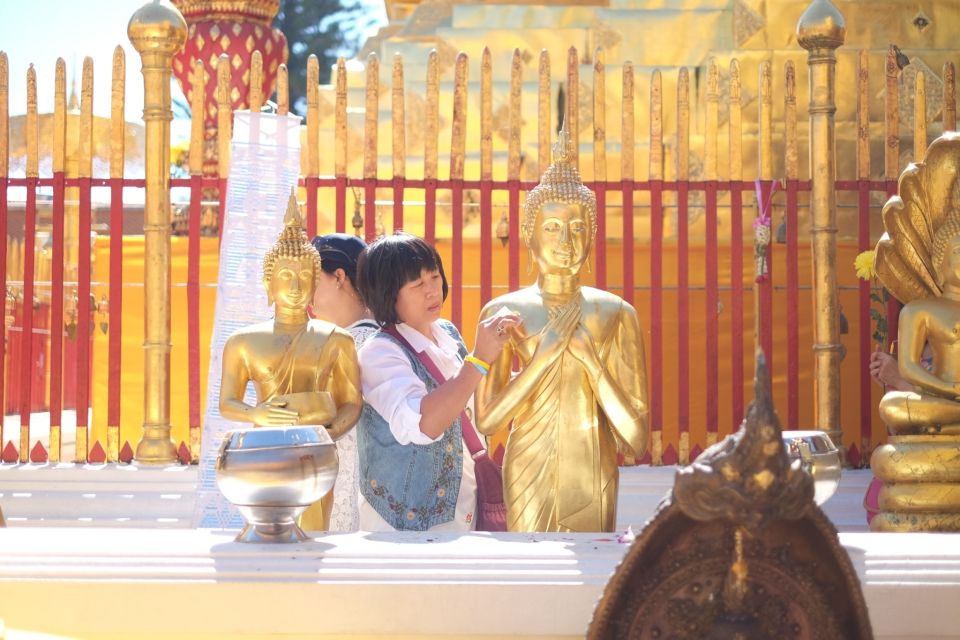
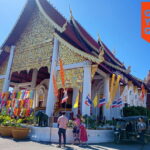
Next comes Wat Phra That Doi Suthep. You’ll follow the flow up toward the hilltop stupa—traditionally by walking. The famous part is the 309 steps, which can be as much of a spiritual ritual as a workout.
If stairs aren’t your thing, the tour includes cable car entry, so you can skip part of the climb. That’s a huge value point because it keeps the visit from turning into “either suffer or miss the view.”
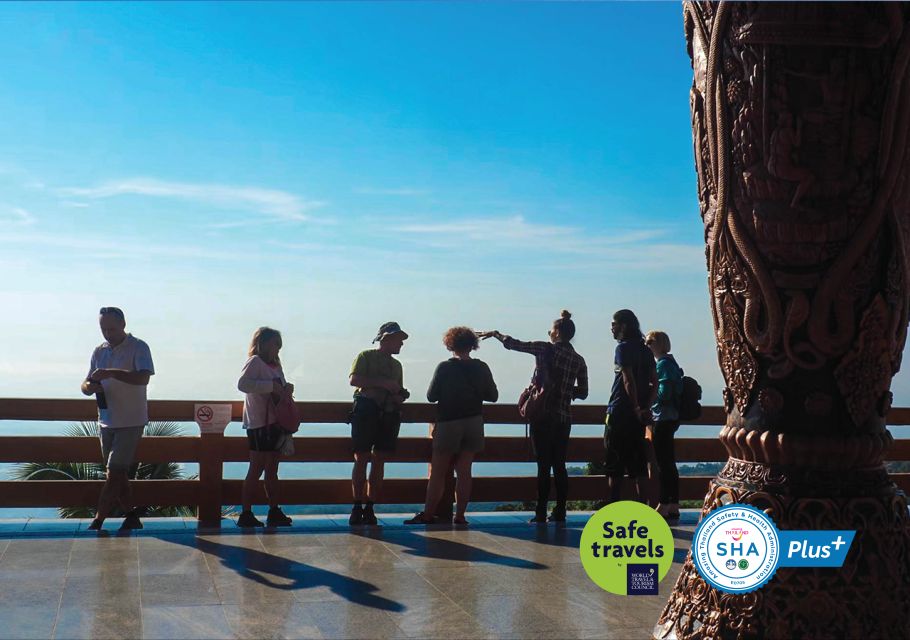
Once you’re at the temple complex, your guide walks you through the sacred space and explains what you’re seeing. The terrace viewpoints over Chiang Mai are often the payoff, and the photo spots are plentiful. Just keep an eye on conditions: fog or smoky skies can soften the view even when the temple itself is still spectacular. On clear days, you’ll understand why pilgrims come up here in the first place.
A practical heads-up based on real visit notes: temple areas can have restoration work, so don’t be shocked if you see scaffolding while you’re looking up at the stupa and surrounding structures. You’ll still get the main experience.
What the Guide and Driver Change in Real Life
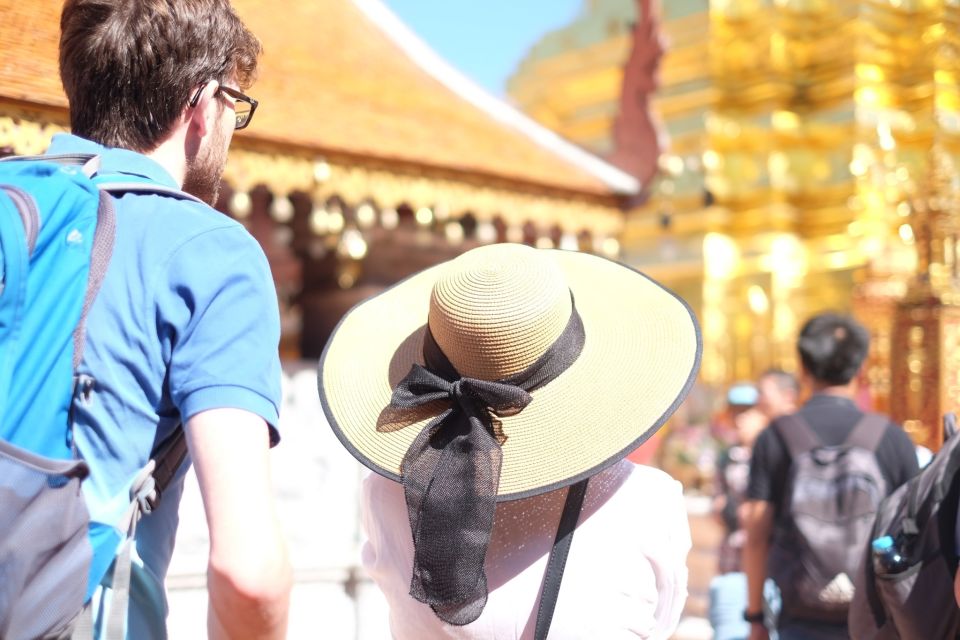
This tour is built around a simple idea: if you’re going to spend half a day in a sacred place and a mountain village, you should understand what you’re looking at. That’s where the guide matters.
Many guides on this route are praised for clear English and for answering questions without rushing you out the door. People also mention a kind of “small attention” that makes the trip smoother: knowing good viewpoints, walking at a pace that fits the group, and taking photos when you ask.
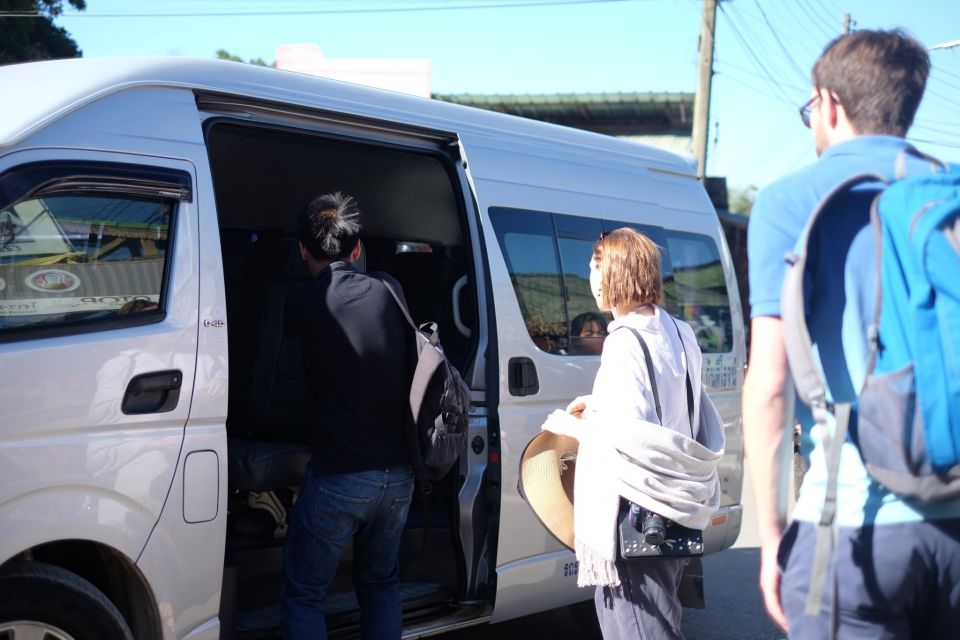
The driver matters too because the roads are narrow and steep. You’re going uphill and downhill in a short window, so safe handling really affects how comfortable the whole day feels. In practice, this is the kind of tour where you’ll notice the difference between a chaotic transfer and a calm one.


Price and Value: Is $36 a Good Deal?
At about $36 per person for a 4-hour outing, the value mostly comes from what’s bundled in.
You’re paying for:
- air-conditioned round-trip transport in a small 9-seat minivan
- an English-speaking guide
- entry fees for Doi Pui hill tribe museum, Doi Suthep Temple, and the cable car
- drinking water plus a refreshing towel
- travel accident insurance
If you tried to piece it together on your own, you’d still need transportation, a guide (or at least a lot of reading and guesswork), and multiple paid entrances. Here, the tour removes the friction. You also gain structure, which matters on mountain routes where timing and route choice can make or break the experience.
The biggest thing you’re buying is not just access. It’s interpretation: understanding what the sacred temple symbols mean and how the village museum sets context before you wander.
What’s Included vs What You’ll Need to Bring or Pay
Included essentials are straightforward: transport, guide, museum and temple entry, cable car entry, water, and the towel. You’re also covered by travel accident insurance.
What you’ll want to budget for on your own:
- personal shopping (textiles, crafts, jewelry)
- snacks or drinks you purchase beyond what’s provided
- any extra activities you choose while you’re up there
If you plan to shop, bring a light daypack. Some market browsing can turn into more browsing than you expect, especially around accessories and souvenirs.
Practical Packing for Chiang Mai Heat and Temple Rules
This trip is very doable, but the details matter. Wear comfortable shoes—you’ll be walking around temple areas and village paths. Bring long pants and a long-sleeved shirt.
Temple dress code is simple but strict: your shoulders and knees must be covered. Shorts and sleeveless tops are not allowed for temple entry. You’ll also feel smarter if you carry something light for sun or air-conditioning, since you’ll move between hot mountain air and cool vehicle interiors.
And yes, the step count is part of the experience. If you’re deciding whether to use the cable car, don’t wait until the last minute. Choose based on how your body feels that day.
Who This Tour Fits Best (and Who Should Skip It)
This is a great fit if you want a concentrated cultural day without committing to an all-day schedule. You’ll like it if you care about:
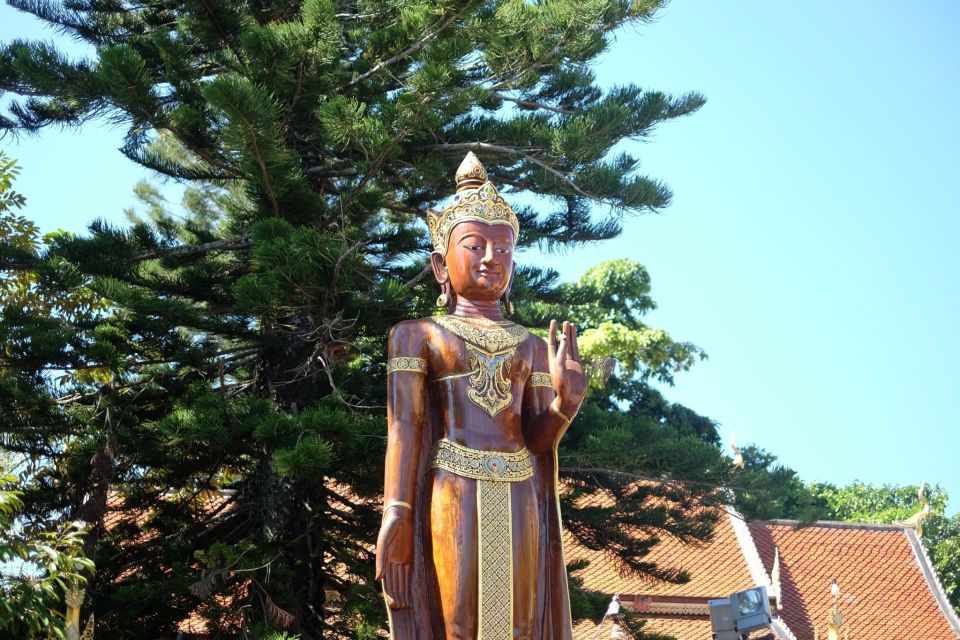
- sacred temple context at Wat Phra That Doi Suthep
- village life explanations from the Doi Pui museum stop
- a small group pace that doesn’t feel crowded
It’s not suitable for:
- people with back problems
- people with mobility impairments
- people with heart problems
- wheelchair users
Even with the cable car option, you should expect walking in uneven areas and moving through temple sites. If any of that sounds risky, it’s better to choose a different style of tour.
Should You Book This Doi Suthep and Hmong Village Tour?
If you’re in Chiang Mai for just a few days, this is an efficient way to hit two major cultural anchors: Doi Suthep’s religious importance and Doi Pui’s Hmong village context. The bundled entry fees and included guide make it good value, and the small group limit keeps it from feeling like a fast assembly line.
I’d book it if you’re okay with a bit of walking, can follow temple dress rules, and want more than just photos—you want the meaning behind what you’re seeing. I’d skip it if stairs and physical strain are a serious concern, or if you want a fully hands-off day with minimal walking and minimal guidance.
FAQ
How long is the tour?
The tour lasts 4 hours.
What time is pickup in Chiang Mai?
Pickup is at your hotel lobby in Chiang Mai during 08:00–08:30 a.m. or 01:00–01:30 p.m. Your return is around noon for the morning departure or 5:00 p.m. for the afternoon departure.
Do I have to climb the 309 steps at Wat Phra That Doi Suthep?
No. The tour includes an option to take the cable car instead of climbing the 309 steps.
What’s included in the price?
Included are transportation in a 9-seat air-conditioned minivan, an English-speaking tour guide, entry fees for Doi Pui hill tribe museum, Doi Suthep Temple, and the cable car, plus drinking water, a refreshing towel, and travel accident insurance.
What should I wear for this tour?
Bring comfortable shoes, long pants, and a long-sleeved shirt. Shoulders and knees must be covered for temple entry, and shorts and sleeveless shirts are not allowed.
Is this tour suitable for people with mobility issues?
No. It is listed as not suitable for people with back problems, mobility impairments, heart problems, or wheelchair users.