REVIEW · CHIANG MAI
From Chiang Mai: Elephant Care Program and Nursery Tour
Book on GetYourGuide →Operated by Elephant Retirement Park Chiang Mai · Bookable on GetYourGuide
Mud baths with elephants, done the kind way.
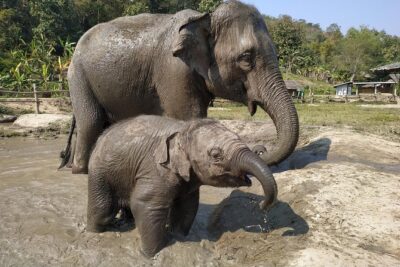
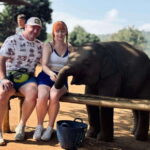
This Elephant Care Program and Nursery Tour in Chiang Mai centers on rescued elephants’ welfare, where you’re not chasing tricks—you’re learning how the animals choose to interact, and you get hands-on time in the mud and water.
I especially love two things: the chance to prepare food and feed the elephants, and the behavior-focused guidance from staff and guides (people like Francesco, Tin, Tim, Aom, and Disney pop up in recent experiences). The day also includes close-up time with baby elephants and a full mud-and-bath routine, with care teams staying on point.
One consideration: it gets wet. If you forget a change of clothes, you may have to miss parts like the mud spa or bath, since most activities involve splash-zone fun.
In This Review
- Key things to know before you go
- From Chiang Mai pickup to Mae Tang countryside: the easy start
- Changing into local clothes and learning how elephants communicate
- Feeding time and medicine balls: hands-on care without the showy stuff
- Mud pool, sand spa, and baby elephants: the highlight that can’t be rushed
- Washing and shower time: how the care continues after the splashes
- Thai buffet lunch after the elephants: where you refuel and cool down
- Price and value: why this can be worth $53
- Comfort, timing, and logistics: what to watch on the day
- Who should book this elephant program (and who might look elsewhere)
- Should you book the Elephant Care Program and Nursery Tour in Chiang Mai?
- FAQ
- How long is the Elephant Care Program and Nursery Tour?
- Is lunch included, and is it vegetarian?
- What’s included in the price besides the elephant activities?
- What should I bring?
- Do elephants have to do activities they don’t want?
- Can I cancel or pay later?
Key things to know before you go
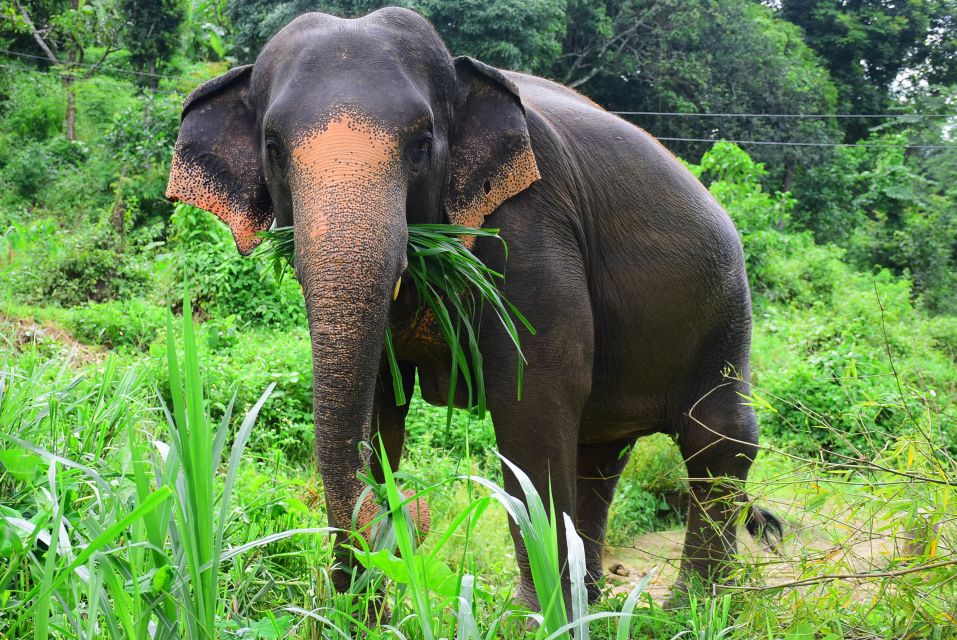
- Food prep and feeding: You don’t just watch. You help make healthy treats and feed the elephants.
- Behavior-first interaction: Activities happen when the elephants choose to engage.
- Mud pool and baby elephant time: The mud-and-sand spa is a major highlight, and baby elephants make it extra memorable.
- Shower and clean-up: You’re able to shower afterward, so you’re not stuck damp all day.
- Photo service is optional: A photographer is often on hand and you can buy photos separately.
- Vegetarian Thai lunch: You’ll eat Thai buffet-style after the wet activities.
From Chiang Mai pickup to Mae Tang countryside: the easy start
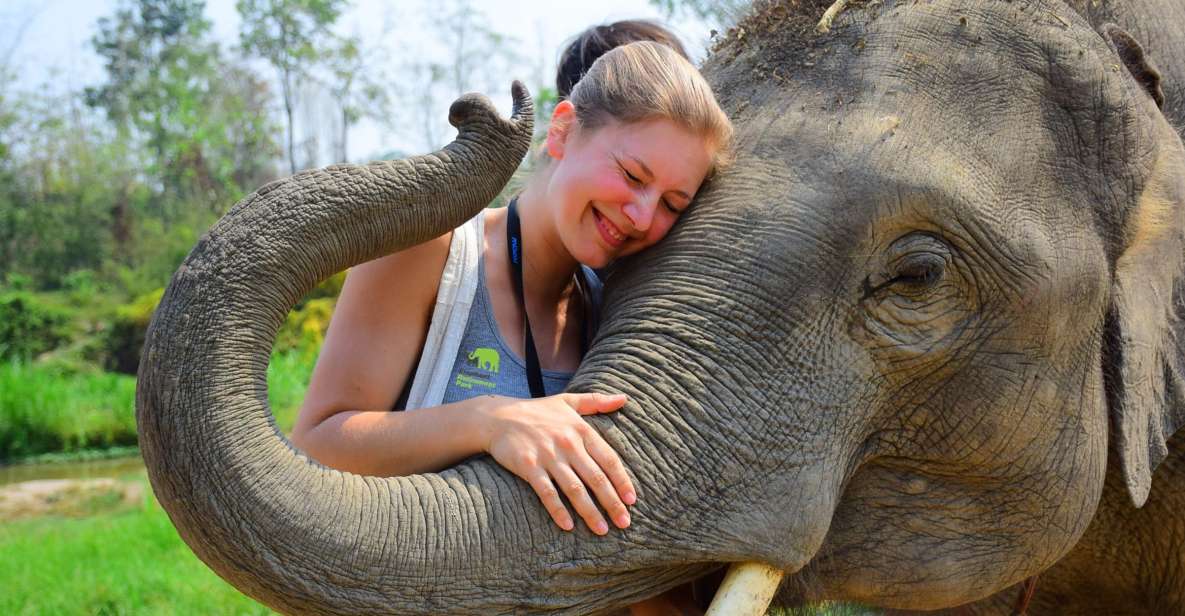
Your day typically begins with a morning hotel pickup in central Chiang Mai (the service covers hotels within about 5 kilometers of the Old Town). Then you head out for about an hour toward the Mae Tang district countryside. For many people, this drive is part of the calm build-up: city noise fades, and you start shifting into a different pace.
The tour runs about 5–6 hours, which matters because it’s long enough to be meaningful, but short enough that the day doesn’t feel like a marathon. Most of the time is spent where it counts—around the elephants—rather than on long, boring gaps.
One practical point: you’re riding in a van with other participants. That’s normal for this kind of half-day program, but you’ll want to dress for the trip too (insect repellent helps, and it’s smart to keep valuables secure while you’re moving).
You can also read our reviews of more tours and experiences in Chiang Mai.


Changing into local clothes and learning how elephants communicate
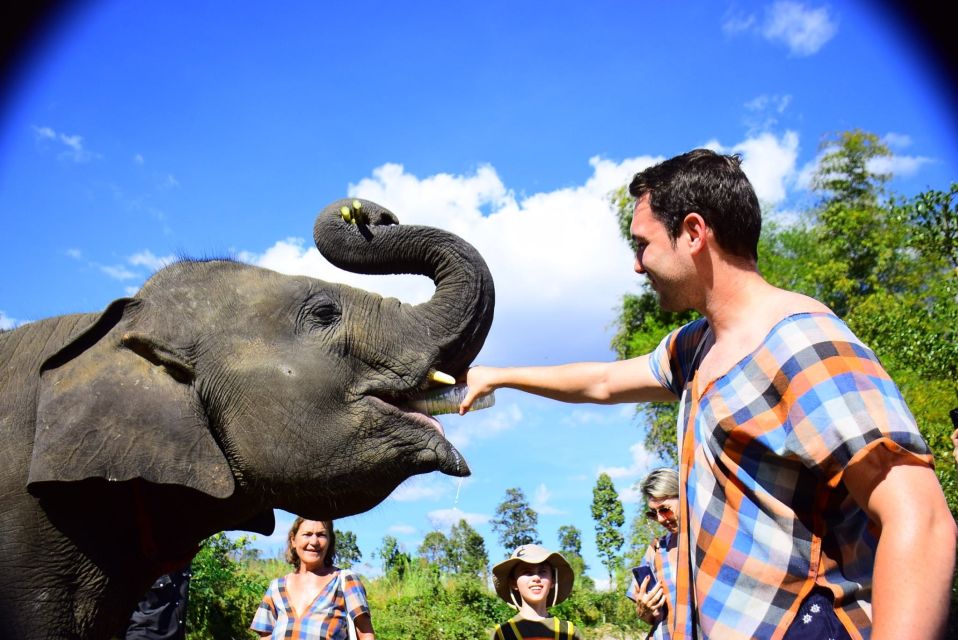
Once you arrive, you typically change into local clothing (it’s part of how the program helps you get comfortable and participate appropriately during elephant care activities). Then you’ll meet the specialists and your English-speaking guide, and you’ll get the basics on Asian elephant behavior.
This isn’t just trivia. The guidance helps you read what’s happening in front of you:
- whether an elephant is curious or cautious,
- how carers approach calmly,
- and how interaction stays respectful rather than forceful.
Guides and sponsors mentioned in recent experiences include Francesco and Tin, plus other staff and care team members who are friendly and ready with answers. That back-and-forth is one of the reasons people rate this highly: you aren’t left guessing how the system works. You learn the what and the why, and it makes the feeding and mud play feel more intentional.
Feeding time and medicine balls: hands-on care without the showy stuff
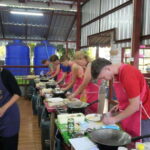
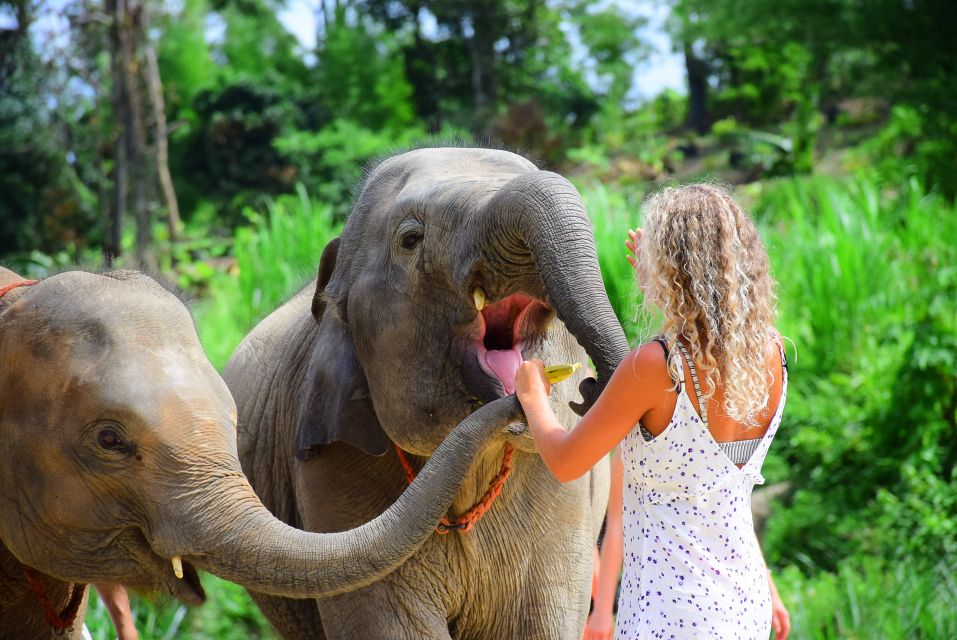
The most “real-life” moments are the ones where you participate in elephant feeding and preparation. You’ll prepare food and healthy treats, then feed the elephants afterward. It’s the kind of activity that helps you understand something important: these aren’t zoo elephants doing a routine on command. The program is set up so the elephants can come closer—or not.
Many recent experiences also highlight making medicine/vitamin balls, which adds an extra layer beyond simple feeding. Instead of tossing snacks and calling it a day, you’re taking part in care-related tasks that help support the elephants’ health.
What I like about this section for you is the balance. You get hands-on involvement, but the focus stays on welfare and calm handling—not on riding, tricks, or forcing the animal into an unnatural performance. Recent information also stresses that elephants are not forced to do activities they don’t want.
A small drawback to keep in mind: the program style depends on elephant comfort, so timing can vary a little. That’s not a flaw—it’s part of doing this the right way.
Mud pool, sand spa, and baby elephants: the highlight that can’t be rushed
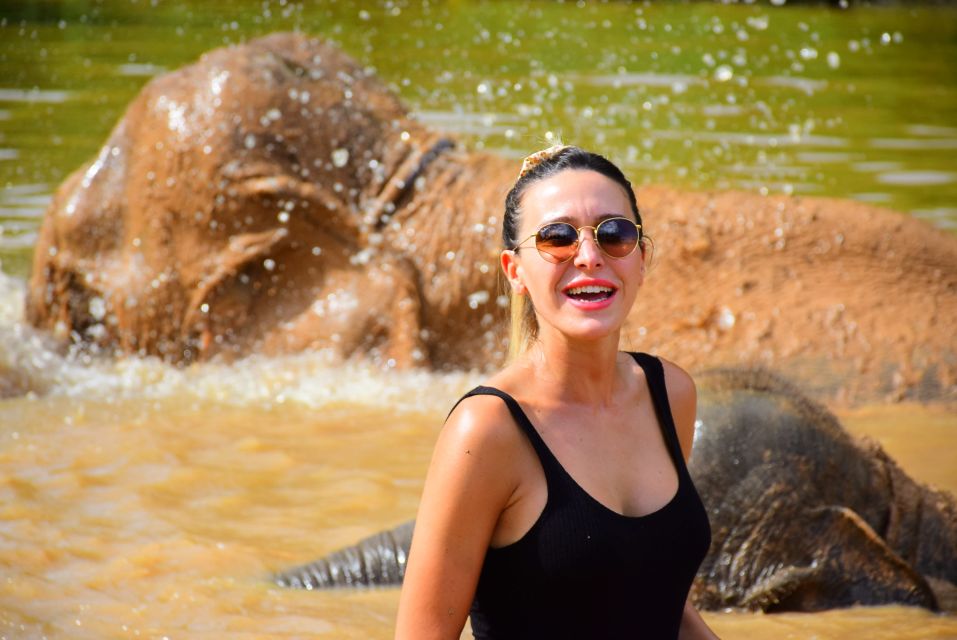
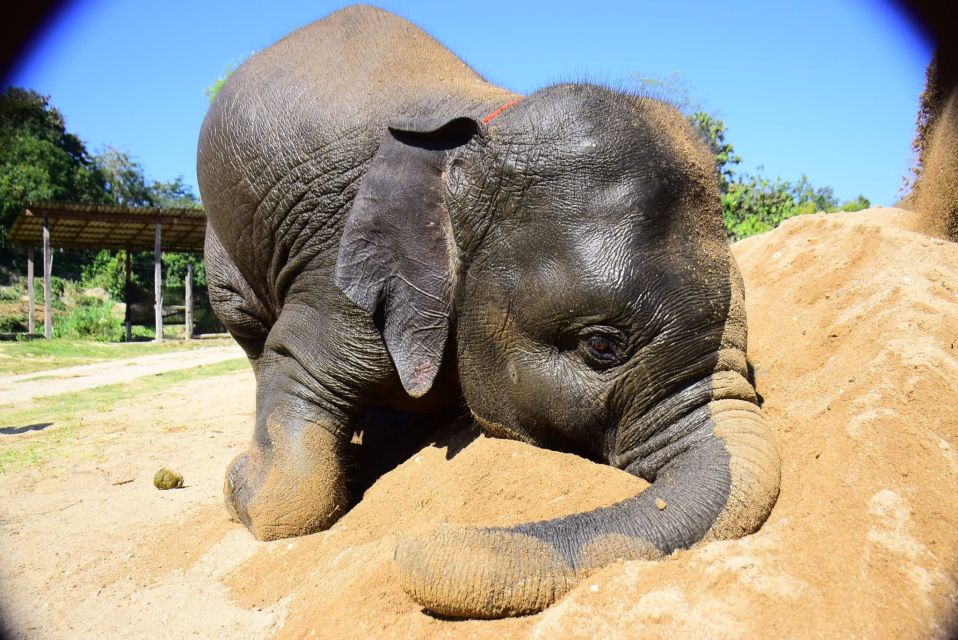
After feeding and care tasks, you walk with the elephants toward the mud pool and sand spa area. This is where the day turns from educational to unforgettable.
Here’s what tends to make this feel special:
- You observe how elephants behave in a natural-feeling environment.
- You join in on mud-related activities when the elephants participate.
- Baby elephants often create a buzz of cuteness—but the staff keeps it grounded and safe.
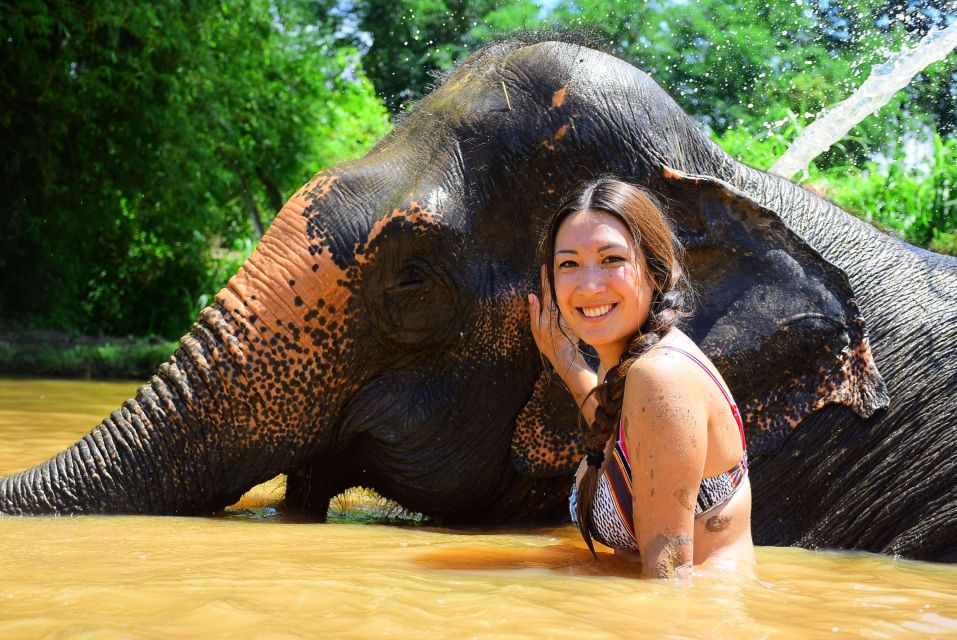
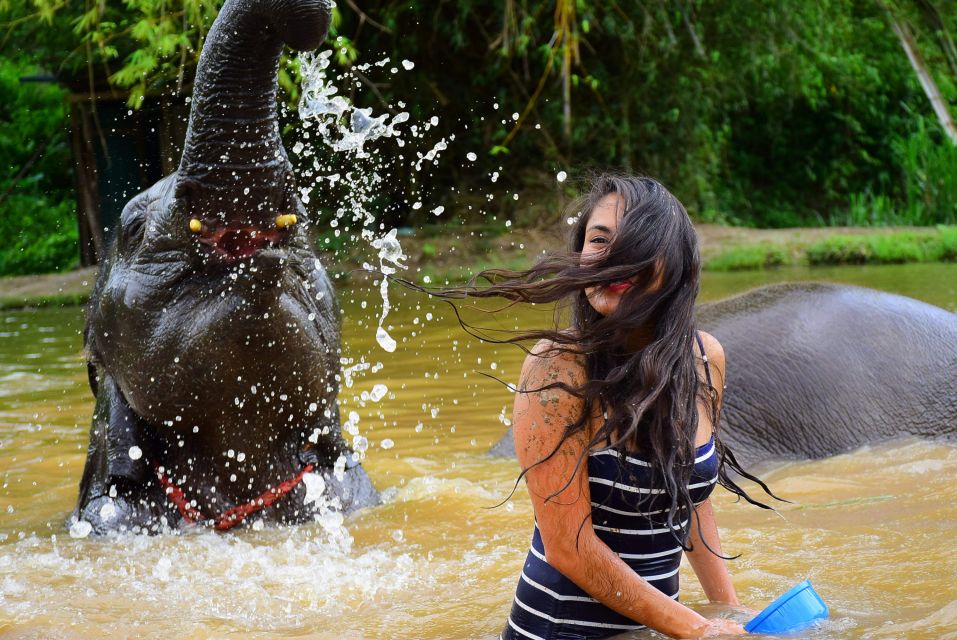
The mud play is often described as a major highlight. People mention getting splashed, watching playful behavior, and seeing how the elephants interact with their space. And because the elephants aren’t being pushed into a rigid script, the vibe stays more animal-first than human-first.
Now for the practical side you should actually plan for. You’ll want:
- swimwear
- flip-flops
- a change of clothes
- insect repellent
One recent note calls this out directly: most of the mud-and-bath fun can depend on having your spare clothes ready, so don’t treat the packing list like optional reading.
Group size can also shape how the mud pool feels. Some experiences describe an intimate ratio and small group feel, while one review noted it could be larger (around 20–25 people). Either way, the caretakers’ presence helps keep things orderly, but arriving prepared makes the difference between smooth fun and an awkward scramble.
Washing and shower time: how the care continues after the splashes
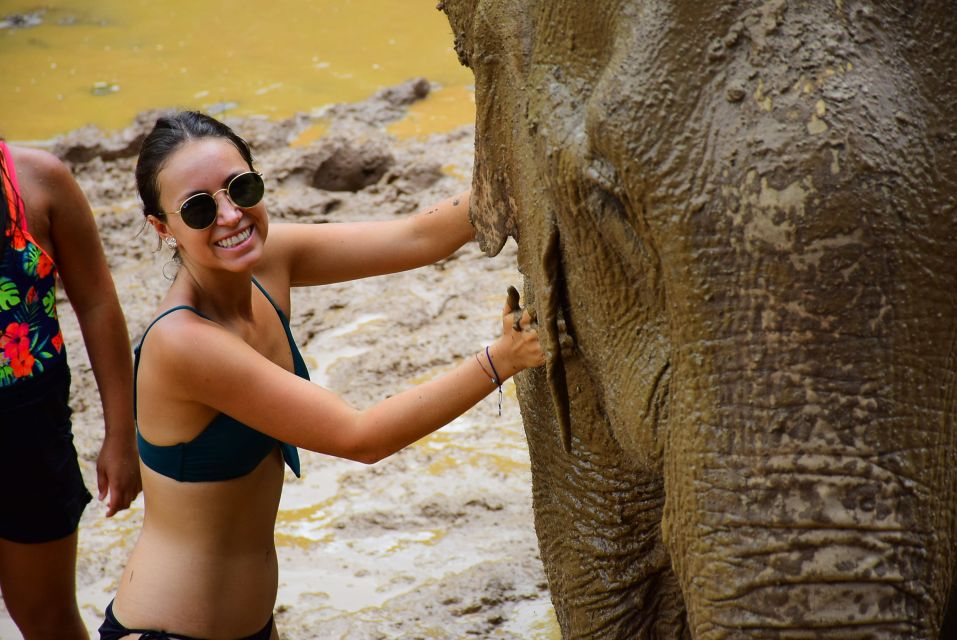
Right after the mud activities, the program typically shifts into washing the elephants and then your own clean-up. You’ll change back, shower, and head to lunch when you’re done being in the splash zone.
This section matters because it shows the program isn’t just about the spectacle of getting muddy. It’s part of ongoing care and comfort. Recent experiences also mention soap provided and towel access in shower areas, which is helpful because you’re not stuck figuring out how to rinse off.
If you’re the type who wants everything camera-ready, this is also when staff often help with photos and memory-making. Some recent experiences mention a photographer on site, with photo packages available for purchase after you see what was taken. Prices and the number of photos mentioned in experiences vary, so treat photography as an add-on rather than something you’re budgeting around on day one.
Thai buffet lunch after the elephants: where you refuel and cool down
Once you’ve washed up, you’ll enjoy a traditional Thai buffet lunch. It’s described as suitable for vegetarians, which is a big deal because not all elephant experiences handle food inclusively.
Food notes from recent experiences include dishes like pad Thai and fried rice with vegetables. The lunch also functions as a “reset” after wet activities—your body cools down, you sit down, and you get a chance to think about what you just saw and learned.
One small perk: you’ll usually have drinking water, coffee, and tea available as part of the experience. That’s not flashy, but it makes the day more comfortable in Chiang Mai’s heat.
Price and value: why this can be worth $53
At around $53 per person, this program is priced like a half-day activity that includes a lot of real-world components: pickup and drop-off, a live English guide, elephant feeding supplies, water/coffee/tea, and the vegetarian Thai lunch.
The value angle isn’t only the package. It’s the match between the activities and how ethical elephant tourism is supposed to work:
- You help with care-related tasks (feeding and medicine/vitamin balls).
- You interact during natural behaviors rather than forcing a performance.
- The elephants aren’t made to follow a rigid “show” structure.
Recent experiences also emphasize that visiting supports the park’s work and future elephant rescues, including the practical side of ongoing care like food and hospital stays. In other words, you’re paying for access, yes—but also for a system designed to keep rescued elephants supported.
Could you find cheaper elephant days? Possibly. But if you care about welfare-first interaction, this price often looks fair compared with programs that promise feeding and bathing while doing far less careful, behavior-driven work.
Comfort, timing, and logistics: what to watch on the day
A few details can affect your comfort more than you’d expect.
Transportation: Pickup and drop-off are included. Some experiences note the van ride is comfortable, while one mentions seatbelts weren’t great. If you’re sensitive to ride comfort, it’s worth bringing a light layer and keeping your posture comfortable for the drive.
Timing: Since the activities depend on elephant behavior, the day is structured but not robotic. Plan to stay flexible and don’t treat it like a strict factory schedule. This is part of why it feels respectful.
Facilities: Recent experiences describe the facility and bathrooms as clean, and there’s a shower area for clean-up. That’s a real quality-of-life point when you’re leaving mud behind and want to feel human again for lunch.
Photography and souvenirs: You may be offered photo purchases afterward. Reviews also mention items like elephant-themed clothing, with proceeds tied to elephant care. Treat purchases as optional, but if you want professional shots, it’s good to know the service exists onsite.
Who should book this elephant program (and who might look elsewhere)
This experience fits best if you want:
- an up-close elephant day focused on care and behavior,
- feeding and hands-on tasks (not just standing behind a fence),
- the mud pool and wash routine,
- and a vegetarian-friendly Thai lunch at the end.
It’s less ideal if you want a completely dry, low-effort photo-op day. This program is splash-heavy, and your packing choices matter.
It’s also best for people who are curious, patient, and okay with following the elephants’ lead. Recent information stresses the elephants are not forced to do things they don’t want, and in practice that means interaction is respectful and sometimes not 100 percent “under your control.”
Should you book the Elephant Care Program and Nursery Tour in Chiang Mai?
I’d say book it if you’re prioritizing ethical elephant interaction and want a hands-on day that includes feeding, mud play, and clean-up with real specialist guidance. The reason it keeps scoring so high is simple: you’re not being rushed through a checklist, and you’re not watching animals perform for human approval.
Hold off if you can’t handle getting wet, forgot to pack a change of clothes, or you’re looking for a strictly predictable schedule with zero flexibility. The program is designed around elephant comfort, and that’s the point.
If you’re ready for a fun, messy, genuinely educational day in Mae Tang’s countryside, this is one of the best ways to experience rescued elephants up close in Chiang Mai.
FAQ
How long is the Elephant Care Program and Nursery Tour?
The tour lasts about 5–6 hours.
Is lunch included, and is it vegetarian?
Yes. You’ll have a vegetarian Thai buffet lunch.
What’s included in the price besides the elephant activities?
The package includes round-trip hotel transfers for hotels around the Old Town area, a live English guide, drinking water, coffee and tea, food for feeding the elephants, and a vegetarian lunch.
What should I bring?
Bring swimwear, a change of clothes, flip-flops, insect repellent, and any personal medication you need.
Do elephants have to do activities they don’t want?
No. The elephants are not forced into any activities they don’t want to do.
Can I cancel or pay later?
Yes. There’s free cancellation up to 24 hours in advance for a full refund, and you can reserve now and pay later.