REVIEW · CHIANG MAI
CHIANG MAI: Doi Inthanon-Trekking Pha Dok Seaw-Waterfall-Lunch
Book on Viator →Operated by Thailandlocaltour.com · Bookable on Viator
A day in the mountains beats the city rhythm. This small-group tour mixes Doi Inthanon National Park sights with real time outdoors: Twin Pagodas (King and Queen), Karen and Hmong village stops, and an hour-ish jungle trek to a waterfall. I also like that lunch is included, and you travel by an air-conditioned vehicle. One thing to plan for is that it’s a long day and park admission fees are extra on top of the tour price.
What makes this outing feel practical is how the day is paced. You get a big early start (pickup around 7:00–7:30am, and sometimes closer to just before 8am) and a return to Chiang Mai around 6:00–6:30pm, with some days finishing nearer 7pm. I especially like the human side of it: guides keep the hike moving and, in at least one experience I saw, the guide was funny and added context, while walking sticks helped on the trek.
In This Review
- Key points at a glance
- Why this Doi Inthanon + Pha Dok Seaw combo makes sense
- Pickup, timing, and why you should pack like it’s a full day
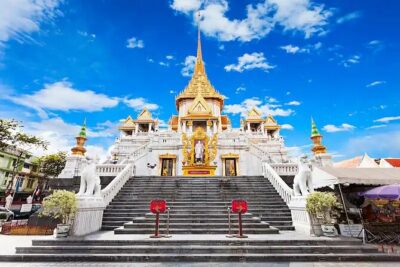
- Doi Inthanon: pagodas, a Hmong market, and the “highest point” moment
- Waterfall trek timing: what the hike section is really like
- Karen village and rice terraces: cultural time that’s not just a quick photo
- Lunch: included set menu, simple but useful
- Pha Dok Siew Nature Trail and Pha Dok Seaw Waterfall
- Guide quality and group size: the difference between walking and getting lost
- Price and value: what $44.60 covers and what costs extra
- Who should book this (and who should skip it)
- A few practical tips that make the day easier
- Should you book this Doi Inthanon and Pha Dok Seaw tour?
- FAQ
- How long is the tour?
- What time do you get picked up in the morning?
- When do you return to Chiang Mai?
- Does the tour include lunch?
- Is a guide included, and what languages are offered?
- What size is the group?
- What’s included in the price?
- What’s not included in the price?
- Is admission to the pagodas and park required?
- What ticket format do I get?
- Is the tour dependent on weather?
Key points at a glance
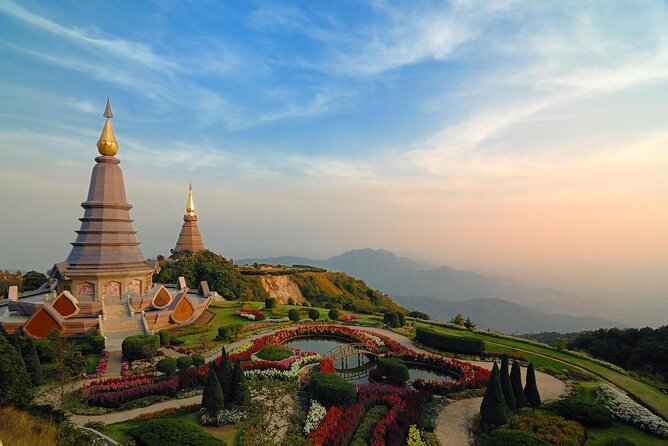
- Twin Pagodas on Doi Inthanon: King and Queen pagodas, plus a Hmong hill tribe market stop
- Small group up to 12 people for more personal attention on the trail
- Included lunch at a local set menu (simple, not gourmet, but filling for hiking)
- Jungle trekking time plus a waterfall payoff at Pha Dok Seaw
- Hill tribe cultural stops including Karen village time and a coffee farm visit
- Park and pagoda fees are not included, so budget for those up front
Why this Doi Inthanon + Pha Dok Seaw combo makes sense
If you’re in Chiang Mai and want a nature day that isn’t just a bus ride with quick photo stops, this itinerary is built for walking and viewpoints. Doi Inthanon is Thailand’s highest point, so temperatures can feel cooler and the air often feels fresher than in town. It also gives you the iconic pagodas and a chance to meet hill tribe communities tied to the local landscape.
Then the day shifts to Pha Dok Seaw Waterfall and the Pha Dok Siew Nature Trail, where you get more of the “on the ground” experience: rice terrace scenery, jungle footpaths, and time near water. It’s the kind of routing where you’re not choosing between a viewpoint day and a trekking day—you get both.
You can also read our reviews of more tours and experiences in Chiang Mai

Pickup, timing, and why you should pack like it’s a full day
This tour starts early from McDonald’s at 17/1 Kotchasarn Rd (Chang Khlan area). The schedule shows pickup between 7:00–7:30am, though I’d treat that as a target window rather than a hard promise—on at least one similar day, pickup landed just before 8am. You’ll return around 6:00–6:30pm, with some days arriving closer to 7pm.
That timing matters because it’s not a short half-day escape. You’re outdoors for multiple segments:
- Doi Inthanon portion with cultural stops and pagodas
- A trek section tied to waterfall time
- A second nature trail segment at Pha Dok Seaw
So pack for a long day. Bring a small daypack, water, and something light for the rain. Even with good planning, you’ll feel the tropical weather—heat, humidity, and the chance of mist all change how the hike feels.
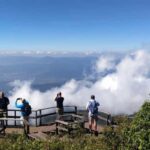
Doi Inthanon: pagodas, a Hmong market, and the “highest point” moment
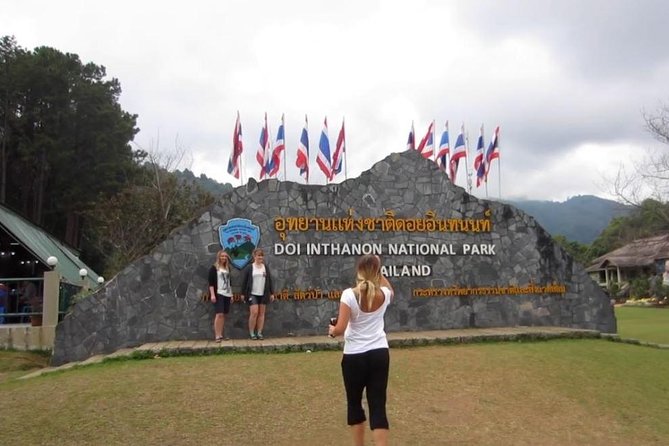
The first big block of the day is Doi Inthanon National Park. This is where you’ll get the headline sights:
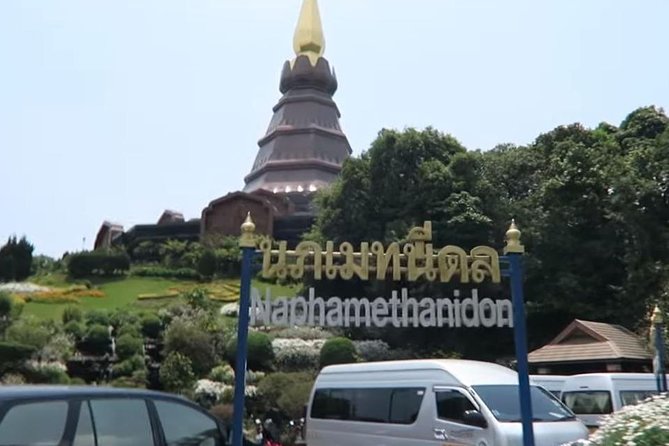
- Twin Pagodas: the King’s Pagoda and the Queen’s Pagoda
- A Hmong hill tribe market stop
- Time for cultural viewing and photos before the walking portion
The park itself is the star. Even if you’ve seen photos of these pagodas before, the best part is the change in pace as you go from city roads to cooler mountain air. This is also where you learn the park isn’t just a viewpoint—it’s a working cultural and geographic zone.
One practical note: the National Park fee and Twin Pagoda admission are extra. Plan to pay THB300 per adult for the park and THB100 per adult for the pagodas (child pricing is listed separately). If you want to avoid stress, keep some cash or make sure you can handle both fees without scrambling.
Waterfall trek timing: what the hike section is really like
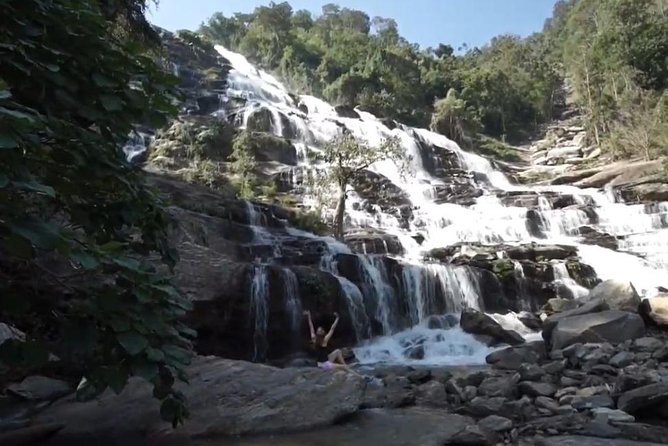
After the pagodas and village-market time, you’ll move into the trekking portion. The plan includes about 2 hours trekking related to the waterfall area. In real use, this is the part where you’ll feel the most physical effort.
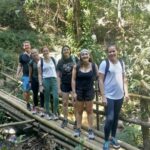
What I like about this approach is that it’s built as a guided trek, not a self-guided scramble. One experience highlighted walking sticks being provided, which is a big deal for uneven ground on forest paths. Even if you’re a confident hiker, it’s worth using the stick early, not when your legs are already tired.
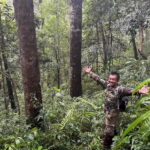
Difficulty-wise, this isn’t described as a technical climb. You’re moving through jungle paths, so expect:
- slippery patches after light rain
- short uphill/downhill changes
- muddy boots if you go in without the right footwear
Bring shoes you don’t mind getting dirty. If you’re expecting a gentle promenade, you’ll be a bit surprised. If you like walking and want a day that actually gets you outside, it’s a good match.
Karen village and rice terraces: cultural time that’s not just a quick photo
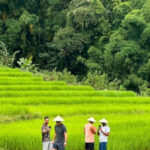
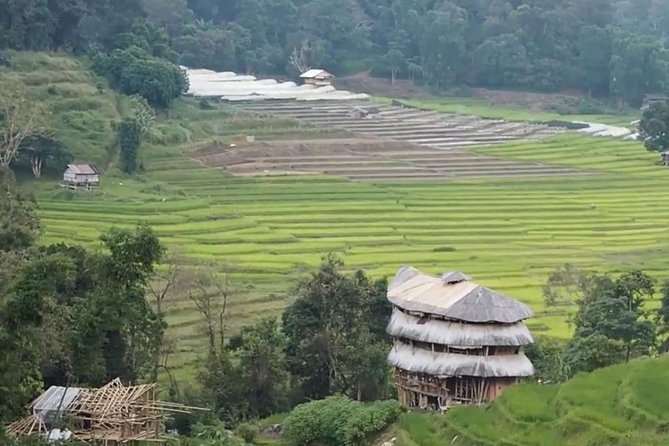
One of the most interesting stops is Ban Mae Klang Luang, where the plan includes a visit to Karen hill tribe areas and terrace rice fields. This is also where the day shifts from “see the view” to “understand how people live here.”
The terrace fields can be stunning even without perfect conditions, because the shape of the hills does a lot of the work visually. And the village stop gives context for the broader area beyond the park’s main entrances.
One consideration: if you’re hoping for a busy, full-time tourist scene, you might feel the difference. On at least one day, the Karen village part felt quiet. That doesn’t make it less meaningful—it just means you should go in expecting daily life, not a performance.
You can also read our reviews of more hiking tours in Chiang Mai

Lunch: included set menu, simple but useful
Lunch is included at a local restaurant as a set menu. The tone here is “fuel for the afternoon,” not fancy dining. One experience described lunch as OK but not great—edible and practical.
Here’s how to handle that expectation:
- Eat enough to power the trek and trail time after lunch
- Keep water handy, since your energy will drop if you skip meals
- If you’re picky about spice or texture, go in ready to adapt—Thai set menus can be a mixed bag depending on the day
If you manage your expectations, lunch becomes a simple win: you don’t have to hunt for food during a tight mountain schedule.
Pha Dok Siew Nature Trail and Pha Dok Seaw Waterfall
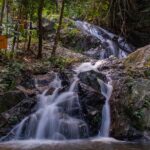
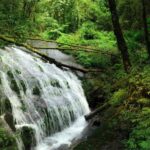
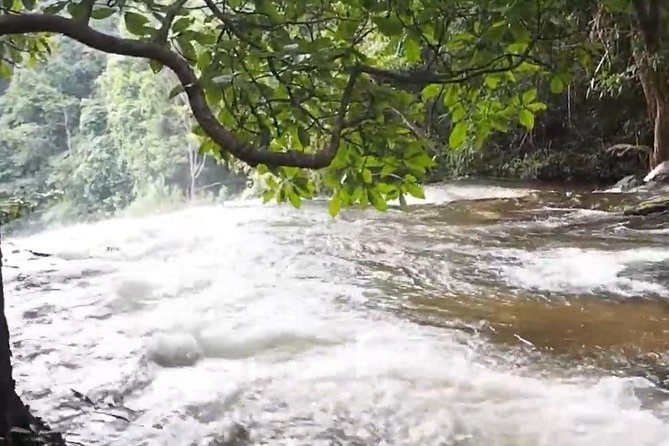
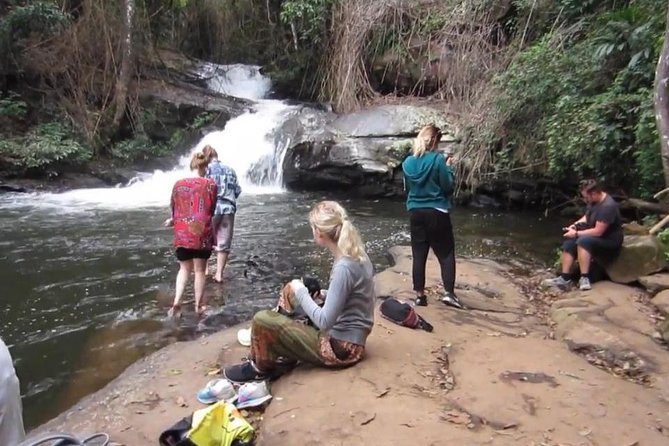
The latter half of the day centers on Pha Dok Seaw Waterfall, with trekking along the Pha Dok Siew Nature Trail. The plan also calls out rice terrace views and the chance to swim in the waterfall area.
That swimming detail is important. Waterfalls can look calmer in photos than they feel in person. If you plan to swim:
- bring flip-flops or water shoes you can use safely
- keep an eye on footing near the edges
- treat this as optional fun, not a must-do
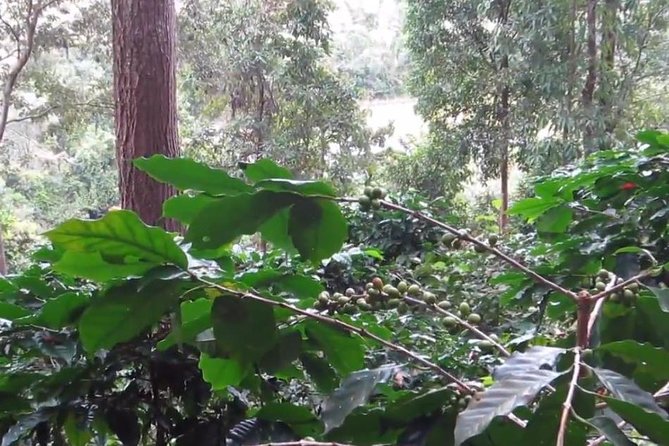
This portion is about time near the falls, not speed. You’ll also visit an organic Karen hill tribe coffee farm during this segment. That stop is a nice contrast to the wet, active parts of the day. Coffee farms give you a slower rhythm: you can ask questions, see how something made locally becomes part of everyday life, and get a different kind of memory than just photos of water.
Guide quality and group size: the difference between walking and getting lost
This is a small group tour with a maximum of 12 travelers, plus a local English or Mandarin guide. That matters because Doi Inthanon and the waterfall areas are complex enough that you don’t want to rely on guessing. A good guide keeps the line moving, explains what you’re seeing, and helps you understand where to focus your time.
One guide name that showed up in a standout day was Jay—described as a character who helped make the long day more enjoyable. Another highlight was that the group stayed smooth and organized, including returning to Chiang Mai ahead of schedule on at least one outing.
At the same time, there were a couple of concerns about driving style in the return leg. This is a reminder to choose the seat you like, keep your personal comfort items ready, and take it seriously if you’re sensitive to motion. If you’re the type who prefers calmer rides, bring that up when you board or sit near the front where you can see the road better.
Price and value: what $44.60 covers and what costs extra
The listed price is $44.60 per person, and the tour includes:
- round-trip hotel transfer
- local English or Mandarin guide
- accident insurance
- lunch
For a one-day mountain plan, that’s solid value because you’re paying for both logistics and guide support. Where it gets tricky is fees. Not included:
- National Park fee: THB300 adult
- Twin Pagoda admission: THB100 adult
There’s also a note that national park fee child and twin pagoda fee child are priced separately. Since these are meaningful amounts, add them to your mental budget before you fall in love with the base price.
A quick reality check: if you compare this to DIY travel, you’d still spend money on transport and likely lose the time-efficiency of a guided route through multiple key stops. This tour is best when you want a structured day without negotiating drivers, entrances, and timing on your own.
Who should book this (and who should skip it)
This tour fits you well if:
- you want a full day outdoors with actual walking time
- you like cultural stops mixed in with nature
- you prefer a small group (under 12) over a huge bus
- you’re comfortable with an early start and a late return
You might reconsider if:
- you hate long days with trekking segments back-to-back
- you need lots of downtime or short transfers
- you’re highly sensitive to driving conditions on mountain roads
If you’re a solid walker and want a “most of a day in the hills” experience, this hits the target.
A few practical tips that make the day easier
Here are the things that help most on a Doi Inthanon + waterfall plan:
- Wear shoes with grip. Wet jungle paths can be slick.
- Bring a light rain layer. Weather can change fast at altitude.
- Use the walking stick if it’s provided; don’t wait until you’re tired.
- Bring cash for the park and pagoda fees.
- Plan dinner later. With returns around 6:00–7:00pm, you may want something easy after you’re back.
Should you book this Doi Inthanon and Pha Dok Seaw tour?
I’d book it if you want a guided day that mixes mountain icons with real trekking and time near a waterfall, and you’re fine paying a bit extra for the park and pagoda admissions. The best part is the balance: pagodas and hill tribe stops in the morning, then more active nature time as the day goes on.
Skip or choose another option if your top priority is a relaxed, short outing, or if you’re looking for guaranteed summit viewpoints or nonstop scenery without any quiet moments in villages. This is a nature-and-people day, not a theme park route.
If you can handle a long day and you like walking, this is a strong pick for Chiang Mai.
FAQ
How long is the tour?
The tour runs about 9 hours.
What time do you get picked up in the morning?
Pickup is listed as 7:00–7:30am, though start times can run closer to just before 8am in practice.
When do you return to Chiang Mai?
Return is listed as 18:00–18:30. Some days finish around 7pm.
Does the tour include lunch?
Yes. Lunch is included at a local restaurant as a set menu.
Is a guide included, and what languages are offered?
Yes. You’ll have a local English or Mandarin tour guide.
What size is the group?
The maximum group size is 12 travelers.
What’s included in the price?
Included items are round-trip transfer from and to your hotel, a local guide, accident insurance, and lunch.
What’s not included in the price?
National Park fees and Twin Pagoda admission are not included. The National Park fee is THB300 per adult, and Twin Pagoda admission is THB100 per adult.
Is admission to the pagodas and park required?
Yes. Both the national park fee and Twin Pagoda admission have stated separate costs.
What ticket format do I get?
You receive a mobile ticket.
Is the tour dependent on weather?
Yes. The experience requires good weather, and if it’s canceled due to poor weather you’ll be offered a different date or a full refund.