REVIEW · CHIANG MAI
Chiang Mai – Doi Suthep Temple & Wat Pha Lat Hike
Book on GetYourGuide →Operated by CanalTour x ExploreSiam · Bookable on GetYourGuide
Two temples. One mountain day.
This tour is interesting because it pairs a small forest trek to Wat Pha Lat with the big, famous views from Doi Suthep. You also get to choose your vibe: early morning for sunrise light and chants, or a later slot for softer light over Chiang Mai.
I really like the focus on Wat Pha Lat as a peaceful, garden-like forest temple, not a rushed photo stop. I also like that many guides explain what you’re looking at in a way you can actually use, and that the sunrise option can include watching monks’ morning routines.
The only real drawback to plan around is the hike and terrain. Parts of the route can get rocky and muddy, and the songthaew transport has no air-conditioning.
In This Review
- Key things that make this tour work
- Doi Suthep and Wat Pha Lat: two very different temple moods
- Getting there: red car pickup, then songthaew for the mountain
- Doi Suthep: golden stupa views and what to watch for
- Wat Pha Lat Monk’s Trail: the forest temple walk you’ll remember
- Sunrise vs later: choosing light, chants, and city views
- Cost and value: what $25 covers and what to add
- Temple rules that matter: dress, shoes, and what to carry
- How guides make or break the experience
- Who should book this Chiang Mai half day
- Should you book this tour
- FAQ
- How long is the tour?
- What’s included in the price?
- Are the temple entrance fees included?
- Do I need cash?
- What should I wear to visit the temples?
- Is the hike difficult?
- If I can’t hike up the mountain, can I still do the tour?
- When does the sunrise program start?
Key things that make this tour work
- Wat Pha Lat Monk’s Trail: a calmer downhill walk through trees and temple spots
- Doi Suthep at golden hour: sunrise or dusk gives your photos actual mood
- Small-group feel: enough space to move and look without feeling lost
- Temple symbolism made practical: guides help you notice carvings and meaning
- Transport is local: red car pickup, then songthaew for the mountain bits
Doi Suthep and Wat Pha Lat: two very different temple moods
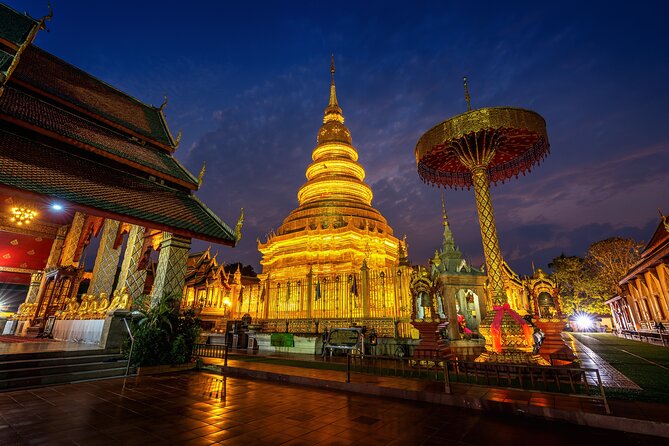
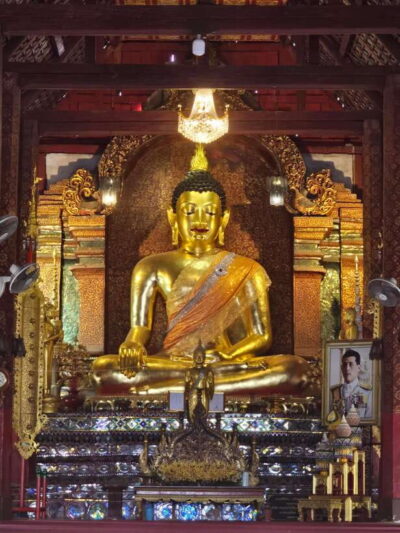
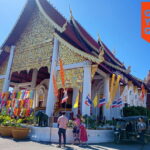
Doi Suthep and Wat Pha Lat do not feel like the same kind of visit. Doi Suthep is the “headline” temple—sacred, well known, and built for awe, including the golden stupa and the grand architecture you’ll see from inside the complex. It’s the place you come to understand why this mountain matters to northern Thai Buddhism.
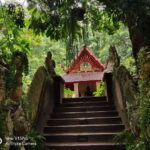
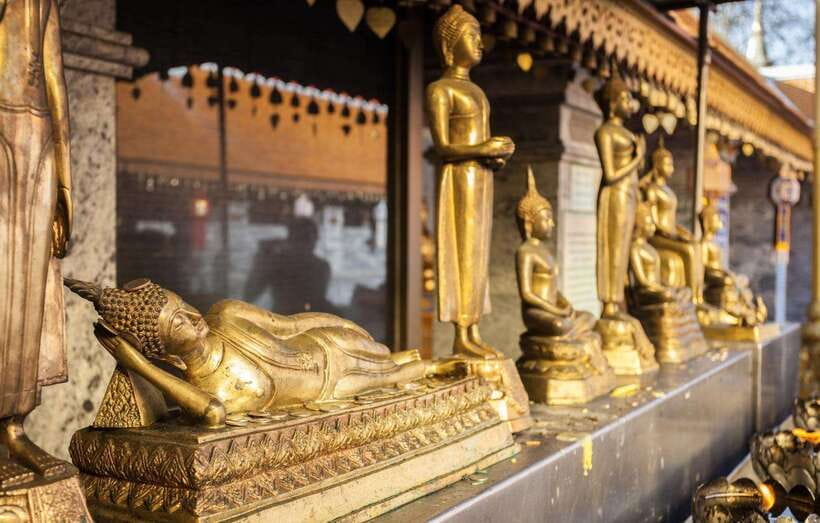
Wat Pha Lat is the opposite feeling. It’s the hidden forest temple approach—more quiet, more shaded, and built around a garden setting with statues. The hike to get there changes the tone: you walk from busy city energy into a calmer pocket of greenery, and that shift is the point. If you’ve ever felt like temple tours are all gates and crowds, this one gives your feet (and your head) a break.
The best part is that the tour doesn’t treat Wat Pha Lat as an optional side quest. It’s central to the experience. The forest trail and the temple atmosphere are what turn this into more than a check-the-box half day.
You can also read our reviews of more hiking tours in Chiang Mai

Getting there: red car pickup, then songthaew for the mountain
This tour starts with pickup by the operator’s Chiangmai Red Car in set areas—mostly hotels in or near the old city. If you’re outside the pickup zone, you’ll meet at Burger King in front of Thapae Gate (the tour asks for your hotel name if you want pickup). Plan for a practical detail: pickup can begin up to 45 minutes before the scheduled start time.
Once you’re heading up the mountain area, you travel on a typical Thai songthaew—a converted pickup truck with two benches, open sides, and no air-conditioning. That’s authentic, but it matters if you’re sensitive to sun, dust, or humidity. Bring sunscreen and expect some movement on curvy roads.
Also note: there’s a route option if you can’t manage the hike up. You can go up using the songthaew, so you still get temple time without forcing your body into a route that doesn’t fit you.
Doi Suthep: golden stupa views and what to watch for
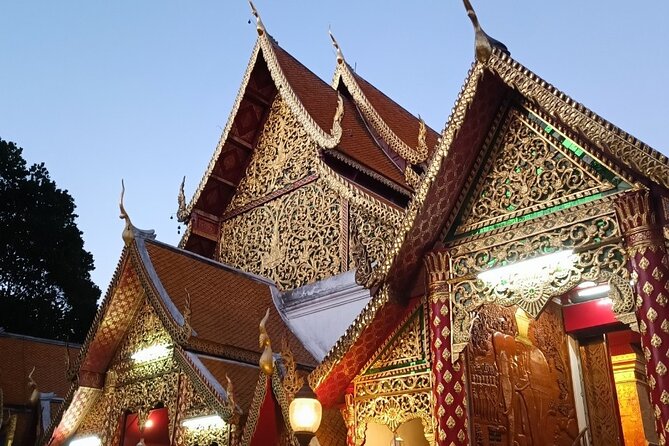
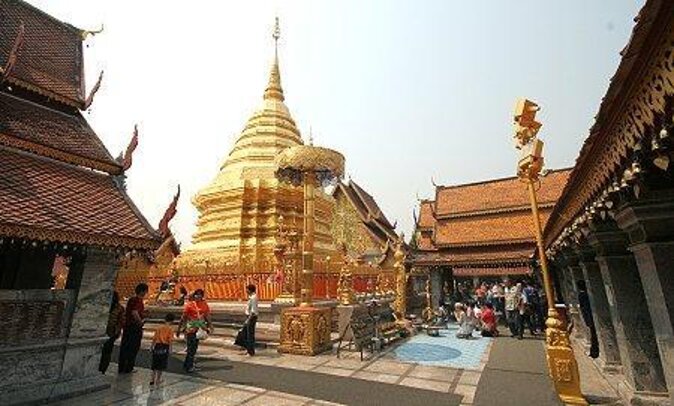
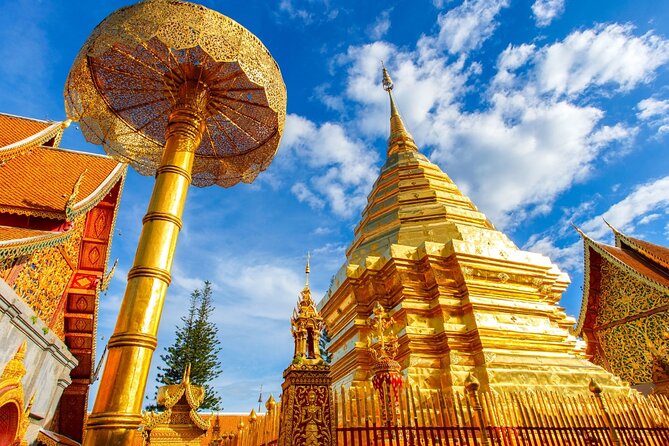
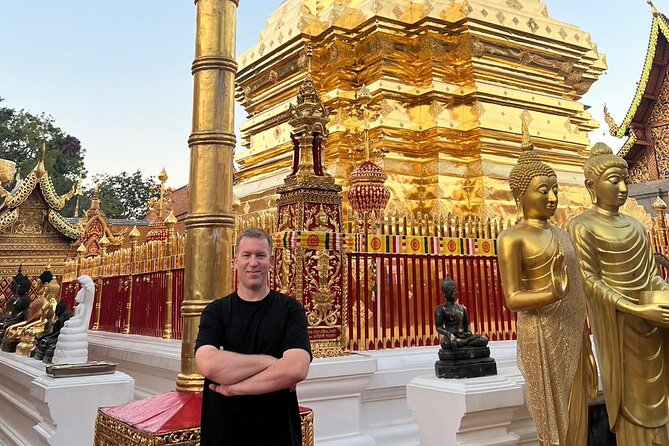
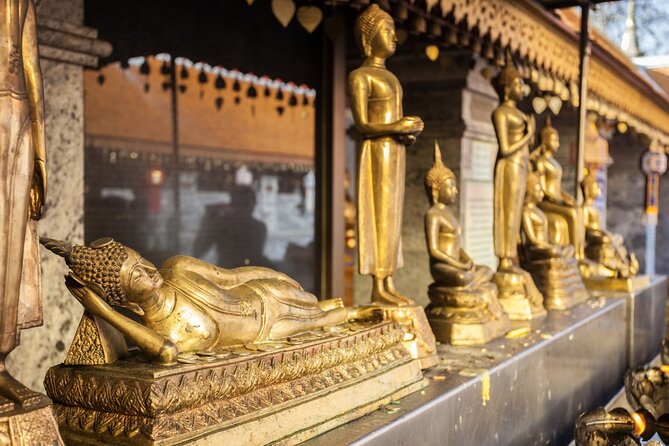
At Doi Suthep, you’re there for two things: architecture and height. You’ll admire the temple layout and the golden stupa, which is one of the most sacred sights in northern Thailand. Even if you’ve seen plenty of stupa photos, being there in person hits differently because it’s paired with the mountain setting and the flow of devotees through the space.
Timing makes a big difference here. For the sunrise program, the day starts at 5:00 and the tour visits Doi Suthep first. That early start can mean a more peaceful atmosphere. People on early departures describe catching monks chanting and witnessing alms giving—small moments that help you feel how this place works on a real schedule, not just a tourist schedule.
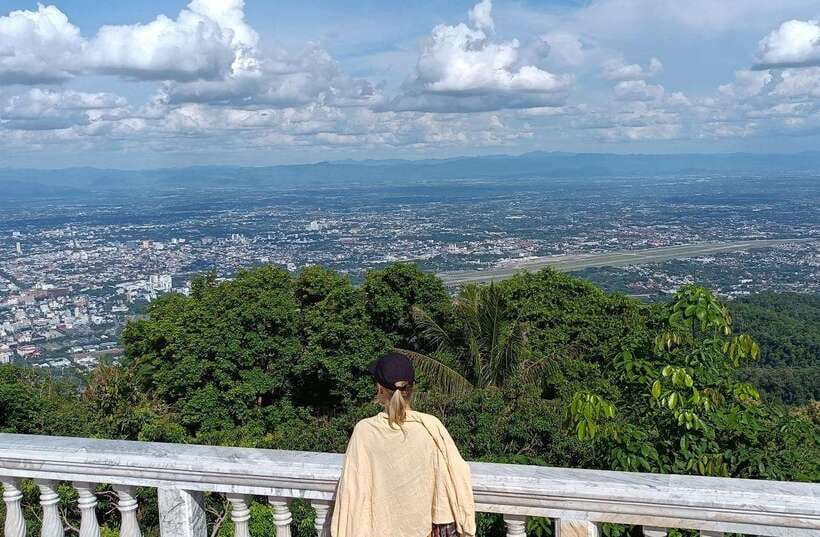
For other time slots, you’re more likely to arrive later, with different light and city views. Some travelers have enjoyed dusk timing because the city starts to glow and the mood gets softer. Either way, your guide should help you focus on what to notice—carvings, symbolism, and the way people interact with the temple spaces—so you don’t just stare at shiny objects.
Wat Pha Lat Monk’s Trail: the forest temple walk you’ll remember
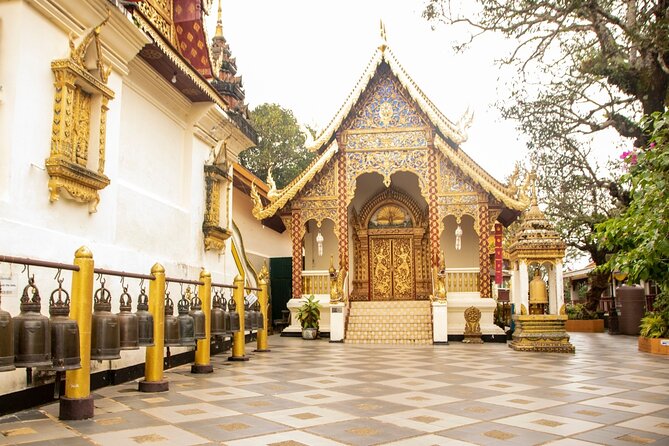
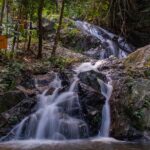
Wat Pha Lat is the heart of the “short trek” part. This is where the tour becomes physical in a friendly way: you do a small trekking route through forest to reach the temple. The Monk’s Trail is described as a path through nature with stops near older temple spots and even water features in some conditions.
What I like about this portion is the pacing. It isn’t a long multi-day hike. It’s short enough that you can enjoy the sights without needing a full training plan. But it’s also not a flat sidewalk. Reviews and tour notes point out that sections can be rocky or muddy—especially after rain—so proper shoes are not optional.
If you want the “peaceful temple” feeling, this is where it happens. Wat Pha Lat is described as a haven of calm in a garden-like setting with statues, where the noise drops off as you move through the trees. That’s why the hike is worth it: it’s not just distance, it’s attitude.
One practical heads-up: there’s a Wat Pha Lat Monk’s Trail entrance fee of THB 100 per person, and you should bring cash. That small detail changes how smooth your visit feels, because you won’t be stuck searching for payment at the worst moment.
Sunrise vs later: choosing light, chants, and city views

This tour is built around the idea that timing changes the outcome. If you do the sunrise slot (start 5:00), you’ll visit Doi Suthep first, then after sunrise you continue to Wat Pha Lat. From there, the tour notes that you hike down the mountain instead of up for that sunrise schedule. That’s a clever adjustment for energy: you already used early morning effort, so the hike direction helps you keep the day enjoyable.
Sunrise also changes what you might notice. You may get a quieter temple environment and a better chance to see morning Buddhist routines—chanting and alms giving are specifically mentioned for early arrivals. It’s not a guaranteed show every day, but the timing clearly increases your odds.
If you choose a later time slot, you trade sunrise rituals for different light. Many people seem to enjoy dusk because the city takes on a softer look from the mountain. One person even enjoyed the “city lights” feeling on a later schedule and liked how the tour avoided crowd pressure.
Weather can still change your plan. If it rains, you might get limited city panorama at first, but you can still reach a view and finish the hike depending on conditions. The guide’s job is to keep timing realistic and adapt the order when rain hits.





Cost and value: what $25 covers and what to add
The price here is $25 per person for a 4-hour half-day experience, which is a pretty strong value when you factor in what’s included: pickup/drop-off in the old city or near center, an English-speaking guide, and a bottle of drinking water.
But you do need to budget for temple-related fees that are not included:
- Wat Phra That Doi Suthep entrance fee and cable car cost (not included)
- Wat Pha Lat Monk’s Trail entrance fee: THB 100 per person
- Personal expenses
Here’s how to think about value. You’re paying for three things: transport with local mountain logistics, a guide to make temple symbols understandable, and time that’s paced so you can actually enjoy both temple complexes plus the forest walk. If you tried to DIY both sites, you’d spend time figuring out transport up the mountain and arranging a route that fits the trail timing. This tour sells you the “someone already worked this out for you” advantage.
Also, bring cash. Not having it for the THB 100 fee is one of the easiest ways to turn a smooth morning into a stressful one.
Temple rules that matter: dress, shoes, and what to carry
Temples are sacred places and the rules are simple: no sleeveless shirts, and you’ll want to cover shoulders and knees. If you’re traveling light, it’s worth packing a thin layer you can throw on quickly.
Shoes matter because you’re doing a hike and walking on uneven ground. Wear proper walking shoes and expect the path to be rocky or muddy in parts, especially after rain. One useful tip from past outings: if it’s been wet, the trail can get slippery, so footwear with grip isn’t just comfort—it’s safety.
Other items that help (based on what people report): mosquito repellent can be useful on the forest trail, and a light rain layer can help if weather changes. And since the tour emphasizes cash for fees, keep that wallet ready before you reach the payment point.
How guides make or break the experience
For a tour like this, the guide’s real value is not talking for the sake of talking. It’s helping you connect what you see to meaning and then guiding your attention so you don’t feel like you’re floating around.
Guides such as Bright, Yoong Ka, Ata, Margaret, Saman, Layla, Nancy, and Jane are repeatedly described as people who explained history and symbolism in clear, human terms. The consistent theme is that they focus on what the carvings represent, what different temple elements mean, and how Buddhism shows up in daily practice.
You’ll also notice guide impact in the practical stuff: keeping the group together, taking photos for people who want help, and timing the day so you still get city views when possible. One guide also adjusted pacing when rain came through, which is exactly what you want from someone running a mountain day.
Who should book this Chiang Mai half day
Book this if you want a balanced mix of city-famous temple and quieter forest spirituality, in a half-day format that doesn’t eat your whole afternoon. It’s especially good for:
- First-time visitors to Doi Suthep who also want something different from the big temple route
- People who enjoy a short hike that stays manageable but still feels real
- Sunrise fans who want a calmer atmosphere and a chance to see morning routines
- Travelers who prefer small-group pacing over mass tourism
Be cautious if you have limited mobility. The tour is listed as wheelchair accessible, but the experience includes a hike and mountain terrain that can be rough. The tour also offers a workaround (songthaew option up if you can’t do the hike up), but the trail portion still affects comfort.
If you hate uneven ground or mud after rain, consider your shoe game and your expectations. This isn’t a stroll.
Should you book this tour
If your Chiang Mai plan includes Doi Suthep and you also want the Wat Pha Lat experience without guessing logistics, I’d book it. The biggest reason is the combination: the forest trail gives you contrast, and the guide helps you see temples as more than backdrops.
Choose sunrise if you’re chasing the best atmosphere. Choose a later slot if you want relaxed light and city views. Either way, come prepared with covered clothing, solid shoes, and cash for the THB 100 fee and Doi Suthep cable car costs. Do that, and you’ll leave with two very different temple memories instead of one crowded checkmark.
FAQ
How long is the tour?
The duration is 4 hours.
What’s included in the price?
Pickup and drop-off in specific regular service areas, an English-speaking guide, a bottle of drinking water, and the signature Chiangmai Red Car are included.
Are the temple entrance fees included?
No. Wat Phra That Doi Suthep entrance fee and cable car are not included, and Wat Pha Lat Monk’s Trail entrance fee is THB 100 per person.
Do I need cash?
Yes. The tour advises bringing cash.
What should I wear to visit the temples?
Sleeveless shirts are not allowed. You should cover shoulders and knees.
Is the hike difficult?
It’s a small trekking route, but parts can be rocky and muddy, especially after rain. Wear proper walking shoes and plan for uneven ground.
If I can’t hike up the mountain, can I still do the tour?
Yes. If you can’t do the hike up, you can go up with the songthaew.
When does the sunrise program start?
The sunrise program starts at 5:00 in the morning.