REVIEW · CHIANG MAI
Chiang Mai: Temple & City Tour Part II
Book on GetYourGuide →Operated by Journey D Travel · Bookable on GetYourGuide
Temple mornings in Chiang Mai feel like history. This walking tour strings together four stand-out temples with Shan and Burmese connections, starting at 08:20 and moving at a comfortable pace through the city. I like that it’s not just sightseeing; you’re also getting real context for what you’re looking at and how to show respect.
What I love most is the attention to Buddhist practice and temple etiquette, often explained by guides with serious background (some have been monks, and many are great at answering questions). I also like that you’ll see temples you’re unlikely to stumble into alone, including the unusual Wat Ku Tao chedi. One thing to plan for: it’s a walking day in the heat, so bring what you need to stay comfortable.
In This Review
- Temple Route Highlights: What You’ll See in Part II
- How an 8:20 Temple Walk Works in Chiang Mai
- Wat Chiang Man: The 1296 Start Point and the Crystal Buddha Story
- Wat Chiang Yuen: Shan History in a 16th-Century Temple Setting
- Wat Pa Pao: Shan Burmese Style Outside the Old City Moats
- Wat Ku Tao: The Unusual Chedi Linked to Prince Saravadi
- The Guide Factor: Etiquette, Questions, and Better Photos
- Walking Logistics: Heat, Clothing Rules, and What to Bring
- Price and Value: What $31 Actually Buys You
- Who This Tour Is For (and Who Should Skip Part II)
- Should You Book Chiang Mai Temple & City Tour Part II?
- FAQ
- What time does the tour start?
- How long is the Chiang Mai Temple & City Tour Part II?
- What temples are included?
- How much does the tour cost?
- What is included in the price?
- What is not included?
- What languages are the guides?
- What should I bring?
- Is the tour suitable for children or pregnancy?
- Are there any key restrictions?
Temple Route Highlights: What You’ll See in Part II
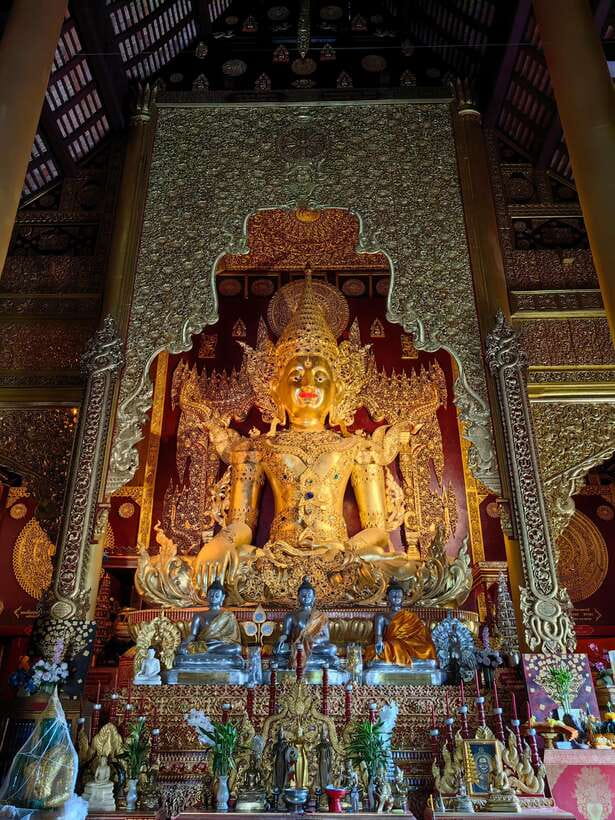
- Wat Chiang Man (1296): Chiang Mai’s oldest temple town landmark, tied to the crystal Buddha.
- Wat Chiang Yuen: a 16th-century temple linked to the Shan people’s past residential area.
- Wat Pa Pao: a Shan Burmese style temple just outside the old city walls and moats.
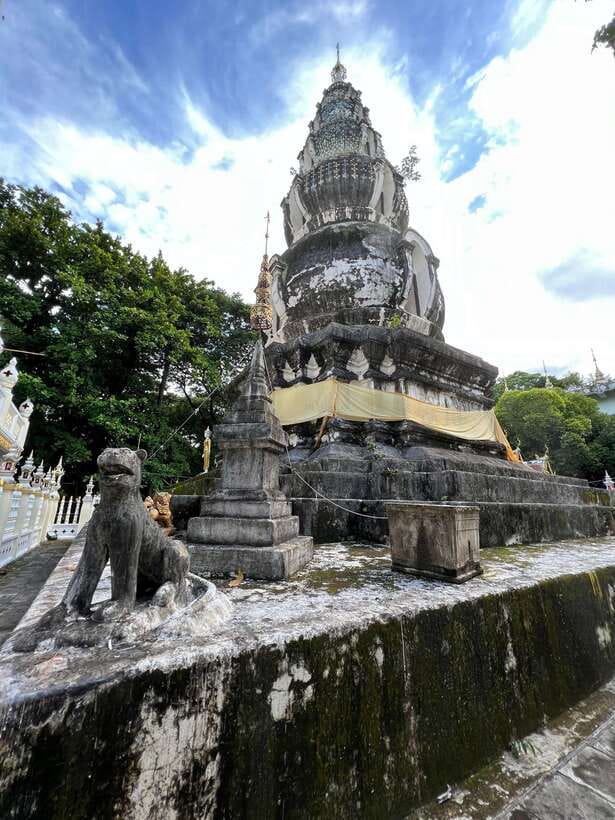
- Wat Ku Tao: a strange, story-filled chedi associated with Prince Saravadi and Burmese rule.
- Guide-led etiquette and explanations: expect clear answers on Buddhism, plus help with temple behavior and prayer.
- Low-impact approach: the tour focuses on reducing environmental impact, including carbon-offset priorities.
How an 8:20 Temple Walk Works in Chiang Mai
This is designed as a morning-friendly route, starting at 08:20 so you can get ahead of the worst of the day’s heat. You’ll be walking through a sequence of historic temples, not riding between stops in a way that kills the sense of place. That matters in Chiang Mai, because the streets and neighborhood layouts are part of how the temples make sense.
The pacing is described as relatively easy, which is good news if you want a structured day without feeling like you’re grinding miles. Still, “easy” doesn’t mean “short”—you’ll be outdoors and moving, and Chiang Mai weather can turn quickly. Bring an umbrella, plan for water, and wear shoes you can walk in for hours.
This tour also leans into the cultural side. You’re not just snapping photos of gold rooftops—you’re learning why each site exists and what the details are telling you about faith and history.
You can also read our reviews of more city tours in Chiang Mai
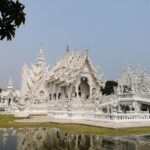
Wat Chiang Man: The 1296 Start Point and the Crystal Buddha Story
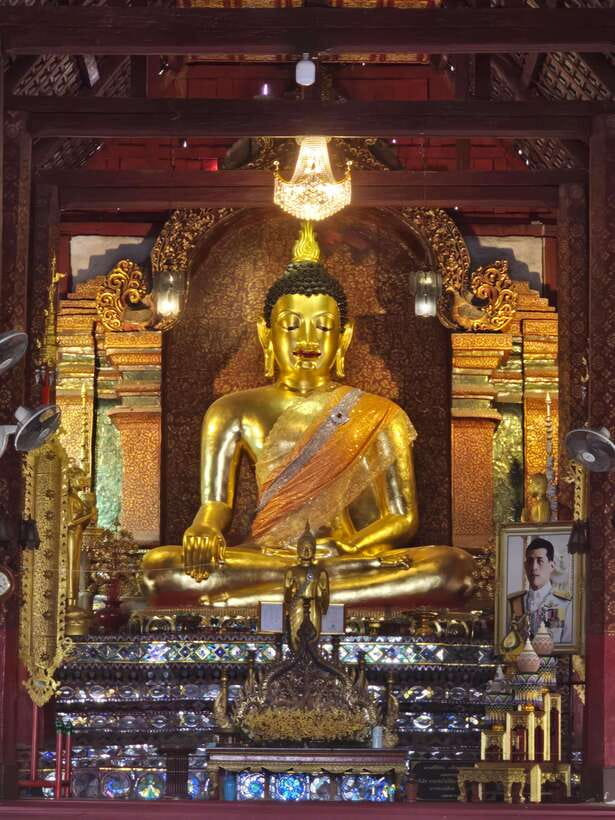
Your day opens at Wat Chiang Man, the oldest temple in Chiang Mai town. It dates to 1296, built by King Mengrai, and it’s known for the enshrined crystal Buddha statue. Even if you’ve seen lots of temple interiors before, this one carries extra weight because it’s tied to the roots of the city.
What makes this stop worth slowing down is the way older temples set the emotional tone for the rest of the route. Standing in a place like this, you get a quick sense of why Chiang Mai developed the way it did—religion wasn’t only a building project, it shaped daily life.
If you want to do this well, focus on the space around the main areas: how people move, where they pause, and what behavior is expected. A good guide helps you get it right, including how to pray properly and how to behave as a visitor.
Wat Chiang Yuen: Shan History in a 16th-Century Temple Setting
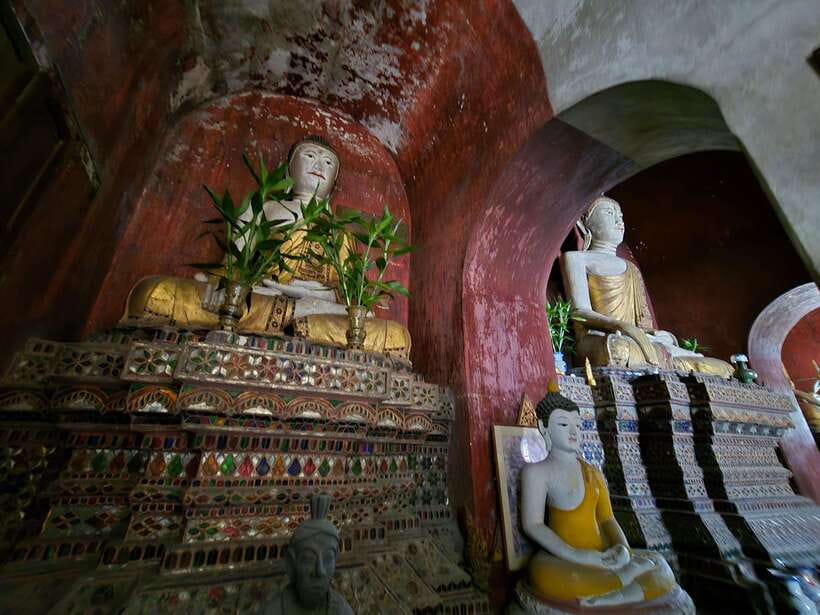
Next up is Wat Chiang Yuen, a unique 16th-century temple located in an area that served as a residential zone for the Shan people in the past. This is the kind of stop that changes your perspective. Instead of viewing temples as isolated monuments, you start seeing them as part of communities—places where identity, migration, and everyday living intersect.
This temple works especially well for travelers who like context. You’re likely to spend time looking at details and hearing the story behind why this site looks the way it does. Guides also tend to explain how Buddhism shows up in daily routines, not just ceremonies.
A practical note: this is a walking day, so think of Wat Chiang Yuen as your mid-route “story temple.” Use it to reset your attention—slow down, listen, and let the meaning catch up with the scenery.
Wat Pa Pao: Shan Burmese Style Outside the Old City Moats
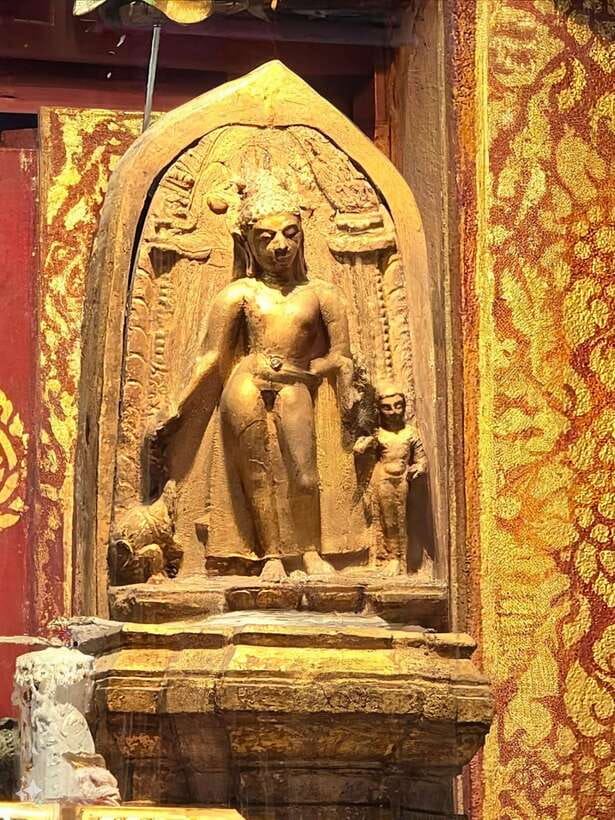
After the older roots, you’ll move to Wat Pa Pao, a Shan Burmese style temple located outside the old city walls and moats. That location isn’t a random detail. It hints at the wider cultural reach of Chiang Mai beyond the walls—trade routes, migration patterns, and the spread of ideas.
Architecturally, Shan Burmese style can feel different from the more familiar Chiang Mai temple look. That makes this stop a strong value-add because it broadens what you think a “Chiang Mai temple” is. If you’ve only visited the most famous central sites, this one helps round out the picture.
It’s also a nice change of rhythm. Moving out toward the moats’ outside areas feels less like walking in a single tourist corridor and more like learning the city’s layers.
Wat Ku Tao: The Unusual Chedi Linked to Prince Saravadi
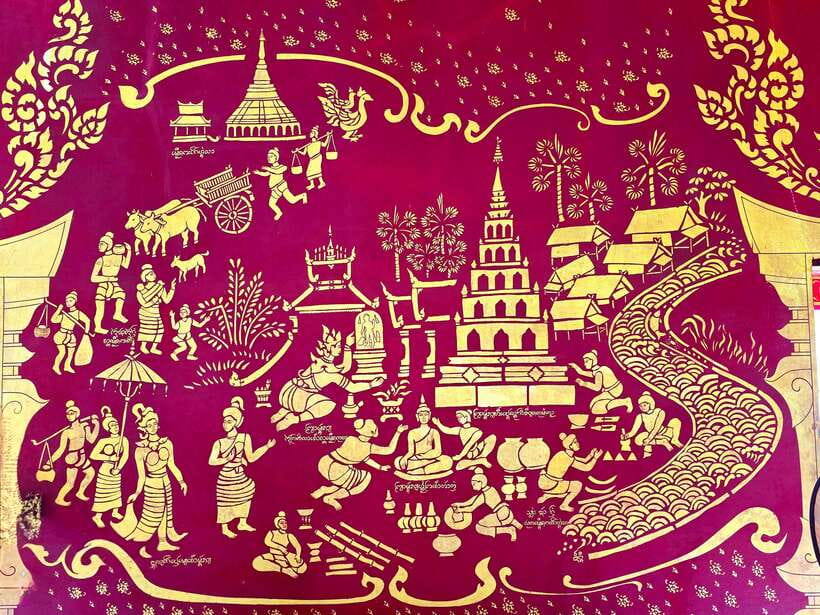
The day finishes at Wat Ku Tao, noted for its unusual chedi. The chedi is thought to have been built in 1613 to hold the ashes of Prince Saravadi (1578–1607), described here as the first Burmese overlord of Chiang Mai. That one sentence packs in a lot: this temple isn’t only sacred art, it’s political memory.
This stop is the best example of why a guided tour matters. Without context, you might see a remarkable structure and move on. With context, you start reading it like history—why this person mattered, why ashes would be memorialized here, and how Burmese influence became part of local religious life.
I also like that Wat Ku Tao gives you something different from the usual “main temple photo” pattern. It’s the kind of place where your guide’s explanations can turn your attention to small things you’d otherwise miss.




The Guide Factor: Etiquette, Questions, and Better Photos
The biggest reason this tour earns such strong ratings is the guide. English, Chinese, and Thai-speaking guides are provided, and many are excellent at tailoring explanations to what you want to know.
From past experiences with guides in this program, a few patterns keep coming up:
- Guides are friendly and flexible, and they don’t rush you through key moments.
- Many have deep ties to Buddhism, including guides with former monk experience, which shows in how calmly and clearly they explain temple life and practice.
- They help with practical visitor behavior, including how to pray and the basics of etiquette when entering temples.
- They often help with photos along the way. That sounds small, but it matters when you’re trying to get good shots in bright outdoor light while still respecting the space.
Names you may hear from guides in this tour include Eddy, Son, Big, and Katoon. Even if the guide assigned to you is someone else, the bar for communication and patience is high.
If you like asking questions, this is a good fit. Several guides are known for answering patiently and guiding you to understand not only what things are called, but what they mean.
Walking Logistics: Heat, Clothing Rules, and What to Bring
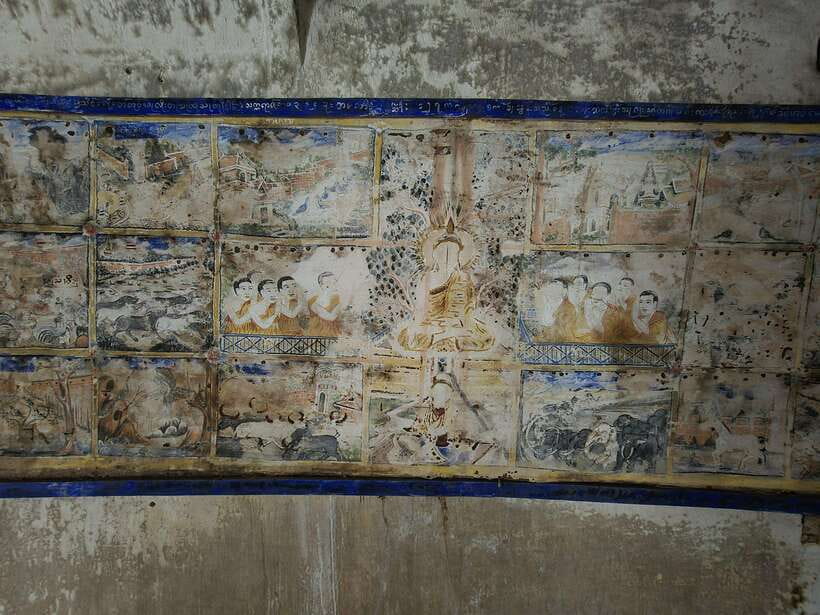
This tour is straightforward: it’s a walking route. The “make it easy” part comes from preparation.
Bring:
- Umbrella (sun and sudden rain both happen)
- Drinks (you’ll want water as the day warms up)
- Cash (handy for small needs you might run into)
Dress matters because temples have rules. Short skirts aren’t allowed, and you’ll want clothing that covers appropriately and makes you feel comfortable. You’ll also want to keep your voice down in temple areas. That’s not about being overly strict—it’s part of how the sites stay respectful and peaceful.
There are also firm no-go rules:
- No drones
- No pets
- No weapons or sharp objects
- No intoxication, and no alcohol and drugs
- No smoking indoors
- No baby strollers, and electric wheelchairs aren’t suitable for this format
Health and comfort are important here. This tour isn’t suitable for children under 2, babies under 1, pregnant women, or wheelchair users.
Price and Value: What $31 Actually Buys You
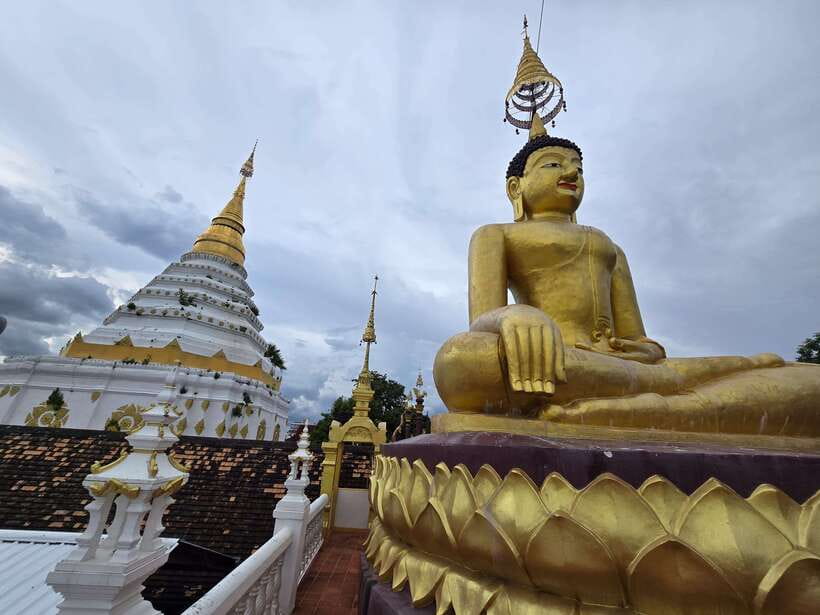
At $31 per person, this is priced like a solid local experience rather than a big-ticket “see it and leave” tour. What you’re paying for is not just walking between temples—it’s a live guide, with cultural explanations tied to each stop.
Included:
- Tour guide
- Walking tour
- Hotel pickup and drop-off only if you choose the private option
Not included:
- Food and additional drinks
That last point is the one you’ll manage yourself. Since food isn’t included, I’d plan on a light breakfast before you start and bring water for the morning. If you’re doing this as part of a multi-day temple plan, it also helps to schedule a recovery break after, since your feet will do their own souvenir shopping.
The value gets even better if you care about Buddhist practice, not just architecture. When the guide teaches how to pray or explains meditation and monk life, you leave with something you can carry beyond photos.
Who This Tour Is For (and Who Should Skip Part II)
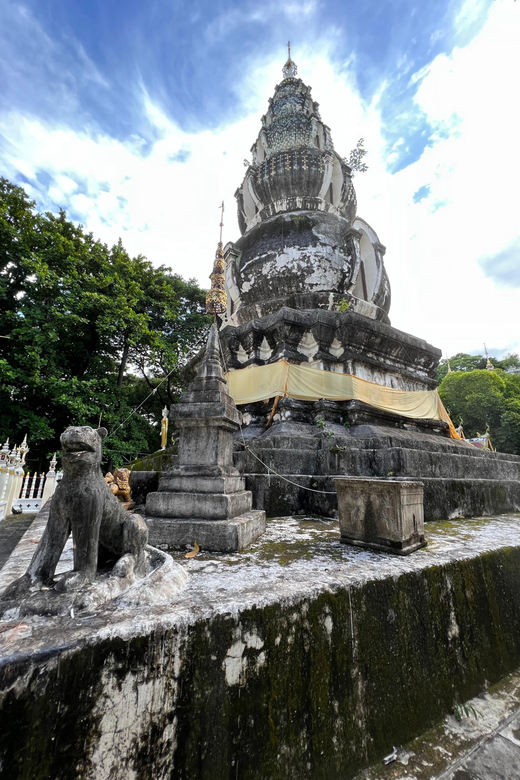
This tour is best for you if:
- You want a focused temple route with Shan and Burmese-influenced context.
- You enjoy learning etiquette and basic beliefs, not only sightseeing.
- You like walking through neighborhoods and seeing how temples relate to the city’s history.
- You want a guide who answers questions patiently and doesn’t rush.
You might want to skip it if you:
- Need wheelchair-friendly access.
- Are pregnant or traveling with very young children.
- Prefer tours that are mostly seated or minimal walking.
If your first reaction to temples is usually how pretty they look, you’ll still enjoy this. But it’s at its best when you come curious and ready to listen.
Should You Book Chiang Mai Temple & City Tour Part II?
I’d book it if you want the “temples with stories” version of Chiang Mai. The lineup—Wat Chiang Man, Wat Chiang Yuen, Wat Pa Pao, and Wat Ku Tao—gives you a strong mix of oldest roots, community history, architectural style, and political-memory symbolism. It’s also good value at $31, especially with a live guide who can explain Buddhism clearly and help you behave well in sacred spaces.
If you’re worried about heat, don’t overthink it. Just show up prepared: umbrella, water, and decent shoes. And if you prefer a totally relaxed day with no rules, temple etiquette may feel like extra structure. For most people, that structure is exactly what makes the temples more meaningful.
FAQ
What time does the tour start?
The tour starts at 08:20.
How long is the Chiang Mai Temple & City Tour Part II?
It lasts 1 day.
What temples are included?
You visit Wat Chiang Man, Wat Chiang Yuen, Wat Pa Pao, and Wat Ku Tao.
How much does the tour cost?
The price is $31 per person.
What is included in the price?
It includes a tour guide and a walking tour. Hotel pickup and drop-off is included only if you select the private option.
What is not included?
Food and additional drinks are not included.
What languages are the guides?
Guides offer live interpretation in English, Chinese, and Thai.
What should I bring?
Bring an umbrella, drinks, and cash.
Is the tour suitable for children or pregnancy?
It is not suitable for children under 2, babies under 1, and it is not suitable for pregnant women.
Are there any key restrictions?
Yes. Pets and drones are not allowed, and you can’t bring weapons or sharp objects. Alcohol and drugs are not allowed, and short skirts are not allowed.