REVIEW · CHIANG MAI
Chiang Mai: Ethical Half Day Elephant Sanctuary & Waterfall
Book on GetYourGuide →Operated by Joy Elephant Sanctuary · Bookable on GetYourGuide
There’s something special about watching elephants choose their own pace. At Joy Elephant Sanctuary in Chiang Mai, you get ethical elephant observation that focuses on respectful distance, feeding, and following the herd through the jungle. I especially like the clear rules around not touching and not doing the usual tourist tricks, and I also like the natural setup with a waterfall break where you can cool down without elephants in the water.
The trip runs about 7 hours door to door, even though it’s called a half-day program, because you spend real time traveling out to Mae Wang District and back. The main drawback to know upfront is that the day includes walking in uneven jungle terrain, so you’ll want good shoes and a realistic expectation of comfort. (Also, the waterfall may be smaller than you picture.)
In This Review
- Key highlights worth circling
- Why Joy Elephant Sanctuary feels different in Chiang Mai
- Getting there: a realistic 7-hour rhythm from Chiang Mai Old City
- Preparing food and feeding elephants without the tourist hassle
- Following the herd through Mae Wang jungle
- The waterfall pause: swim nearby, tea on hand, and no elephant bathing
- Lunch and small inclusions that make the day easier
- The Ya Dom herb inhaler: a Thai craft with real staying power
- Value check: is $54 for Chiang Mai elephant observation worth it?
- What to bring for comfort (and fewer “why didn’t I pack that” moments)
- Who this tour fits best (and who should skip it)
- Should you book Joy Elephant Sanctuary in Chiang Mai?
- FAQ
- How long is the Chiang Mai elephant sanctuary program?
- Are there morning and afternoon sessions?
- Does the tour include hotel pickup and drop-off?
- What’s included in the price?
- Can I bathe elephants or ride them?
- Is touching the elephants allowed?
- Is there time to swim at the waterfall?
- What food do you get during the tour?
- What should I bring?
- Is the tour wheelchair accessible?
Key highlights worth circling
- Respect-first elephant policy: no riding, no touching, no elephant bathing
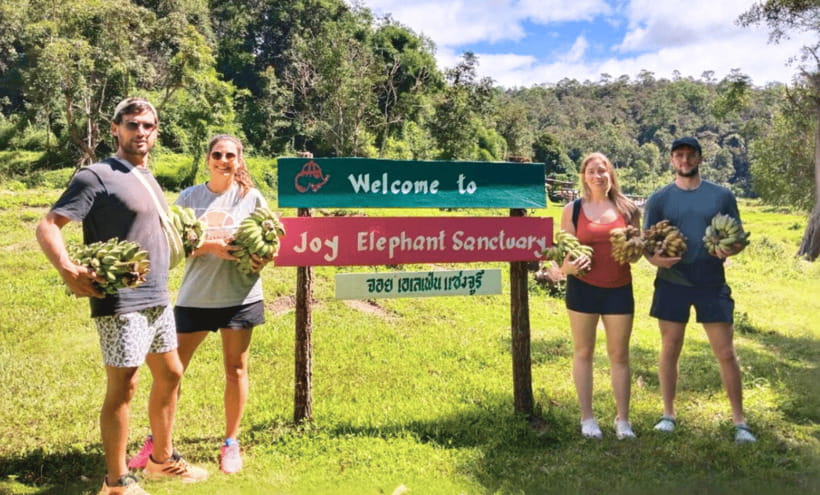
- Hands-on feeding: prepare food and feed the elephants while keeping distance
- Jungle foraging walk: you move alongside the herd at their pace
- Tea + waterfall time: a cooling break with herbal tea, plus a swim area
- Lunch and practical extras included: pad Thai-style lunch, water, towel
- Take-home Thai craft: make your own Ya Dom herb inhaler
Why Joy Elephant Sanctuary feels different in Chiang Mai
This is not the usual elephant show. The whole experience is designed so the elephants stay in charge of what happens, while you learn to watch and interact in a way that doesn’t turn their bodies into entertainment.
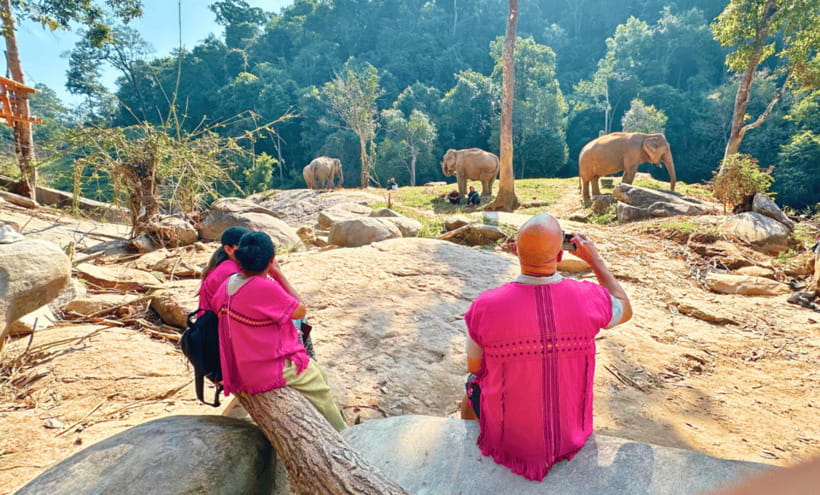
At Joy Elephant Sanctuary, the big win is the behavior you’re allowed to do: you can prepare food, feed elephants, and walk nearby as they forage—but you can’t pet them or force contact. That keeps the mood calmer, and it also makes your time feel more like observation in the real wild-leaning environment of northern Thailand.
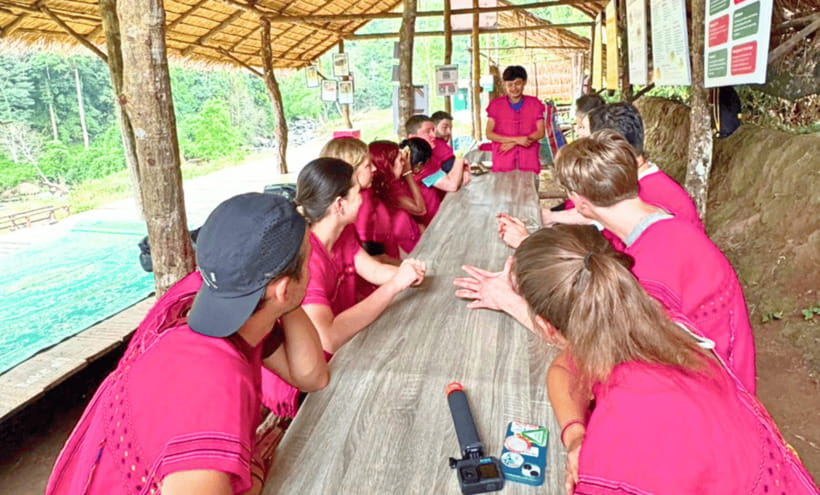
The second thing I like is the structure. You’re guided from start to finish with an English-speaking team, and the day includes more than elephants. There’s a lunch stop, a tea break, and a Thai handmade craft that gives you something to take home besides photos.
You can also read our reviews of more tours and experiences in Chiang Mai.



Getting there: a realistic 7-hour rhythm from Chiang Mai Old City
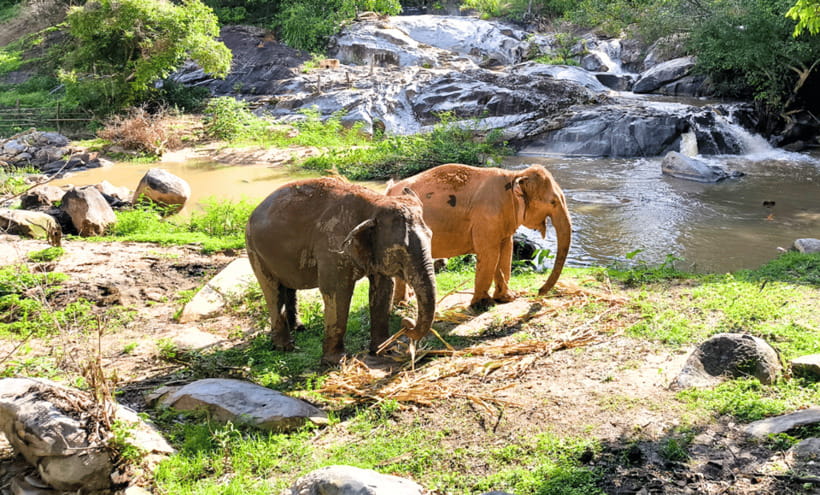
Expect a full day block, even if you choose a morning or afternoon session. Hotel pickup and drop-off cover accommodations within a 5 km radius of Chiang Mai’s Old City, using a minivan for round-trip transport. From there, you’re looking at about 1.5 hours each way to Mae Wang District.
That travel time matters for planning. If you’re the type who gets cranky when plans stretch out, treat the day like an outing rather than a quick half-day escape. On the plus side, the ride gives you time to settle in and mentally switch from city mode to countryside mode.
One practical note: bring insect repellent and sunscreen. The schedule is long enough that you’ll be exposed to sun and bugs across the day, especially once you’re walking outdoors.
Preparing food and feeding elephants without the tourist hassle
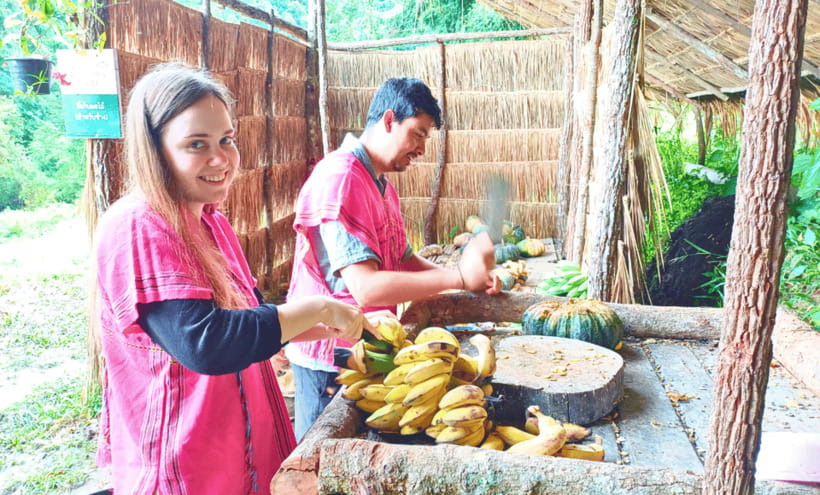
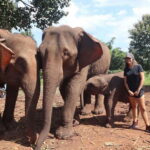
Your day starts with hands-on prep. You’ll get the chance to prepare elephant food and learn basics about elephant behavior and care as you get oriented. Then comes the part most people remember: feeding the elephants while your guide keeps everyone aligned with the sanctuary rules.
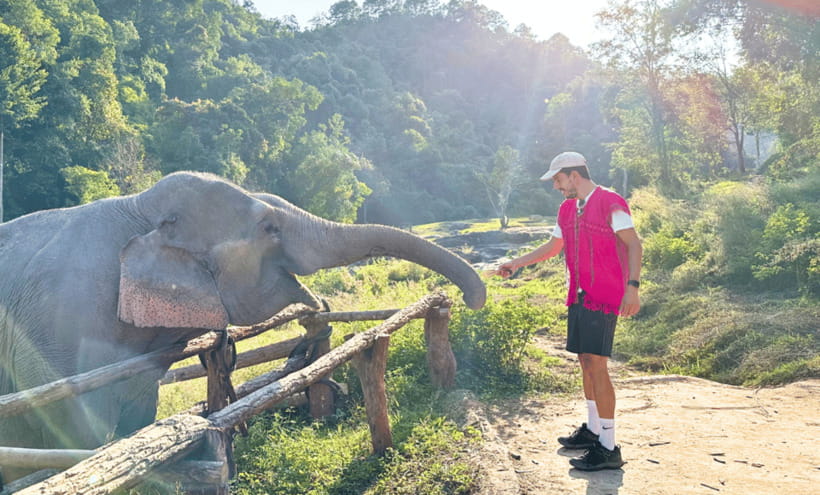
What makes this feel worthwhile is how it’s framed. Feeding here isn’t about grabbing at an animal or trying to get “the best selfie.” You’re there to provide food and observe. The sanctuary environment also means the elephants are behaving like elephants—moving, sniffing, choosing routes—rather than performing on command.
You should also know what you’re not doing. The experience specifically avoids elephant bathing, and the program stresses respectful interaction. From your standpoint as a visitor, that usually translates to no touching, no riding, and no trying to get the elephants to pose.
Following the herd through Mae Wang jungle
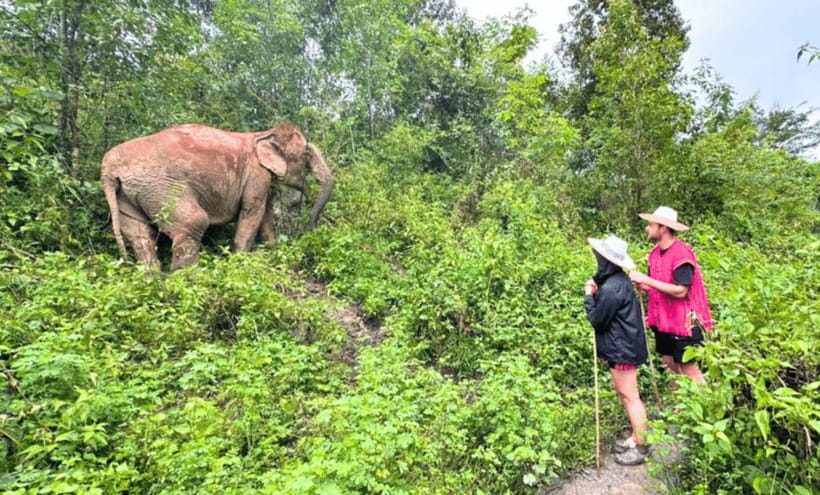
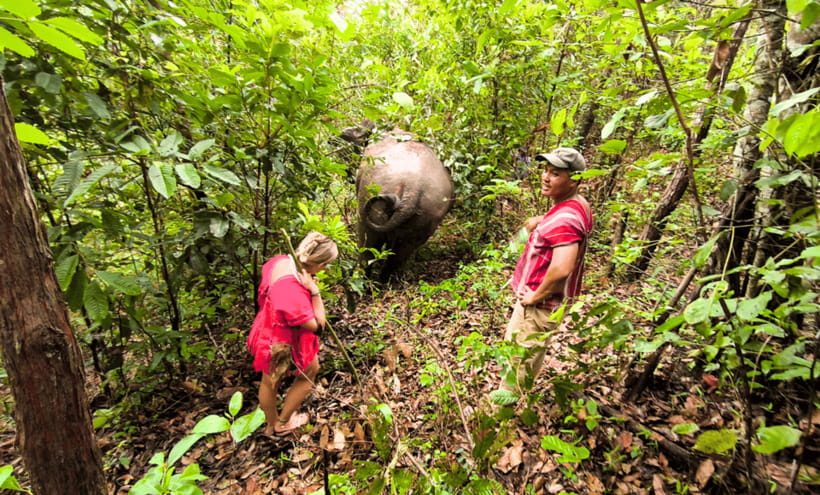
Once the feeding is done, you shift into observation mode. You’ll walk alongside the elephants as they move through the jungle and forage. The timing is built in so you’re not racing the herd; you’re watching them work through their day.
Several details make this feel authentic. First, you’re not pushing the elephants into a schedule. Second, you’re learning what to notice: how they move, how they react to the environment, and how the group stays together.
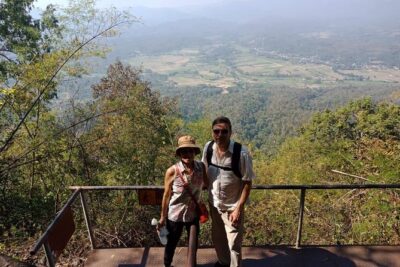
Comfort-wise, this is where you’ll want to be honest with yourself. You’ll be on uneven ground, likely with wet or muddy patches depending on the weather. The tour isn’t described as wheelchair-friendly, and some people find the jungle walking challenging, even when the route isn’t described as extreme. Pack for traction and for sweat: comfortable shoes beat flip-flops, every time.
The waterfall pause: swim nearby, tea on hand, and no elephant bathing
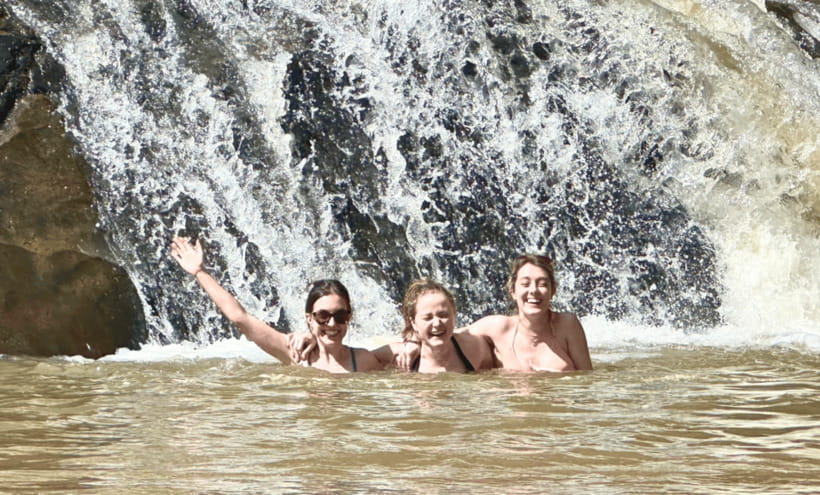
After the jungle portion, the day slows down at Mae Wang District with a waterfall break. This part is designed for you to cool off, but it’s also structured to protect elephant welfare. The program includes a refreshing swim area, and importantly, the elephants are not involved in bathing here.
You’ll also get tea—herbal tea is mentioned in the experience overview—so it’s not just a “go stand in the shade” break. The waterfall setting gives you a chance to reset your brain after walking and watching elephants for hours.
If you’re expecting a huge movie-style waterfall, keep your expectations flexible. One booking note said it wasn’t as big as expected. Still, a waterfall pause in Thailand is never wasted time, and when you pair it with elephant observation earlier, it feels like the day gets balanced.
Lunch and small inclusions that make the day easier
Food is part of the experience here, not a random add-on. Lunch is included, and you’ll be provided water during the day as well. A towel is also included, which is a surprisingly helpful detail once you factor in the swim and the humidity.
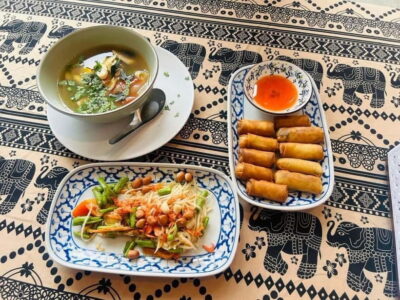
Most importantly, lunch is not just a sad snack. Multiple bookings describe a vegetarian-style Pad Thai plus fresh fruit. It’s the kind of meal that actually helps you keep going, especially after a jungle walk.
You’ll also feel the benefit of insurance being included. It doesn’t change the vibe of the day, but it adds comfort for those of us who like to know the tour has your back.
The Ya Dom herb inhaler: a Thai craft with real staying power
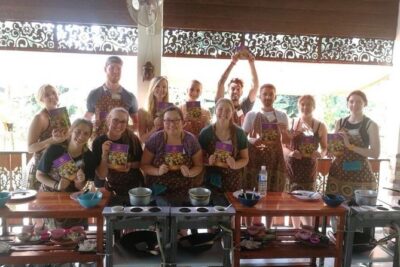
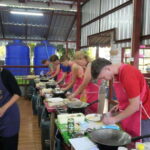
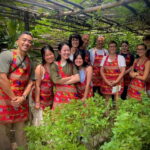
At the end, you’ll do a Thai cultural handmade craft. The experience is described as making your own souvenir, and many bookings specifically mention making homemade Ya Dom herb inhalers—small scent inhalers made from local spices and herbs.
This is one of those activities that makes the day stick in your memory. It’s not just a token. You leave with something practical, tied to Thai ingredients, and you get to hear how it’s made during the craft session.
If you like souvenirs that don’t clutter your shelf, this one has a purpose. Also, it’s a nice final step after the walking and swimming. Your legs get a rest, and you shift from seeing to making.
Value check: is $54 for Chiang Mai elephant observation worth it?
At $54 per person, you’re paying for a full guided outing with real transportation, meals, and animal-focused care standards. The price includes hotel pickup/drop-off, an English guide, lunch, water, elephant food, a towel, and insurance.
Here’s how I’d judge value: if you book a cheaper “elephant experience” that costs less but cuts corners—like adding elephant bathing, riding, or petting—your cheaper ticket often hides extra costs later, and the experience can feel rushed or uncomfortable. With this program, the ethical rules are central, and the structure of the day supports that.
Yes, you still spend time traveling, and you still do some walking. But you also get a complete package: transport, guidance, feeding time, waterfall downtime, food, and a take-home Thai craft. For many people in Chiang Mai, that’s the difference between a memorable day and a confusing one.
It’s also rated very highly—4.9 with 450 reviews—so you’re not gambling on whether the day is actually organized.
What to bring for comfort (and fewer “why didn’t I pack that” moments)
Use the packing list as your checklist:
- Comfortable shoes for jungle walking
- Swimwear and a change of clothes
- Sandals for the waterfall area
- Sunscreen and insect repellent
- Your own allergy medication if you need it
You’ll have a towel provided, but don’t count on having everything else. Hot sun + bugs + wet ground adds up fast in Thailand, especially during a long 7-hour outing.
Also, leave pets at home. Pets aren’t allowed, and the tour also forbids explosive substances.
Who this tour fits best (and who should skip it)
This is a great match if you want ethical elephant observation more than you want an adrenaline ride. If your priorities are respectful distance, learning how elephants live and behave, and seeing the herd forage naturally, Joy Elephant Sanctuary aligns well with that.
It’s also a good pick if you want your day to include more than one activity. You’re feeding elephants, walking with the herd, cooling off at a waterfall, eating lunch, and making a Thai herb souvenir.
Skip it if you need wheelchair accessibility. The tour is not described as suitable for wheelchair users, and the day includes walking outdoors.
If you’re nervous about walking in jungle areas, wear the right shoes and consider bringing along a little patience. People who aren’t confident on uneven ground may find it challenging, even if the walking portion isn’t portrayed as extreme.
Should you book Joy Elephant Sanctuary in Chiang Mai?
If you care about animal welfare and you want an elephant day that feels respectful, I’d book it. Joy Elephant Sanctuary is built around observation and controlled, non-contact interaction: feeding, following at a distance, and no bathing.
Before you confirm, think honestly about two things. First, you’re choosing a full day block, because travel is part of the deal. Second, you’ll walk outside on uneven ground, so pack for that and don’t plan on treating this like a sit-down tour.
If that fits your travel style, this is exactly the kind of experience I look for in Chiang Mai: authentic animal behavior, clear rules, and a day that ends with a real Thai craft instead of just a photo stop.
FAQ
How long is the Chiang Mai elephant sanctuary program?
The duration is listed as 7 hours for the half-day program, including pickup, travel time, the sanctuary experience, lunch, and returning to your hotel.
Are there morning and afternoon sessions?
Yes. The program is available in either a morning or an afternoon session.
Does the tour include hotel pickup and drop-off?
Yes. Pickup and drop-off are included by minivan for accommodations within a 5 km radius of Chiang Mai’s Old City.
What’s included in the price?
Included items are hotel pickup and drop-off, a guide (English), lunch, water, elephant food, a towel, and insurance.
Can I bathe elephants or ride them?
No. The program specifically states no elephant bathing, and the experience is described around ethical observation rather than riding.
Is touching the elephants allowed?
The experience is described with ethical rules that focus on observation and respect. Touching/petting is not part of the allowed interactions.
Is there time to swim at the waterfall?
Yes. You’ll have a break at the waterfall and there is time to swim in the waterfall area, and the elephants are not bathed there.
What food do you get during the tour?
Lunch is included, and the experience includes a break with tea. Lunch is described as part of the day’s included program.
What should I bring?
Bring comfortable shoes, swimwear, a change of clothes, sandals, sunscreen, and insect repellent. If you have allergies, bring your own allergy medication.
Is the tour wheelchair accessible?
No. It is not suitable for wheelchair users.