REVIEW · CHIANG MAI
Chiang Mai: Evening Cooking Class and Local Market Visit
Book on GetYourGuide →Operated by Galangal Cooking Studio · Bookable on GetYourGuide
Thai cooking gets real fast. This class in Chiang Mai pairs a market hunt with hands-on cooking, so you leave with both skills and full bellies. I especially love the market-and-organic-garden ingredient shopping, and I also love how the instructor team (including New and Aoy) explains flavors clearly as you cook. One thing to consider: the evening starts early, so you’ll want to come with an empty stomach.
For $28, you’re not just watching a demo. You get hotel pickup/drop-off in central Chiang Mai, English instruction, all ingredients and equipment, and a meal at the end that you helped make. The slight drawback is that you’ll be choosing from a menu, so if you want a very specific dish not listed, you’ll need to pick from what’s available that day.
Key highlights I’d plan around
- Hotel pickup and drop-off for central Chiang Mai, so you spend less time figuring out transport
- Market visit plus organic garden stroll for hands-on ingredient context
- Cook four dishes by selecting one item from each course category
- English instruction in an air-conditioned indoor dining setup
- Dietary-friendly options (vegan, vegetarian, halal, gluten-free, and allergy accommodations)
In This Review
- Hotel Pickup at Golden Hour: Getting to the Class Without Stress
- The Local Market Ingredient Hunt: How You Choose Flavor Like a Thai Cook
- Organic Garden Stop: Herbs and Vegetables With a Reason
- Cooking School Setup: Air-Conditioned, Organized, and Built for Real Learning
- Your Menu Choices: One Dish From Each Category
- Stir-fried choices
- Soup choices
- Appetizer choices
- Curry / curry paste making choices
- Cooking the Evening Dinner: What You Actually Eat
- Timing That Works: The 4 PM Start Window and Finishing Late Enough to Be Worth It
- Air-Conditioning, English Instruction, and the Human Touch
- Allergy-Friendly Cooking and Vegan Options Without the Same-Old Substitutions
- Price and Value: Why $28 Feels Fair for This Much Food and Work
- Who This Chiang Mai Class Suits Best (And Who Should Skip)
- Should You Book This Chiang Mai Evening Cooking Class?
- FAQ
- How long is the Chiang Mai evening cooking class?
- What dishes will I cook during the class?
- Is hotel pickup and drop-off included?
- Do they accommodate vegan, vegetarian, Halal, gluten-free, or allergies?
- What should I bring?
- What time does the class start, and when will I be back?
- Can someone observe if they are not cooking?
Hotel Pickup at Golden Hour: Getting to the Class Without Stress
The evening starts with a simple win: hotel pickup in central Chiang Mai. Pickup runs between 3:15 and 3:45 PM, and the vehicle can arrive slightly earlier due to evening traffic and the number of pickup stops. The driver won’t wait more than 5 minutes after the scheduled time, so I’d set a reminder and be ready.
This matters because Chiang Mai evenings can get chaotic fast. When transport is handled for you, you can focus on what the class is really about: learning Thai cooking while the ingredients are still fresh and vibrant. It also makes the whole experience easier if you’re staying in the old city area, Santitham, or along Huay Keaw road up toward Maya Shopping Mall.
If your hotel is outside the listed pickup zones, they’ll let you know ahead of time. You may need to make your own way to the cooking school or market using the arrival time they provide, plus an address.
The Local Market Ingredient Hunt: How You Choose Flavor Like a Thai Cook
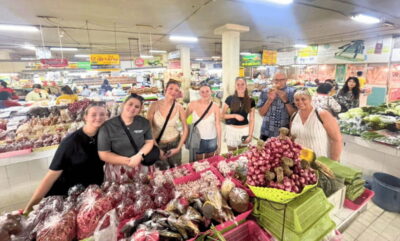
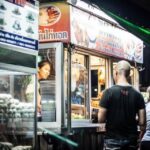
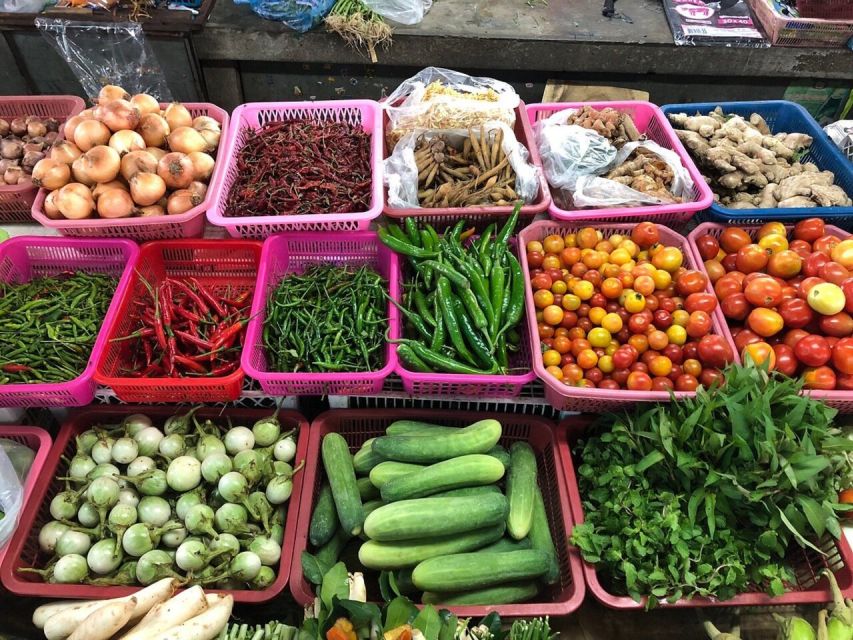
After pickup, you head out to a market to see the ingredients behind Thai home cooking. This is the part I like most because it trains your eye. Instead of only learning recipes by name, you learn what to look for: fresh vegetables, herbs, and the building blocks that make Thai food smell the way it does.
You also get a short time to wander, which helps you connect the classroom to real life. If you like food as a form of culture, this kind of viewing time is where it clicks. You’ll likely notice that Thai cooking isn’t just about one sauce; it’s about balance: acidity, heat, saltiness, aroma, and texture.
The class also mentions the market tour can be depending on interest, so if you’re the type who wants more ingredient explanation, pay attention when you’re deciding your menu. If you’re more relaxed and just want to eat and cook, the market part still gives you enough grounding to make sense of what you’re doing later.
You can also read our reviews of more shopping tours in Chiang Mai
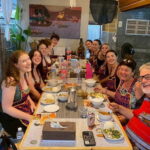
Organic Garden Stop: Herbs and Vegetables With a Reason
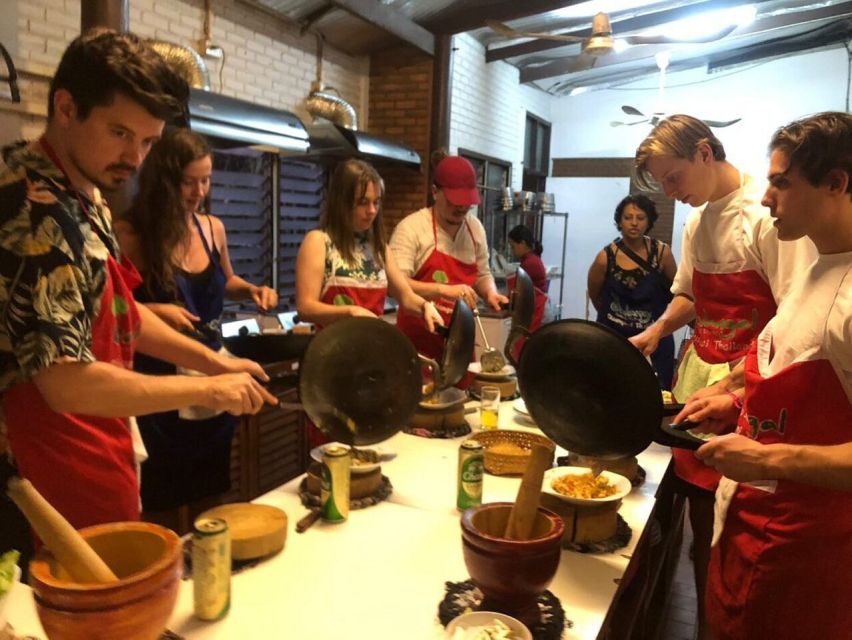
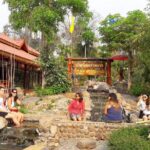
Next comes the organic garden stroll. This isn’t just a pretty walk. It’s there to show how herbs and vegetables are cultivated, so the ingredients don’t feel random.
Thai flavors often come from fresh herb work and the subtle differences between similar plants. Seeing how herbs and leafy vegetables grow can make you better at buying and using them later, even if you’re cooking at home far from Thailand. It also makes the dinner feel more intentional: you’re not simply copying steps, you’re understanding why certain ingredients taste better together.
If you’re short on time or not into walking tours, this is still usually an easy add-on because it’s framed as a stroll through how plants grow, not a long hike.
Cooking School Setup: Air-Conditioned, Organized, and Built for Real Learning
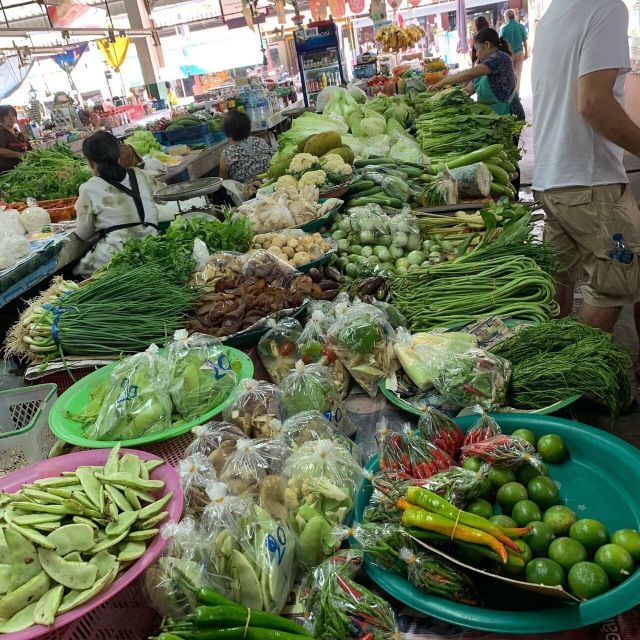
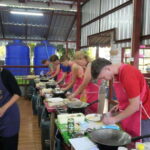
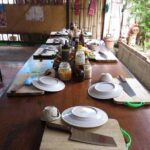
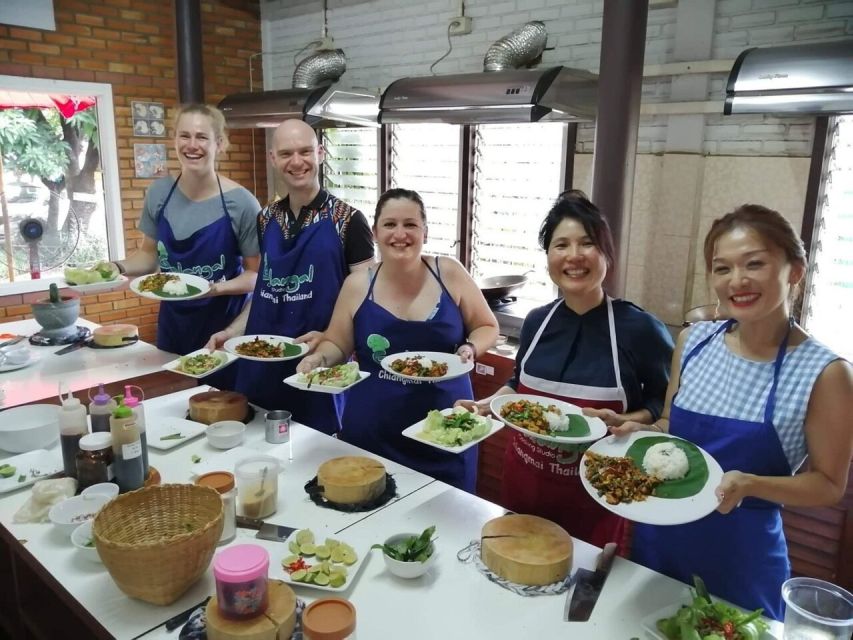
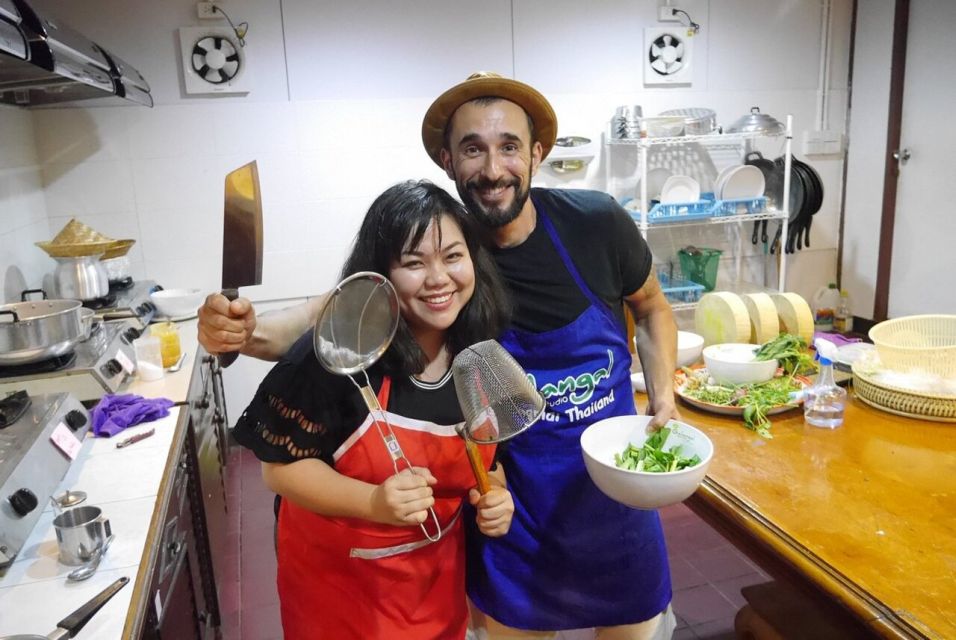
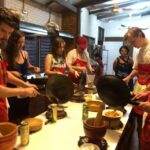
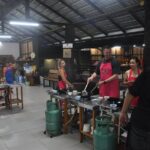
Once you arrive, the vibe is practical. The class uses an indoor kitchen and an air-conditioned dining setup, which is a huge plus in Chiang Mai when evenings can still feel warm and humid.
The course is structured around you making dishes, not just tasting. You’ll learn with English instruction and follow along with what the instructor is demonstrating and why. In the feedback, people highlight that the teachers can remember student names and keep everyone on track, which matters when you’re juggling chopping, stirring, and tasting all at once.
Another detail that helps: you get all ingredients and equipment required. That removes the biggest headache of cooking classes. You don’t need to worry about missing tools or strange substitutions.
You’ll also receive instructions throughout the class, plus water, tea, and coffee. That keeps things comfortable while you cook and then sit down to eat.
Your Menu Choices: One Dish From Each Category
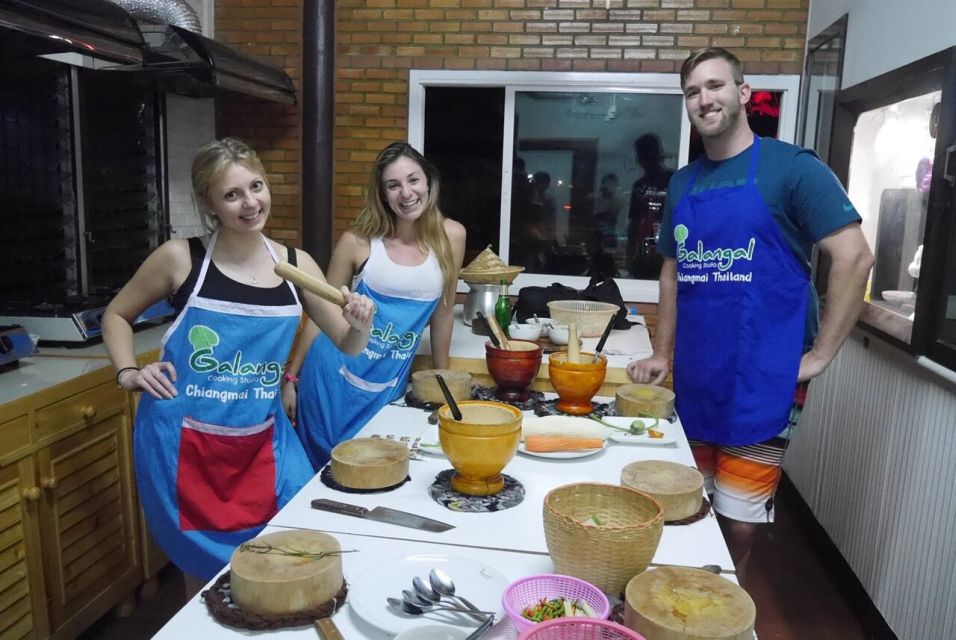
Here’s how the class works in the simplest terms: you select options and then cook the dishes you chose. The structure is built so you end up with about four dishes, with one selection from each category.
Your categories are:
Stir-fried choices
Pick one:
- Pad Thai (fried noodles Thai style)
- Pad See Ew (stir-fried chicken with fresh noodles)
- Kai Pad Med Mamuang Him Ma Pan (chicken cashew nut)
- Pad Kaphao Kai (minced chicken with holy basil)
You can also read our reviews of more tours and experiences in Chiang Mai


Soup choices
Pick one:
- Tom Yum Kung (hot and sour prawn)
- Tom Kha Kai (chicken in coconut milk)
- Tom Kha Je (vegetarian/vegan in coconut milk)
- Tom Zap Kai (hot and sour with chicken)
Appetizer choices
Pick one:
- Som Tam (papaya salad)
- Por Pia Thod (spring roll)
- Larb Kai (chicken salad)
- Yam Woon Sen (glass noodle salad)
Curry / curry paste making choices
Pick one:
- Kaeng Massaman (Massaman curry)
- Kaeng Kieaw Wan Kai (green curry)
- Kaeng Panaeng Kai (Panang curry)
- Khao Soi (Chiangmai noodle with chicken)
- Kaeng Ped (red curry)
- Kaeng Karee (yellow curry)
- Pad Prik Kaeng (dry red curry)
What I like about this setup is the variety. You’ll learn how Thai cooking changes across categories: stir-fry technique, soup balancing, salad crunch, and curry paste work. If your only Thai cooking experience at home is ordering takeout, that variety helps you understand Thai cooking as a set of techniques, not one “magic sauce.”
Also, they note accommodations for vegan, vegetarian, Halal, and gluten-free needs, plus allergies. If you’re cautious about substitutions, this is the kind of class where it’s worth telling the instructor what you can’t eat.
Cooking the Evening Dinner: What You Actually Eat
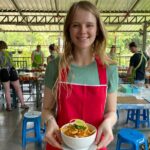
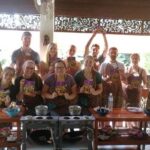
The final part of the evening is when all your work turns into dinner. You’ll cook and then savor what you made together, which is the fastest way to learn: taste, compare, and adjust in your head for the next time.
The class highlights an indoor air-conditioned dining room, so you’re not cooking and eating in uncomfortable conditions. You’ll also be given a PDF recipe book, which is useful because it lets you recreate the dishes at home without squinting at your phone.
A small but important detail: many people are encouraged to come with an empty stomach because Thai dinner starts around 4 or 5 pm culturally, and the class schedule lines up with that. You’re cooking four dishes. If you snack heavily beforehand, you’ll feel rushed during the eating part.
Timing That Works: The 4 PM Start Window and Finishing Late Enough to Be Worth It
Pickup happens between 3:15 and 3:45 PM, and the class setup time is 4:00 PM to 8:30 PM for larger groups (10–12 people). If the group is smaller, they finish earlier.
That range is helpful when planning your Chiang Mai evening. It’s long enough to feel like a real event, not a quick workshop, but short enough that you can still find a place for dessert afterward if you’re up for it.
Also note that the cooking school is described as near public transportation. So even if your pickup changes or you end up needing to self-arrange, you’re not stuck in a remote spot.
Air-Conditioning, English Instruction, and the Human Touch
This class isn’t only about recipes. It’s about how instruction lands. In the feedback, people repeatedly praise the way teachers explain ingredients and keep students engaged and attentive.
Names you’ll see come up include New and Aoy (with some spelling variations in the listings). That’s a sign the teaching style is consistent: organized steps, ingredient explanation, and a classroom rhythm that makes beginners feel comfortable.
If you’ve tried other cooking classes before and felt lost, the biggest difference here is that the guidance is tied to what you’re using in the dish. You’re not only learning what to do; you’re learning what to pay attention to while you do it.
Allergy-Friendly Cooking and Vegan Options Without the Same-Old Substitutions
If you follow a restricted diet, this is worth your attention. The activity states it’s available for vegan, vegetarian, Halal, and gluten-free needs, and it also offers support for certain allergies.
That matters because many cooking classes can only handle restrictions in a limited way. Here, the class emphasizes that dietary choices are considered in the menu selection and instruction. Even when you’re not eating meat, you still cook real Thai dishes like Tom Kha Je (vegetarian/vegan coconut milk soup).
If you have allergies, it’s smart to mention them clearly when you join the class, rather than hoping you can guess later.
Price and Value: Why $28 Feels Fair for This Much Food and Work
At $28 per person for a 5-hour experience, the value comes from what’s included, not just the low sticker price.
You get:
- Hotel pickup and drop-off
- Cooking instructions in English
- Market and organic garden elements
- All ingredients and equipment
- Water, tea, and coffee
- A PDF recipe book
When you compare that to what you’d pay for a single restaurant meal plus a guided food experience, this feels like a smart “buy once” deal. The biggest value is that your meal isn’t only purchased; it’s created by you, with guidance. That makes the recipe book more than a souvenir. It’s a tool you can actually use.
Who This Chiang Mai Class Suits Best (And Who Should Skip)
This is a great fit if:
- You want a guided way to understand Thai ingredients, not just follow steps
- You like learning by cooking, tasting, and adjusting
- You want a fun evening that starts with ingredient shopping and ends with dinner
It’s not the best fit if:
- You’re dealing with altitude sickness (the activity notes it isn’t suitable)
- You hate cooking classes where you must choose menu options in advance or during the session
- You’re looking for a quiet, low-energy activity. This is hands-on and structured.
Also, if you want a spectator-only experience, the class does allow observers, but there’s a fee. An observer adult is 500 THB per person, and children 6–12 pay 350 THB.
Should You Book This Chiang Mai Evening Cooking Class?
If you like food that you can reproduce, I think this is a yes. The combination of market shopping, an organic garden stroll, and then cooking four Thai dishes with English guidance gives you the full arc. You’ll leave knowing what ingredients matter and how Thai flavors come together across stir-fries, soups, salads, and curries.
Book it if you’re staying in or near central Chiang Mai and you want the easiest logistics possible with hotel pickup. I’d especially prioritize it if you’re traveling with dietary needs, since the class explicitly supports vegan, vegetarian, Halal, and gluten-free options.
If you only want a quick tasting tour and not actual cooking, you might find the hands-on part takes more time and focus than you want. But if you’re hungry in the best way, this is one of the cleanest ways to turn a Thai-food craving into real kitchen skills.
FAQ
How long is the Chiang Mai evening cooking class?
The experience runs for about 5 hours.
What dishes will I cook during the class?
You can choose one dish from each category: stir-fry, soup, appetizer, and curry/curry paste. The specific options include Pad Thai, Pad See Ew, Tom Yum Kung, Tom Kha Kai, Som Tam, spring rolls, Massaman curry, green curry, Panang curry, Khao Soi, and more.
Is hotel pickup and drop-off included?
Yes. Pickup and drop-off are included for many hotels in central Chiang Mai, including the old city, Santitham, and Huay Keaw road up toward Maya Shopping Mall, plus some nearby road areas.
Do they accommodate vegan, vegetarian, Halal, gluten-free, or allergies?
The activity states it’s available for vegan, vegetarian, Halal, gluten-free needs, and people who are allergic to certain ingredients. You should share your needs so alternatives can be arranged.
What should I bring?
You only need to bring personal medication.
What time does the class start, and when will I be back?
Pickup is scheduled between 3:15 and 3:45 PM, and the class setup is typically for 4:00 PM to 8:30 PM for larger groups. With smaller groups, the class can finish earlier.
Can someone observe if they are not cooking?
Yes, observers are welcome, but there is a fee: 500 THB for adults and 350 THB for children ages 6–12.