REVIEW · CHIANG MAI
Chiang Mai: Hmong Village, Doi Suthep and Wat Pha Lat Trek
Book on GetYourGuide →Operated by Chiang Mai Everywhere · Bookable on GetYourGuide
A day like this has one job: make Chiang Mai feel personal fast. You start on the Monk’s Trail through lush forest, then bounce between temples, viewpoints, and a Hmong hill tribe village, all with a small-group guide. I especially like the quiet contrast: the walk to Wat Pa Lat feels like a breath of still air, while Doi Suthep brings the big skyline payoff.
The other thing I like is the value for your time: you’re paying for a full arc of Chiang Mai culture—temple relics, panoramic views, and real everyday crafts—without having to manage transport. One consideration: the trekking element may not match your comfort level if you have mobility limits or low fitness, and the hike pace can vary day to day.
In This Review
- Key Highlights to Watch For
- Monk’s Trail Trek: Where Chiang Mai Gets Quiet
- Wat Pa Lat: The Temple Stop That Feels Like a Pause Button
- Doi Suthep by Car: Iconic Golden Relics and Real City Views
- Doi Suthep–Pui National Park: A Breather Between Big Stops
- Hmong Hill Tribe Village: Culture, Crafts, and a Coffee Moment
- Price and Value: What $57 Buys You in a 7-Hour Day
- Who Should Book This Trek (And Who Should Skip It)
- What to Bring So the Day Feels Easy
- Should You Book Chiang Mai Everywhere’s Doi Suthep and Hmong Village Tour?
- FAQ
- How long is the tour?
- Where does pickup happen?
- Is there a hike involved?
- What’s included in the price?
- What language will the guide speak?
- What if I need to cancel?
Key Highlights to Watch For
- Monk’s Trail forest hiking: a pilgrimage route monks and locals still use
- Wat Pa Lat (14th-century Lanna links): a calmer temple stop tied to Doi Suthep journeys
- Doi Suthep golden chedi views: sacred relics plus a wide panorama over Chiang Mai
- Doi Suthep–Pui National Park break: a practical nature stop that breaks up the day
- Hmong village culture and coffee: crafts, lifestyle, and a chance to slow down above the clouds
Monk’s Trail Trek: Where Chiang Mai Gets Quiet
The day starts with pickup from your hotel in Chiang Mai City, typically from the Old City or Nimman areas. Plan to be ready about 10 minutes before the scheduled pickup. It’s a small-group setup (limited to 9 people), and you’ll travel by car, which matters because Chiang Mai traffic can eat time if you’re trying to piece things together on your own.
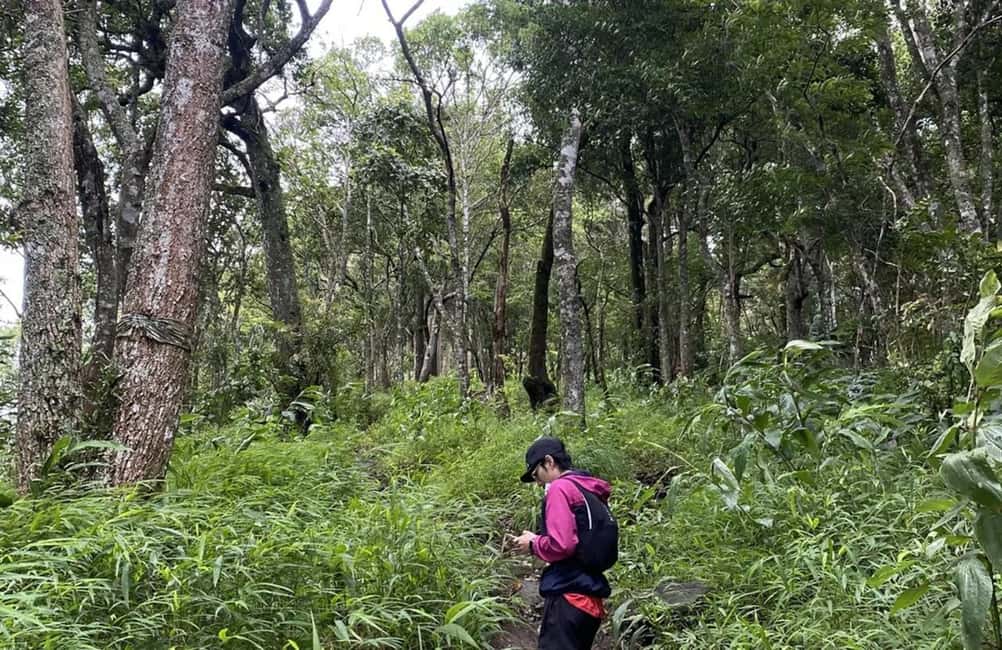
Then you head to the start of the Monk’s Trail. This isn’t a theme-park hike. It’s described as the serene forest path monks once used to climb toward Wat Pa Rat—and even now, monks and locals walk it as a form of pilgrimage. That makes the whole trail feel purposeful. You’ll be surrounded by greenery and the usual sounds of nature, which is exactly what you want when you’re trying to get beyond temples-on-a-timetable.
What you’ll need to enjoy this part: you’ll be happiest if you can walk steadily without needing to stop every few minutes. Bring hiking shoes, not just sneakers, and wear weather-appropriate clothing. Insect repellent helps more than you’d think in forested areas.
One practical note: the day is marketed as including a 2+ hour hike. In real life, your time on the trail can shrink depending on pace, route conditions, and group flow. For example, one booking reported that the hike felt closer to about an hour. The takeaway for you: don’t assume every minute will match the brochure perfectly—bring a comfortable attitude, and you’ll still get value from the experience.
You can also read our reviews of more hiking tours in Chiang Mai

Wat Pa Lat: The Temple Stop That Feels Like a Pause Button
After the forest walk, you reach Wat Pa Lat, a peaceful temple connected to the Lanna Kingdom era (built around the 14th century). What makes this stop compelling is not just that it exists, but why it mattered: it served as a resting and meditation place for monks traveling up toward Doi Suthep.
This is the kind of place where the timing actually matters. You’re not rushing straight from one major site to the next. You arrive after a walk that sets your body into “slow mode,” so the temple feels like a natural decompression moment.
Here’s what to pay attention to:
- The temple atmosphere tends to be quieter than Chiang Mai’s headline sites.
- You’ll likely spend enough time to look around without feeling chased.
- This stop gives you a story thread: monk life and pilgrimage routes, not only impressive architecture.
If you love details, you’ll enjoy how the day turns pilgrimage into geography—how a route through nature leads to spiritual stops with a clear historical role. That’s what makes this segment more than just a photo stop.
Doi Suthep by Car: Iconic Golden Relics and Real City Views
Next, you move by car to Wat Phra That Doi Suthep, Chiang Mai’s best-known temple. This part is more structured, more “main attraction,” and that’s exactly what balances the earlier quiet trail.
Once you arrive, you’ll head into the temple complex where the golden chedi houses sacred relics of the Buddha. It’s an important reminder that this is not just sightseeing. Even if you’re not a temple deep-diver, you’ll feel the reverence in how people behave on site.
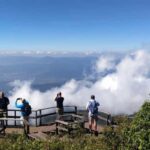
Then come the views. From the temple grounds, you get panoramic sights over Chiang Mai. The hilltop angle changes how you understand the city—suddenly you’re not just looking at streets, you’re seeing the shape of the region.
Tip for your comfort: bring sunglasses and a hat. Hilltop sun can hit hard, even when the morning hike started under tree shade. If you’re visiting during clearer skies, plan extra time just to look out and then look again; your brain adjusts to the view over a few minutes.
Doi Suthep–Pui National Park: A Breather Between Big Stops
After the main temple time, you’ll spend about an hour in Doi Suthep–Pui National Park. This isn’t billed as a long trek day, but it’s a valuable reset. Nature space between cultural landmarks keeps the day from becoming one continuous push.
Even if you’re not a “nature person,” you’ll probably appreciate the way park time makes the temples feel less overwhelming. You also get a better sense of why Doi Suthep exists where it does: the elevation, the air, and the way the area stays green.
If you tend to get tired quickly on tours, this national-park segment is often where you’ll feel human again—your chance to walk at an easy pace and let the day catch up to you.
Hmong Hill Tribe Village: Culture, Crafts, and a Coffee Moment
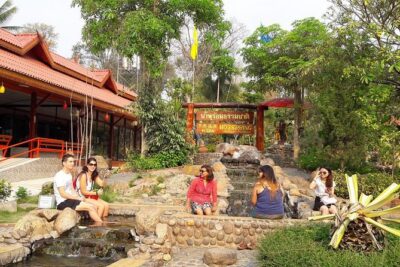
The final major cultural stop is a traditional Hmong hill tribe village above the clouds. When clouds sit low, this kind of setting can make the village feel like it’s floating. Even when it’s not dramatic, the elevation and misty air change the mood.
You’ll learn about the Hmong as an ethnic minority originally from southern China, Laos, Vietnam, and Myanmar’s highlands, and the village time focuses on traditional lifestyle and handicrafts. You’ll also get a break—there’s time for photos, free time, walking, and a hike component within this section of the day.
This part is especially good if you want cultural contact that’s less about a stage performance and more about day-to-day living: materials, skills, patterns, and how people shape their environment.
And yes, there’s coffee at the village. Small detail, big payoff. After temples and a forest trail, a warm drink in a highland setting feels like a genuine finish line.
How to make this segment respectful and rewarding:
- Ask questions instead of rushing to film.
- Slow down for the crafts. Look at tools and processes, not only finished items.
- Treat the coffee break as part of the experience, not an afterthought.





Price and Value: What $57 Buys You in a 7-Hour Day
At $57 per person for a roughly 7-hour outing, you’re paying for more than transportation and a couple stops. You’re paying for:
- Hotel pickup and drop-off in Chiang Mai City areas (Old City and Nimman are specifically mentioned)
- An English guide (with Thai support also available)
- Entrance fees
- A small-group pace (limited to 9)
- A day that combines trekking, two temple experiences, national park time, and a Hmong village visit
If you were to DIY this, you’d likely spend time figuring out logistics and bargaining for separate rides to multiple locations. Even if you know Chiang Mai well, doing it in one organized loop saves mental energy.
The best value here isn’t only the number of stops. It’s the sequence:
1) forest pilgrimage trail,
2) calmer temple pause,
3) iconic viewpoint temple,
4) park air,
5) village culture and coffee.
That flow is what turns a list of sights into a story you can remember.
Who Should Book This Trek (And Who Should Skip It)
This tour works best for people who:
- Enjoy moderate trekking and can handle 2+ hours of active time overall
- Like a mix of culture and nature rather than only big temples
- Prefer a small-group experience where the guide can respond to your needs
It may not be for you if you have mobility issues, heart problems, or generally low fitness. The tour itself is explicit that trekking is involved, so don’t try to “power through” if walking uphill or uneven ground is a challenge for you.
Also think about footwear. If you show up in sandals or soft shoes, your comfort will control your day. This is one of those tours where the right gear changes everything.
What to Bring So the Day Feels Easy
You’ll get the most out of the day if you pack the basics:
- Sunglasses and a hat
- Hiking shoes
- Insect repellent
- Weather-appropriate clothing and outdoor layers
- A daypack (useful for water, snacks, and anything you won’t want to hold)
Because you’re moving between hilltop areas and forest paths, weather shifts can happen. Dress for that reality, and you’ll stay comfortable instead of distracted.
Should You Book Chiang Mai Everywhere’s Doi Suthep and Hmong Village Tour?
If you want a day that goes beyond one temple and one photo, this booking makes a lot of sense. I’d recommend it if you like the idea of pilgrimage trails, a calmer temple stop at Wat Pa Lat, and then a big viewpoint payoff at Doi Suthep—ending with village culture and coffee.
It’s also a strong pick if you hate tour “logistics homework.” Pickup, entrance fees, and transport are handled, and the small group size keeps things from feeling chaotic.
But if you’re not confident with trekking or uneven ground, skip it. That’s not a stubborn “push through” day. It’s a walking-and-hiking day, and your comfort matters more than ticking boxes.
FAQ
How long is the tour?
The duration is listed as 7 hours.
Where does pickup happen?
Pickup is included from your accommodation in Chiang Mai City, including the Old Town and Nimman areas.
Is there a hike involved?
Yes. The experience includes trekking and is described as involving a 2+ hour hike overall, along with additional walking/hiking time during the village portion. It may not be suitable if you have mobility issues or low fitness.
What’s included in the price?
Hotel pickup and drop-off, an English guide (English/Thai), entrance fees, a car, and the hike/tour activities are included.
What language will the guide speak?
The tour offers a live guide in English and Thai.
What if I need to cancel?
The tour offers free cancellation up to 24 hours in advance for a full refund.