REVIEW · CHIANG MAI
Go where the locals go, Eat what the locals eat! Food Tour with Local Foodies
Book on Viator →Operated by Chiang Mai Foodie Tours · Bookable on Viator
Chiang Mai food needs a plan. This food tour does that for you, steering you to old-school local staples and temple stops, with guides like PT, Sky, and Pondtip shaping the stories behind each bite. I love how it starts with a classic like Kao Man Gai from a family-run spot going back to 1957, and I also like the practical setup with a private driver and headsets on request so you don’t miss the explanations while moving around. One consideration: at $50.52, you’ll get the most value if you actually come hungry—there’s no alcoholic drinks included.
You’ll be in a small group (up to 20), getting bottled water, snacks, and multiple tastings across markets and a Northern Thai restaurant. The route also includes temple visits, so you’ll want to dress right for walking into sacred spaces, even if you’re only there briefly.
In This Review
- Key highlights you’ll care about
- Two routes in one: how the 9am and 4pm versions feel
- Three Kings Monument and the bread-and-butter start with Kao Man Gai
- Temple stops that connect Chiang Mai food to Lanna culture
- Khao Soi storytelling: when the guide helps you read the bowl
- Dessert mission: Sakoo Sai Hmoo and Kao Griap Paak Hmaw
- Warorot Market (Kad Luang): one of Chiang Mai’s oldest food stages
- The Northern Thai restaurant feast: gaeng hunglay, larb, khua jin som, and more
- Getting around with a private driver and headsets on request
- How to pace yourself if you want to enjoy every stop
- Price and value: is $50.52 fair for what you actually get?
- Who this tour suits best in Chiang Mai
- Should you book this Food Tour with Local Foodies?
- FAQ
- How long is the Chiang Mai Food Tour?
- What food tastings are included?
- Do I need tickets for the market and stops?
- Is alcohol included in the price?
- Are headsets available during the tour?
- What is the cancellation policy?
Key highlights you’ll care about
- Old City vs. Warorot timing: choose the 9am or 4pm version for different market rhythms and pacing
- Family-run Kao Man Gai: a simple dish with serious local staying power (since 1957)
- Headsets on request: easier temple listening and guide chat while you’re on the move
- Northern Thai classics at Warorot: expect stops that include Sai Oua, mango sticky rice, and Thai iced tea
- Restaurant feast beyond street food: dishes like Gaeng Hunglay and a Yum Samunprai herbal salad
- Small group cap: up to 20 people keeps things lively without feeling chaotic
Two routes in one: how the 9am and 4pm versions feel
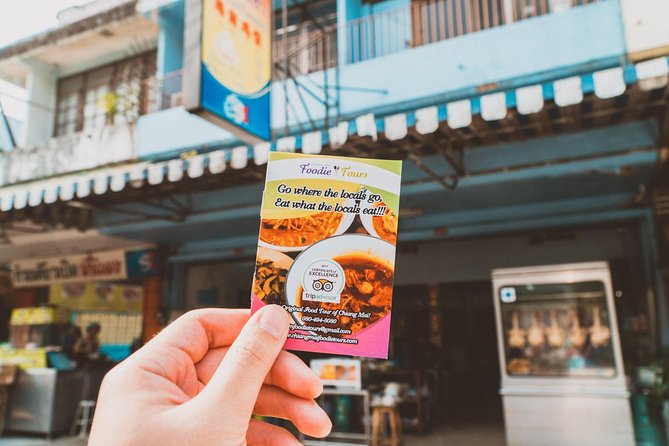
This is built as a half-day foodie tour, and the daypart matters. The morning option begins around the Three Kings Monument area (Old City), then blends temple walking with dessert and noodle culture. The late-afternoon option starts at Warorot Market (Kad Luang) and leans hard into market tastings before moving you to a Northern Thai restaurant.
If you like temples and softer morning streets, the 9am plan tends to suit you. If you want more “eat-your-way-through-a-market” energy, the 4pm plan is the one to pick. Either way, the tour is designed to minimize time stuck in traffic, since you’re using a private driver rather than trying to hop around on your own.
You can also read our reviews of more food & drink experiences in Chiang Mai

Three Kings Monument and the bread-and-butter start with Kao Man Gai
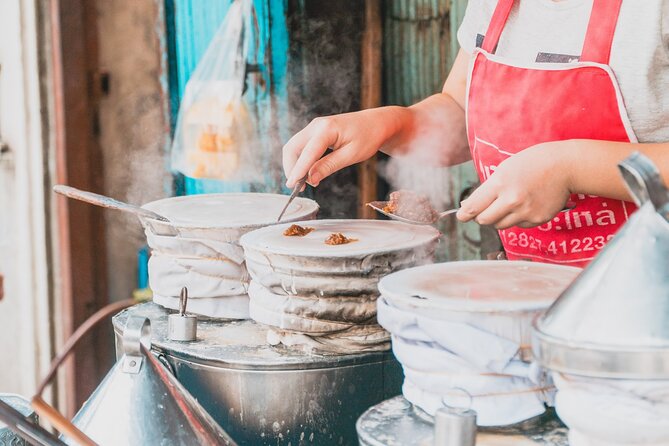
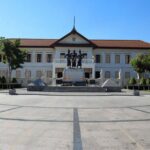
The meet-up point sets the tone: you gather at the Three Kings Monument in the Old City, right where you can start doing more than just eating. From there, the tour gets you into a mindset of local comfort food—no fuss, just flavor.
A highlight is Kao Man Gai, a staple dish that’s treated like a must. One stop is a restaurant that locals and visiting Thais still return to, and it’s family-owned since 1957. That detail matters because it’s not a “trend” business; it’s the kind of place built on repetition, consistency, and people trusting the same bowl for years.
Practical note: this start is ideal if you want a grounding dish early—then you can build outward into richer regional flavors later.
Temple stops that connect Chiang Mai food to Lanna culture
Food in Chiang Mai isn’t just food. It’s tied to local rhythm—wat neighborhoods, markets near temples, and daily life close to the old city walls.
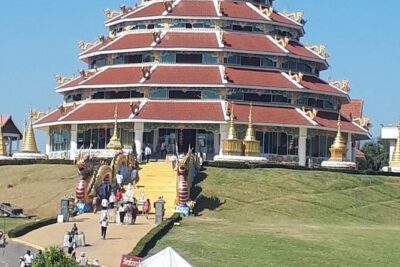
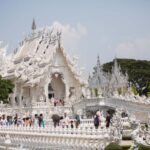
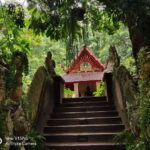
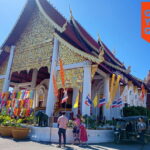
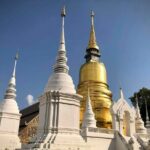
In the morning route, you’ll walk to Wat Chiang Man, described as the first temple built in the Old City. That walk isn’t about taking long breaks; it’s more about giving you context so dishes like khao soi and Northern Thai desserts feel less random. In the afternoon route, you’ll also visit Wat Sadue Muang after the market and restaurant portion.
The tour includes a dress code for temples, so bring something that covers shoulders and helps you feel comfortable for walking. If you’re in shorts or a light outfit, plan to have a light layer ready.
Khao Soi storytelling: when the guide helps you read the bowl
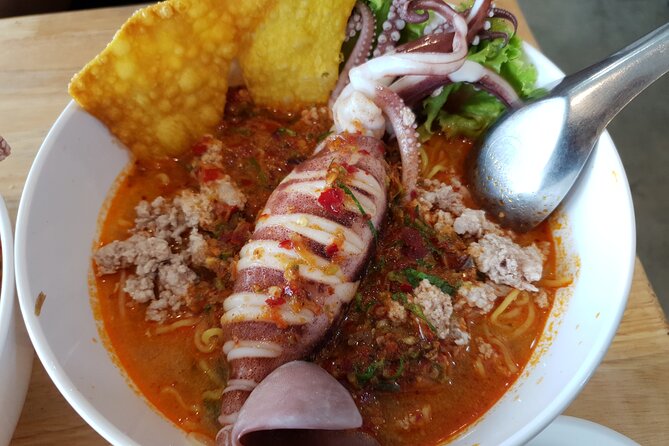
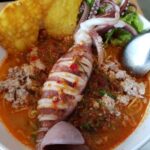
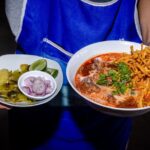
Khao Soi is one of Chiang Mai’s best-known dishes, and this tour treats it like a story you can actually taste. You don’t just get a bowl—you learn about the dish’s history and origins, which helps you understand what makes it feel distinct from other Thai noodles.
In at least one experience on this tour, the khao soi stop was unexpectedly special—served at a Michelin-starred restaurant. Even if your specific stop isn’t the same, the point is consistent: you’re meant to try khao soi in a setting that shows how seriously local cooks take it.
If you usually order noodles the way you’d order any other street snack, this is your chance to slow down and taste with a little more understanding.
Dessert mission: Sakoo Sai Hmoo and Kao Griap Paak Hmaw
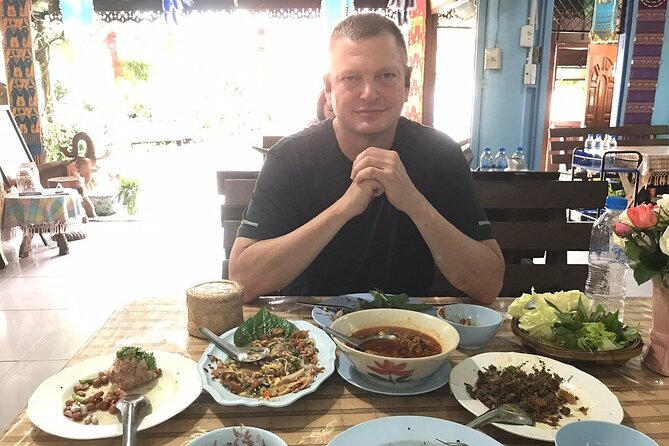
Northern Thai desserts can be a surprise if your Chiang Mai plan so far has been mostly about curries and noodle soups. The morning route includes dessert stops aimed at two named favorites: Sakoo Sai Hmoo and Kao Griap Paak Hmaw.
This is one of the smartest parts of the itinerary. You get dessert after you’ve already built flavor familiarity, so you’re not starting from sugar. You’re comparing textures and learning what each sweet is supposed to be like.
Come ready for smaller bites and lots of sampling. If you hate the idea of trying multiple sweets, this may feel like too much—otherwise, it’s pure fun.
You can also read our reviews of more tours and experiences in Chiang Mai
Warorot Market (Kad Luang): one of Chiang Mai’s oldest food stages
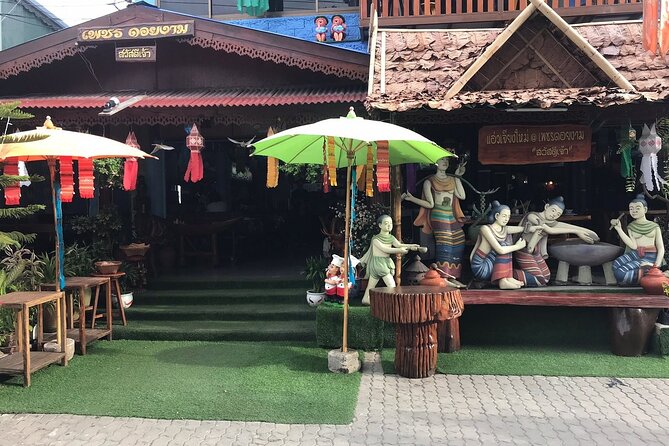
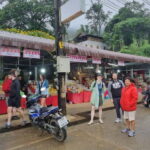
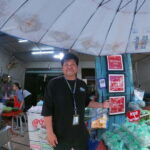
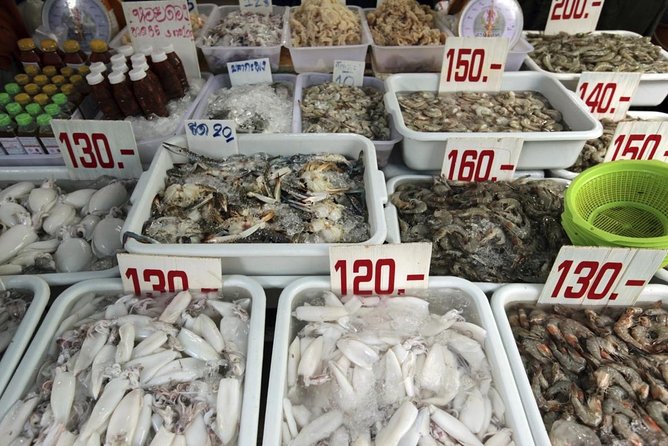
The 4pm version puts you right into market atmosphere, starting with Warorot Market (Kad Luang). It’s described as one of Chiang Mai’s oldest, largest, and most diverse open markets, which is exactly why it works for a food tour. You can sample across different styles without feeling like you’re constantly traveling from place to place.
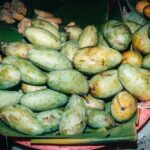
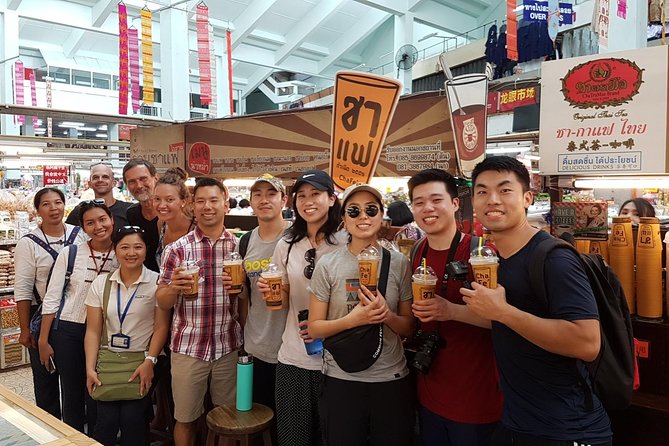
Inside, the tour takes you to favorite stands and includes tastings such as Sai Oua (Northern Thai sausage), Golden Curl (a local prepared snack), mango sticky rice, and Thai iced tea. One nice detail here: it’s not only “look and smell.” You’re set up to eat.
And the market isn’t the whole story. There’s also a nearby Flower Market stop, which gives you a breather and helps you see the area beyond food counters. Even a short stroll here makes the day feel more like Chiang Mai life and less like a checklist.
The Northern Thai restaurant feast: gaeng hunglay, larb, khua jin som, and more
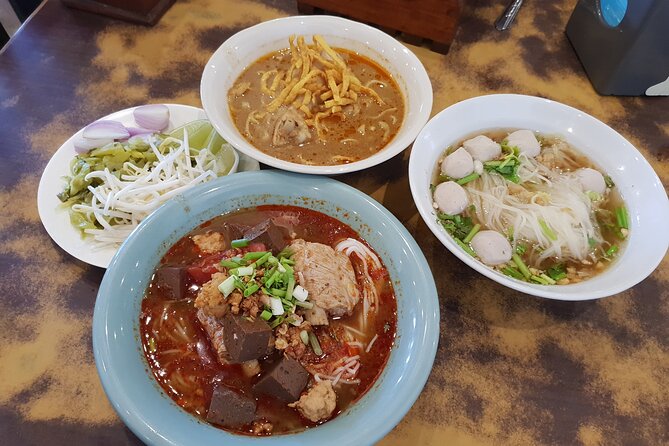
After market tastings, the tour moves you to an authentic Northern Thai restaurant where you’ll feast on several staple dishes. This is where the tour adds depth. Street food teaches you what people grab quickly; a proper restaurant meal shows you what those flavors become when cooks commit to technique.
You may try dishes such as:
- Gaeng Hunglay
- Larb Moo
- Khua Jin Som
- Yum Samunprai herbal salad (called award-winning)
What I like about including dishes like herbal salad is that it prevents the tour from becoming “just noodles and sweets.” Lanna-style meals often balance heat, sourness, and fresh herbs in a way that’s hard to replicate when you’re eating on your own.
It also gives you a calmer pace compared with the market lanes. You can slow your breathing, taste more carefully, and learn the logic behind the flavors.
Getting around with a private driver and headsets on request
Chiang Mai traffic can be a time thief, especially around popular neighborhoods. This tour tackles that by using a private driver, which means less time grinding from stop to stop and more time actually eating and listening.
Headsets are available on request. That sounds small, but it matters when you’re walking through busy temple areas or market corridors where voices get lost fast. If you’re the type who hates missing half the story, ask for headsets when you confirm.
You also get a guide (professional guide plus driver/guide) and bottled water, plus snacks. It’s a practical bundle that helps you stay comfortable while you sample multiple items.
How to pace yourself if you want to enjoy every stop
This is a go-hungry kind of tour. Multiple dishes and repeated sampling means you’ll be full faster than you expect. I suggest you keep breakfast light (or skip it if you’re on the afternoon route) so your first tasting hits right.
A small note from real-life experiences: in at least one case, the guide handled late arrival by adjusting the plan for the group. That tells me the guide isn’t just reading a script; they’re managing time and people so the route still works.
If you have allergies or you want fewer spicy items, use that customization option if it’s available to your guide. One review mentioned that customization was possible, which you may find helpful.
Price and value: is $50.52 fair for what you actually get?
At $50.52 per person, this isn’t a budget “snack walk.” It’s closer to a planned food experience: guide, tastings, a driver, bottled water, and snacks included.
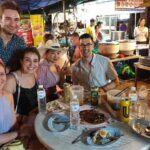
Where it feels like good value is the variety and count of food stops. Some experiences reported trying more than 15 items during the Warorot market portion alone. Even if your exact number varies, you’re clearly paying for structured sampling across both markets and a restaurant, not just one quick street-food detour.
What might make it feel pricey is if you prefer large meals over lots of small tastings, or if you don’t drink alcohol but still expect a big dinner-style spread. Alcohol isn’t included, though you can buy it. So the value is really tied to eating lots of different local items, while you learn the why behind them.
Who this tour suits best in Chiang Mai
This tour is a strong fit if you:
- Want Northern Thai food rather than only standard Thai menu items
- Like learning how dishes connect to the city, not just collecting bite photos
- Enjoy markets and want someone to point you to good stands
- Prefer a small group experience (max 20)
It’s also workable with kids as long as children are accompanied by an adult. Service animals are allowed, which is good to know.
If you hate walking, keep in mind you’ll be moving through markets and doing temple walking. The good news is it’s not an all-day trek; it’s designed around a half-day rhythm.
Should you book this Food Tour with Local Foodies?
I’d book it if your goal is simple: eat your way through Chiang Mai with context. The combination of old-city landmarks, market tastings, and a Northern Thai restaurant meal gives you both street-level flavor and a more seated, structured view of regional cooking.
I’d skip it if you already have a tight food plan and you’re confident navigating markets without a guide, or if you’d rather pay for one big meal than multiple tastings. Also, check which version you’re choosing. The morning and afternoon routes have different starting points and different vibes, including temple time and market emphasis.
If you go in hungry, respect the temple dress code, and lean into the guide’s explanations, this tour is a solid value for a memorable food-focused half day.
FAQ
How long is the Chiang Mai Food Tour?
The tour runs about 4 to 8 hours, depending on the version and pacing.
What food tastings are included?
Food tastings are included, with examples like Kao Man Gai, khao soi, Sai Oua, mango sticky rice, Thai iced tea, and several Northern Thai dishes at a restaurant.
Do I need tickets for the market and stops?
Admission ticket details vary by stop. The morning route lists an admission ticket as included, while the Warorot Market (Kad Luang) stop lists admission as free.
Is alcohol included in the price?
Alcoholic drinks are not included. They are available to purchase.
Are headsets available during the tour?
Headsets are available on request.
What is the cancellation policy?
You can cancel for a full refund if you cancel at least 24 hours before the experience starts. Free cancellation is offered up to that point.