REVIEW · CHIANG MAI
Chiang Mai: Museum of Broken Relationships Entry Ticket
Book on GetYourGuide →Operated by Museum of Broken Relationships Chiang Mai · Bookable on GetYourGuide
Love and loss have a museum here. The Museum of Broken Relationships in Chiang Mai turns relationship endings into a rotating collection of donated objects, each paired with an anonymous story, so you’re not just looking—you’re reading the human part. I like the large, ever-evolving set of mementos, and I especially like that the museum keeps the focus on the former owners’ narratives, shown anonymously and only through text.
One thing to consider: this is not a comfy, lighthearted museum. The whole premise is about how people love and lose, and that emotional tone can feel heavy if you’re not in the mood for reflective storytelling.
In This Review
- Key Things I’d Plan For
- Museum of Broken Relationships in Yong Chiang Building: What You’re Really Buying
- Getting There at 2-4 Wichayanon Road and Using Skip-the-Line Entry
- How the Museum Works: Anonymous Objects and Their Stories
- What you’ll likely do inside
- A Practical Way to Spend Your Visit (10:00–22:00, last entry 21:30)
- A simple flow that works
- Language, Rules, and Comfort: What Might Affect Your Experience
- Captions in Thai and English
- Value for Money: Why $6 Feels Like a Fair Trade
- Should You Book? Who This Ticket Suits Best in Chiang Mai
- My quick decision rule
- FAQ
- What’s included with the Museum of Broken Relationships entry ticket?
- How long is the activity, and is the ticket valid for multiple days?
- What are the opening hours and the last entry time?
- When is the museum closed?
- Are captions available in English?
- Is the museum suitable for wheelchair users, and are food or flashlights allowed?
Key Things I’d Plan For
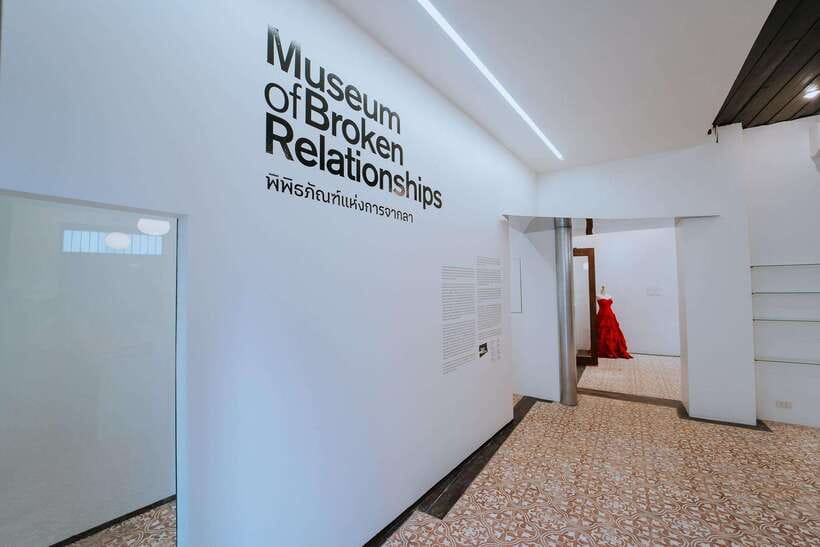
- Anonymous objects with real narrative text: you piece together the emotional meaning without names.
- Ever-evolving collection: it’s designed to change, so you’re not seeing one fixed display forever.
- Yong Chiang Building setting: the Asian branch is housed in a historical building you can’t miss in your Chiang Mai plans.
- Self-guided entry: there’s no guided tour included, which can be a plus if you like going at your own pace.
- Rules matter for comfort: no food or drinks, and no flashlights, so expect an environment where you rely on the museum’s lighting.
Museum of Broken Relationships in Yong Chiang Building: What You’re Really Buying

For $6 per person, you’re buying admission to one of the most unusual museums in Chiang Mai: a place where the exhibits are made from the leftovers of relationships—things people kept, donated, or passed on after things ended. The museum’s core idea is simple and effective: every item stands for the end of a relationship, and the only text you get is the personal narrative connected to that object.
The Chiang Mai location is part of a bigger concept that started in 2006 in Zagreb, when two artists looked for a way to commemorate their relationship after it ended. Over time, the museum grew into traveling exhibitions worldwide, with more than sixty traveling shows so far. That matters for you as a visitor because it helps explain why the museum feels like it has momentum—it isn’t stuck in one era or one storyline.
Also, the museum’s Asian branch has its home in the historical Yong Chiang Building. If you’re already walking around Chiang Mai neighborhoods, you’ll likely spot the building as a notable landmark. In practice, this turns the museum from a random ticket stop into something that can anchor part of your day.
You can also read our reviews of more tours and experiences in Chiang Mai



Getting There at 2-4 Wichayanon Road and Using Skip-the-Line Entry
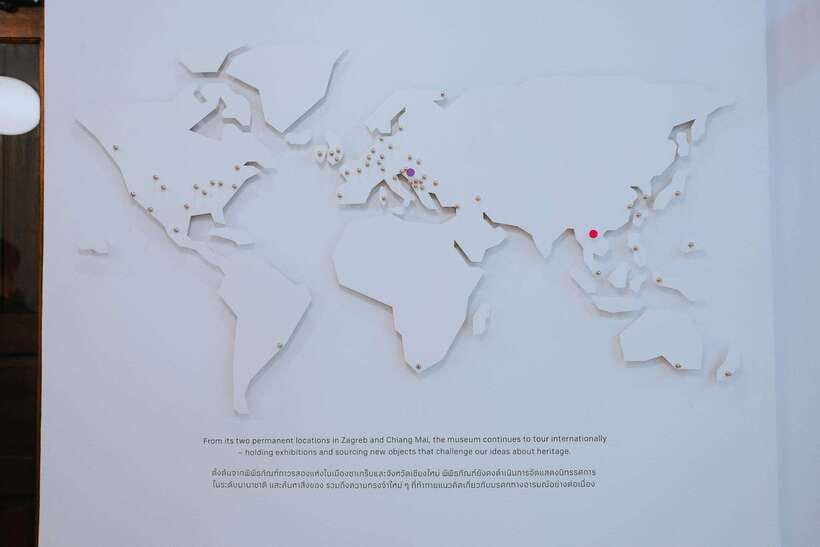
Your meeting point is listed as 2-4 Wichayanon Road, Chang Moi Sub-district, Mueang Chiang Mai District, Chiang Mai Province 50300. That’s helpful because it means you can plan the museum into a route without guessing which area it’s in.
This ticket includes skip the ticket line, which is practical in a museum setting—especially during busy hours. Since you’re not paying extra for a guided group, you gain control over your timing. I like that: it helps you avoid the awkward moment of waiting for a starting time when you’d rather just start.
One more logistics note: transportation to and from the museum isn’t included. So if your plan is to visit in the morning, you’ll want to line up how you’re getting there. If your plan is an evening visit, make sure you can also get back afterward without rushing.
How the Museum Works: Anonymous Objects and Their Stories
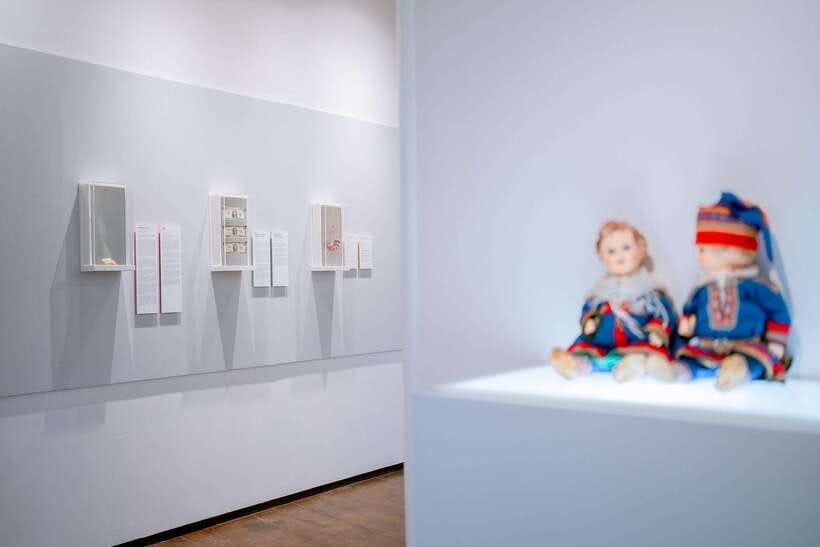
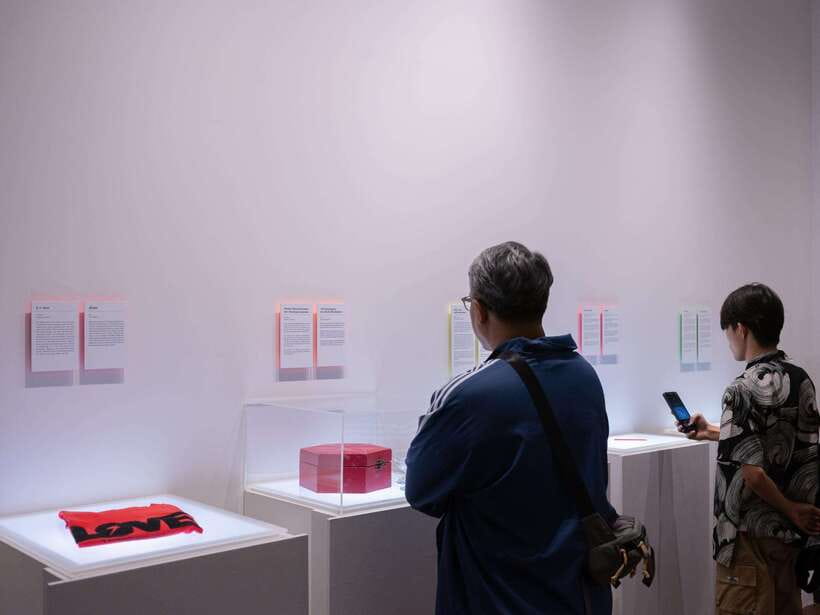
Here’s the part that makes the Museum of Broken Relationships different from a typical museum. The exhibits are objects donated by people from around the world. Each object is displayed anonymously, and the former owner’s story is what you read—nothing flashy, no name tags, no “this is exactly who they were” framing.
That anonymity does two things for you:
- It prevents the experience from turning into gossip.
- It pushes you to focus on the shared theme—love, loss, and what’s left behind—rather than who someone is.
The museum is described as an ever-evolving collection, so you can expect that the items and stories may change over time. Even if you’ve visited a similar exhibit elsewhere, Chiang Mai’s version will still feel current and specific to the donations in place.
What you’ll likely do inside
Since guided tours are not included, your experience is self-paced. You’ll move through rooms reading the narratives that accompany objects. Some stories may feel short and direct; others might be longer and more complicated emotionally. Either way, you’re essentially doing a quiet kind of interpretation—trying to understand why an object mattered, and what the ending meant to the person who donated it.
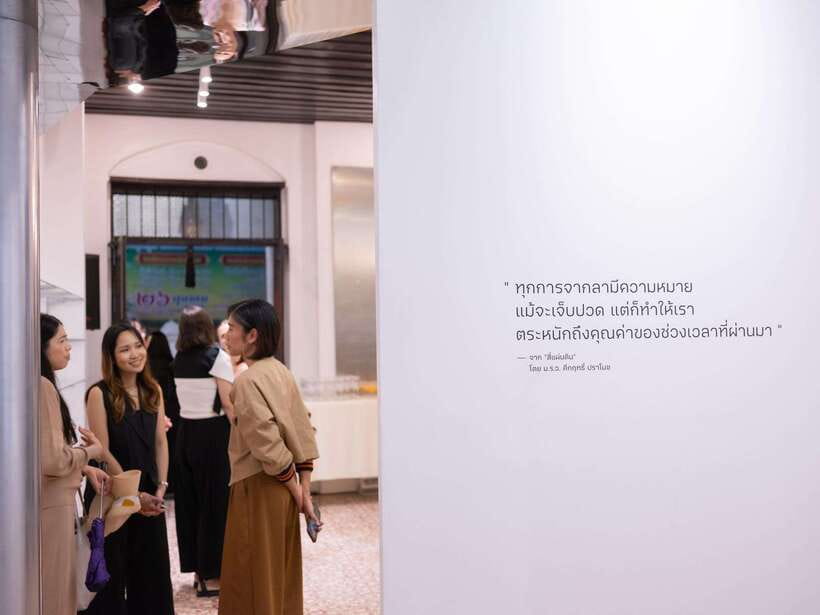
The museum captions are in Thai and English, which is great if you want to choose your reading comfort level. If you’re strong in English, you’ll get the full narrative without having to “guess the meaning” from objects alone.
A Practical Way to Spend Your Visit (10:00–22:00, last entry 21:30)
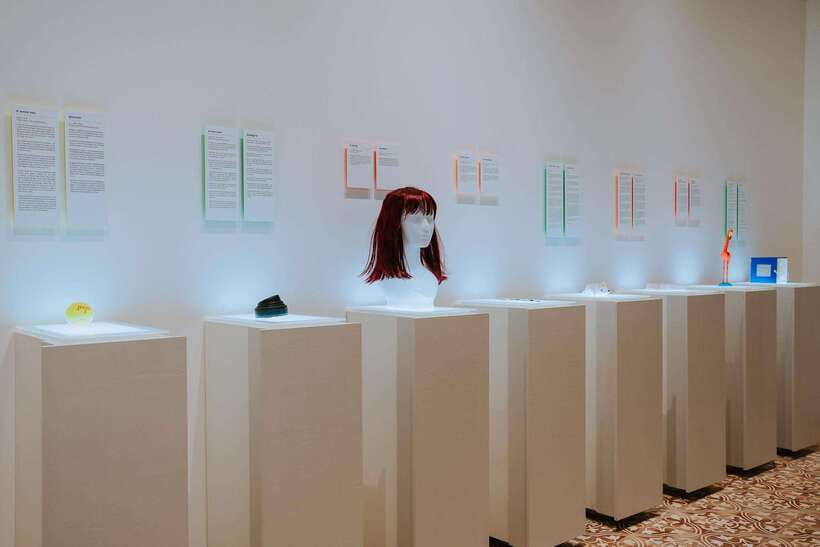
You can visit any day from 10:00 am to 10:00 pm, with last entry at 9:30 pm. That broad window is useful because this museum can fit into both a daytime sightseeing plan and an evening emotional reset. If the rest of Chiang Mai’s attractions feel too energetic, the museum’s reflective tone can give your day a different rhythm.
Since the ticket is valid for 1 day, think in terms of a single visit rather than a quick dash. I’d plan at least a solid chunk of time to read at a human pace. If you skim, you’ll miss what makes the museum work.
You can also read our reviews of more museum experiences in Chiang Mai






A simple flow that works
- Start by scanning the museum space so you get your bearings.
- Pick a few stories that pull you in and read them carefully.
- Then move on with that same attention—don’t switch into autopilot halfway through.
This isn’t a museum where you’re meant to rush between photo spots. The value is in the writing and the objects together, and that takes time. Also, no guided tour means you can stop to re-read a story without someone moving you along.
Language, Rules, and Comfort: What Might Affect Your Experience
A few practical rules are listed, and they change the way you should prepare:
- Food and drinks are not allowed.
- Flashlight use is not allowed.
- The museum is not suitable for wheelchair users.
None of those rules are a dealbreaker, but they do affect comfort. If you’re visiting during the afternoon heat, plan to eat before you go. Since food and drinks aren’t allowed, you don’t want to show up hungry and then end up stressed about where you can pause.
The flashlight rule means you should expect you’ll rely on the museum’s lighting. Bring the attitude of a slower reader. If you’re used to using your phone like a flashlight everywhere, you might want to break that habit here.
On accessibility: it’s marked as not suitable for wheelchair users. Without extra detail, the safest plan is to assume the layout and movement inside may be difficult. If you need accessibility accommodations, you’ll want to plan carefully.
Captions in Thai and English
This is one of the better practical aspects for an international audience. You can read the narratives in Thai or English, which makes the emotional content accessible without needing translation apps or guesswork. For many people, that’s the difference between a good visit and a forgettable one.
Value for Money: Why $6 Feels Like a Fair Trade
$6 isn’t just cheap. It’s positioned as a real cultural and emotional experience rather than a “pay for a quick attraction” model. You’re getting admission to a museum with a global concept, housed in a specific Chiang Mai building, with content built from real relationship endings.
What you should consider about value is how you prefer to spend your time in a city. If you want action, fast thrills, and loud exhibits, this may not feel worth it. But if you like museums that make you think—and you don’t mind reading—you’ll likely feel like you got a bargain.
You also get skip-the-line entry, and that’s a small but real value-add. It helps you spend your limited Chiang Mai time inside the museum instead of waiting at the front.
Since guided tours aren’t included, you aren’t paying for something you might not even want. In this case, self-guided can be the best kind of “value”—you set the pace based on your mood.
Should You Book? Who This Ticket Suits Best in Chiang Mai
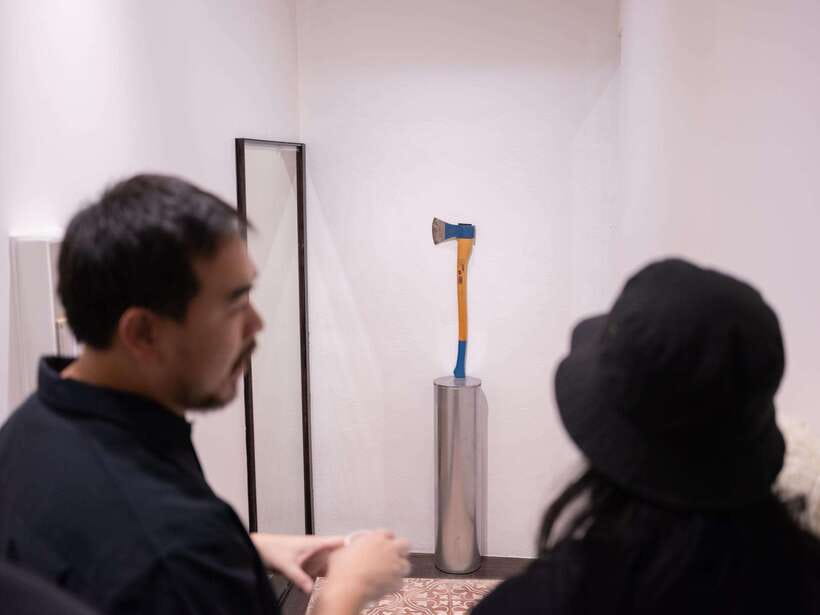
If you’ve ever lost someone, had a relationship change shape, or even just wondered why endings affect people so deeply, you’ll probably like this museum. The whole collection is built around that premise: objects as evidence of emotional history, stories as the only labels.
I think it’s also a good fit if you enjoy quiet, human-scale experiences more than checklist sightseeing. Chiang Mai has plenty of busy options, so this can be a strong counterweight.
I’d skip it—or at least schedule it carefully—if you’re looking for a light mood that day. The museum is intentionally about loss. It’s empathetic, but it’s still emotional work.
Finally, since it’s open until late (10:00 pm) you can choose the time that matches your energy level. If you want a calmer evening, go later. If you want to pair it with daytime sights, go earlier and keep the rest of your day gentle.
My quick decision rule
Book this ticket if you want:
- an unusual, reflective museum stop,
- Thai/English reading access,
- and a self-paced visit with skip-the-line convenience.
Skip it if you hate emotionally heavy themes or you’re short on time and won’t read much.
FAQ
What’s included with the Museum of Broken Relationships entry ticket?
Your ticket includes entry to the Museum of Broken Relationships. Guided tours are not included.
How long is the activity, and is the ticket valid for multiple days?
The experience is listed for 1 day, and the ticket is valid for 1 day.
What are the opening hours and the last entry time?
The museum is open every day from 10:00 am to 10:00 pm. Last entry is at 9:30 pm.
When is the museum closed?
It’s closed on New Year’s Day, Songkran Festival, and substitution for Songkran Festival.
Are captions available in English?
Yes. Museum captions are available in Thai and English.
Is the museum suitable for wheelchair users, and are food or flashlights allowed?
It is not suitable for wheelchair users. Food and drinks are not allowed, and flashlights are not allowed.