REVIEW · CHIANG MAI
Art in Paradise: Chiang Mai 3D Art Museum Experience
Book on Viator →Operated by I Asia Thailand · Bookable on Viator
3D art you can walk into. Art in Paradise Chiang Mai turns paintings into photo scenes across six themed zones, all built by local artists, and you’ll use the Art in Paradise app to animate what you see.
I love that it is air-conditioned, which makes a big difference when Chiang Mai is hot and bright. The main drawback is simple: no food or beverages are allowed inside the gallery, so plan to snack outside the exhibit space.
In This Review
- Key highlights at a glance
- Art in Paradise Chiang Mai: what this is really worth
- Getting your timing right: opening hours and the best pacing
- Entering the museum: what you’ll see right away
- The six themed 3D zones: how the experience unfolds
- The Art in Paradise app: making paintings animate in your photos
- Photo tips that help you get good shots faster
- Comfort and rules: air-conditioning, no food, and the cafe stop
- Where this experience fits best in your Chiang Mai trip
- Ticket basics you should know
- Should you book Art in Paradise Chiang Mai?
- FAQ
- FAQ
- How long should I plan to spend at Art in Paradise Chiang Mai?
- Do I need the Art in Paradise app for the experience?
- Can I bring food or drinks into the gallery?
- What are the opening hours?
- Are children free?
- Is there free cancellation?
Key highlights at a glance
- Pre-booked entry helps you skip the hassle of waiting around
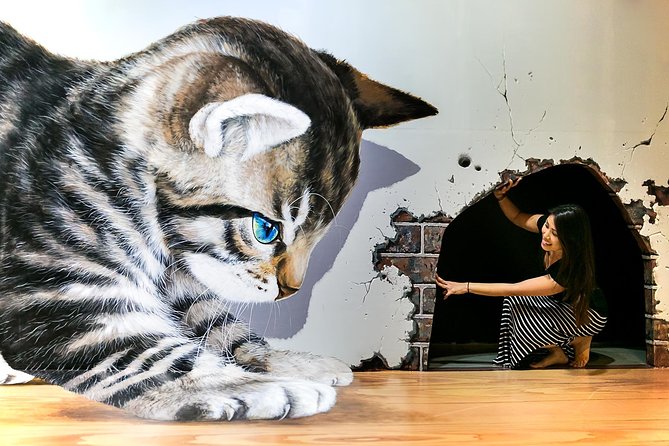
- Six themed 3D zones of optical illusions and interactive scenes
- Art in Paradise app brings parts of the artwork to life for your photos
- Air-conditioned comfort makes it a smart daytime break
- Fun for families with child tickets based on height (under 100 cm is free)
Art in Paradise Chiang Mai: what this is really worth
Art in Paradise is one of those experiences that is hard to explain with words, but easy to understand once you’re inside. For about $16.22 per person, you’re buying full entry to a museum built around interaction: you move, you pose, you take photos, and the artwork is designed to respond to your camera in fun ways.
It’s also a good value because the time is flexible. Plan on 1 to 3 hours, and you’ll usually have enough time to wander slowly, try the phone animations, and still catch the best photo spots without feeling rushed.
The high recommendation rate (about 96% recommending it, with an average 4.7 rating from 28 reviews) makes sense. This is not a quiet sit-and-read museum. It’s an activity. If you like hands-on travel moments and you want something different from temples, cooking classes, or markets, this is an easy pick.
You can also read our reviews of more museum experiences in Chiang Mai


Getting your timing right: opening hours and the best pacing
Art in Paradise Chiang Mai runs daily from 9:00 AM to 7:00 PM. That long window is helpful because you can fit it between other plans—morning sightseeing, a lunch break, or an afternoon of wandering through Old City streets and night markets.
I’d think of the timing as a heat-management tool. Since the museum is fully air-conditioned, midday can work well. In other words: you’re not just choosing a museum. You’re choosing to escape the outdoor grind for a while.
Also, the museum is set up so you can go at your own pace. You won’t need a strict schedule, because there are “no boundaries” in the sense that you can explore and photograph the exhibits as you please. That freedom is great, but it also means you should give yourself enough time to not feel like you’re speed-running.
Entering the museum: what you’ll see right away
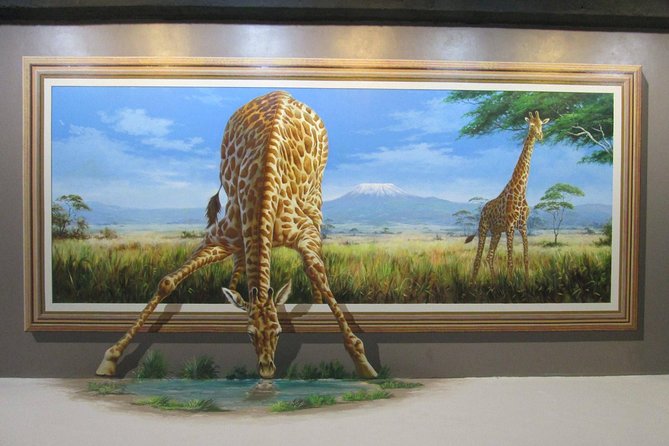
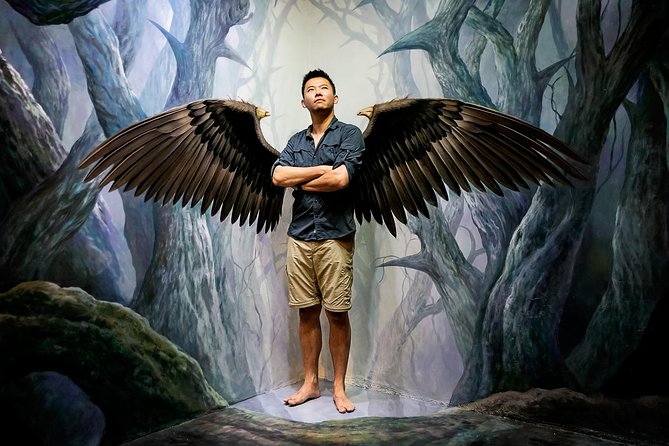
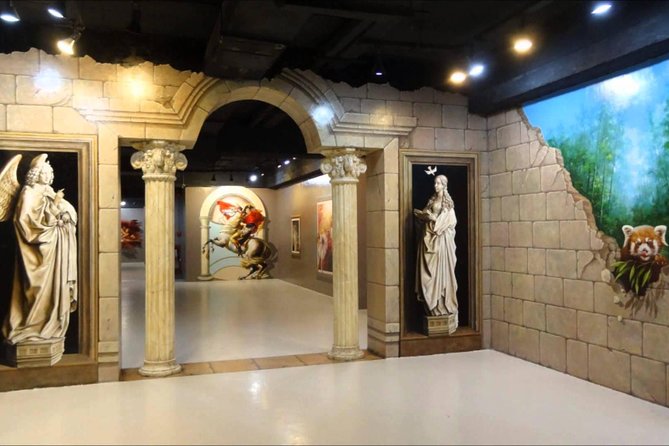
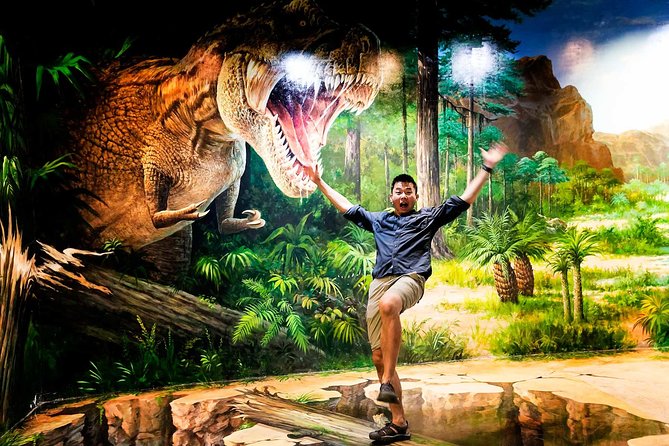
Once you’re in, the whole experience is built like a set of themed photo worlds. You’re stepping into a painted environment where the floor, walls, and paintings work together to create 3D effects and optical illusions. The goal is that your body becomes part of the scene—so you’ll be standing in front of illusions that are designed for cameras.
A big part of why this works is the mix of subjects. The museum isn’t only local Thai scenes. It includes playful twists that can feel like you’re “traveling through art,” including references like a European cities angle. That variety helps keep things from getting repetitive after the first few zones.
You’ll likely notice the style right away: the installations are designed for clear, readable visuals from the angles people naturally take photos. If you’ve ever struggled to get a good picture in a museum, this is the opposite. The whole layout is basically a photo invitation.
The six themed 3D zones: how the experience unfolds
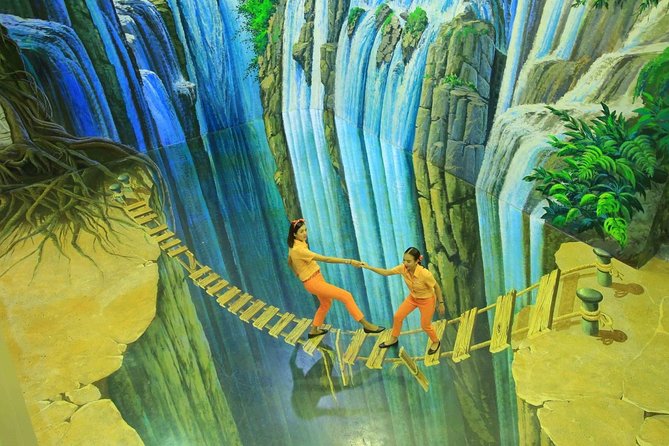
The museum is organized into six different zones, and each one has its own theme. While the exact zone names aren’t listed in the info I’m using, the structure is consistent: you move from one themed environment to the next, taking photos as you go.
Here’s what that means for your visit in real life:
You’ll want to treat it like a walk-through, not a lecture. Each zone is a small world. You’ll get the best experience by slowing down just enough to find a good spot, then adjusting your angle and pose.
You’ll also get the most value if you’re willing to participate. These aren’t paintings that simply sit there. The exhibits are interactive in the sense that your position and camera perspective change the illusion.
Practical note: because there are no strict boundaries and you’re encouraged to explore, you’ll move faster if you decide your photo priorities early. For example: do you want 30 quick photos, or do you want fewer and more intentional ones with the phone animation?
The Art in Paradise app: making paintings animate in your photos
One of the most distinctive parts of this experience is the Art in Paradise app. The idea is simple: download it, then use it in the gallery to animate paintings and photos within the museum.
That means your pictures can go beyond the “flat mural” look. You’re essentially adding a layer of motion or transformation on top of the artwork. Even if you’re not an expert photographer, that extra effect makes your photos feel more current and more fun to share later.
My practical advice: before you start, make sure your phone has enough battery and that your app is installed and ready. This is one of those activities where you don’t want to waste your best photo time dealing with loading screens or logins.
Also, since the app is used inside the exhibit space, keep an eye on your comfort. Stand where you can take photos without blocking other visitors, and give yourself room to reset your pose between takes.





Photo tips that help you get good shots faster
This is the part most people care about, so here’s how to make it easier on yourself.
First, commit to short photo “cycles.” Pick a spot, frame your shot, take a few variations, then move on. Since the museum is designed around illusions, tiny changes in angle often matter more than changing your pose again and again.
Second, think about lighting. The museum is air-conditioned, which usually means controlled interior lighting. Still, every zone has different brightness levels, so if something looks flat in one corner, try a couple steps to adjust your perspective.
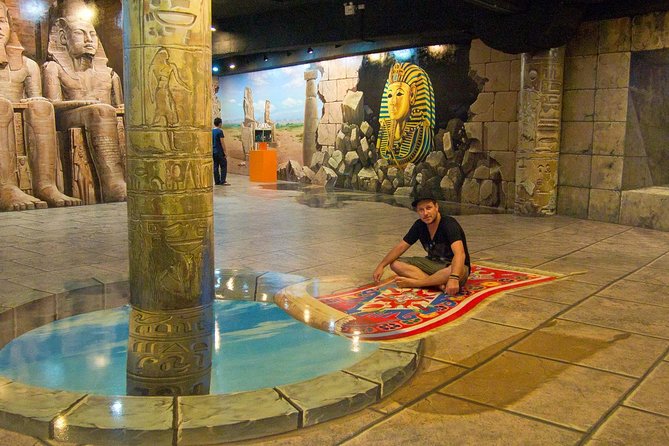
Third, remember the exhibit layout is made for walking through. Don’t treat it like a stationary gallery. Move through the scene, and you’ll usually find angles that make the 3D effect look more convincing.
Finally, keep your expectations realistic. The goal isn’t museum-grade realism. It’s a fun, readable optical illusion that turns you into part of the picture.
Comfort and rules: air-conditioning, no food, and the cafe stop
The museum is fully air-conditioned, which is a huge plus for Chiang Mai. Even if you’re only going for an hour, the comfort makes the whole visit feel easier.
The museum also has a clear rule: no food or beverages are allowed inside the gallery. So if you’re planning a longer visit, I’d time your snack break before you start, or plan to eat after you exit.
There is a cafe at the end of the experience, and it’s something you’ll appreciate if you’re visiting with kids or you just don’t want to scramble for food afterward. One review specifically highlighted the cafe and even mentioned a resident cafe cat that’s friendly and worth a look.
So the rhythm becomes: explore zones, take photos, exit, then cool down with a drink or snack.
Where this experience fits best in your Chiang Mai trip
This museum is a great “in-between” activity. It works especially well on days when you have temple visits and market stops planned, but you also need a break from constant walking, heat, and sun.
I’d also say it fits well if you’re traveling with:
- Kids (there’s a clear height-based ticket system, and the interaction is built into the experience)
- Friends or couples who want playful photos without needing a tour guide for every step
- Solo travelers who want something light and fun that doesn’t require a group plan
If you’re the kind of traveler who wants deep museum context, quiet galleries, or hours of reading plaques, this may feel too playful. But if you want an activity with visible results—photos you can actually use and memories that feel like play—this is one of the easiest wins in Chiang Mai.
Ticket basics you should know
Children follow a height rule:
- Under 100 cm: free of charge
- 101 cm to 135 cm: child ticket applies
That’s helpful because it makes pricing clearer for families who might otherwise guess wrong.
Should you book Art in Paradise Chiang Mai?
If you want a break that is easy to plan, air-conditioned, and built for great photos, I think this is worth booking. The combination of six themed zones, the app-based animation, and the overall “walk in and play” design makes it a strong value for the money.
I’d especially book it if:
- You’re traveling in warmer months and want indoor relief
- You like interactive experiences more than traditional museums
- You want a low-stress activity you can do any time from 9:00 AM to 7:00 PM
I’d reconsider if you’re avoiding photo-focused attractions, or if you really need food inside the activity space (since the gallery doesn’t allow it).
FAQ
FAQ
How long should I plan to spend at Art in Paradise Chiang Mai?
Most visits take about 1 to 3 hours. If you want time to try the app animations and take multiple photos in each zone, lean toward the longer end.
Do I need the Art in Paradise app for the experience?
The experience includes the option to download the Art in Paradise app, which is used to animate paintings and photos within the gallery. Using the app is part of what makes the visit feel different.
Can I bring food or drinks into the gallery?
No. Food and beverages are not allowed inside the gallery.
What are the opening hours?
Art in Paradise Chiang Mai is open daily from 9:00 AM to 7:00 PM.
Are children free?
Children below 100 cm are free of charge. Children between 101 cm and 135 cm require a child ticket.
Is there free cancellation?
Yes. You can cancel for a full refund up to 24 hours in advance of the experience start time.
If you tell me your travel dates and whether you’re going in the morning or afternoon, I can suggest the most sensible time window to fit this with the rest of your Chiang Mai day.