REVIEW · CHIANG MAI
Chiang Mai: Silver Craftwork Temple Tour with Monk Meeting
Book on GetYourGuide →Operated by LJ Tour Cultural and Soft Adventure Tours · Bookable on GetYourGuide
Silver plates and monk stories in one tour. I love the monkhood chat setup that turns Buddhist ideas into real daily choices, and I love seeing Wat Sri Suphan through the work behind the decoration. The main catch is simple: you’ll deal with strict temple attire, shoe-off rules, and a bit of gender-based access in some areas.
This is built as a tight, small-group loop with an English-speaking licensed guide and local transport. Between photo stops and guided time inside the temples, you get both the “what am I looking at?” answers and enough breathing room to take photos without feeling rushed.
One more thing to factor in: the monk will keep distance with female guests, so don’t expect a hands-on, intimate conversation style. If you want very physical accessibility or you’re traveling with young kids, this one may not fit well.
In This Review
- Key highlights at a glance
- Why silver craftwork plus a monk chat makes this tour work
- From Three Kings Monument to Wat Suan Dok: the 3-hour flow
- Wat Suan Dok: photo stop energy with real guided temple context
- Wat Sri Suphan (the Silver Temple): where silver and aluminum decoration steals the show
- The monk meeting: questions that turn belief into everyday life
- Photography, shopping, and the art of not rushing
- Price and what $67 buys you in Chiang Mai
- Who this tour suits best (and who should skip it)
- Practical wear-and-walk tips: what to bring and what to expect inside chapels
- Small-group comfort: guides and transport that keep things smooth
- Should you book this Chiang Mai Silver Craftwork Temple Tour?
- FAQ
- How long is the Chiang Mai silver craftwork temple tour?
- Where do I meet for the tour?
- Are there stops for photos during the tour?
- Which temples are included?
- Is the tour guided, and what language is it in?
- Is hotel pickup available?
- What should I wear and bring?
- Can I take photos inside the temples?
- What’s included in the ticket price?
- Is there anything to watch out for regarding visiting with a monk?
Key highlights at a glance
- Monk meeting designed for questions: You’ll discuss why someone becomes a monk, daily routines, and goals in life.
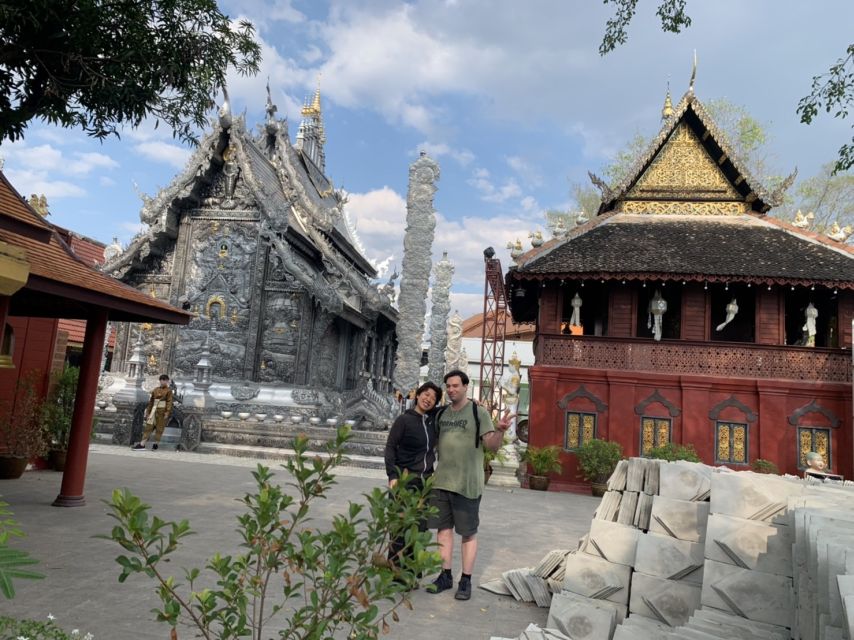
- Silver craft you can actually see: Close-up views of silver and aluminum plate decoration work at the craft-focused temple.
- Two major temple stops, paced well: Wat Suan Dok and Wat Sri Suphan in one smooth circuit.
- Small-group feel with local guidance: You’ll get cultural context while keeping it personal.
- Photo-friendly, respectful rules: Photography is allowed, but clothing and shoes must follow temple norms.
- Optional hotel pickup inside the city: Useful if you’re staying in the old city, Nimman, or by the river.
Why silver craftwork plus a monk chat makes this tour work
Chiang Mai has plenty of temple tours. What makes this one different is the pairing: you’re not only looking at ornate buildings, you’re learning how belief and craft show up in everyday life.
The monk meeting is the heart of it. Instead of a lecture style “listen and nod,” you’re set up to ask about Buddhist philosophy and why a monk chooses that path. The tour also focuses on monk daily life activities—what the rhythm looks like, what the goals are, and what a monk spends time exploring. Even if you’re not planning to go deep into doctrine, you’ll come away with a more grounded view of what “practice” means beyond ceremonies.
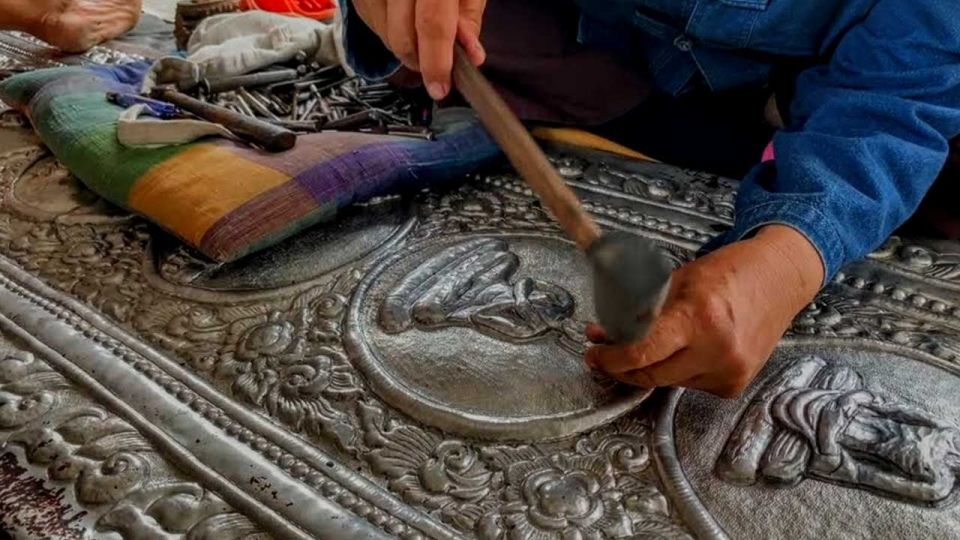
Then the tour shifts gears into craft. Wat Sri Suphan is known for strong silver-making and decoration, and the visit is structured so you can watch and photograph the craft process and the finished results. This combination helps you connect the dots: temples are not only places of worship; they’re also places where art, materials, and community identity show up together.
You can also read our reviews of more tours and experiences in Chiang Mai.


From Three Kings Monument to Wat Suan Dok: the 3-hour flow
Your day starts at the Three Kings Monument area. If you choose pickup, it’s from city-center locations like the Old City, Nimman, or the riverside, which is a big plus when you don’t want to figure out transport.
The route is short enough to feel efficient, but it doesn’t feel like a stampede. You’ll ride in a local black cab between stops (about 20 minutes each way), then spend dedicated time at each temple. The total running time is about 3 hours, with roughly 80 minutes at Wat Suan Dok and 1 hour at Wat Sri Suphan.
The pacing matters. Chiang Mai traffic can be unpredictable, so a tight route keeps your energy for what counts: guided temple time, photography, and the monk discussion.
Wat Suan Dok: photo stop energy with real guided temple context
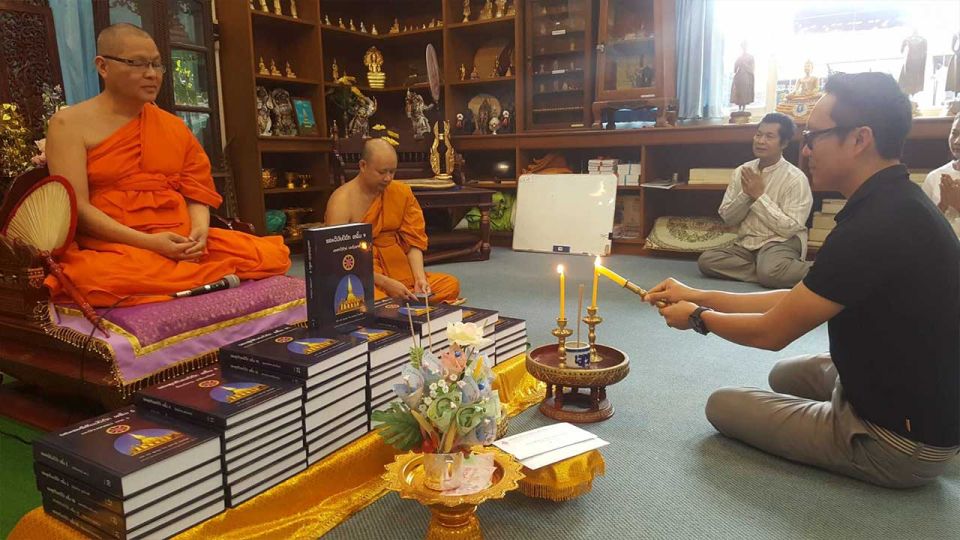
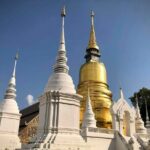
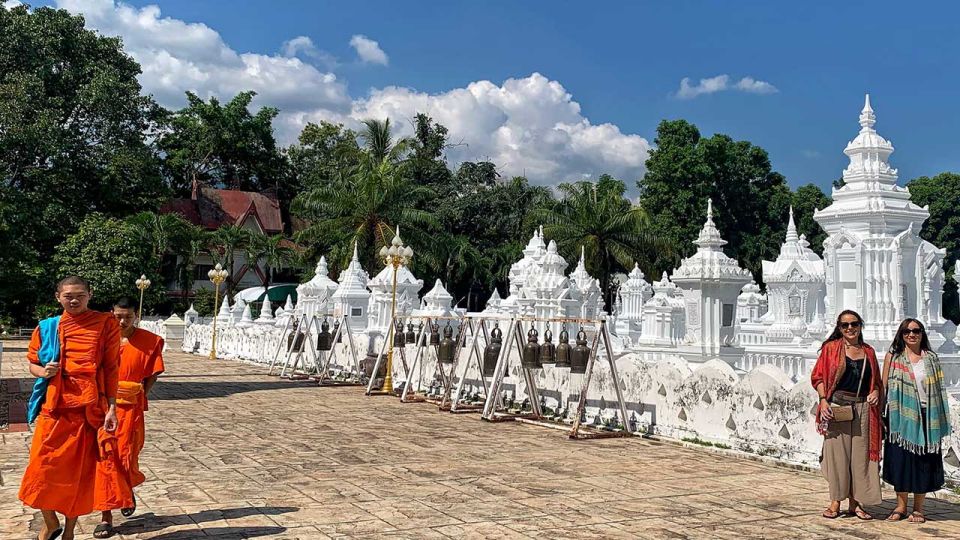
Wat Suan Dok is your first major stop. You’ll get a guided tour and time to explore at a comfortable pace, plus a photo stop so you can capture the key temple views without scrambling.
What I like about this first temple visit is the way it sets context. You start your tour learning about Chiang Mai as the old capital of the Lanna Kingdom, and the guide’s temple explanations make it easier to understand what you’re seeing rather than treating it like random decorative scenery. The temple visit is also a good warm-up for the rules you’ll face soon—proper attire, respectful behavior, and the reality that you’ll be taking shoes off.
If you care about photos, this is also the stop where it’s easiest to get your angles early. Go slow, watch where the guide points, and take a few wide shots before you zoom into details.
Wat Sri Suphan (the Silver Temple): where silver and aluminum decoration steals the show
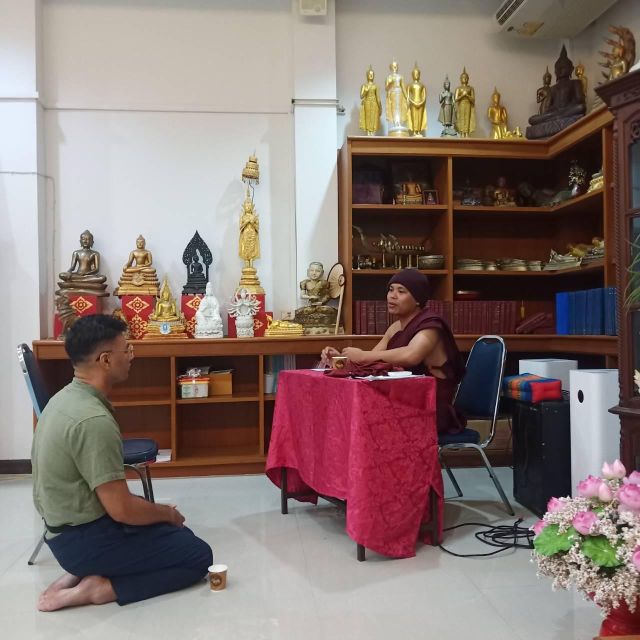
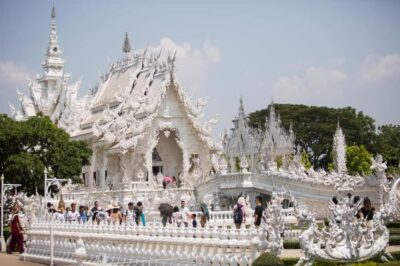
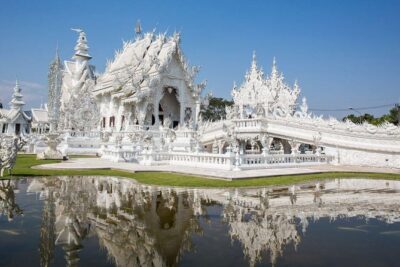
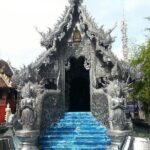
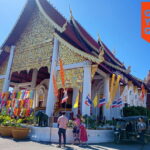
Wat Sri Suphan is the craft centerpiece of the whole tour. This is the temple tied to Chiang Mai’s stronger craft-making traditions, where the decoration work uses silver and aluminum plate elements on temple structures.
You’ll spend about 1 hour here with guided time and sightseeing, including walking and time for scenic views along the route. The best part is that you’re not just viewing finished surfaces—you get to learn from a silver smith who dedicates work to the temple. That changes the feel of the visit. Silverwork can look impressive in photos, but seeing how it’s made (and hearing what goes into it) adds meaning to every plate detail.
A practical note: one of the important considerations is that access inside certain areas may not be the same for everyone. In particular, there’s mention that only men are allowed inside at the Silver Temple. So if you’re a woman and you’re expecting an entirely unrestricted walk-through of every interior space, plan to view certain areas from outside or follow the access rules the guide explains on the spot.
The monk meeting: questions that turn belief into everyday life
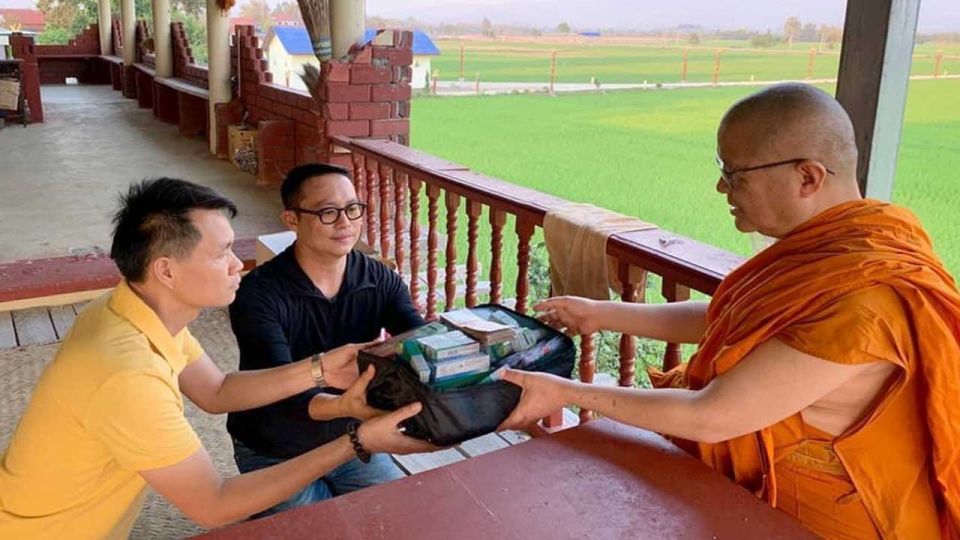
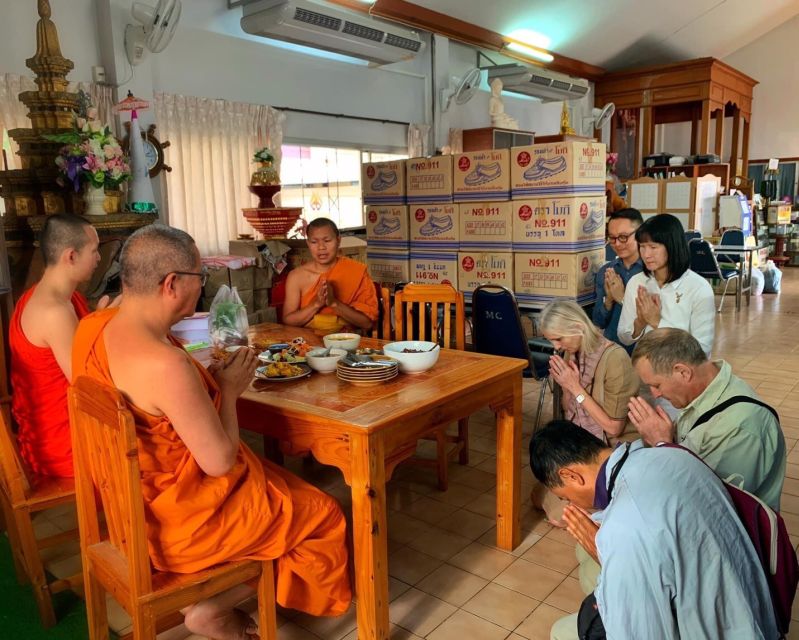
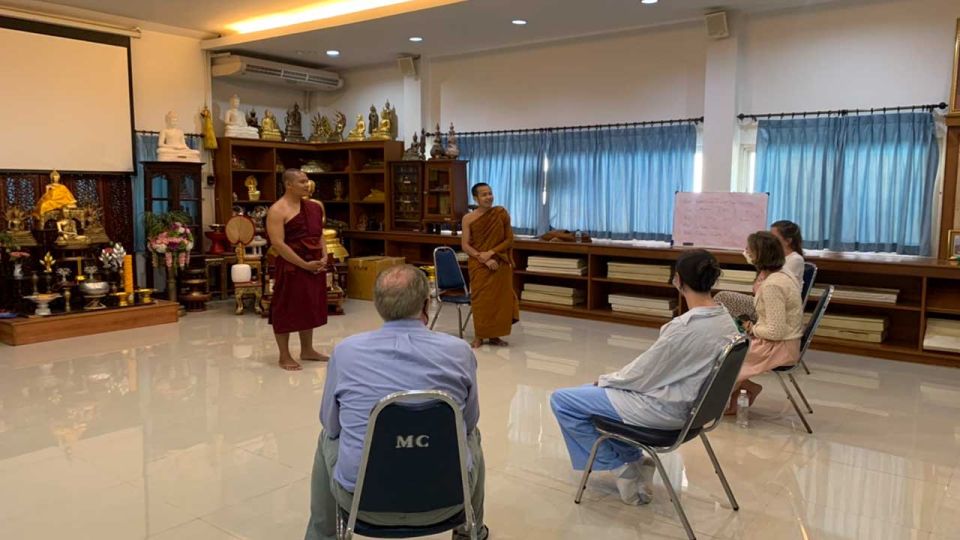
This is the moment that makes the tour feel personal. You’ll meet a Buddhist monk for a discussion centered on:
- Buddhist philosophy and how it’s understood in daily practice
- why he chose monkhood
- daily life activities of monkhood
- his goal in life and what he explores
The tour is set up like a real conversation, not a scripted performance. Some bookings include additional learning like chants and meditation practice, which can be a gentle way to experience the tradition without needing special background knowledge.
One name that came up in the experience is Phra KK. In at least one chat, the discussion included history of Buddhism, the different sects, a day-in-the-life view, plus learning chants and meditation. That’s the kind of topic mix that works well for curious travelers who want context, not just rules.
For comfort and respect, also keep in mind the tour notes that the monk will keep distance with female guests. You’ll still be able to talk and learn, but it won’t feel like a close-contact situation. Treat it as a respectful, structured meeting.

Photography, shopping, and the art of not rushing
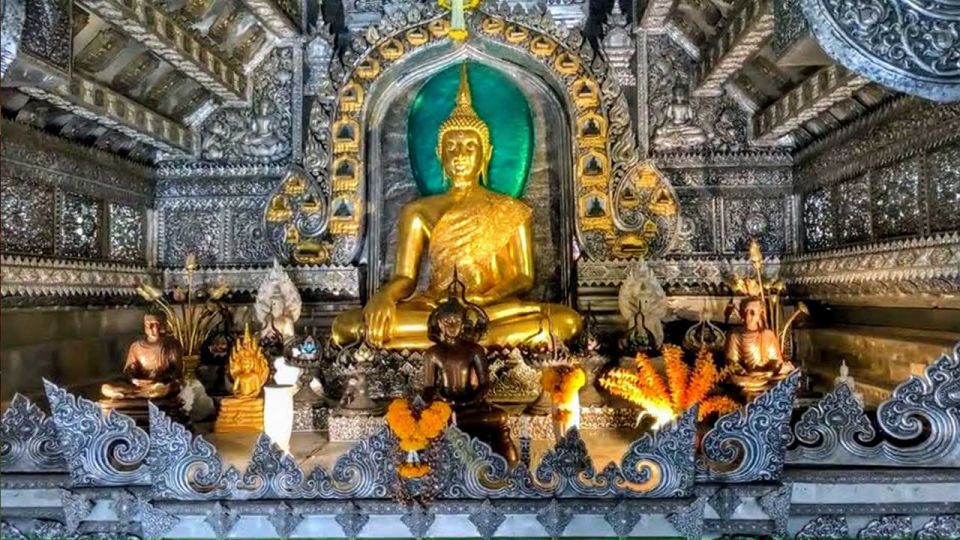
Photography is explicitly allowed, which is a relief. You’ll likely want to take photos at both Wat Suan Dok and Wat Sri Suphan, especially where the guide points out silver and aluminum decoration details.
Here’s how to make photos better on this tour:
- Take 2–3 wide shots first, then focus on the textures and patterns.
- Follow the guide’s direction for the best viewpoints rather than wandering aimlessly for angles.
- Remember you may need to step back during guided explanations, especially around active craft areas.
Shopping is another quiet highlight. There’s time to shop for silver and see the silversmiths working. If you like crafts, you’ll probably notice you’re not just buying souvenirs—you’re looking at pieces connected to the temple’s decoration tradition. That said, don’t treat it like a hard-sell stop. The value here is observation and learning.
Also, if you’re sensitive to temple etiquette, read the rules carefully before you arrive. Shoes must be removed before entering temple buildings, and you’ll need to dress appropriately.
Price and what $67 buys you in Chiang Mai
At $67 per person for about 3 hours, the value depends on what you care about.
If your priority is:
- getting a licensed guide in English,
- seeing two major temple sites in a tight circuit,
- and getting a real monk conversation tied to daily practice,
then the price makes sense. You’re paying for the structure: someone handles timing, transport between stops, and respectful cultural explanations so you don’t have to decode everything yourself.
If your priority is purely photo sightseeing with no interest in monk discussion or craft context, you might feel like there are cheaper temple options. But you’d also lose the guided explanations and the craft-focused learning at Wat Sri Suphan.
The good news: this tour is short enough that you can still plan other Chiang Mai experiences on the same day without burning half your schedule.
Who this tour suits best (and who should skip it)
This tour fits best if you:
- enjoy temples but want meaning behind the scenes,
- like cultural conversations with local perspective,
- and are interested in Chiang Mai’s craft tradition, especially silverwork.
It may be less suitable if you:
- need mobility access accommodations (it’s not suitable for people with mobility impairments),
- are traveling with young children. The tour lists it as not suitable for children under 2, under 4, under 6, under 12, and babies under 1.
In other words, it’s geared more toward adults and older teens who can handle temple etiquette, standing/walking, and a respectful conversation-focused format.
Practical wear-and-walk tips: what to bring and what to expect inside chapels
Plan your clothing and footwear before you leave.
Temple attire rules matter here:
- No bare shoulders and knees
- avoid strapless-heel shoes
- the chapel is treated like a national shrine, so the expectations are stricter than casual temple visits
Shoes must be removed before entering temple buildings. Wear shoes that are easy to slip off and on quickly. A quick tip: bring socks you’re comfortable re-wearing after being shoe-off indoors.
What to bring:
- Comfortable shoes
- Umbrella (helpful for Chiang Mai weather)
Restroom facilities are available, which makes this tour easier to handle without stress.
And don’t forget your camera. Photography is allowed, so if you care about documenting craft details, bring a device you can stabilize for close shots.
Small-group comfort: guides and transport that keep things smooth
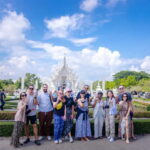
This experience is described as a small group, which is exactly what you want for a monk meeting. In a small group, your questions can actually land, and the guide can steer attention to the parts that matter most.
Guide quality matters a lot for this tour, and names from past experiences include Ms. Lee, Arunee, and Lyn. People appreciated how guides explained details politely and helped coordinate learning in a way that felt organized and natural. If you get one of these guides, you can expect the tone to stay respectful and practical rather than overly formal.
Transport is handled by local driving in black cabs. One driver name that came up was Mr. Tic Toc, and the drive was described as great. In practice, that means you’re not stuck waiting or negotiating transport during the tight 3-hour schedule.
Should you book this Chiang Mai Silver Craftwork Temple Tour?
Book it if you want more than a checklist temple day. This tour is a good fit when you care about craft (silver and aluminum decoration), temple etiquette, and you’re genuinely curious about Buddhism through conversation, not just sightseeing. The combination of Wat Suan Dok plus Wat Sri Suphan, paired with a structured monk meeting, makes it feel like you learned something you can’t easily pick up on your own.
Skip it if you’re primarily after low-effort, wander-at-your-own-pace sightseeing, or if strict dress and shoe-off rules would be a hassle. Also consider access rules: some interior areas at Wat Sri Suphan may not be open to everyone, and the monk meeting maintains distance with female guests.
If you fall in the “I want context” camp, this tour is a strong use of three hours in Chiang Mai.
FAQ
How long is the Chiang Mai silver craftwork temple tour?
The duration is about 3 hours.
Where do I meet for the tour?
You wait in front of the Three Kings Monument.
Are there stops for photos during the tour?
Yes. There are photo stops at Wat Suan Dok and Wat Sri Suphan.
Which temples are included?
The tour includes Wat Suan Dok and Wat Sri Suphan.
Is the tour guided, and what language is it in?
Yes, it’s a live tour with an English-speaking guide.
Is hotel pickup available?
Pickup is optional for a private tour using local transport, with pickup from city-center areas such as the Old City, Nimman, or the riverside.
What should I wear and bring?
Wear clothing that covers shoulders and knees. Bring comfortable shoes and an umbrella. Shoes must be removed before entering temple buildings.
Can I take photos inside the temples?
Photography is permitted.
What’s included in the ticket price?
Admission fees to the temple, local transportation, a Buddhist monk, a professional licensed guide, and (for private tours) hotel pickup by local transport are included.
Is there anything to watch out for regarding visiting with a monk?
The monk will keep distance with female guests, and you should follow respectful behavior and the guide’s instructions during the discussion.