REVIEW · CHIANG MAI
Chiang Mai: Elephant Sanctuary Feeding Program Half-Day Tour
Book on GetYourGuide →Operated by PON ELEPHANT (THAILAND) CO., LTD. · Bookable on GetYourGuide
Elephants, up close, but in the right way. This half-day tour from Pon Elephant Thailand pairs safe feeding with close, respectful observation in the hills south of Mae Wang. You’ll also get real context on Asian elephants and how caregivers prepare plant-based treats.
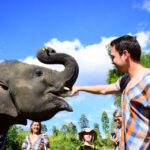
My favorite part is the hands-on time at the feeding stations, where you’ll learn what elephants eat and then offer foods like Napier grass, sugarcane, and bananas. One consideration: river time and bathing depend on the elephants themselves, so the exact flow can change at short notice—and you’ll want to be ready for some walking and getting wet.
In This Review
- Key things to know
- Elephant Sanctuary Half-Day in Chiang Mai: What It Feels Like in Real Life
- Getting to Pon Elephant Thailand: The Hills South of Mae Wang
- First Stop: Meet the Team, Then Learn How to Behave
- The Forest Walk with Rangers: Quiet Learning, Not a Stampede
- Feeding Time at Four Stations: Napier Grass, Sugarcane, Bananas
- What you’ll feed
- What makes this feel safe
- River Stop for Swimming and Bathing: Elephant-First, Water-Ready
- Photos You’ll Actually Keep: How to Get the Shot
- Price and Value in Chiang Mai: Why $27 Can Be Good (If You Prepare)
- What’s Included vs. Not: The Practical Line You Need
- Who This Tour Suits Best—and Who Should Skip
- What to Pack: Wet Clothes, Bug Spray, and Camera Power
- The Little Details That Make It Run Smoothly
- Should You Book the Chiang Mai Elephant Sanctuary Feeding Tour?
- FAQ
- How long is the Chiang Mai Elephant Sanctuary Feeding Program?
- What’s included in the tour price?
- Is hotel pickup available?
- What languages does the guide speak?
- What do I feed the elephants?
- Is swimming or bathing in the river included?
- What should I bring?
- What is not allowed during the tour?
- Is it appropriate for people with mobility issues or back problems?
- Can I cancel and get a refund?
Key things to know
- Forest habitat first: you’re out in a natural setting, not a staged show
- Ethics and safety briefing: you get rules for behavior around elephants before you start feeding
- Multiple interaction points: you spend time at several stops, not just one quick encounter
- River bathing may happen: elephants choose whether they go into the water
- You’ll get better photos if you’re prepared: camera-ready moments come during feeding and water time
- Half-day timing works: 5 hours is long enough to feel unhurried, short enough to keep plans flexible
Elephant Sanctuary Half-Day in Chiang Mai: What It Feels Like in Real Life
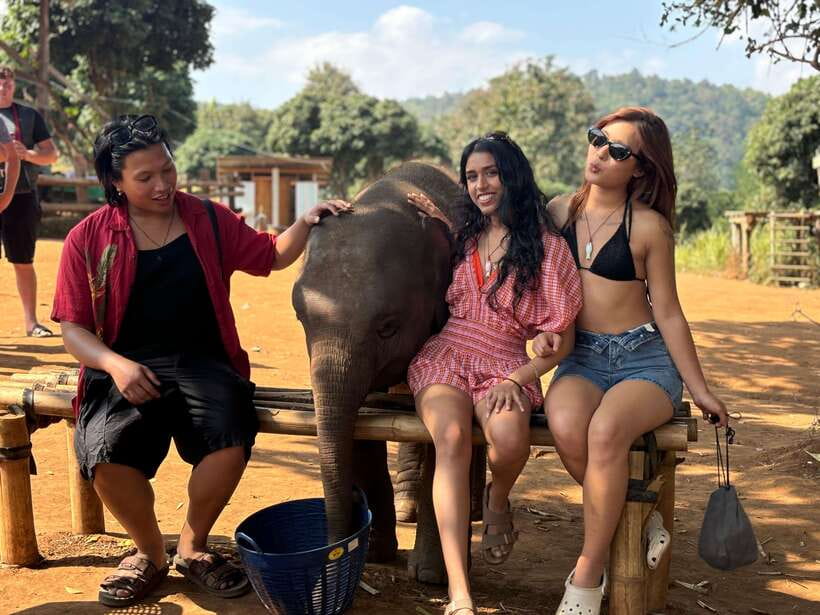
If you’ve been told to lower expectations for elephant tours, I get it. Many are built around circus-style interaction. This one feels different because it’s structured around the elephants’ routines and the caregivers’ daily work.
You’ll spend the day with a small group, then move through different areas of the sanctuary. The vibe is calm. Care comes across in the details: you get a briefing before you approach, you feed from a safe setup, and the team focuses on how elephants behave—not just how to get the shot. The 4.8 rating (4,500+ bookings) also lines up with what you’d hope to see for an operation that takes animal welfare seriously.
That said, you’re still entering a working environment. Some parts involve uneven ground and water. If you’re expecting a fully flat, seated experience, this isn’t that kind of tour.
You can also read our reviews of more tours and experiences in Chiang Mai


Getting to Pon Elephant Thailand: The Hills South of Mae Wang
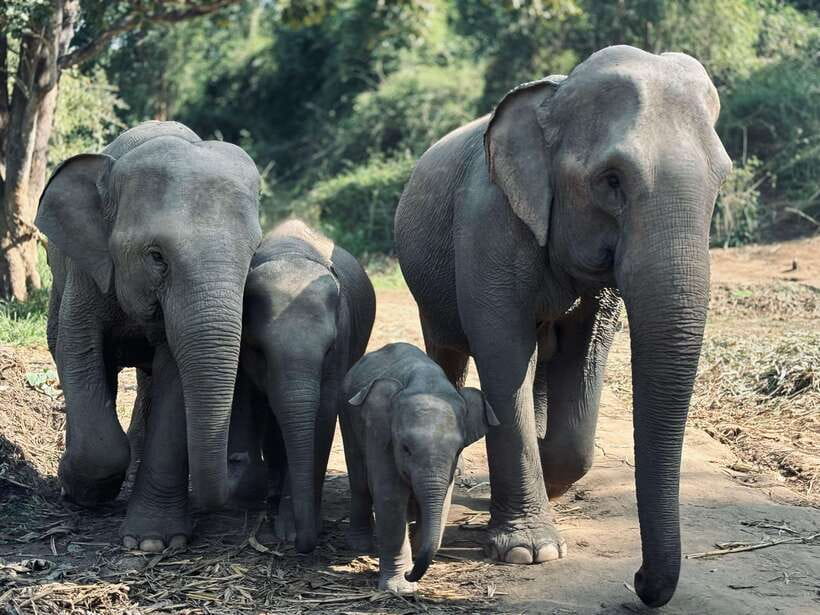
The morning starts with travel south of Mae Wang for about 1.5 hours. You’ll pass hills, forests, and local farms, which matters more than you might think. A lot of Chiang Mai elephant tours begin with a bus ride that feels like you’re being hauled to a warehouse. Here, the ride is part of the transition into the countryside.
Transport is also a stated strength: this tour’s transport quality is rated highly, with 87% of reviewers giving it a perfect score. Practically, that means you can relax and focus on the experience instead of worrying about comfort.
If you choose hotel pickup, you’ll meet your driver in the hotel lobby 5–10 minutes early. The driver waits up to 5 minutes after the scheduled pickup time, so don’t drift. If you’re doing this on a tight schedule, arrive ready to go.
First Stop: Meet the Team, Then Learn How to Behave
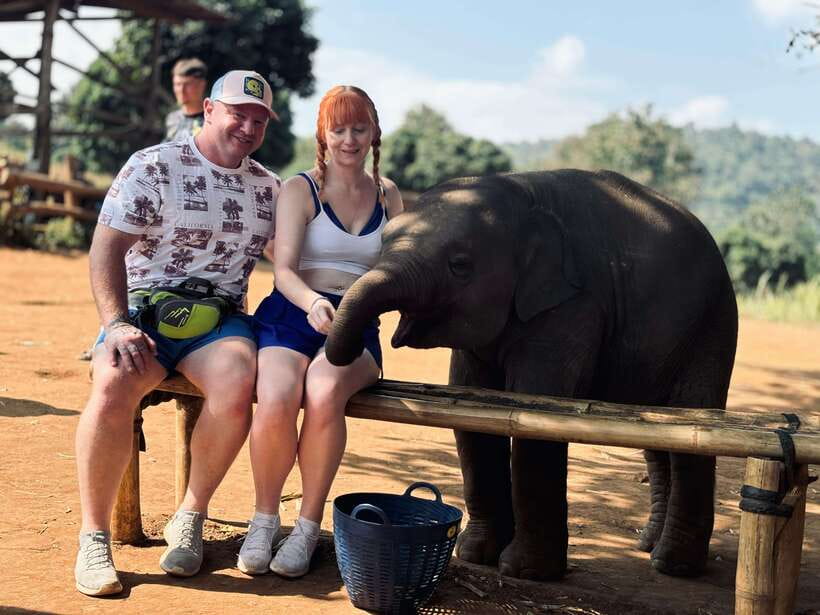
Before you feed, you get a briefing. That’s not boring admin—it’s the difference between a respectful interaction and chaos.
You’ll meet the team at Pon Elephant Thailand and learn about the habitat, history, habits, and behavior of the elephants. You’re also taught how to behave around them, which helps you understand what’s safe, what isn’t, and what you should avoid doing.
I’m glad they emphasize elephant behavior, because it changes how you watch. You start noticing small things—movement patterns, pacing, and how elephants respond to people. Several guide names come up in English-language experiences on this program, including Tuto, Pat, Pan, Toto, Oom, Jackie, Lek, and Jacky. Whoever you get, the common thread is that the guides explain both the elephants and the rules in a way that makes you feel prepared.
The Forest Walk with Rangers: Quiet Learning, Not a Stampede
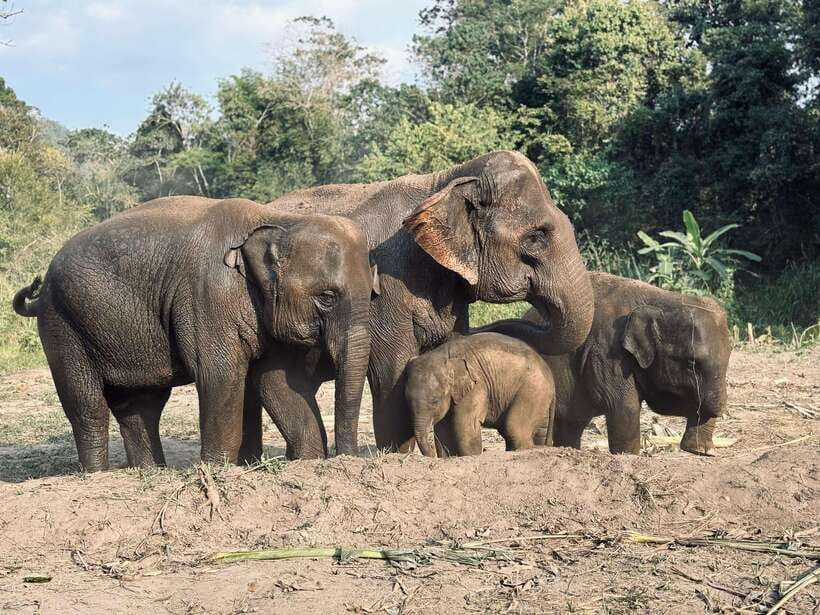
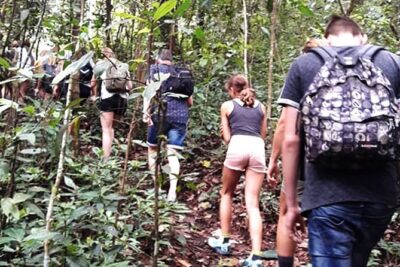
Once you’re briefed, you’ll head out on a nature walk with knowledgeable rangers. The goal isn’t just exercise. It’s observation with guidance.
You’ll learn what to look for in the environment and how the elephants move through their space. This matters for ethical elephant encounters, because the best moments often come when you’re not trying to force an interaction.
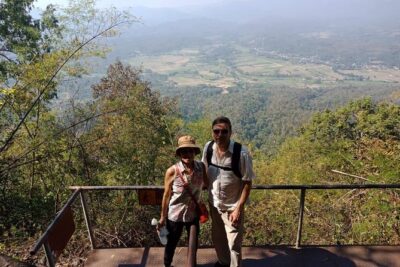
Some walking is involved between stops, and it can be a bit more than you expect if you’re used to city pacing. One person noted it was enough walking that older parents managed it but still needed to be prepared. If you have any back issues, recent surgery, low fitness, or mobility limits, take the tour’s own warning seriously. This is not a wheelchair-friendly activity.
Feeding Time at Four Stations: Napier Grass, Sugarcane, Bananas
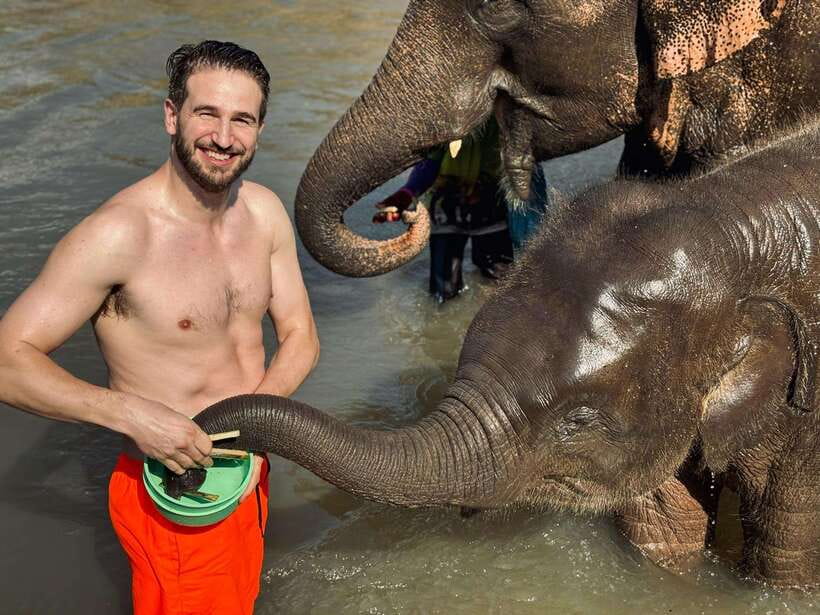
Here’s where the tour earns its keep: the feeding is structured and repeatable. Instead of one quick “touch and go,” you get multiple moments with the elephants.


What you’ll feed
You’ll have the opportunity to feed elephants Napier grass, sugarcane, and bananas. These aren’t random snacks. They’re part of how the sanctuary supports the elephants in a natural-feeding routine.
The tour also mentions learning how to prepare herbal treats, which adds a meaningful layer. You’re not only feeding—you’re understanding why the ingredients matter and how caregivers make those treats.
What makes this feel safe
The tour’s rules are clear: there’s no riding, no forcing elephants, and you’re taught how to behave around them. You’re also given drinking water and fruit for elephants is part of the included setup.
The best feeling during feeding is the lack of pressure. The elephants decide how close they want to be. You’re present, you’re involved, and then you step back when the moment calls for it.
River Stop for Swimming and Bathing: Elephant-First, Water-Ready
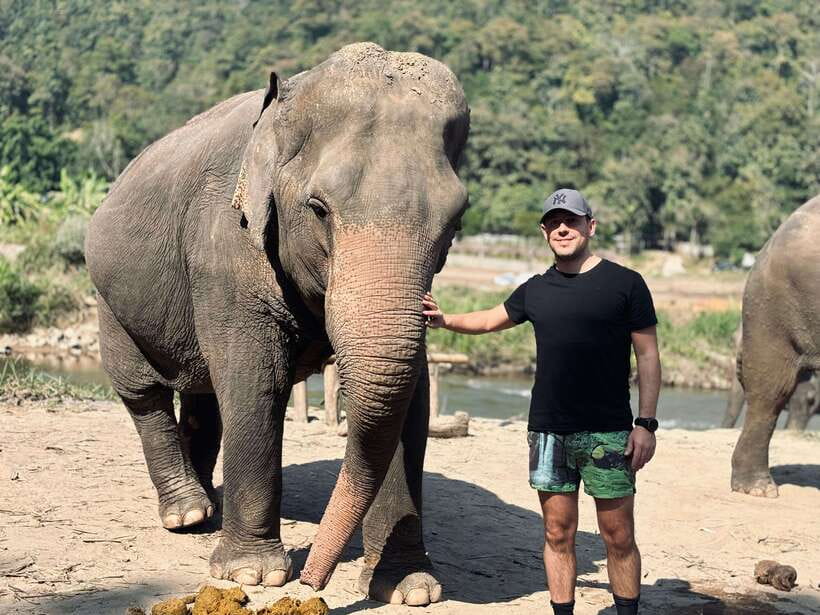
If you’re hoping for river time, you should know this part is elephant-controlled. The program states that elephants choose to bathe in the river, and they aren’t forced into activities. So your schedule can shift based on what the elephants decide.
When it works, it’s one of the most memorable segments. You’ll take elephants to the river area, and there’s time for swimming and bathing. One guide-led highlight described a water play moment that turned into a water fight, and yes—you may get pretty soaked. In other words: don’t wear anything you’ll hate wet.
This also affects photography. If the elephants go in, you’ll get the best action shots of the day. If they don’t, you still have the feeding and forest portions—but expect the river part to be flexible.
Photos You’ll Actually Keep: How to Get the Shot
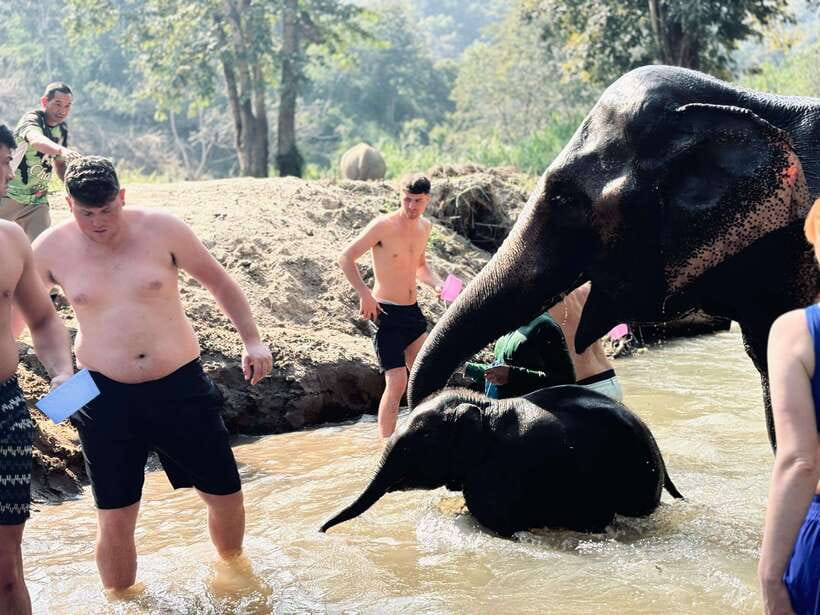
The tour includes a photo moment concept, but you’ll get better results if you plan like a traveler with a camera, not a tourist chasing pixels.
- Bring your charged smartphone and expect it to handle humidity.
- Wear a camera-friendly outfit that you don’t mind getting dirty.
- During feeding and water time, move slowly and follow your guide’s instructions. Elephants can be calm and still change direction fast.
You’ll likely take photos with elephants in close range, especially at feeding stops and during bathing time. The best pictures come when you’re watching behavior rather than posing every second.
Price and Value in Chiang Mai: Why $27 Can Be Good (If You Prepare)
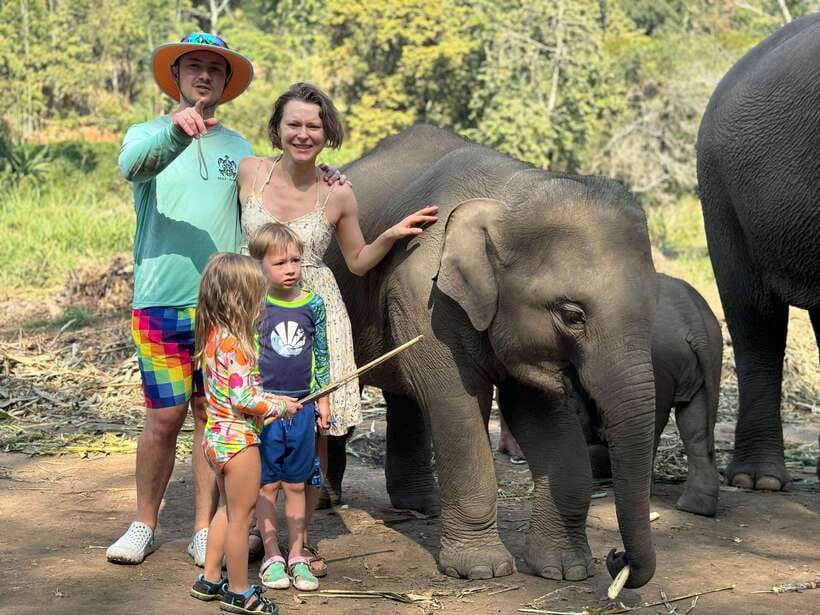
The price is listed at $27 per person for a half-day running about 5 hours (330 minutes). That’s not just a budget figure—it’s the key value point here: you’re paying for transportation, guide time, and a structured elephant interaction with safety rules and briefing.
Included items are practical:
- hotel pickup and drop-off if you select it
- an English-speaking tour guide (English and Thai offered)
- insurance
- fruit for elephants
- drinking water
Not included:
- towel and a change of clothes
That last line is where your value improves with one smart choice. If you bring a spare outfit, you won’t spend the rest of your day in damp clothes. If you forget, you’ll feel the cost creep up fast in comfort and convenience.
Also, the tour’s transport score and the overall satisfaction score suggest you’re getting more than a ticket—you’re getting coordination, timing, and a guided pace that doesn’t feel frantic. For half-day tours, that’s a big deal.
What’s Included vs. Not: The Practical Line You Need
It’s helpful to know what you’re paying for, because elephant tours can blur the lines.
Included:
- guide-led briefing and interpretation
- ranger-guided walk
- opportunities to feed and interact in the safe areas the sanctuary controls
- fruit for elephants, plus drinking water for you
- optional pickup/drop-off
- insurance
Not included:
- towel and change of clothes
- anything you forgot that you’ll regret once water happens
Also note what’s not allowed:
- no riding the animals
- no alcohol and drugs
- no weapons or sharp objects
- no fishing, no littering, no making fires
- no party groups like bachelor or bachelorette groups
These rules are part of the ethical structure. They also help you understand the tone of the day: respectful, not rowdy.
Who This Tour Suits Best—and Who Should Skip
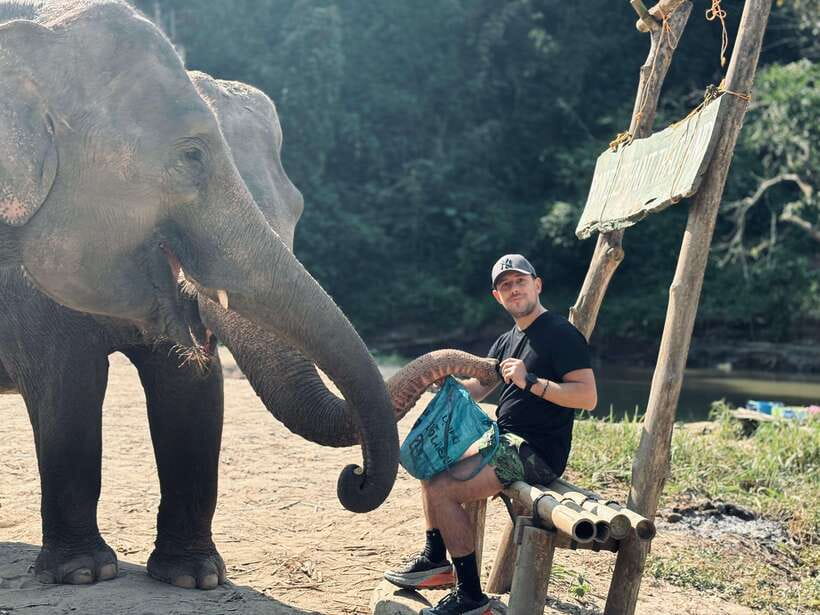
This is a good fit for you if:
- you want an ethical elephant encounter that focuses on care and behavior
- you’re okay with short walks and a forest setting
- you want a guided learning experience, not just feeding for photos
- you’re flexible about river bathing depending on the elephants
It can also work for families. One booking described going with a 6-month-old baby, with staff helping so parents could enjoy the time without constant stress. If you’re traveling with kids, pack patience. You’ll be moving through natural areas and multiple stops.
But this isn’t for everyone. The tour specifically lists not suitable for:
- back problems
- mobility impairments, wheelchair users
- epilepsy
- animal allergies
- visually impaired people
- recent surgeries
- low level of fitness
- insect allergies
If any of those apply, don’t treat them as footnotes. Treat them as your safety boundary.
What to Pack: Wet Clothes, Bug Spray, and Camera Power
The tour provides drinking water, but you supply the rest. Your list should reflect that you may walk, get dirty, and potentially get wet.
Bring:
- comfortable clothes that can get dirty
- beachwear for river time
- a change of clothes
- towel (since it’s not included)
- biodegradable sunscreen and insect repellent
- cash
- charged smartphone and your camera
Also, have your documents ready. Passport is listed, though a copy is accepted.
Not allowed items include weapons/sharp objects and alcohol/drugs. For your comfort, skip intoxication too. You want to stay alert in a forest environment.
The Little Details That Make It Run Smoothly
A few things show up repeatedly in the way this program operates:
- guides use humor and teach you what you need to know without making you feel lectured
- interactions are broken into distinct stations, which helps you pace yourself
- transportation is generally clean and comfortable
- the sanctuary environment gives space, not crowding
Some people also noted a wobbly bridge during the walk. The tour says the itinerary is subject to change in bad weather, but bridges and uneven paths are part of an outdoor sanctuary experience. That’s another reason your footwear and readiness matter.
Should You Book the Chiang Mai Elephant Sanctuary Feeding Tour?
Book it if you want an elephant experience that feels structured, respectful, and animal-first. The combination of a team briefing, ranger walk, feeding at multiple stations, and the possibility of river bathing gives you enough time to learn and enough interaction to feel connected.
Skip it if you:
- can’t handle walking or uneven terrain
- need a fully predictable schedule for bathing
- have health limits listed by the tour
- expect a ride-on or forced-activity style encounter (this tour explicitly doesn’t do that)
If you’re deciding between a quick photo stop and a slower, guided half-day, I’d choose this. It’s not just about feeding. It’s about understanding how elephants are cared for and how to behave around them in a real forest setting.
FAQ
How long is the Chiang Mai Elephant Sanctuary Feeding Program?
The duration is listed as 5 hours, or 330 minutes.
What’s included in the tour price?
Included items are hotel pickup and drop-off if selected, an English-speaking tour guide, insurance, fruit for elephants, and drinking water.
Is hotel pickup available?
Pickup is optional. If you choose it, you should be in the hotel lobby 5–10 minutes before your scheduled pickup time. The driver waits for no longer than 5 minutes after the scheduled time.
What languages does the guide speak?
The tour offers a live tour guide in English and Thai.
What do I feed the elephants?
You’ll have the opportunity to feed Napier grass, sugarcane, and bananas, and you’ll also learn about preparing herbal treats.
Is swimming or bathing in the river included?
The program includes taking the elephants to the river, with swimming and bathing possible. The elephants choose whether they bathe, so some activities may change at short notice.
What should I bring?
You should bring a change of clothes, a camera, biodegradable sunscreen, comfortable clothes, beachwear, cash, and clothes that can get dirty. You’ll also want a charged smartphone, passport (a copy is accepted), biodegradable insect repellent, and towels are not included.
What is not allowed during the tour?
The tour lists no weapons or sharp objects, no intoxication, no alcohol and drugs, no fishing, no littering, no feeding animals, and no riding the animals. Party groups and making fires are also not allowed.
Is it appropriate for people with mobility issues or back problems?
No. It’s listed as not suitable for people with back problems, mobility impairments, wheelchair users, low fitness, and a few other health conditions.
Can I cancel and get a refund?
Yes. It offers free cancellation up to 24 hours in advance for a full refund.