REVIEW · CHIANG MAI
Cook Local Northern Thai Food in Traditional House
Book on Viator →Operated by Grandmas Home Cooking School · Bookable on Viator
One big reason this works is simple: you cook with real fire and tools. In Chiang Mai, this Lanna class takes you from a local market to an organic farm and then into hands-on cooking of five Northern Thai dishes.
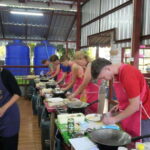
I love the step-by-step, practical teaching. You get to light a charcoal grill, mill flour with a traditional millstone, and grate coconut meat to make coconut milk the old way. I also like the menu payoff: you’re not just tasting a little. You cook a full set, then eat your work with lunch and a dessert tasting.
One thing to know up front: this isn’t a literal Grandma’s home kitchen. It’s a cooking school setup, just using traditional methods and ingredients.
In This Review
- Key things I’d circle before you book
- A 9:00 am cooking day built around market-to-fire technique
- Market time in Chiang Mai: choosing the seasonings you’ll actually use
- Organic farm and chicken coop: the ingredients have a story
- Charcoal grill, millstone flour, and coconut-grater coconut milk
- The five dishes you’ll cook in a full Northern Thai menu
- Northern Thai sausage
- Nam Prik Ong or Nam Prik Num
- Northern pork belly curry
- Curry young jackfruit
- Thai coconut pancakes
- Lunch, dessert tasting, and the e-recipe book you’ll actually use
- Transfers, group size, and English-speaking instruction: what makes the day easy
- Price and value: why $57.99 can make sense here
- Who should book this Northern Thai cooking class
- What to wear and expect during the day
- Should you book this cook local Northern Thai food class?
- FAQ
- What time does the class start, and how long is it?
- How many dishes will I cook in the class?
- What dishes are included in the menu?
- Is hotel pickup or transfers included?
- Does the class accommodate dietary requirements, and are children allowed?
- What’s included in the price, and is alcohol served?
Key things I’d circle before you book
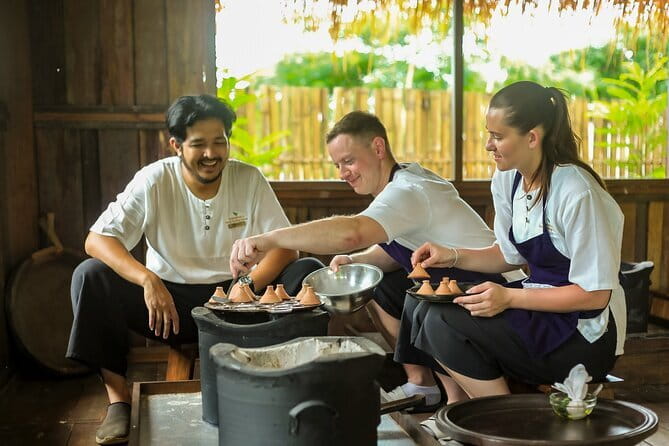
- Small group size (max 6) means you’ll actually get hands-on help while you cook
- Market + farm + eggs: you shop, pick herbs and veg, then collect farm-fresh eggs
- Real Northern techniques like charcoal grilling, millstone flour, and coconut-grater coconut milk
- Five-dish Lanna lineup plus Thai coconut pancakes, with lunch and dessert included
- Round-trip hotel transfers and an English-speaking instructor keep the day smooth
- Downloadable e-recipe book so you can recreate the dishes after you leave Chiang Mai
A 9:00 am cooking day built around market-to-fire technique
The day starts at 9:00 am, and it runs about 7 hours. For $57.99 per person, the value isn’t just that you get to cook—it’s that the class builds a full Northern Thai workflow: ingredient choice first, then farm sourcing, then cooking with traditional tools and methods.
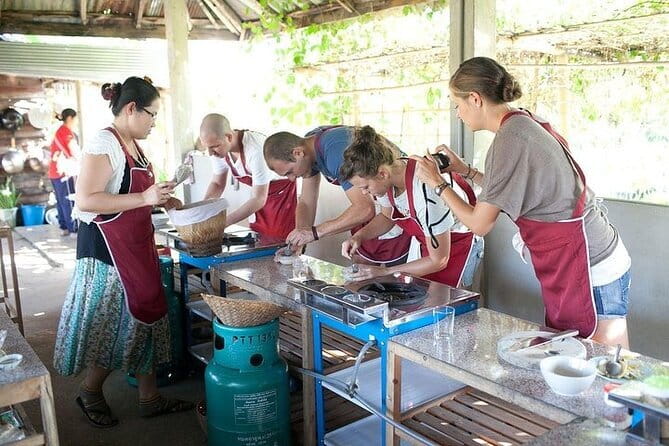
This is designed for a small group, capped at 6 people. That matters more than it sounds. When it’s just a few of you, the instructor can check your grill, correct your chopping, and keep the group moving without turning it into a watch-only demo.
You’ll likely appreciate the included round-trip transfers if you don’t want to figure out Chiang Mai logistics before a cooking class. You’ll also get a mobile ticket for check-in, and it’s near public transportation if you’d rather be flexible.
One practical note: you’re cooking in real conditions. Wear clothes you’re happy to get a little food-scented. You’ll be washing, grating, and working at a pace that’s hands-on, not museum-quiet.
You can also read our reviews of more food & drink experiences in Chiang Mai

Market time in Chiang Mai: choosing the seasonings you’ll actually use
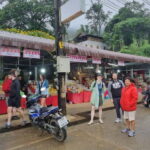
Your morning begins with a visit to a local market, guided by the instructors. This part is more than a stroll. They introduce the ingredients and seasonings used in Northern Thai cooking, and you get the sense for what each dish is built on.
Here’s what makes this valuable: Northern Thai flavors can feel unfamiliar if you mostly eat Thai food from a “generic” menu. A market stop helps you connect the dots. You learn what goes into your food in practice—then later you’re cooking with those same components, rather than guessing after the fact.
You’re also selecting ingredients with your hands-on work in mind. That turns the day from a cooking class into something closer to a recipe skill lesson. Even if you don’t remember every name perfectly, you’ll remember what you chose and how it shows up in the finished dishes.
Organic farm and chicken coop: the ingredients have a story
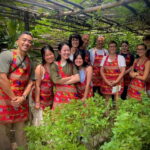
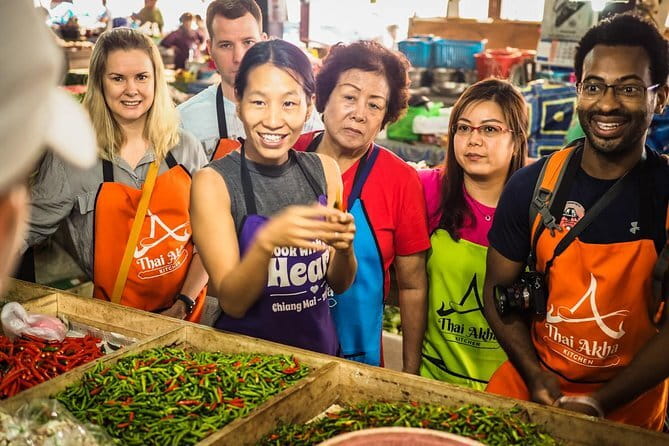
After the market, you head to an organic farm where you’ll visit Thai herb and vegetable areas and then pick what you need. This isn’t a background tour. It’s part of your meal planning for the cooking class.
The farm segment also explains how Thai herbs and vegetables are used in cooking—so you’re not just harvesting. You’re learning why certain ingredients are included, and how herbs behave differently than store-bought substitutes.
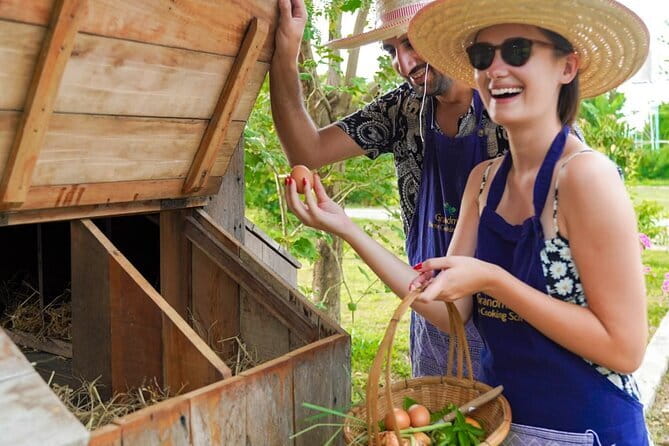
Then there’s the chicken coop part, where you collect farm-fresh eggs. That’s a small moment in the timeline, but it’s one of those details that makes the day feel real. Eggs aren’t treated like a random pantry item. They’re part of the ingredient chain you helped create.
If you like seeing food sources firsthand—how veggies grow, how herbs are handled, how eggs are gathered—this stop is a strong reason to book.
Charcoal grill, millstone flour, and coconut-grater coconut milk
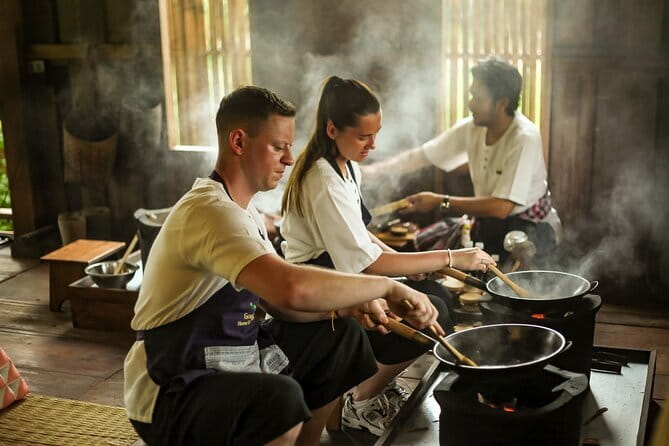
This class has a technical streak, and that’s where I’d expect many people to have their favorite learning moments. You practice several traditional skills, each one useful even if you don’t plan to cook Northern Thai food at home every week.
You’ll learn how to light a charcoal grill, which changes how food behaves. Charcoal cooking isn’t just a vibe; it affects heat control and flavor development, especially for dishes where you want a certain smoky depth.
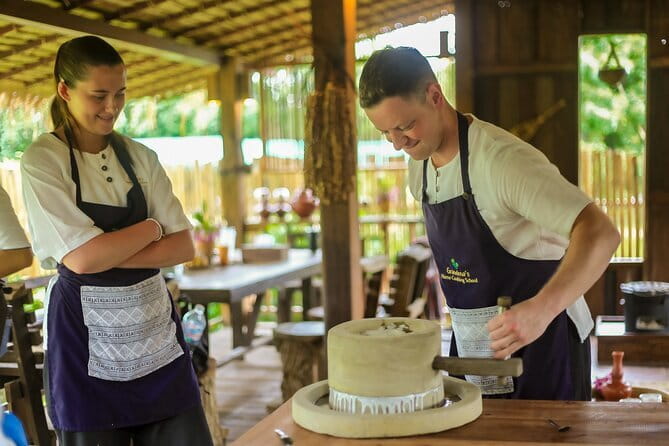
You’ll also learn traditional flour milling using a millstone. That teaches you that texture and ingredient prep aren’t afterthoughts. It’s also a great way to understand why dough and pancake batters behave the way they do in the finished Thai coconut pancakes.
And then you get coconut work: grating coconut meat using a coconut grater to make coconut milk in the traditional way. Coconut milk is central to Thai comfort food, but the taste difference between fresh-grated coconut and packaged coconut milk can be noticeable. Even if you can’t replicate it exactly at home, you’ll understand what “coconut flavor” really comes from.
This is also where the small group matters. With only up to 6 people, the instructors can correct technique while you’re doing it, not after.
The five dishes you’ll cook in a full Northern Thai menu
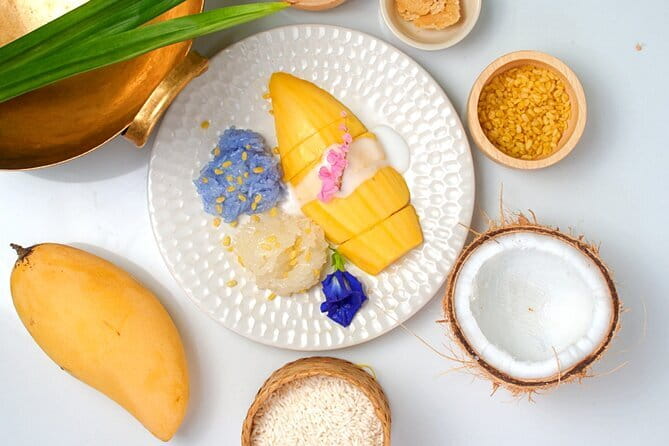
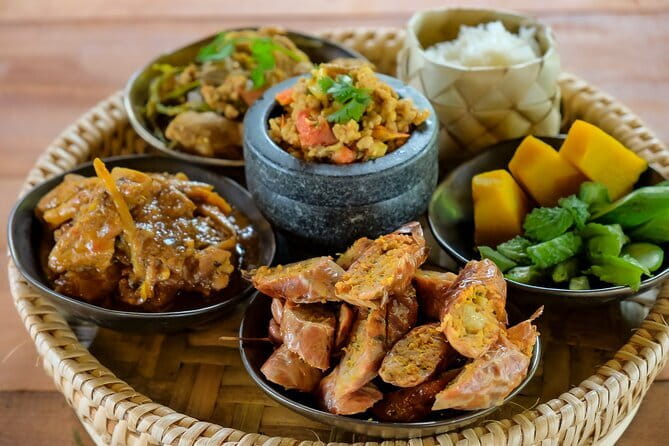
This is not a class where you cook one dish and move on. You learn to cook five Northern Thai dishes, and you also make Thai coconut pancakes as part of the experience.
Here’s the lineup you should expect:
- Northern Thai Sausage
- Nam Prik Ong or Nam Prik Num
- Northern Pork Belly Curry
- Curry Young Jackfruit
- Thai coconut pancakes
A quick note on Nam Prik: you’ll make either Nam Prik Ong or Nam Prik Num, depending on what’s selected by the class. If you’re picky about chili paste styles, you can ask on booking if there’s a preference, since the exact one isn’t guaranteed in the information provided.
You can also read our reviews of more tours and experiences in Chiang Mai

Northern Thai sausage
Making Northern Thai sausage puts you close to the region’s signature flavors. You’ll get a feel for how seasoning, texture, and cooking method come together. This is also the kind of dish where you learn that spice balance matters, not just heat.
Nam Prik Ong or Nam Prik Num
These are different chili-based dips and sauces, and Northern Thai versions often taste less one-note than many mainstream Thai chili dips. You’ll practice mixing and building flavor during cooking, so you understand what makes it “Northern” rather than just spicy.
Northern pork belly curry
This dish gives you a richer, deeper side of the menu. Pork belly curry usually needs timing and proper heat so the sauce coats well. The charcoal skills and ingredient prep you did earlier pay off here in how you manage cooking flow.
Curry young jackfruit
Young jackfruit curry is a great contrast to pork. It brings a unique bite and takes flavor in a different direction. If you’ve never had young jackfruit cooked this way, you’ll likely appreciate how the texture changes during cooking.
Thai coconut pancakes
Coconut pancakes are where the day’s traditional skills stack together. The coconut milk you make and the flour prep you practice aren’t just “cool demonstrations.” They directly affect the batter and final texture. It’s a satisfying finish because it’s both hands-on and delicious at the end of a long morning.
Lunch, dessert tasting, and the e-recipe book you’ll actually use
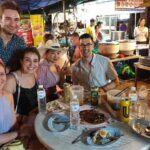
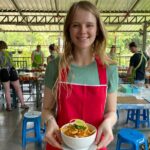
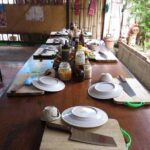
You’ll eat what you cook. The class includes a lunch break where you taste your creations, so you’re not stuck with the awkward feeling of smelling food for hours while everyone else gets to enjoy.
After that, there’s a dessert and refreshment session with traditional Thai dessert tasting. This is a good pacing move. It gives your palate a break after curry and chili dishes, and it adds variety to the day without turning dessert into an afterthought.
Then you get an e-recipe book you can download and practice cooking the dishes later. This matters for value. A lot of cooking classes give you a memory and a vague photo. Here, you’ll have something concrete to guide you when you’re back home trying to repeat what you learned.
Transfers, group size, and English-speaking instruction: what makes the day easy
One reason this class earns strong praise is that it’s well-run. The information points to English-speaking instructors, plus round-trip transfers to and from your hotel, plus welcome snacks and refreshments.
That combination helps if you:
- want a day that’s organized enough to focus on cooking
- don’t want to worry about getting around Chiang Mai before you’ve built your appetite
- prefer instruction in plain language while you’re working with new techniques
The group cap at 6 also supports a calmer pace. With fewer people, you spend more time cooking, less time waiting. That’s the kind of practical benefit you feel halfway through, not at the end.
Price and value: why $57.99 can make sense here
Let’s talk money without pretending it’s magic. $57.99 sounds like a lot until you break down what’s included and what you’re actually doing for seven hours.
You’re paying for:
- Round-trip transfers
- a market visit to learn ingredient seasonings
- an organic farm with herb/vegetable picking
- egg collection from the chicken coop
- hands-on instruction for multiple traditional cooking techniques
- lunch plus dessert and refreshments
- an e-recipe book download
Then there’s the practical teaching: you’re making multiple dishes, not just one. And the group size cap is low, which usually costs more to run well.
Is it the cheapest thing you can do in Chiang Mai? No. But for a hands-on, ingredient-driven day that includes food at different stages, it offers solid value—especially if you care about techniques and not just eating.
Who should book this Northern Thai cooking class
This one is ideal if you like hands-on food learning and you want to understand the logic behind Northern Thai dishes.
Book it if you:
- want to cook five dishes plus coconut pancakes in one day
- enjoy markets, farms, and ingredient sourcing
- care about technique, like charcoal grilling and making coconut milk traditionally
- want an instructor who teaches in English
It’s also a decent fit for food-focused families in the sense that children under 12 are welcome as visitors.
Skip it if you’re hoping for a very quiet, low-effort experience. This is active: grating, milling, cooking, tasting, and repeating. If you want mostly to watch, you might find it a bit much.
Also keep expectations grounded: it’s a cooking school environment. Traditional methods are the point, not a living-room imitation of a grandma’s house.
What to wear and expect during the day
Nothing in the info suggests special gear is provided for you, so I’d plan like you’re doing a full kitchen day plus outdoor stops.
Wear comfortable clothes you can move in and shoes you don’t mind getting a bit dirty. Bring a small bag for personal items and keep your phone protected if you’re filming during farm time.
Expect your schedule to be steady from the market through the farm and into cooking. The class has several “skill blocks,” so there’s not much downtime between learning steps.
And yes, your hands will likely smell like garlic, chili, coconut, or smoke by the end. That’s normal. It means you actually did the work.
Should you book this cook local Northern Thai food class?
If you want a Chiang Mai day that goes beyond eating and gives you real cooking technique—charcoal grilling, coconut milk making, millstone flour prep—then this class is a strong yes.
I’d especially recommend it when:
- you’re staying in Chiang Mai long enough to take one full-day class seriously
- you like Northern Thai flavors and want to learn the why behind them
- you prefer small-group instruction where you’re not stuck waiting your turn
If you’re short on time or you only want a light snack experience, look elsewhere. This is a 7-hour cooking day, and it’s built to fill your hands and your stomach.
FAQ
What time does the class start, and how long is it?
The class starts at 9:00 am and lasts about 7 hours.
How many dishes will I cook in the class?
You’ll cook five traditional Northern Thai dishes, plus Thai coconut pancakes.
What dishes are included in the menu?
The menu includes Northern Thai Sausage, Nam Prik Ong or Nam Prik Num, Northern Pork Belly Curry, Curry Young Jackfruit, and Thai coconut pancakes.
Is hotel pickup or transfers included?
Yes. Round-trip transfers to and from your hotel are included.
Does the class accommodate dietary requirements, and are children allowed?
The activity is able to accommodate special dietary requirements. Children under 12 are welcome as visitors.
What’s included in the price, and is alcohol served?
Lunch, dessert tasting, welcome snacks and refreshments, round-trip transfers, and an e-recipe book are included. Alcohol drinks are not included.
If you want, tell me your dates and dietary needs (if any), and I’ll help you decide whether this is the best fit compared with other Chiang Mai food tours.