REVIEW · CHIANG MAI
Lalita Cafe & Chiang Rai Temple(White+Blue) from Chiangmai
Book on GetYourGuide →Operated by Chiang Mai Footsteps Travel · Bookable on GetYourGuide
Color, steam, and temples in one long day. I love the way the White Temple turns Buddhist ideas into wild, modern art, and I love that this runs as a small group where the guide can keep an eye on everyone. One thing to consider: it’s a full-day push, starting early from Chiang Mai, so plan for a long ride and a late finish.
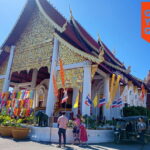
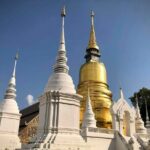
You’ll start with mineral-steam at Mae Kachan Hot Springs, then switch gears to Wat Rong Khun (White Temple) and Wat Rong Suea Ten (Blue Temple). After the temples, the day slows down at Lalitta Café in garden-and-waterfall surroundings, with plenty of photo stops like swings and garden paths.
If you like your tours to feel human (not just rushed stops), this one has that edge. With guides such as Mr. Nine, you get practical tips at each location and a group vibe that stays relaxed even when the itinerary is packed.
In This Review
- Key highlights to know before you go
- Chiang Mai to Chiang Rai: how the day really flows
- Mae Kachan Hot Springs: steam, eggs, and easy comfort
- Wat Rong Khun, the White Temple: modern Buddhist art with pop-culture punch
- Wat Rong Suea Ten, the Blue Temple: sapphire color plus cosmic imagery
- Lalitta Café: gardens, waterfalls, and breaks that feel earned
- Price and value: what $51 buys you in real time
- Who this Chiang Rai day trip suits best
- What to bring (and what not to bring) for a smooth day
- The guide experience: Mr. Nine’s kind of helpful
- My bottom line: should you book this day trip?
- FAQ
- How long is the Chiang Rai White Temple and Blue Temple day trip?
- Where does the tour start?
- What is included in the price?
- What is the price per person?
- Is lunch included or do I pay separately?
- How big is the group?
- What language is the guide?
- What should I bring with me?
- Are backpacks allowed?
- Who is the tour not suitable for?
- Can I cancel for a full refund?
Key highlights to know before you go
- Mae Kachan Hot Springs first thing: warm mineral water, steaming geysers, and the option to boil eggs in the wells
- Wat Rong Khun, the White Temple: pop-culture style symbolism plus the bridge of rebirth
- Wat Rong Suea Ten, the Blue Temple: cosmic imagery and a white Buddha inside the sapphire-blue main hall
- Lalitta Café for the slow-down: coffee, smoothies, Thai desserts, and garden-and-waterfall photo zones
- Small group size (up to 12): easier pacing and more personal attention from the guide
- English-speaking guide with real on-the-ground tips: including guidance from Mr. Nine
Chiang Mai to Chiang Rai: how the day really flows
This is a one-day loop that pulls you out of Chiang Mai early and drops you in Chiang Rai for a sequence of culture, nature, and art. You travel by a comfortable air-conditioned van, with hotel pickup and drop-off included. The timing matters because you’ll spend most of the day moving between three temple stops plus the hot springs and the café.
The best part of this format is also the trade-off. You don’t get hours and hours at each place, but you do get a clean, logical rhythm: body-warm at the springs, mind-stimulating at the temples, and then a soft landing with coffee and scenery at Lalitta Café.
Group size is limited to 12, which changes the whole feel. You’re not stuck behind a crowd of strangers, and the guide can handle questions and little logistics without the whole van turning into chaos.
You can also read our reviews of more tours and experiences in Chiang Mai.

Mae Kachan Hot Springs: steam, eggs, and easy comfort
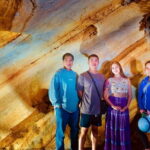
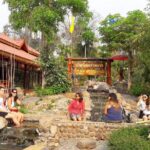
You start at Mae Kachan Hot Springs in a natural setting with green hills around you. The main draw is the steaming mineral water—geyser-style bursts that send warmth up into the air. Even if you’re not a big spa person, the sights and smell of hot earth create a real “you’re here” moment fast.
Here’s what you can actually do once you arrive:
- Walk a bit, stretch your legs, and take in the mountain air
- Soak your feet in the warm mineral-rich water (locals believe it has healing properties)
- Try the quirky tradition of boiling eggs in the hot spring wells
- Browse small stalls for handmade souvenirs, snacks, and locally grown coffee
If you’re wondering whether this stop is worth it, I’d say yes—because it’s more than a quick bathroom break. It’s one of the few parts of the day where you get to slow down physically, and it also breaks up the long travel into something that feels like a mini reset.
Practical note: wear shoes you can handle around wet, hot areas. You don’t want to spend the day worrying about your feet.
Wat Rong Khun, the White Temple: modern Buddhist art with pop-culture punch
Next up is Wat Rong Khun, the White Temple. This place has a very different vibe from the classic gold-temple look you might expect in Thailand. It’s a contemporary interpretation of Buddhist teachings, packed with unexpected imagery.
What I like about it is the way it forces you to look twice. You’ll see references tied to life, death, and rebirth, and the visual language is playful in a way that still feels respectful. The temple’s most famous symbolism includes a bridge of rebirth—cross it, and you literally move from one idea to the next.
Inside, expect:
- Elaborate fresco-like details
- Mysterious symbolism throughout the complex
- Strong visual contrast—white, sharp lines, and surprising elements that keep your camera busy
The drawback? It can be visually intense. If you’re the type who prefers a calm, minimal temple experience, you may need short pauses to just breathe and regroup. Build in that pause time, especially if you’ve been in a van since early morning.
Photo tip: bring your camera and use the walkways. The angles from the bridge and paths give you clean frames without needing to fight for position.
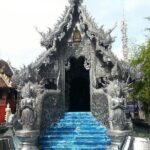
Wat Rong Suea Ten, the Blue Temple: sapphire color plus cosmic imagery
After White Temple, you’ll head to Wat Rong Suea Ten, more commonly called the Blue Temple. The design connects it to Wat Rong Khun—this was created by a student of the White Temple’s creator—so you’ll recognize the same artistic confidence, just with a different visual mood.
As you approach, the striking sapphire-blue color grabs you first, with shimmering gold accents. That color isn’t just decorative. It sets the tone for the temple’s interior, which mixes traditional and modern Thai artistry.
Inside, the main hall features:
- A white Buddha statue
- Detailed murals
- Cosmic imagery that blends the old and the new
If you’re deciding which temple to prioritize, don’t skip the Blue Temple. It gives you variety on the same theme of symbolism and art-as-teaching. Where Wat Rong Khun leans into modern references and surreal contrasts, Wat Rong Suea Ten leans hard into color and celestial-style visuals.
If you want to make your photos look better, here’s a simple move: take one set of wide shots when you first enter, then switch to close-ups of murals and surfaces. You’ll end up with both the big “wow” and the details that make other people ask, What is that place?
Lalitta Café: gardens, waterfalls, and breaks that feel earned
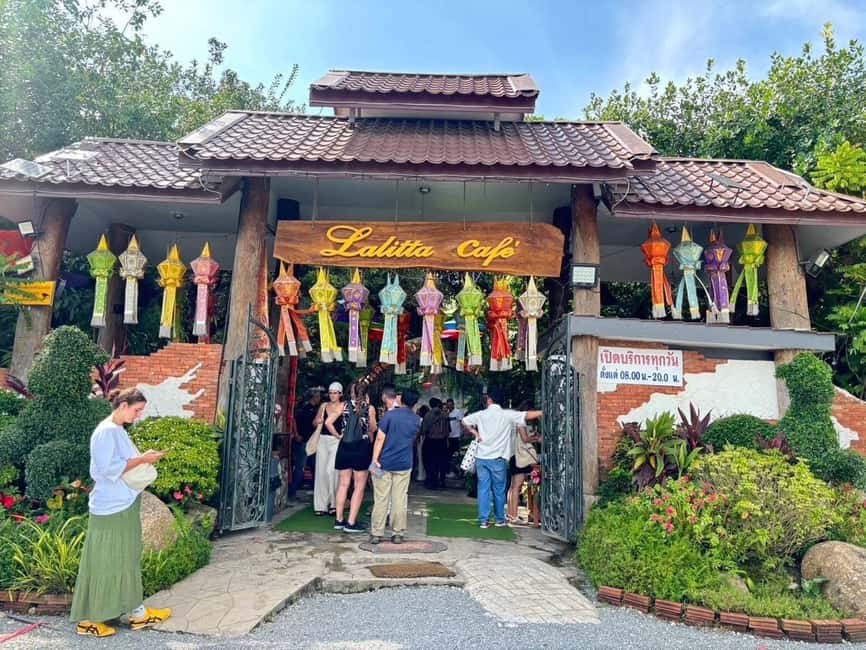
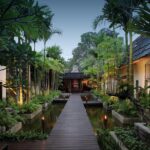
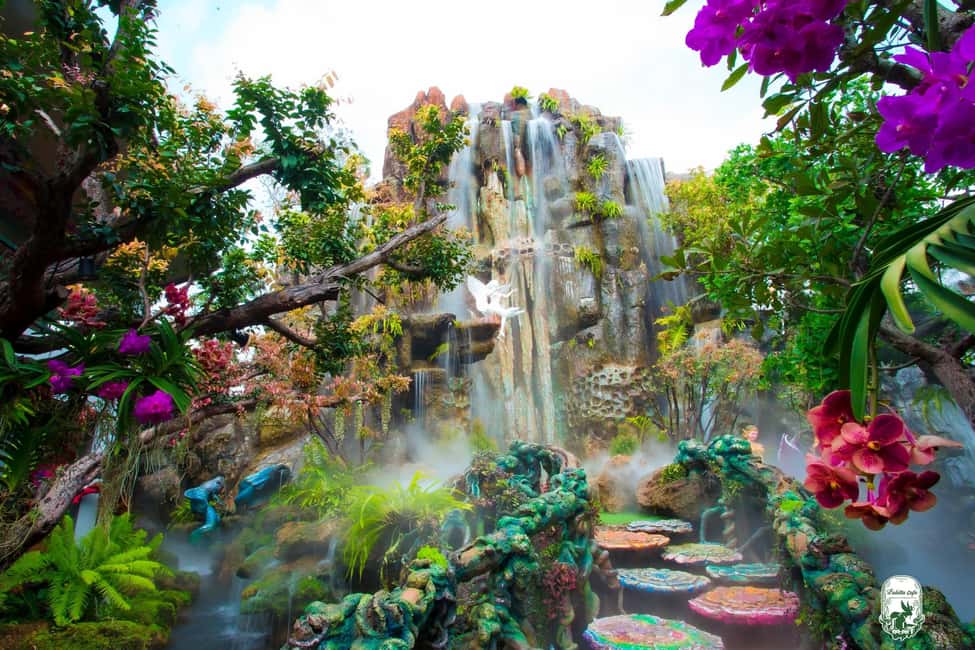
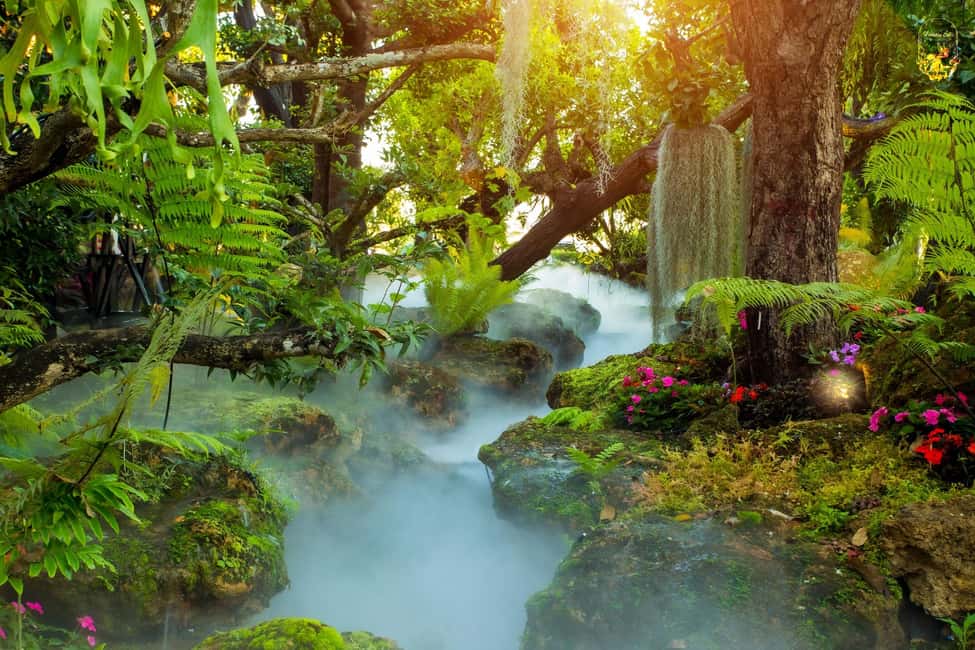
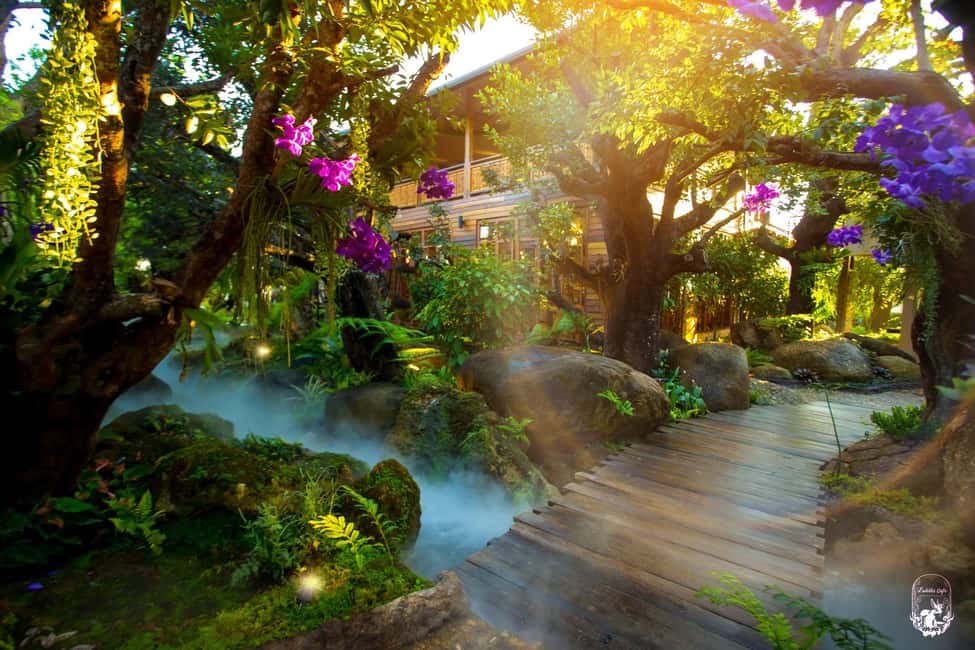
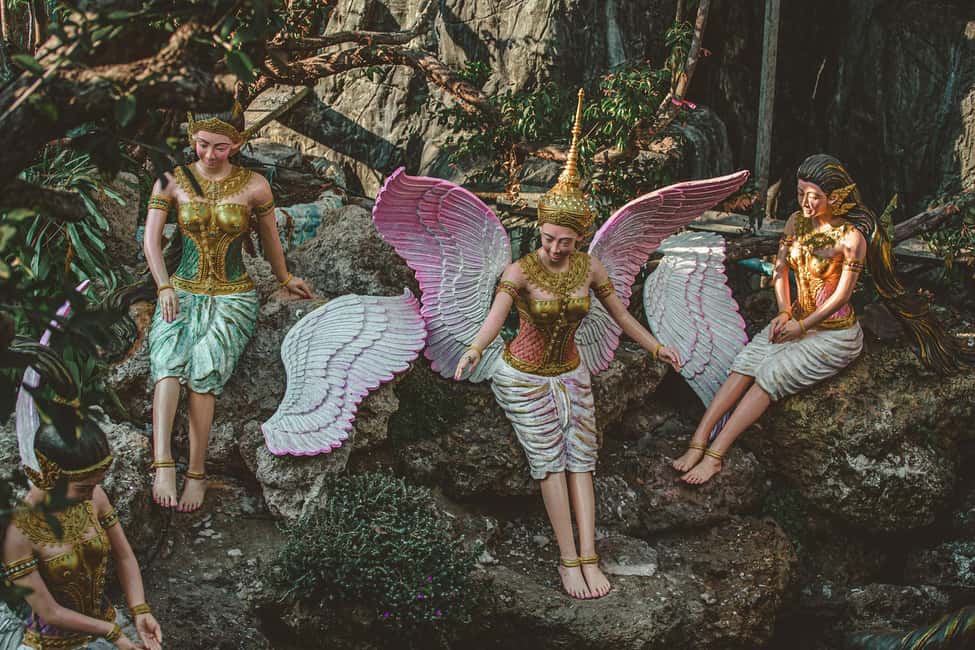
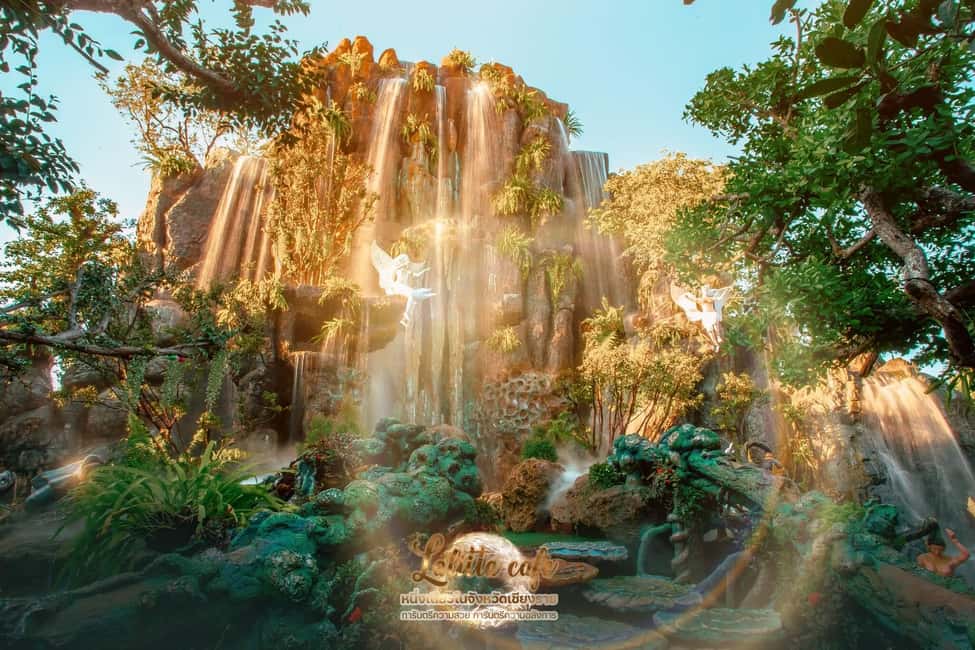
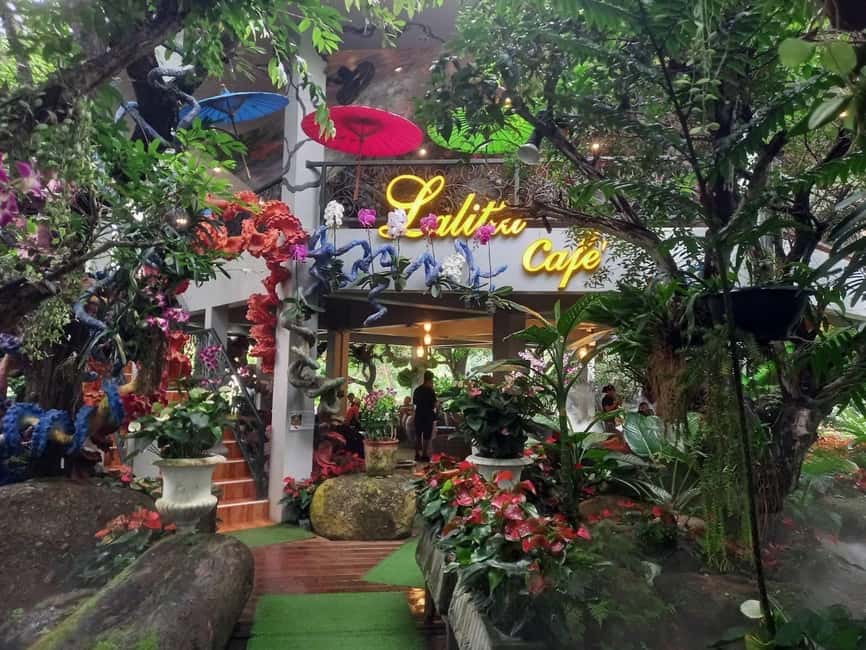
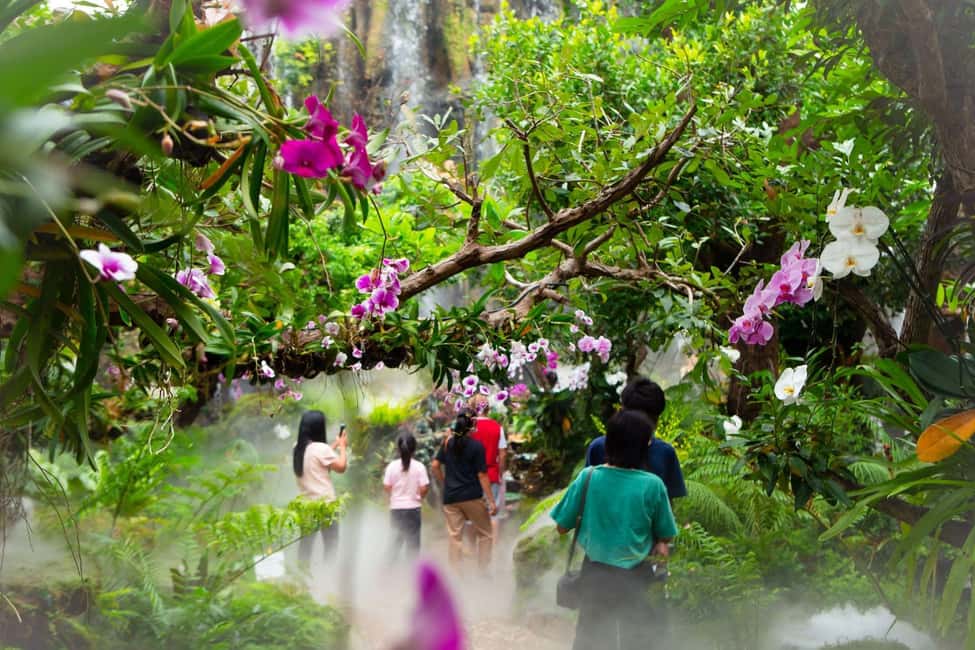
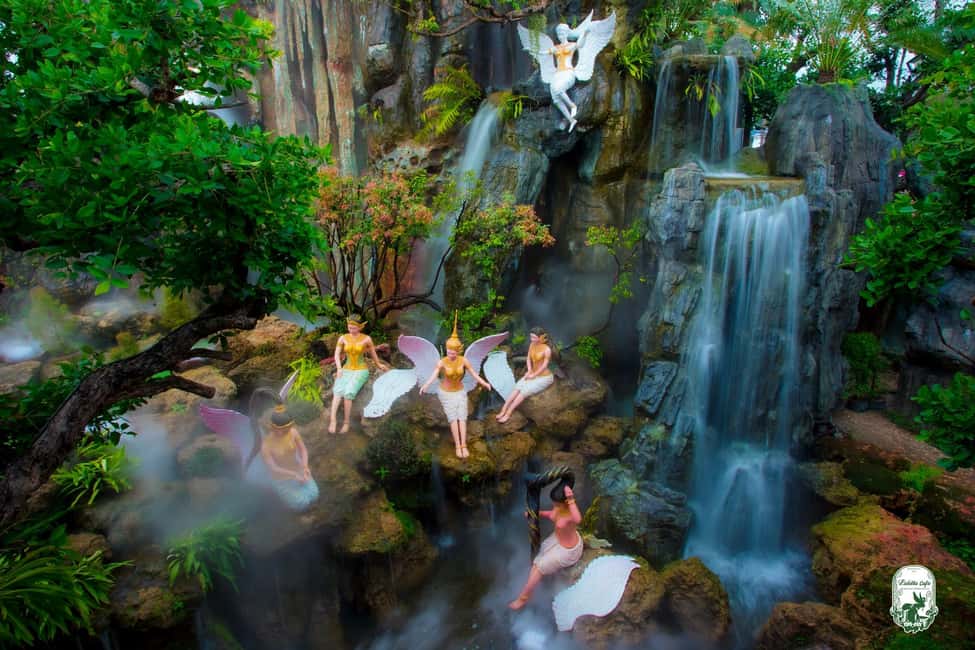
By the time you reach Lalitta Café, you’ll likely feel the rhythm of the day: see, walk, learn, repeat. This stop is the counterweight. It’s a café experience built around scenery—lush gardens, waterfalls, and playful, storybook-style elements.
What you can expect here:
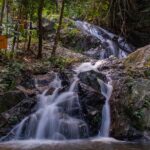
- Dramatic waterfall views
- Fairy-tale stone sculptures
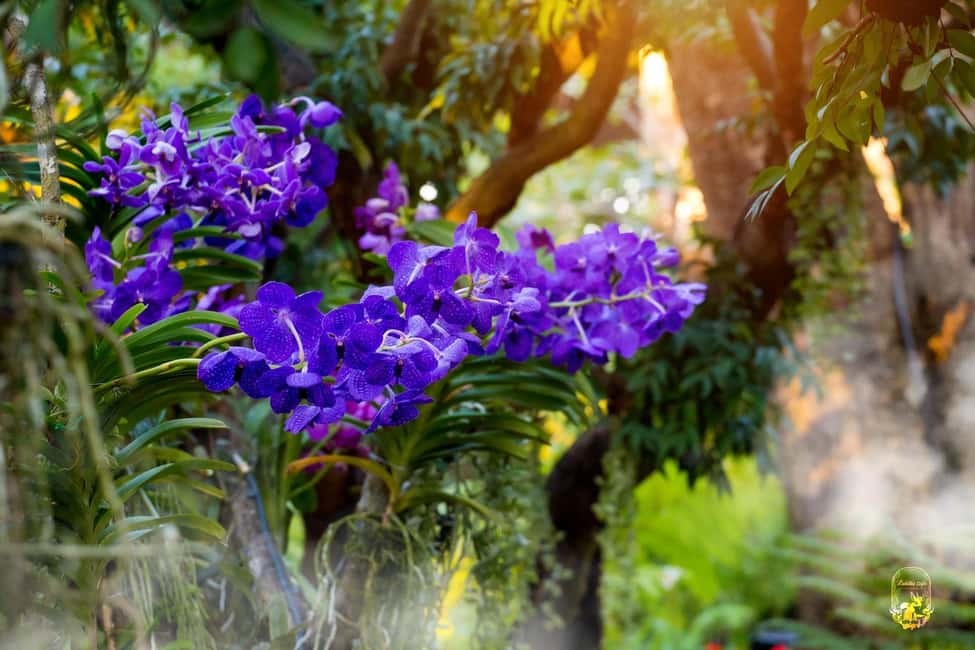
- Colorful flower gardens
- Photo zones, including swings and garden paths
- Food and drinks to recharge: freshly brewed coffee, smoothies, and sweet Thai dessert
This is also where the tour feels most flexible. You’re not just passing through. You can sit. Sip. Reset your energy. And because the café is designed for visitors to wander around and take pictures, you won’t feel guilty taking your time.
The value of this stop is simple: it turns the day from nonstop sightseeing into an experience with a pause. After temples, that pause keeps the rest of your photos and memories from blurring together.
If you like café stops that are tied to place (not just a generic quick drink), Lalitta Café is the kind of stop you’ll remember when you flip through your pictures later.

Price and value: what $51 buys you in real time
At around $51 per person, this tour is priced for a full-day structure with several parts you’d otherwise have to coordinate yourself. You get hotel pickup and drop-off from Chiang Mai, an English-speaking guide, lunch, and travel insurance.
That matters because two of the biggest headaches—transport and local guidance—are handled for you. Chiang Rai day trips can get messy when you try to DIY. With this setup, you’re paying for smooth logistics and someone who knows the flow between hot springs and two major temples.
Is it a bargain? It’s a fair value if you want the highlights without the stress. It’s also good if you want language help at the temples, where symbolism and meaning can get lost if you’re winging it.
The one “cost” you should budget mentally is time. You’ll be on the move, and this isn’t a stay-all-day-at-one-place kind of experience. If you hate early starts or long van days, the value won’t feel as strong.
Who this Chiang Rai day trip suits best
This tour fits best if you want variety in one day: natural steam, major temple art, and a scenic café break. It’s especially good for:
- Couples and friends who like small-group pacing
- People who enjoy taking photos but still want a guide to explain what they’re seeing
- First-timers to Chiang Rai who want the big names efficiently
- Anyone who prefers a structured day over planning each leg
It’s not suitable for pregnant women, wheelchair users, and people over 220 lbs (100 kg). If you fall into any of those categories, you’ll want to look for an alternative that fits your needs better.
Also, wear comfortable clothing and shoes. This is one of those days where your body will tell you if you dressed for beauty instead of walking.
What to bring (and what not to bring) for a smooth day
The tour provides the essentials, but you should bring your own comfort and readiness. You’ll want:
- A hat
- A camera
- Cash
Cash matters because personal expenses aren’t included. You’ll likely run into snack stalls at the hot springs and you may want to pick up souvenirs.
What’s not allowed:
- Backpacks
- Alcohol and drugs
This is one of those rules that can save you hassle. If you travel with a backpack habitually, switch to a smaller bag or something you can manage easily.
For clothing, go simple. Comfortable tops, breathable layers, and shoes you can stand and walk in. Temples usually mean a lot of walking, and hot springs mean some moisture and uneven surfaces.
The guide experience: Mr. Nine’s kind of helpful
One of the strongest parts of this day is the guide. The experience is led by an English-speaking guide, and a guide named Mr. Nine comes up as a standout for being friendly and for watching out for everyone. Another sign the guides are doing their job well is the practical way they help you make the most of each location—things like tips to get the best from your time at the sites.
In a tour like this, that guide skill matters. Two people can stand in front of the same temple and take totally different memories home, just because one person knows what to look for. Here, you’re getting context and guidance while keeping the day relaxed.
My bottom line: should you book this day trip?
Book it if you want a one-day hits-and-views plan from Chiang Mai that covers Mae Kachan Hot Springs, Wat Rong Khun (White Temple), Wat Rong Suea Ten (Blue Temple), and Lalitta Café. You get the full set without having to stitch together transport, entry timing, and explanations.
Skip it if you hate early mornings, long van days, or you need a slower pace with fewer stops. Also, don’t book if the physical limitations in the tour’s guidance affect you.
If you’re on the fence, use this quick test: do you want variety more than deep staying power? If yes, this trip is a strong choice. If you’d rather linger, you may prefer a different plan with fewer stops and more time in each place.
FAQ
How long is the Chiang Rai White Temple and Blue Temple day trip?
The duration is 1 day.
Where does the tour start?
It starts with hotel pickup in Chiang Mai.
What is included in the price?
Hotel pickup and drop-off, an English-speaking guide, lunch, and travel insurance are included.
What is the price per person?
The price is listed at $51 per person.
Is lunch included or do I pay separately?
Lunch is included.
How big is the group?
The group is limited to 12 participants.
What language is the guide?
The guide is English-speaking.
What should I bring with me?
Bring a hat, a camera, and cash.
Are backpacks allowed?
Backpacks are not allowed.
Who is the tour not suitable for?
It’s not suitable for pregnant women, wheelchair users, and people over 220 lbs (100 kg).
Can I cancel for a full refund?
Yes, you can cancel up to 24 hours in advance for a full refund.