REVIEW · CHIANG MAI
Morning Cooking Class in Traditional Pavilion with Beautiful Garden – Chiang Mai
Book on Viator →Operated by Oh-Hoo · Bookable on Viator
Start with a market and end with curry. This morning Thai cooking class in Chiang Mai is built around real ingredients, a working organic farm, and hands-on cooking in a small group (max 8) with your own station.
Two things I really like: you shop with an instructor at a local market and learn how to pick ingredients for Thai cooking, then you move to an organic farm to handle herbs and vegetables up close. My one caution is that pickup is offered, but it isn’t guaranteed in every situation—so double-check details and have a backup plan for getting to Tha Phae Gate.
In This Review
- Key highlights (quick scan)
- Chiang Mai Thai Cooking Class Start: Tha Phae Gate to a Calm Garden Morning
- Shopping the Local Market Like a Thai Home Cook
- Organic Farm Hands-On: Mushrooms, Eggs, and Thai Herbs
- Cooking in Traditional Thai Pavilions: Learn, Then Cook
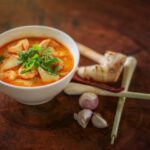
- What You’ll Cook: Tom Yam, Tom Kha, Pad Thai, Green/Red Curry, Mango Sticky Rice
- The Food + Setting Combo: Why This Feels Authentic (Not Just Tourist Food)
- Price and Value: Is $50.50 Worth a 4-Hour Small-Group Morning?
- Who Should Book This (and Who Might Want a Different Option)
- What to Bring and How to Make the Most of It
- Should You Book This Chiang Mai Morning Cooking Class?
- FAQ
- How long is the cooking class in Chiang Mai?
- Where does the experience start and end?
- Is pickup available?
- How many people are in the group?
- What dishes do you cook?
- Can the menu change?
- What if the weather isn’t good?
Key highlights (quick scan)
- Market ingredient coaching so you can recognize Thai herbs, produce, and staples like a pro
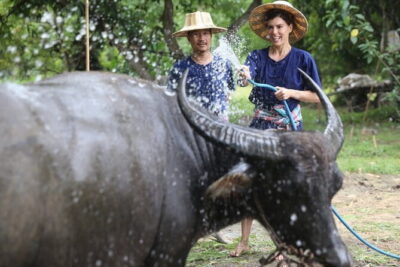
- Organic farm activities including mushroom harvesting and collecting chicken eggs
- Beautiful Thai pavilion setting with clean, comfortable cooking space and a calm garden feel
- Hands-on cooking with step-by-step guidance instead of just watching
- A tight menu with real choices: pick 3 dishes from the listed options plus a served dessert
Chiang Mai Thai Cooking Class Start: Tha Phae Gate to a Calm Garden Morning
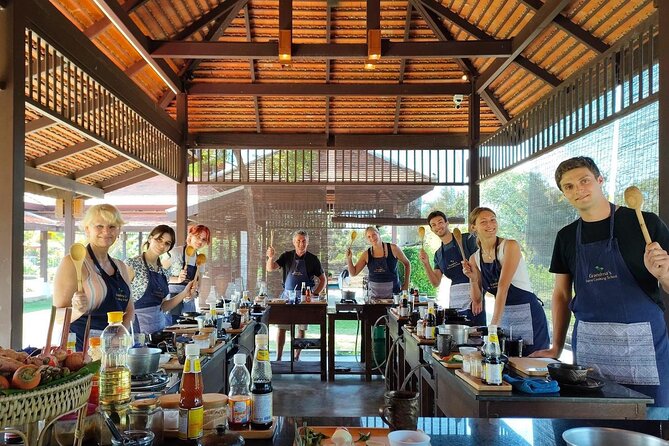
This is a true morning experience, starting at 9:00 am in central Chiang Mai. The meeting point is at Tha Phae Gate on Tha Phae Road, and the tour ends back at the meeting point. Duration runs about 4 hours, and you’re usually on the move—market first, then farm, then cooking—so it stays lively without feeling rushed.
Pickup is offered, and you may have a mobile ticket, but I’d treat the meeting point as your anchor. One reason: there has been at least one reported situation where a transfer pickup didn’t arrive and the guest had to sort it out quickly. That doesn’t mean it’s the norm, but it’s a good reminder to confirm pickup timing before you head out and keep your phone handy.
The group size matters here. With a max of 8 travelers, the cooking portion isn’t a crowded theater. You get more attention and more time actually cooking.
You can also read our reviews of more cooking classes in Chiang Mai
Shopping the Local Market Like a Thai Home Cook
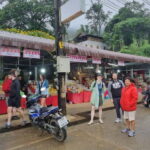
The morning begins with a visit to a local market, and the instructor’s job is to get you thinking like you’re cooking Thai food at home, not just following a recipe. They introduce core ingredients used in Thai cuisine and explain how to select them.
This part is more useful than it sounds. Many Thai recipes rely on balance—aroma, acidity, saltiness, and freshness—so the quality of the ingredients changes the final taste. When you learn what to look for in herbs, vegetables, and common cooking ingredients, you’ll carry that skill back to your own kitchen.
I also like that this isn’t framed as a sales pitch. It’s practical. You’re learning the basics of what each ingredient is and why it matters, then you can make choices while you’re there.
Tip that helps: go in with a curious attitude. If you see something you don’t recognize, ask what it’s used for. The market phase is where you can pick up those small details that later make the cooking station make sense.
Organic Farm Hands-On: Mushrooms, Eggs, and Thai Herbs
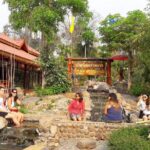
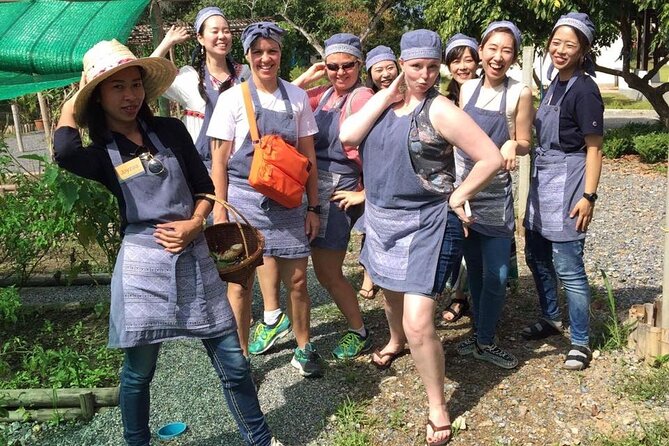
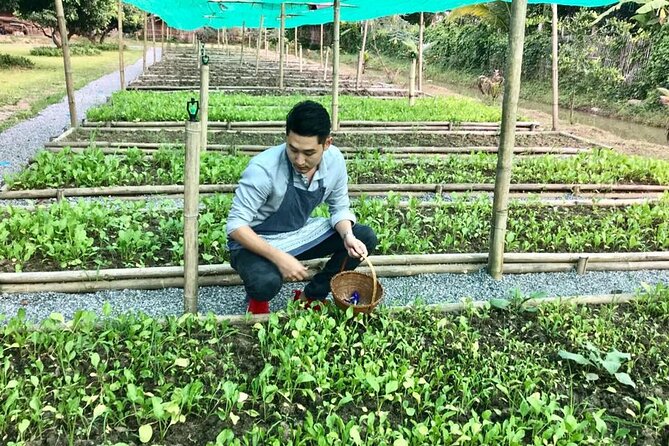
After the market, you head to the organic farm. This is where the experience turns from “food tour” into “farm life + cooking class.”
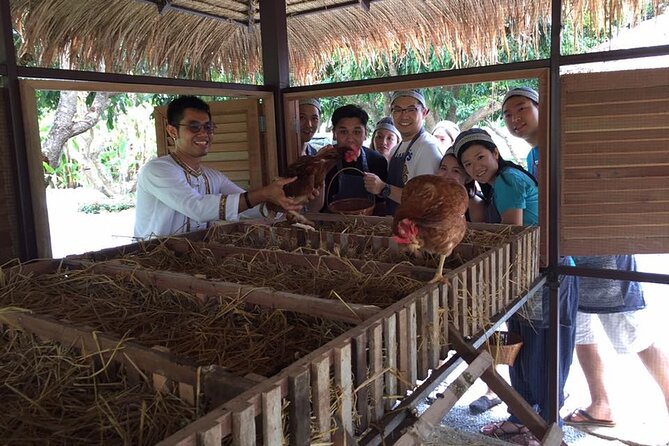
On the farm, you’ll learn more about Thai herbs and vegetables and you’ll do actual harvesting activities. The experience includes the chance to:
- harvest mushrooms
- collect chicken eggs
- enjoy a hands-on farming-life experience
This is a meaningful addition, because Thai cooking is strongly tied to fresh herbs and aromatic ingredients. When you harvest mushrooms or collect eggs, you’re not just ticking a box—you’re connecting the food on your plate to where it came from. It also adds variety to the morning; you’re moving through farm tasks, not standing still.
The setting matters too. In feedback I’ve seen, people highlighted how clean and pleasant the farm and cooking environment felt, with a kind of aesthetic, garden-quality vibe. That makes a difference when you’re learning with your hands—comfort helps you focus.
One consideration: this activity depends on the day’s conditions. The experience requires good weather, so if Chiang Mai’s morning skies turn rough, the operator may adjust plans.
Cooking in Traditional Thai Pavilions: Learn, Then Cook
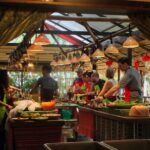
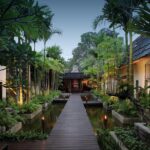
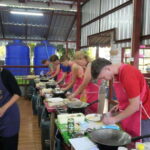
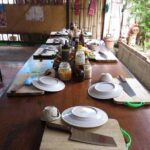
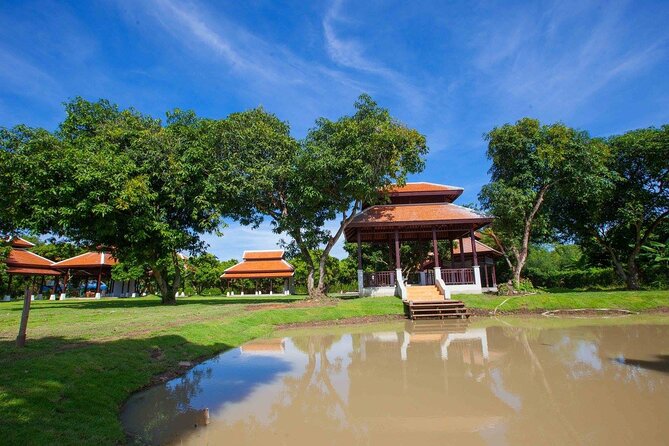
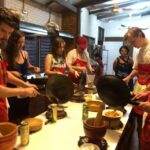
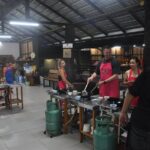
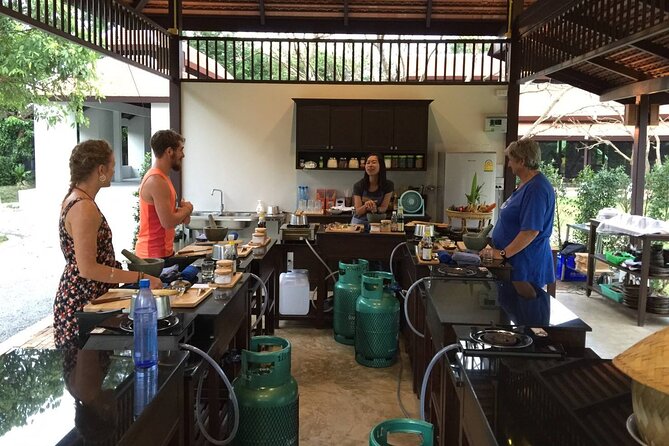
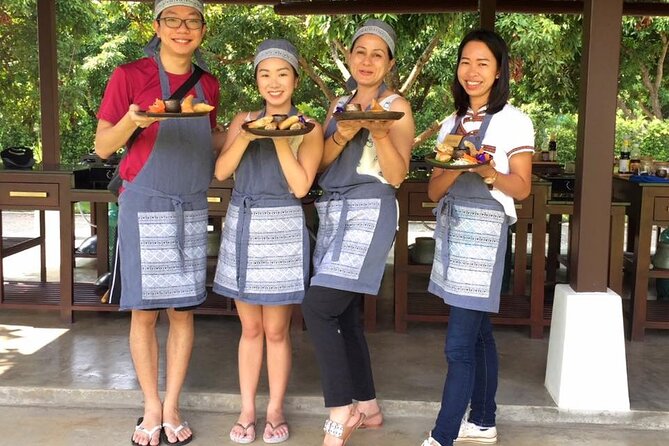
The cooking happens in a Thai-style pavilion, described as tranquil and set in a beautiful garden environment. The structure is simple: the instructor demonstrates step by step first, then you cook your selected dishes.
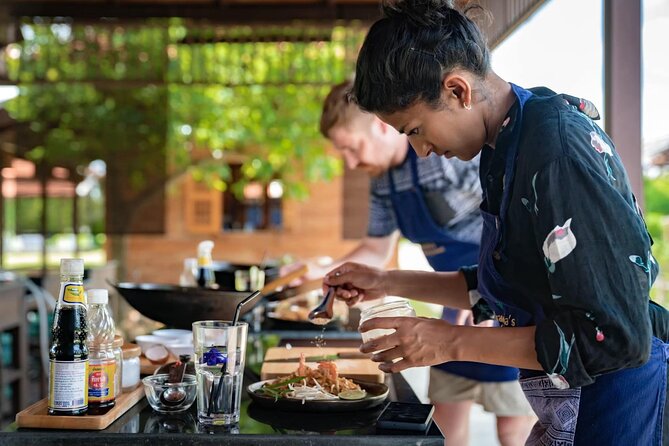
The best part is that it’s not “watch and hope.” You get an individual cooking station, and with a max group size of 8, the instructor can realistically guide you while you stir, slice, and simmer.
You’re also not limited to one method or one dish. The class format gives you a chance to cook across different styles: soup, stir-fry, and curry. That variety is great for understanding how Thai kitchens build flavor in different ways.
If you’re worried about skill level, don’t. The structure is meant to teach. The station setup and step-by-step guidance are the safety net. You’re there to learn, not to already know what you’re doing.
Small practical note: mornings in Chiang Mai can be warm even when the air feels friendly. Wear comfortable clothes and shoes you can move in. You’ll be switching environments—market to farm to cooking—so plan for real movement, not just a seat-and-eat schedule.
What You’ll Cook: Tom Yam, Tom Kha, Pad Thai, Green/Red Curry, Mango Sticky Rice
You’ll cook 3 dishes plus a served dessert. Your choices come from a set of listed favorites. The options include:
- Tom Yam (Hot and Sour Soup)
- Tom Kha (Coconut Soup)
- Pad Thai (Thai Stir-Fried Rice Noodles)
- Green Curry
- Red Curry
Then dessert is Mango Sticky Rice.
This menu is a smart way to sample classic Thai flavor profiles. You’re getting:
- sour and spicy balance (Tom Yam)
- creamy, fragrant coconut balance (Tom Kha)
- the sweet-salty complexity of stir-fry noodles (Pad Thai)
- the herb-forward, curry paste-driven heat and aroma (green and red curries)
You also get to select one dish for yourself from categories including appetizer, stir fry, soup, curry, and dessert, plus one refreshment. The operator notes the exact menu can change based on season and ingredient availability, so don’t expect a rigid script. That said, the core dish lineup above is what you can count on.
A quick value angle: you’re not paying to taste a buffet. You’re paying to learn techniques, then produce dishes you’ll eat at the end. When you leave with recipes that make sense because you cooked them, the cost starts to feel more like an investment in your own future meals.
Spice and seasoning intensity aren’t described in the info provided, so I won’t guess. The best approach is to follow the instructor’s guidance during cooking and adjust only if they encourage it.
You can also read our reviews of more tours and experiences in Chiang Mai

The Food + Setting Combo: Why This Feels Authentic (Not Just Tourist Food)
A lot of Thai cooking classes teach recipes. This one tries to teach context.
The market ingredient coaching is what grounds the cooking. When you understand how to pick ingredients, Thai food stops being “mysteriously delicious.” It becomes repeatable. Next, the organic farm tasks add credibility. You’re handling produce and farm products that relate directly to what ends up in your soups and curries.
Finally, the pavilion garden setting makes the whole thing feel like a morning retreat, not a rushed bus stop. If you’ve ever done a cooking class that feels like a factory, this feels calmer. People have praised the look, cleanliness, and overall atmosphere—those factors matter because you’ll remember the experience, not just the recipe.
And it’s small-group enough that you’re not lost in a crowd. With 8 max, you get practical teaching instead of generic instructions.
Price and Value: Is $50.50 Worth a 4-Hour Small-Group Morning?
At $50.50 per person for about 4 hours, the value comes from four places:
1) You’re doing more than cooking. You get a market visit plus an organic farm experience (mushrooms, eggs, herbs). That’s extra time and extra logistics, not just a kitchen class.
2) The group size is tight: max 8. That usually means more hands-on guidance and less waiting.
3) You cook multiple dish types: soup, stir-fry, and curry, plus dessert (Mango Sticky Rice). You’ll likely leave satisfied because you’re not sampling one item.
4) You get ingredient education. Learning how to choose ingredients is the kind of “background skill” you can reuse in Thailand and at home.
The only financial caution is that menu choices are subject to seasonal changes. In practice, that can be a positive—fresh ingredients are usually the point—but it does mean you can’t treat it like a guaranteed exact list of every dish on every date.
Overall, for a morning class that includes both market + organic farm + hands-on pavilion cooking, the price looks fair.
Who Should Book This (and Who Might Want a Different Option)
This is a good fit if you want:
- a small-group cooking class in Chiang Mai
- hands-on learning (not just watching)
- classic dishes like Tom Yam, Tom Kha, Pad Thai, and green/red curry
- an experience that includes real food sourcing through a local market and an organic farm
It may be less ideal if you’re short on time. It’s a full morning block at around 4 hours, with multiple transfers. Also, because the experience requires good weather, plan to stay flexible.
If you hate uncertainty about pickup timing, still book—but treat Tha Phae Gate as your primary meeting anchor and confirm pickup details in advance.
What to Bring and How to Make the Most of It
You’ll get the most out of the class with a few simple choices:
- wear closed-toe shoes you can comfortably walk in (market + farm)
- bring a hat or sunscreen for a morning in Chiang Mai
- bring a bottle of water if the refreshment selection doesn’t fully cover your needs
- have your camera ready, but focus first on cooking—those steps are the value
Most importantly: show up hungry. You’ll work up an appetite from the market and farm activities, then cook and eat. You’ll taste what you make, which is the point of the whole format.
Should You Book This Chiang Mai Morning Cooking Class?
I’d book it if you want a Thai cooking class that feels tied to real sourcing—market ingredients, farm harvesting, and then hands-on cooking of well-known dishes. The combination of organic farm activities and cooking in a pavilion with a max 8-person group makes it feel more personal than the usual big-group classes.
I’d think twice if you need guaranteed pickup. Pickup is offered, but there’s at least one documented case where it didn’t happen as expected. If you do book, confirm pickup details and plan to arrive at Tha Phae Gate on time as your backup.
If your goal is to learn how Thai flavors come together—from ingredients you can pick yourself to dishes you can recreate—this class is a strong choice.
FAQ
How long is the cooking class in Chiang Mai?
It lasts about 4 hours.
Where does the experience start and end?
It starts at Tha Phae Gate on Tha Phae Road in Chang Khlan, Mueang Chiang Mai, and it ends back at the same meeting point.
Is pickup available?
Pickup is offered.
How many people are in the group?
The tour has a maximum of 8 travelers.
What dishes do you cook?
You cook 3 dishes chosen from Tom Yam, Tom Kha, Pad Thai, Green Curry, and Red Curry, and you’ll also be served Mango Sticky Rice as dessert.
Can the menu change?
Yes. The menu is subject to change depending on the season and availability of ingredients.
What if the weather isn’t good?
The experience requires good weather. If it’s canceled due to poor weather, you’ll be offered a different date or a full refund.