REVIEW · CHIANG MAI
Private Guided Rainbow Cave Unseen Canyon and Lanna temple
Book on Viator →Operated by Journey D Travel · Bookable on Viator
A cave day plus Lanna temples sounds like a perfect mismatch. But it works, because you’ll mix ancient temple sights with an up-close cave visit in one smooth route. The day is built around color, stone, and easy walking—plus a guide who can explain what you’re seeing, not just move you along.
I especially like how the route balances old and new: start with Wat Ton Kwaen’s Lanna-style details, then switch to nature with Ob Khan National Park’s stream valley. The other big plus is the private format—your guide sets the pace and you get time where it matters, like inside Mae Sab Cave, rather than rushing past it.
One drawback to plan for: caves and valley areas depend on conditions. If weather turns, the tour may shift to a different date, so keep your schedule flexible.
In This Review
- Key highlights at a glance
- Wat Ton Kwaen: a calm start in Hang Dong’s Lanna tradition
- Ob Khan National Park: walking the Ob Kan stream valley
- Loha Prasat Sri Mueang Pong (and the Pong stupa connection)
- Mae Sab Cave (Rainbow Cave): what makes it special, and how to enjoy it
- Timing, pickup, and how the 10 hours really feel
- Private transportation and the value of $123.70
- Who should book this tour (and who should pass)
- Should you book this private cave and temple route?
- FAQ
- FAQ
- What time does the tour start?
- Where is the meeting point?
- Is pickup offered?
- How long is the tour?
- What does the tour include?
- Are entrance tickets included?
- What places do we visit during the day?
- Is this a private tour?
- Is alcohol included with lunch?
- What if the weather is bad?
Key highlights at a glance
- Wat Ton Kwaen’s Lanna architecture sets a calm, cultural tone early in the morning
- Ob Khan National Park (Ob Kan stream valley) is a practical, easy nature break near Chiang Mai
- Loha Prasat Sri Mueang Pong connects temple structure with the area’s older Pong stupa legacy
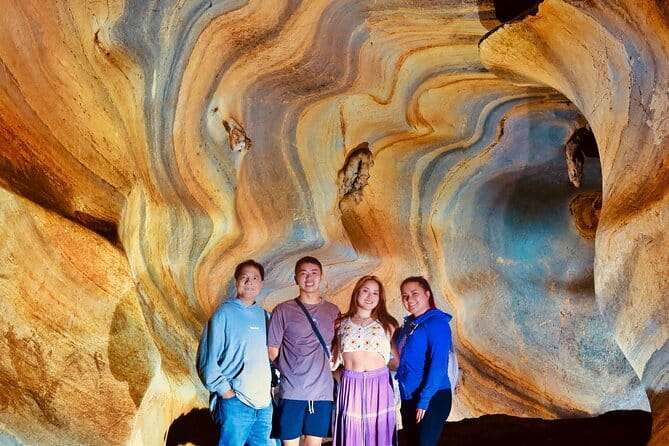
- Mae Sab Cave (Rainbow Cave) is the day’s main visual payoff, with standout rock formations
- Private transportation + included lunch makes the day feel efficient without feeling rushed
Wat Ton Kwaen: a calm start in Hang Dong’s Lanna tradition
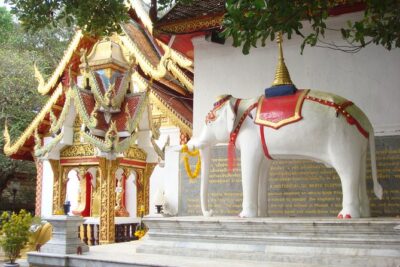
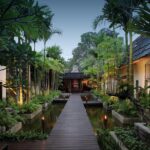
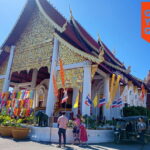
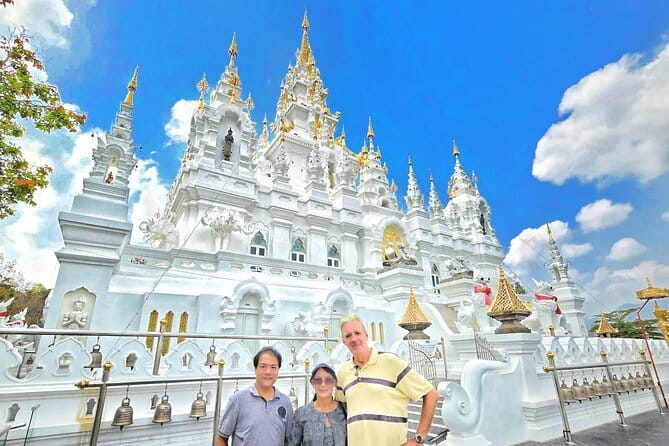
Most Chiang Mai temple tours start big and loud. This one starts with something quieter and more focused. Wat Ton Kwaen—also known as Wat Intharawat—sits in Nong Kwai sub-district of Hang Dong district. That location matters because it’s not just a city temple stop; it feels like you’re stepping into the wider Chiang Mai rhythm.
You’ll spend about 30 minutes here, and the main goal is to notice the Lanna architecture details while you still have fresh energy. Since this stop’s admission is free, it’s also an easy win on value. What to do with that time: slow down. Look at the temple layout and craftsmanship, then take a beat near the main structures so you can actually process what you’re seeing instead of snapshotting and sprinting.
A guide helps a lot at this first stop. One of the guide names you’ll hear in shared experiences—Katoon—is known for explaining Buddhism and the meaning behind what you see. Even if you already know the basics, that kind of context tends to turn “another temple photo” into a real understanding moment.
You can also read our reviews of more guided tours in Chiang Mai
Ob Khan National Park: walking the Ob Kan stream valley
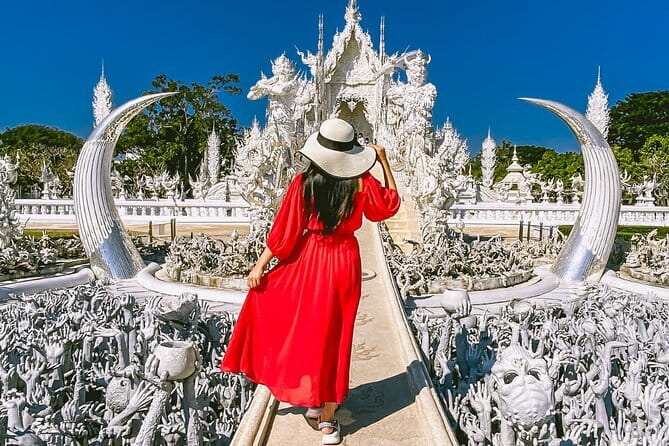
After the temple stop, you move into nature mode at Ob Khan National Park. This is a park people from Chiang Mai can reach easily, and that’s why it works so well as a half-day nature layer without the stress of a long transfer.
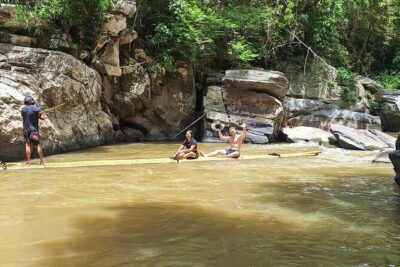
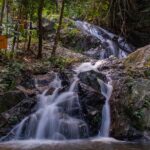
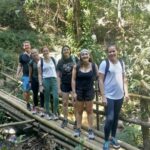
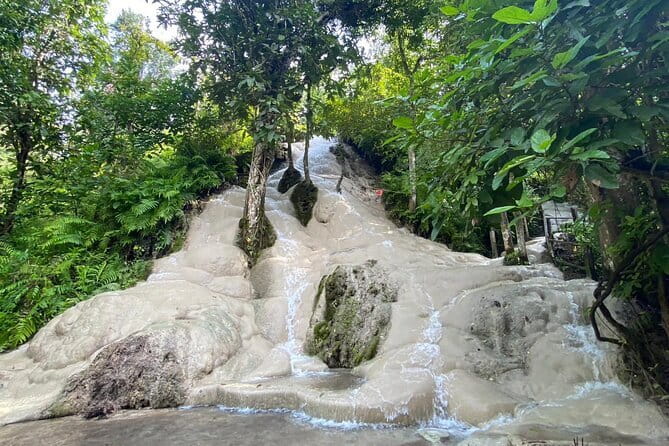
You’ll have around 1 hour in the park, and the emphasis is on a narrow rocky valley—often referred to as Ob Kan—with a stream running through it. The experience here is less about hiking all day and more about moving thoughtfully. You’ll likely find walking paths where you can get close to the water and see how the valley shapes the route.
The park has a practical appeal for active-but-not-exhausted travelers. The overview also points to spots where there’s potential for cliff or rock climbing. I’d treat that as optional, not a requirement. If you want movement, your guide can point out areas where it’s feasible. If you don’t, you can still enjoy the sights and the sound of the stream without doing anything sketchy.
Two things I’d keep in mind:
- Wear shoes you don’t mind getting a little dusty or damp. Stream areas can be slippery.
- Bring a simple layer. Valleys and early mornings can feel cooler than you expect.
This stop is where the day starts to feel like it has a pulse—culture in the morning, nature in the middle. And because the timing is set, you’re not wondering what you’ll do next. You just go.
Loha Prasat Sri Mueang Pong (and the Pong stupa connection)
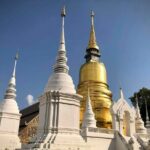
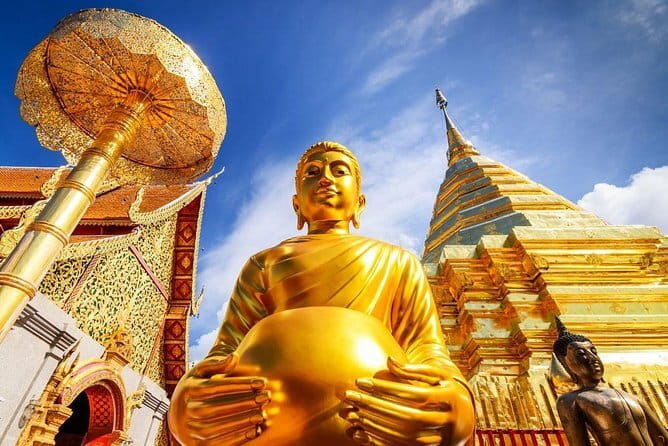
Next comes a more structured temple visit at Loha Prasat Sri Mueang Pong. The way this stop is described ties it to a specific identity: it’s connected with Wat Aranyawas (also called Wat Ban Pong) and includes the ancient Pong stupa element.
This matters because you’ll be seeing temple architecture with an added layer of meaning. It’s not only about how the building looks—it’s about how the site connects to older religious structures in the region. When guides can explain that relationship, the visit makes more sense fast.
You’ll have about 30 minutes here, and admission is free. That short window is exactly right for this kind of stop: enough time to notice details and ask questions, not enough to wear you out before the cave.
What you’ll likely enjoy most is the sense of continuity. The route has already moved from temple to nature; now you’ll see something where stone, form, and religious purpose come back into focus. If you care about Buddhist sites beyond the surface, this stop is a solid middle anchor.
Mae Sab Cave (Rainbow Cave): what makes it special, and how to enjoy it
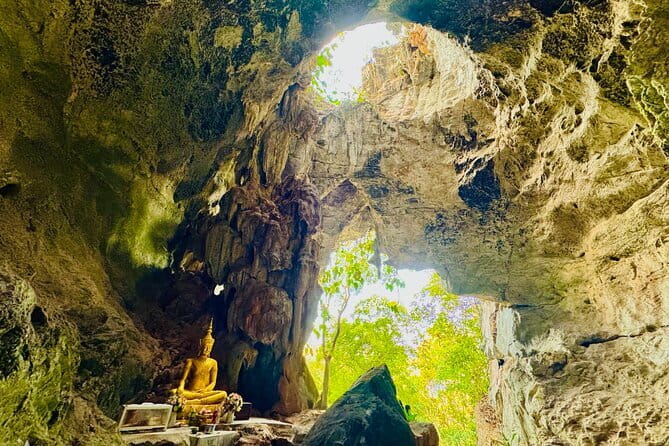
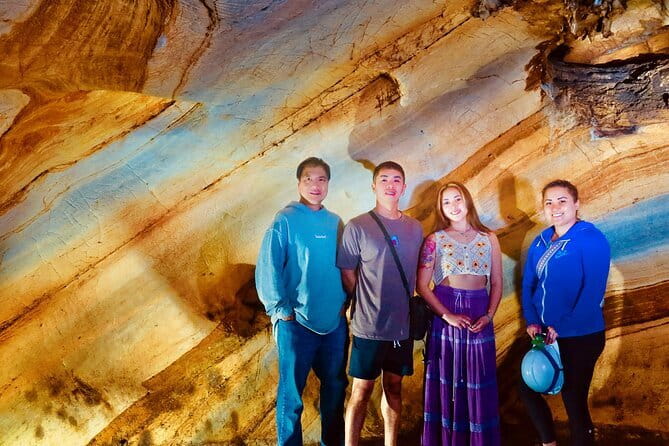
Mae Sab Cave is the star attraction of the day, also known by its popular name Rainbow Cave. You’ll have about 1 hour here, which is a good chunk for cave sights without turning your day into a full underground expedition.
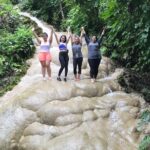
So what’s the point? The cave is known for impressive rock formations and stalactite-type features, and the main draw is the look of the cave walls—color, texture, and patterns in the stone. It’s the kind of place where photos don’t fully capture the scale, because the rock takes on different tones as you move.
One helpful thing in the overview: there’s mention of the Emerald Cave nearby. If your guide includes it during your cave time, that’s a nice bonus because it gives you a second look at the same region’s cave character. Even without extra stops, the Mae Sab time is already the main reason most people book this day trip.
How to make the hour work for you:
- Go slowly once inside. The formations tend to reveal themselves as your eyes adjust.
- Look both at the ground-level features and higher stone when you can. Many caves hide the best details in the angles.
- Don’t rush to the exit. If you pace yourself, you’ll usually see more than if you speed-run the path.
Also remember: after a cave visit, the day still has travel time. The itinerary notes that from the cave directly to your hotel is about 2 hours. That helps you understand why the cave slot isn’t unlimited—time gets allocated so the whole day stays comfortable.
Timing, pickup, and how the 10 hours really feel
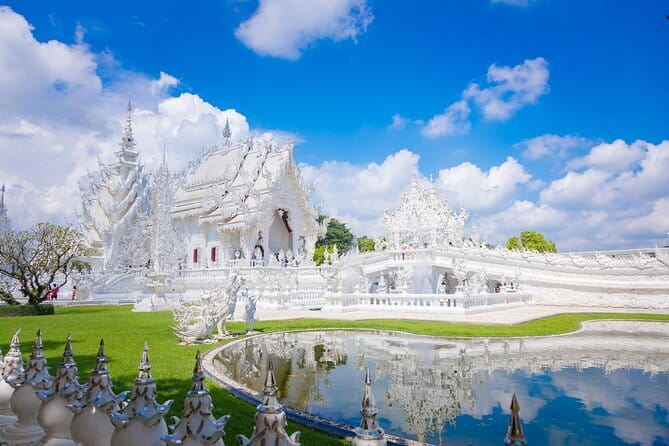
This tour is designed as a long day but not an all-day grind. It starts at 8:30 am from the Three Kings Monument area (the meeting point is listed at QXRP+3WX on Prapokklao Road). Pickup is offered, which is a big practical help if you don’t want to navigate a car yourself before sunrise energy fades.
Duration is listed as about 10 hours. The note about timing is important: the tour’s stop times don’t include travel time, and when you include everything, the real total comes out closer to 8–10 hours. That’s useful because it sets expectations. You’re not getting stuck in a travel marathon, but you are also not staying in one neighborhood all day.
The lunch timing helps organize the day. There’s an estimate of a 1-hour lunch break, then another hour toward the cave portion. After that, the ride back to your hotel is around 2 hours. That order matters because it prevents the classic mistake of eating too close to the cave or doing the cave too close to departure.
Here’s the vibe you can expect:
- Morning culture stop (short, focused)
- Midday nature walk (refreshing, not extreme)
- Short temple/architecture stop (reset again)
- Cave highlight (main payoff)
- Head back and decompress
If you’re the kind of traveler who likes structure, this itinerary feels “thought-through.” If you hate schedules, you might still enjoy it because the time at each location isn’t dragged out.
You can also read our reviews of more private tours in Chiang Mai


Private transportation and the value of $123.70
At $123.70 per person, this isn’t a budget snack tour. But for Chiang Mai, it can be good value because you’re not paying for each component separately in your head.
What’s included:
- Lunch
- Private transportation
- Admission ticket(s) for Ob Khan National Park and Mae Sab Cave (while the temple stops are free)
What’s not included: alcohol beverages.
The private format is the part that often justifies the price for me. When you’re doing temples and a cave in one day, conditions and walking pace matter. A private guide can adjust if you’re taking photos slowly, if you want extra explanation, or if you need a short pause.
You’ll also benefit from the guide’s “meaning talk.” In previous experiences tied to this tour style, people highlighted guides like Eddie and Katoon for being helpful and able to explain Buddhism and temple context, with support from someone named Bert. That matters because it turns your day into more than a checklist.
If you’re comparing this against a cheaper group tour, the decision usually comes down to comfort and timing:
- Want a calm day with fewer people, more questions, and tighter pacing? Private usually wins.
- Want the lowest price even if you’re waiting for a group? That’s where group tours can win.
Who should book this tour (and who should pass)
This itinerary is a great fit if you want a full-feeling day in Chiang Mai without committing to a two-city overnighter. It’s also ideal if you like variety: temple architecture in the morning, nature walks with a stream, then a major cave experience in the middle of your day.
You should consider booking if you:
- Like guided context at temples (especially Buddhist meaning and architecture)
- Want a nature pause that’s not a long hike
- Care about caves mainly for their formations and color in the rock
You might rethink it if:
- You get uncomfortable in uneven, rocky, or damp areas. Ob Khan’s valley setting suggests uneven footing.
- You need total schedule certainty. Weather can affect cave and nature experiences, and the tour notes that it needs good weather.
Should you book this private cave and temple route?
If your goal is a high-accuracy day—temples, nature, and the Rainbow Cave highlight, all packed into one private route—this tour is a strong choice. The included lunch, private transportation, and the fact that the cave time is scheduled (not left to chance) make it feel easier than DIY.
I’d book it if you like learning while you travel, because the guide component is repeatedly praised, especially for temple and Buddhism explanations. And because the itinerary moves at a human pace, you won’t feel like you’re constantly starting over.
Just plan for the reality of a cave-and-valley day: wear good shoes, keep expectations flexible, and treat the cave hour as your “slow down and look” time. Do that, and you’ll leave with more than photos—you’ll have a sense of how Chiang Mai’s spiritual sites connect to the natural world around them.
FAQ
FAQ
What time does the tour start?
The tour starts at 8:30 am.
Where is the meeting point?
You’ll meet at Three Kings Monument on Prapokklao Road (listed meeting point: QXRP+3WX, Tambon Si Phum, Amphoe Mueang Chiang Mai, Chang Wat Chiang Mai 50200, Thailand).
Is pickup offered?
Yes, pickup is offered.
How long is the tour?
It runs for approximately 10 hours.
What does the tour include?
Lunch and private transportation are included.
Are entrance tickets included?
Admission is free for Wat Ton Kwaen and Loha Prasat Sri Mueang Pong. Admission for Ob Khan National Park and Mae Sab Cave is included.
What places do we visit during the day?
You visit Wat Ton Kwaen (Wat Intharawat), Ob Khan National Park, Loha Prasat Sri Mueang Pong (Wat Aranyawas / Wat Ban Pong), and Mae Sab Cave (Rainbow Cave). The overview also mentions Emerald Cave nearby.
Is this a private tour?
Yes. It’s a private tour, and only your group participates.
Is alcohol included with lunch?
No. Alcoholic beverages are not included.
What if the weather is bad?
The experience requires good weather. If it’s canceled due to poor weather, you’ll be offered a different date or a full refund.