REVIEW · CHIANG MAI
Full Day Thai Cooking Class in Organic Farm and Market
Book on GetYourGuide →Operated by LocalCNXTours · Bookable on GetYourGuide
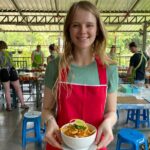
Stoves, spices, and a farm garden. This Chiang Mai full-day class takes you from a local market to an organic farm kitchen, with a small group and a real cook-professional guiding the whole process. You’re not just watching. You’re shopping, chopping, and building flavor step by step, then sitting down with what you made.
I love the setup for practical learning: you cook a full 5–6 dish course and eat afterward in a traditional Thai-style meal. I also like that the instruction is in English, and the class size is limited to 10, so questions don’t get lost in the crowd. One thing to consider: the menu is set, so if you have specific dietary needs beyond what the chef can accommodate, you’ll want to ask ahead of time.
In This Review
- Key Things I’d Focus On
- Why This Cooking Class Feels Like Thai Food, Not a Show
- 9 AM Pickup and Market Shopping in Chiang Mai
- What you’re likely to notice at the market
- Organic Farm Time: Why the Ingredients Feel Different Here
- What to do during the farm tour
- The Stove Session: Cook 5–6 Dishes With a Real Chef
- Starters
- Main courses
- Dessert
- The best part: you cook, then eat
- Dining in the Organic Kitchen Garden (Yes, You Eat What You Made)
- How to get more out of the meal
- What You Get (and Why It’s Good Value at $47)
- Small-Group Details That Affect Your Day
- Who Should Book This Cooking Class in Chiang Mai
- Should You Book? My Decision Guide
- FAQ
- How long is the cooking class?
- How many dishes will I cook?
- What’s included in the price?
- What language is the class taught in?
- Is it a small group?
- Do you include pickup from my hotel?
- What’s the cancellation policy and payment option?
Key Things I’d Focus On
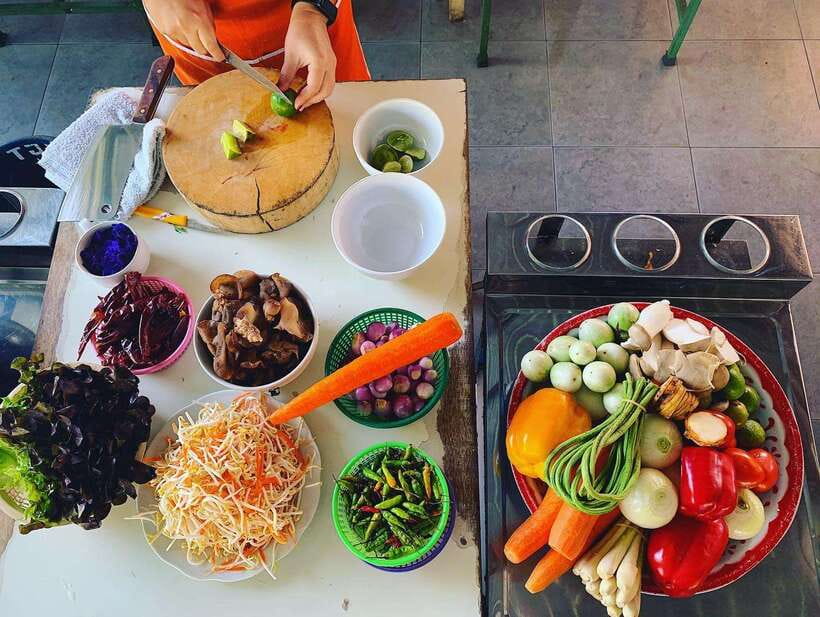
- Market-to-stove workflow: You shop ingredients first, so the cooking steps actually make sense.
- Organic farm guided time: You get context for what’s seasonal and why it matters for Thai flavors.
- A full 5–6 dish course: Not one plate for photos—this is a proper meal.
- English instruction and small group: Trainers like Luna or Netty are known for clear teaching style.
- Recipes you can take home: You get a recipe book plus a PDF option, and even a photo album.
Why This Cooking Class Feels Like Thai Food, Not a Show
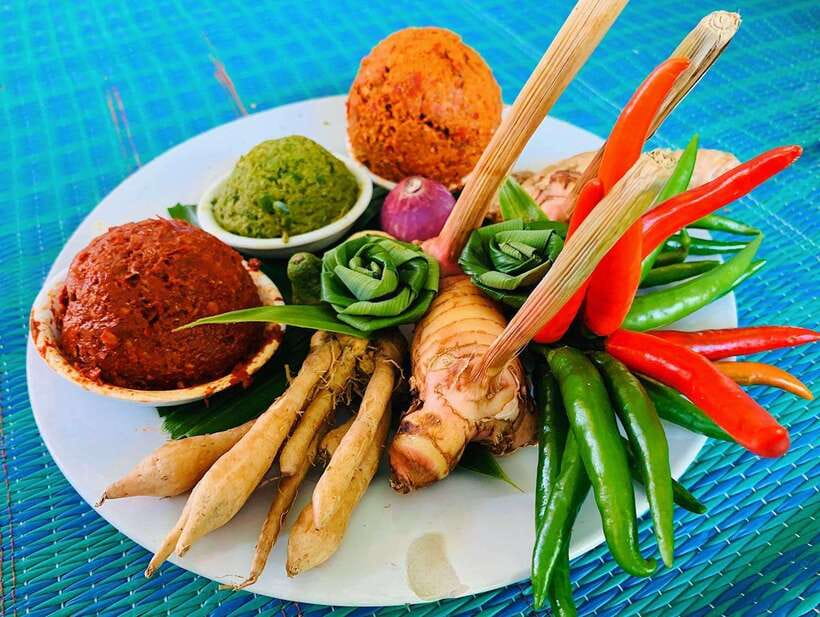
Chiang Mai has a lot of cooking classes. The difference here is the structure. You start with a trip to the local market, then you move to an organic farm, and only then do you get to the stove. That order matters. Thai cooking isn’t only about recipes. It’s about ingredients—fresh herbs, the right balance of sour and sweet, and how Thai pantry staples work together.
This day runs about 8 hours. It starts at 9:00 am and gets you back to the city around 3:30 pm. That timing is long enough to feel satisfying, but not so long that you lose the rest of your Chiang Mai day to kitchen fatigue.
You’ll also be fed. The class is designed as a full, complementary course, then you enjoy what you cooked together. If you’ve ever taken a class where the food is an afterthought, this one is clearly built around eating your own work.
You can also read our reviews of more shopping tours in Chiang Mai
9 AM Pickup and Market Shopping in Chiang Mai
Your day begins with hotel pickup. The service covers Chiang Mai downtown and accommodations within a 3-kilometer radius of the old city. If you’re farther out, you’ll need to contact the provider so they can confirm the pickup details.
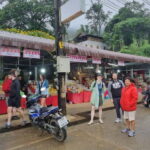
Once you’re on the way, the market stop is the part many people remember best—because it’s where Thai cooking becomes tangible. You’ll get to see the ingredients up close before you cook them. That means you learn what you’re actually buying, not just what sounds good on a menu.
What you’re likely to notice at the market
Thai cooking relies on flavor building blocks. In your class day, you’ll see ingredients connected to dishes like:
- Som Tum (Papaya Salad): herbs plus sour-spicy balance ingredients
- Pad Thai: key noodle and sauce components
- Curries (Thai Green Curry and Massaman Curry): curry flavors that start with the right aromatics
- Khao Soi: a Chiang Mai specialty that blends noodle comfort with curry richness
- Tom Yum and Tom Kha Kai: soups where sour, heat, and coconut meet
I like markets like this because they train your eye. After the day, you’re more likely to recognize the ingredients you need back at home, instead of guessing from a list.
Organic Farm Time: Why the Ingredients Feel Different Here
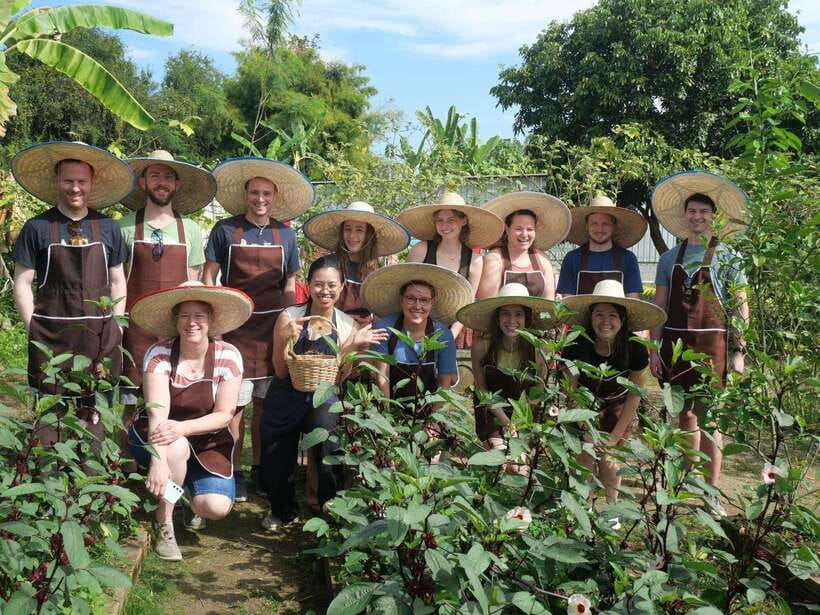
After the market, you head to the organic farm for a guided tour. This isn’t just a scenic detour. It’s there to give you the why behind the flavors.
The farm visit helps you connect Thai cuisine to the ingredients it depends on—things that taste better when they’re fresh, and flavors that feel more alive when the herbs and produce are in season. The class is designed for a serene, local pace, so you’re not rushing from one photo spot to another.
What to do during the farm tour
You’ll probably get an explanation of how the farm grows and how ingredients show up in Thai cooking. If you can, ask simple questions like:
- Which herbs show up in the dishes you’ll cook?
- What ingredients are best when they’re fresh?
- What should you look for if you’re buying similar items at home?
That turns the farm segment from background into practical knowledge you’ll use at the stove.
You can also read our reviews of more tours and experiences in Chiang Mai


The Stove Session: Cook 5–6 Dishes With a Real Chef
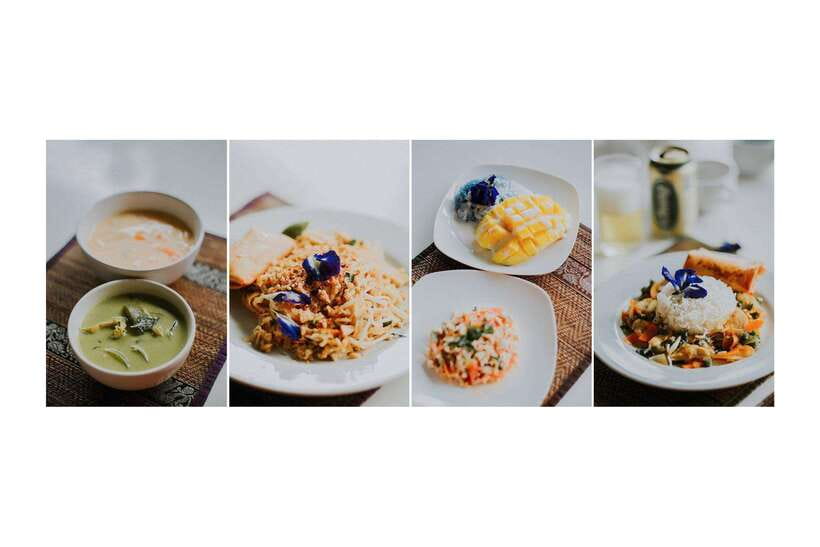
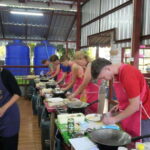
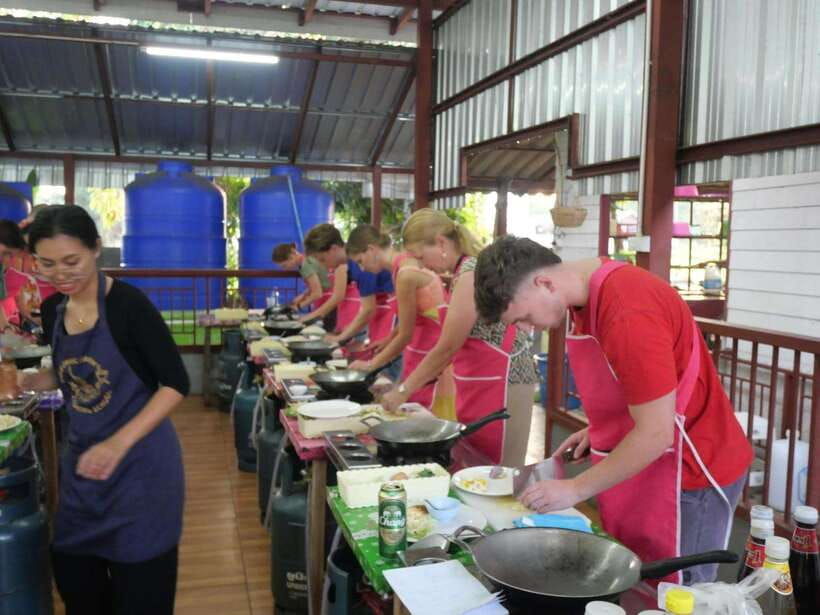
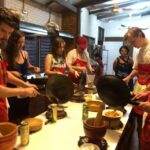
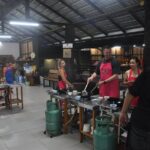
Now the day turns into hands-on work. You’ll cook 5–6 dishes with an English-speaking local chef/instructor. The class is limited to 10 participants, so you’re less likely to be stuck waiting for help while your hands hover over a cutting board.
The menu is designed as a full course. You’ll get starters, mains (including noodles, curry, and stir-fry), soups, and dessert. Here’s the sample spread you can expect:
Starters
- Spring Roll
- Som Tum (Papaya Salad)
Som Tum is a great learning dish because it forces you to balance flavors—sour, spicy, and salty-sweet ingredients working together. Even if you never make it again, understanding that balance changes how you read other Thai recipes.
Main courses
- Pad Thai
- Cashew Nut with Chicken
- Thai Green Curry
- Massaman Curry
- Khao Soi (Chiang Mai Noodle Curry)
- Tom Yum
- Tom Kha Kai (Chicken in Coconut Milk Soup)
Yes, that’s a lot—and it works because Thai meals often come as a sequence of different styles. Pad Thai teaches noodle-and-sauce timing. Cashew chicken shows how Thai stir-fries stay bright and not heavy. The curries cover two popular flavor directions: Green Curry tends to be sharp and herb-forward, while Massaman leans toward warm, comforting depth. Khao Soi brings Chiang Mai identity into your bowl, and the soups show how Thai cooking handles sourness and heat in a controlled way.
Dessert
- Sticky Rice with Mango
Sticky rice with mango is the easy win for most home cooks, because it’s memorable and forgiving. Plus, dessert after all that savory cooking is when your effort finally feels worth it.
The best part: you cook, then eat
You’re not just sampling. You’re making dishes and then enjoying them together right afterward. That matters for learning. The food you cooked teaches you what “done” feels like.
Dining in the Organic Kitchen Garden (Yes, You Eat What You Made)
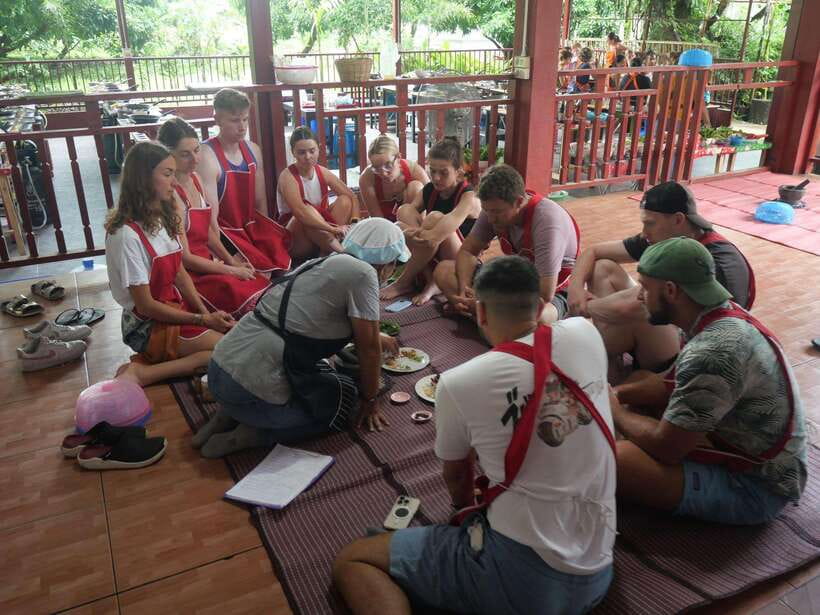
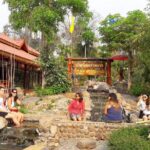
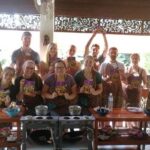
After cooking, you eat in a traditional Thai style in the organic kitchen garden. This is where the day clicks.
Sitting outside among the garden setting makes the meal feel more connected to what you did earlier. You also get to relax with your group instead of rushing out to find dinner afterward in a busy Chiang Mai street.
How to get more out of the meal
Even though you’ve already cooked the food, use the eating time for two practical things:
- Taste and compare: Which dish feels most balanced? Which needs more heat or sourness (if you’re adjusting at home)?
- Ask the chef about home variations: You’ll get guidance on how these dishes are usually made and how to keep flavors consistent.
That’s how you turn the class into real cooking ability, not a one-day memory.
What You Get (and Why It’s Good Value at $47)
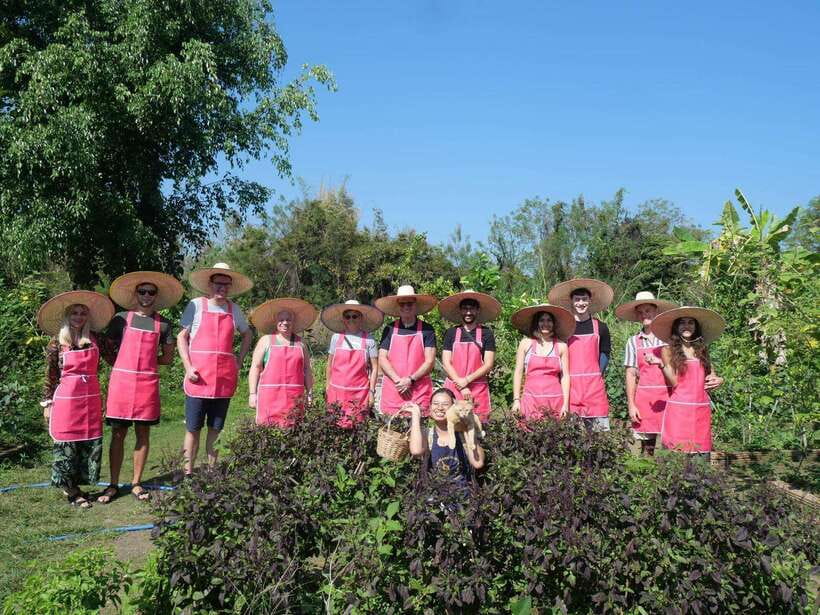
At $47 per person, this tour prices itself in the “affordable but not skimpy” category. You’re paying for more than a cooking show.
Here’s what’s included:
- Hotel pickup and drop-off
- Market visit
- Guided tour in an organic farm
- Hands-on cooking class with a local chef
- All ingredients for the dishes
- Drinking water
- PDF recipe book
- A recipe book and a photo album option to help you recreate dishes later
When I judge value for cooking classes, I look for three things: how much food you make, how much learning you get, and whether you can reproduce the results later. This class covers all three. You cook multiple dishes, you get ingredient context, and you leave with recipe materials you can use.
Also, the fact it’s small group—limited to 10—helps keep the experience from feeling chaotic. More attention from the chef is a quiet value boost that’s hard to quantify until you’ve been in a large class where you’re watching other people cook.
Small-Group Details That Affect Your Day
A few practical factors can make or break a cooking class. This one is built around the essentials.
- Small group size (up to 10): Better chances for questions and guidance while you cook.
- English instruction: Useful if you want to actually understand the steps, not just copy motions.
- Full course meal: You leave satisfied, not hungry and searching for food at 4 pm.
- Timing: 9:00 am start and back around 3:30 pm keeps the rest of your Chiang Mai schedule alive.
One consideration is that your dishes are planned. If your eating style requires strict dietary substitutions, the safest move is to ask the provider or chef in advance about what can be adjusted.
Who Should Book This Cooking Class in Chiang Mai
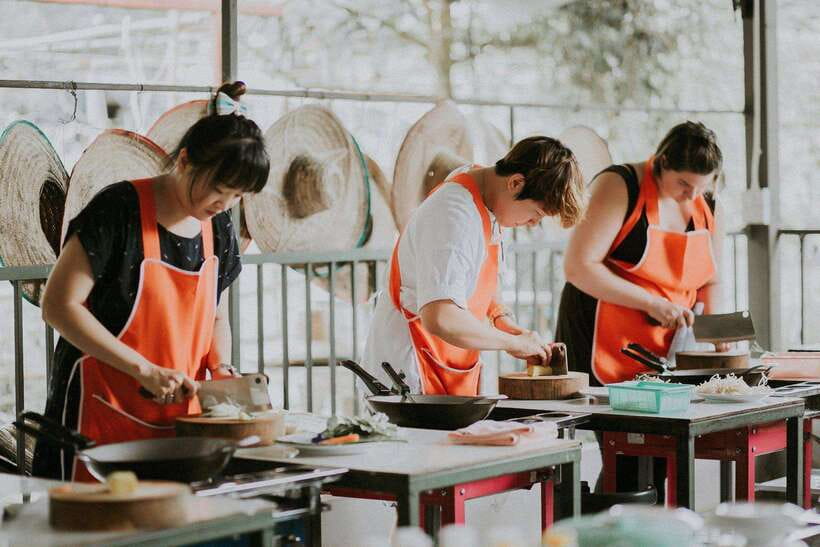
This is a strong fit if you:
- Want a Thai cooking class that focuses on ingredients, not just recipes
- Prefer a calm day structure: market → farm → kitchen → meal
- Like Chiang Mai culture and food specialties like Khao Soi
- Want an English-friendly experience with a local chef guiding hands-on cooking
It may be less ideal if you:
- Are looking for a class that changes dishes daily or offers lots of menu flexibility
- Want a short snack-style class instead of a full 8-hour course
Should You Book? My Decision Guide
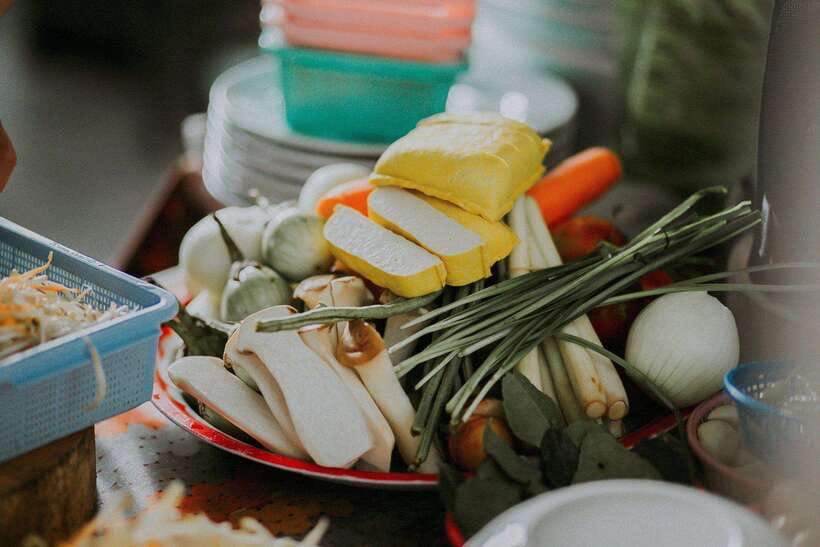
If you want the best chance of bringing Thai cooking home, book this. You get a real ingredient flow with the market and farm, plus a full set of dishes and the recipe materials to repeat them later.
I’d especially recommend it if you’re in Chiang Mai for a limited time and you want one day that covers a lot of ground without feeling like rushing from place to place. For the price, the mix of included food, instruction, pickup/drop-off, and recipe support feels fair.
FAQ
How long is the cooking class?
The tour lasts about 8 hours. It starts at 9:00 am and returns to the city around 3:30 pm.
How many dishes will I cook?
You’ll cook 5–6 dishes as part of a full course meal. The sample menu includes items like Pad Thai, Thai Green Curry, Khao Soi, Tom Yum, and sticky rice with mango.
What’s included in the price?
Hotel pickup and drop-off, a local market visit, hands-on cooking class, all ingredients, a local chef/instructor, drinking water, and recipe materials are included (including a PDF recipe book).
What language is the class taught in?
The instructor teaches in English.
Is it a small group?
Yes. It’s a small group limited to 10 participants.
Do you include pickup from my hotel?
Pickup is available from accommodations in Chiang Mai downtown and within 3 kilometers of the old city. If your place is more than 3 kilometers away, you should contact the provider to confirm.
What’s the cancellation policy and payment option?
You can cancel up to 24 hours in advance for a full refund. You can also reserve now and pay later.