REVIEW · CHIANG MAI
Chiang Mai: Historic Temples and City Guided Walking Tour
Book on GetYourGuide →Operated by Beyond Experience · Bookable on GetYourGuide
Temple stops beat wandering alone. This 3-hour small-group walk connects Chiang Mai’s most important religious sites with a live English guide, so you know what you’re looking at. You’ll get the visual lesson of Wat Phra Singh’s classic Lanna style, then slow down for the teak-work drama of Wat Phan Tao.
I also like how the route starts at the oldest temple in town and builds toward the biggest finale. The walk begins at Wat Chiang Man (built in 1296), then heads west through key landmarks like the Three Kings Monument before reaching Wat Chedi Luang.
One caution: you’re dealing with temple rules and extra costs. Entrance tickets for Wat Phra Singh and Wat Chedi Luang are not included, and you’ll need shoulders and knees covered even when it’s hot.
In This Review
- Key things to love about this Chiang Mai temple walking tour
- Getting your bearings: start at Wat Chiang Man in the Old City
- Wat Chiang Man (1296): why the oldest temple sets the tone
- Three Kings Monument: quick landmark stop, bigger meaning
- Wat Phra Singh: Lanna architecture you can spot, not just admire
- Wat Phan Tao’s teak viharn: a whole hall built from woodwork
- Wat Chedi Luang: ruined chedi, Buddha views, and the day’s finale
- Pacing, tickets, and temple rules that can affect your day
- Small-group guide impact: the difference between facts and understanding
- Is it worth $21? Value check for a Chiang Mai Old City walking tour
- Who should book this temple tour, and who should skip it
- Should you book this Chiang Mai historic temples walk?
- FAQ
- How long is the Chiang Mai historic temples and city walking tour?
- How much does the tour cost?
- What’s included in the price?
- Are the entrance tickets included?
- Where do I meet the guide?
- What group size and language should I expect?
- What should I bring for the weather and temple visits?
Key things to love about this Chiang Mai temple walking tour
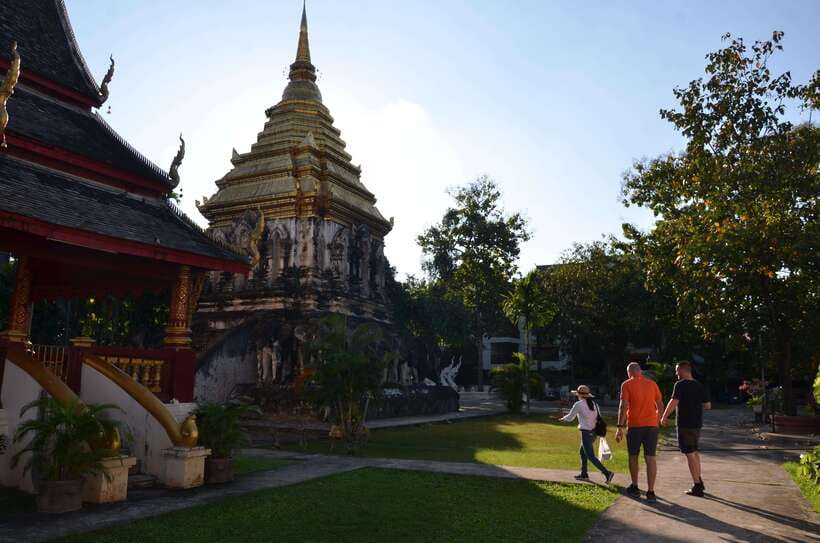
- Wat Chiang Man (1296) opens the day with the oldest temple in Chiang Mai
- Wat Phra Singh is treated as more than a photo spot, with help spotting Lanna details
- Wat Phan Tao’s teak viharn stands out for its woodwork and the throne story
- Wat Chedi Luang delivers ruins plus a Buddha view inside the main prayer hall
- Small group (up to 10) keeps the pace relaxed and questions easy
Getting your bearings: start at Wat Chiang Man in the Old City
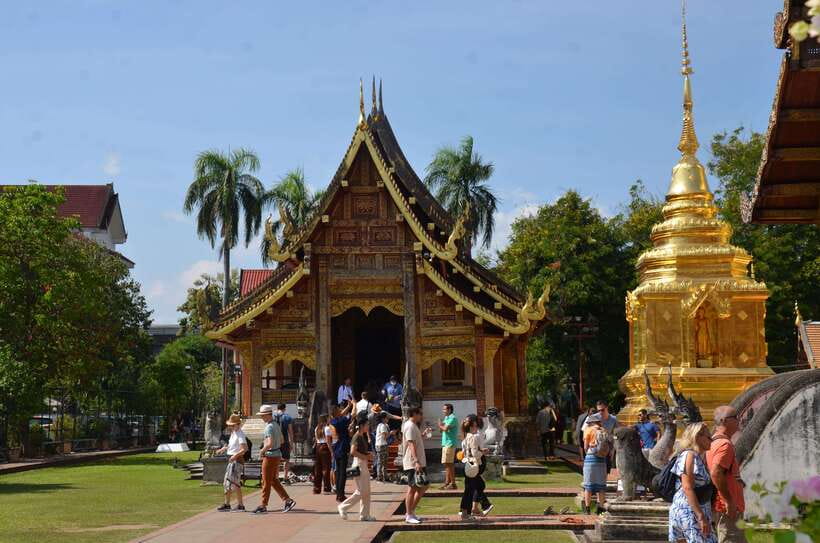
This tour is built for orientation. You meet your guide at Wat Chiang Man and begin inside the grounds at a sensible walking pace, not a sprint between temples. For first-timers, that matters: Chiang Mai’s Old City streets are easy to navigate once you’ve seen the “big picture” landmarks in order.
The group stays small, limited to 10 people, which means you can actually hear your guide at each stop instead of straining over a crowd. The pace also tends to start earlier when weather allows, so you’re not cooked by peak heat right from the start.
And yes, it’s a walk through real city life, not just temple gates. Part of the value here is that your guide can point out what you’re seeing on the way—street layout, legends tied to landmarks, and why this area mattered historically—so the walk feels like learning, not just transportation.
You can also read our reviews of more walking tours in Chiang Mai

Wat Chiang Man (1296): why the oldest temple sets the tone
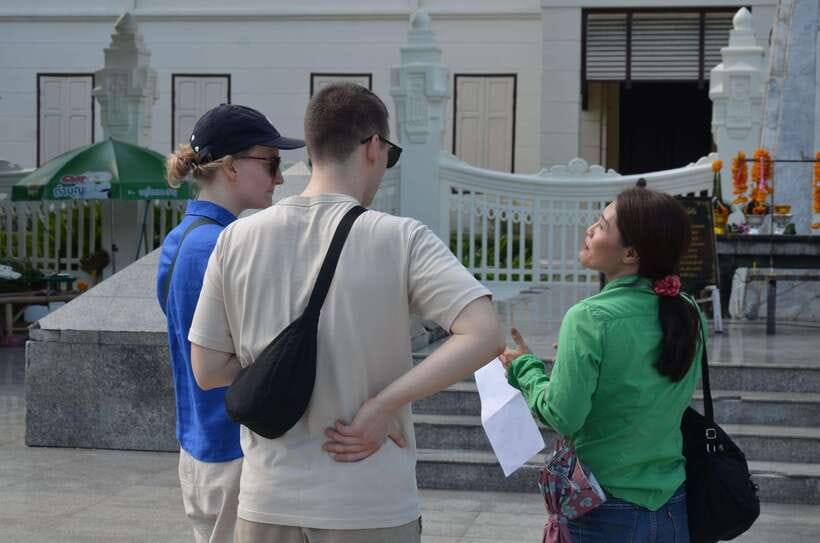
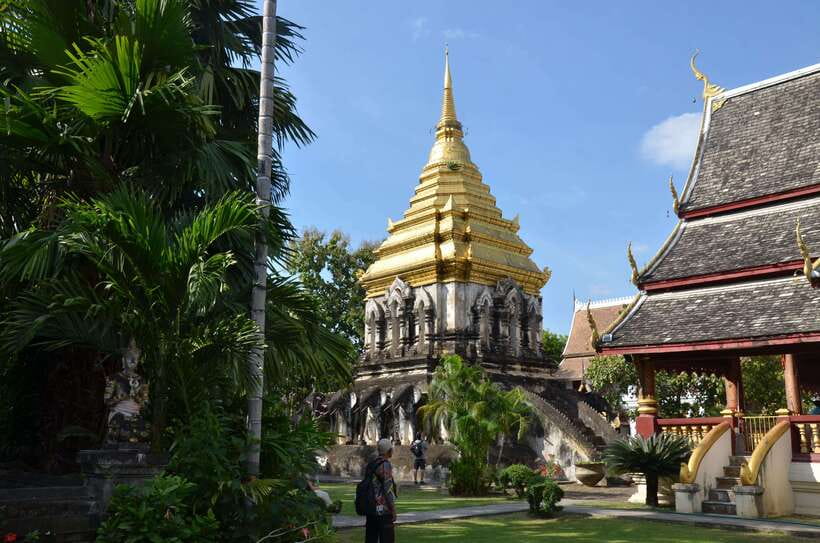
You start at Wat Chiang Man, and that first step is smart. Built in 1296, it’s Chiang Mai’s oldest temple, so your guide can frame the rest of the day with the question: how did the city’s religious center shape the city itself?
Expect a mix of photo time and guided storytelling. This is the kind of stop where your eyes start to change. You’ll notice that temples aren’t just buildings; they’re visual summaries of belief, power, and local artistic style. Your guide’s job is to connect those dots so the carvings and layout don’t feel random.
Practical note: the tour starts and moves through areas where the dress code is enforced. Plan for shoulders and knees covered as you begin, because you’ll be entering temple spaces more than once.
Three Kings Monument: quick landmark stop, bigger meaning
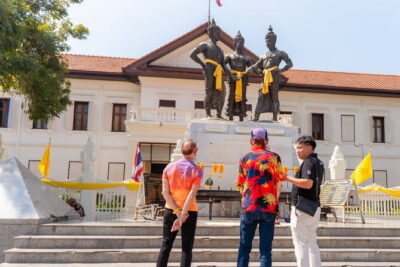
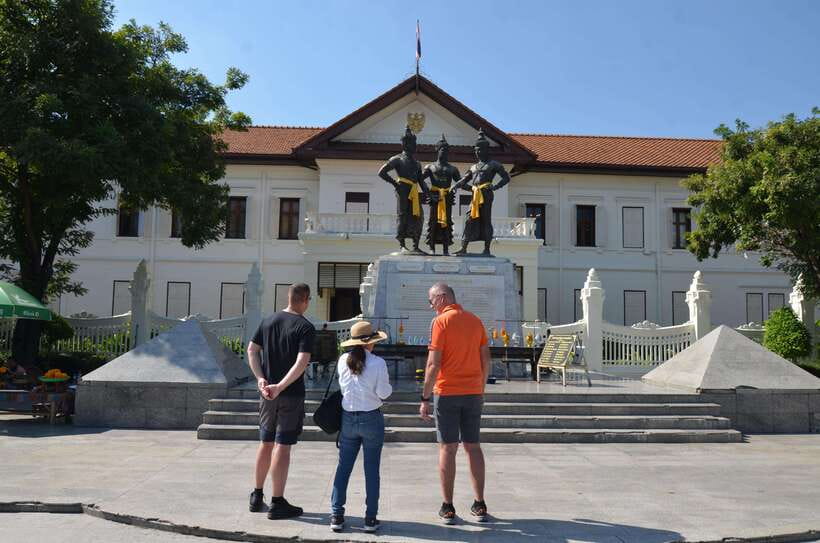
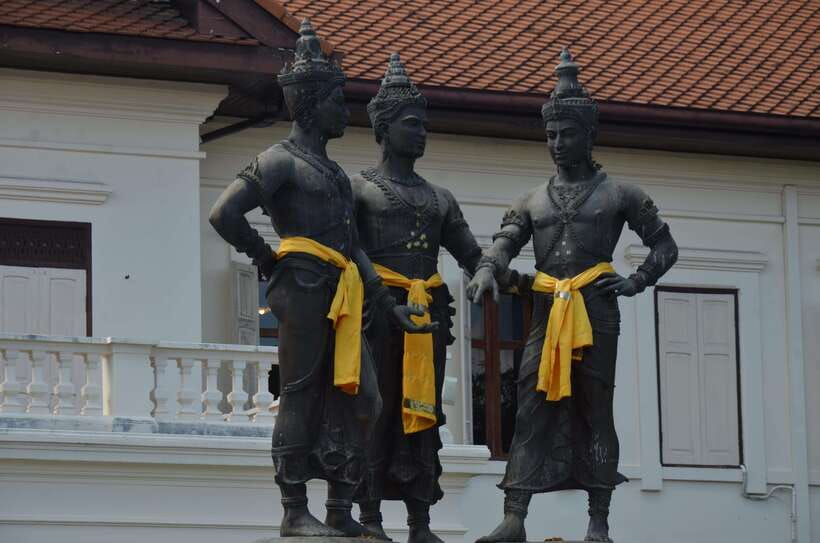
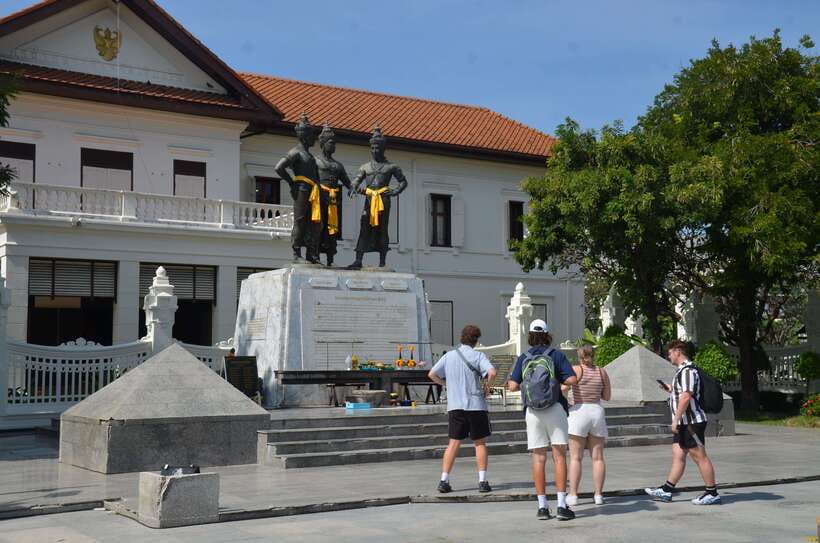
After Wat Chiang Man, you move toward the Three Kings Monument, the kind of landmark that works as a reset. It’s a broad open square, so you can regroup, take a few photos, and catch your breath before the next temple concentration.
More importantly, it’s a historical hinge. Your guide uses it to connect what you saw at Wat Chiang Man to the broader story of Chiang Mai’s rise. When a guide gives you context at the monument stage, Wat Phra Singh and the rest of the route land with more meaning—you’re not just visiting places, you’re tracking how the city’s identity formed.
This stop is brief (about 10 minutes for photos and explanation), but it’s timed well. You don’t lose momentum, and you don’t get stuck somewhere with nothing to do.
Wat Phra Singh: Lanna architecture you can spot, not just admire
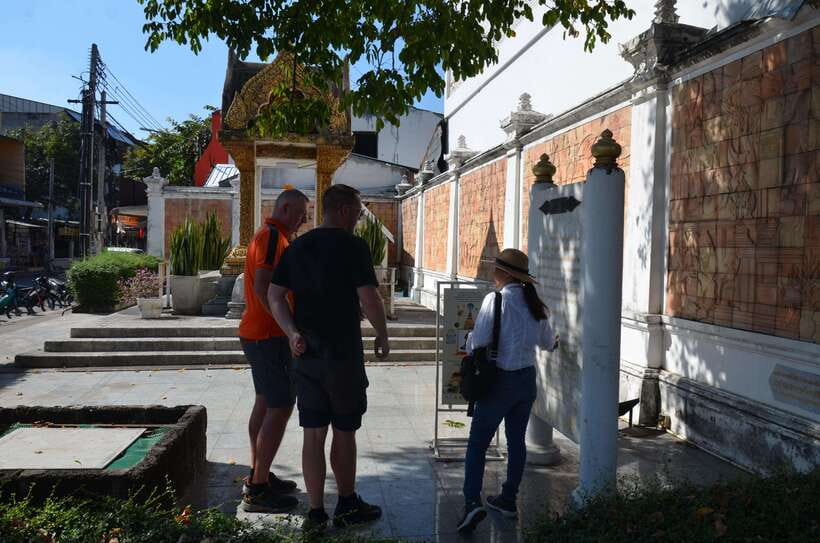
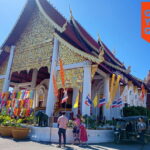
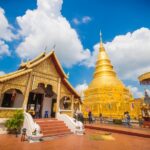
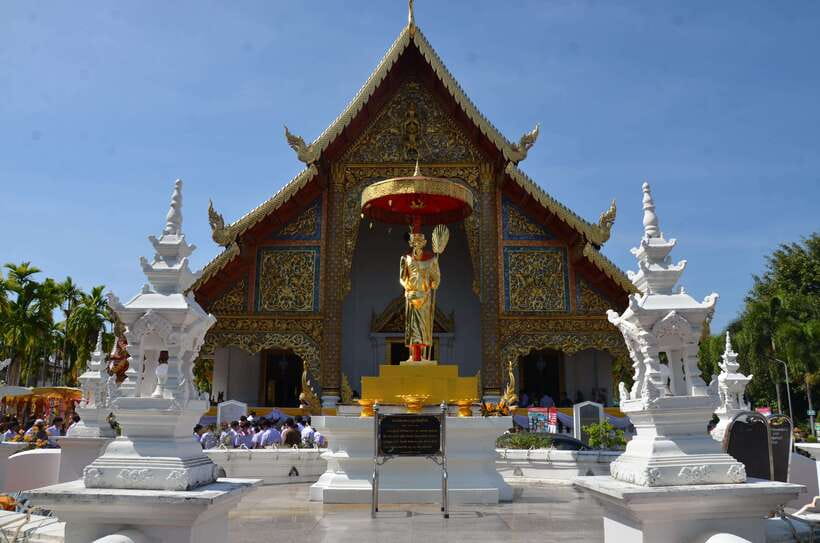
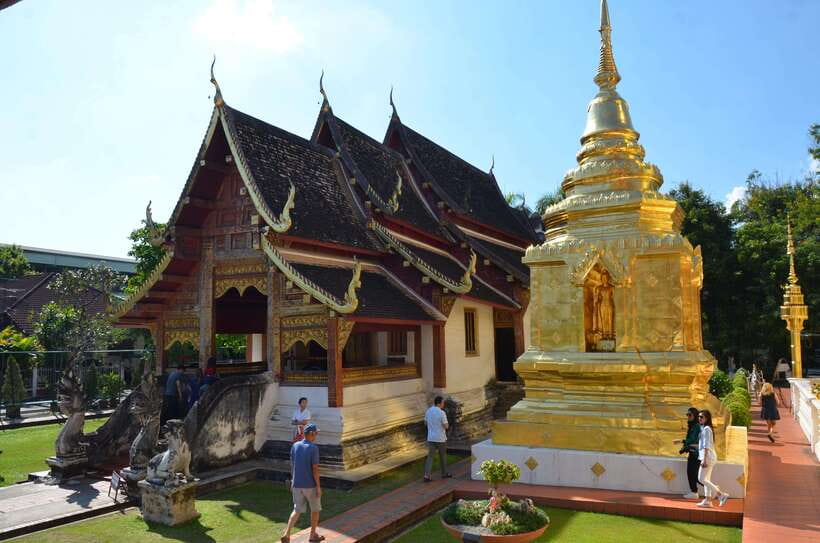
This is one of the headline temples for a reason. Wat Phra Singh is a top example of classic Lanna architecture, and your guide helps you see the elements that make it distinct. Instead of treating it like a generic temple stop, you get a mini lesson in what “Lanna” looks like in stone, wood, and ornament.
Expect guided time plus photo stops. The value here is the way your guide breaks visual style into understandable parts. Once you know what to look for—how shapes and details repeat—you can keep your camera focused on the features that actually matter.
Also keep in mind: entrance tickets for Wat Phra Singh cost 50 THB and are not included. I recommend you carry cash for the temples so you don’t slow down when it’s time to pay.
Wat Phan Tao’s teak viharn: a whole hall built from woodwork
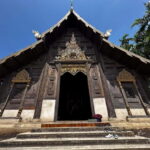
Next up is Wat Phan Tao, and it’s a temple that feels different the second you arrive. The main structure includes a wooden ordination hall (viharn) constructed almost entirely of teak—and that teak-work is the star of the show.
Your guide points you toward what makes the space special: the main hall features an enormous teak throne that was used by Chiang Mai’s rulers. It gets even better because the building was originally part of a royal palace. That detail changes how you experience the hall. It’s not just a temple interior—it’s royal history turned into sacred space.
The stop here is relatively short (about 15 minutes), but it’s efficient. You’ll learn enough to understand why the teak matters and why the throne story gets retold. If you like architecture, this is one of the best value stops on the day because it gives you a clear takeaway: material, power, and belief all show up in the same room.
You can also read our reviews of more guided tours in Chiang Mai

Wat Chedi Luang: ruined chedi, Buddha views, and the day’s finale
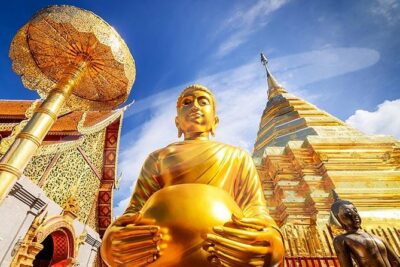
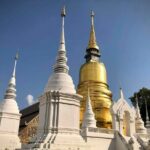
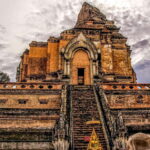
The walk ends at Wat Chedi Luang Varaviharn, where the highlight is the impressive ruined chedi. It’s the kind of sight that’s hard to fully capture in one photo, because the scale hits you once you’re standing close.
Your guide will help you understand why the chedi’s form is worth your time—even in its ruined state. And you’ll also get a look at the Buddha inside the main prayer hall, which is a big reason this stop works as a finale. After spending time learning temple origins and styles, you finish with a visual “big idea”: how a sacred structure can remain central even when changed by time.
This stop takes about 40 minutes for guided time and photos. Entrance tickets for Wat Chedi Luang cost 50 THB and are also not included, so again, bring cash.
Pacing, tickets, and temple rules that can affect your day
This tour is designed to feel doable. Still, you’re walking through the Old City, and the temples involve stairs, uneven surfaces, and time in sun. If you’re someone who struggles with back strain, skip this one or at least check with the provider first—this tour is listed as not suitable for people with back problems and not recommended for pregnant women.
For clothing, don’t overthink it. Keep it simple: casual clothes are fine, but no shorts and no short skirts or sleeveless shirts inside temples. Shoulders and knees must be covered when entering temple spaces. If you want an easy fix, bring a scarf you can quickly throw on during entrances.
Weather matters too. July to mid-October is rainy season in Thailand. Bring an umbrella or a raincoat, and wear shoes that won’t hate you if the ground is slick. Even in the dry season, bring sunscreen and a hat.
And don’t forget the money piece. With two temple tickets (50 THB each), you’ll want enough cash set aside so you’re not dealing with last-minute ATM problems.
Small-group guide impact: the difference between facts and understanding
One of the most praised parts of this tour is the guide. You may meet different people, but the common pattern in the stories is that guides are friendly, patient, and good at explaining what you’re seeing. Names that show up in guest feedback include Jen, Pun, Danny, Jackie, and John—and many guests mention clear English, a relaxed sense of humor, and lots of time for questions.
Some guides also bring personal background. One guest described Danny as a former monk for 12 years, and that kind of experience tends to make temple storytelling more grounded. Even if you don’t share that background, you’ll likely feel the difference: you get meaning, not just a checklist of what to photograph.
What I like most is that the small group format helps the guide notice your pace. Several guests noted the tour didn’t feel rushed and that the guide looked after people who needed extra care crossing busy roads.
Is it worth $21? Value check for a Chiang Mai Old City walking tour
At $21 per person for about 3 hours, the math works when you’re doing two things: paying for a real guide and saving time figuring out the route yourself. This isn’t a “park and walk” tour where you just pay for someone to point; you pay for context at each stop.
Included perks are minimal but useful: a local guide and a bottle of water. The trade-off is that you pay temple entrance tickets separately—50 THB for Wat Phra Singh and 50 THB for Wat Chedi Luang. So budget roughly an extra 100 THB total for the two ticketed stops.
Still, that’s not a deal breaker. If you planned to visit these temples on your own, you’d pay those tickets anyway, and you’d still be missing the “why” behind the architecture and the legends. This tour is good value for the same reason a good museum guide is worth it: it turns scattered sights into a clear story you can repeat later.
Who should book this temple tour, and who should skip it
This walk is ideal for you if you want an efficient, informative route through Chiang Mai’s Old City without needing to plan every turn. It’s also a strong pick if you’re new to Thai temples and want help understanding how Lanna architecture and royal-era stories show up in what you see.
You might skip it if:
- You have mobility limits or back issues (the tour is listed as not suitable)
- You’re pregnant
- You hate walking in heat and humidity, even with breaks and water
If you’re okay with temple etiquette and you can cover shoulders and knees, you’ll likely enjoy the day because the stops are varied. You get classic Lanna style, teak woodwork, and chedi ruins with Buddha views in one compact timeline.
Should you book this Chiang Mai historic temples walk?
If you want an easy first taste of Chiang Mai’s temple scene with a guide who connects details to meaning, I’d book it. The small group size, the structured route from Wat Chiang Man to Wat Chedi Luang, and the focus on what makes each temple unique make this more useful than a casual self-guided stroll.
Just go in prepared: bring cash for tickets, wear temple-safe clothes, and bring an umbrella if you’re traveling in rainy season. Do that, and you’ll come away with a much clearer sense of why Chiang Mai’s Old City temples still shape the city today.
FAQ
How long is the Chiang Mai historic temples and city walking tour?
The tour lasts 3 hours.
How much does the tour cost?
The price is $21 per person.
What’s included in the price?
A local guide and a bottle of water are included.
Are the entrance tickets included?
No. Entrance tickets are not included for Wat Phra Singh (50 THB) and Wat Chedi Luang (50 THB).
Where do I meet the guide?
Meet your guide at Wat Chiang Man and look for the Beyond Experience sign.
What group size and language should I expect?
It’s an English live guide, with a small group limited to 10 participants.
What should I bring for the weather and temple visits?
Bring comfortable shoes, a hat, umbrella or raincoat (especially July to mid-October), sunscreen, and cash. You’ll also want a scarf handy for temple dress code coverage.