REVIEW · CHIANG MAI
Chiang Mai: 3 Hour Old City and Temples Guided Walking Tour
Book on GetYourGuide →Operated by TripGuru Thailand · Bookable on GetYourGuide
Chiang Mai temples hit differently up close. This 3-hour guided walking tour packs major Old City stops—starting at Wat Chedi Luang and finishing at Wat Phra Singh—so you get the why behind the beauty. I love the hands-on way a local guide explains Lanna-era details, and I love seeing the contrast from quiet shrines to the mosaic-bright sanctuary at Wat Phra Singh; the main drawback is that it’s still a hot, shoe-sometimes-off walk with strict dress expectations.
If you want value, this one is hard to beat: GSTC-certified and designed as a low-impact way to explore, with carbon-offset support built into the experience. One more thing to plan for: temple entrance fees are not included, so budget a few hundred baht total depending on what you visit and how long you spend at each gate.
In This Review
- Key highlights you’ll feel on the walk
- The Old City loop: fast bearings, real temple context
- The group reality
- Wat Chedi Luang: the stupa that sets the tone
- What to watch for here
- The only real caution at this stop
- Wat Phan Lao and the transition from grand to humble
- Why this stop is worth your time
- Wat Phan Tao: teak wood carvings with throne-hall history
- What I’d look for with your own eyes
- Practical note
- Wat Phra Singh: mosaic sanctuary, Lion Buddha, and gilded pagodas
- Don’t treat it as a photo stop only
- Finish location detail
- Entrance fee heads-up
- Walking pace, shoe rules, and dress code reality
- Shoes off happens
- Dress code: strict around shoulders and legs
- What to pack (and why)
- Price and value: why $16 feels fair here
- Small practical payoff
- Sustainable touring: GSTC certification and carbon offsets
- Who this tour fits best (and who should skip it)
- Should you book this Chiang Mai temple walk?
- FAQ
- What is the duration of the Chiang Mai Old City and Temples guided walking tour?
- How much does the tour cost?
- Where do I meet the guide?
- Is hotel pickup or drop-off included?
- What’s included in the tour price?
- Are entrance fees included for the temples?
- What language is the live tour guide?
- What should I bring with me?
- What is the dress code?
- Who is the tour not suitable for?
Key highlights you’ll feel on the walk
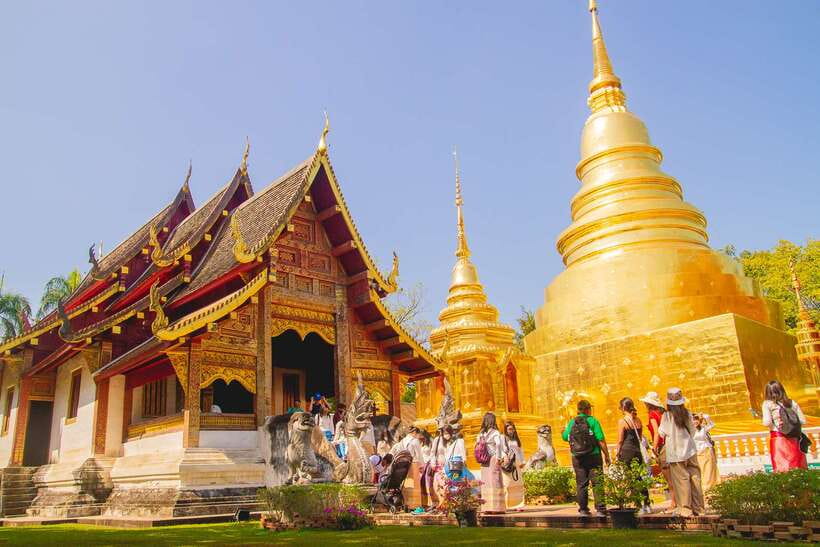
- Wat Chedi Luang’s biggest stupa in Chiang Mai and the Lanna-style details you can actually see
- Teak wood carvings at Wat Phan Tao—small footprint, serious craftsmanship
- Wat Phra Singh’s mosaic sanctuary plus photo-friendly gilded pagodas and the Lion Buddha
- Local guide focus on belief and everyday culture, not just dates and photos
- Guided walking pacing that’s built for a short Old City loop
- Sustainability angle with GSTC certification and carbon-offset support
The Old City loop: fast bearings, real temple context
Chiang Mai’s Old City is easy to navigate on foot, and this tour uses that to your advantage. You’re not just ticking off temples. You’re building a mental map of how the city’s power, devotion, and artistry connect—especially around the walled historic core.
I like that you start at Wat Chedi Luang, then move through a sequence that changes the mood: from grand and imposing to more intimate and then back to lavish. That contrast helps a lot if you’ve ever felt temple-hopping turns into a blur of gold and stone. Here, each stop has a different “job” in the story.
You can also read our reviews of more walking tours in Chiang Mai
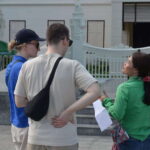
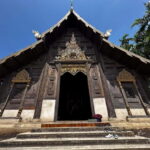

The group reality
You’re walking between sites at a steady pace for about 3 hours. Some guides take extra time for questions, photos, and small breaks, so it can feel a bit more relaxed than a rushed drive-by. If you’re the type who asks why something matters, you’ll benefit.
Wat Chedi Luang: the stupa that sets the tone
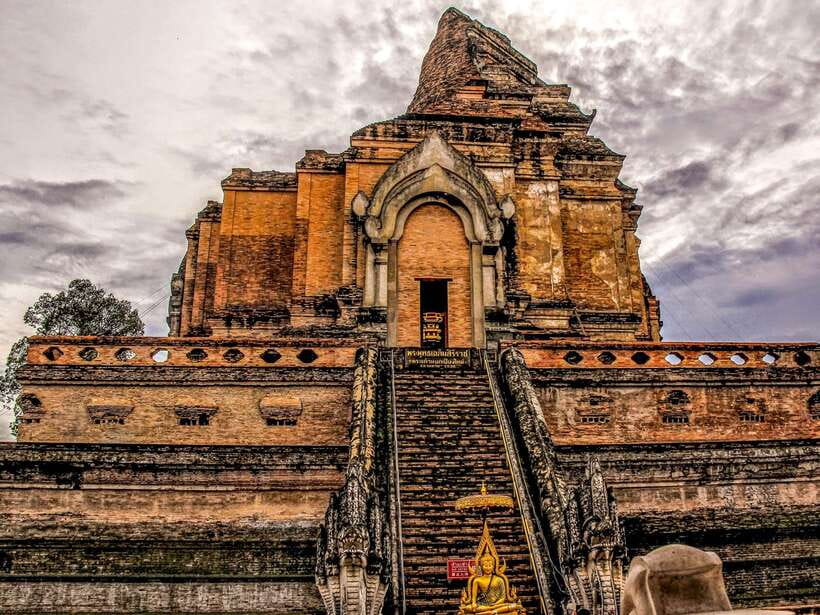
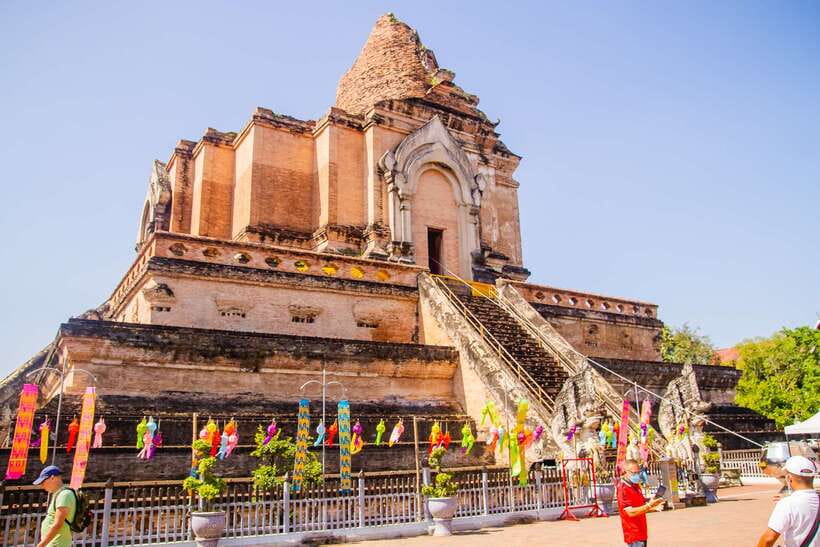
Your first stop is Wat Chedi Luang, a huge landmark in the Old City. The temple grounds date to the 14th–15th centuries, and the big reason it’s the opener is simple: it anchors the whole area. The highlight here is the massive stupa—described as the largest stupa in Chiang Mai.
When I’m at a temple like this without context, I tend to stare at the main structure and move on. With a guide, you slow down in a good way. You learn what to look for in the Lanna-style design—details you’ll miss if you’re only scanning for the biggest wow photo.
What to watch for here
- Stupa scale: it’s not subtle. Stand where you can see the full compound, then walk in and notice the design shifts up close.
- Temple etiquette: you’ll likely face moments where you need to pause, adjust clothing, and follow respectful viewing rules.
The only real caution at this stop
Entrance fee is 50 THB for Wat Chedi Luang (not included), so keep some cash handy. Also, it can be bright and warm even when you’re standing in shade—so sunglasses and sunscreen make a real difference.
You can also read our reviews of more guided tours in Chiang Mai

Wat Phan Lao and the transition from grand to humble
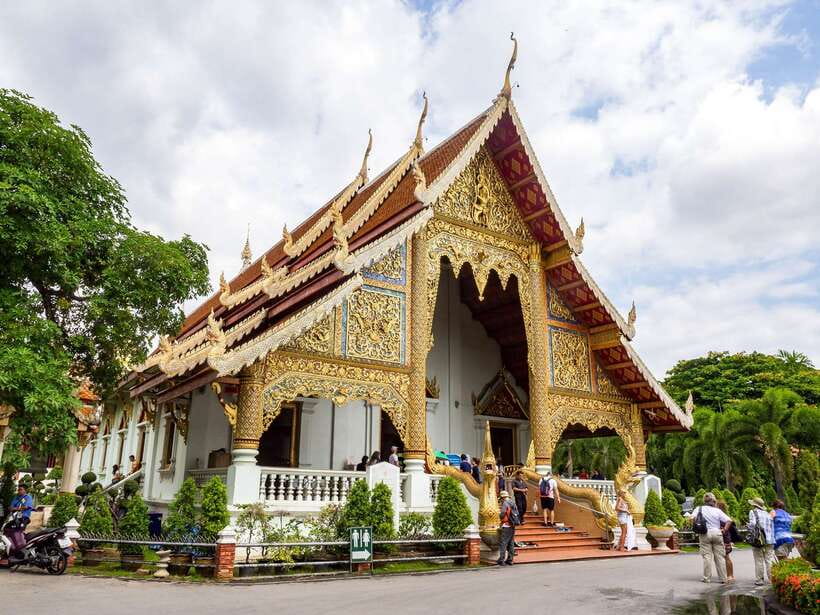
Between the big landmark and the carved-teak stop, you’ll see a more humble site: Wat Phan Lao. This matters because it breaks the “everything is huge” pattern. Even small temples teach you a lot about how devotion works day to day—less spectacle, more routine.
I like that this part of the route helps your eyes reset. You stop chasing scale and start noticing craftsmanship, layout, and how worship spaces are used.
Why this stop is worth your time
If you’re tempted to rush through smaller temples, don’t. These quieter places are where the guide’s explanations often land best. You learn to connect the setting to belief—why certain spaces look the way they do and what the community expects from visitors.
Wat Phan Tao: teak wood carvings with throne-hall history
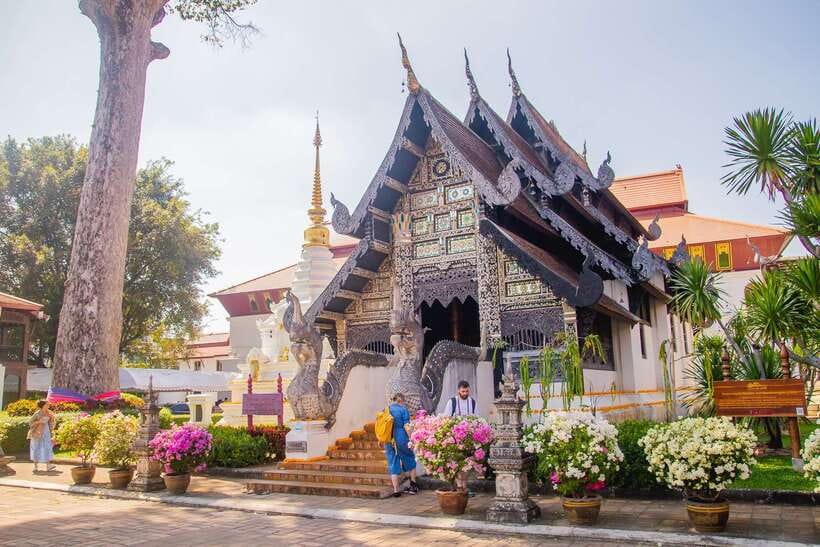
Next up is Wat Phan Tao, the temple that surprises people. It may feel smaller than Wat Chedi Luang, but the payoff is in the woodwork.
The key feature is the intricately carved teak wood facades. You can stand close enough to see the detail rather than treating the building as a blur in the background. This is also a story temple: it was once connected with King Mahotara Prateth as a throne hall, and later became a house of prayer.
What I’d look for with your own eyes
- Carving depth: don’t just glance. Look at how the patterns repeat and how they frame doorways and key viewing areas.
- Material choice: teak holds up and ages in a way stone doesn’t, which changes how surfaces catch light.
Practical note
Wat Phan Tao entrance fee is 20 THB (not included). The good news: at this stop, you’ll usually feel the value quickly because the main attraction is close-range craftsmanship, not a long climb.
Wat Phra Singh: mosaic sanctuary, Lion Buddha, and gilded pagodas
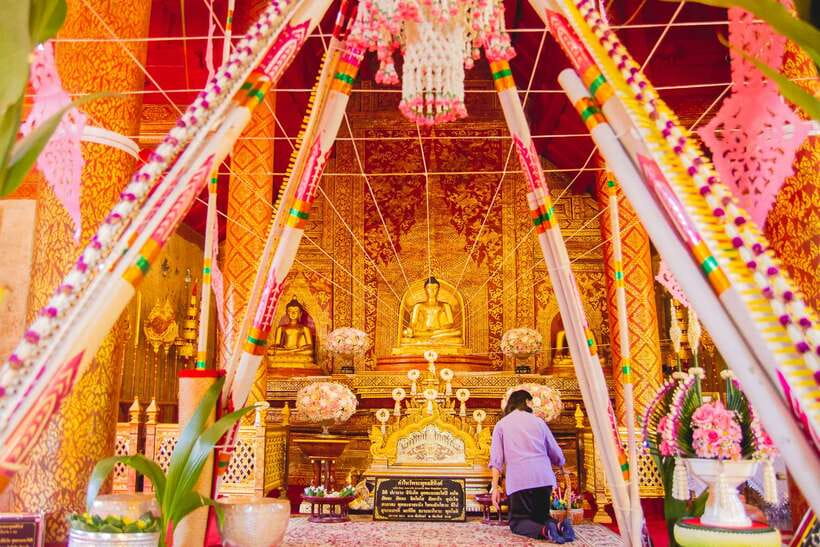
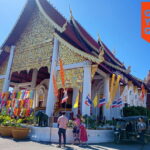
You end with Wat Phra Singh, and that’s the right call. It’s one of Chiang Mai’s finest temples, originally built in the 14th century, and the vibe is lavish without feeling like a theme park.
The big visual anchor is the mosaic-decorated sanctuary. It’s the kind of interior detail that makes you stop walking. You also get the larger grounds, plus striking features like a Lion Buddha statue and gilded pagodas—excellent photo opportunities, yes, but also very useful for understanding how religious art signals status, protection, and devotion.
Don’t treat it as a photo stop only
If you’re serious about getting value, use this last temple to ask your guide the “why” questions. When guides explain how Buddhism shows up in daily life and temple behavior, the art stops being decorative and starts being meaningful.
One review also mentioned meditation being taught at a temple during the experience. You might get a short version of something like that depending on the guide and timing—either way, this is the stop where the spiritual tone tends to feel strongest.
Finish location detail
Your walk finishes at Wat Phra Singh Woramahawihan. That’s handy because it gives you a clear endpoint in the same temple complex rather than a random street exit.
Entrance fee heads-up
Wat Phra Singh entrance fee is 50 THB (not included). If you’re budgeting, that plus Wat Chedi Luang and Wat Phan Tao should cover your main temple access.
Walking pace, shoe rules, and dress code reality
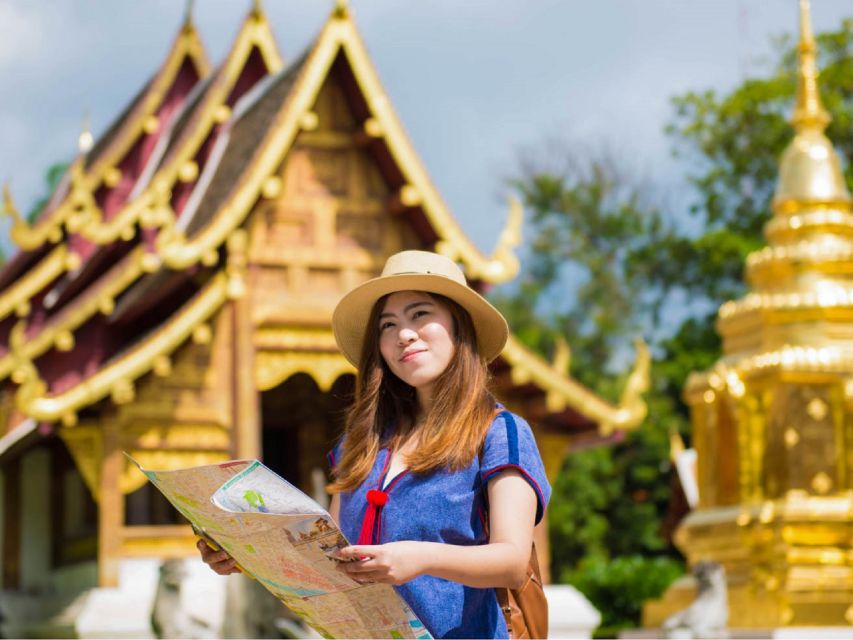
This is a walking tour, so your body matters. The tour recommends moderate fitness levels, and it’s not a good fit if you have mobility limits. Even for healthy walkers, you’ll want to plan for heat and uneven temple ground.
Shoes off happens
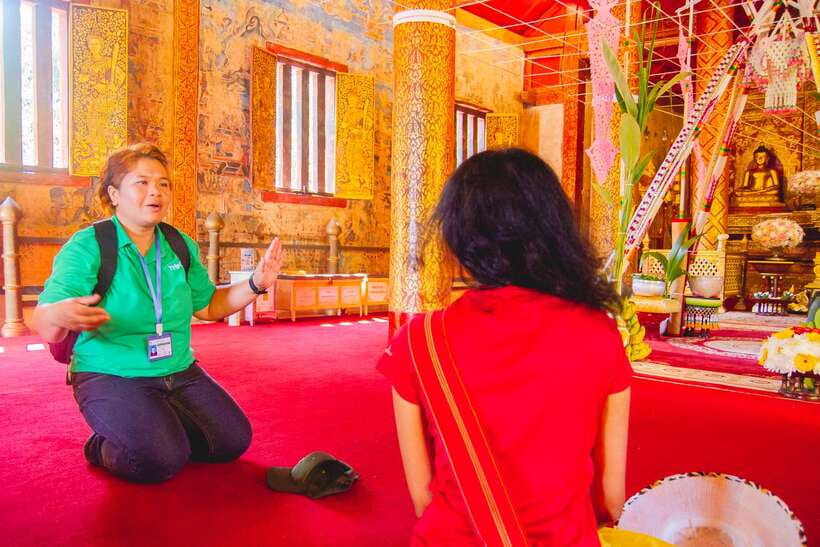
In multiple experiences, people highlighted that you take off your shoes a lot. My practical take: wear easy-to-remove footwear. If you use slip-on sandals or shoes that won’t take forever to undo, you’ll keep the tour moving without stress. If you’re worried about cold floors, socks might help.
Dress code: strict around shoulders and legs
The tour notes strict dress rules. Clothes revealing shoulders, underarm, back, or knees are not permitted. In hot weather, that’s the one thing that can catch you off guard. Bring a scarf to cover up quickly. It’s a simple fix and you won’t feel like you’re dressed “wrong” after you arrive.
What to pack (and why)
- Water: the route is warm, and shade isn’t a guarantee.
- Insect repellent: temple zones can be bug-friendly.
- Sunscreen + hat + sunglasses: you’re outdoors more than you think.
- Camera: the carved teak and mosaic sanctuary reward slow looking.
- Cash: temple entrance fees aren’t included.
Price and value: why $16 feels fair here
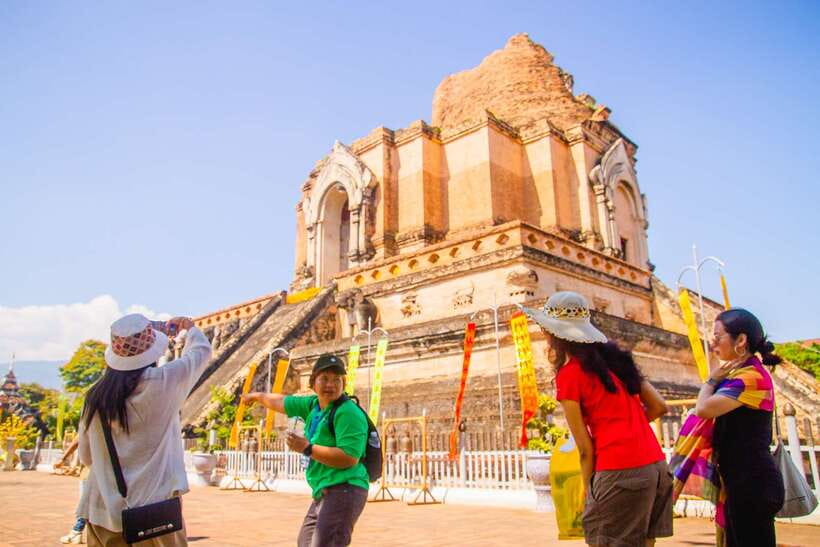
At $16 per person for about 3 hours, the value is really about what’s included: a local guide and a structured walking route through major Old City sites.
Entrance fees add cost on top—50 THB at Wat Chedi Luang, 20 THB at Wat Phan Tao, and 50 THB at Wat Phra Singh. But even with that, you’re still paying for interpretation, timing, and access to details you won’t get from wandering alone.
This is the type of tour where the guide can make or break your experience. The strongest pattern in feedback is that guides explained Buddhism and Thai culture clearly, kept the tone friendly, and answered questions without rushing you out the door. That’s exactly what you’re buying when the price is low: you’re paying for a brain in the group.
Small practical payoff
You’ll also likely get tips that help beyond the temples—what to watch for, how to behave, and sometimes extra cultural context that makes the city feel less random.
Sustainable touring: GSTC certification and carbon offsets
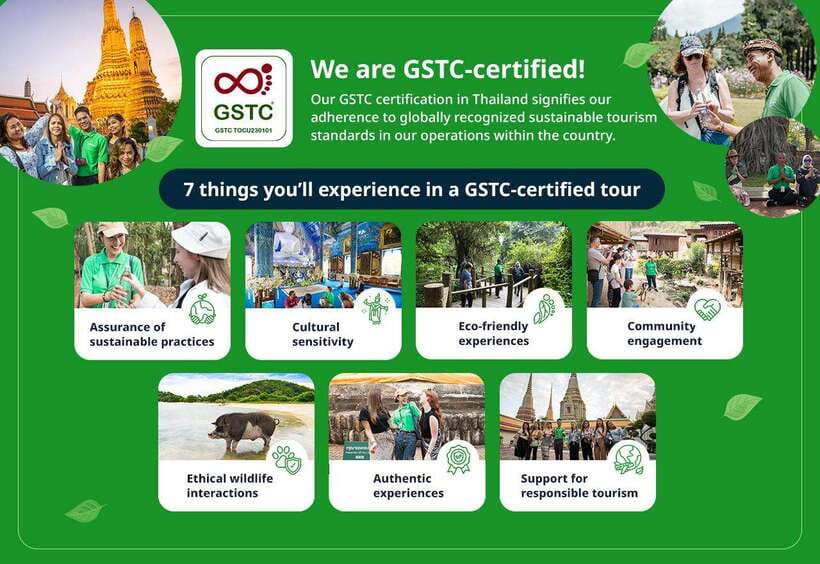
This tour is GSTC-certified and promotes low-impact travel. It also prioritizes offsetting carbon emissions for the experience.
For you, that means the tour isn’t only about heritage—it’s about how you move through it. If you care about reducing tourism’s footprint, this is a good sign. It doesn’t change the temple itself, but it changes your role: you’re treating the visit as responsible travel, not just consumption.
Who this tour fits best (and who should skip it)
This is a strong choice if you want:
- a short, efficient introduction to the Old City’s top temples
- a guide to explain the meaning behind Buddhist art and temple layout
- a walking route that feels like a guided story, not a bus tour
Skip it if you:
- need accommodations for mobility impairments
- have respiratory issues, heart problems, or are pregnant (it’s listed as not suitable)
- aren’t comfortable with a walking + heat format
- can’t meet the dress code requirements (or don’t want to carry a scarf)
If you’re traveling with kids, it could work if they’re patient and you can manage the temple etiquette. But the tour itself is framed for general moderate-walking adults.
Should you book this Chiang Mai temple walk?
I’d book it if you want a fast, high-value way to understand Chiang Mai’s temples in a short window. Starting at Wat Chedi Luang gives you the grand scale, and ending at Wat Phra Singh rewards you with the most memorable visual payoff—mosaic details, Lion Buddha imagery, and gilded pagodas.
I’d also book it if you like asking questions. The best experiences here are the ones where the guide turns temple viewing into real understanding—Buddhism, Thai beliefs, and how culture shows up in everyday behavior.
Only hesitation: if you’re sensitive to heat, very specific about footwear comfort, or you can’t follow strict dress rules, you’ll feel the friction. Plan clothing and shoes up front, and you’ll stay focused on what matters: seeing Chiang Mai’s Old City temples with context, not just photos.
FAQ
What is the duration of the Chiang Mai Old City and Temples guided walking tour?
The tour lasts 3 hours.
How much does the tour cost?
The price is $16 per person.
Where do I meet the guide?
Meet at the entrance of Wat Chedi Luang. The guide will be holding a TripGuru sign.
Is hotel pickup or drop-off included?
No. Hotel pickup and drop-off are not included.
What’s included in the tour price?
The tour includes a local guide and the walking tour.
Are entrance fees included for the temples?
No. Entrance fees are not included. The listed fees are 50 THB for Wat Chedi Luang, 20 THB for Wat Phan Tao, and 50 THB for Wat Phra Singh.
What language is the live tour guide?
The live guide speaks English.
What should I bring with me?
Bring comfortable shoes, sunglasses, a hat, camera, sunscreen, insect repellent, cash, and a scarf.
What is the dress code?
Some sights have strict dress rules. Clothes revealing shoulders, underarm, back, or knees are not permitted.
Who is the tour not suitable for?
It is not suitable for pregnant women, people with mobility impairments, people with heart problems, or people with respiratory issues.