REVIEW · CHIANG MAI
Chiang Mai: Doi Inthanon National Park & Waterfall Day Tour
Book on GetYourGuide →Operated by CHIANGMAI SIAM TRAVEL LTD.,PART. · Bookable on GetYourGuide
Cold air at 2,565 meters hits fast. This Doi Inthanon day tour is one of the best ways to see Chiang Mai’s mountain country without renting a car. I especially like the high-altitude feel of the park all year, plus the views from the King and Queen’s pagodas with their well-kept gardens.
I also really like how the day mixes nature and people: a short forest walk on the Ang Ga trail, a Hmong market stop, then Karen hill-tribe culture and terrace rice fields at Ban Mae Klang Luang. One possible drawback is timing and pace. It’s a long day, and the waterfall area can mean wet, slippery paths, so you’ll want shoes with good grip.
In This Review
- Key highlights at a glance
- Getting up the mountain: the drive that sets the tone
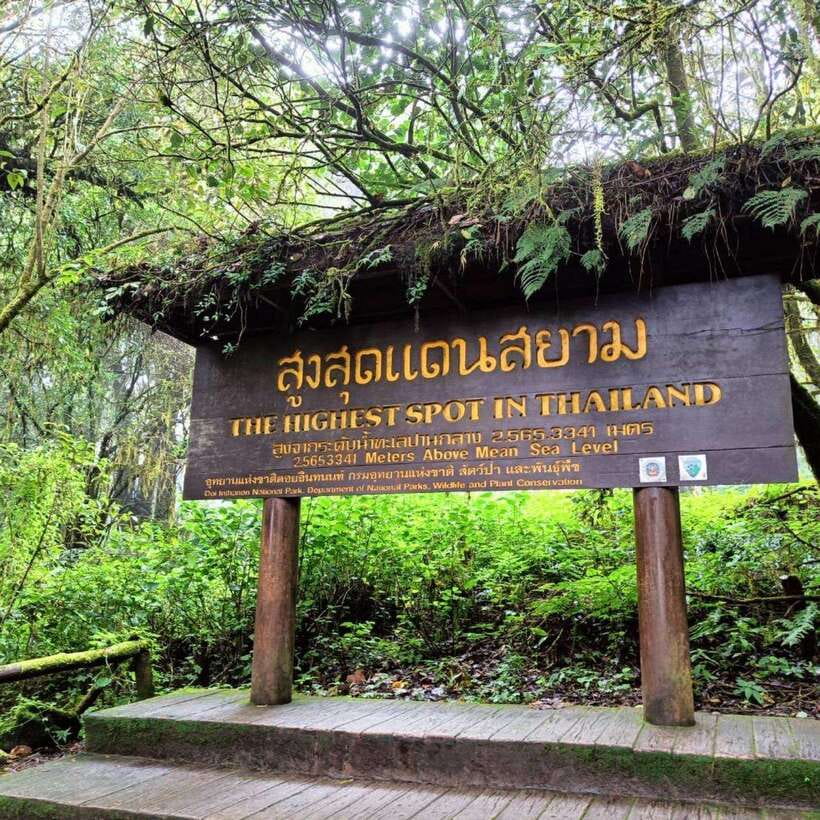
- Thailand’s highest point: what 2,565 meters feels like
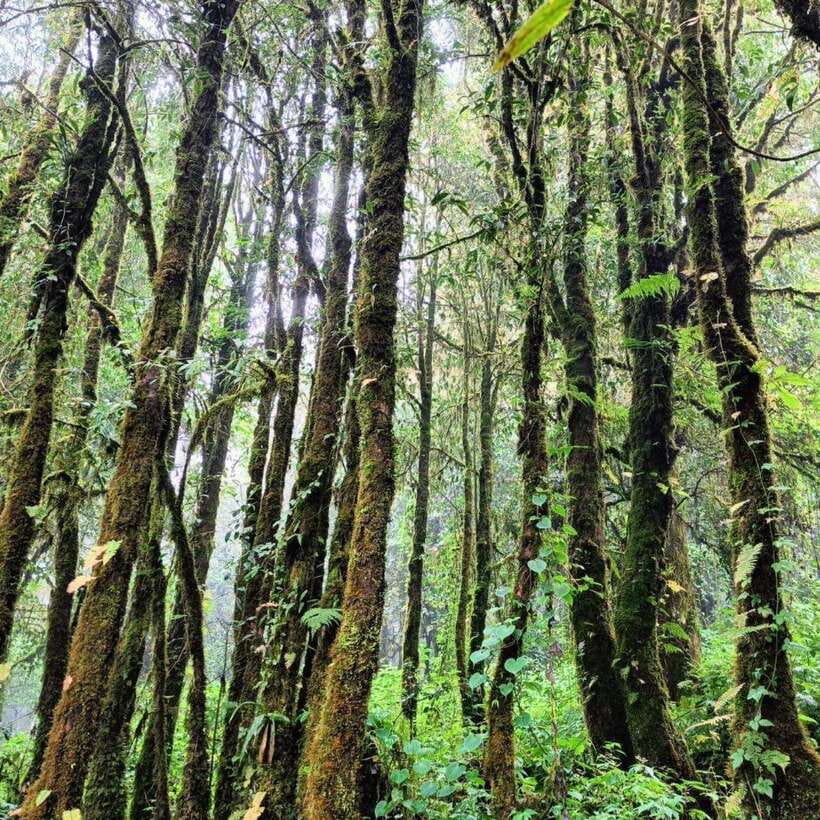
- Ang Ga trail: the short hike that actually pays off
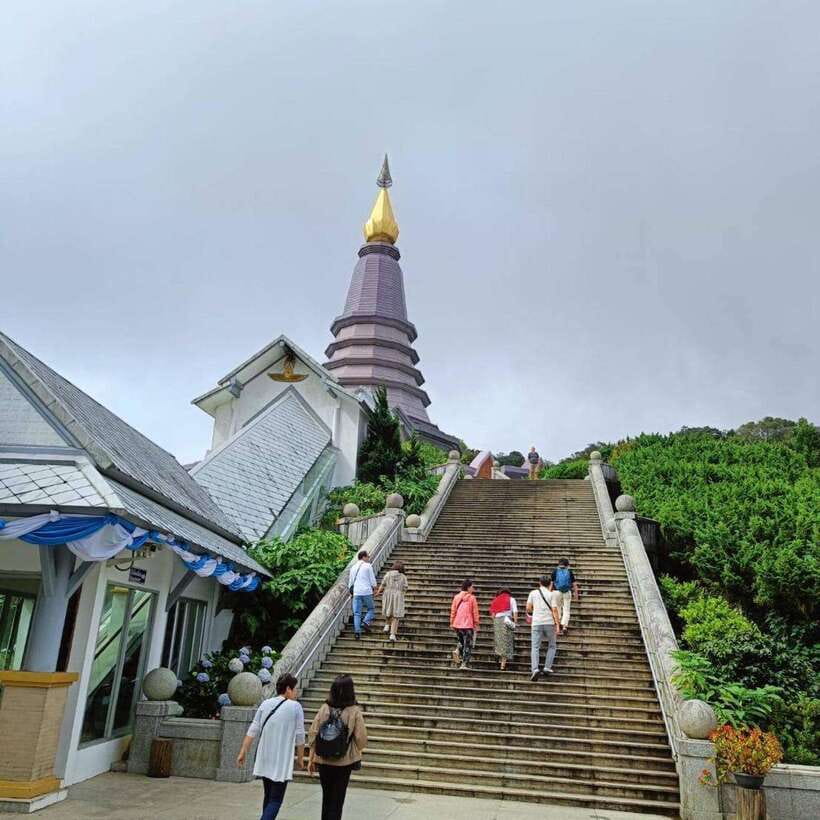
- Twin pagodas at the top: gardens and big views
- Hmong market: quick culture, samples, and local shopping time
- Lunch in the mountains: Thai set menu and timing
- Ban Mae Klang Luang: Karen hill tribes and terrace rice fields
- Wachiratharn Waterfall: spray, slippery paths, and the last big moment
- Price and logistics: is $50 really good value?
- Who should book this day trip?
- The guide factor: why names matter
- Small-group feel: enough flexibility, not chaos
- Should you book Chiang Mai: Doi Inthanon & Wachiratharn?
- FAQ
- What time is pickup for this tour?
- How long is the tour?
- Are entrance fees included in the $50 price?
- What should I bring for Doi Inthanon’s weather?
- Is hotel pickup available?
- Can I cancel for a full refund?
Key highlights at a glance
- Thailand’s highest point (2,565 m): cold-leaning weather year-round, even when Chiang Mai feels warm
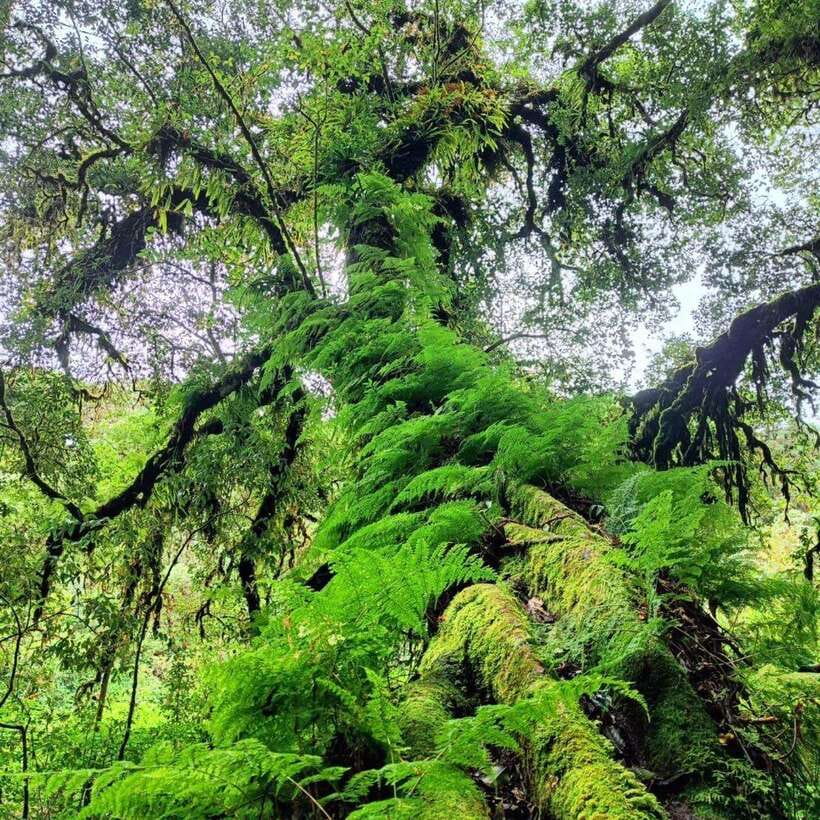
- Ang Ga trail: a manageable 25–30 minute walk for forest views
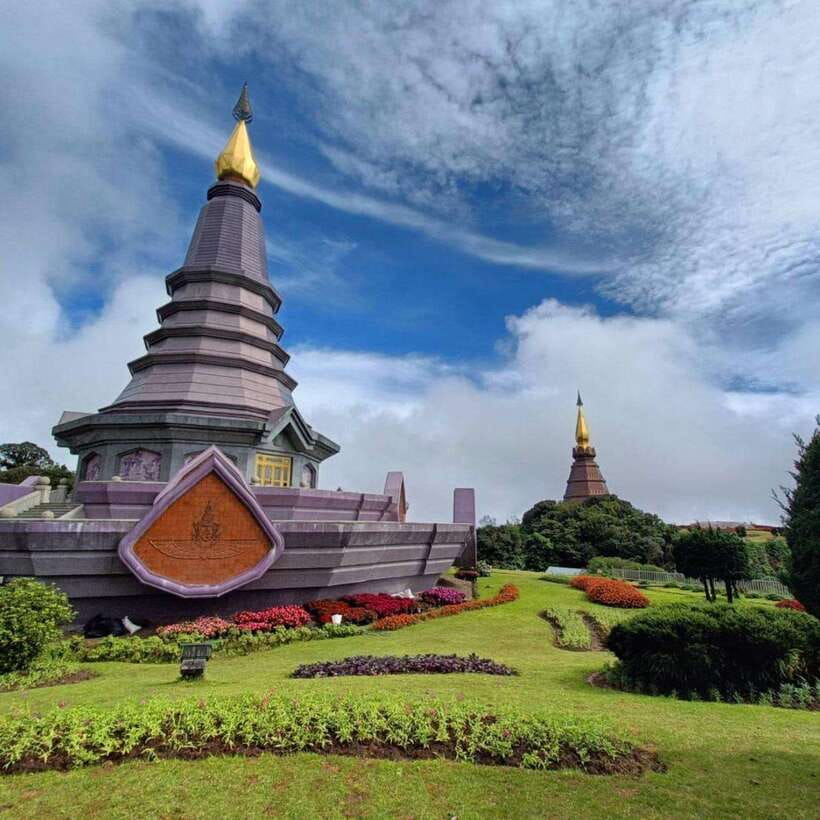
- King and Queen’s pagodas: scenic overlooks plus gardens worth slowing down for
- Hill-tribe stops: Karen community visit and terrace rice fields (season-dependent)
- Wachiratharn Waterfall: expect spray at the final big stop
- Strong guide + comfort: many guides are friendly, organized, and upbeat early in the morning
Getting up the mountain: the drive that sets the tone
You start with a hotel pickup window between 8:00 and 8:30 AM, so you’ll want to be ready early. From Chiang Mai, it’s about 1 hour 45 minutes to Doi Inthanon National Park. That drive matters. As you climb, the air changes. Humidity can be high, but the temperature feels cooler year-round because you’re climbing to the park’s top elevations.
This is also where a good guide earns their keep. Even before the first viewpoint, you’re usually getting quick context about what you’ll see today and what to watch for on the trail—so the day doesn’t feel like a string of random photo stops.
You can also read our reviews of more tours and experiences in Chiang Mai.



Thailand’s highest point: what 2,565 meters feels like
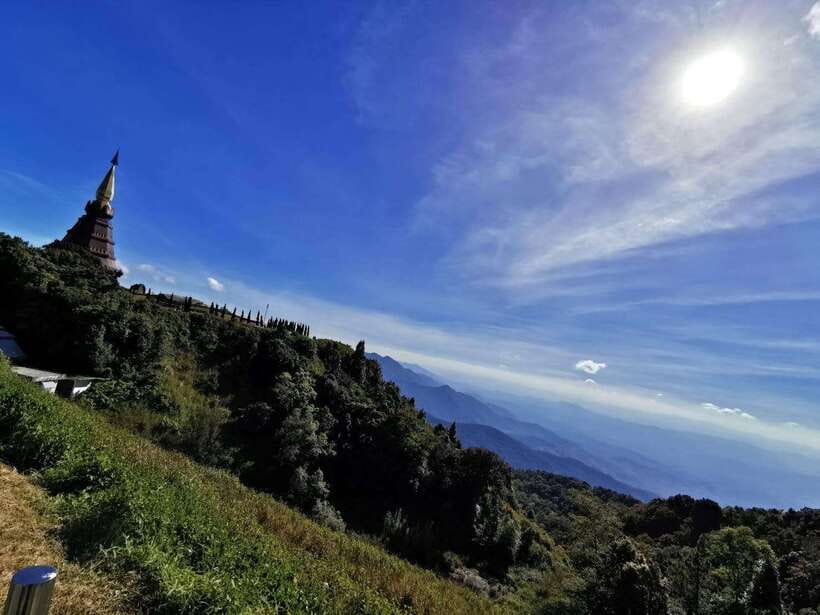
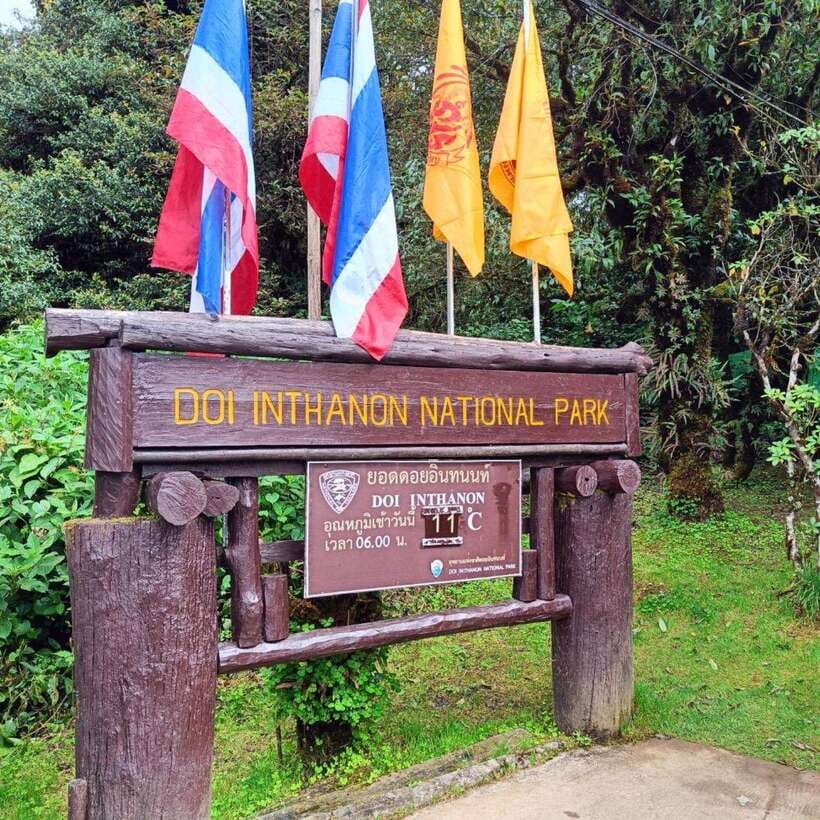
Doi Inthanon is famous because it reaches Thailand’s highest point at 2,565 meters. If you’re coming from the city, you’ll notice the chill right away—especially in the mornings. Bring warm layers even if you think you can tough it out. The tour info is clear: warm clothing is part of the smart kit.
And yes, it can be humid. Cold plus humidity can feel sharper than cold back home. This is where your “what to pack” list isn’t just a suggestion. Plan for: a jacket, long sleeves, long pants, and a hat (sun breaks through near the top). An umbrella is also useful because mist and light rain can show up around waterfalls and higher elevations.
Ang Ga trail: the short hike that actually pays off
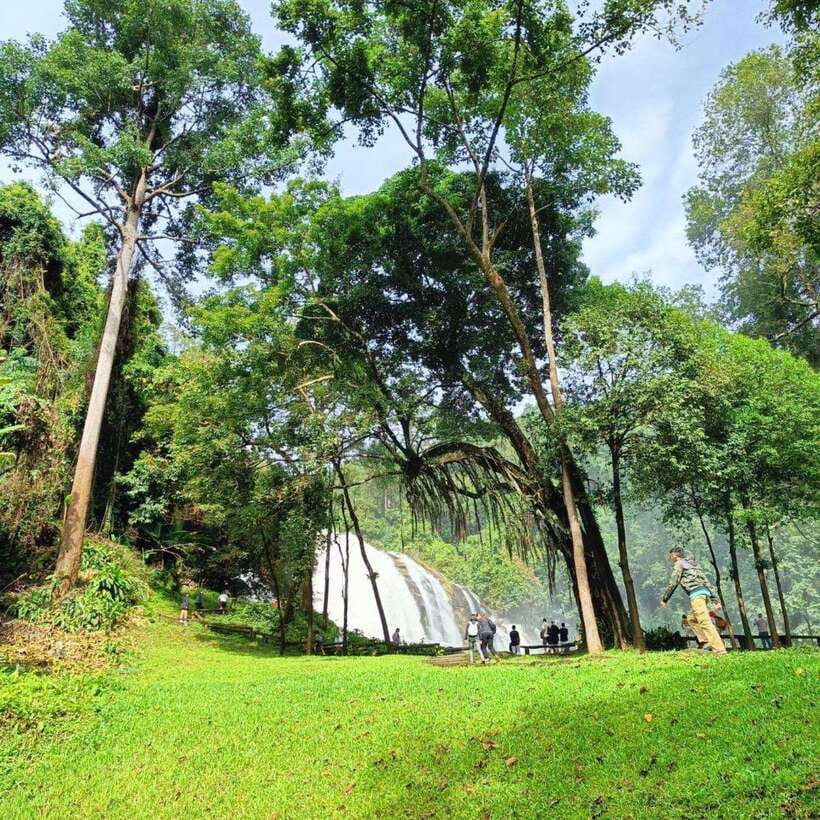
After arriving, you’ll take a 25–30 minute walk on the Ang Ga trail. This is not a long, exhausting trek. It’s timed for most people to enjoy the green forest scenery without needing hiking legs.
What I like about this stretch is the balance. It gives you movement and fresh air, but it doesn’t eat the whole day. If you want a day tour that still feels like you did something, this short hike is the “do it” moment.
A practical note: forest trails can be slippery when humidity is high. You’ll be happier with sports shoes that grip rather than sandals or slick soles. Bring insect repellent too—because even short walks can come with jungle pests.
Twin pagodas at the top: gardens and big views
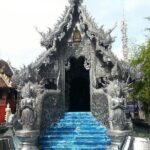
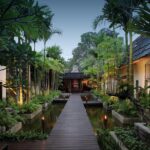
One of the best-feeling stops is the King and Queen’s pagodas. You go here after the park area, and the payoff is a mix of architecture, gardens, and views. The pagodas are known for being pleasant places to pause, not just snap a quick picture.
The views from this high point are exactly why this tour works. At ground level in Chiang Mai, it’s easy to forget how mountainous the region is. Up here, the scale makes sense. You can look out over the hills and feel why local geography matters.
I also like that this isn’t just a photo stop. The pleasant gardens create a slower tempo. If your day tends to feel rushed, this is the kind of place where you can reset your brain and take a breather.
Hmong market: quick culture, samples, and local shopping time
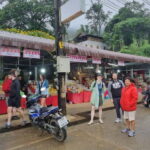
Next comes a market stop: the Hmong Market. This is a short cultural detour that helps break up the driving and hiking. Markets like this often give you a chance to see what people buy and eat, and it’s also a chance to pick up small gifts.
One practical tip: marketplaces are sample-friendly. There’s mention of lots of samples to try before you buy local produce. If food tasting is your thing, arrive with an appetite.
If you’re sensitive to crowds or loud spaces, keep your expectations realistic. A market stop is usually not serene. But it’s brief enough that you can enjoy it without it taking over the day.


Lunch in the mountains: Thai set menu and timing
Lunch is a Thai set menu. It’s included, and that matters for value. After walking and viewpoints, food is usually where energy returns.
Also, this is one of those spots where a tour’s organization shows. In one account, a vegetarian traveler was given a suitable menu option rather than being told to “figure it out.” So if you have dietary needs, it’s worth communicating them to the provider before the day starts.
Watch your timing here. If you get lunch a bit late, the waterfall visit can start to feel tight. Still, the day’s schedule is built so you can enjoy each stop without sprinting from one place to the next.
Ban Mae Klang Luang: Karen hill tribes and terrace rice fields
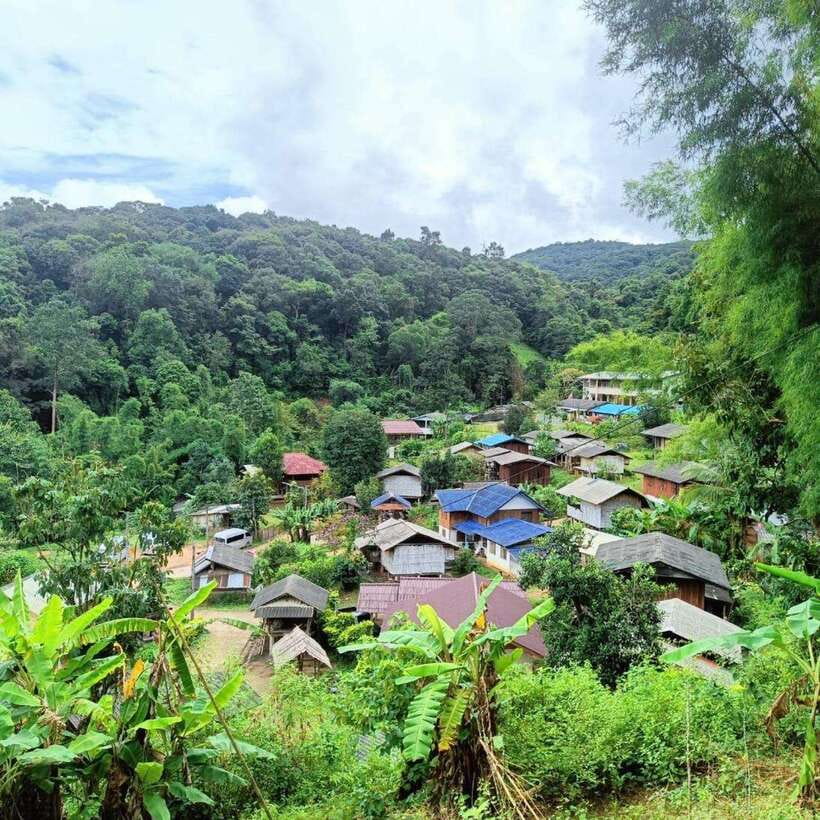
After lunch, you head to Mae Klang Luang (often called Ban Mae Klang Luang). This part is all about people and the way they farm. You’ll visit Karen hill tribes and see terraced rice fields.
The terrace fields depend on season. In some months, you’ll see more vivid green and active growth. In others, the terraces might look different. That means you should think of this stop as learning about the relationship between hillside farming and daily life—not just as a guaranteed postcard view.
A big plus: this stop often includes a cup of freshly ground, locally grown coffee. Coffee like this tends to taste different because it’s fresh-ground and tied to the local growing area. And it’s a nice break before the waterfall.
Cultural visits can be sensitive. The tour format here is designed to be educational and respectful. Just be mindful with photos and ask before shooting close-ups of people.
Wachiratharn Waterfall: spray, slippery paths, and the last big moment
The day’s final thrill is Wachiratharn Waterfall. This is usually the stop where you’ll get wet—at least a little. One practical warning: the paths around the falls can be slippery. Bring shoes with grip, and take your time on slick surfaces.
This is also the kind of place where safety is worth your attention. The tour includes time to see the waterfall, but you should still move carefully. If you’re the type who rushes for the perfect angle, slow down here. Wet rock does not forgive fast feet.
Another helpful tip: since it’s the last big stop, you’ll want your camera ready, but also your mindset calm. Enjoy the spray and then plan for the ride back.
The drop-off back in Chiang Mai is roughly 6:00–6:30 PM, depending on timing and traffic.
Price and logistics: is $50 really good value?
At $50 per person for a 9-hour tour, this is priced like a mid-range day trip, not a budget shuttle. The value comes from what’s included:
- Air-conditioned transportation
- English-speaking guide
- Lunch (Thai set menu)
- Entrance fees only if selected (but note that some park/pagoda fees may be extra)
- Hotel pickup and drop-off (if your option covers your location)
- Drinking water and accident insurance
However, don’t skip the fine print on entry costs. The National Park fee is listed as 300 Thai baht per person, and the Twin Pagodas fee is 100 Thai baht per person. Depending on what you select, you may pay those separately on the day.
So how do you judge value?
- If you want a guide to explain what you’re seeing (and not just drive you around), this is a strong deal.
- If you hate paying extra for entrances, budget for the likely fees or confirm what’s included in your specific booking option.
- If you’re doing this without your own car, the price feels more fair because transport plus guiding is hard to replicate yourself at similar quality.
Who should book this day trip?
This tour is a great fit if you:
- Want big variety in one day: high-altitude nature, pagoda views, market time, hill-tribe culture, and a major waterfall
- Prefer a guided format because it adds context you’d miss on your own
- Don’t want the stress of driving in mountain traffic while managing stops
It’s also a good choice if you’re staying in Chiang Mai and want a day outside the city that still stays manageable.
It’s not suitable for people with heart problems, and you should listen to that guidance. The tour involves altitude, walking, and stair-like paths around viewpoints and waterfall areas.
The guide factor: why names matter
One reason this tour rates highly is the human side—guides who keep the day moving without pushing people too hard. In the accounts provided, English guides like Ize, Mumu, and Austin are described as friendly, organized, and full of practical information. Drivers like Mr. Arm and guides such as Piano/Porpia also get credit for keeping things smooth.
You can treat that as a signal: you’re more likely to get a guided day that makes sense than a mechanical tour where you only follow. And because the pickup happens early, a guide who stays upbeat and communicates well can make a huge difference before breakfast energy fades.
Also, communication matters. You may be asked for a WhatsApp number or Thai telephone number so they can coordinate contact for pickup.
Small-group feel: enough flexibility, not chaos
This tour notes private or small groups available. That usually means you get better pacing. Instead of the classic big-bus feeling, you tend to have time to look around and ask questions.
Even when it’s a group day, the goal is a day with breathing room: enough time at pagodas and viewpoints to actually take in what you’re seeing, plus enough time for the waterfall at the end.
Should you book Chiang Mai: Doi Inthanon & Wachiratharn?
I’d book it if you want one of the most efficient ways to experience Doi Inthanon without planning and driving it yourself. The combination of Thailand’s highest point, pagoda views, hill-tribe culture, and Wachiratharn Waterfall is a lot for one day, but it’s structured to stay readable and not constant sprinting.
Skip or reconsider if:
- You don’t handle wet, slippery walking well (the waterfall is a key part of the experience)
- You want a super short day, because this is a 9-hour outing
- You have heart concerns or other medical limitations related to altitude and walking
If you’re comfortable with a full day and you pack warm layers, good shoes, and insect repellent, this tour is a solid pick for your Chiang Mai itinerary.
FAQ
What time is pickup for this tour?
Pickup is typically from 8:00 AM to 8:30 AM. The meeting point is where you should arrive about 5 minutes early for the 8:00 AM start time.
How long is the tour?
The total duration is about 9 hours, with drop-off back in Chiang Mai around 6:00–6:30 PM.
Are entrance fees included in the $50 price?
Entrance fees are not automatically included. The National Park fee is 300 Thai baht per person, and the Twin Pagodas fee is 100 Thai baht per person (unless your booking option includes them).
What should I bring for Doi Inthanon’s weather?
Bring warm clothing, a jacket or long-sleeved shirt, long pants, hat, umbrella, insect repellent, and sports shoes with good grip. A camera is also useful.
Is hotel pickup available?
Pickup is optional, especially if you’re in Chiang Mai old city within 2 kilometers. If you’re farther away, you should choose the meeting point option.
Can I cancel for a full refund?
Yes. You can cancel up to 24 hours in advance for a full refund.