REVIEW · CHIANG MAI
Half Day Chiang Mai Cooking Class and Market Taste Tour
Book on Viator →Operated by Oh-Hoo · Bookable on Viator
Five Thai dishes in just a few hours. This half-day market taste tour and cooking class pairs a local food hunt with cooking instruction, so you actually understand what you’re buying and why. I like the way you get both the hands-on cooking time and the street-food tasting time, not just one or the other.
One watch-out: if you rely on fluent English during the shopping portion, you may find questions a bit harder at the market. The class is led by an English-speaking instructor, but the market walk is fast and you’ll be focused on choosing ingredients.
In This Review
- Key things to know before you go
- Coconut Shell meeting point, pickup radius, and how the timing works
- The market part is not just walking
- Market tasting: what you’re learning before the stove
- Cooking class focus: making 5 Thai dishes with step-by-step guidance
- The dish list you’ll work through
- Small class size helps you actually cook
- Vegetarian options and dietary restrictions: what’s supported
- What you get included (and what you don’t)
- Learning to cook at home: the recipe delivery matters
- Price and value in Chiang Mai terms
- Who this works best for (and who should choose another plan)
- Practical tips so you get the most out of the 3 hours
- Should you book this half-day class?
- FAQ
- How long is the Half Day Chiang Mai Cooking Class and Market Taste Tour?
- Is there a choice of morning or afternoon sessions?
- Where do I meet, and where does the tour end?
- Do you offer pickup?
- What’s included in the price?
- Can vegetarians join and is there vegetarian cooking?
- How much does a non-cooking participant pay?
- When will I receive the recipes and pictures?
- What happens if the weather is poor?
Key things to know before you go
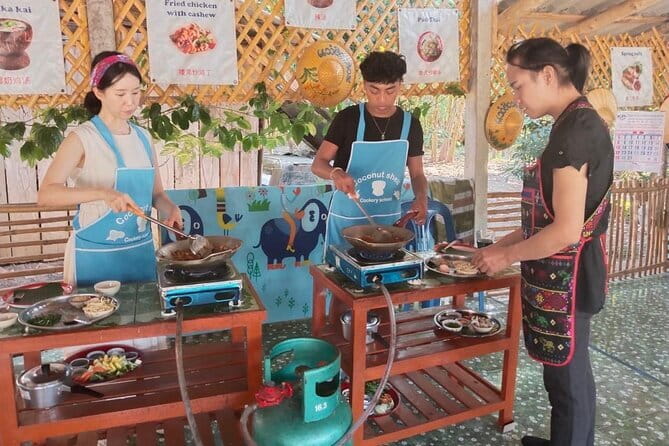
- Market first, then cooking: You start at Coconut Shell Thai Food, then move from sampling to cooking.
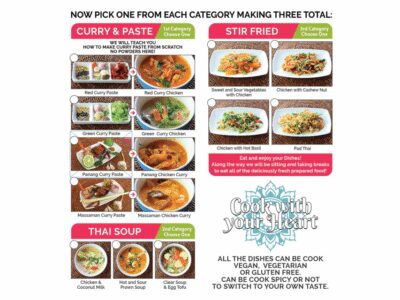
- 5 classic dishes (with choices): The menu covers salads, stir-fries, soups, curries/curry paste, and Thai noodles plus desserts.
- Small group size: Cooking classes are capped at 10 guests per session.
- Vegetarian options are built in: Vegetarian options are available across the 5 menus, and other dietary restrictions can be accommodated.
- Recipes after the class: You’ll receive recipes and pictures by email or WhatsApp after the session.
Coconut Shell meeting point, pickup radius, and how the timing works
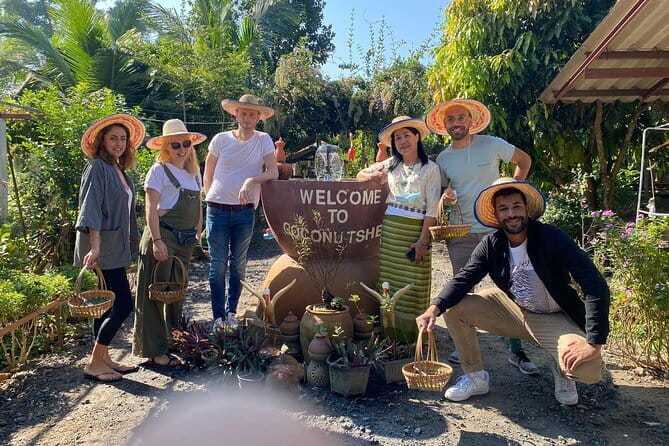
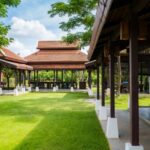
Your adventure starts at Coconut Shell Thai Food on Ratchamanka Rd in Chiang Mai, and the activity ends back at the same meeting point. The total time is about 3 hours, and the operator offers a choice of a morning or afternoon session, which is handy when you’re juggling temple visits, a night market, or just keeping the day realistic.
If you’re staying close by, you may be picked up for free within a 5 km radius of Coconut Shell Restaurant. The details also say the meeting point is near public transportation, so you’re not locked into pickup if your hotel is farther out.
This half-day format is one of the best ways to “sample and learn” in Chiang Mai without spending half your daylight stuck in a class room. You’re working in two modes: tasting while you’re out, then cooking while you’re in.
You can also read our reviews of more shopping tours in Chiang Mai
The market part is not just walking
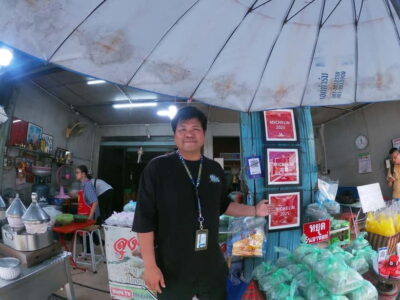
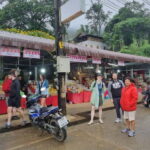
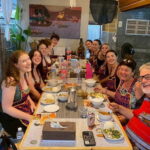
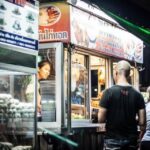
The market portion is built around picking out ingredients you’ll later use in your dishes. Expect lots of herbs, vegetables, and Thai staples, plus street-food style tasting along the way. You’ll get a chance to compare what looks similar, smell the different aromatics, and connect ingredients to the flavors in Thai cooking.
This is also where you’ll want to bring your “question mindset.” Even with an English-speaking instructor, the shopping portion can move quickly, and you’ll get more out of the experience if you’re ready to ask what each ingredient does and how it changes the final dish.
Market tasting: what you’re learning before the stove
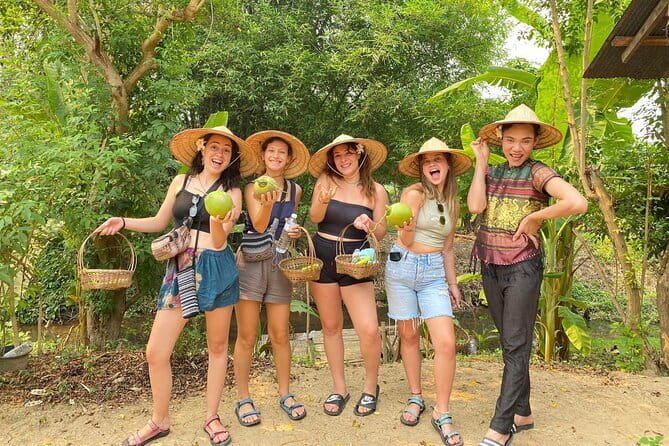
The market taste tour is the first “education step,” because it sets you up for the cooking class. Instead of just learning recipes by instructions, you’re seeing what real Thai ingredients look like in the supply chain—right where locals buy them.
You’ll likely notice three things as you go:
- Fresh aromatics matter: Thai flavors often start with herb-like ingredients and spice mixes.
- Salad and stir-fry choices have logic: what you choose in the market affects what you can make later.
- Tasting is part of the curriculum: sampling street-food style bites helps you recognize texture and seasoning levels before you cook.
And since non-cooking participants can join the market tour, it’s also a good setup if you’re traveling with someone who doesn’t want to cook. They can come along for the ingredients and tastes, while you handle the cooking.
Cooking class focus: making 5 Thai dishes with step-by-step guidance
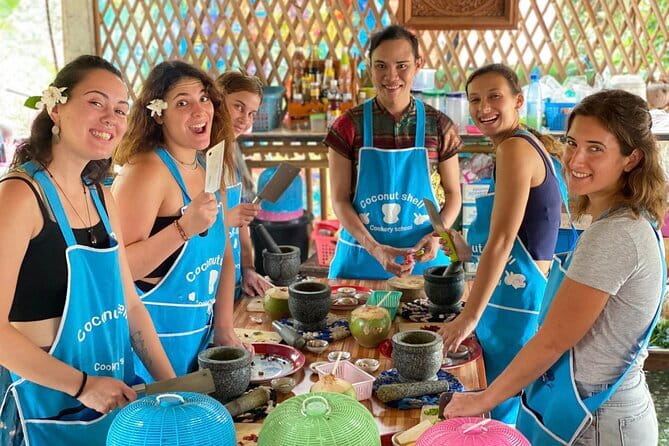
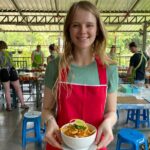
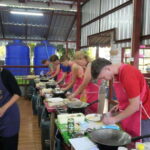
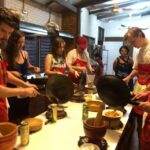
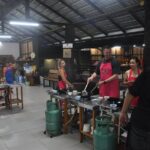
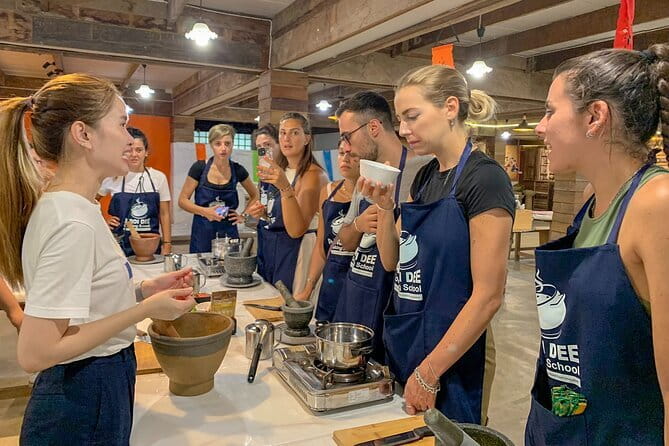
After the market, you shift from tasting to doing. The hands-on cooking class is guided by an English-speaking instructor, and you’ll chop, stir, and season as you build your dishes.
The most important detail is that the class isn’t trying to cram in “everything Thai.” It aims for depth through a clear set of five classic Thai dishes, using a defined menu. That structure makes it easier for you to replicate the results later, because you know what you used and you’re not guessing how to adjust a whole menu from memory.
The dish list you’ll work through
The class menu covers:
Salads
- Papaya Salad
- Vermicelli Salad
- Spicy Minced Pork Salad
- Sliced Grilled Chicken Salad
Stir fried
- Fried chicken with cashew
- Sweet and Sour
- Stir-Fried Mixed Vegetables
- Stir Fried Basil and Fried Morning glory
Soup
- Tom Yum Goong
- Tom Kha Khai
- Hot and Spicy Soup
Curry & curry paste
- Green curry
- Red curry
- Panang curry
- Khao Soi Noodle
Noodle
- Pad Thai
- Stir Fried Noodle
- Pad Ki Mao
- Fried Rice
Dessert
- Mango Sticky Rice
- Banana in Coconut Milk
- Fried Banana
That mix is a smart way to learn Thai cuisine because it forces you to practice different flavor systems: sour-spicy salad balancing, wok-style stir-fry technique, coconut milk soups, curry paste building, and noodle/fried rice seasoning.
You can also read our reviews of more tours and experiences in Chiang Mai


Small class size helps you actually cook
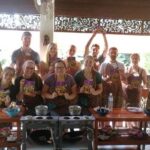
Cooking classes are restricted to 10 guests maximum per session. In plain terms, that size matters. You’ll get time with the instructor during cooking, and it’s easier to ask questions while you’re working rather than after the fact.
The class is also recommended for ages 5 and above, and children and adults are charged the same price. So if you’re bringing kids, you can keep expectations realistic: they’ll likely do a hands-on, interactive cooking experience rather than just watching adults cook.
Vegetarian options and dietary restrictions: what’s supported
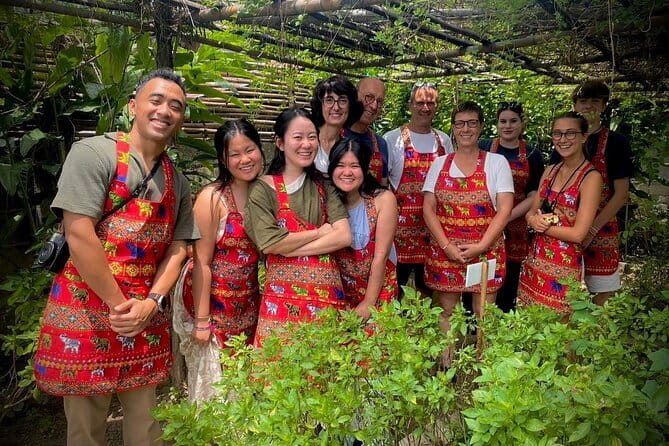
One of the strongest value signals in this experience is that it includes ingredients with a vegetarian option across the 5 menus. The information specifically says vegetarian and other dietary restrictions can be accommodated.
In practice, this means you can book without worrying that vegetarian diners will be stuck with plain rice or a “maybe this works” situation. You should still tell the operator ahead of time about your needs, but the baseline support is there.
If you’re cooking with a group that includes mixed diets, this class format is also simpler. Everyone can be in the same experience, instead of splitting into separate activities.
What you get included (and what you don’t)
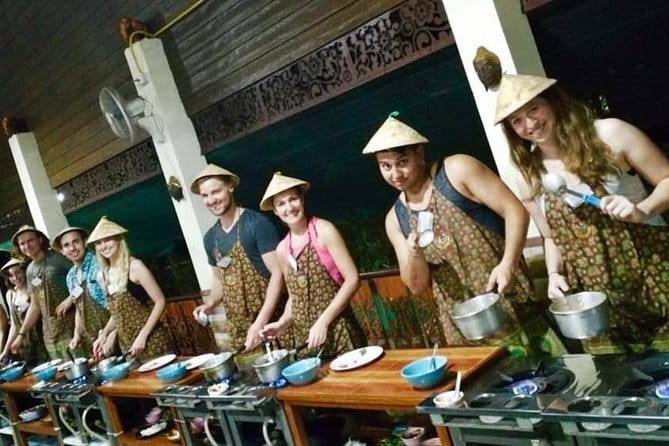
At $33.81 per person, this class is priced like a straightforward half-day value option, especially because several key costs are already covered.
Included:
- Free round-trip transfer within 5 km of Coconut Shell Restaurant
- Drinking water and a snack
- Ingredients
- 5 menus with vegetarian option
- Recipes & pictures sent via email (and also noted as email or WhatsApp)
- Free Wi-Fi
- English-speaking instructor
Not included:
- 600 THB per person for non-cooking guests
That last line is worth your attention if you have a friend or family member joining the market walk but not cooking. If you’re splitting costs between cookers and non-cookers, ask yourself: is the market tasting worth the extra 600 THB, or would you rather pair the class with a separate market visit?
Learning to cook at home: the recipe delivery matters
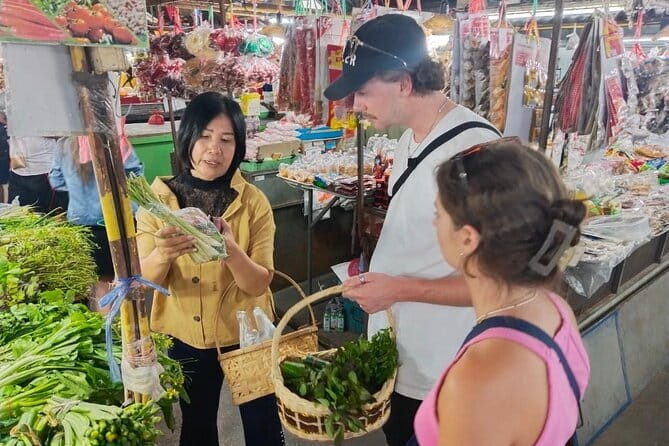
A lot of cooking classes give you a worksheet that’s either too vague or never makes it home. Here, you get recipes and pictures, sent after the session by email or WhatsApp.
That “after” part is where you benefit most. During the class, you’re focused on cooking. Later, when you’re standing in your kitchen deciding what ingredient substitutions to make, having pictures and recipes helps you get back to the original flavor intent.
Also, since the menu includes a wide range—from salads to curries to desserts—you’re not just taking home one trick. You’re taking home a set of dishes you can practice over multiple meals.
Price and value in Chiang Mai terms
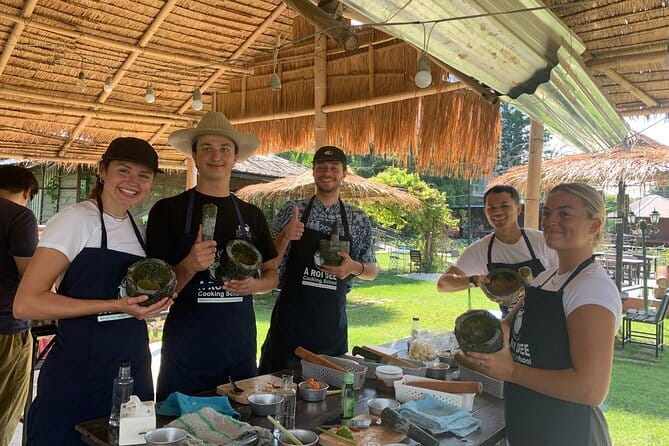
Let’s do the practical math mindset: you’re paying for a structured 3-hour program that includes transport (within a limited radius), ingredients, instruction, and tasting during the market portion. On top of that, you’re receiving recipes and pictures after.
If you’ve taken cooking classes before, you know the usual hidden costs: shopping for ingredients afterward, buying oils and spices you don’t have, or paying extra for recipes. This experience already packages the ingredients and the recipe materials into the price, and the small group size (10 maximum) supports a more personal cooking flow.
What might change the value for you is your travel style:
- If you love hands-on activities, the price feels fair because you’re cooking five dishes rather than one.
- If you’re mainly looking for a scenic market walk, remember there’s a 600 THB fee for non-cooking participants, and the overall focus is cooking-centered.
Who this works best for (and who should choose another plan)
This is a good match if you want a short, memorable food learning session with real results. It fits:
- Families (recommended age 5+ and kids get the same pricing structure)
- Couples who want something shared and interactive
- Solo travelers who like meeting other food-focused people in a small setting
- Groups because there’s a defined menu and vegetarian option
It may be less ideal if:
- You expect long, slow Q&A time during the market shopping. The class is interactive, but the market portion can be fast.
- You’re not hungry. The information says a light breakfast is recommended because a large meal is provided for cooking and tasting. Plan your day so you can actually enjoy what you make.
Practical tips so you get the most out of the 3 hours
Here are the only “do this first” items that directly affect your experience:
- Have a light breakfast before you go. The meal during cooking and tasting is substantial.
- Bring your attention for the market portion. You’re there to learn what ingredients look like and how they connect to the menu.
- If you have dietary needs, confirm them so you can get the vegetarian option or other accommodations.
- Save your contact details if you want the recipes and pictures sent afterward by email or WhatsApp.
- Plan around weather. The experience requires good weather, and if it’s canceled due to poor weather, you’ll be offered another date or a full refund.
Should you book this half-day class?
Yes, if you want a compact, hands-on way to understand Thai cooking ingredients and flavors. The combination of a market taste tour plus a cooking class with five classic dishes is a strong setup for learning quickly, and the vegetarian option makes it easier to book with mixed diets.
Skip it—or pick another format—if your biggest goal is a calm, leisurely market stroll with lots of time to chat, because the class is structured and the market portion can require you to keep moving.
If you’re in Chiang Mai for a short stay, this is a very practical use of time: you leave with both food memories and actual recipes you can use at home.
FAQ
How long is the Half Day Chiang Mai Cooking Class and Market Taste Tour?
The experience runs for about 3 hours.
Is there a choice of morning or afternoon sessions?
Yes. You can choose between a morning or afternoon session.
Where do I meet, and where does the tour end?
You meet at Coconut Shell Thai Food, 42/4 Ratchamanka Rd, and the activity ends back at the same meeting point.
Do you offer pickup?
Yes, free round-trip transfer is offered within a 5 km radius of Coconut Shell Restaurant.
What’s included in the price?
The price includes drinking water and a snack, ingredients, recipes and pictures (sent by email), English-speaking instruction, and free Wi-Fi. It also includes 5 menus with a vegetarian option.
Can vegetarians join and is there vegetarian cooking?
Yes. There are vegetarian options within the 5 menus, and other dietary restrictions can be accommodated.
How much does a non-cooking participant pay?
Non-cooking participants are charged 600 THB per person.
When will I receive the recipes and pictures?
You receive the recipe by email or WhatsApp after the learning-by-doing session is finished.
What happens if the weather is poor?
The experience requires good weather. If it’s canceled due to poor weather, you’ll be offered a different date or a full refund.