REVIEW · CHIANG MAI
Chiang Mai: Historic Old City Bike Tour – Morning or Night
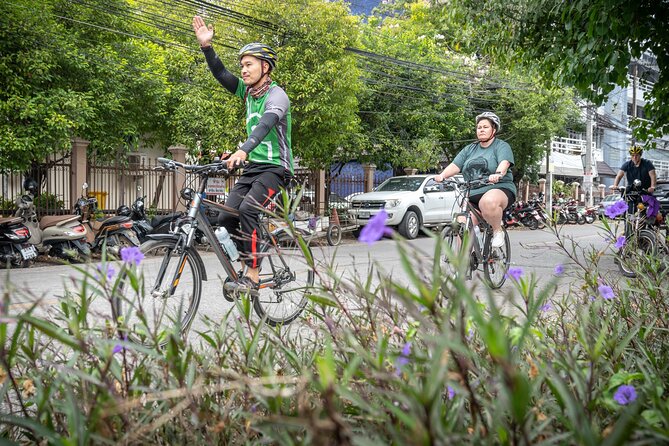
Book on GetYourGuide →Operated by Discova Thailand · Bookable on GetYourGuide
Pedal through Chiang Mai’s Old City in 4 hours. This is one of those rare tours that gives you real bearings fast: you’ll roll past major historic spots like Tha Phae Gate and the Three Kings Monument, then wind through quieter temple lanes at a relaxed pace. I like that the route works in both daylight and after dark, and guides such as Kitty and Mai are often called out for friendly, careful street-leading and clear stories.
Two big wins for me are the chance to ride through back streets (not just the usual front-row temple corridor) and the built-in market stop where you can sample simple bites. One thing to consider: this isn’t for you if you can’t ride a bike or if your body needs a gentler option—plus the dress code is strict (no shorts, short skirts, or sleeveless shirts).
In This Review
- Quick take: what stands out
- Choosing Morning or Night: Pick Your Chiang Mai Mood
- Where You Start: Discova Day Tour Shop and a Smooth Roll-Out
- Tha Phae Gate to Three Kings: Your Quick Map of Old Chiang Mai
- Wat Chedi Luang: Ruins, Scale, and Why It Still Matters
- Wat Inthakhin Sadue Muang: The Meaning of a Symbolic Center
- Wat Chiang Man or Wat Lok Molee: Two Temple Styles, Two Feelings
- Moat Lanes and City Walls: How Defense Shaped the City
- The Market Stop: Simple Snacks, Real Choices
- Cycling Comfort and Safety: What the 12–14 km Means for You
- Temple Dress Rules: Easy to Follow, Worth Taking Seriously
- Price and Value: Why $39 Feels Like a Bargain Here
- Who Should Book This Bike Tour (and Who Should Skip It)
- Should You Book This Tour? My practical call
- FAQ
- How long is the Chiang Mai Historic Old City Bike Tour?
- How far do you ride during the tour?
- How much does it cost?
- Where do I meet the guide?
- Is hotel pickup included?
- What’s included in the price?
- Does the tour offer a morning and a night option?
- What kind of food is included at the market stop?
- What should I wear?
- Is this tour suitable for children?
Quick take: what stands out
- Morning vs night is a different city: rituals and monk life by day, temple lighting and night-market energy by evening
- Small-group feel: you get a guide who can actually manage the pace and answer questions
- Easy cycling distance: around 12–14 km with a relaxed rhythm and helmet included
- Major landmarks, then quiet alleys: Tha Phae Gate, Three Kings area, and temple grounds plus side streets
- Market snack stop included: fruit and simple local tastings, guided so you know what to order
- Temple etiquette built in: donation allowance and guided stops that help you understand what you’re seeing
Choosing Morning or Night: Pick Your Chiang Mai Mood
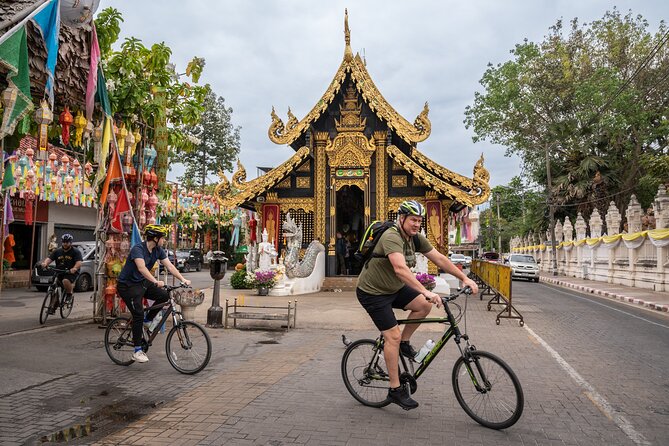
This tour is built for one key choice: morning or night, and both versions feel genuinely different. In the morning, the Old City can feel calmer and more routine—when monks begin daily rituals, it adds a sense of rhythm to the temples you’re seeing. In the evening, many of the temple stops look dramatic with lights on, which makes the same sites feel new.
If you sweat easily, the morning option can be a smart move. If you like atmosphere, evening wins because you’re also more likely to hit the night market scene during the tasting stop. Either way, you’re not stuck with one “tourist-only” route. You’ll be cycling through planned historic areas and temple-adjacent neighborhoods at a pace that lets you actually look.
You can also read our reviews of more cycling tours in Chiang Mai

Where You Start: Discova Day Tour Shop and a Smooth Roll-Out
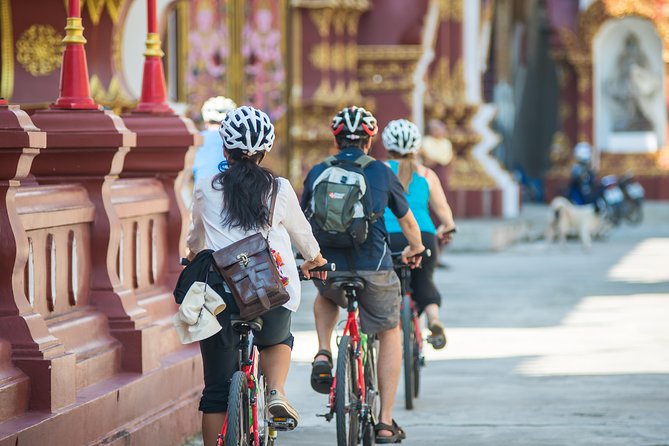
You meet at Discova Day Tour Shop Chiang Mai, located at 10/3 Wiang Kaew Rd, Tambon Si Phum, Muang, Chiang Mai 50200. The shop is near Chang Puak Gate (north gate), and the directions mention a nearby co-working space called Punspace—your office is in front of that.
Arrive about 15 minutes early. That buffer matters because you’ll be getting your bike fitted, grabbing water, and meeting your guide before you roll into traffic patterns. The tour provides helmets and drinking water, which makes the start feel practical instead of chaotic.
Tha Phae Gate to Three Kings: Your Quick Map of Old Chiang Mai
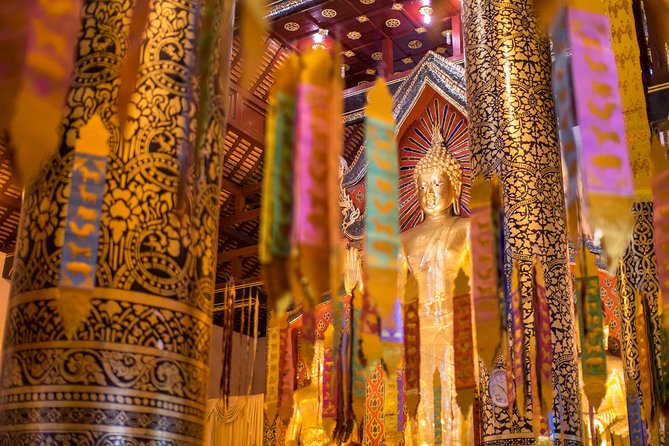
The ride begins as you head into the Old City toward Tha Phae Gate. This isn’t just a pretty landmark. It used to be a main trading entrance into Chiang Mai, so it helps you understand why the city’s “center of gravity” was always here.
From there you continue toward the square area around the Three Kings Monument. This stop connects you to a key story about the founding and shaping of the kingdom. You’ll also visit Wat Inthakhin Sadue Muang, often described as the City Navel Temple—important because it marks a symbolic center for the ancient kingdom.
What I like about this stretch is the way it gives you structure. Chiang Mai Old City can feel like a grid of walls, canals, and temples from the outside. This route helps you translate that into something you can navigate later—so after the tour, you know where to wander on your own.
Wat Chedi Luang: Ruins, Scale, and Why It Still Matters
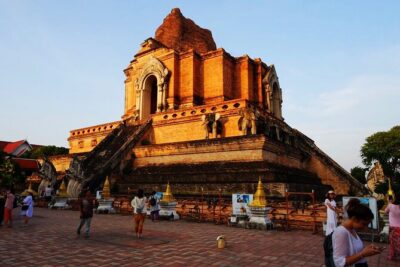
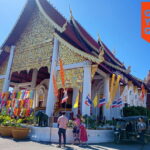
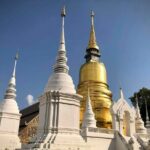
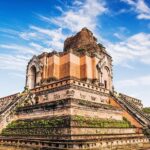
Next comes Wat Chedi Luang, with time to visit and a bit of walking. It’s famous for its huge ruined chedi and for the City Pillar, which is the kind of detail that turns a “temple stop” into a story you remember. You’re not just looking at stone—you’re learning why this site mattered in the city’s old power system.
One practical note: temple grounds involve uneven surfaces and short walks. Your ride might be easy, but your legs still get a chance to stretch, and you’ll want comfortable footwear that works for both cycling and walking.
In the evening version, Wat Chedi Luang can feel extra cinematic with illumination. In the morning version, you may catch quieter moments as monks start rituals, depending on timing.
Wat Inthakhin Sadue Muang: The Meaning of a Symbolic Center
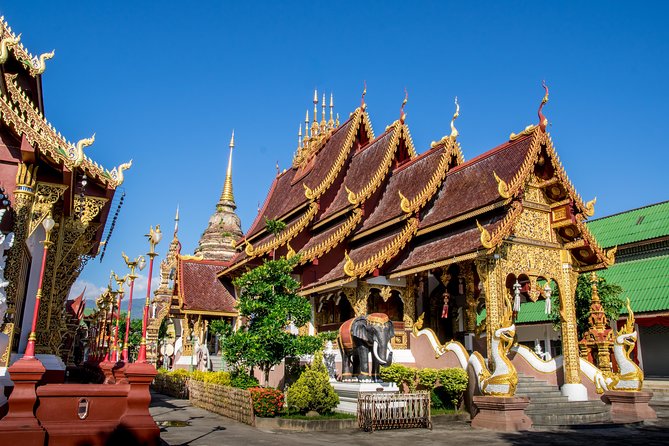
Wat Inthakhin Sadue Muang is where the tour leans into symbolic geography. The City Navel Temple marks the symbolic center of the ancient kingdom, which helps explain why certain temple areas were treated like more than places of worship—they were reference points for civic life and identity.
This is a stop where a good guide makes a big difference. The best rides are the ones where someone connects what you see to what it meant. Guides like T and A are frequently praised for tying Buddhism and local temple culture into stories you can actually follow.
The walking time is short, but the payoff is high: you’ll leave understanding why Chiang Mai’s sacred map isn’t random.
You can also read our reviews of more city tours in Chiang Mai

Wat Chiang Man or Wat Lok Molee: Two Temple Styles, Two Feelings
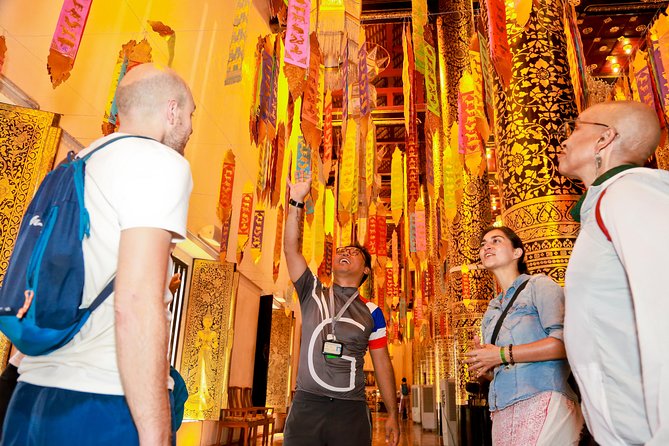
Depending on your departure time, you may pass one of two very different temples.
- Wat Chiang Man is known as the oldest temple in the city. It’s a great choice if you want that deep-old feeling and a sense of continuity.
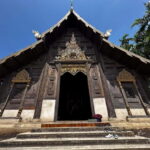
- Wat Lok Molee is described for a Lanna-style wooden viharn and a towering brick stupa. This one can feel more distinctive from a distance because the architecture reads clearly as you ride closer.
If you’re choosing between morning and night, think about your mood. Morning can be more reflective for older temple sites. Evening can make Wat Lok Molee feel like a stage set, especially with lights on and the calmer rhythm of night.
Also, since the tour moves at a relaxed pace, you won’t feel like you’re being herded. You’ll get enough time to look up, not only around.
Moat Lanes and City Walls: How Defense Shaped the City
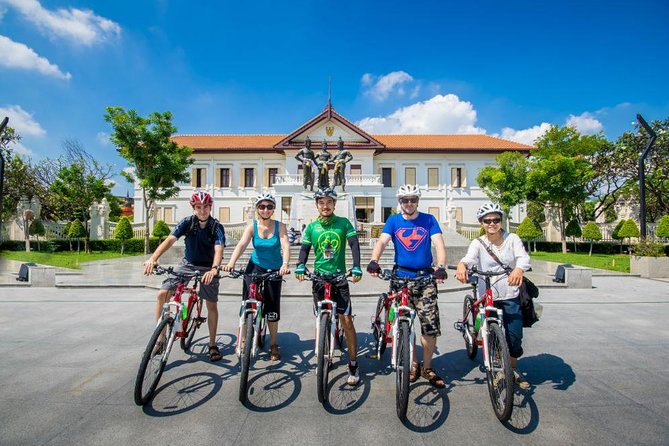
One of the smartest parts of this tour is that it doesn’t treat the Old City like a theme park. You ride along the ancient moat and past sections of the original city walls, which helps you see the Lanna Kingdom as something planned and fortified—not just a cluster of temples.
This context matters because it changes how you interpret the streets you later explore on foot. Once you’ve seen where the walls and moat ran, you can start understanding why certain routes feel like corridors and why key areas sit where they do.
And because cycling happens on a mix of quieter back lanes plus only limited busier segments, the city looks less intimidating. Even in traffic-prone areas, your guide manages crossings and pacing. In reviews, guides like Mai and Don come up often for staying alert and keeping the group together.
The Market Stop: Simple Snacks, Real Choices
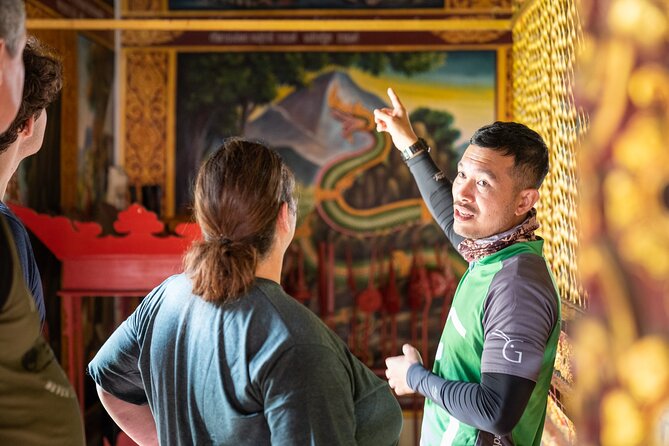
No tour is complete until you eat like the city does. The tour includes a stop at a local market, and the timing changes the flavor of the experience.
- In the morning, you might meet a fresher market vibe with produce and everyday local stalls.
- In the evening, you’re more likely to meet a night market energy with street food and snacks.
You don’t have to know what to order. Your guide helps you try a few simple snacks or fruits, which takes the guesswork out of tasting. Light snacks and drinking water are included, plus there’s a temple donation allowance during temple visits.
From what I’ve seen in guide practices and the kinds of tasting stops people describe, you might end up sampling things like fruit or small Thai specialties. Some guests have mentioned sweet drinks such as mango smoothie and meals nearby like khao soi, but the key is that your tasting is guided and meant to be easy rather than a full meal takeover.
Cycling Comfort and Safety: What the 12–14 km Means for You
The ride covers about 12–14 km at a relaxed pace, which is friendly for most visitors who can ride a bike. The route is designed with practical stops and short walking segments at each major site.
The bikes are described as quality mountain bikes, and you get a helmet. Water is included, and the small-group setup helps the guide manage slower riders and keep you from getting stretched out.
Safety is a major theme here. Reviews frequently highlight guides being careful at crossings and routes that avoid heavy stress where possible. One person even noted a support guide helping with traffic organization, which tells you these rides aren’t casual in a careless way.
If you’re worried about heat or fatigue, the relaxed pace and shaded back lanes can help. Still, bring sunscreen and sunglasses as the tour requests.
Temple Dress Rules: Easy to Follow, Worth Taking Seriously
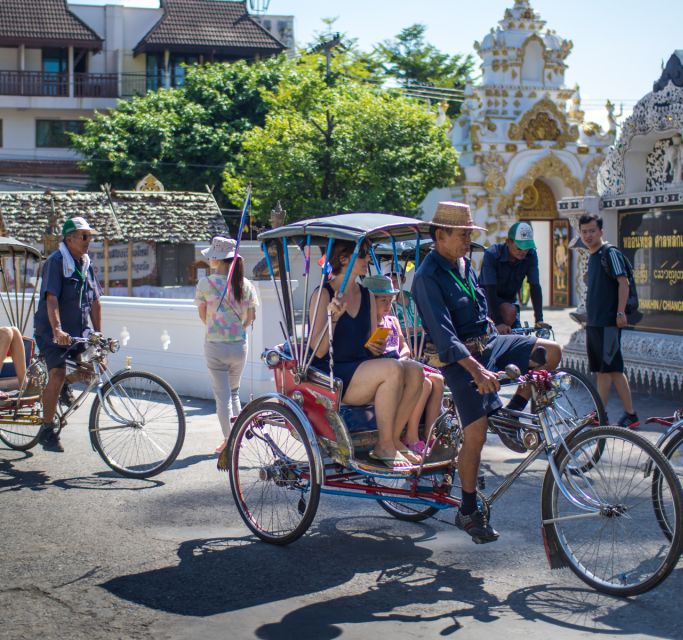
This tour has clear clothing limits: no shorts, no short skirts, and no sleeveless shirts. That matters because you’ll be visiting multiple religious sites, and you want to avoid awkward rejections at the gate.
Plan for covered shoulders and legs. Thailand heat can be intense, but you’ll find light fabrics that still meet the rule. If you pack for temple visits once, you can use the same clothing for other Old City stops too.
Also remember: temples often involve walking on uneven ground. Dress smart, not heavy.
Price and Value: Why $39 Feels Like a Bargain Here
At $39 per person for about 4 hours, the price feels fair because it bundles more than just cycling.
You’re getting:
- a friendly English-speaking guide with stories and context
- helmet and a quality bike
- drinking water and light snacks
- a temple donation allowance
- small-group guidance and accidental insurance
If you try to recreate this day on your own, you’d likely pay for multiple things: bike rental plus a guide, transport between scattered sites, and the food portion (which the market stop handles for you). Here, you get a guided route that connects landmarks to meaning—plus you ride through the neighborhood texture you’d otherwise miss.
It’s also a smart first-day activity. You learn where the walls and moat shape the streets, and you leave knowing which areas you want to return to at your own pace.
Who Should Book This Bike Tour (and Who Should Skip It)
This is a great fit if you:
- want an easy introduction to Chiang Mai’s Old City layout
- like temples but don’t want to do it all by foot
- prefer getting around via small guided group cycling
- value a market stop where someone guides you on what to try
It’s not suitable if you:
- are pregnant
- have back problems
- can’t ride a bike
Families can work well, including families with older children. Child seats are available upon request, but they can only accommodate a child up to 14 kg. If you’re traveling with kids, send your full group details (names and each person’s height) ahead of time.
If you’re a solo traveler, small group tours can feel social without being crowded. If you want maximum flexibility, private options exist, and private tours include hotel pickup and drop-off.
Should You Book This Tour? My practical call
Book it if you want the Old City to make sense fast. The combo of Tha Phae Gate, the Three Kings area, and multiple temple visits—plus that guided market tasting—turns four hours into a strong “orientation day” without burning your whole schedule.
Skip it only if the bike part is a deal-breaker for your comfort, or if temple dress code feels like a hassle you don’t want to manage. For most people who can ride, it’s one of the easiest ways to see Chiang Mai’s historic core with actual context, not just checklist photos.
FAQ
How long is the Chiang Mai Historic Old City Bike Tour?
The tour runs for about 4 hours.
How far do you ride during the tour?
You’ll cover around 12–14 km at a relaxed pace.
How much does it cost?
It’s $39 per person.
Where do I meet the guide?
Meet at Discova Day Tour Shop Chiang Mai, 10/3 Wiang Kaew Rd, Tambon Si Phum, Muang, Chiang Mai 50200. The office is in front of Punspace near Chang Puak Gate.
Is hotel pickup included?
Hotel pickup and drop-off are not included for the standard tour, but private tours include pickup and drop-off at your Chiang Mai hotel.
What’s included in the price?
Included are the guide (Thai/English), a quality mountain bike and helmet, drinking water and light snacks, temple donation allowance, and accidental insurance.
Does the tour offer a morning and a night option?
Yes, you can choose either a morning ride or a night ride.
What kind of food is included at the market stop?
A local market stop is included on all departures, with simple snacks and fruit tasting guided by your local guide.
What should I wear?
No shorts, short skirts, or sleeveless shirts. Bring sunscreen and sunglasses.
Is this tour suitable for children?
It can be suitable for families with older children. Child seats are available on request, but they can only accommodate a child up to 14 kg.