REVIEW · CHIANG MAI
Elephant care program at CHIANGMAI ELEPHANT CARE
Book on Viator →Operated by CHIANGMAI ELEPHANT CARE · Bookable on Viator
You can skip elephant riding and still get close. This Chiang Mai program keeps the focus on ethical care and lets you experience rescued elephants without riding, with hotel pickup built in. One thing to keep your expectations grounded: if you’re hoping for lots of water time, it can depend on the day.
I also love the small-group feel and the practical way you’re taught what elephants do and why. You’ll spend time observing their natural routines (roaming, socializing, and baths), plus you can get hands-on with feeding and preparing protein supplements. If you don’t love walking a bit on uneven ground, it’s worth knowing the tour lists a moderate fitness level.
The setup is friendly and straightforward: an air-conditioned ride, a change into a Mahout-style uniform to protect clothes, and a solid lunch to keep you going until you’re back in Chiang Mai. For many people, that half-day format is the sweet spot—enough time to feel like you had a real encounter, not a full-day slog.
In This Review
- Key highlights you’ll care about
- Ethical elephant care without the riding: what it really changes
- Morning logistics in Chiang Mai: pickup, van comfort, and timing
- The Mahout-style uniform: why you’ll want it
- At the sanctuary: walking, observing, and learning elephant behavior
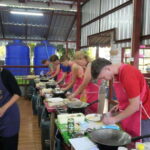
- Feeding and protein supplements: the hands-on part people remember
- Bath time and water expectations: plan for muddy moments
- Lunch included: not fancy, but it stops the hunger problem
- Guides you might meet: the difference between a passable and a great day
- Price and value: $52 buys a lot when transport and lunch are included
- Who should book this elephant care program
- What to pack and wear (so the day stays fun)
- My decision guide: should you book this one?
- FAQ
- How long is the elephant care program?
- What time does pickup happen, and when will I be back in Chiang Mai?
- Is elephant riding included?
- What will I do with the elephants during the visit?
- What’s included in the price?
- What should I bring or wear?
- How large is the group?
- What if the weather is bad?
- Is free cancellation available?
Key highlights you’ll care about
- Hotel pickup and drop-off in Chiang Mai city so you’re not hunting transport on your own
- No riding and a clear focus on observation and welfare in a sanctuary setting
- Small group size (max 12) that tends to make the interaction feel more personal
- Mahout-style uniform on site meant to keep your clothes safe during active parts of the day
- Feeding and protein supplement prep (the hands-on part most people remember)
- Included lunch and bottled water for an easy, low-stress half day
Ethical elephant care without the riding: what it really changes
This is the kind of elephant experience you book with your values intact. The big headline is simple: no riding. Instead of forcing elephants into performances, the day centers on what rescued elephants actually do—roaming, socializing, and following their own rhythms in the sanctuary environment.
That shift matters. When riding is on the table, you’re often stuck in a tour script where the elephant’s needs come second. Here, your “story” is built around observing behavior and learning how caretaking works—plus taking part in safe, welfare-friendly interactions like feeding and making protein supplements.
You’ll also notice the language around sustainability: the program frames your visit as a more respectful alternative to classic elephant tourism. You’re not just taking photos; you’re learning about elephant behavior in natural surroundings and how their daily care is supported.
You can also read our reviews of more tours and experiences in Chiang Mai.



Morning logistics in Chiang Mai: pickup, van comfort, and timing
The day starts early-ish. Pickup from your hotel lobby in Chiang Mai city is scheduled for about 08:00–08:30 am, and you’re dropped back around 2 pm. The full experience runs about 6 hours, which is ideal if you want elephants on a day that still leaves time for night markets, dinner, or even a quick temple stop afterward.
The ride itself is included and done in an air-conditioned vehicle, with bottled water provided. That sounds like a small perk until you’ve been stuck on Thai roads in the heat. You get a scenic drive through northern Thailand’s countryside on the way out, and you change zones without needing to figure out routes, songthaews, or transfers.
Also, the tour includes an insurance component, and it uses a mobile ticket. Those are quiet details, but they add up to a smoother day—especially if you’re not traveling with tons of buffer time.
The Mahout-style uniform: why you’ll want it
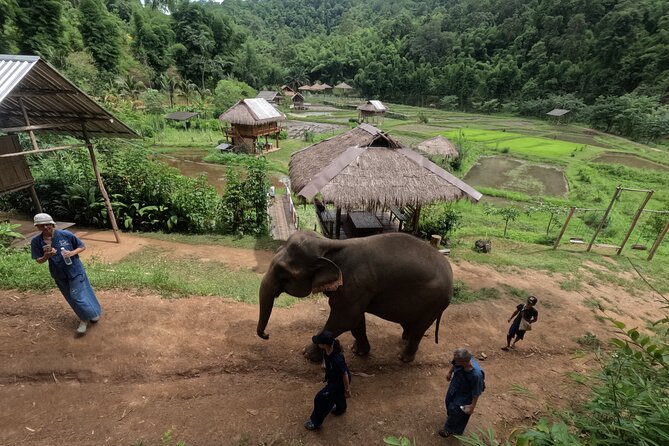
One of the most practical parts of this tour happens right after you arrive. You’ll change into a Mahout Style uniform on site. The stated purpose is to help protect both the elephants and your clothes as the day gets more active.
Think of it as a “be ready for real life” step. Elephant care isn’t a museum visit. There’s walking, feeding, and areas where you might get muddy (at minimum, you’ll want to dress for it).
This uniform also helps set the tone. It’s not just a costume moment—it’s a signal that you’re joining a structured care routine rather than acting like a spectator on a ride.
At the sanctuary: walking, observing, and learning elephant behavior
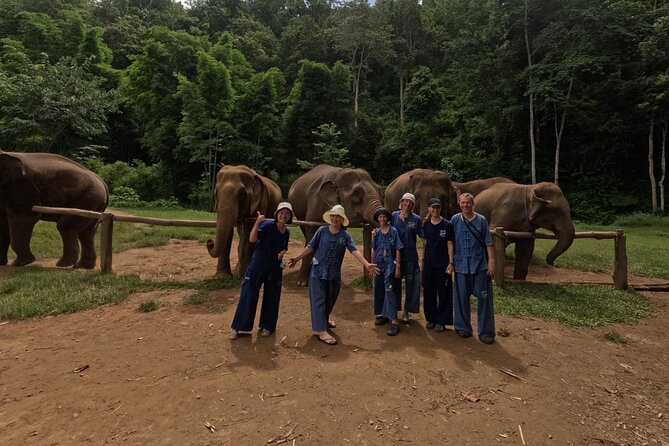
Once you’re in the sanctuary area, the day becomes a loop of gentle activity: observe, learn, move, and repeat. You’ll spend time on a walk and observing elephants in a natural way—as they live, not as a staged attraction.
In the care teaching portion, you’ll also hear about elephant behaviors and traditional feeding-related care practices, including organic herbal dietary supplements. That’s a useful layer, because it connects what you’re seeing (their routines and reactions) to how caretakers support them day to day.
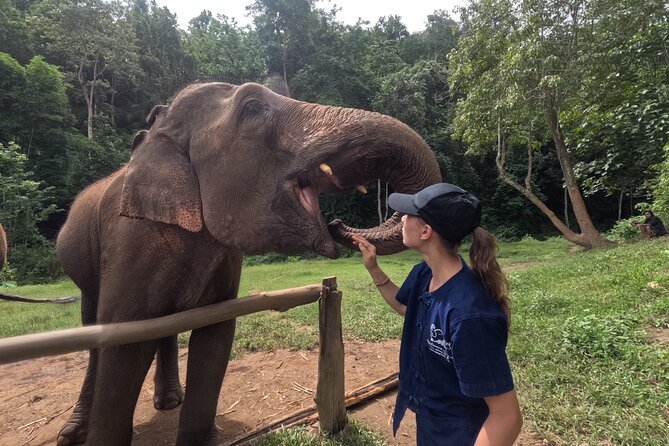
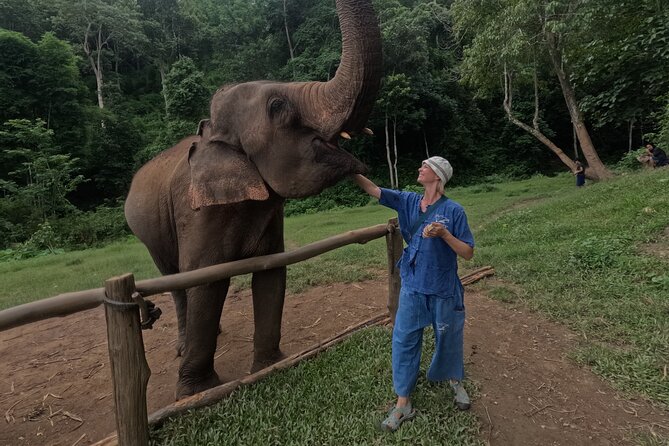
And yes, you’ll get close. The interactions described in the available reviews include feeding and being close enough to feel the scale of these animals. The best part is the balance: you’re not pushed into “touch for photos” moments. Your role is closer to assistant and observer than spectator.
Feeding and protein supplements: the hands-on part people remember
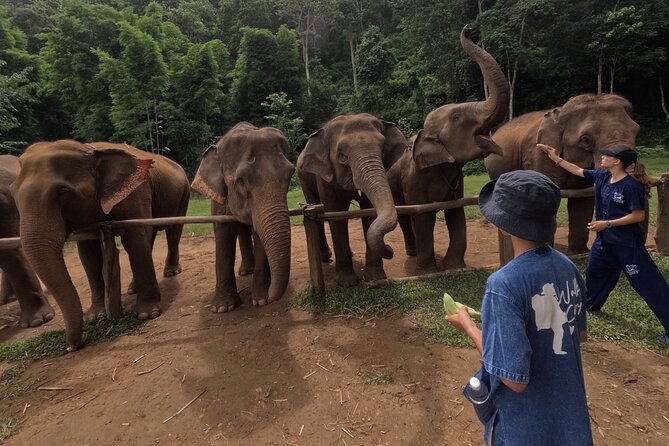
If you’re wondering what makes this visit more than just watching from a distance, it’s the hands-on feeding element and the supplement-making. Multiple reviews highlight you can feed the elephants and make protein supplements (medicine balls) as part of the care process.
This is the kind of activity that sticks in your memory, because you’re doing something tangible. You’re preparing part of their diet routine and seeing how caretaking works beyond the cliché elephant show.
You’ll also be in a setting where the elephants roam and socialize. That matters for photo lovers too. When animals can move naturally, your experience doesn’t feel forced into a single pose line.
A small caution: the number of elephants and the exact flow can vary by the day. There’s at least one note where the experience involved fewer elephants and the visitor didn’t get water interaction as expected. So if you’re traveling with very specific expectations about bathing time, keep them flexible.

Bath time and water expectations: plan for muddy moments
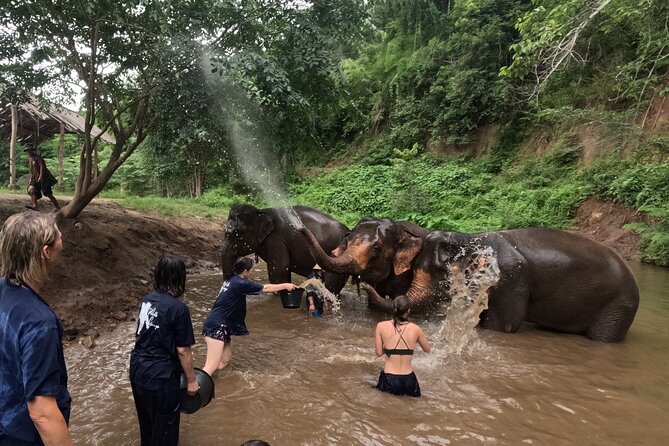
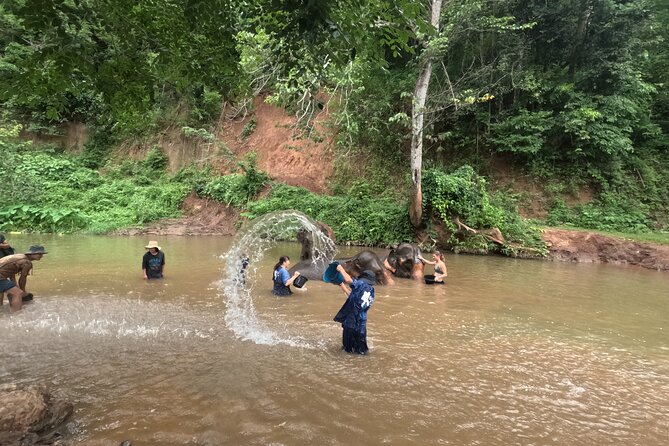
The program describes elephants taking baths and gives time for observation around those routines. Some visitors also mention washing and water time as a highlight, while others suggest water interaction may not happen the same way on every day.
So here’s the practical advice: assume you might get wet or muddy, even if the tour is described as observation-friendly. The “what to pack” list includes essentials like sunscreen and bug spray, and the tour notes you should bring a swim suite, a sandal towel, and bug spray even though bug spray is also listed in the recommended bring list.
That sounds contradictory at first, but the real lesson is simple: wear footwear you can handle getting dirty, and bring what you need if you end up in a water-adjacent moment. One review even mentions rubber boots being provided, which is a huge help if you want to avoid ruining your day with swampy shoes.
Lunch included: not fancy, but it stops the hunger problem
Lunch is included, along with bottled water. Reviews mention a meal like pad thai, and they consistently describe the food as good. This isn’t a gourmet tasting menu day, but you shouldn’t have to spend energy figuring out lunch timing while you’re on the road.
The value here is practical. A half-day elephant program can still be tiring, and a solid lunch means you finish the day comfortable instead of hungry and grumpy at the drop-off.
Guides you might meet: the difference between a passable and a great day
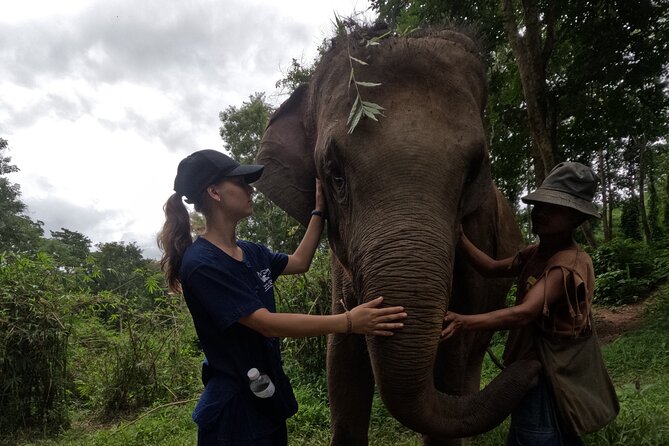
This tour benefits from strong guiding, and the guide names show up clearly in reviews. People mention guides like Tom, Ford, Tong, Todd, and Thong, often praising the way they explain what’s happening and how they care for the group.
You’ll feel it in small things: pacing, answering questions patiently, and translating elephant behavior into plain language. When the guide is good, the whole day changes. You’re not just watching elephants—you understand what you’re seeing.
If English comfort matters to you, the reviews point to excellent English support, which is a big plus for non-Thai speakers.
Price and value: $52 buys a lot when transport and lunch are included
At $52 per person, this is positioned as a value-friendly half-day activity. The key is what’s bundled: hotel pickup/drop-off, an air-conditioned vehicle, lunch, bottled water, fees/taxes, and insurance. Those items are often where “cheap” turns into “surprise costs” on other tours.
You’re also paying for the ethical direction of the experience: no riding, observation-focused time, and structured care interactions like feeding and supplement prep. That changes the product you’re getting. You’re not paying for a shortcut; you’re paying for a care-centered day.
The only time this might feel expensive is if you’re expecting a long, all-day waterfall-and-elephant combo or full water immersion. This is a half-day program, and the schedule is designed around sanctuary behavior and observation.
Who should book this elephant care program
You’ll likely love this tour if you:
- Want an ethical elephant encounter in Chiang Mai with no riding
- Prefer a smaller group (it caps at 12 people)
- Like learning something practical while you’re there—elephant behavior, and how daily care works
- Want hotel convenience: pickup, transport, and drop-off are handled
It may not be your best choice if you:
- Expect guaranteed heavy water play (some days may be more observational)
- Hate getting even slightly muddy or moving over uneven ground
- Need a completely sedentary experience (the tour lists moderate physical fitness)
Families can be a good fit too, because the interactions are framed around safety and welfare, and reviews mention the experience working well for kids.
What to pack and wear (so the day stays fun)
Keep it simple and functional. The tour suggests:
- Sunscreen
- Bug spray
And based on what the day involves (baths and hands-on care), I strongly recommend:
- Clothes you don’t mind getting wet or dirty
- A way to dry off if you plan to bring a towel
- Footwear that won’t ruin your day if it gets muddy
- A swim suit if you’d like to be prepared for bath-time moments
One review notes rubber boots being provided, which is a relief if you’re arriving in sandals or sneakers you like too much.
My decision guide: should you book this one?
Book it if your main goal is a kinder, care-first elephant experience with a realistic schedule. You get the important parts: no riding, time observing rescued elephants in a sanctuary setting, and hands-on feeding and supplement prep. The hotel pickup/drop-off plus included lunch makes it easy to fit into a Chiang Mai itinerary.
Skip or choose carefully if your #1 requirement is guaranteed water immersion or a huge number of elephants every single day. Because the day depends on the elephants’ routines and what’s possible in that sanctuary environment, the details can shift.
If you want an elephant day that feels closer to welfare work than tourism performance, this is a strong option.
FAQ
How long is the elephant care program?
It runs about 6 hours approximately.
What time does pickup happen, and when will I be back in Chiang Mai?
Pickup is scheduled for about 08:00–08:30 am, and drop-off is about 2 pm.
Is elephant riding included?
No. The program explicitly states no riding.
What will I do with the elephants during the visit?
You’ll observe rescued elephants as they roam and socialize, including bath time. You can also feed them and help prepare protein supplements.
What’s included in the price?
Lunch, bottled water, all fees and taxes, an air-conditioned vehicle, and insurance are included.
What should I bring or wear?
Bring sunscreen and bug spray. The tour also notes you may want a swim suite and sandal towel for water-related moments.
How large is the group?
The tour has a maximum of 12 travelers.
What if the weather is bad?
This experience requires good weather. If it’s canceled due to poor weather, you’ll be offered a different date or a full refund.
Is free cancellation available?
Yes. You can cancel up to 24 hours in advance for a full refund, based on the experience’s local start time.