REVIEW · CHIANG MAI
Cooking Evening Class Chiang Mai Visit Organic Garden and Market
Book on Viator →Operated by Siam Garden Cooking School · Bookable on Viator
Market scents meet curry paste magic. This evening class pairs a local market stop with an organic garden visit, so you start with real Thai ingredients and end up cooking dinner your way. One thing to consider: the workflow is designed for speed, so some ingredients may be prepped already, meaning you might not do every single step yourself.
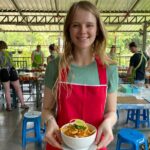
I love that you get real hands-on time at Siam Garden Cooking School, led by hosts like Gift and supported by staff such as Fonnie. You choose what you cook across a six-dish menu, and the class is organized with one person per wok (and one person per mortar for curry paste) plus the option to dial your spice level up or down.
In This Review
- Key highlights to look for
- Market First: Getting Oriented With Thai Ingredients
- Organic Garden Stop: Herbs, Plants, and Where Flavor Comes From
- Cooking School Setup: Six Dishes and Your Own Station
- From Scratch Curry Paste: The Step That Changes Everything
- What You’ll Eat: Dining Indoors and Outdoors
- Diet Options and Menu Choices: Getting Thai Food That Fits You
- Timing and Transport: Why the Evening Works
- Price and Value: What You’re Really Paying For
- Who Should Book This Cooking Class
- Should You Book Siam Garden Cooking School’s Evening Class?
- FAQ
- What time does the evening cooking class start and end?
- Do they pick you up from your hotel?
- What dishes will I cook?
- Are the ingredients included?
- Can I choose a vegetarian, vegan, or gluten-free menu?
- Is lunch or dinner included, and can I take food away?
- Is there a recipe book?
- Is alcohol included in the price?
Key highlights to look for
- Market-to-garden ingredient sourcing before you cook
- Six dishes with your own choices: appetizer, curry paste, curry, stir-fried, soup, dessert
- One person per wok for more hands-on cooking time
- Make curry paste with your own mortar instead of just opening a jar
- Spicy or mild cooking, with options for vegan, vegetarian, and gluten-free
- Eat in comfort indoors with air conditioning or outdoors in the garden pavilion
Market First: Getting Oriented With Thai Ingredients
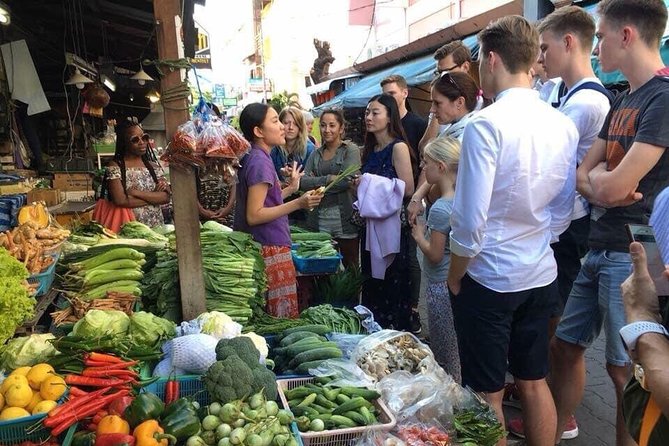
An evening class like this works because it doesn’t start with the stove. It starts with your eyes and nose.
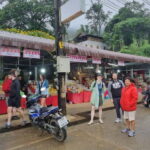
You’ll be picked up from your hotel area in Chiang Mai Old Town around 14:30–15:00. The schedule then shifts into a practical rhythm: about an hour after pickup you hit the market, where you’re not just sightseeing. You’re learning how Thai cooking thinks—fresh aromatics, sauces and pastes built from ingredients, and produce chosen for flavor and texture.
What I like about this approach is that it gives you context for later steps. When you see herbs, chilies, and Thai staples in the market, the cooking instructions land faster. Instead of memorizing recipes, you start understanding why certain ingredients show up in specific dishes.
Also, market time helps you shop smarter after class. If you want to recreate something later, you know what to look for—especially for herbs and the building blocks that turn “something spicy” into a specific Thai flavor.
You can also read our reviews of more shopping tours in Chiang Mai
Organic Garden Stop: Herbs, Plants, and Where Flavor Comes From
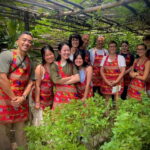
After the market, you’ll go to the cooking school, and then the day’s ingredient education continues in the organic garden. This is the part that turns the market lesson into something you can picture while cooking.
The garden visit matters because Thai cuisine leans hard on herbs—fresh greens, fragrant leaves, and aromatic plants that can feel mysterious if you’ve only had Thai food from outside Thailand. When you’re shown these plants in a garden setting, you’re better prepared to recognize them later (either on a grocery shelf or at another market).
From what you’ll experience in this format, the goal isn’t an academic lecture. It’s practical. You’re meant to leave with a mental map: which herbs go with which kinds of dishes, and how “fresh” changes the final taste.
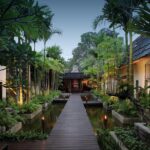
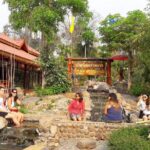
One more small note from the overall vibe of the place: the school grounds are peaceful, and you may even notice resident animals (people often mention dogs being part of the atmosphere). It’s not the point of the class, but it does make the setting feel lived-in, not staged.
Cooking School Setup: Six Dishes and Your Own Station

Once you reach the cooking school around 16:00, you’ll switch from ingredient learning to kitchen action. The class is built around a structured flow with six cooking dishes, and each person gets to choose what they cook for each dish category.
Here’s the key structure you’ll be planning around:
- One appetizer
- One curry paste (this is its own big step)
- One curry
- One stir-fried dish
- One soup
- One dessert
The benefit for you is control. You’re not stuck with one fixed menu. Everyone can pick their own set of options across the six categories, so you can match the cooking to your preferences—milder, spicier, vegetarian, vegan, or gluten-free where available.
There’s also a clear “no standing around” design:
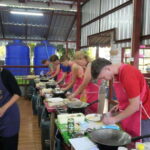
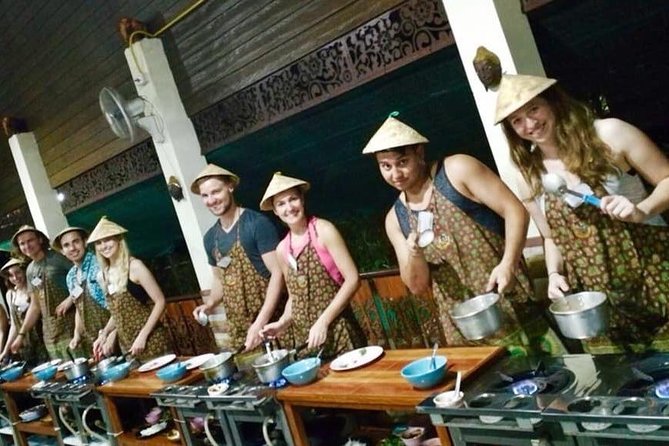
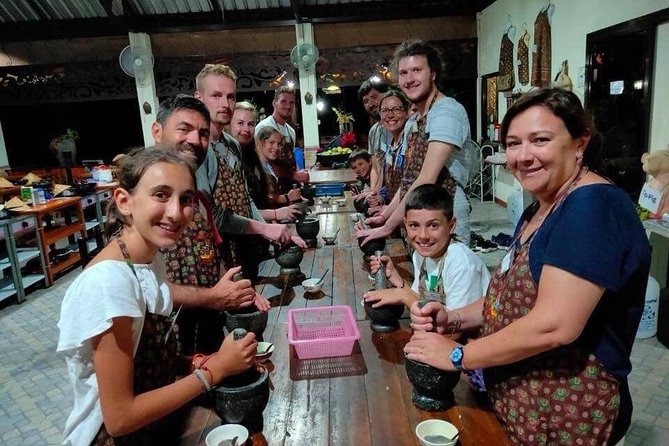
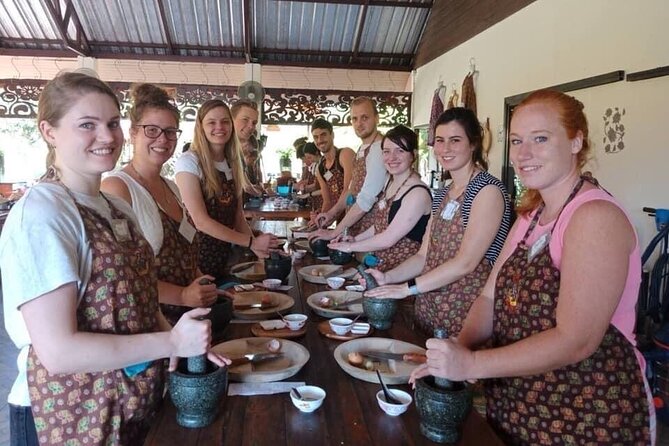
- one person per wok for the dishes
- and one person per mortar for making curry paste
That matters because Thai cooking can be fast and timing-dependent. A system like this keeps you from watching someone else cook while your plate is still fantasy. It’s especially good if you’re a first-timer who wants confidence, not just recipes.
The class includes an English-speaking instructor and ongoing help from the team. Names that come up in the experience include Gift as the cooking master, with helpers such as Fonnie. Expect friendly coaching and a pace that moves you through all six dishes without burning the curry while you’re still learning where the pan goes.
From Scratch Curry Paste: The Step That Changes Everything

If you want one Thai flavor lesson that sticks, it’s curry paste.
A lot of cooking classes skip this because it takes time. Here, you make your own curry paste using a mortar, with one person per mortar. That’s the moment where the market and garden stop matter. When you’ve seen the chilies and aromatics earlier, the paste-making makes sense as more than a ritual.
Two practical things to know:
- Your curry paste choice drives the final curry flavor and heat.
- You can adjust the final spice level—this class offers options to make your food spicy or mild.
That flexibility is a win. If you’re spice-curious, you can push it. If you’re cautious, you won’t end up stuck with something that’s too hot to enjoy.
Also, pay attention as you season and taste. Thai curries are built around balance, not just heat. If you taste as you go, you’ll leave with a better instinct for what to adjust next time you cook at home.
What You’ll Eat: Dining Indoors and Outdoors
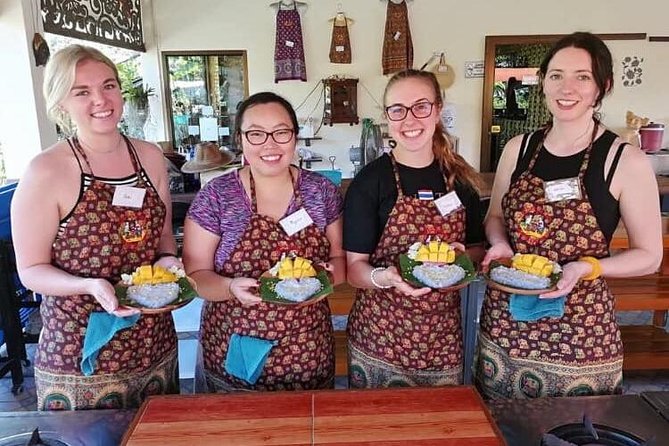
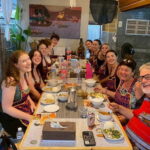
After cooking, you eat what you make. You can also take food away, which is great if you’re worried you’ll feel too full halfway through Chiang Mai dinner plans.
The dining setup gives you two environments:
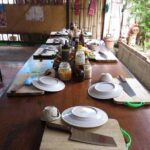
- a dining room with air conditioning
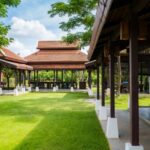
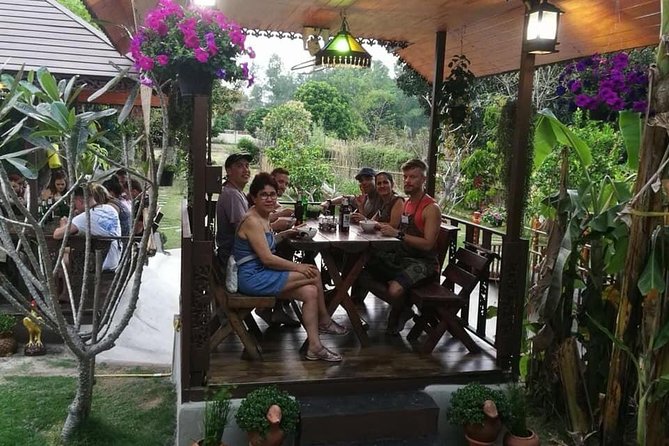
- and open-air seating in a Thai pavilion by the garden
That’s a practical choice, especially in Chiang Mai afternoons when you might be heat-tired but still want that outdoor ambiance.
You’ll likely leave with a surprising amount of food. Because the format is six dishes, you’ll spend the evening tasting and adjusting your spice choices. It’s more like a full meal experience than a snacky class.
Dessert is also part of the cooking goal here. The class teaches glutinous rice for mango sticky rice with mango, so the sweetness is built into the lesson rather than treated as an afterthought.
You can also read our reviews of more tours and experiences in Chiang Mai



Diet Options and Menu Choices: Getting Thai Food That Fits You
One reason this class is such an easy recommendation is that it’s designed to handle different diets.
You can choose meat options and also select vegetarian, vegan, or gluten-free menu options during the menu selection. The class includes selectable menus, and the cooking team works with dietary requests.
If you’re traveling with food constraints, this matters because it’s usually the dining part that becomes stressful. Here, you cook something that fits your needs as part of the main program, instead of being handed a backup meal at the end.
You also get control over spice. That’s a small detail that turns into big comfort. Thai cooking can be intense if you assume all dishes are meant to be mouth-burning. The ability to go spicy or mild keeps the class enjoyable for more people.
Timing and Transport: Why the Evening Works
The evening timing is part of the value.
The course runs roughly from 14:30 to 19:30, and the finish time can shift slightly depending on the group. That window is long enough to include:
- hotel pickup
- market stop
- cooking school arrival and garden visit
- the full cooking sessions
- eating everything you made
Even better, transport from and to your hotel is included for the Chiang Mai Old Town area. If your hotel is outside the pickup range, you might have a different meeting point in the city center, so it’s worth double-checking your pickup instructions when you book.
The practical result: you spend less time coordinating transport and more time learning and eating.
Price and Value: What You’re Really Paying For
At $13.04 per person, this is priced like a bargain compared with many cooking experiences in popular cities. But the value isn’t just the low number—it’s what’s included.
You’re paying for:
- market visit and organic garden access tied to ingredient learning
- all fresh ingredients for cooking
- one person per wok plus curry paste mortar setup
- an English-speaking instructor and team support
- tea, coffee, and drinking water
- a full color online recipe book
- free Wi-Fi and online photo albums
- round-trip transport for the Old Town pickup area
- the option to eat in the air-conditioned dining room or outdoors
When you look at it that way, you’re paying for a complete evening experience built around food, not just a cooking demonstration. You’ll leave with dinner, technique practice, and a recipe resource you can use later.
That said, the one possible drawback ties back to value. Because the class is efficiently organized around six dishes, some ingredient prep may be handled already. You’re still cooking a lot, but you’re not doing a slow, full prep day from raw ingredients only. If you want maximum knife-work on every component, you may want to ask how much chopping you’ll personally do on your chosen menu items.
Who Should Book This Cooking Class
This is a strong fit if you want:
- a structured cooking evening with real Thai ingredients
- hands-on time with your own cooking station
- to cook multiple dishes in one sitting
- a mix of learning and eating in a comfortable setting
- dietary options (vegetarian, vegan, gluten-free) without a separate program
It’s especially good for first-timers who want confidence and a guided path. If you already cook and want advanced technique drills, you might still enjoy it, but you should expect a practical lesson geared toward getting you producing food, not perfecting every small method.
If you’re coming with family, the class format is friendly for novices too, since you’re not expected to have Thai cooking experience.
Should You Book Siam Garden Cooking School’s Evening Class?
If you’re looking for a memorable Chiang Mai evening that combines market learning, an organic garden stop, and cooking six dishes with your own station, I think this is an easy yes.
Book it if you want value, fresh ingredients, and the chance to make curry paste and mango sticky rice as part of the same evening. If you prefer a slower, fully from-scratch prep style where you control every cut and every step, consider that ingredients may be prepped in advance to keep the class moving smoothly.
Either way, go in hungry, tell the instructor how spicy you want your food, and pay attention when you’re tasting while cooking. That’s where the real takeaway happens—so you can recreate the flavors, not just the steps.
FAQ
What time does the evening cooking class start and end?
The class starts at 14:30 and runs until about 19:30, with the exact finish time able to vary slightly depending on the group.
Do they pick you up from your hotel?
Transport from and to the hotel in Chiang Mai Old Town is included. If your hotel is outside the pickup range, you may be directed to a closer pickup point in the city center.
What dishes will I cook?
You’ll cook six dishes: one appetizer, one curry paste, one curry, one stir-fried dish, one soup, and one dessert.
Are the ingredients included?
Yes. All fresh ingredients for cooking are included.
Can I choose a vegetarian, vegan, or gluten-free menu?
Yes. Vegetarian, vegan, and gluten-free menu options are available, along with other meat choices. You should inform the staff during the menu selection on the day of the class.
Is lunch or dinner included, and can I take food away?
You eat everything you prepare, and you can also take food away.
Is there a recipe book?
Yes. You get a full color online recipe book, plus online photo albums and free Wi-Fi.
Is alcohol included in the price?
No. Alcoholic beverages are available to purchase, but they are not included.