REVIEW · CHIANG MAI
From Chiang Mai: Living Green Elephant Sanctuary Tour
Book on GetYourGuide →Operated by Living Green Elephant Sanctuary Chiang Mai and Chonburi · Bookable on GetYourGuide
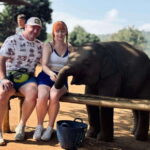
Elephants, with no riding, is the real point. I love the ethical setup here—no chains, no hooks, no shows—and I love how your guide talks through each elephant’s personality while you feed and walk beside them. One thing to plan for: you’ll probably come home smelling like mud and sun, and road comfort can vary a bit since the trip includes a lot of van time.
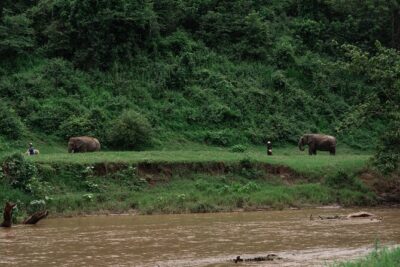
The sanctuary is about 1.5 hours from Chiang Mai, near the mountains around Inthanon National Park, and the vibe is open-air by the river. In other words: no fence-and-concrete feeling, no shops, and not much of the circus energy.
Pick your timing. The half-day version is a focused taste of forest and river time, while the full-day adds hands-on extras like cooking vegetarian pad thai (available starting 2 December), making herbal medicine balls, and planting seedlings for elephant food.
In This Review
- Key things that make this sanctuary tour special
- A no-riding elephant day near Chiang Mai’s mountain country
- Price and value: why $46 can actually make sense
- Before you go: pack for wet clothes and Thai sun
- Entering the sanctuary day in Mo Hom northern clothing
- Feeding and walking: how the interaction stays respectful
- River and mud baths: the moment you plan your clothes for
- Half-day vs full-day: which one fits your schedule and interests?
- Half-day (around 6–7 hours)
- Full-day (9–10 hours)
- Vegetarian pad thai: you’ll eat it either way, and you may cook it
- The extra full-day activities: why herbal balls and seedlings matter
- Photos, comfort breaks, and the small friction points
- Who should book this tour, and who should skip it
- The sanity check: should you book this tour?
- FAQ
- Is elephant riding included in the tour?
- How long are the half-day and full-day programs?
- Does the tour include hotel pick-up and drop-off?
- What does the Pad Thai part include?
- When does the Pad Thai Cooking Workshop start?
- What should I bring for the day?
- Who is this tour not suitable for?
Key things that make this sanctuary tour special
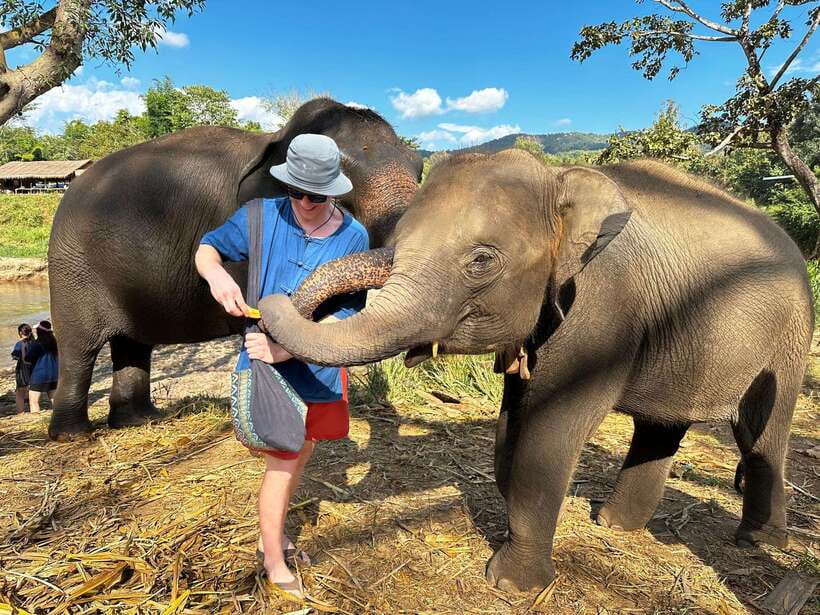
- No riding, no chains, no performances: You’re there to observe and interact in ways built around animal welfare.
- Real guide time with named caretakers: Guides like Pao, Rainbow, John, and Mr Su are reported as passionate, gentle, and informative.
- Mo Hom welcome clothing: You’ll change into traditional northern style before meeting the elephants.
- River and mud baths, handled with care: Elephants aren’t forced into the river during cold weather, and you should still plan to get wet.
- Two program lengths with different payoff: Half-day is great if you’re short on time; full-day adds cooking and extra welfare-support activities.
- Vegetarian pad thai is part of the day: You’ll eat it on both options, and on the full-day you may cook your own (once the workshop starts).
A no-riding elephant day near Chiang Mai’s mountain country
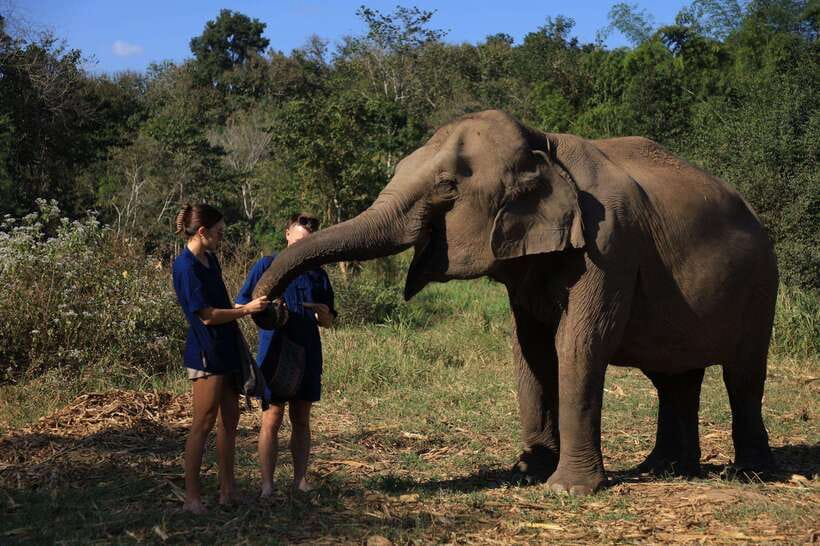
If your definition of an elephant experience includes a seat on the animal or a photo with a hook, you’ll be disappointed. This sanctuary is built around the opposite idea: elephants move naturally, and you join them in ways that don’t push them around.
What I like about this kind of setup is how it changes the whole day. Instead of racing from one stunt to another, you slow down and watch behavior—how they approach, how they test the world with their trunks, and how they decide whether to move on. That’s the point.
This sanctuary sits close enough to Chiang Mai to be practical, but far enough to feel like a real break. The drive passes rivers, rice fields, and plantations, and there’s even a short stop for a viewpoint before you reach the elephant grounds.
You can also read our reviews of more tours and experiences in Chiang Mai.


Price and value: why $46 can actually make sense
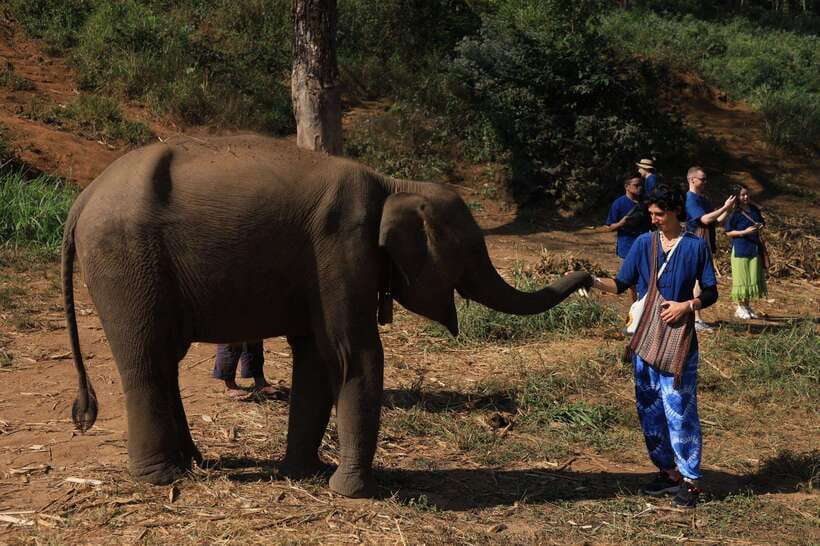
The price is about $46 per person, and that’s not just for elephant access. Your ticket includes hotel pick-up and drop-off, transportation, traditional northern clothing for the visit, and the main elephant activities—feeding and walking, plus river bathing time.
On top of that, you get food (including vegetarian pad thai) and photography service. In plain terms: you’re paying for a whole half-day-to-full-day experience with logistics handled, not just a ticket at a gate.
Full-day travelers get more built in. You may cook vegetarian pad thai, make herbal medicine balls (if selected), and plant seedlings (if selected). If you’re the type who likes learning by doing, that extra cost can feel worth it fast.
Before you go: pack for wet clothes and Thai sun
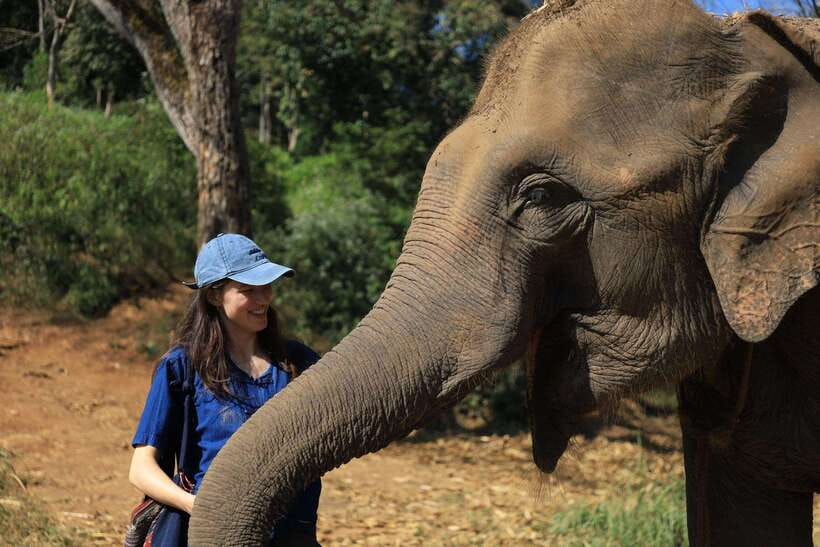
This tour is outdoors, and elephant bathing means water. You’ll want to treat packing like a small beach day—plus a forest walk.
Bring:
- Swimwear
- Change of clothes and a towel
- Sandals and comfortable clothes
- Hat, sunscreen, and insect repellent
- Camera (and be smart about how exposed it is)
- A basic attitude of: I’m here to get messy
Elephants aren’t forced into the river during cold weather, but you still shouldn’t count on staying dry. One person noted having toilets and showers on site, which helps when you need to change after river time.
Also: the rules are straightforward—no smoking, no alcohol, no drugs—and riding the animals isn’t allowed. If you’re traveling with friends who want the classic elephant photo, set expectations early.
Entering the sanctuary day in Mo Hom northern clothing
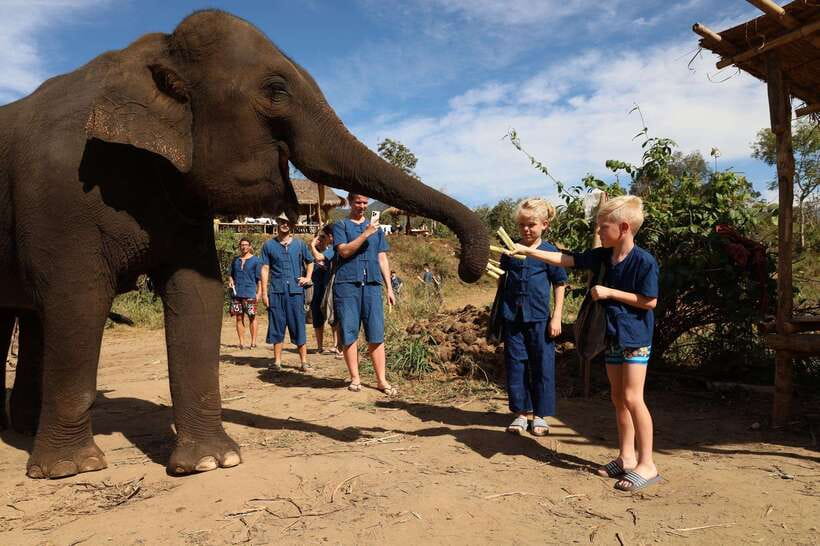
Your day starts with pick-up from your Chiang Mai hotel. Then comes the scenic drive, about 1.5 hours each way, with rural scenery like rivers, rice fields, and banana plantations—and a quick viewpoint stop.
Before you reach the elephant area, you’ll get a welcome briefing and change into traditional Mo Hom clothing. It’s not just a costume moment. It helps you shift into the cultural rhythm of northern Thailand before you meet the elephants.
One of the small, underrated parts of this stage is psychological. The clothing makes it feel like you’re joining a caretaking space, not treating the day like a quick attraction stop.
Feeding and walking: how the interaction stays respectful
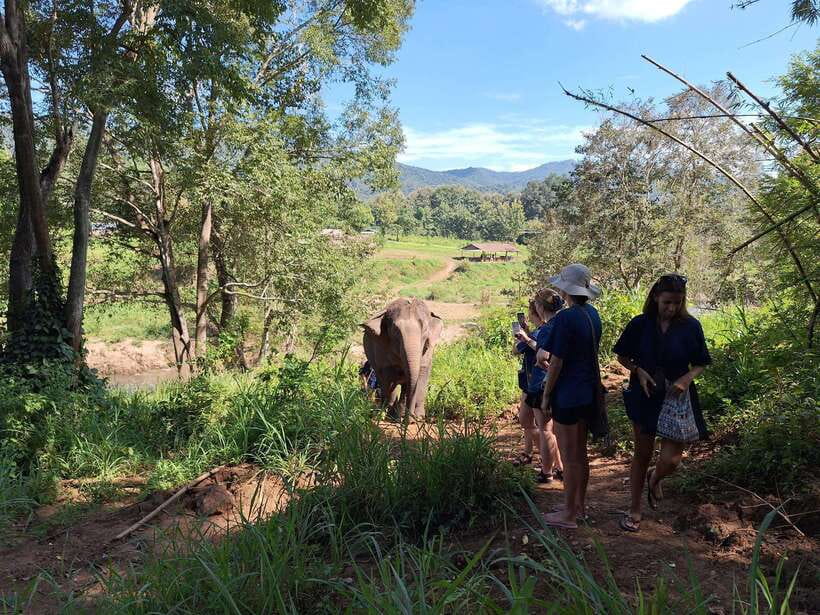
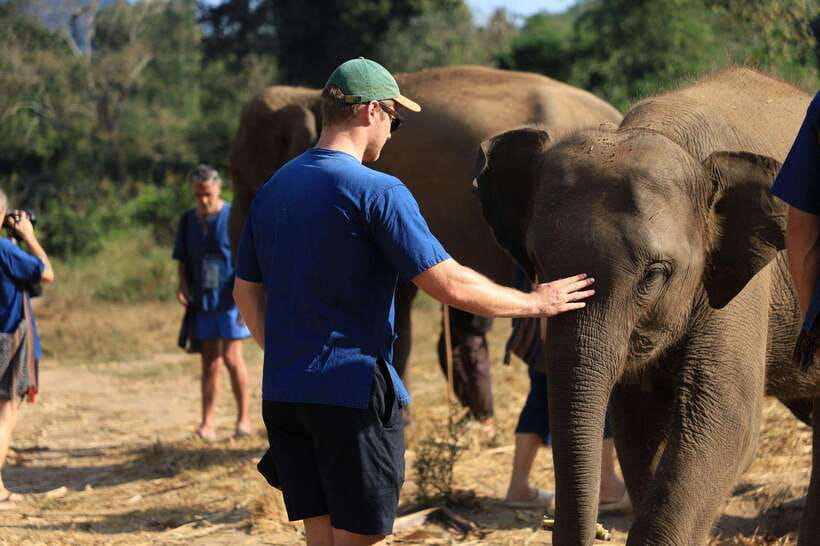
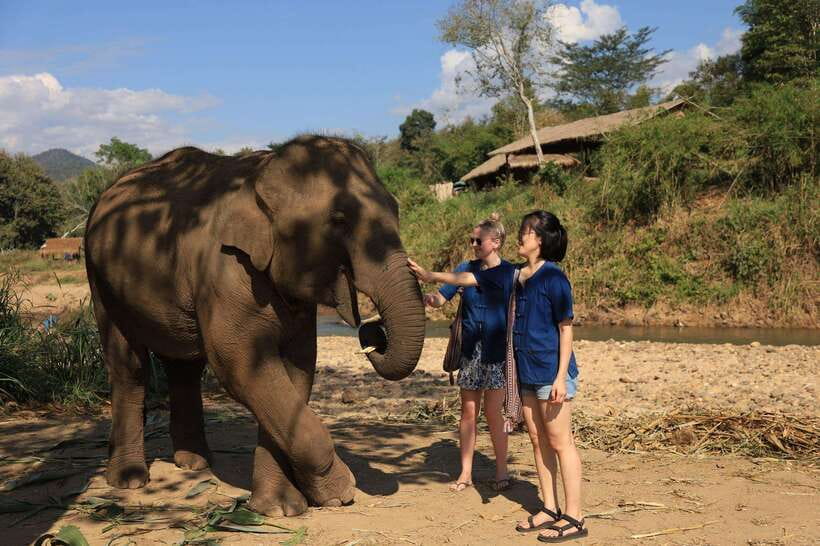
Once you’re with the elephants, the experience focuses on low-pressure interaction. You’ll hand-feed the elephants, then walk and observe them in their natural setting with expert caretakers.
This is the part that many people remember most because it’s personal without being forced. You’re not on top of anything. You’re walking at elephant pace, reading body language, and following guidance on safe distance and behavior.
You’ll also learn about individual elephant stories and behaviors. In the guide lineup, names that come up include Pao, Rainbow, John, and Mr Su—described as friendly, gentle, and clearly invested in elephant welfare. For me, that matters: a caring guide helps you understand what you’re seeing instead of just snapping photos.
River and mud baths: the moment you plan your clothes for
The walking part typically leads you toward the river where you can watch elephant bathing naturally. This isn’t a performance schedule. Elephants choose what they do next, and the caretakers keep welfare first.
A key welfare point you should know: elephants are never forced into the river during cold weather. That means you can’t treat bathing like a guaranteed show on every day and season. But it also means the sanctuary is managing conditions to keep the elephants comfortable.
Expect yourself to get wet. That’s why swimwear and a towel are not optional. If you forget, you’ll spend the rest of the day in damp clothes with no great choices.
Half-day vs full-day: which one fits your schedule and interests?
You choose between two program lengths, both with hotel transfers included.
Half-day (around 6–7 hours)
There’s a morning session (07:00–14:00) and an afternoon session (12:00–19:00). This option is built for travelers who want the main elephant moments—feeding, walking, river bathing—and then a meal before heading back to Chiang Mai.
In practice, half-day feels like the sweet spot if you already have plans in the evening or if you’re keeping the number of activities per day reasonable.
Full-day (9–10 hours)
Full-day runs 08:00–17:00 and lasts longer because it adds extra welfare-support activities and a bigger learning block.
In addition to feeding, walking, and river time, you may:
- Participate in a vegetarian Pad Thai cooking workshop (available starting 2 December)
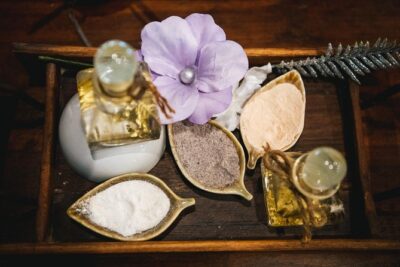
- Make herbal medicine balls to support elephant digestion (if selected)
- Plant seedlings that will grow into natural elephant food (if selected)
There’s also more time to settle in and watch how the elephants move through different parts of their day. If you’re the type who likes lingering, full-day usually lands better.
Chinese support is available for the full-day option only, so if you need that, choose full-day.
Vegetarian pad thai: you’ll eat it either way, and you may cook it
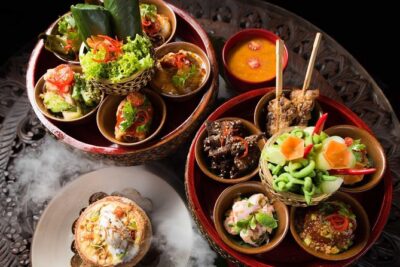
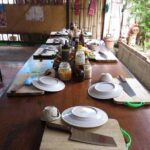
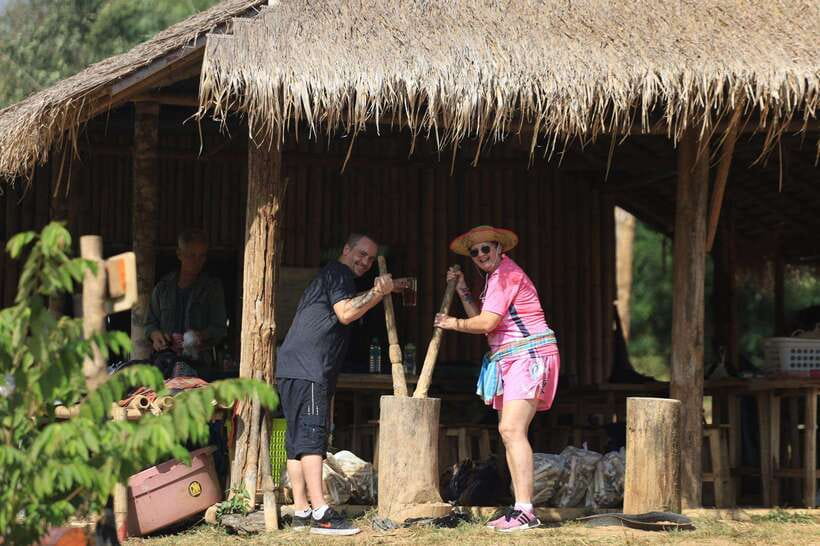
Food is part of the experience here, and it’s not just an afterthought. You’ll enjoy a local meal that includes vegetarian Pad Thai.
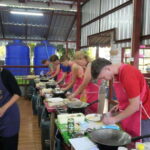
On the half-day program, pad thai is served as part of your meal. On the full-day program, the experience can include a vegetarian pad thai cooking workshop where you make and enjoy your own dish—starting from 2 December.
If you’re picky about food, vegetarian pad thai is usually a good bridge between Thai flavors and comfort. And since the cooking is part of the day’s rhythm, it can make the experience feel more complete than a quick lunch break.
The extra full-day activities: why herbal balls and seedlings matter
Some people look at the added activities and think: optional chores. But the sanctuary approach makes these tasks feel connected to animal welfare, not just a souvenir moment.
Herbal medicine balls are described as supporting elephant digestion. Planting seedlings is about growing future natural elephant food. Even if you don’t fully understand the plant process, the idea is simple: the sanctuary is building routines that help elephants thrive.
If you’re choosing between half-day and full-day, this is the difference. Half-day is all about meeting and watching. Full-day adds a small layer of participation in the support side of sanctuary care.
Photos, comfort breaks, and the small friction points
Photography service is included, so you’re not stuck trying to take selfies while also paying attention to elephant distance and movement. That said, details can vary. One person said afternoon drive photos didn’t show up as expected after their day, so if photos matter to you, ask how you’ll receive them and double-check right away.
Comfort-wise, one report mentioned toilets and showers on site. That matters, because bathing time can leave you in wet clothes fast. With showers available, you’re not just wiping off and hoping for the best before the drive back.
Also, transport is part of the deal. The drive is about 1.5 hours each way, and traffic can shift timing. In general, plan your next stop loosely—don’t schedule something high-stakes immediately after you return.
Who should book this tour, and who should skip it
This is a great fit if you want an ethical elephant interaction in Chiang Mai without riding and without performance. If you care about welfare rules like no chains, no hooks, and no forced behavior, this is aligned with that.
It’s also a good fit if you enjoy walking, watching animals close up, and learning from caretakers rather than treating elephants like a photo booth.
It may not be right for you if:
- You want elephant riding (it’s not offered)
- You have back problems or heart problems
- You’re pregnant
- You’re traveling with children under 2 years
If any of those apply, consider other animal-focused experiences that match your needs and safety constraints.
The sanity check: should you book this tour?
I’d book it if your top priority is an elephant day that feels respectful—feeding, walking, and observing with caretakers, plus river bathing in a welfare-first way. The ethical rules (no riding, no chains, no performances) are the core reason to go.
I wouldn’t book it if you’re hoping for a guaranteed splash-and-splash schedule or if you hate getting wet and muddy. You should come ready to change clothes and handle outdoor conditions.
Final practical tip: pick half-day if you want the main elephant experience and a calm evening back in Chiang Mai. Choose full-day if you want the extra learning and activities—especially the vegetarian Pad Thai workshop that starts 2 December.
FAQ
Is elephant riding included in the tour?
No. Riding elephants is not allowed on this experience, and the sanctuary is specifically set up for ethical interaction without riding or performances.
How long are the half-day and full-day programs?
The half-day option runs about 6–7 hours with two session times: morning 07:00–14:00 or afternoon 12:00–19:00. The full-day option runs about 9–10 hours, from 08:00–17:00.
Does the tour include hotel pick-up and drop-off?
Yes. Hotel pick-up and drop-off from Chiang Mai is included, along with transportation to and from the sanctuary.
What does the Pad Thai part include?
You’ll enjoy vegetarian Pad Thai during the day. The full-day program can include a vegetarian Pad Thai cooking workshop where you prepare and eat the Pad Thai you make.
When does the Pad Thai Cooking Workshop start?
The Pad Thai Cooking Workshop is available starting from 2 December.
What should I bring for the day?
Bring a hat, swimwear, a change of clothes, a towel, sandals, a camera, sunscreen, and insect repellent.
Who is this tour not suitable for?
It’s not suitable for children under 2 years, pregnant women, people with back problems, or people with heart problems.