REVIEW · CHIANG MAI
From Chiang Mai: Chiang Dao Cave Trekking Full-Day Tour
Book on GetYourGuide →Operated by TripGuru Thailand · Bookable on GetYourGuide
Caves are cool, but this one is extra. You get Chiang Dao Cave’s temple-filled limestone passages with Buddha statues and electric lights, then finish with the Bua Tong sticky waterfall climb where mineral-coated rocks give you serious grip. It’s a full day built for real exploration, not just a drive-by.
I also like how the tour keeps the group small (up to 9), so the guide can slow down where you want questions and photos—something guides like Samphan and Art are praised for. The main catch is that this is active: you’ll deal with uneven cave floors, low tunnels, and tight spots, and it’s not a good match if you’re claustrophobic or have mobility limits.
In This Review
- Key Things to Know Before You Go
- A Full-Day Cave-and-Waterfall Plan From Chiang Mai
- Entering Chiang Dao Cave: Temple Art Meets Limestone Caverns
- What walking inside feels like
- The Electric-Lit Route vs. the Lantern-Led Deeper Caves (Extra Cash)
- Lunch and Market Time: Eat What’s There, Not What’s Familiar
- How to make the market stop work for you
- Bua Tong Sticky Waterfall: How the Mineral Climb Works
- What to expect at the waterfall
- Mae Malai Market Pass-By: A Quick Window, Not a Detour
- Group Size, Guides, and the Pace That Keeps It Enjoyable
- What a good guide changes
- Price and Value: What $106 Usually Covers (and What Doesn’t)
- What to Bring (So You Don’t Regret It at Step One)
- Safety and Fit: Who This Tour Works For
- Responsible Touring: GSTC Certification and Lower-Impact Habits
- Should You Book This Chiang Dao Cave Trekking Full-Day Tour?
- FAQ
- How long is the Chiang Dao Cave and Sticky Waterfall tour?
- Is hotel pickup and drop-off included?
- What’s included in the price?
- Is lunch included?
- Are there extra fees during the tour?
- How big is the group?
- What language is the guide?
- Is the tour suitable for claustrophobia or mobility issues?
Key Things to Know Before You Go
- A real cave walk: multiple caverns, Buddha statues (including a large reclining one), and cooler air underground
- Electric-light sections: some areas are lit, but you still want flashlight readiness for the feel and shadows
- Sticky waterfall climbing: you can go up using traction from mineral deposits and a safety rope for balance
- Small group energy: capped at 9, and you can even end up in a private setup if demand is low
- Optional deeper cave time: plan for extra cash on the spot if you want the lantern-led portion
A Full-Day Cave-and-Waterfall Plan From Chiang Mai
This is an 8-hour day trip that runs on a simple rhythm: morning pickup in Chiang Mai city, about an hour in the air-conditioned van, then two big outdoor anchors—Chiang Dao Cave and Bua Tong Sticky Waterfall—with food and local stops in between. The value here is that the logistics are handled for you: you’re not renting a vehicle, figuring out routing, or hunting down the right entrance times.
The drive also matters. Chiang Dao is far enough that you want the comfort of the van and the guide’s timing. Guides such as Avi and Tik are often singled out for keeping things smooth and un-rushed, which is exactly how you want a day like this to feel.
One more thing: the tour is built for people who don’t mind walking and clambering. If you picture a gentle stroll in a theme-park cave, you’ll be surprised—in both the fun way and the “bring the right clothes” way.
You can also read our reviews of more hiking tours in Chiang Mai

Entering Chiang Dao Cave: Temple Art Meets Limestone Caverns
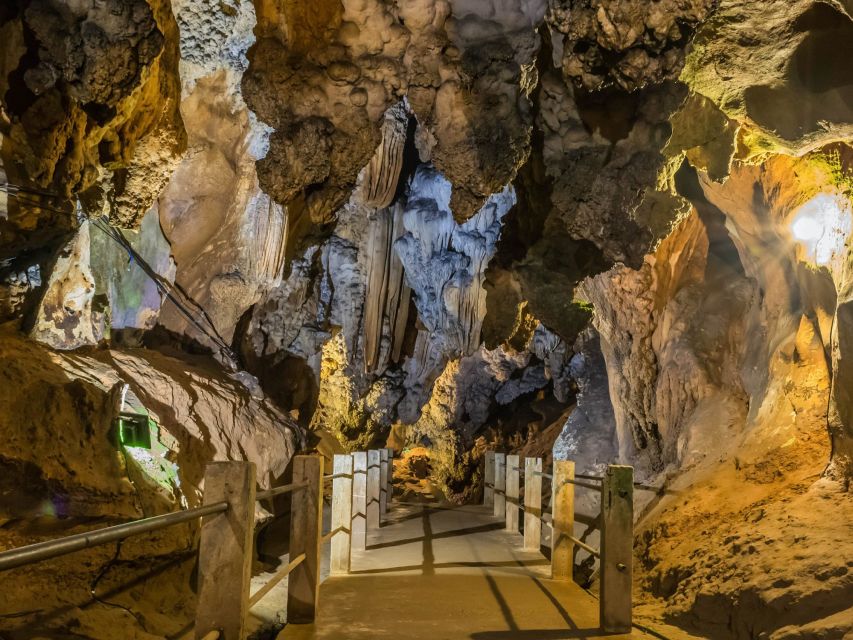
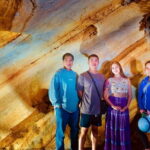
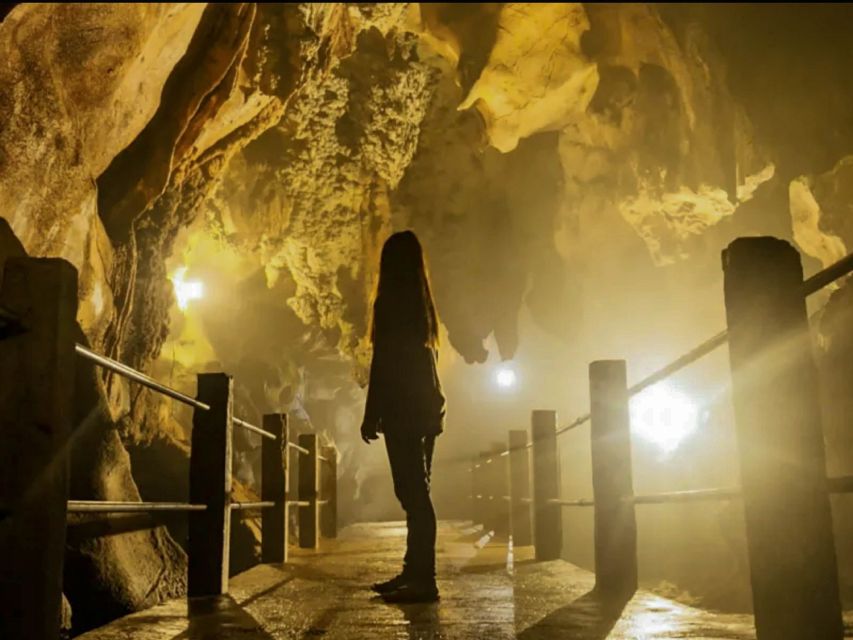
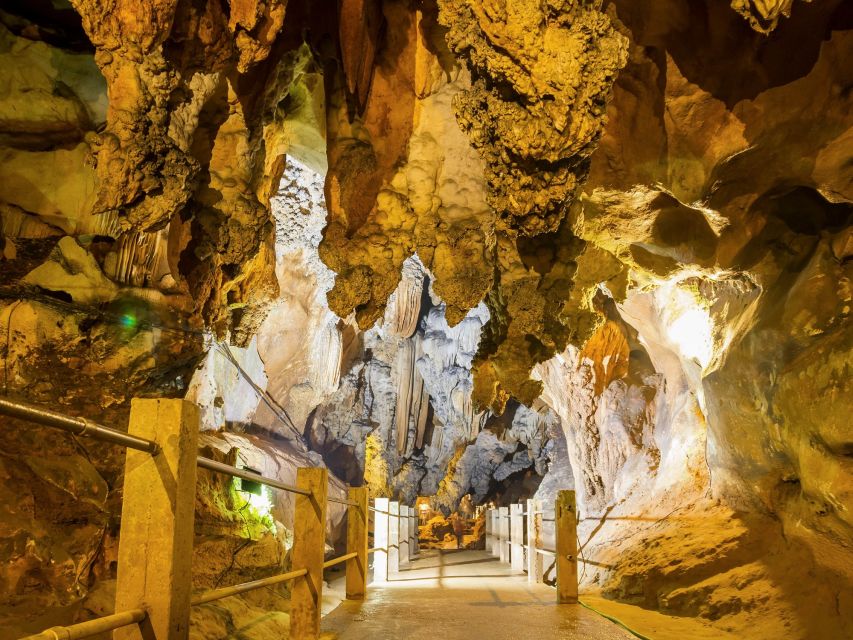
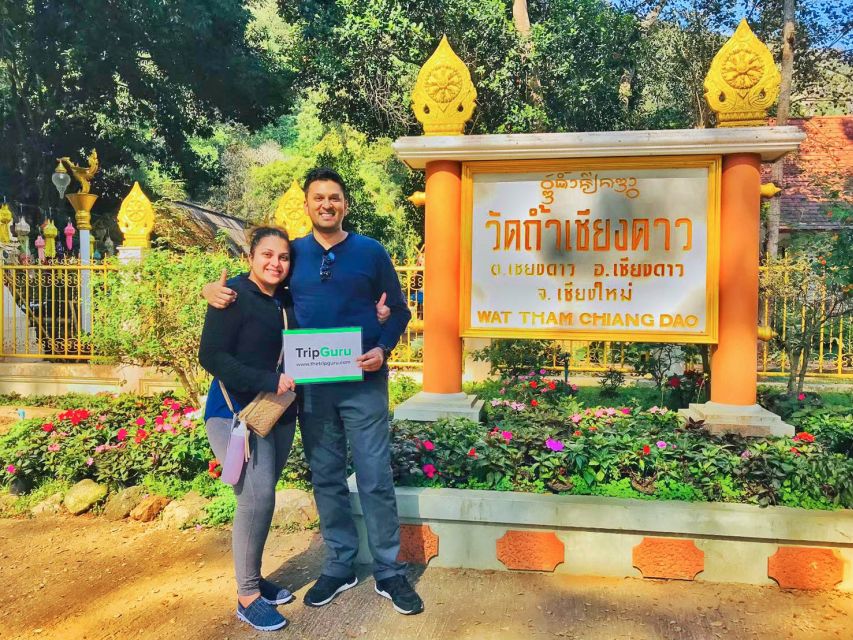
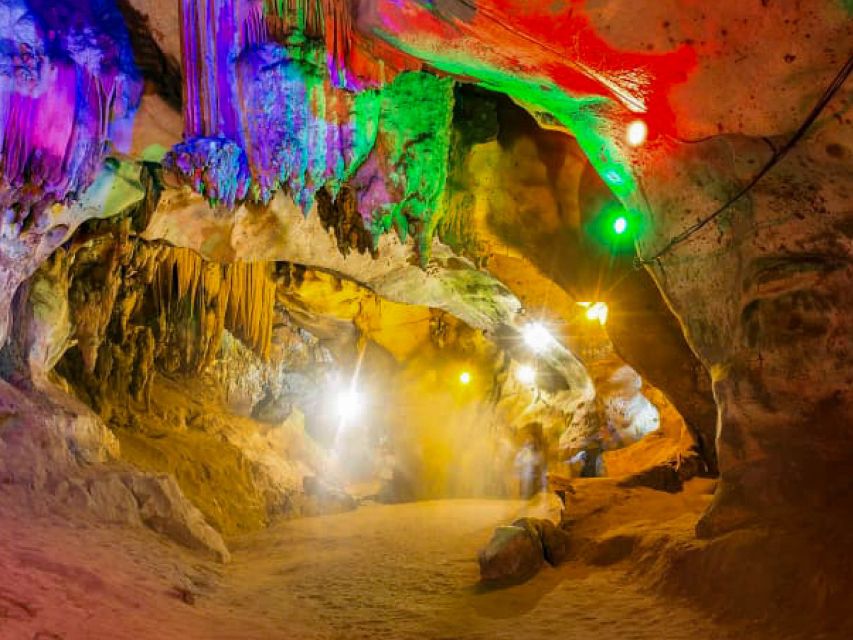
Chiang Dao Cave (Wat Tham Chiang Dao) is the main event, and it’s easy to see why. You’re walking into a vast limestone system with connected areas that extend over about seven miles. You’ll feel the temperature shift right away: cooler air underground, and sometimes humidity on hot days.
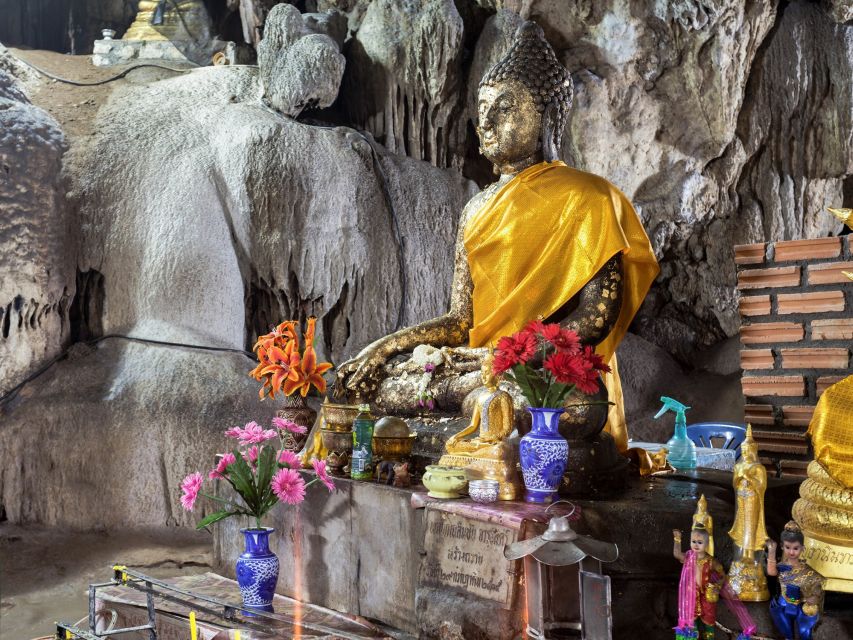
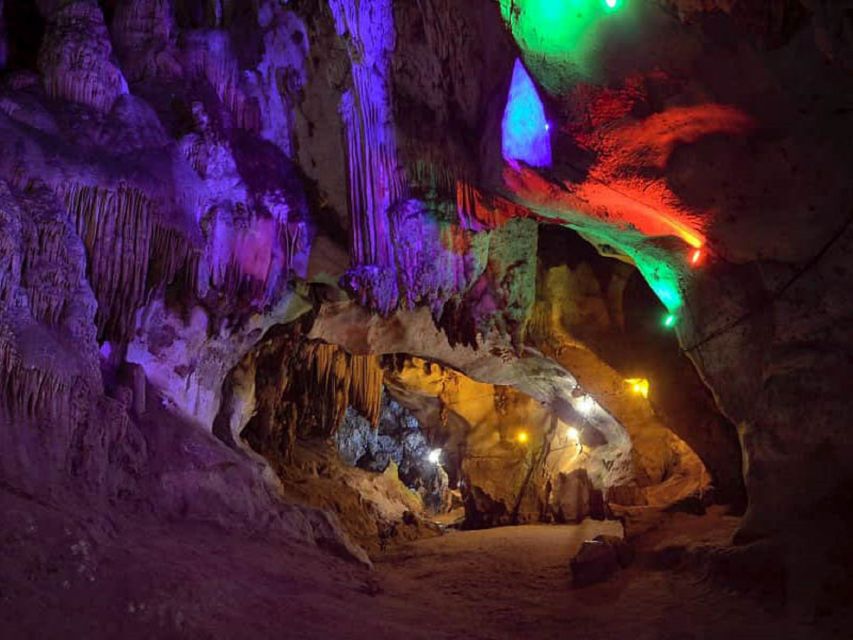
What makes the cave memorable is the mix of nature and devotion. You’re not just seeing rock formations. You’ll come across Buddha statues and offerings placed inside the caverns, including a 13-foot reclining Buddha. Many people really latch onto the first cavern’s row of five seated Buddhas, because it feels like a clear visual guide through the whole experience.
You’ll also notice that not every part is equally dark. Some sections are lit with electric lights. That’s helpful for photos and moving safely, but it still keeps the cave atmosphere real—part science exhibit, part working temple space.
What walking inside feels like
Expect a pace that includes both standing to look and moving through different passageways. There can be low tunnels and tight stretches. A few guides in this program (for example, Cookie and Nom) are praised for pacing and care, which matters because getting through low spaces tends to be easier when someone is guiding flow and timing.
If you’re traveling with balance issues, knee pain, or you simply don’t do well with uneven floors, take that seriously. The cave’s charm is also what makes it physically demanding.
The Electric-Lit Route vs. the Lantern-Led Deeper Caves (Extra Cash)
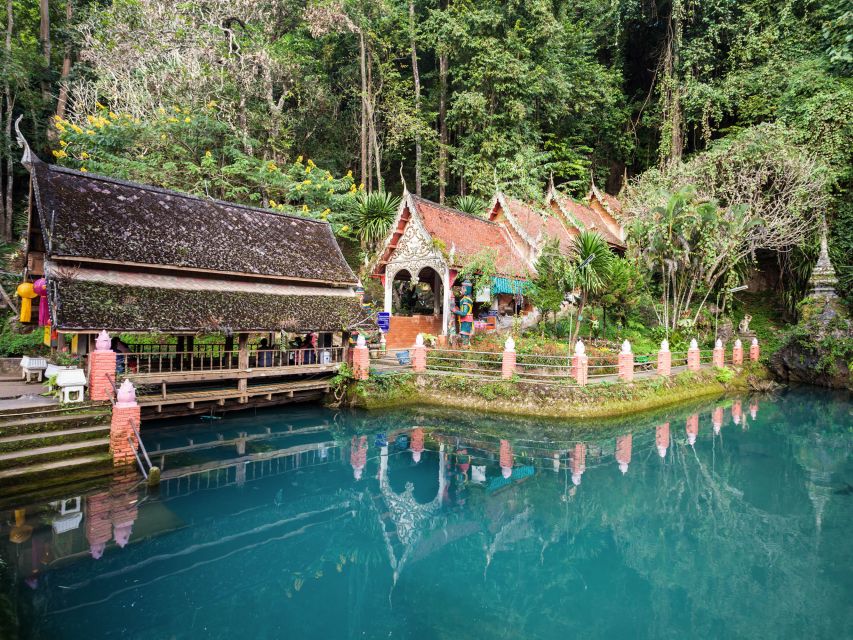
Here’s a key decision point that can change your whole day: the deeper cave section. You may be able to go further inside with a local cave guide and a lantern, and it’s paid on the spot in cash. Several people report this extra is around 300 baht, though the exact amount can vary by what’s offered that day.
Why pay for the deeper part?
Because it adds a different sense of scale. The cave isn’t just one big room—it’s a network, and the lantern-led portion tends to give you a more guided look at formations and devotional spots in the more challenging stretches. You’ll also hear explanations that help you connect what you’re seeing to the cave’s layout and the meaning behind the statues.
Also, it’s a safety and comfort boost. One of the most common pieces of advice from the guides’ fans is to go with the lantern guide for the deeper route, especially if you want the full experience rather than just the easier section.
Lunch and Market Time: Eat What’s There, Not What’s Familiar
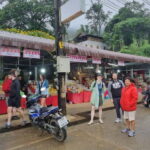
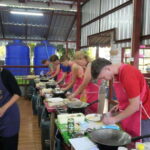
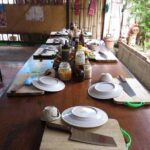
After the cave, you’ll break for lunch, with time built in to visit a local food market area. This is one of those stops that can be quietly important. Chiang Mai has a reputation for food, but when you have a guide, you can actually focus on what to eat and how much to order without turning your day into a guessing game.
A few guides get specifically named for lunch choices and market teaching. Cookie and Leela, for instance, are praised for great meal recommendations. Others like Pranom are known for explaining the food you’re seeing, which helps you move beyond the typical grab-and-go routine.
You can also read our reviews of more tours and experiences in Chiang Mai



How to make the market stop work for you
If you’re hungry, don’t wait until you’re starving. The market time is part of the experience, not just fuel. If you’re not sure what you want, ask your guide what’s easiest to eat quickly and what’s local to the area.
And practical tip: since you’ll likely get sweaty in the cave and waterfall, choose something that’s filling but won’t feel heavy. You want energy for the climb later.
Bua Tong Sticky Waterfall: How the Mineral Climb Works
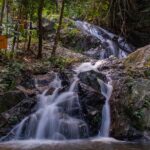
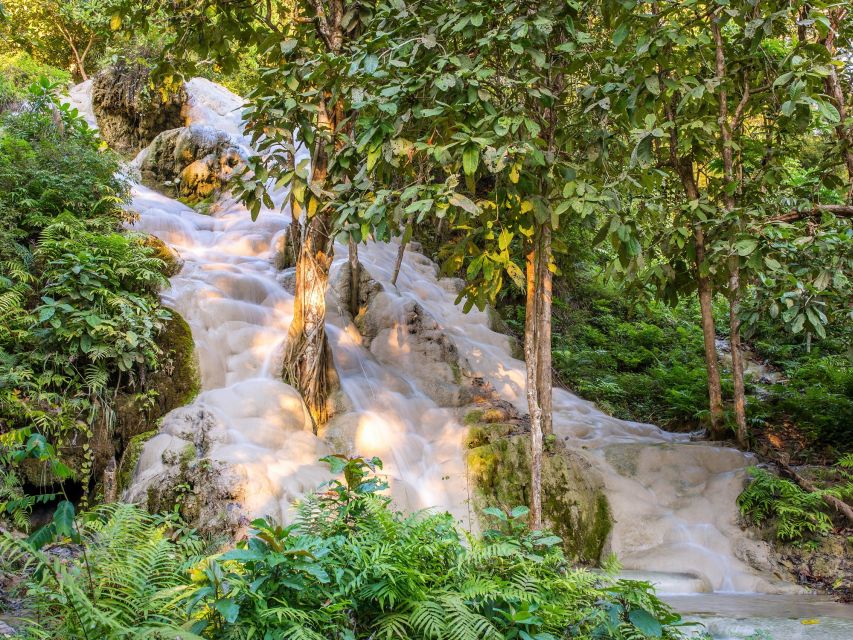
Then comes the payoff: Bua Thong Sticky Waterfall. This waterfall is famous because the rocks develop mineral deposits that create a sticky surface. That sticky layer is what allows you to climb upward without instantly sliding back down.
There’s also a safety rope for balance, which makes a huge difference if you’re cautious. You’ll see people doing the climb slowly, testing each step. Some guides give tips that make the route feel much easier, like finding the best grip points and using the rope only when you need it.
And yes, many people come prepared to go barefoot. Some wear water shoes, too. If you’re worried about traction or want blisters to stay away, bring something with grip.
What to expect at the waterfall
The waterfall portion is set up for fun movement, not marathon hiking. You’re climbing and walking around more than sitting and watching. It can be crowded at peak times, so your strategy is to keep an easy pace and follow your guide’s timing.
Also, go in expecting it to be a bit physical. A guide who’s calm and good at reading the group can help you decide when to go for it and when to take a breather—something people often praise in this tour’s guide lineup.
Mae Malai Market Pass-By: A Quick Window, Not a Detour
You’ll also pass Mae Malai Market during the drive. It’s not a long stop, so think of it as a brief look at the area rhythm more than a full shopping time. If you’re hoping for lots of souvenirs, plan to use that energy around the lunch market instead.
This is also where you’ll feel how the day is packed: the tour is built around the cave and waterfall first, then uses short stops to add local flavor without stealing time from the main action.
Group Size, Guides, and the Pace That Keeps It Enjoyable
This tour runs with a small group capped at 9. If you’re traveling solo, the price stays the same, but you might end up in a private setup if you’re the only booking. That flexibility is a big deal because a cave day can be either relaxed or stressful depending on how the group moves.
In this program, guides commonly get praised for pacing and attention. You’ll see names come up again and again—Samphan for deep cave knowledge, Art for attentive timing (and even extra waterfall climbing), Avi for friendly explanations and photo help, and Nom for careful support with belongings and a calm way of handling the cave route.
What a good guide changes
A good guide doesn’t just explain. They manage flow:
- when to pause for photos
- when to keep moving so you’re not stuck in bottlenecks
- how to help you choose the deeper lantern option
- how to keep the day from feeling rushed
That’s why this tour tends to work well for people who want authenticity without the chaos of DIY planning.
Price and Value: What $106 Usually Covers (and What Doesn’t)
At $106 per person for about 8 hours, the price is easier to justify than it looks at first glance. You’re paying for:
- hotel pickup and drop-off
- an English live guide
- air-conditioned transportation
- cave entrance fee
- insurance
- a bottle of drinking water (provided)
Food and drinks aren’t included, and there’s also an on-the-spot cash fee for the local guide/lantern if you choose the deeper cave portion. So your final spend can be a bit higher if you go for the full cave experience.
Still, when you add up entrance plus guided time plus transport from Chiang Mai, this is one of those days where “doing it yourself” tends to become more work than savings. The tour value is convenience paired with access—especially for the lantern-led deeper section.
What to Bring (So You Don’t Regret It at Step One)
This day involves sweat, wet surfaces, and uneven ground. Pack with that mindset.
I’d bring:
- Long pants and a long-sleeved shirt for the cave
- Towel, swimwear, and a change of clothes for the waterfall
- Cash for the optional lantern/cave guide fee
- Flashlight (useful even if some areas are lit)
- Trekking gear if you have it
- A practical footwear plan: water shoes can help, especially for grip
Also, keep your phone and valuables secured. Several guides are praised for helping people manage belongings, which is exactly what you want when you’re moving hands-free through cave passages and then climbing.
Safety and Fit: Who This Tour Works For
This tour is not for everyone. It’s listed as not suitable for people with mobility impairments, back problems, heart problems, or claustrophobia. If any of those apply, treat this as a hard stop.
For everyone else, the bigger question is tolerance for physical cave passages:
- low tunnels
- tight spots
- uneven footing
- the effort of climbing up at the waterfall
If you’re comfortable moving through caves and doing a mineral-rock climb, this day will feel like a strong highlight. If you’re expecting “sit and look,” you may find it more demanding than you planned.
Responsible Touring: GSTC Certification and Lower-Impact Habits
I appreciate that the tour is GSTC-certified and positioned as a lower-impact way to explore. You get practical details that actually reduce everyday waste—like water supplied in glass bottles—and the program mentions carbon emission offsetting for every tour.
This doesn’t change the fact that you’re still visiting natural sites. But it does mean the operator is thinking about the footprint, not just the itinerary.
Should You Book This Chiang Dao Cave Trekking Full-Day Tour?
Book it if you want:
- a small-group day with a real guide
- the chance to see Chiang Dao’s cave art and Buddha statues, including the big reclining figure
- a hands-on finale at the sticky waterfall
- a plan that’s straightforward from Chiang Mai, without you juggling transport
I’d hesitate if:
- you can’t handle tight spaces or claustrophobic environments
- you need an easy, low-effort outing
- you’re not willing to pay a little extra on the spot for the deeper lantern-led cave section
My practical call: if you like caves, you like walking, and you’re curious about Thai temple culture in a setting that still feels wild, this is a smart use of your Chiang Mai time. Bring the right clothes, add the lantern-led deeper portion if you can, and focus on moving safely—your photos will follow.
FAQ
How long is the Chiang Dao Cave and Sticky Waterfall tour?
It runs for about 8 hours.
Is hotel pickup and drop-off included?
Yes. Pickup and drop-off are included from hotels or registered accommodations in Chiang Mai city.
What’s included in the price?
The tour includes hotel pickup/drop-off, a tour guide, air-conditioned transportation, entrance fee to Chiang Dao Cave, insurance, and one glass bottle of drinking water.
Is lunch included?
Food and drink are not included, but there is a lunch stop and a food market visit as part of the day.
Are there extra fees during the tour?
Yes. You’ll need to pay on the spot in cash for a local guide and lantern for the cave (optional deeper parts).
How big is the group?
It’s a small group limited to 9 participants, and it can be private depending on booking.
What language is the guide?
The tour guide provides live commentary in English.
Is the tour suitable for claustrophobia or mobility issues?
No. It’s not suitable for people with claustrophobia or mobility impairments, and it’s also not recommended for back or heart problems.