REVIEW · CHIANG MAI
From Chiang Mai: Mae Taeng Valley and Waterfalls Cycle Tour
Book on GetYourGuide →Operated by Active Thailand · Bookable on GetYourGuide
Sticky waterfalls make a bike day worth it. This Mae Taeng Valley ride mixes quiet back roads, rice farming lessons, and a real countryside temple stop, then finishes with the famous Buatong “sticky” waterfalls for swimming. I love the way the day balances culture and movement, with enough stops to learn without feeling like you’re stuck in a classroom, and enough riding to feel you earned your lunch. The one catch: the cycling portion is only about 2.5 hours, so if you want hours of nonstop pedaling, you may wish it lasted longer.
You’ll roll with a small group (up to 12) and an English-speaking guide, and the route is mostly flat, around 20 to 25 kilometers. I also like that you get real value built in: hotel pickup/drop-off, bike + helmet, snacks and water, plus a Thai set lunch. Just plan for hot weather, bugs, and a chance of muddy patches if you ride during rainy season.
In This Review
- Key highlights you should picture first
- A full day north of Chiang Mai, built around an easy rhythm
- Bike comfort and how hard is it really?
- Wat Ban Den: a temple stop that isn’t rushed
- Mae Taeng Valley farms: where the learning actually connects to the view
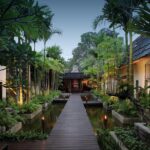
- The Thai set lunch in a tropical garden
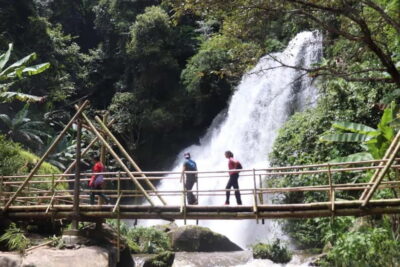
- Bua Thong sticky waterfalls: the cool-down everyone talks about
- Price and value: what $73 really buys you
- Who should book this bike and waterfall day?
- Should you book the Mae Taeng Valley and Waterfalls Cycle Tour?
- FAQ
- How long is the tour?
- How far do we bike?
- Do I get a bike and helmet?
- Is lunch included?
- Is swimming allowed at Bua Thong sticky waterfalls?
- What language is the tour guide?
- What should I bring for this day?
- Will they pick me up from my hotel in Chiang Mai?
Key highlights you should picture first
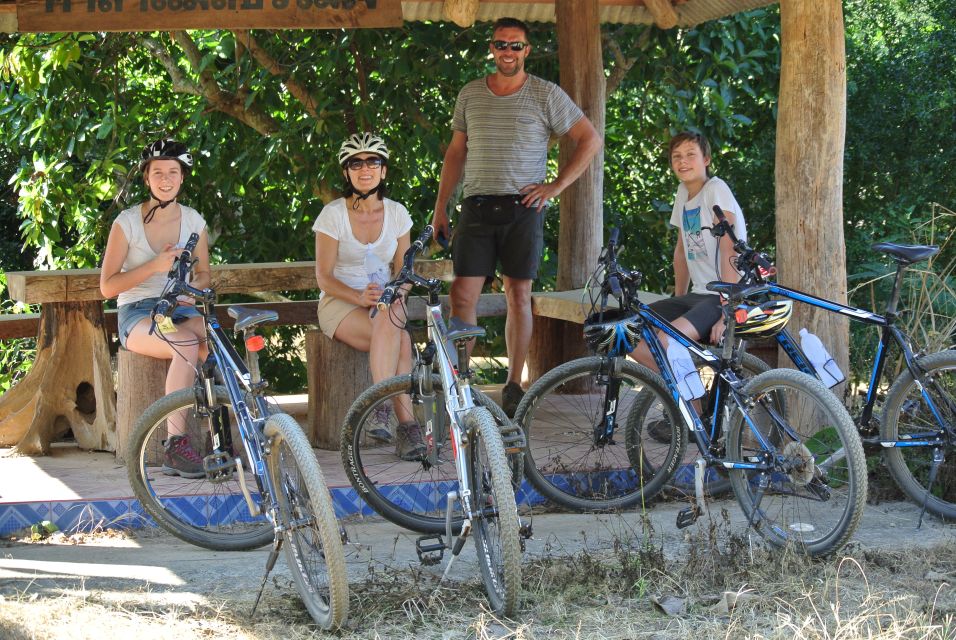
- Mae Taeng Valley back roads and trails with a relaxed, mostly-flat pace over 20 to 25 km
- Wat Ban Den for intricate temple details that you actually have time to appreciate
- Rice farming + plantation talk stops that turn scenery into something you can explain
- Thai set lunch in a tropical garden plus snacks, fruit, and plenty of water breaks
- Bua Thong sticky waterfalls as a cool-down with a visit and time to swim
A full day north of Chiang Mai, built around an easy rhythm
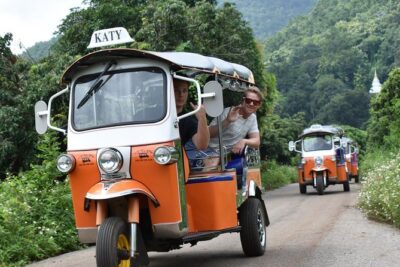
This tour is a 450-minute day, but not all of that time is on a bike. You’ll start with hotel pickup in Chiang Mai and then spend about an hour in a van heading out to the Mae Taeng area. After that travel time, you’ll bike for roughly 2.5 hours, then switch gears for lunch, and finally finish with a stop at Bua Thong sticky waterfalls before heading back.
That structure matters. You’re not just getting dropped at a scenic ride and left to your own devices. The van time helps you see the countryside that’s far enough out to feel genuinely different from the city, and the biking time stays in the “doable for most people” zone. It’s also why the day works so well in hot weather: you’re moving when the route makes sense, eating when you’re ready, and cooling off when you need it.
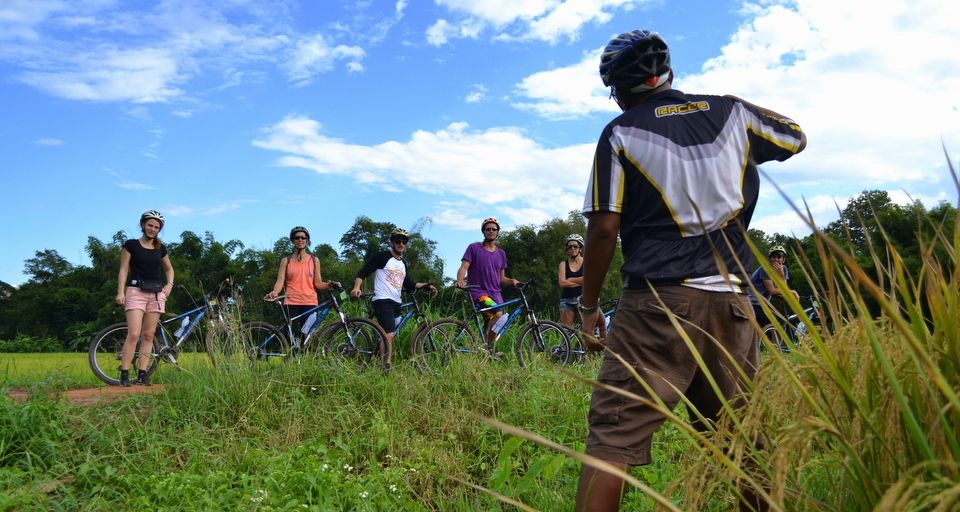
Group size is kept small, up to 12 people. That usually makes it easier for your guide to adjust pace and make practical stops. English support is provided by the guide, and that’s important here because the tour is as much about what you’re seeing as where you’re riding.
One practical note: you’ll want to keep your daypack light. Luggage or large bags aren’t allowed, so plan to bring only what fits a small kit for sun, water, and swimming at the end.
You can also read our reviews of more cycling tours in Chiang Mai

Bike comfort and how hard is it really?
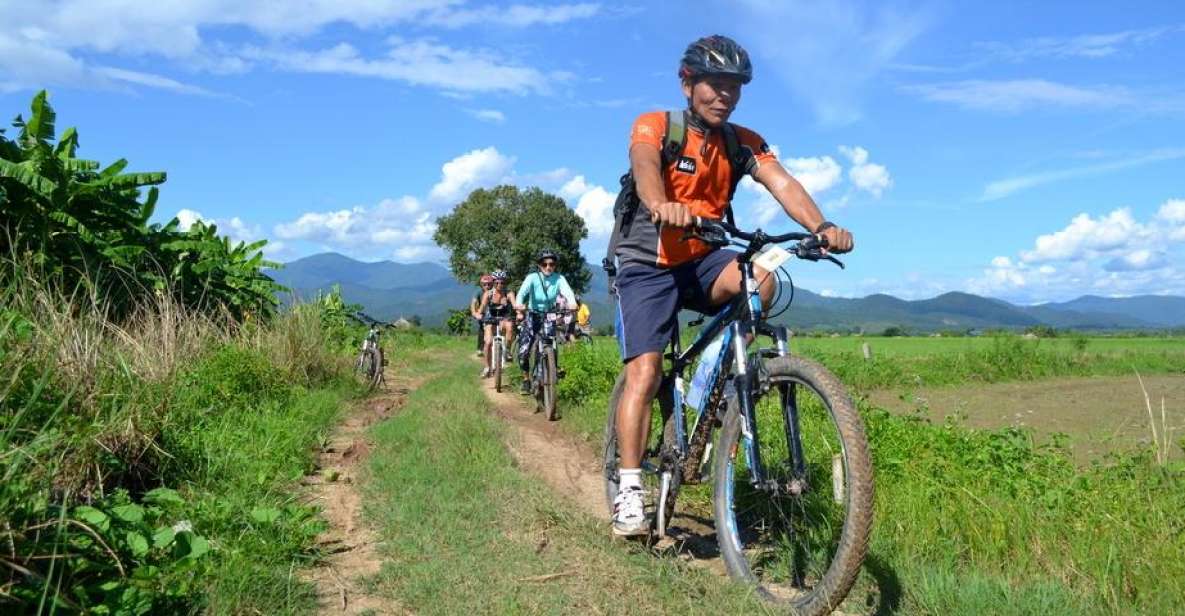
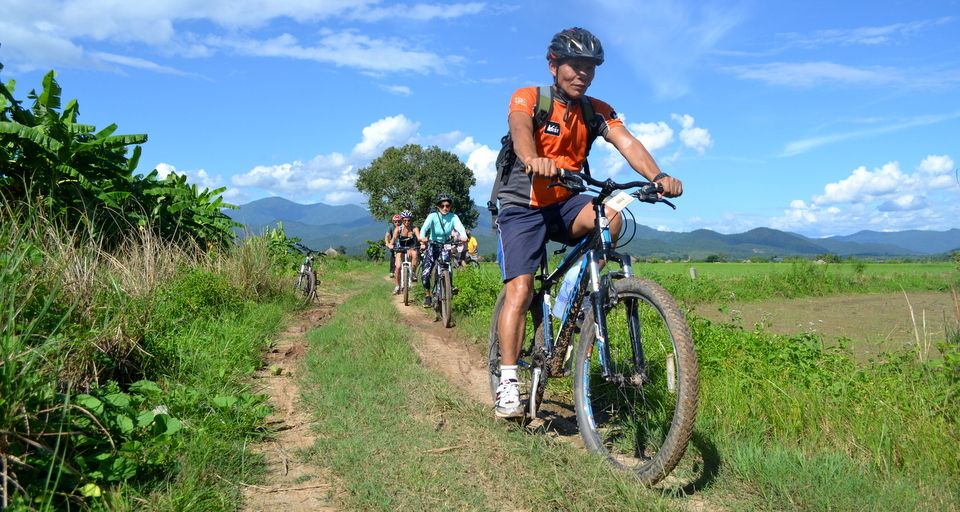
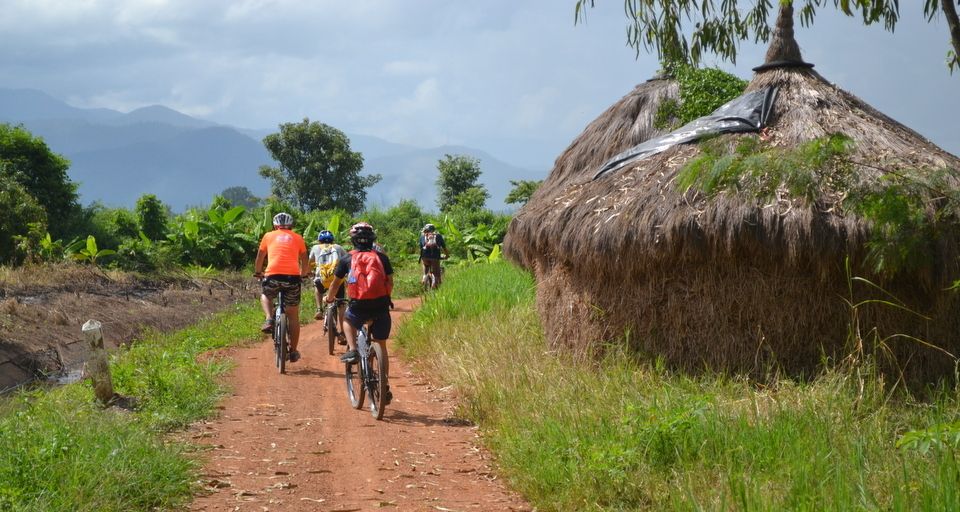
The ride is described as mostly flat, around 20 to 25 kilometers, and it’s meant to be a leisurely bike day rather than a mountain-biking mission. That said, “mostly flat” doesn’t mean “zero effort.”
In real-world terms, you might get some variation: narrower forest paths at times, plus at least one steep downhill section noted by at least one rider. If it’s rainy season, you can also expect extra mud. A good fitness level helps because pushing through heat, occasional uneven ground, and stop-and-go riding is still work.
The good news is you’re not riding alone. Your guide and the small-group setup keep the pace friendly, and there are stops for snacks and water. From the reviews, guides often explain what you’re passing—rice farming practices, local plant life, and village routines—so you’re not just focusing on handlebars the whole time.
Bike and gear are included: a mountain bike and a helmet. Reviews suggest bikes are generally in good shape, though one rider noted brakes and shifting needed tuning. A couple of people also mentioned comfort upgrades like a gel seat cover, which is a small detail that matters once you’ve been in the saddle for a couple of hours.
What I’d bring for comfort and sanity:
- Sports shoes and cycling clothing
- Sunscreen, sunglasses, and insect repellent
- A daypack (small enough for the tour rules)
- Swimwear and a sarong, since the waterfalls include time to swim
- A light layer if you run cold on the van rides back
Wat Ban Den: a temple stop that isn’t rushed
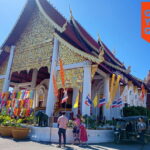
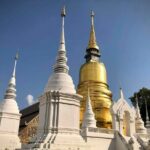
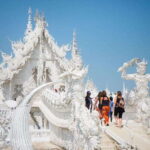
One of the standout moments is the Wat Ban Den temple visit. You won’t just drive past it. You’ll spend time there and have a chance to admire intricate details, which is exactly what you want on a day like this. When your schedule is packed, most tours rush temple stops. Here, the biking day gives you a natural rhythm—riding, learning, then stepping into a place that rewards slower looking.
Why this stop is valuable: temples in northern Thailand aren’t just “a photo spot.” They reflect local religious life, craft traditions, and the patterns of how communities gather. If you have an English-speaking guide (this tour does), you get context for what you’re seeing instead of wondering what’s important.
Some guides on this route are specifically praised for being flexible and informative. Names that came up include Georgios, Nonny, and Suwon. While I can’t guarantee which guide you’ll have, the pattern is clear: you’re in good hands for temple interpretation, and you won’t feel shoved through.
The only consideration here is timing. You’ll be coming off a morning riding block, so you might want to pace yourself—take a few deeper breaths, grab water if you need it, then enjoy the details.
Mae Taeng Valley farms: where the learning actually connects to the view
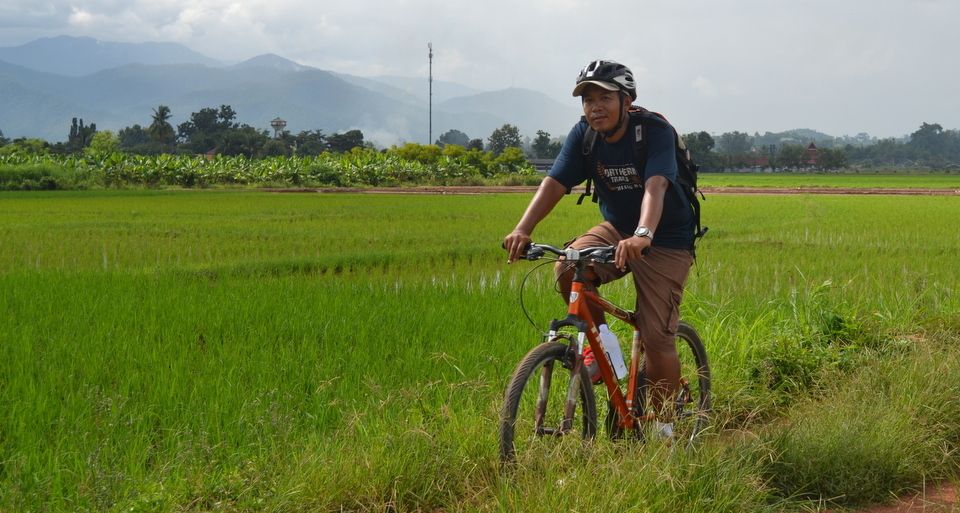
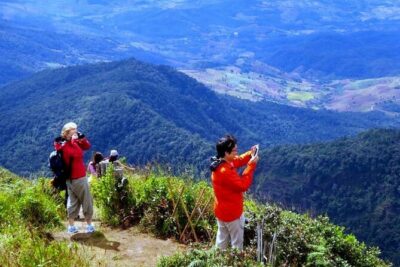
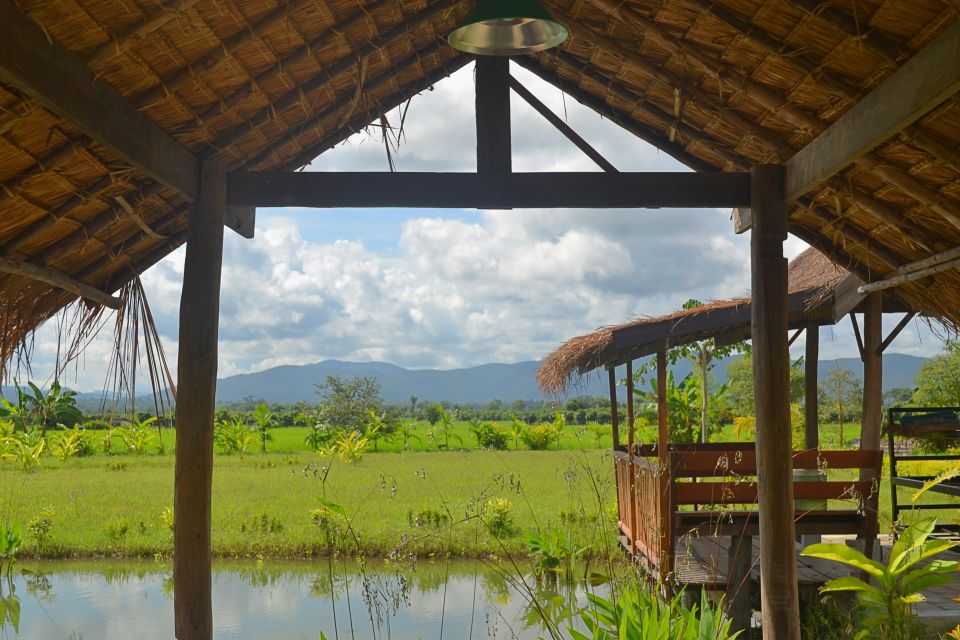
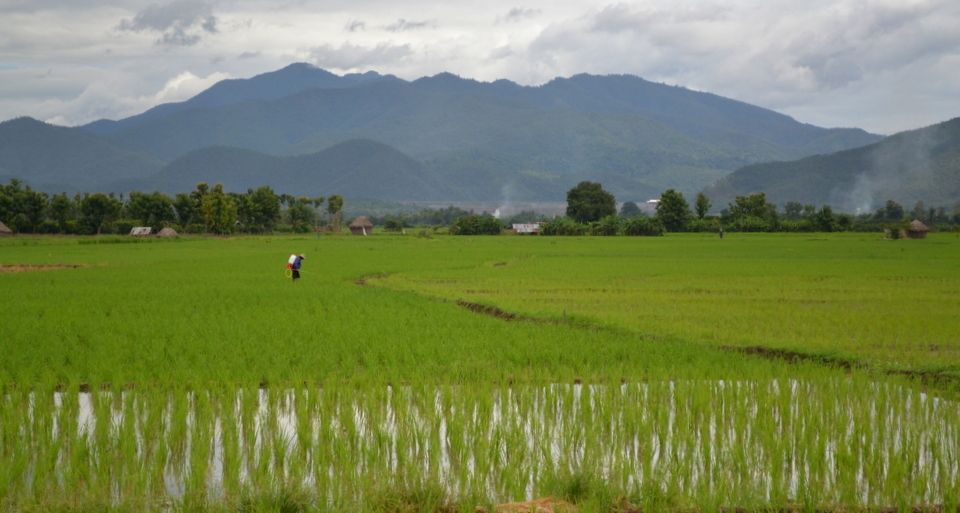
The heart of this tour is riding through countryside where agriculture isn’t a background detail—it’s the whole system. You’ll pass through areas where farmers manage rice fields and other plantings, and you’ll get stops that explain how cultivation works.
This matters because “rice farming” is easy to treat like a generic tourist theme. Here, it becomes a way to read the scenery. You’ll see how fields are arranged, how routines run during the morning, and how plantations fit into the broader farming picture. One rider highlighted stops that included explanations of rice cultivation practices. Another mentioned learning about agriculture and local plant life along the way.
Guides like Three and Tri are repeatedly mentioned for rice farming explanations and answering questions about nature and farming. Nonny also comes up, with praise for stopping along the route to explain local plants and activities. If you’re the type who enjoys asking what something is and why it’s done that way, you’ll likely love this part.
You’ll also pick up a sense of rural life because you’re riding through places where people are working, not just sightseeing. That creates a more human feel to the day. It also helps you understand why the route is less about big scenic viewpoints and more about everyday Thai countryside.
Potential drawback: you may find the number of short stops slightly variable depending on your guide’s pacing and your group’s needs. If you prefer pure riding time with minimal interruptions, you might find parts of the agricultural learning slow. But if you came for culture-with-your-bicycle, this is the reason to book.
The Thai set lunch in a tropical garden
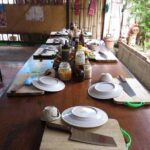
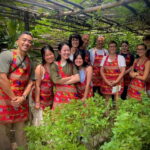
Lunch is a full hour, which is a generous window in a tour day that’s mostly moving. You’ll stop at a local restaurant for a Thai set meal, and you’ll also have snacks and water earlier in the ride. Multiple riders called the food delicious and noted that portions can be quite large, with fruit included in some meals.
This is more than just fuel. A good lunch stop breaks the heat and makes the day feel less like a checklist. The garden setting also turns lunch into a reset instead of a rushed, indoor meal.
If you’re sensitive to spicy food, you’ll still likely find something you can eat, but it’s worth having your preferences in mind. The tour doesn’t list special dietary options, so plan around what a Thai set meal usually offers.
One more practical point: since the afternoon includes a visit to Bua Thong with swimming time, it helps to keep your change of clothes easy to reach. Your sarong can work as a fast cover-up afterward.




Bua Thong sticky waterfalls: the cool-down everyone talks about
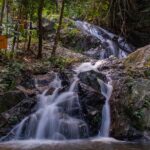
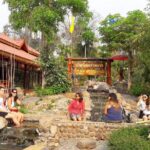
After lunch, you’ll transfer by van for about 30 minutes to the Bua Thong sticky waterfalls area. Your waterfall time is around an hour total, including visiting and swimming.
This is the portion of the day that tends to feel most memorable. The name says it all: the rock surfaces are known for being sticky enough that visitors can climb up and move around more than at typical slippery waterfalls. Riders describe it as refreshing and fun, and several specifically said it’s not the normal waterfall experience.
Here’s what to plan:
- Bring swimwear and wear it under your clothes if you don’t want to change later
- Wear sports shoes or sandals you don’t mind getting wet
- Use sunscreen again if you’re out of cover
- Bring insect repellent, because water-side areas can still be buggy
Also, expect some exertion. Even if climbing is easier than at many waterfalls, it’s still a workout. One rider described the falls as easy to climb because the surfaces aren’t slippery, but that doesn’t mean it’s a flat stroll.
Hot season tip: this is exactly why the tour timing works. You ride in the morning, eat in the middle, then cool off later when you’ll feel it most.
Price and value: what $73 really buys you
At $73 per person, you’re paying for a complete day package, not just a bike rental. Included items are meaningful:
- Hotel pickup and drop-off
- Tour guide (English)
- Mountain bike and helmet
- Snacks and water
- Thai set lunch
- Access to the Bua Thong sticky waterfalls stop
When you add up transport, guide time, bike + safety gear, and lunch, this starts to look like a fair deal for a route that goes beyond the city. You’re also getting the benefit of small-group pacing, which can help on narrow trails and temple timing.
The main “value trade-off” is that the cycling time is shorter than some riders expect. If you want a long, full-on ride with more kilometers, you might feel the biking block is just 2.5 hours. On the other hand, the route is intentionally designed to stay approachable and pair well with the cultural stops and the waterfall swim.
In other words: you’re paying for a balanced day—countryside life plus a real cooling finale—not a high-mileage cycling challenge.
Who should book this bike and waterfall day?
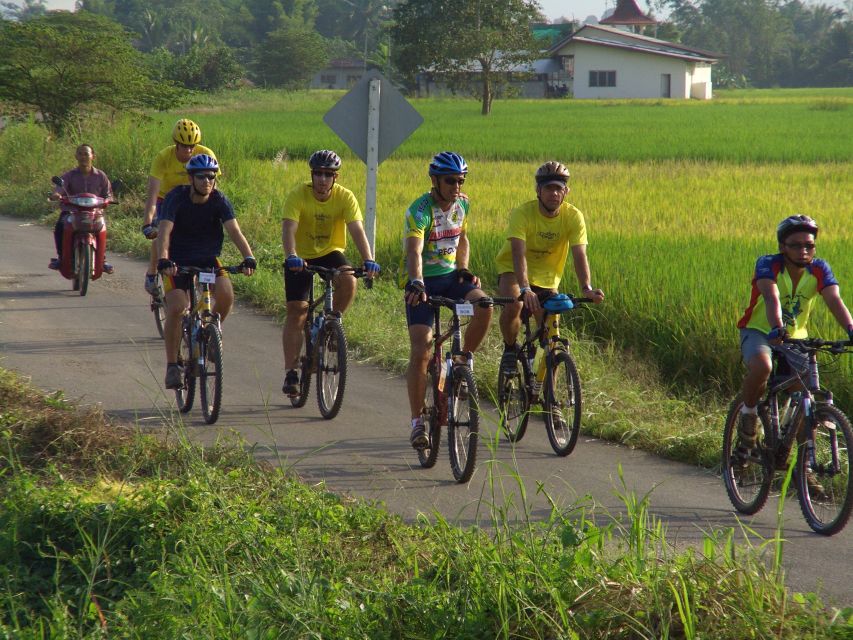
This tour fits best if you want a relaxed countryside experience with some exercise and a lot of cultural context.
You’ll likely be happiest if:
- You can ride a bike confidently
- You’re okay with a mostly-flat route that still includes some uneven sections
- You like learning on the move, especially about rice farming and rural life
- You want a small-group tour with an English-speaking guide
- You plan to swim at the waterfalls and enjoy that kind of end-of-day reward
It’s less ideal if:
- You can’t ride a bike at all
- You have low fitness and want something gentler than 20 to 25 kilometers
- You’re strictly focused on cycling longer than the planned ride time
If you’re traveling with friends or family, the small-group format also makes it easier to bond without feeling like you’re stuck in a crowd.
Also, keep an eye on what you pack. Luggage and large bags aren’t allowed, and the day includes sun exposure plus a swim stop. A compact kit beats a heavy bag every time.
Should you book the Mae Taeng Valley and Waterfalls Cycle Tour?
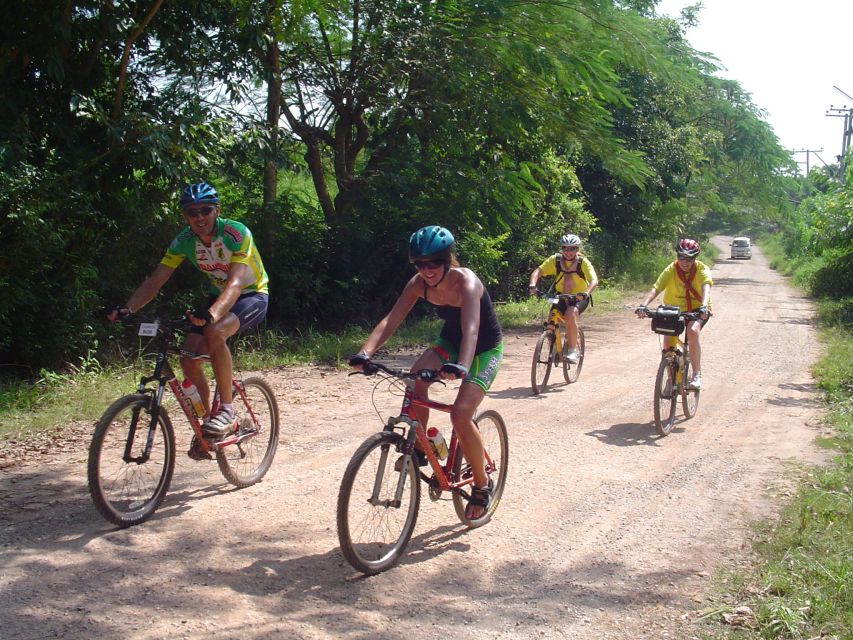
Yes, if your dream day is countryside, hands-on culture, and a genuinely fun cooling finale. I’d book it if you want the combination of rice farming stops, a real temple visit at Wat Ban Den, and Bua Thong sticky waterfalls time to climb and swim. The small-group size, included lunch, and guide-led explanations make it feel like more than a basic ride.
I’d think twice only if you’re the type who needs long stretches of nonstop biking and hates scheduled stops. Also, don’t underestimate the heat. Bring sun protection, wear good shoes, and plan for insects.
If you’re aiming for an authentic day outside Chiang Mai—one that teaches you something while you move—this is a strong choice.
FAQ
How long is the tour?
The total duration is 450 minutes, which includes transfers, cycling, lunch, and the visit to the sticky waterfalls.
How far do we bike?
The cycling is mostly flat and covers about 20 to 25 kilometers.
Do I get a bike and helmet?
Yes. A mountain bike and helmet are included.
Is lunch included?
Yes. You’ll have a Thai set lunch included, along with snacks and water during the ride.
Is swimming allowed at Bua Thong sticky waterfalls?
Yes. There is a break time that includes visiting and swimming.
What language is the tour guide?
The tour guide speaks English.
What should I bring for this day?
Bring sunglasses, swimwear, sunscreen, insect repellent, sportswear/cycling clothing, a daypack, a sarong, and sports shoes.
Will they pick me up from my hotel in Chiang Mai?
Yes. Hotel pickup and drop-off are included. You should be ready about 10 minutes before pickup with an Active-Thailand signboard driver.