REVIEW · CHIANG MAI
No.1 Chiang Mai: Stand Up Paddle Board through Mae Taeng Forest
Book on Viator →Operated by Chiang Mai Mountain Biking & Kayaks · Bookable on Viator
SUP on the Ping feels like a jungle stroll. I love the calm Mae Ping River setup for beginners and the hands-on feel of learning with a guide. The main catch to plan for is lunch timing, which can run late, so bring a snack.
I also like that you get real instruction on land and then quick coaching once you’re on the water, not just a grab-and-go paddle. You’ll even have the option to switch to a kayak if standing feels like too much work that day. For anyone with limited mobility, you should still expect active paddling and getting on and off the board/boat.
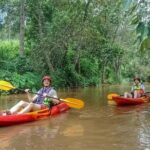
This half-day trip is built around an easy ride through lush river country, with a safety briefing, gear (life vest and helmet), and a stop to refuel at a mango plantation restaurant.
In This Review
- What Makes This SUP Trip Special on the Mae Ping
- Getting From Chiang Mai Pickup to SUP Training in the Morning
- What I’d pack for the morning
- The Ride North: Mae Ngat Valley Transfer and What It Sets Up
- Paddling the Mae Ping River: Calm Water, Easy Currents, Real Technique
- Why this river feels easier than ocean SUP
- When you need to change position
- Mae Taeng Forest Reserve: Wildlife Watching on a Moving Nature Trail
- How the guide helps you notice more
- The Kayak Option That Can Save Your Energy
- Getting Instruction From the Guide: Technique Tips That Actually Help
- Simple reminders that improve your trip
- Lunch at a Mango Plantation: What’s Included and What to Expect About Timing
- What I recommend
- Duration and How to Plan Your Chiang Mai Day
- Gear and Comfort: Small Decisions That Make a Big Difference
- Weight limit note
- Price and Value: What You’re Really Paying For
- Is it good value?
- Who Should Book This SUP Trip (and Who Might Skip It)
- Should You Book the Mae Taeng Forest SUP Through the Mae Ping?
- FAQ
- What time does the SUP tour start?
- How long is the tour?
- Is hotel pickup and drop-off included?
- Can I choose a kayak instead of SUP?
- What’s included with the tour?
- What should I bring?
- Are any fees or extra requirements mentioned?
What Makes This SUP Trip Special on the Mae Ping
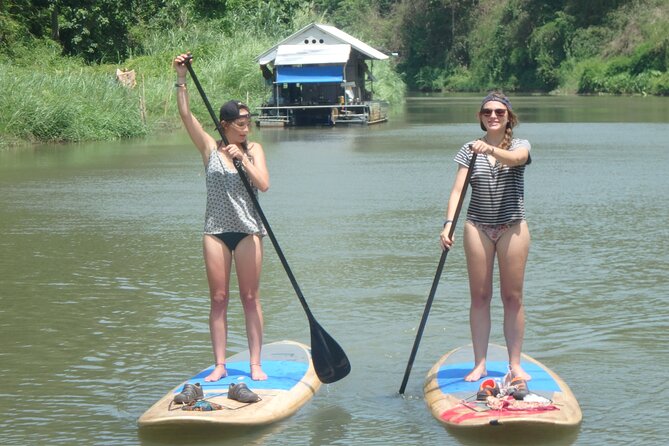
- Small-group attention: Max 5 travelers, so your guide can actually watch your balance and adjust your technique.
- Beginner-friendly river conditions: Easy Class 1 currents, with calm stretches that make first-time SUP feel manageable.
- Nature spotting without the stress: Bird and wildlife watching along a forested river corridor.
- Kayak option if you want less effort: You can paddle seated instead of standing, same route, same guide.
- Lunch at a mango plantation restaurant: A proper stop on land to reset your energy.
- Practical coaching style: Quick tips for turning, steering, and staying stable, plus an option to kneel or sit if needed.
Getting From Chiang Mai Pickup to SUP Training in the Morning
The day starts at 8:30 am with pickup from your hotel area in Chiang Mai. You’ll transfer with a small group to the paddle shop where everything starts to click. The smoother your start, the less time you spend guessing and the more time you spend on the water.
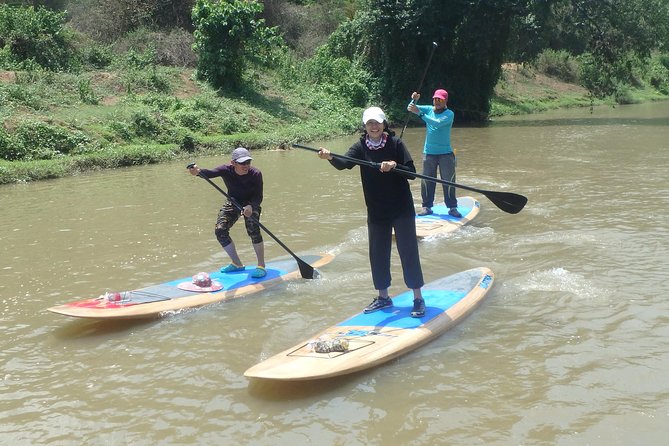
At the shop, you’ll get instruction tailored to your comfort level. This is where you’ll learn the basics: how to hold the paddle, how to balance, and how to move without turning your board into a wind-up toy. If you’re brand new to SUP, this matters. Standing on a moving surface is one thing; learning what to do with your paddle is another.
You also get a choice right there: stand up paddle board or kayak. That flexibility is a big deal if your group has mixed experience levels or if you’re just unsure how long you’ll want to stand.
You can also read our reviews of more tours and experiences in Chiang Mai

What I’d pack for the morning
Plan to bring swimming gear, a set of dry clothes, and if possible water shoes. The operator can provide water shoes in size 40–45, but only if you need them, so don’t assume they’ll match every foot size perfectly. If you have them, bring a dry bag, too. It’s not listed as included, and having a way to protect your phone makes the trip feel way more relaxed.
The Ride North: Mae Ngat Valley Transfer and What It Sets Up
Once you’re ready, you’ll drive about an hour north to the Mae Ngat valley area. This travel time is part of the value: you’re not spending your whole half-day on a bus, but you are getting out of the city enough that the water feels like its own world.
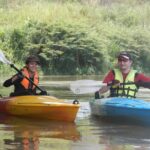
On arrival, you’ll get a safety briefing, then collect your equipment, including a life vest and helmet. That might sound a bit strict for a calm river, but it’s the kind of detail that makes you feel looked after. It also helps new paddlers relax—when you know you’re in safe hands, you focus on balancing and steering instead of worrying.
Then comes the fun part: gear on, board ready, you follow your guide into the water.
Paddling the Mae Ping River: Calm Water, Easy Currents, Real Technique
Your route runs along the Mae Ping River, with stretches that are typically smooth and slow. Conditions can vary seasonally, but the trip is set up for beginner-friendly riding. The currents are described as Class 1, which is basically “easy and controlled” water—think flow you can work with, not fight.
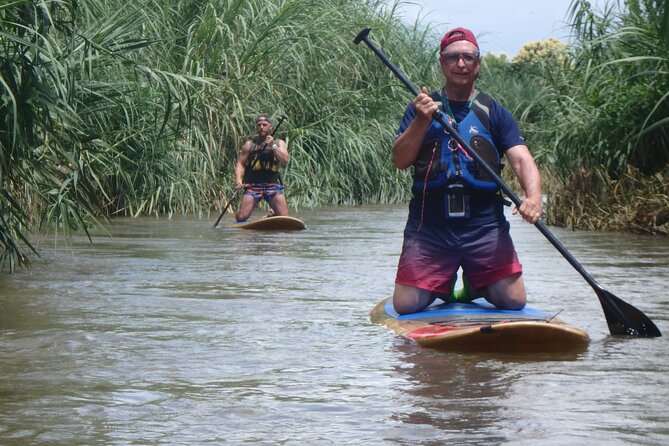
You’ll likely paddle behind your guide most of the way, and the guide helps you with technique as you go. The practical part: you don’t just learn balance once at the beginning. You get corrections while you’re riding, which is how you actually improve fast.
Why this river feels easier than ocean SUP
If you’ve done SUP in open water, you’ll appreciate the difference. Ocean SUP often means dealing with chop and unpredictable wave action. Here, you’re on a river system where the water is steadier. That makes it easier to keep your feet under you and learn turning without the board sliding sideways every time you get distracted.






When you need to change position
If you and the river conditions call for it, you can sit or kneel on your board. That’s not a failure plan; it’s part of how you stay comfortable and keep the trip enjoyable. You can still move, still steer, and still enjoy the scenery while your legs catch up.
Mae Taeng Forest Reserve: Wildlife Watching on a Moving Nature Trail
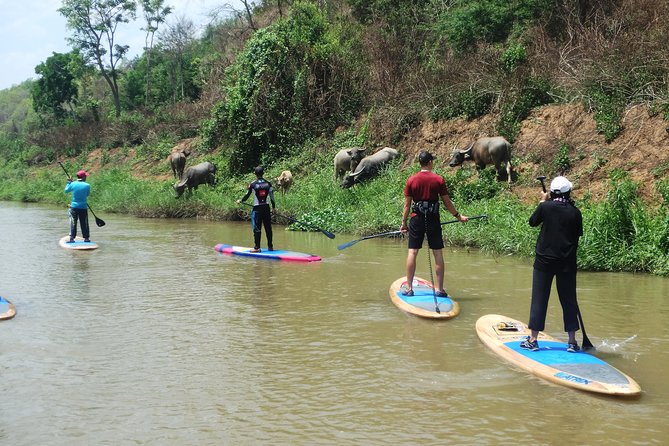
The paddling route passes through the Mae Tang Forest Reserve area, where the river edges stay green and wildlife spotting is part of the day. You’ll watch for birds and other animals as you go—no guarantees, but the habitat is there, and your guide is paying attention to the details you might miss from the board.
This isn’t a rugged hike where you sweat through your shirt and then hope for a glimpse of a bird. It’s more like a slow-moving nature track. You see the river change around bends, you notice sounds in the forest corridor, and you get chances to look without constantly bracing for water trouble.
How the guide helps you notice more
A guide’s value is partly technique, but it’s also observation. You’ll get tips that connect paddling to reading the water: where the current nudges you, how to keep your line, and when to adjust your stroke. When you understand the water, the scenery becomes easier to enjoy because you’re not constantly fighting your board.
The Kayak Option That Can Save Your Energy
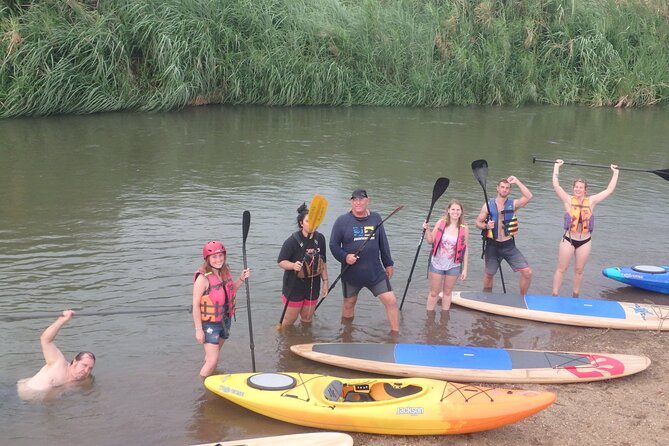
One of the smartest planning tips is to consider kayaking first—then switch to SUP if you still want to stand. The trip gives you that option, and it’s especially useful if you’re new to paddling or you just know standing takes more effort than you expect.
This is also where small-group flexibility shows up. In a mixed-experience group, switching from one to the other can keep everyone having fun rather than turning the trip into a slow recovery exercise.
And yes, paddling on a board can be tiring—fun tiring, but still tiring. If you want your energy for the best parts of the day (and you do), choose the option that fits your pace.
Getting Instruction From the Guide: Technique Tips That Actually Help
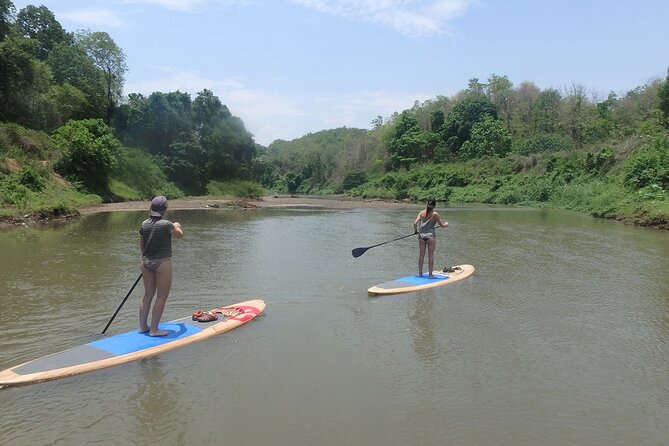
The guides here speak excellent English, and the coaching style is practical. You’ll get instructions before you launch, then the guide stays close enough to correct how you hold the paddle and how you move. That matters when you’re learning balance, because tiny changes in stance and stroke make a noticeable difference quickly.
I’ve seen this trip’s coaching described as patient and relaxed, and that fits the vibe: you’re on water, you’re learning, and there’s no need to turn it into a race. The guide you might work with includes Aidan, who’s known for guiding paddlers in a chilled way and helping you make smart choices like whether to go kayak first.
Simple reminders that improve your trip
A very real tip: put on sunscreen and reapply regularly. The morning starts bright, you’re outdoors the whole time, and river reflections can amplify sun exposure. If you only do sunscreen once, you’ll regret it later.
Lunch at a Mango Plantation: What’s Included and What to Expect About Timing
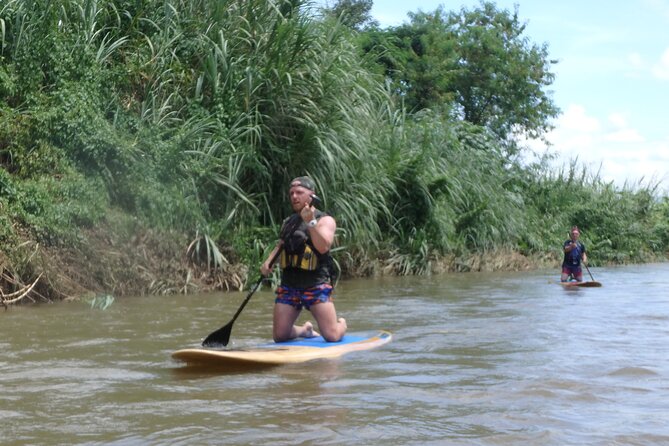
Lunch is included, served at a restaurant at a Mango Plantation. You’ll come ashore and refuel before the trip wraps up.
Here’s the only timing snag worth planning for: lunch can run late, with reports placing it around 3 pm. The itinerary says half-day, but the river-and-reset rhythm can stretch. So treat this like a light schedule, not a tight one.
What I recommend
- Bring a snack for before lunch, especially if you start the morning on an empty stomach.
- Pack a little water discipline. Bottled water is included, but you’ll still feel better if you drink steadily rather than chugging at the end.
Duration and How to Plan Your Chiang Mai Day
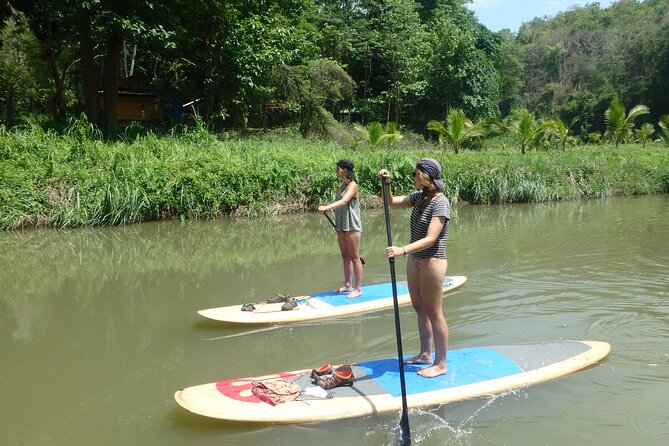
The tour runs about 4 hours in duration, with pickup in the 8:30 am window and time built in for travel, safety briefing, paddling, and lunch. In practice, your day will feel like a gentle half-day excursion rather than a quick hit.
If you’re planning another activity later, pick something flexible. Think of this as your outdoor reset, not a hard timeline anchor.
Gear and Comfort: Small Decisions That Make a Big Difference
The included gear covers the essentials: an inflatable paddle board or kayak, plus life vest and helmet. You’ll also have access to water shoes through the pro shop if you need them, and you can sometimes buy extras like waterproof phone bags.
Here’s what will make you happier on the water:
- Wear water-friendly clothing. You’ll want quick-dry comfort.
- Bring a dry clothes change for after paddling.
- Use water shoes if your feet are sensitive. If not, at least ensure you can step safely during boarding and landings.
- If you have them, bring a dry bag for your phone and keys.
Weight limit note
The supplied boards are described as suitable for beginners weighing up to 220 lbs (100 kg). If you’re near that range, it’s worth paying attention and asking when you confirm.
Price and Value: What You’re Really Paying For
The price is $71.98 per person, and it’s commonly booked about 7 days in advance. That cost includes a lot of the stuff that makes river days easier: hotel pickup and drop-off, a professional river guide, equipment, and lunch at the mango plantation restaurant. Bottled water is included too.
What’s not included matters: you may need to handle river fee/insurance costs, and you’ll be asked to provide a passport number at check-in for insurance ID. In other words, the base price is the main chunk, but you should budget a little extra for the fees tied to insurance and the river itself.
Is it good value?
If you want a guided SUP experience without needing to figure out transport, gear, safety setup, and river conditions, the package value is strong. You’re not just buying a board rental. You’re buying a day that’s organized from pickup to lunch to drop-off, plus instruction that helps you get stable quickly.
Who Should Book This SUP Trip (and Who Might Skip It)
This trip is a great fit if you’re:
- Trying SUP for the first time and want a beginner-friendly setup
- Comfortable with moderate activity for a few hours
- Interested in a calm nature ride on a river that still has real scenery and wildlife chances
- Traveling with mixed experience levels and want the kayak option to keep everyone happy
It might be less ideal if you:
- Want a long, intense workout (this is more about calm paddling and technique)
- Struggle with getting on and off a board/boat comfortably
- Hate the idea that lunch may not be served at the exact time you expect
Service animals are allowed, and the trip calls for moderate physical fitness, not athletic training.
Should You Book the Mae Taeng Forest SUP Through the Mae Ping?
If your ideal day in Chiang Mai includes gentle adventure, guided instruction, and a calm river with forest scenery, this is a smart choice. The biggest reasons are the small-group feel, the easy river setup for beginners, and the way the guide teaches you while you’re actually paddling. If you’re on the fence, the kayak option is a safe plan B.
I’d book it when you want an outdoor activity that feels authentic and local—more jungle river time than tourist checklist time. Just do yourself a favor: plan for sun, pack a snack for the later lunch rhythm, and bring water-friendly clothes so you can relax once you’re on the water.
FAQ
What time does the SUP tour start?
The start time is 8:30 am.
How long is the tour?
The duration is about 4 hours.
Is hotel pickup and drop-off included?
Yes. Hotel pickup and drop-off are included.
Can I choose a kayak instead of SUP?
Yes. You can choose to paddle by kayak instead of using a stand up paddle board.
What’s included with the tour?
Included items are the inflatable paddle board or kayak, professional river guide, life vest and helmet at the river, bottled water, and lunch served at a restaurant at a Mango Plantation.
What should I bring?
Bring swimming gear, a set of dry clothes, and if possible water shoes. Water shoes may be provided in size 40–45.
Are any fees or extra requirements mentioned?
There may be river fee/insurance costs not included in the base price, and you may be asked for your passport number at check-in for insurance ID.