REVIEW · CHIANG MAI
Chiang Mai: Day for Elephant Observation Only Half-day Trip
Book on GetYourGuide →Operated by Living Green Elephant Sanctuary Chiang Mai and Chonburi · Bookable on GetYourGuide
Elephants roam free here. This half-day trip is built around real observation, not tricks, with a no-control policy that keeps you focused on elephants as animals. I especially like two things: you help prepare and serve food in a calm, hands-on way, and you get an authentic Pad Thai cooking workshop with lunch that feels tied to the day, not tacked on. A possible drawback: the day runs 6–7 hours including travel, so it can feel long if you hate early mornings or long drives.
What makes this outing work is the setting. You head into the hills near Doi Inthanon National Park, where the sanctuary sits in lush country and you spend time around a real, everyday stream-and-forest rhythm. Guides like Su bring the elephant story in clear, humorous English, which matters when you want to understand what you are seeing and not just take photos.
One more thing: the rules are clear. There is no elephant riding, no controlled walking, and no forced interactions like mandatory bathing. Flash photography is also off-limits, so plan on slower looking instead of click-fast shooting.
In This Review
- Key things you will notice right away
- Big Boy Elephant Sanctuary and the no-control rules
- Getting to the sanctuary near Doi Inthanon without feeling rushed
- Elephant observation: close viewing, no touching, and time to watch
- Feeding elephants with natural food and vitamin balls
- The Pad Thai cooking workshop that ends as lunch
- Price at about $46: what you are really paying for
- Who this experience suits (and who should skip it)
- Practical tips so the day goes smoothly
- Should you book this Chiang Mai elephant observation trip?
- FAQ
- What are the pickup times for the morning and afternoon trips?
- How long is the program?
- Is elephant riding or controlled walking included?
- What activities happen besides feeding elephants?
- What should I bring, and are there rules for cameras and smoking?
- Who is this trip not suitable for?
Key things you will notice right away
- A strict no-control approach: no riding, no commanding elephants to follow orders, and no controlled walking.
- You feed up close, but without touching: close enough for meaningful viewing, not close enough to manhandle.
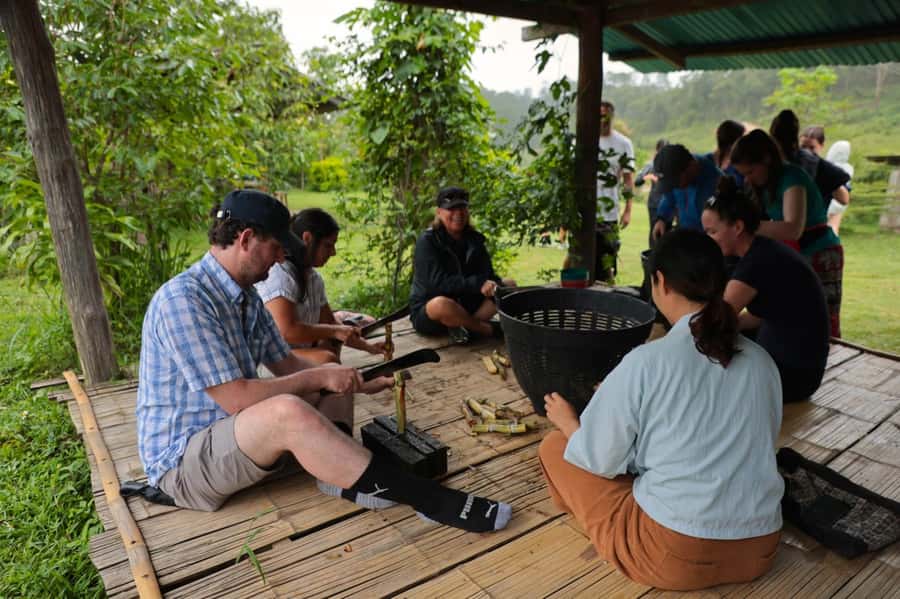
- Natural food prep in steps: you help work with natural materials before serving the elephants.
- Vitamin balls and habitat care: you are not only feeding; you are also learning how day-to-day care works.
- Pad Thai you actually make: you cook lunch under guidance, then eat it afterward.
- Small-group feel: the format stays personal, so you can ask questions and get real answers.
Big Boy Elephant Sanctuary and the no-control rules
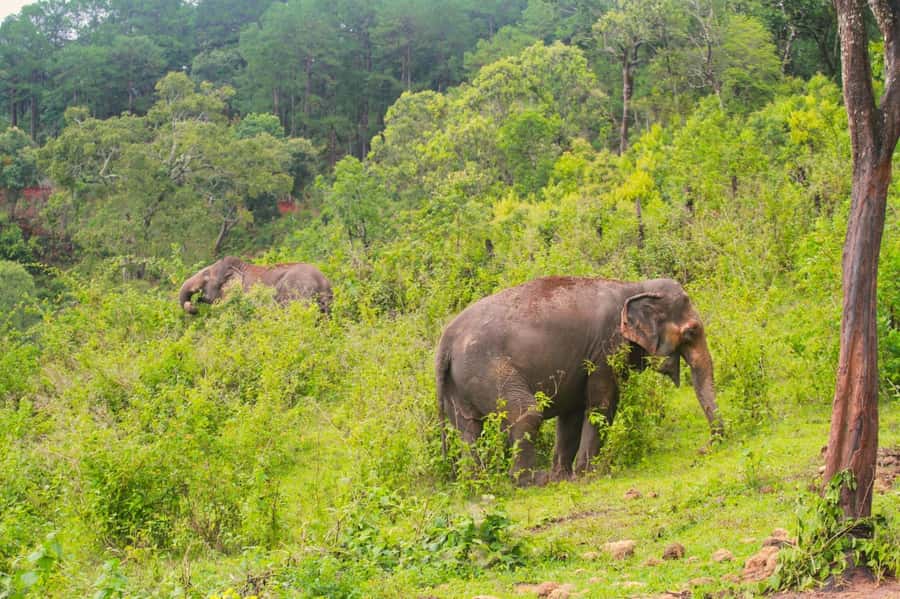
If you care about elephant welfare, this is the big reason to pick this sanctuary. The whole experience is based on a proud “no control” stance. In plain terms, elephants are not put on a schedule you can control, and you are not asked to steer them like props.
That shows up in the rules: no elephant riding, no controlled walking, no mandatory bathing, and no commanding elephants to follow orders. At many elephant stops in Thailand, people expect an activity loop built around human commands. Here, the aim is the opposite: let elephants live as naturally as possible, with you as an observer and helper—not a handler.
I also like that the staff openly frames this as conservation-focused education. You get conversations with elephant experts and practical explanations, including attention to elderly and sick elephants. That part can be emotional, but it is also grounding. Instead of focusing on entertainment, the day keeps pointing you back to care, behavior, and long-term rescue impacts.
The result is a calmer kind of closeness. You still get to see elephants up close, but you do not get the feeling you are forcing anything. It is more about reading elephant behavior and letting them approach on their own terms.
You can also read our reviews of more tours and experiences in Chiang Mai

Getting to the sanctuary near Doi Inthanon without feeling rushed
This is a Chiang Mai area trip, but it is not a quick hop. Your start time depends on the session you book: a morning slot running roughly 07:00–14:30, or an afternoon slot around 11:00–18:30. Your exact hotel pickup time gets confirmed one day before based on where you stay and the number of people.
Total duration is 6–7 hours, and that includes transportation. That matters because the experience is outdoors, and the drive to the sanctuary area takes time. If you hate long car rides, consider which session works best for your energy level. Morning can mean earlier start, afternoon can mean arriving later in the day when the light changes and elephants may pace differently.
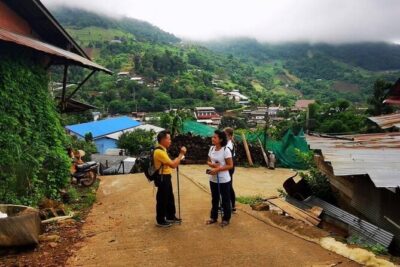
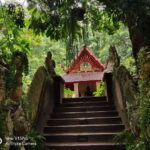
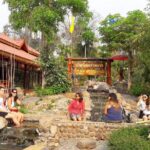
The setting is in the hills near Doi Inthanon National Park, and the area is pretty in an everyday way—trees, paths, and a real stream nearby. One review described a stream running through the sanctuary area, and you can see why that detail makes the place feel alive rather than staged.
Packing smart makes the travel portion easier too. Wear comfortable shoes for walking outside. Bring insect repellent and a sun hat because this is still northern Thailand weather. If you like photos, bring a camera, but remember flash is not allowed.
Elephant observation: close viewing, no touching, and time to watch
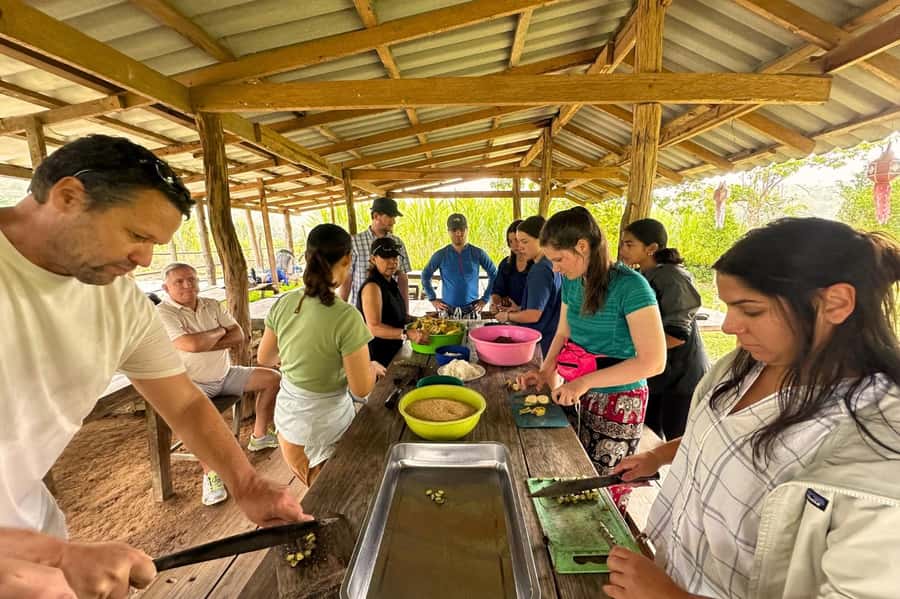
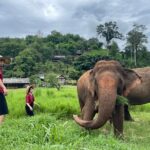
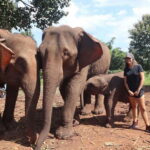
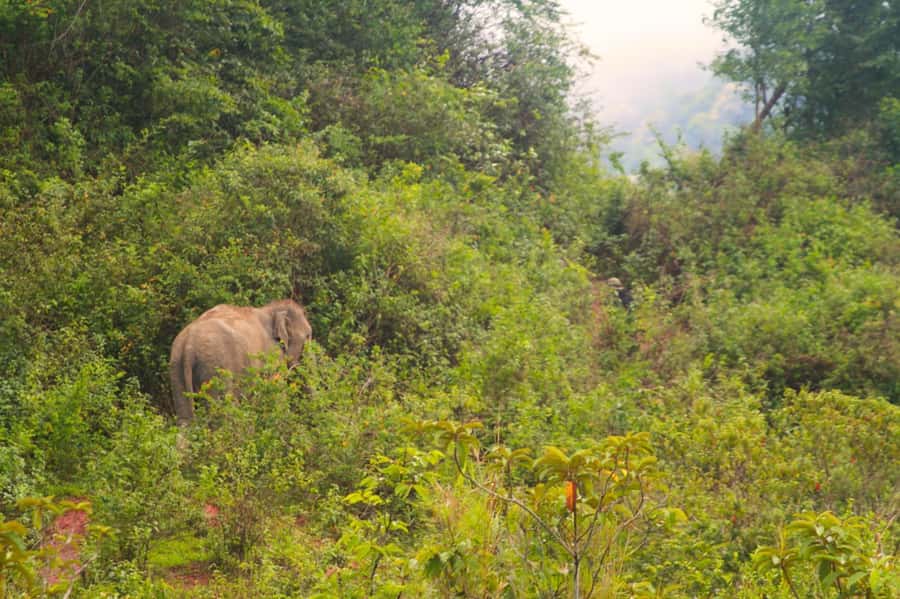
The core of the day is watching elephants in a natural-ish environment. You are not sent down a line to do tricks. Instead, you spend time observing elephants eating, playing, and staying together like a family group.
You get close enough for photos, but the sanctuary keeps the boundaries tight. You cannot touch the elephants. That is a big deal, because it keeps the focus where it should be: elephants are not objects, and you are not grabbing, guiding, or testing them.
What I find useful is that you do not just stand and guess. The guide explains what you are likely seeing and why. You learn elephant behavior and care basics, including how the sanctuary manages different health needs like elderly and sick elephants. That turns observation into something you can actually interpret.
Also, because there is no controlled walking or forced bathing, you tend to watch longer “quiet moments.” Elephants may pause, wander a bit, then settle again. That can feel slow if you expected an action show. If you are okay with slower time and patient looking, you will get a lot out of it.
One practical tip: if you plan to take photos, keep your pace steady. Do not rush for the shot when the elephant is moving. Instead, wait for a natural stop. The best photo moments often happen when you are patient enough to let them choose the moment.
Feeding elephants with natural food and vitamin balls
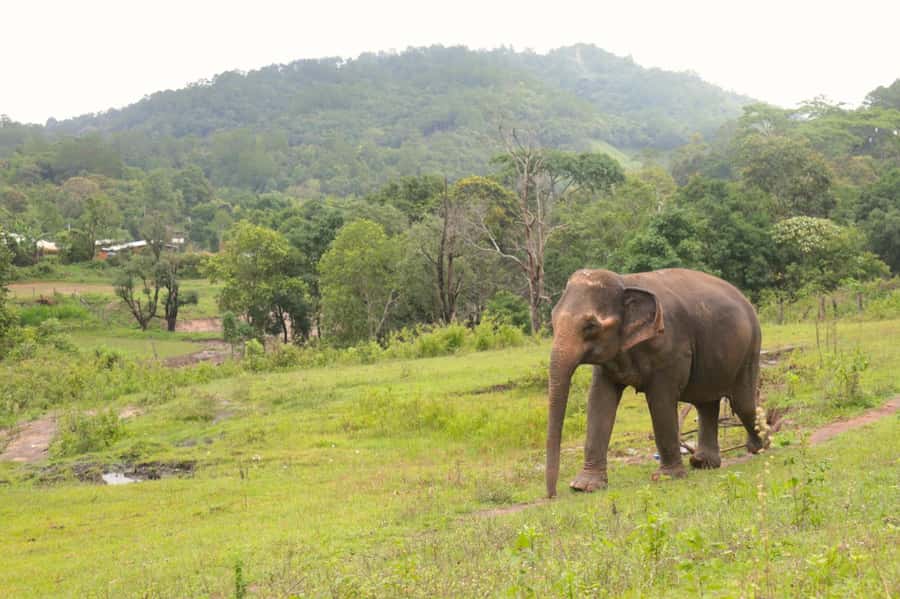
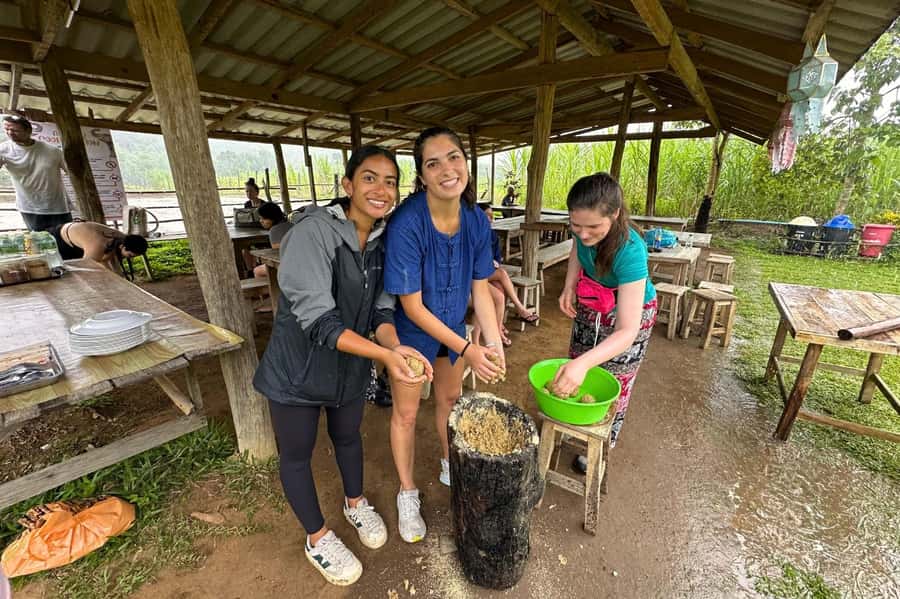
This is hands-on in a respectful way. Before feeding, you work on food preparation using natural materials. The goal is not to make yourself feel like an expert farmer; it is to understand the steps behind daily meals and the kind of care the sanctuary provides.
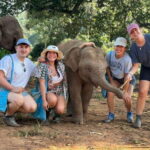
Once food is prepared, you deliver it to the elephants and watch how they respond. The feeding experience is up close, which can be thrilling, but you stay within the sanctuary’s interaction rules. No touching, no commanding, no forcing. You are part of the routine, not the controller of it.
A big highlight is vitamin ball preparation and vitamin feeding. These medicine-style balls (made for the elephants’ nutritional support) are often the activity that makes people feel like they are truly helping. You might also do habitat care activities, which reinforce the idea that rescue and care is daily work, not a single event.
The guide’s stories add meaning here. You hear about elephant behavior and health, and why care practices matter for different elephants in the group. That turns the feeding portion from a moment to a lesson: why the sanctuary uses particular methods, and what the elephants need to thrive.
One balanced note: if you are uncomfortable being close to large animals, this part can feel intense even with the rules. The setting is designed for safe, respectful observation, but it is still elephants up close.
The Pad Thai cooking workshop that ends as lunch
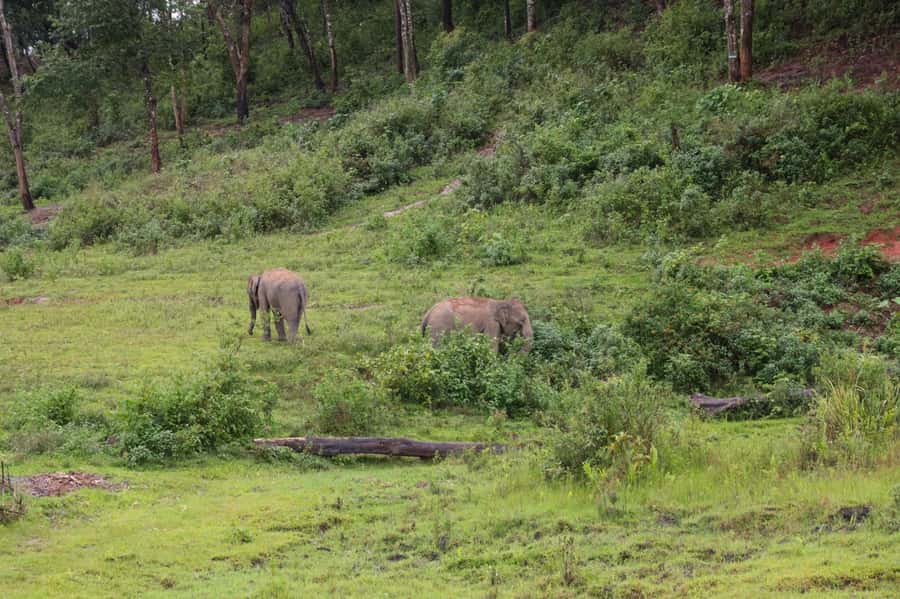
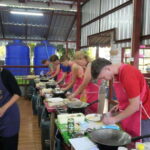
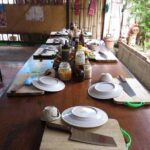
The trip includes a Pad Thai cooking workshop, and it is more than a quick snack stop. You learn how to prepare Pad Thai with guidance from local culinary experts. You cook your own lunch, then eat what you made while the day’s experiences are still fresh.
What makes this portion feel good is timing and flow. You spend hours with elephant care and observation, then switch gears to a familiar Thai dish built from real ingredients and technique. It feels like you are still learning something local rather than just checking off a food activity.
The workshop is presented as an authentic cooking method, using an ancient family recipe passed down through generations. The workshop also connects to what you do for elephants: natural material thinking, careful preparation, and patient steps. If you have ever wanted to bring home a dish you can recreate, this is one of the easier ones because you leave with practical instructions for seasoning and assembling.
Food tastes good when you have a clear reason to be hungry. By the time lunch arrives, you will likely be ready for it, and it is a relief that it is included in the tour rather than being a separate restaurant gamble.
You can also read our reviews of more tours and experiences in Chiang Mai




Price at about $46: what you are really paying for
At around $46 per person, this trip is priced like a mixed-value day: transportation, education, hands-on feeding prep, vitamin feeding, and a Pad Thai class with lunch.
If you compare it to typical “elephant experience” pricing, the difference is that you are not buying a ride or a performance. You are paying for time, staff guidance, and care-focused activities that do not depend on controlling the animals for your entertainment.
You also get a structured learning arc: an elephant education briefing, food preparation work, feeding, vitamin-focused activities, and then a culinary workshop with lunch. That adds up, especially when you consider the logistics of reaching the sanctuary area from Chiang Mai.
The best way to judge value is to match your goal. If your goal is ethical observation and learning, the cost feels reasonable for what the day includes. If your goal is a fast, purely scenic half-day with minimal time on the road, it might feel like a bigger commitment than you planned.
Who this experience suits (and who should skip it)
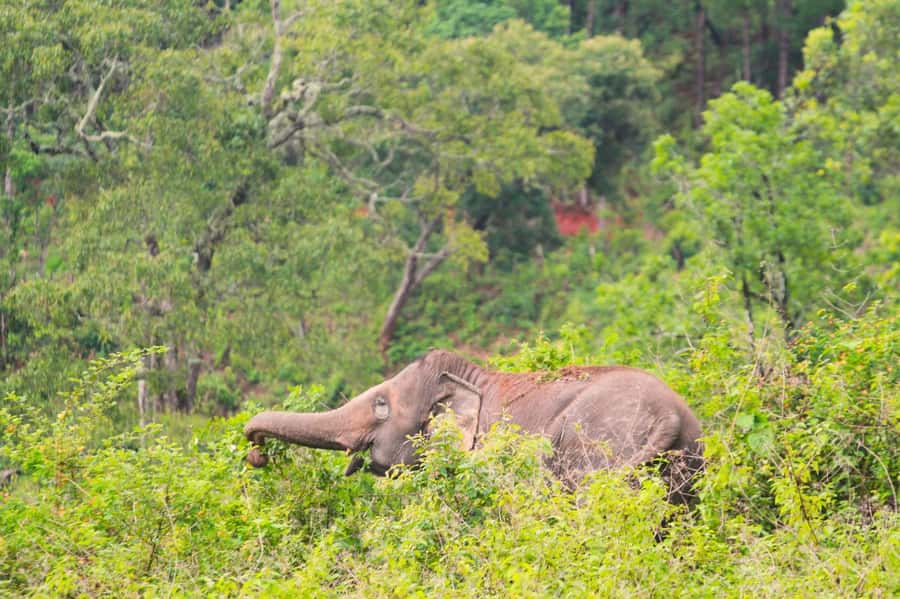
This trip is a strong fit if you want to see elephants with clear welfare boundaries. You do not ride. You do not command. You observe and help in a controlled-by-design way, with rules that protect elephants from human pressure.
It is also a good match if you enjoy guides who explain behavior and care. Guides like Su are highlighted for good English and good humor, and that combination matters because elephant watching can turn into guesswork without context.
A caution: it is not suitable for pregnant women, people with back problems, or people with mobility impairments. The day involves outdoor walking and activities tied to feeding and observation, so it may not be comfortable or safe for everyone.
If you are traveling with limited time in Chiang Mai and you want a single meaningful activity, this can work well. It is hands-on without being chaotic, and the Pad Thai workshop gives you a satisfying end to the day.
Practical tips so the day goes smoothly
A few small prep items make a noticeable difference:
- Wear comfortable shoes and clothing for outdoor walking.
- Bring a refillable water bottle and plan to drink often.
- Use insect repellent and wear a sun hat if you are out in open areas.
- Pack a camera if you want elephant photos, but remember flash is not allowed.
- Avoid smoking during the experience, since it is prohibited.
Also, arrive on time for your pickup window. The schedule depends on transportation and getting everyone to the sanctuary area smoothly, and being late can throw off the day.
If you are photo-focused, set your expectations first: this is not a touch-and-pose session. The best results come from watching quietly and being ready when the elephants move naturally.
Should you book this Chiang Mai elephant observation trip?
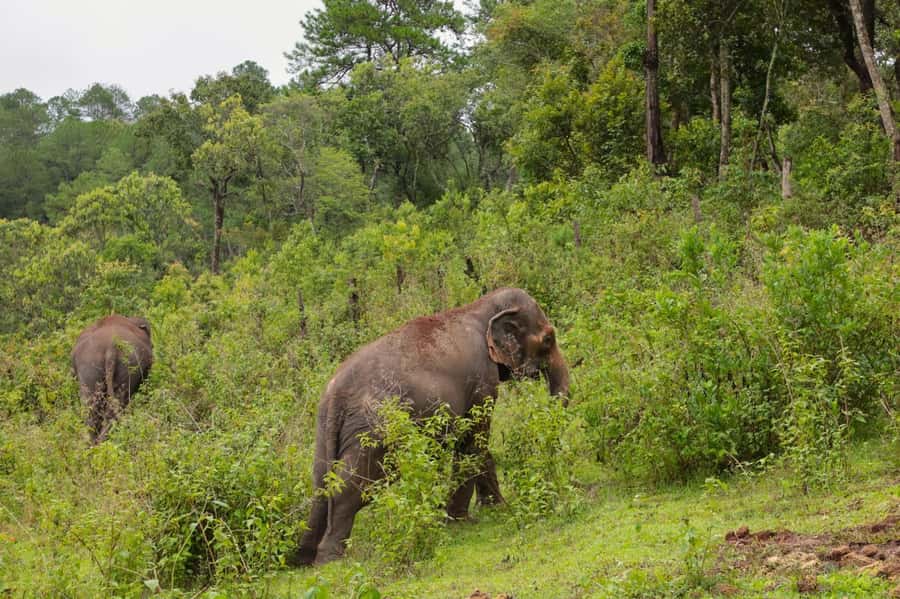
I think you should book this if you want an elephant experience that respects welfare rules and still gives you close, memorable viewing. The no-control approach is the main reason to choose it, and the hands-on feeding plus vitamin care activities make the day feel purposeful. Add the Pad Thai cooking workshop and lunch, and you get a complete half-day style program that does not leave you hungry or stuck with only observations.
Skip it if you are looking for elephant riding, controlled “performances,” or a very low-effort outing. It is also not a good choice for anyone who has mobility limits, back problems, or is pregnant.
If ethical animal experiences matter to you, and you enjoy learning as you watch, this is a trip that matches your goals better than the usual elephant tourist loop.
FAQ
What are the pickup times for the morning and afternoon trips?
You can choose a morning session that runs about 07:00–14:30, or an afternoon session about 11:00–18:30. Exact pickup time is confirmed 1 day before based on hotel location and guest count.
How long is the program?
The program lasts about 6–7 hours, and that includes transportation time. The time shown on your voucher is for reference, and the pickup time is confirmed closer to the date.
Is elephant riding or controlled walking included?
No. The sanctuary operates with a no-control policy, which means no elephant riding and no controlled walking. It also avoids commanding elephants to follow orders and does not do mandatory bathing.
What activities happen besides feeding elephants?
You’ll do elephant education, help prepare elephant food from natural materials, participate in ethical feeding, and take part in vitamin workshop and habitat care activities. You also cook Pad Thai and enjoy lunch.
What should I bring, and are there rules for cameras and smoking?
Bring comfortable shoes, a sun hat, a camera, and insect repellent. Smoking is not allowed, and flash photography is not allowed either.
Who is this trip not suitable for?
The experience is not suitable for pregnant women, people with back problems, or people with mobility impairments.